PreZero Arena
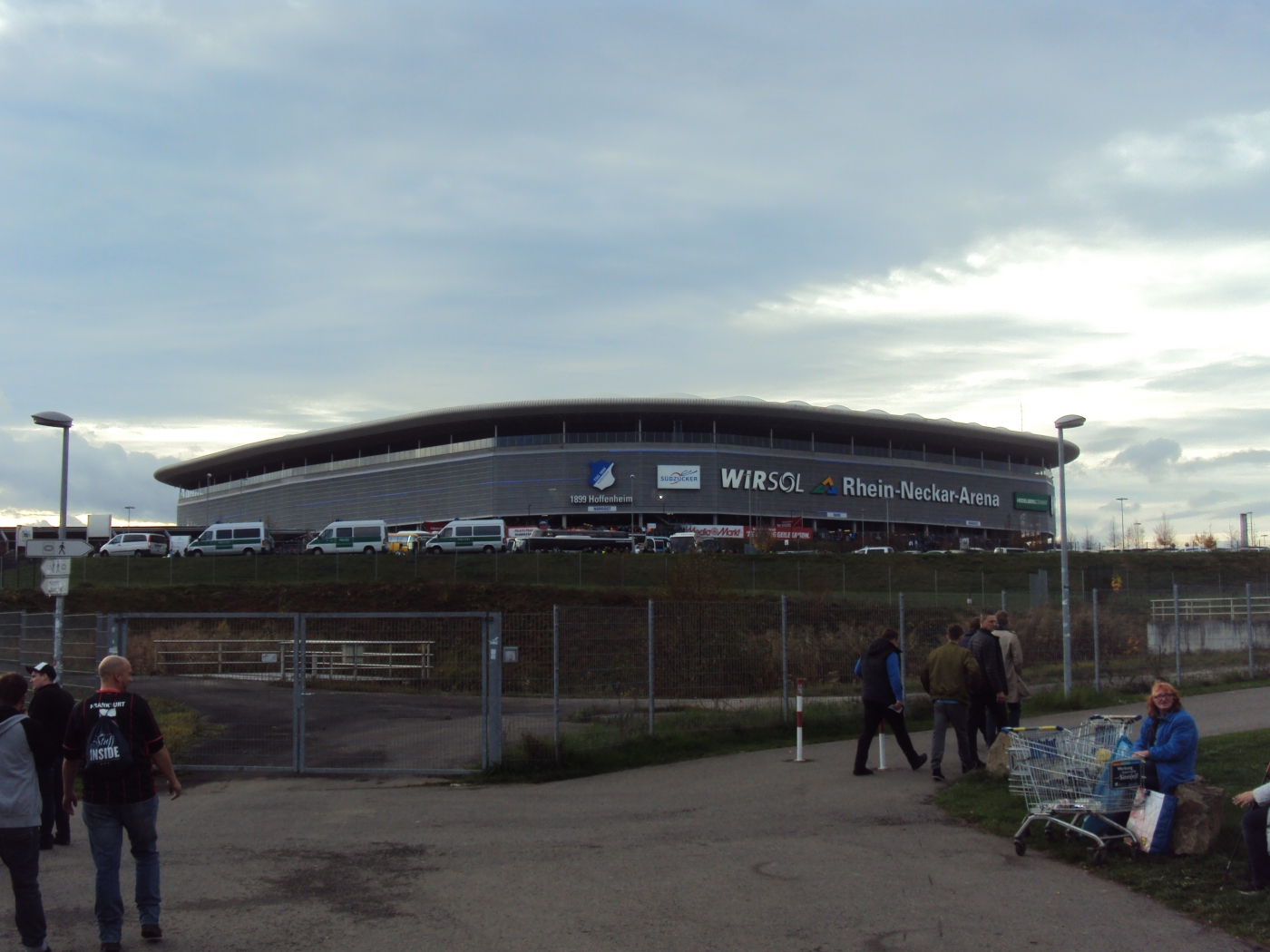
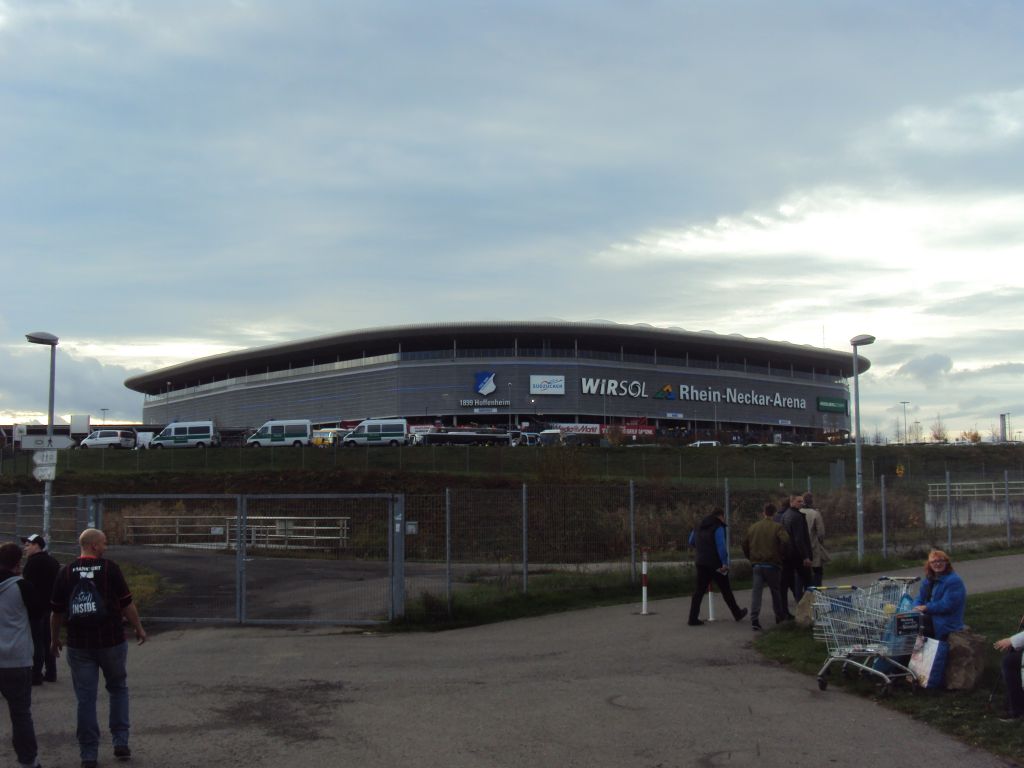
Rhein-Neckar-Arena
Dietmar-Hopp-Straße 1, Sinsheim, Germany
About the Stadium:
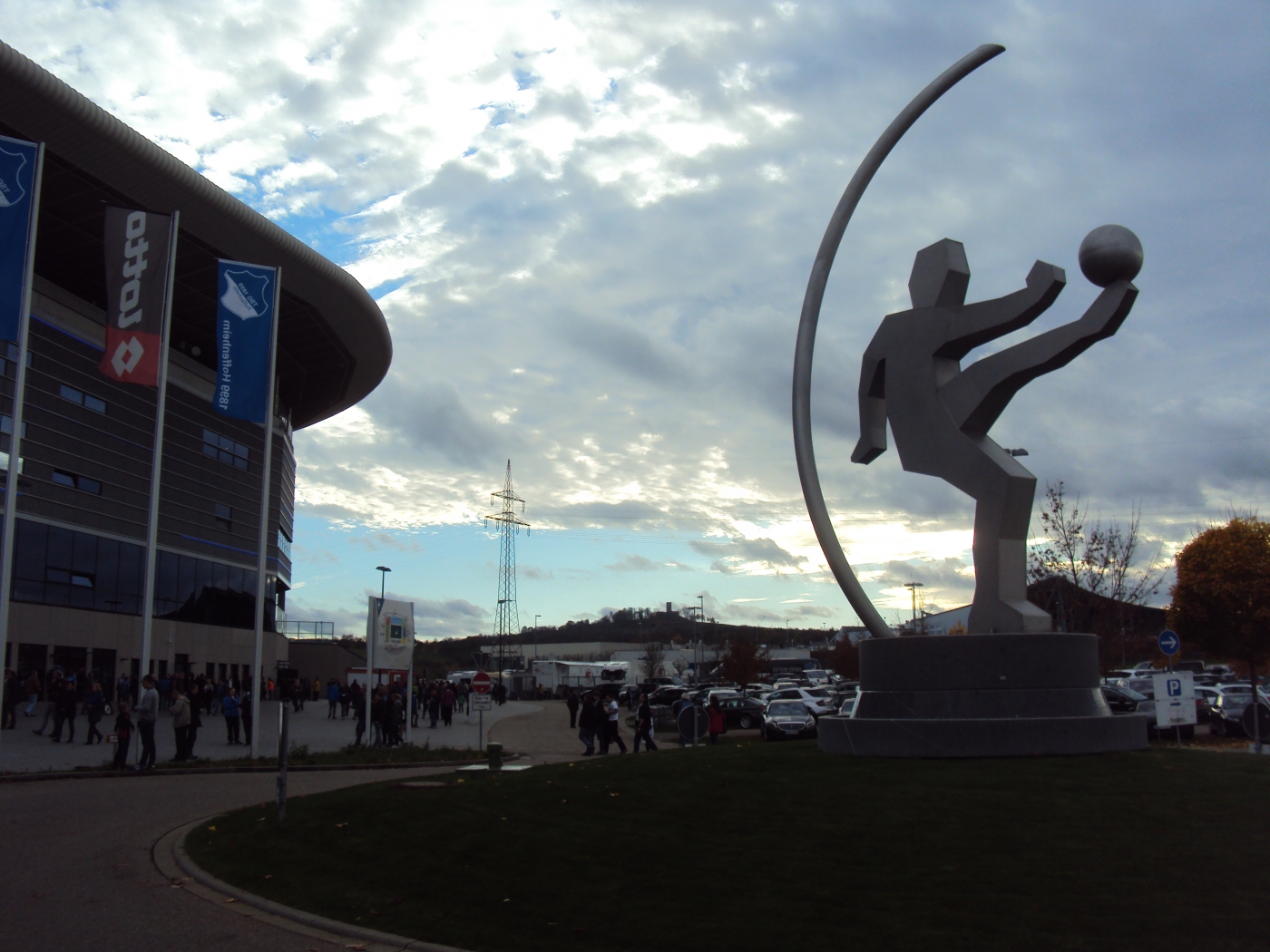
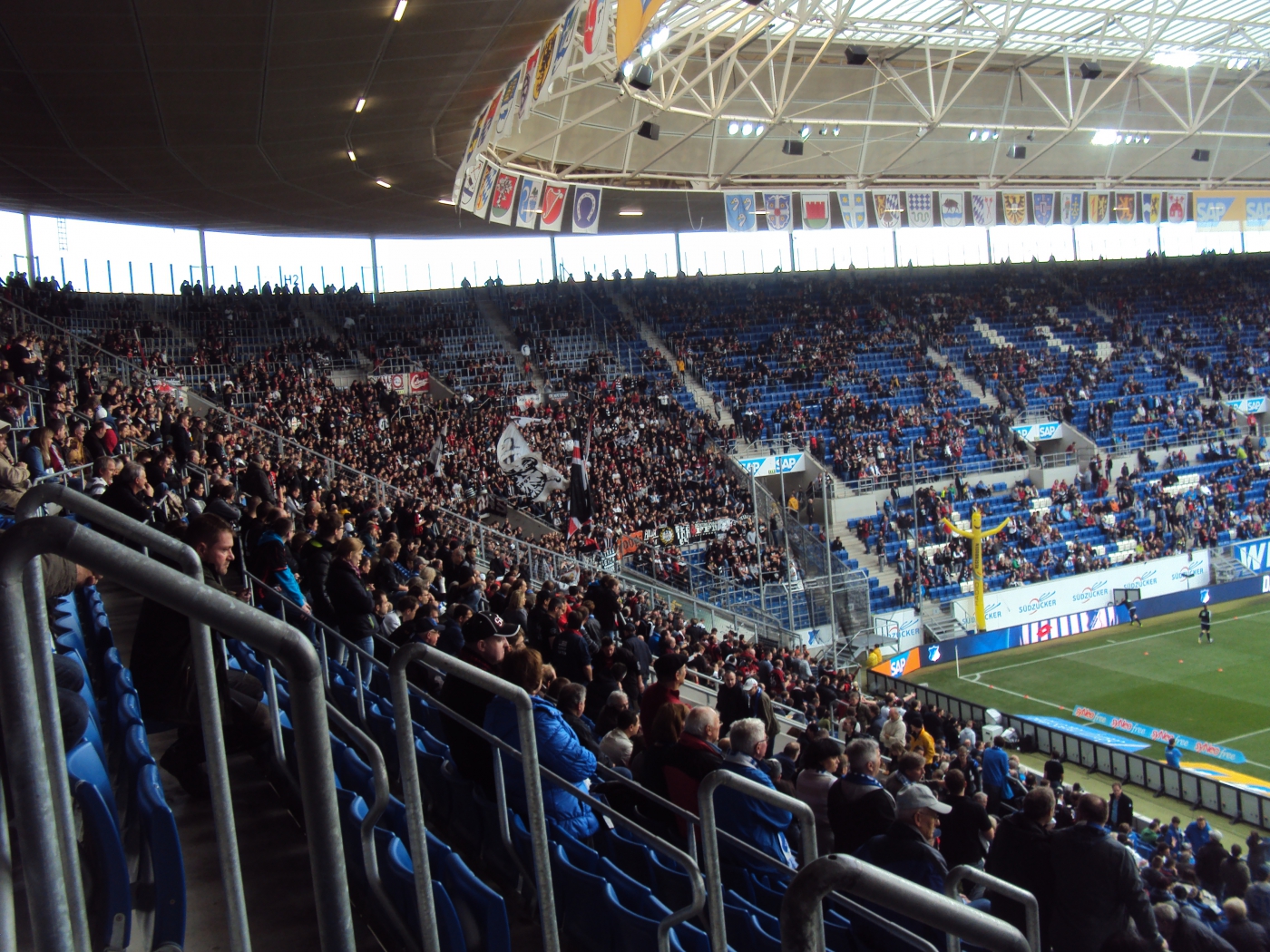
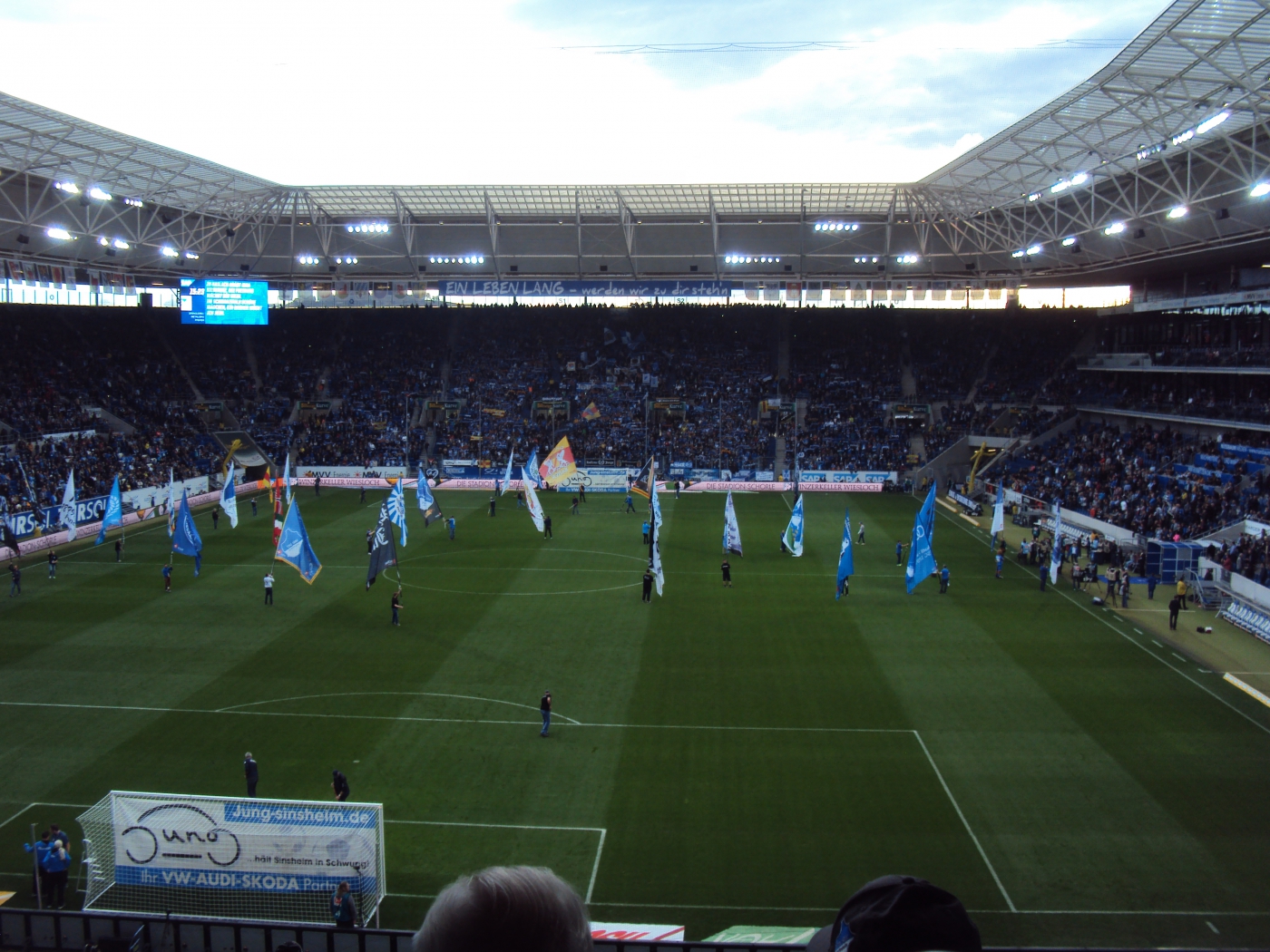
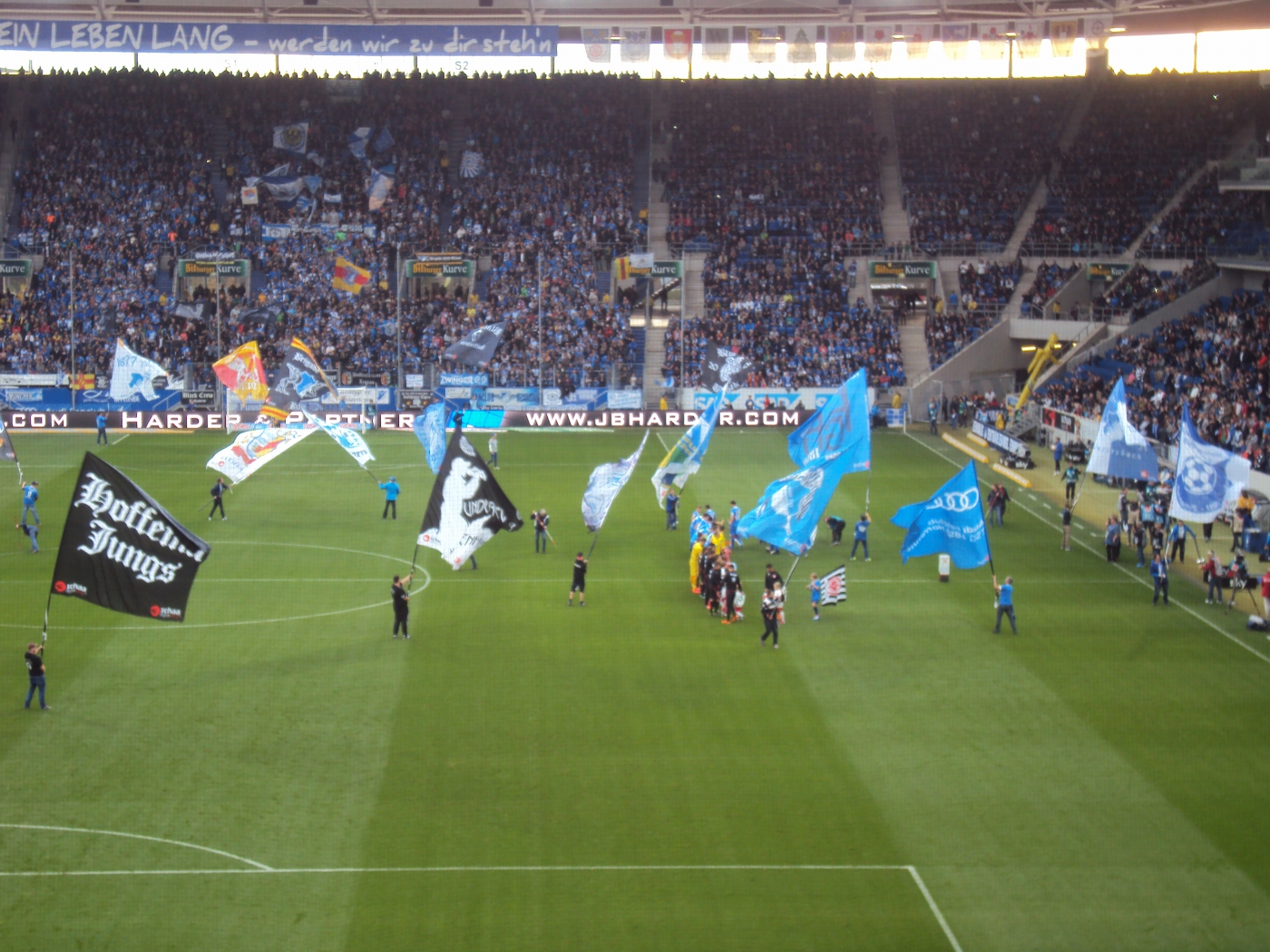
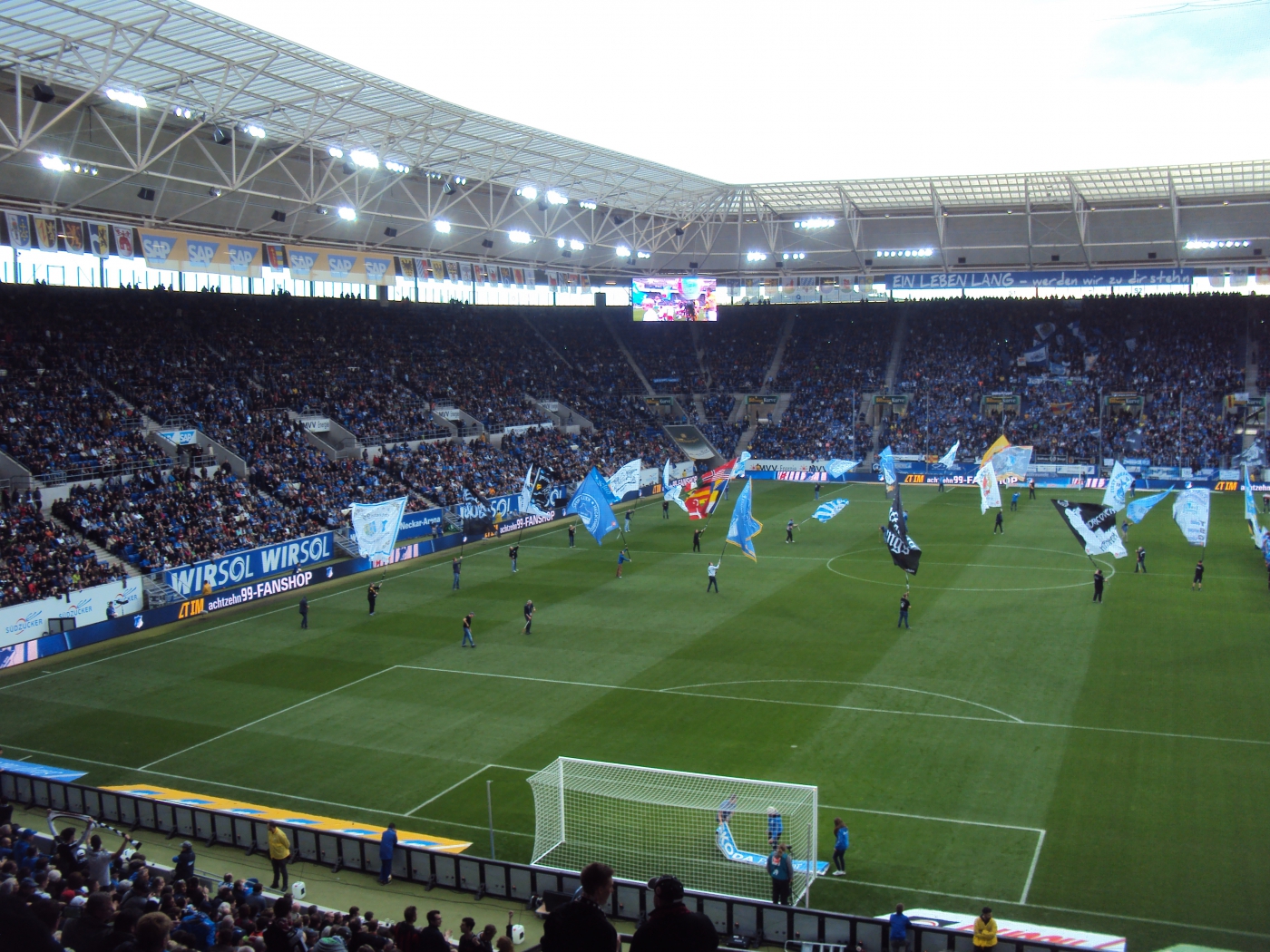
The PreZero Arena, situated in Sinsheim, Germany, is a modern symbol of football ambition and sustainable design. Home to TSG 1899 Hoffenheim, this stadium embodies the club's remarkable journey from amateur leagues to the top tier of German football, the Bundesliga.
A Modern Fairytale
Opened in January 2009, the PreZero Arena accommodated TSG Hoffenheim’s rapid ascent. Previously, the club played at the smaller Dietmar-Hopp-Stadion, named after their patron, SAP co-founder Dietmar Hopp. His substantial financial backing fueled their rise. The need for a new, larger stadium became critical after Hoffenheim secured promotion to the Bundesliga in 2008 – a genuine fairytale. Initially known as the Rhein-Neckar-Arena, it met professional league standards, offering state-of-the-art facilities for fans and players.
Capacity and Versatility
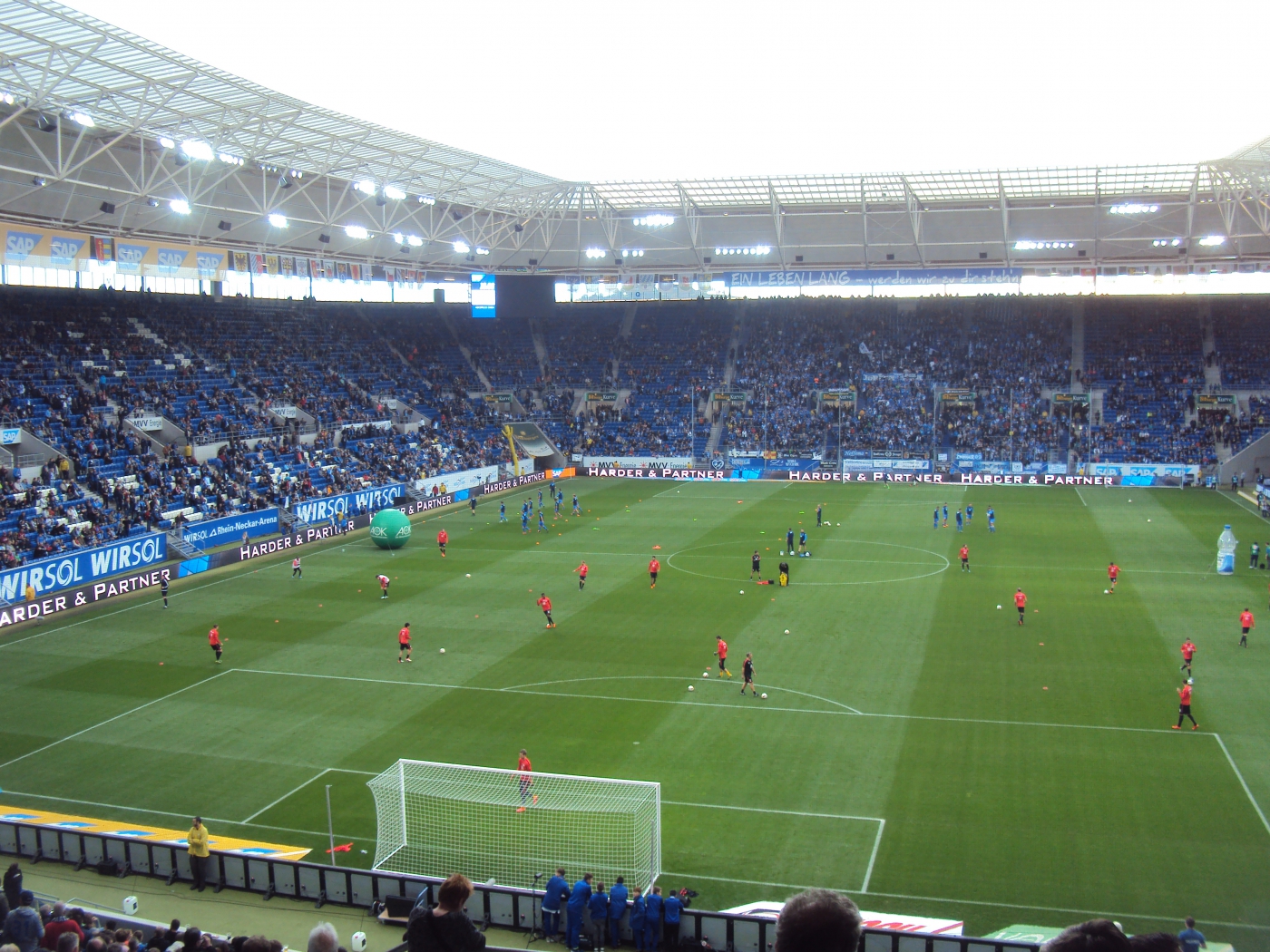
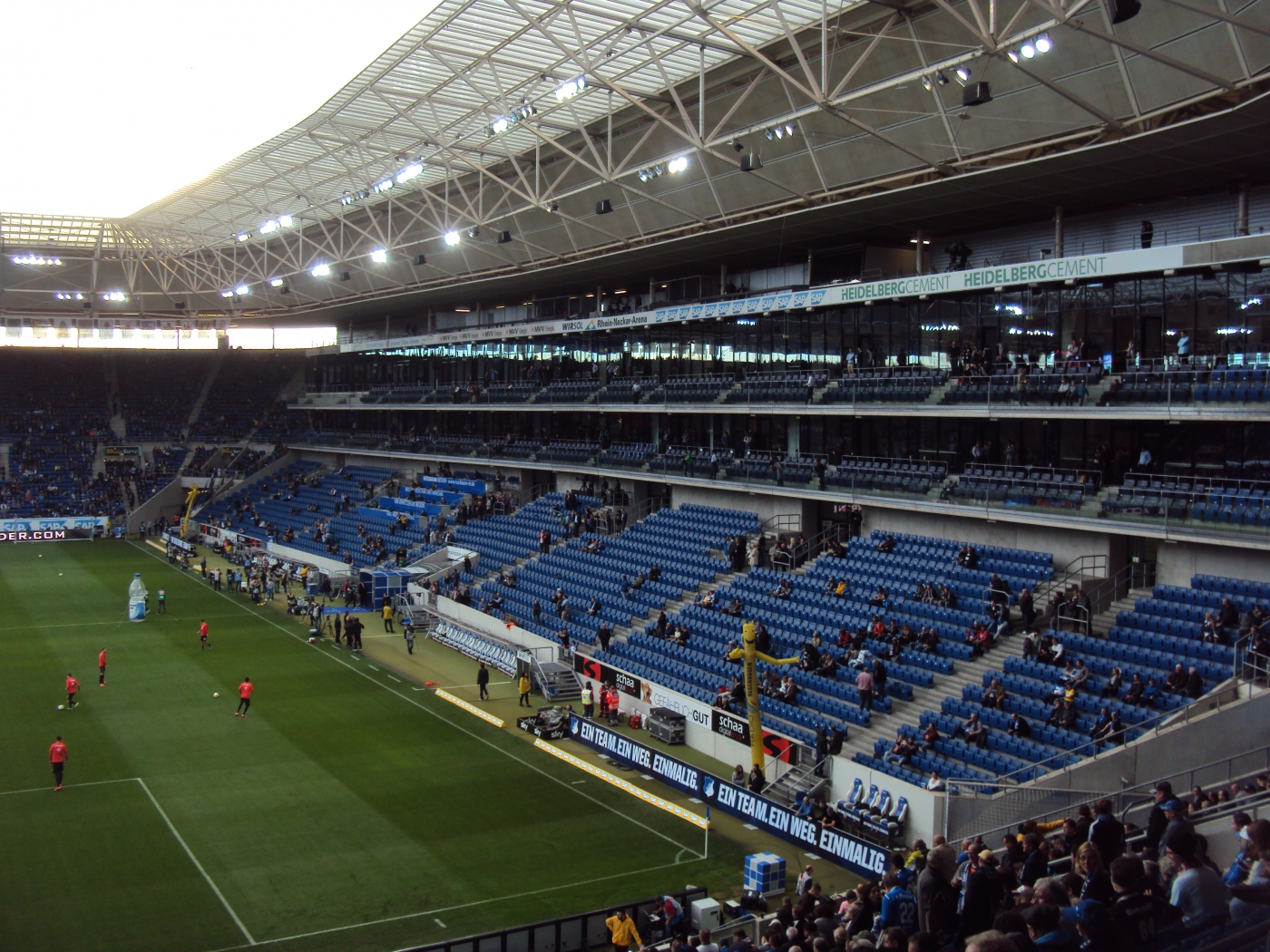
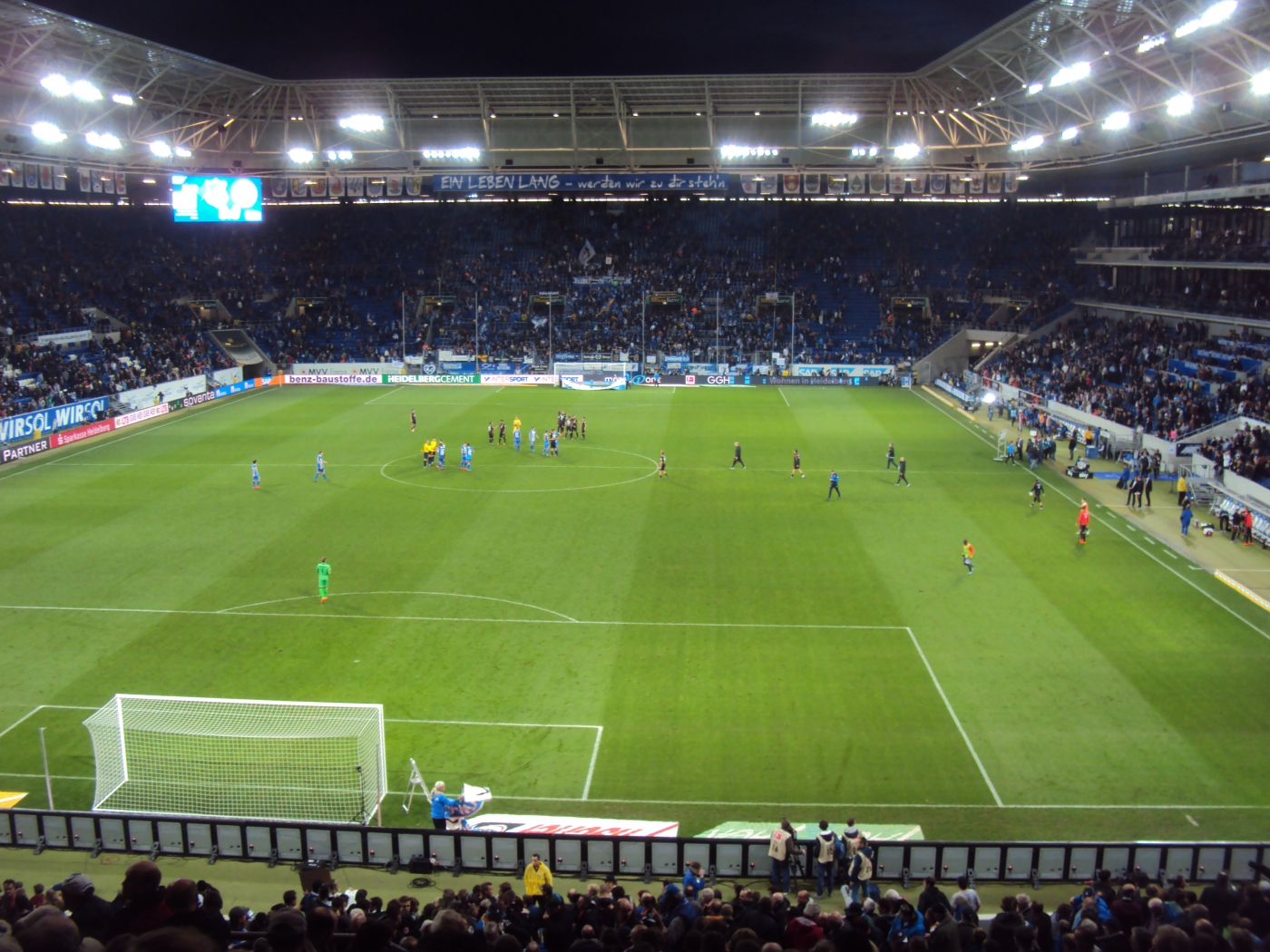
With a capacity of approximately 30,150 for domestic matches and 25,641 for international fixtures, the PreZero Arena ensures excellent sightlines and a vibrant atmosphere. Its distinctive roof and efficient layout provide a modern aesthetic. Beyond Bundesliga games, it hosted matches for the 2011 FIFA Women's World Cup, showcasing its versatility. Construction cost around 60 million Euros.
Pioneering Sustainability
In 2019, the stadium was rebranded the PreZero Arena, reflecting a strategic partnership with PreZero, a waste management and environmental services company of the Schwarz Group (Lidl, Kaufland). This collaboration highlights a deep commitment to sustainability. The stadium actively implements innovative waste management, resource efficiency, and climate protection measures. It aims to be one of Europe's most environmentally friendly football arenas, with comprehensive recycling and energy-efficient operations. The PreZero Arena stands as a beacon for ecological responsibility in professional sports.