TSG 1899 Hoffenheim
Hoffenheim, Germany
About the Club:
The story of TSG 1899 Hoffenheim is one of the most remarkable ascensions in modern football, transforming from a modest village club into a staple of the German Bundesliga. Located in the small village of Hoffenheim, a district of Sinsheim, this club embodies ambition, innovation, and the significant impact of a visionary patron.
A Humble Beginning
Founded on July 1, 1899, as a gymnastics club, Turn- und Sportgemeinschaft Hoffenheim initially focused on athletics. The football department was established later. For much of its history, Hoffenheim remained a local amateur side, playing in the lower regional leagues of Baden-Württemberg. Its existence was typical of many small German sports clubs, deeply rooted in the community but far from the national spotlight.
The Hopp Era
The turning point arrived in the late 1990s with the significant financial backing and strategic vision of local entrepreneur Dietmar Hopp. A co-founder of software giant SAP SE and a former youth player for Hoffenheim, Hopp invested heavily in the club’s infrastructure, most notably its youth academy. His ambition was not merely to buy success but to build a sustainable football structure, focusing on developing young talent and modern training methods. This injection of resources allowed the club to attract better players and coaching staff, setting the stage for an unprecedented climb.
The Meteoric Rise
Under Hopp's patronage, Hoffenheim began its rapid ascent through the German football pyramid. They climbed from the fifth-tier Verbandsliga Nordbaden in 2000 to the second-tier 2. Bundesliga by 2007. The appointment of coach Ralf Rangnick in 2006 was pivotal. Rangnick implemented his distinctive high-pressing, attacking football style, which quickly brought success. In the 2007-2008 season, Hoffenheim secured promotion to the top-flight Bundesliga for the first time in their history, a feat that shocked the football world.
Bundesliga Debut and Innovation
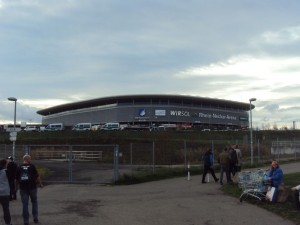
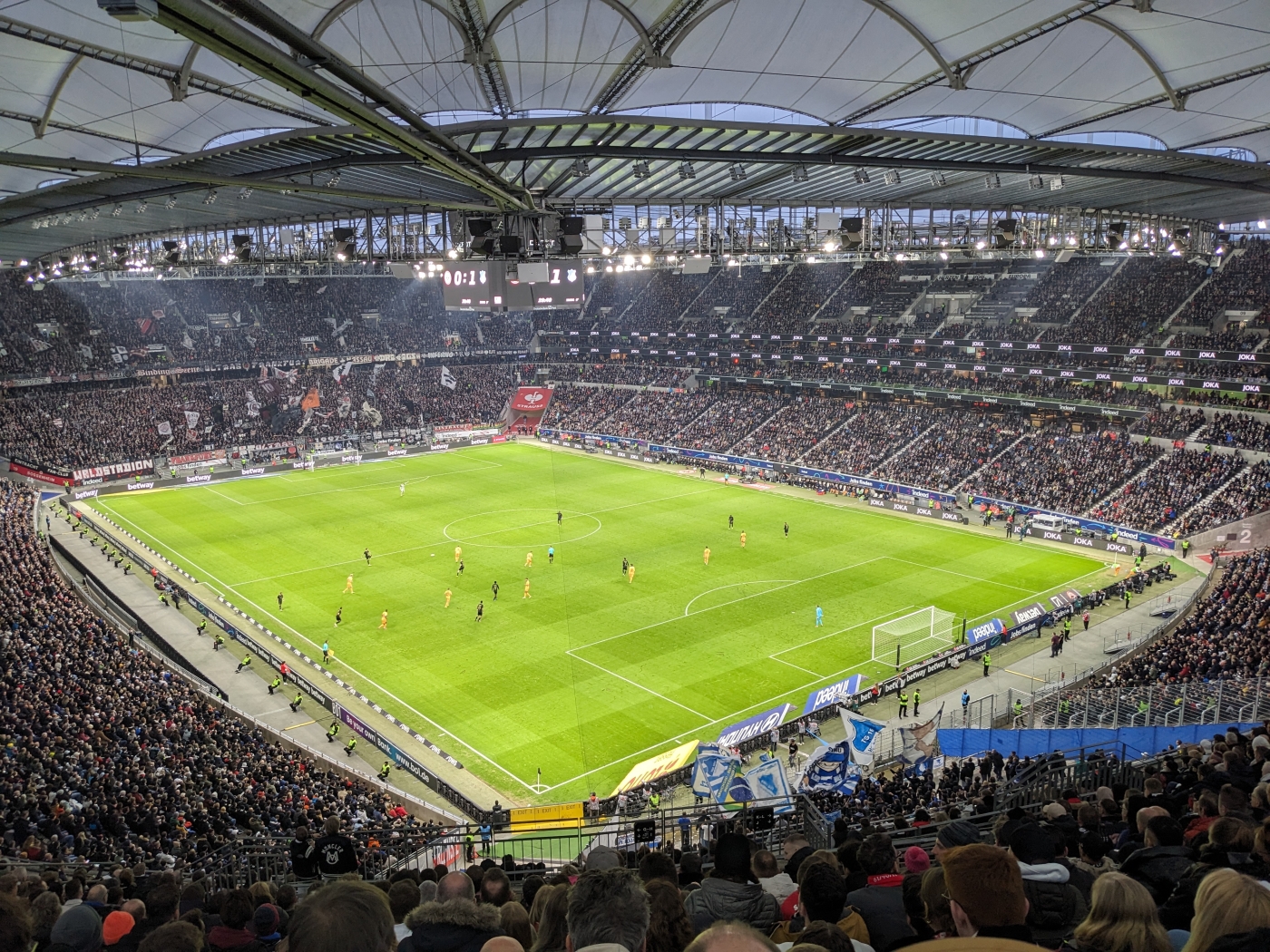
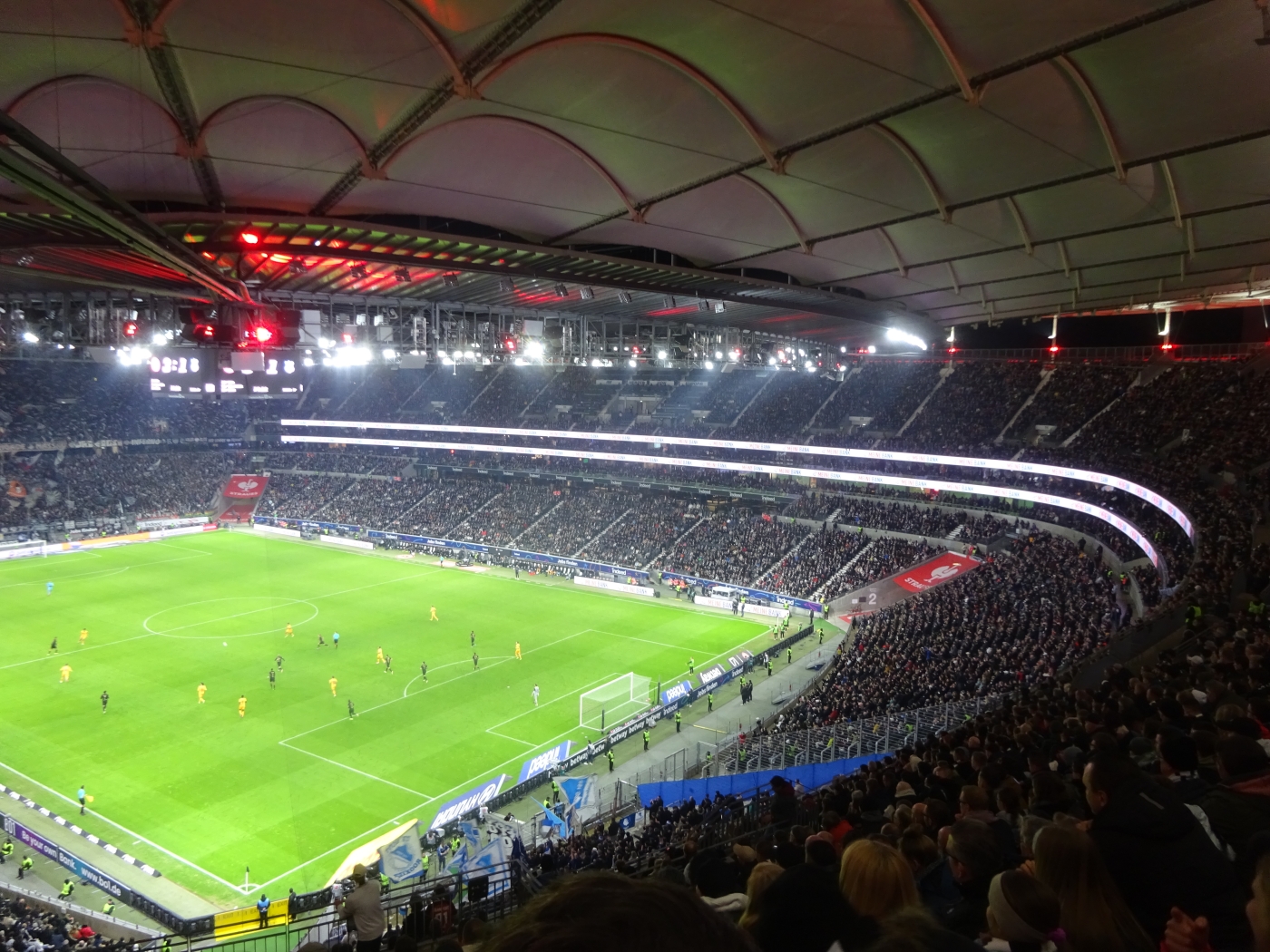
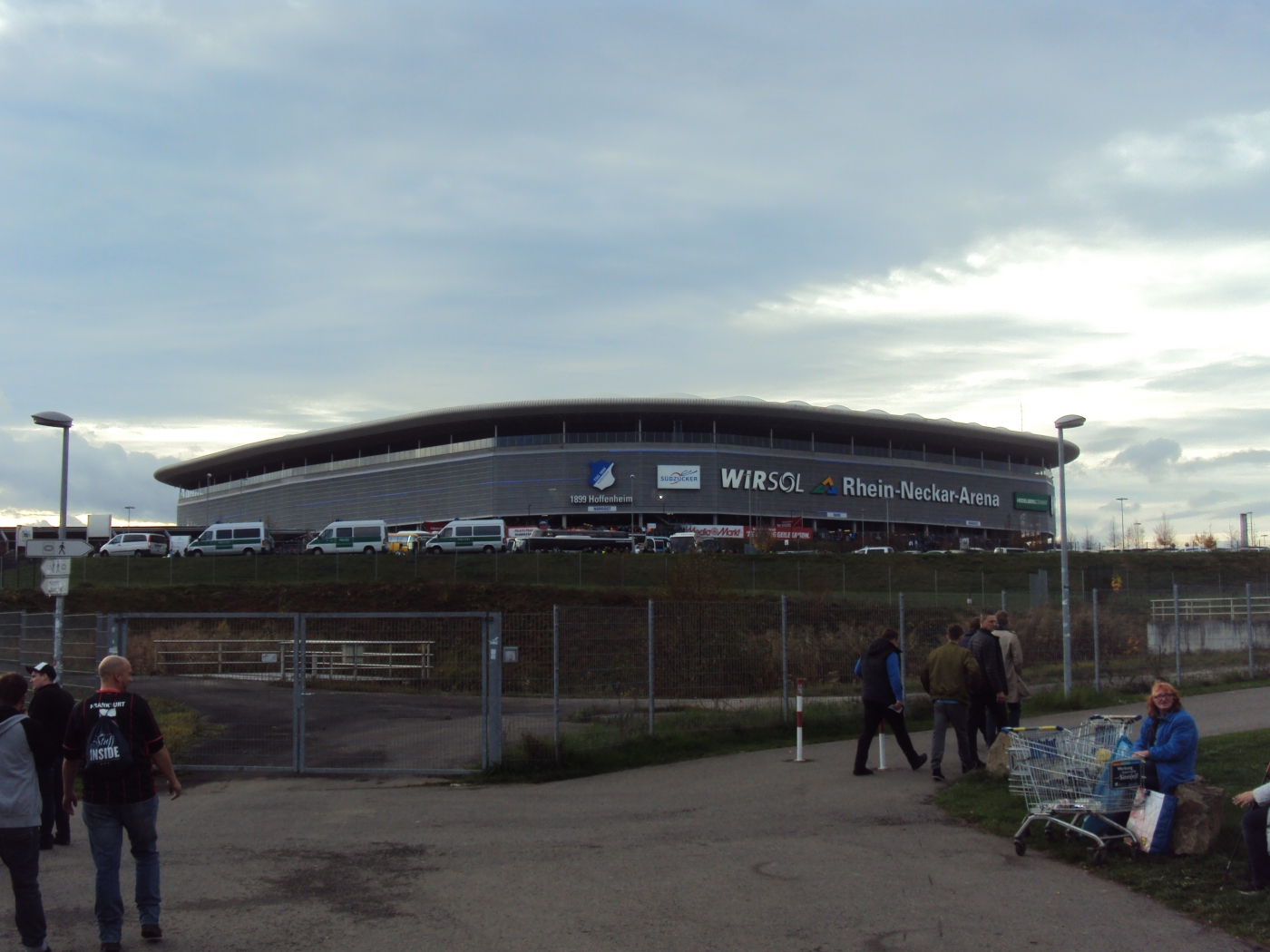
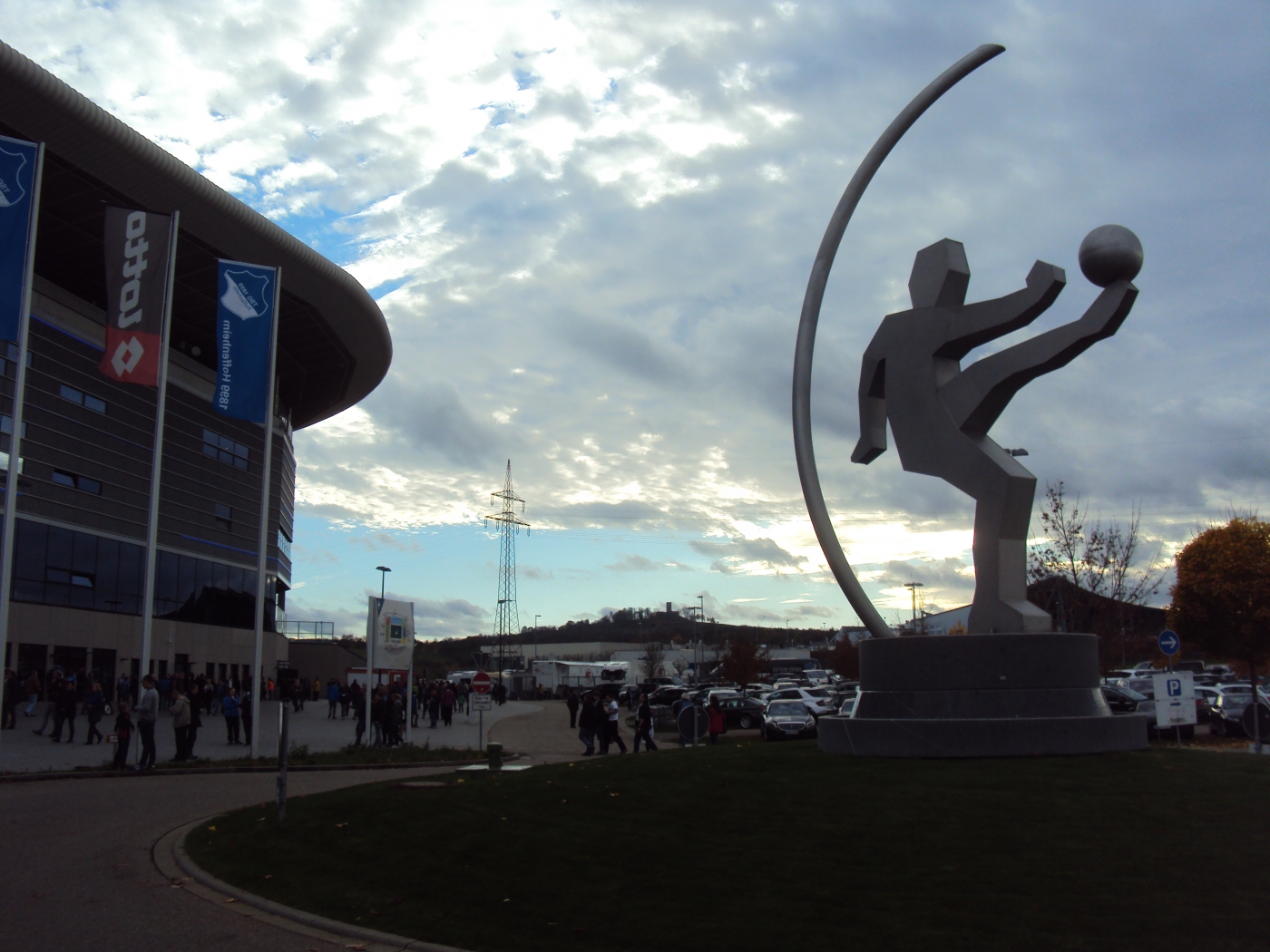
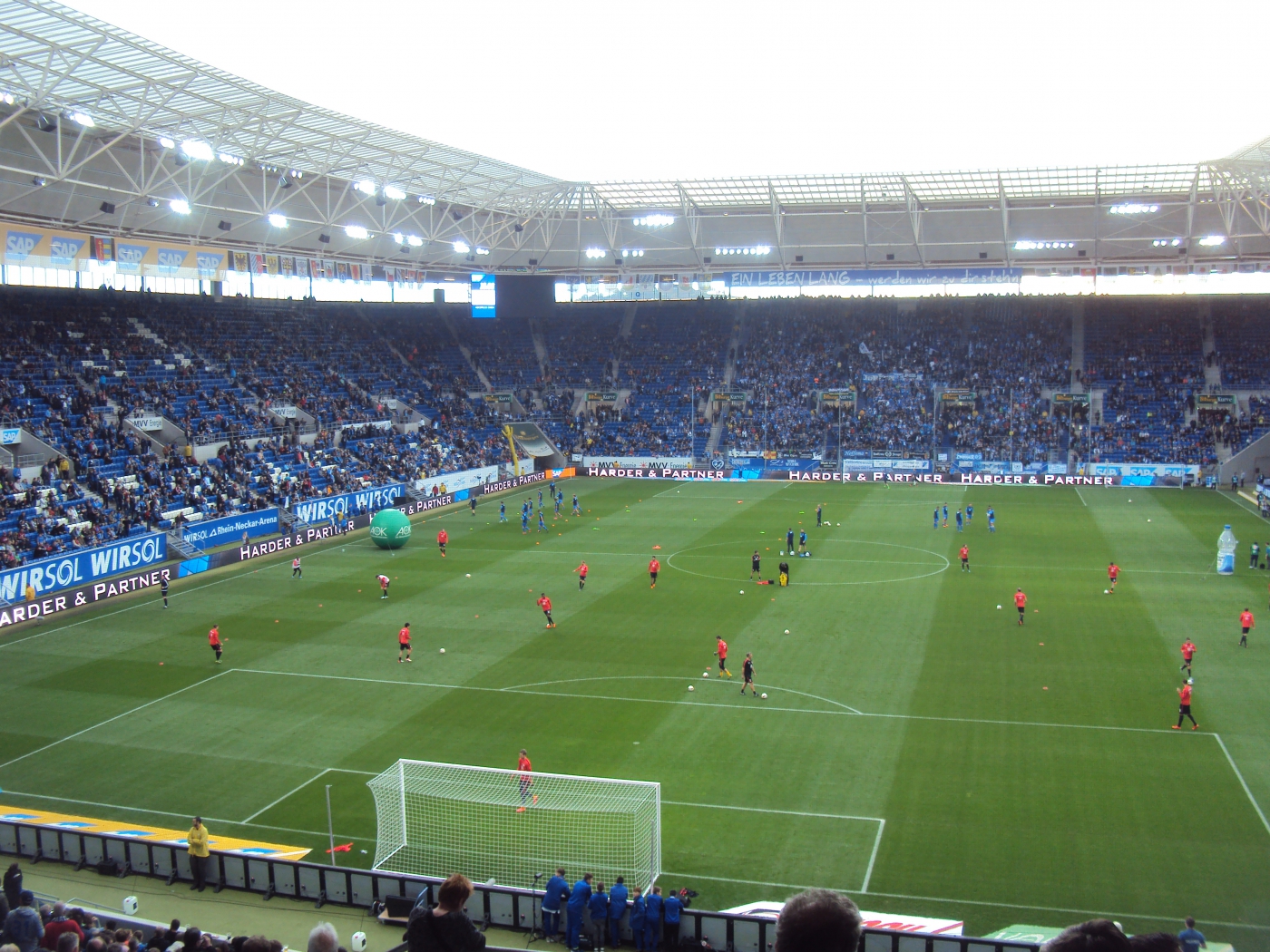
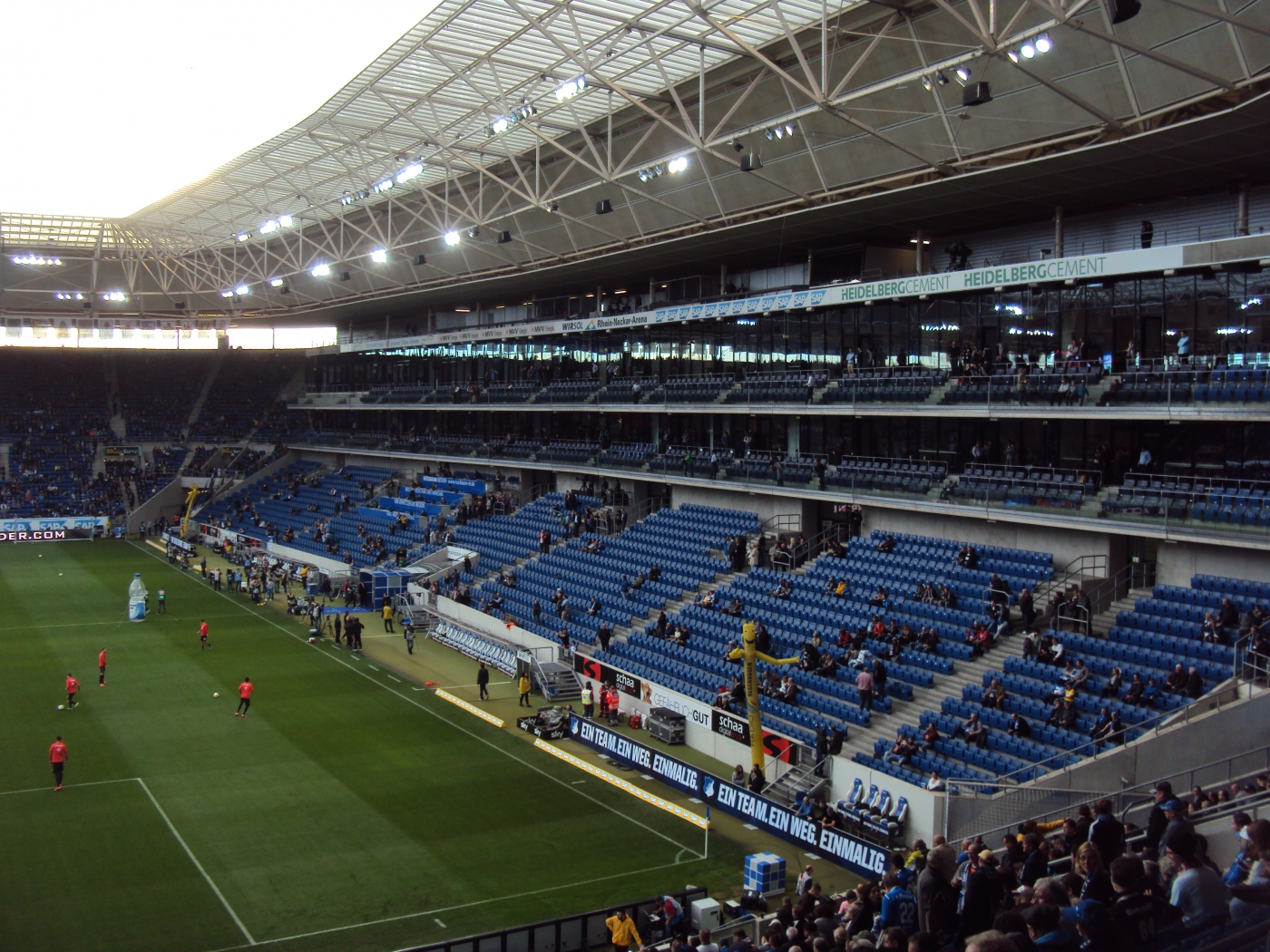
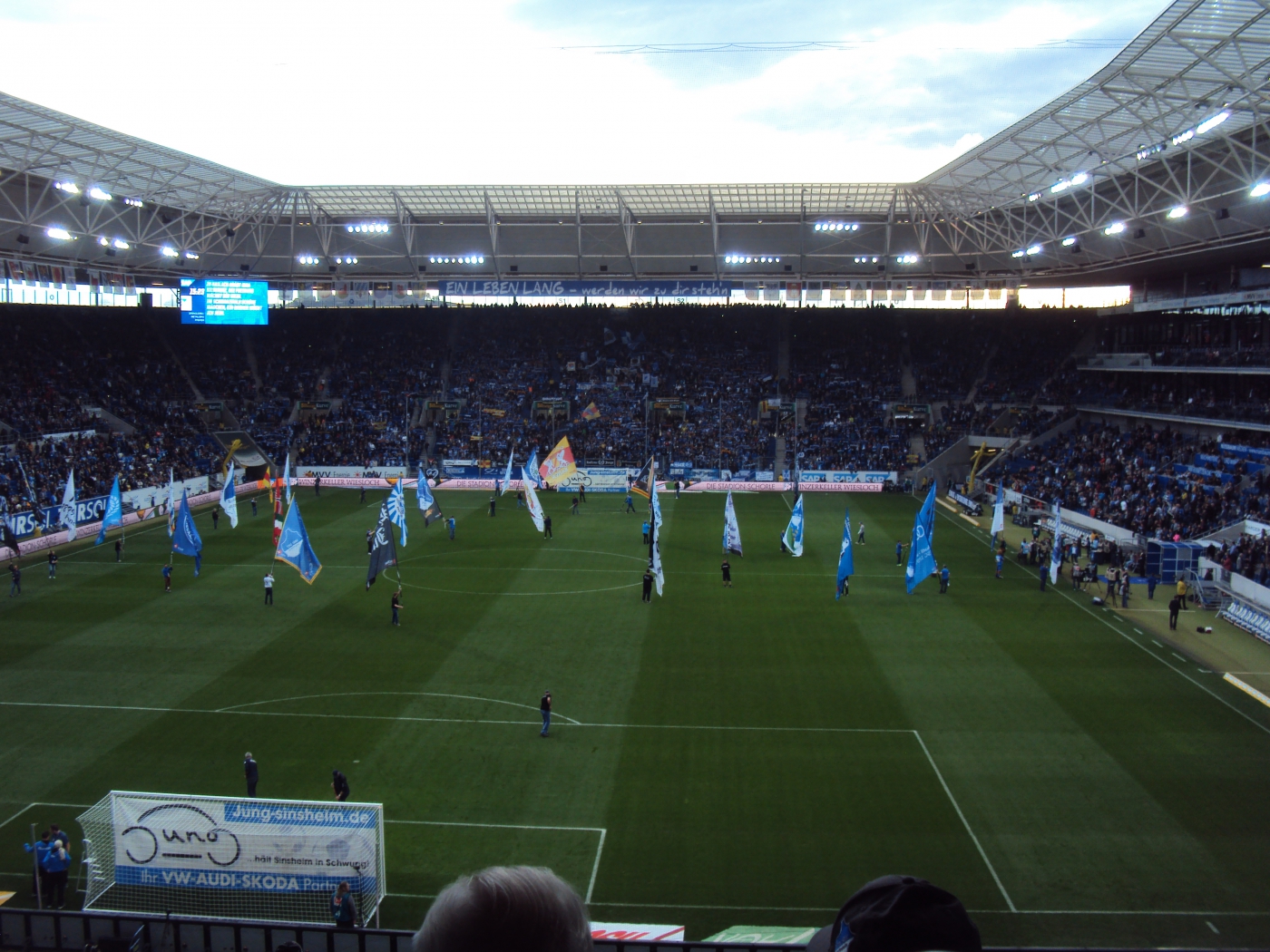
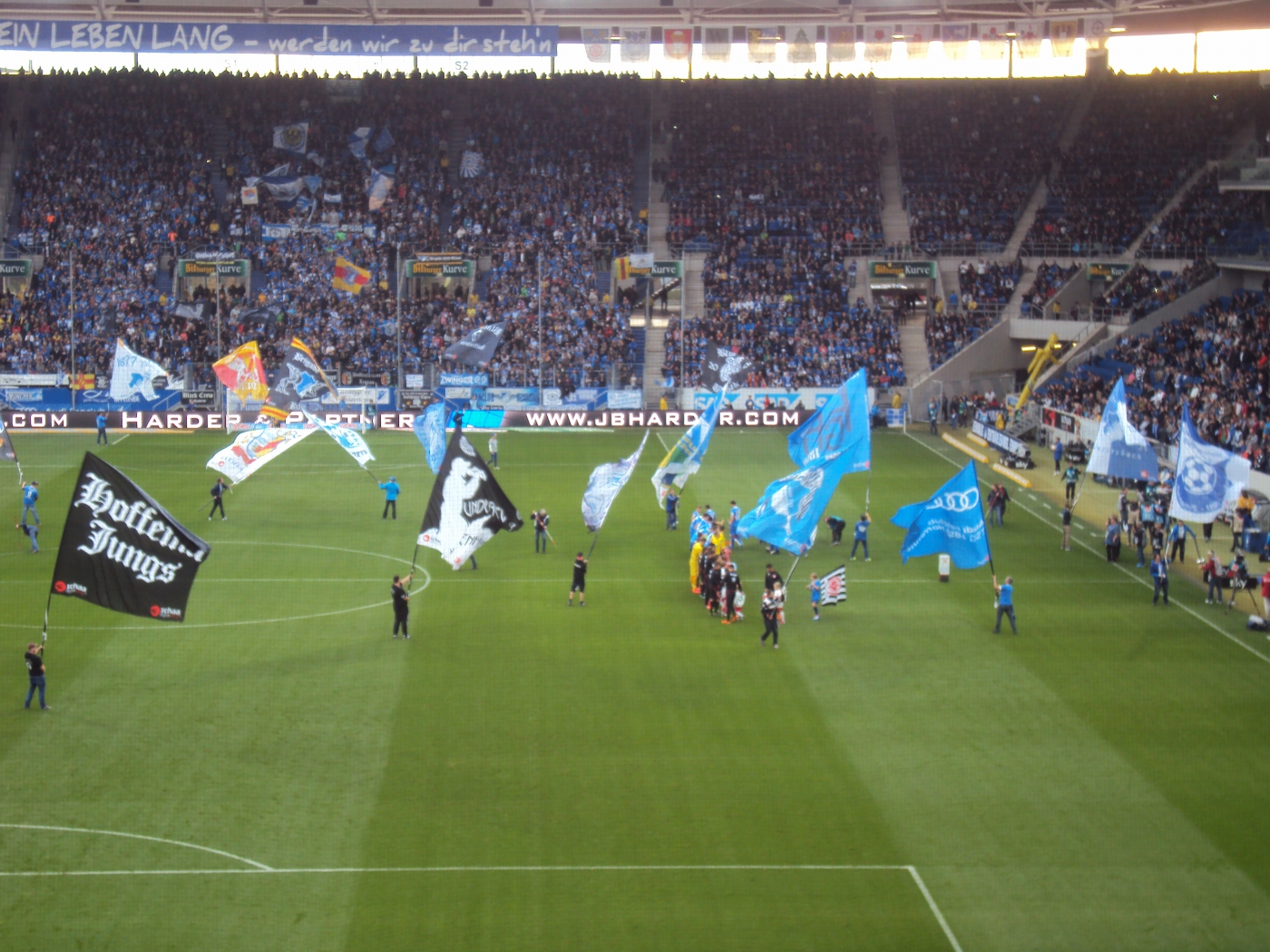
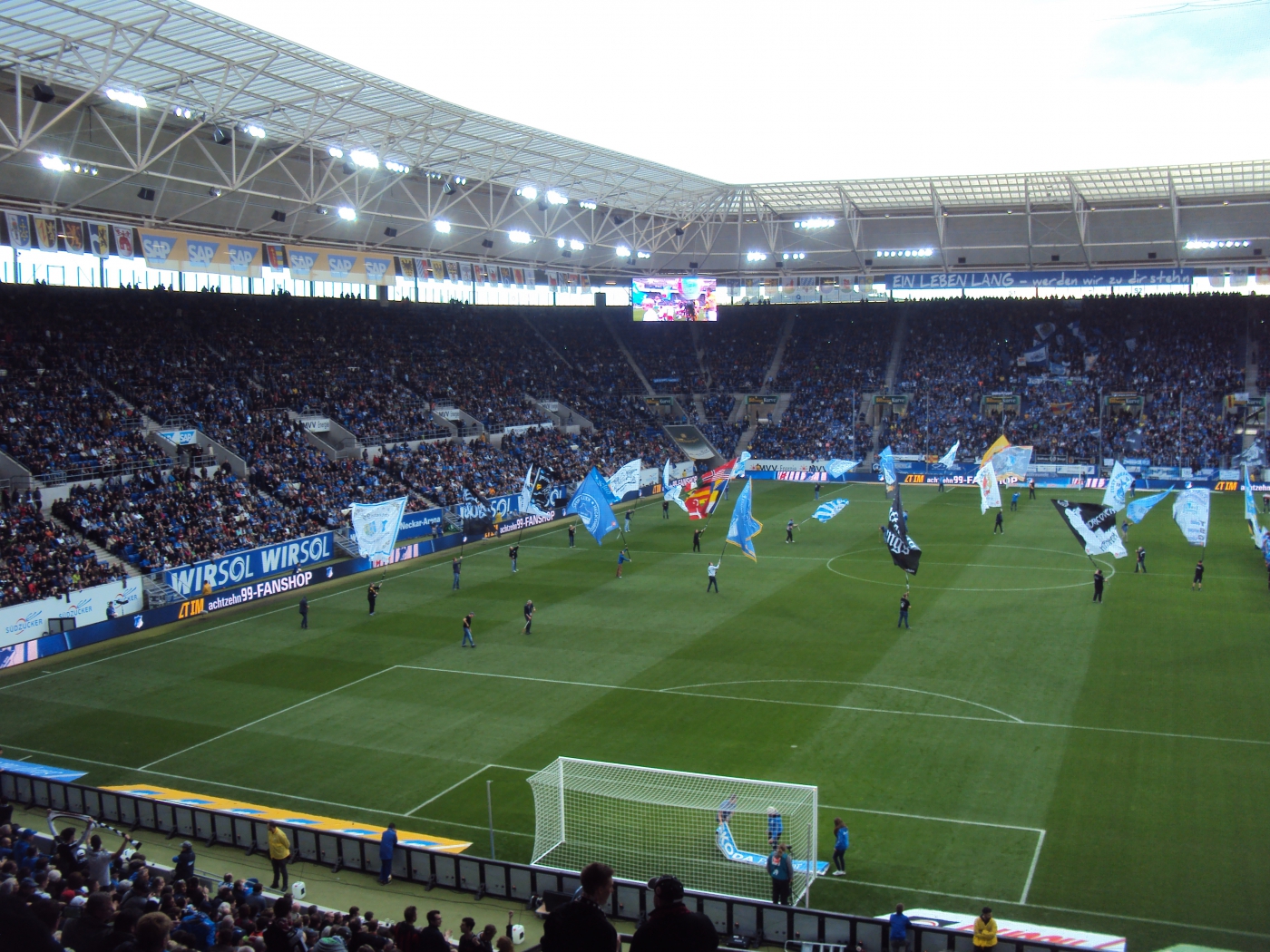
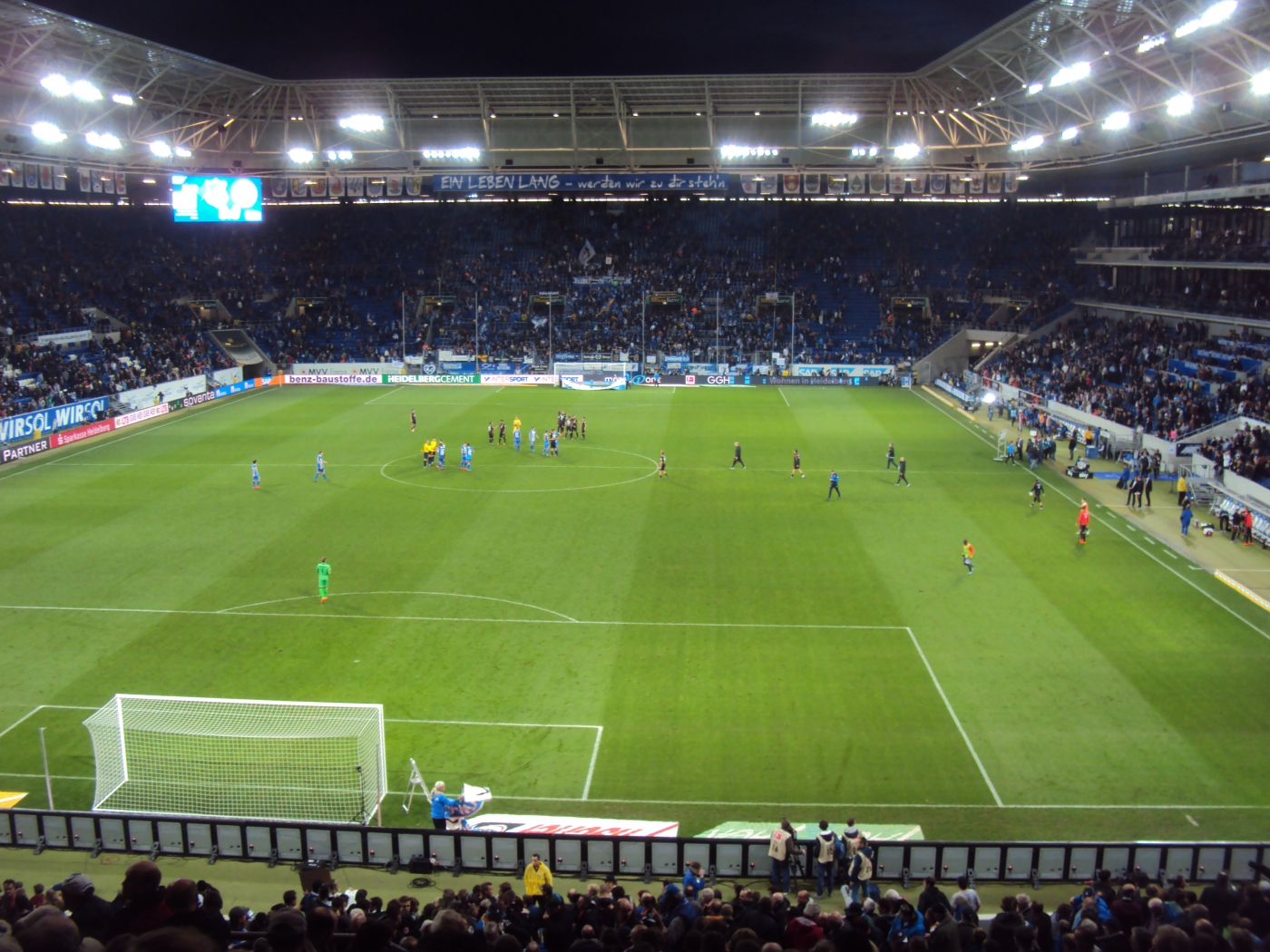
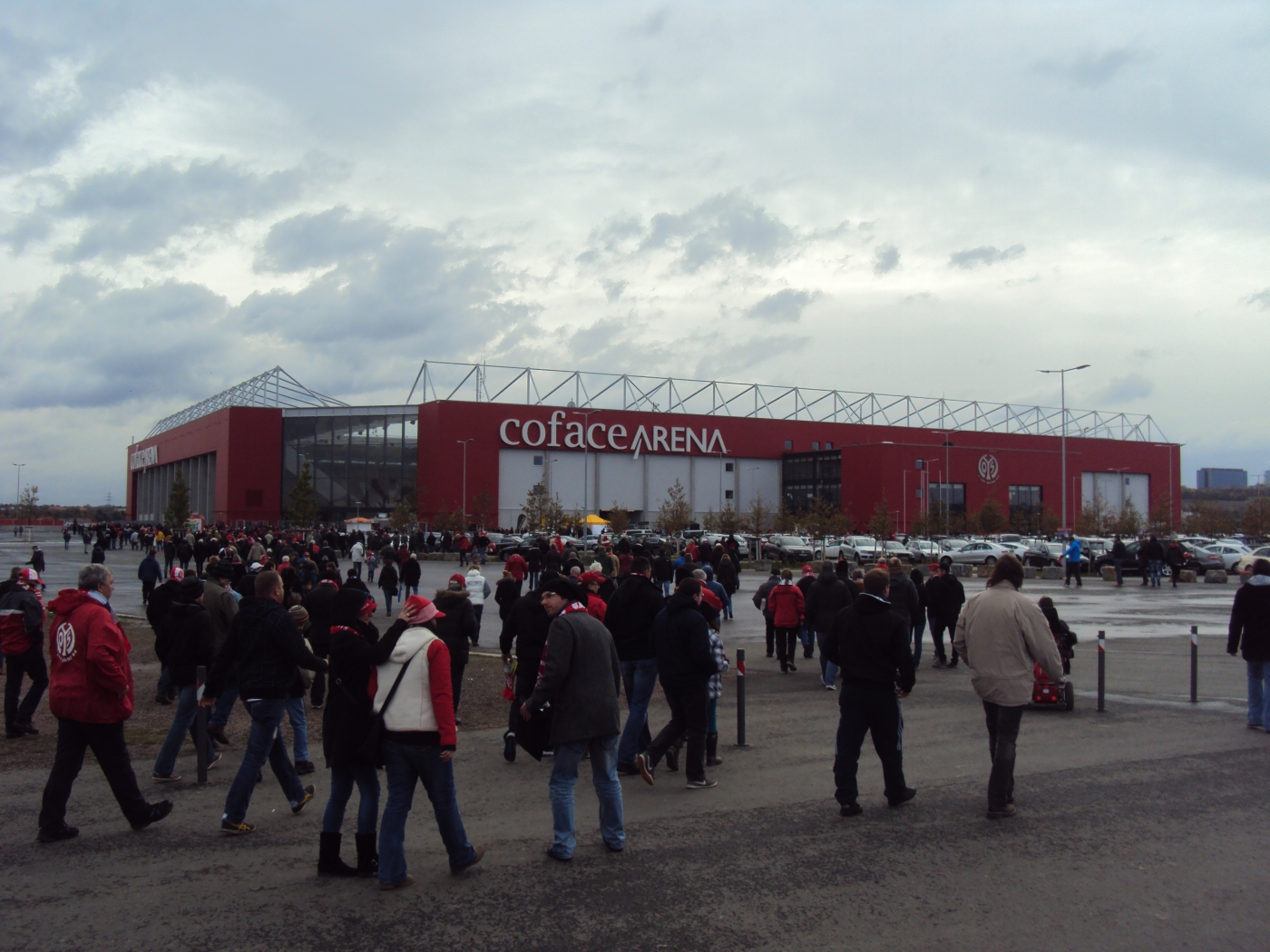
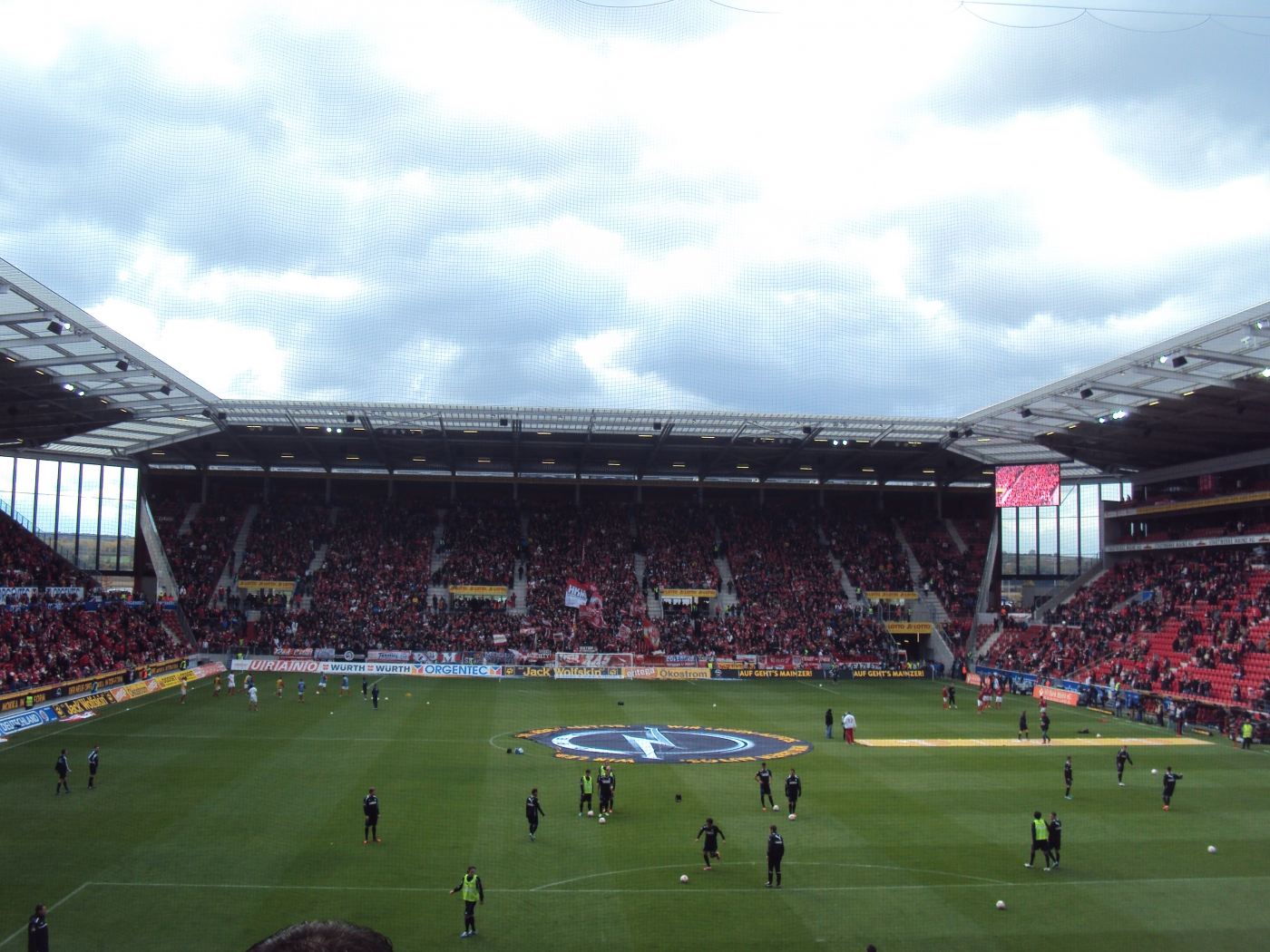
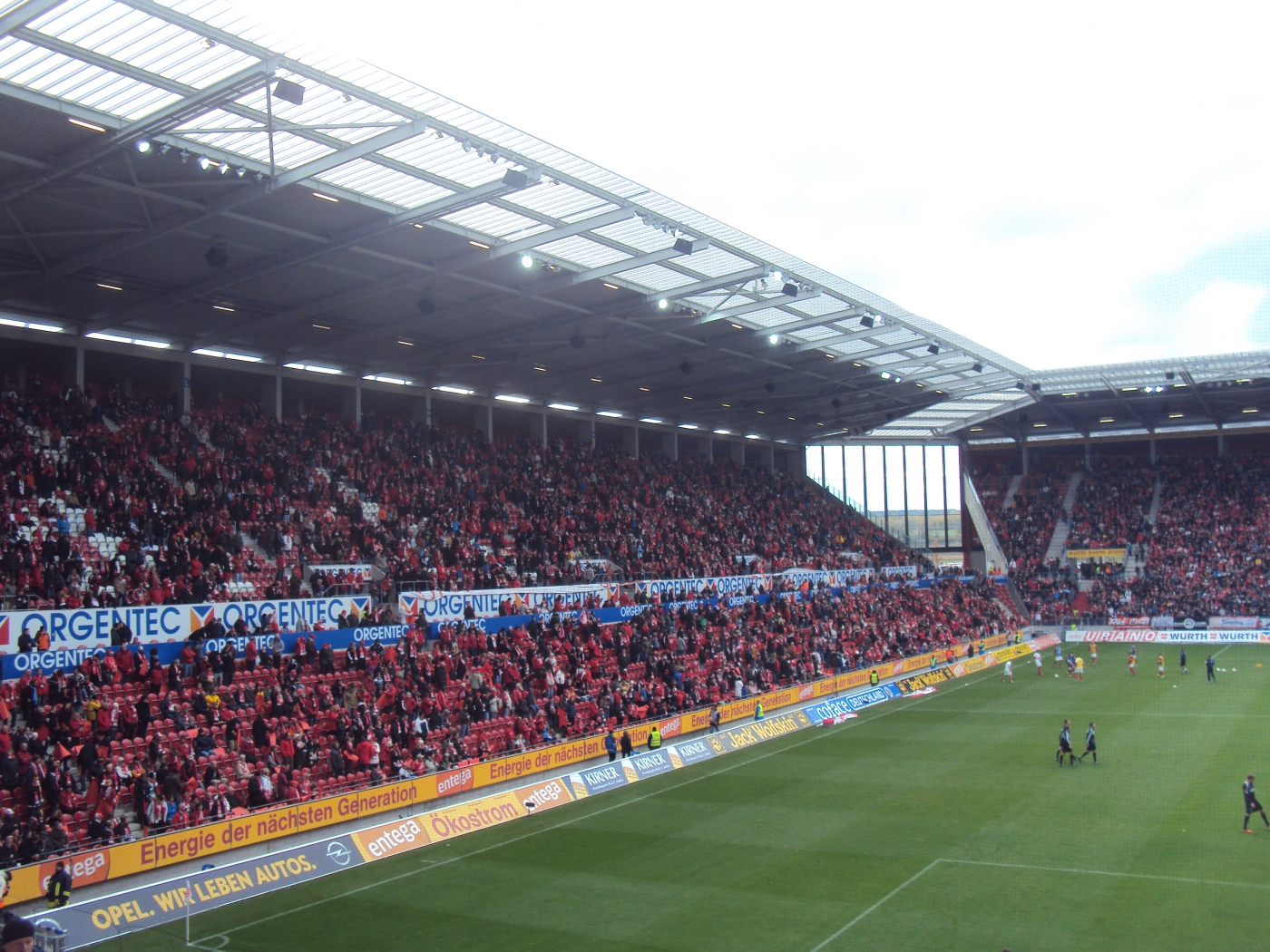
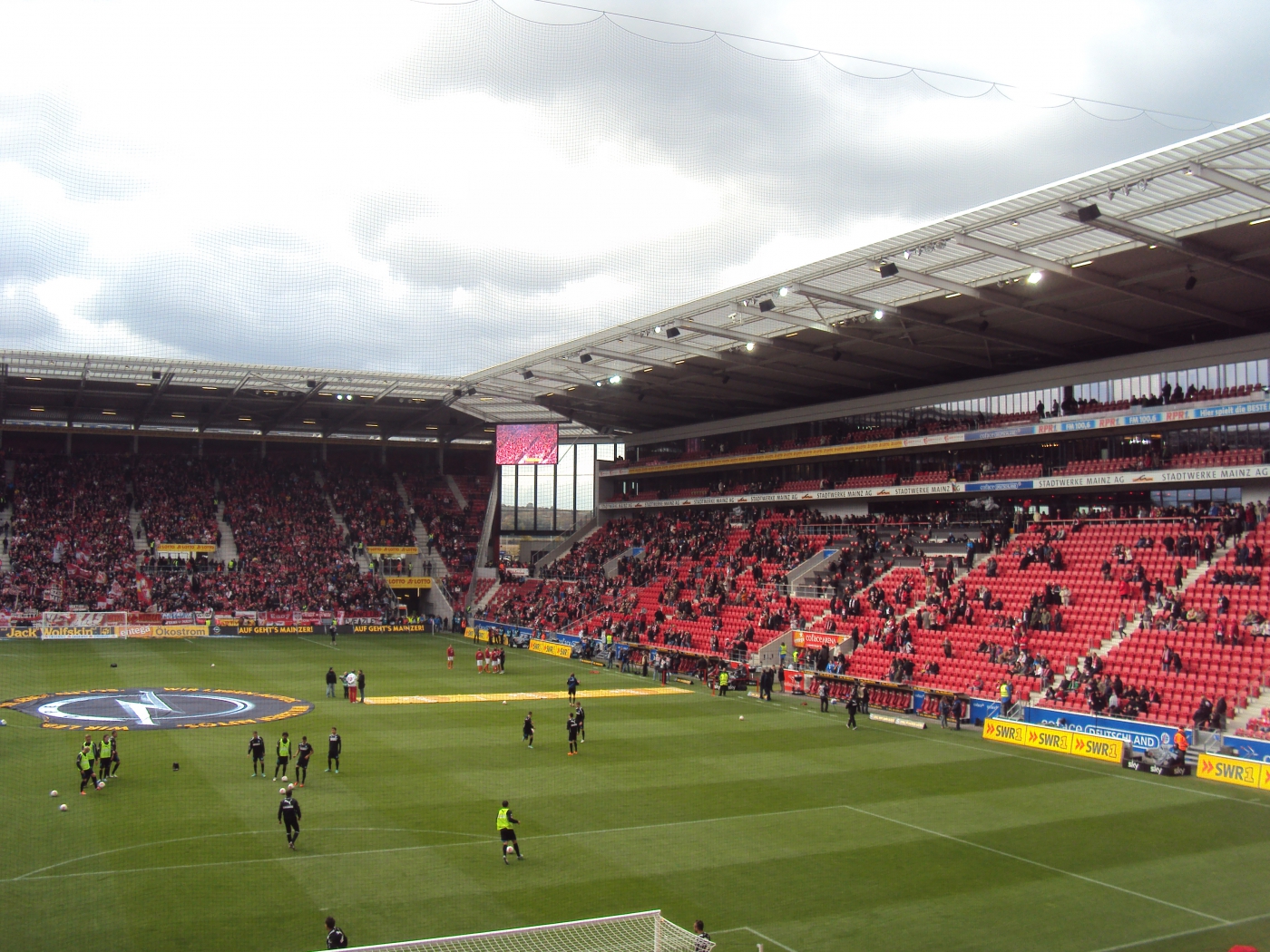
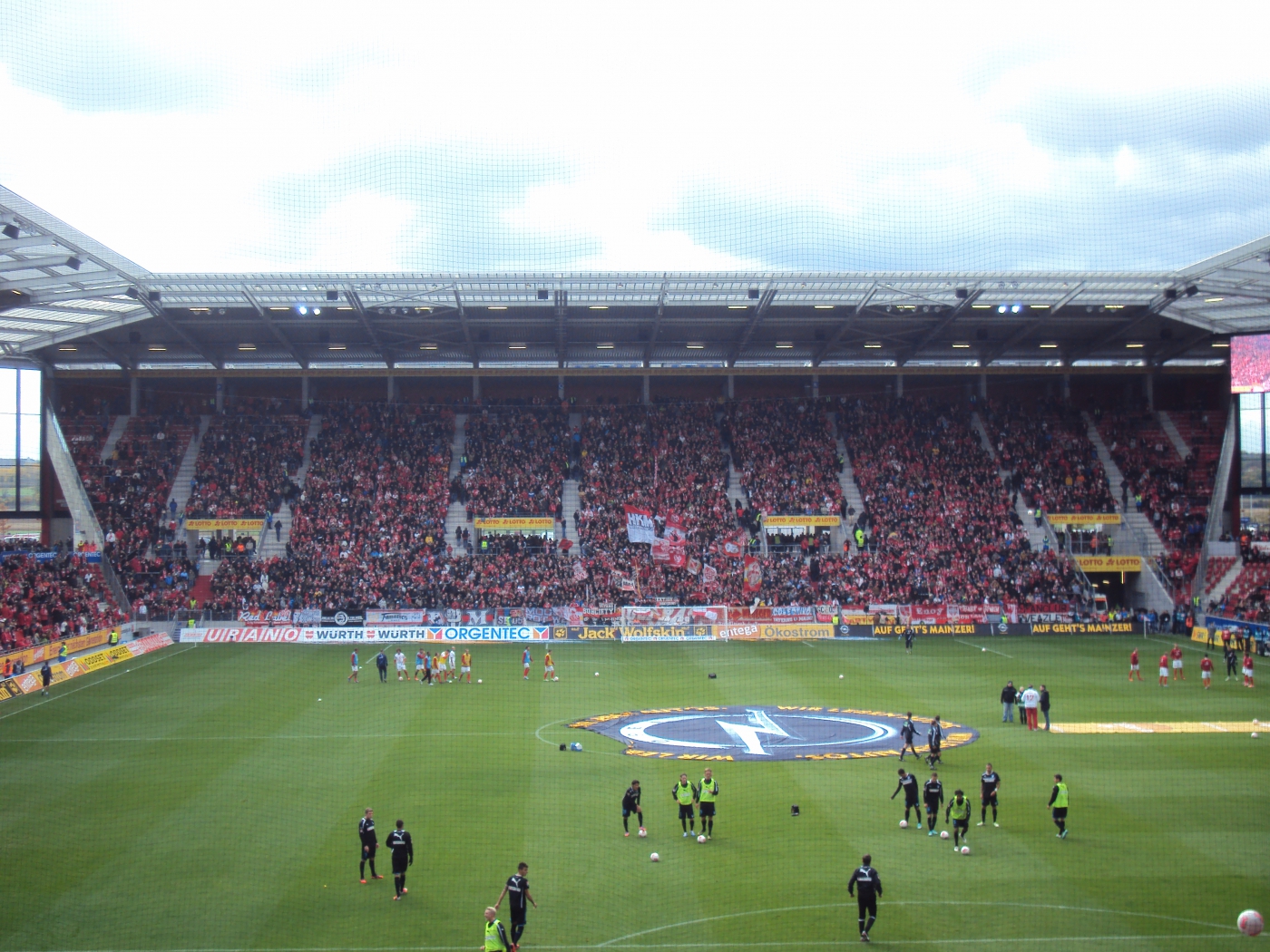
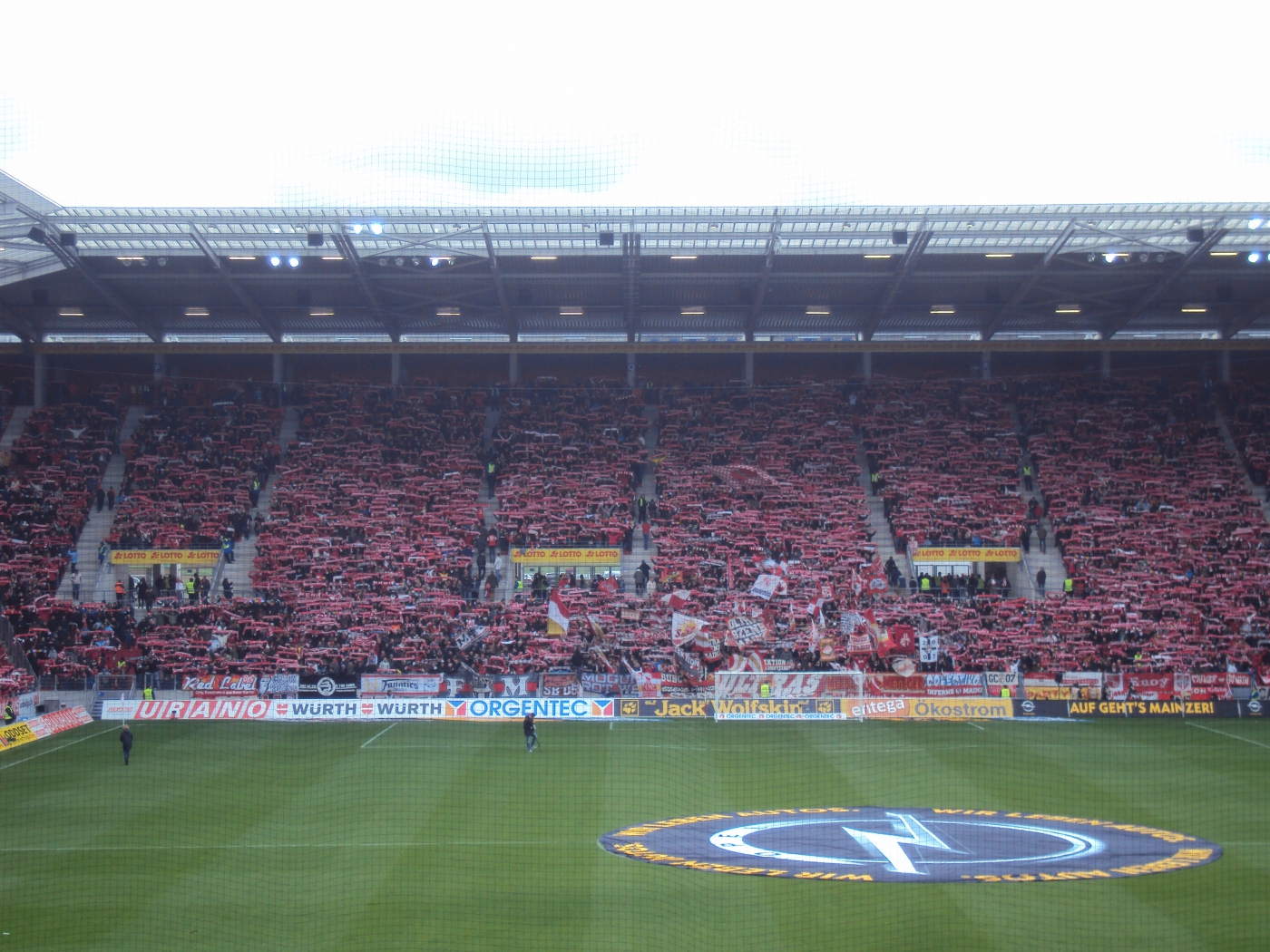
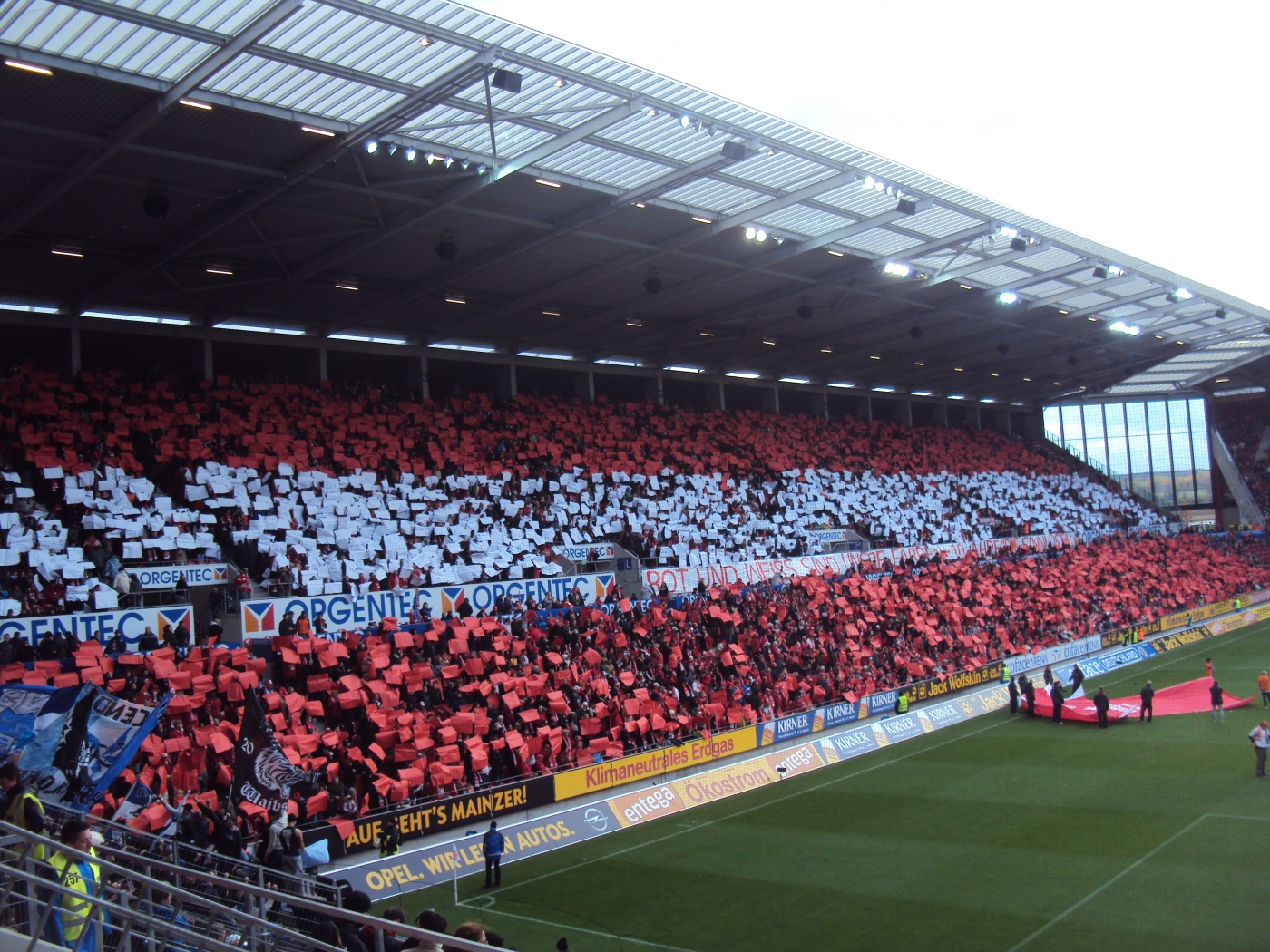
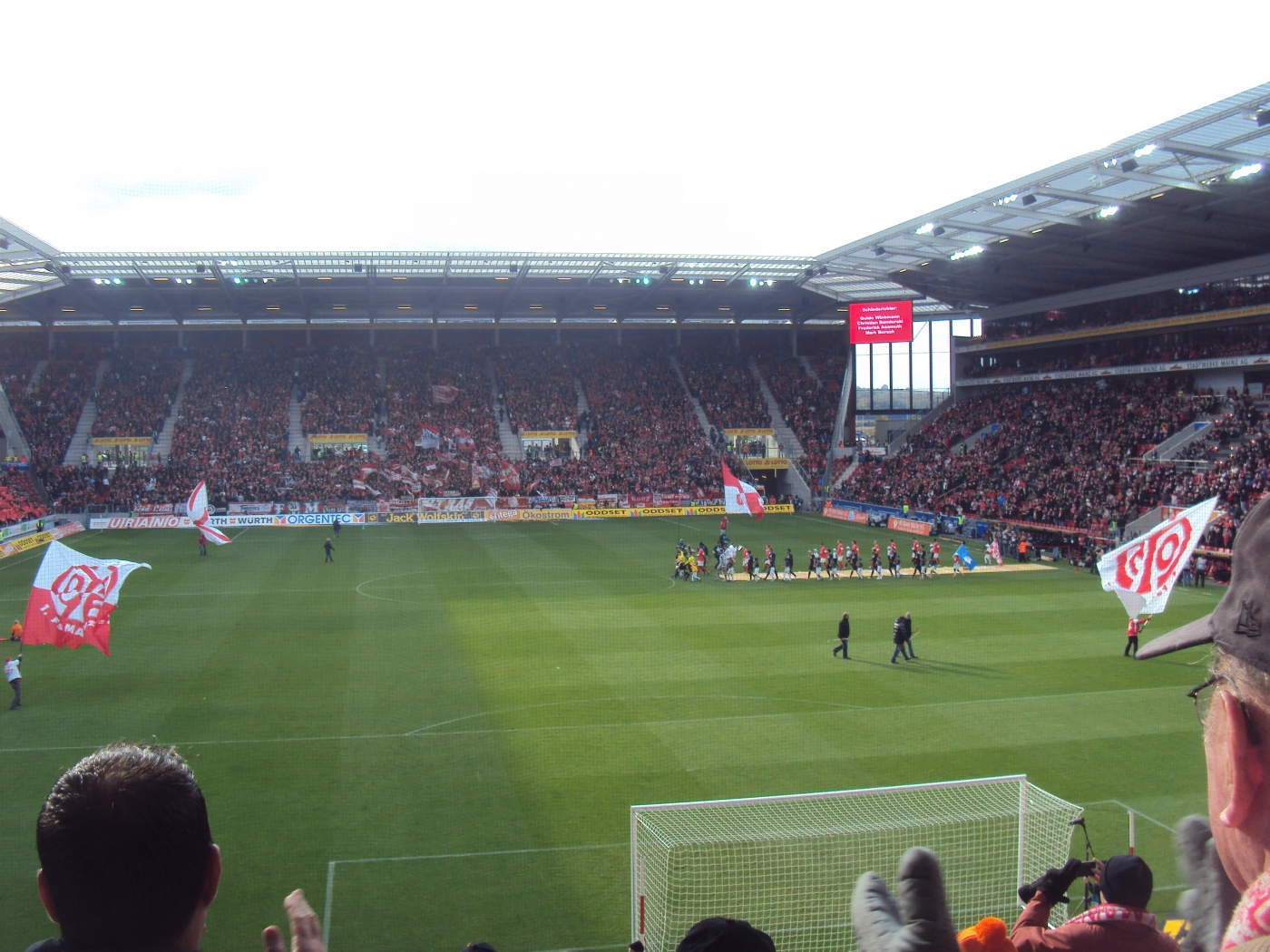
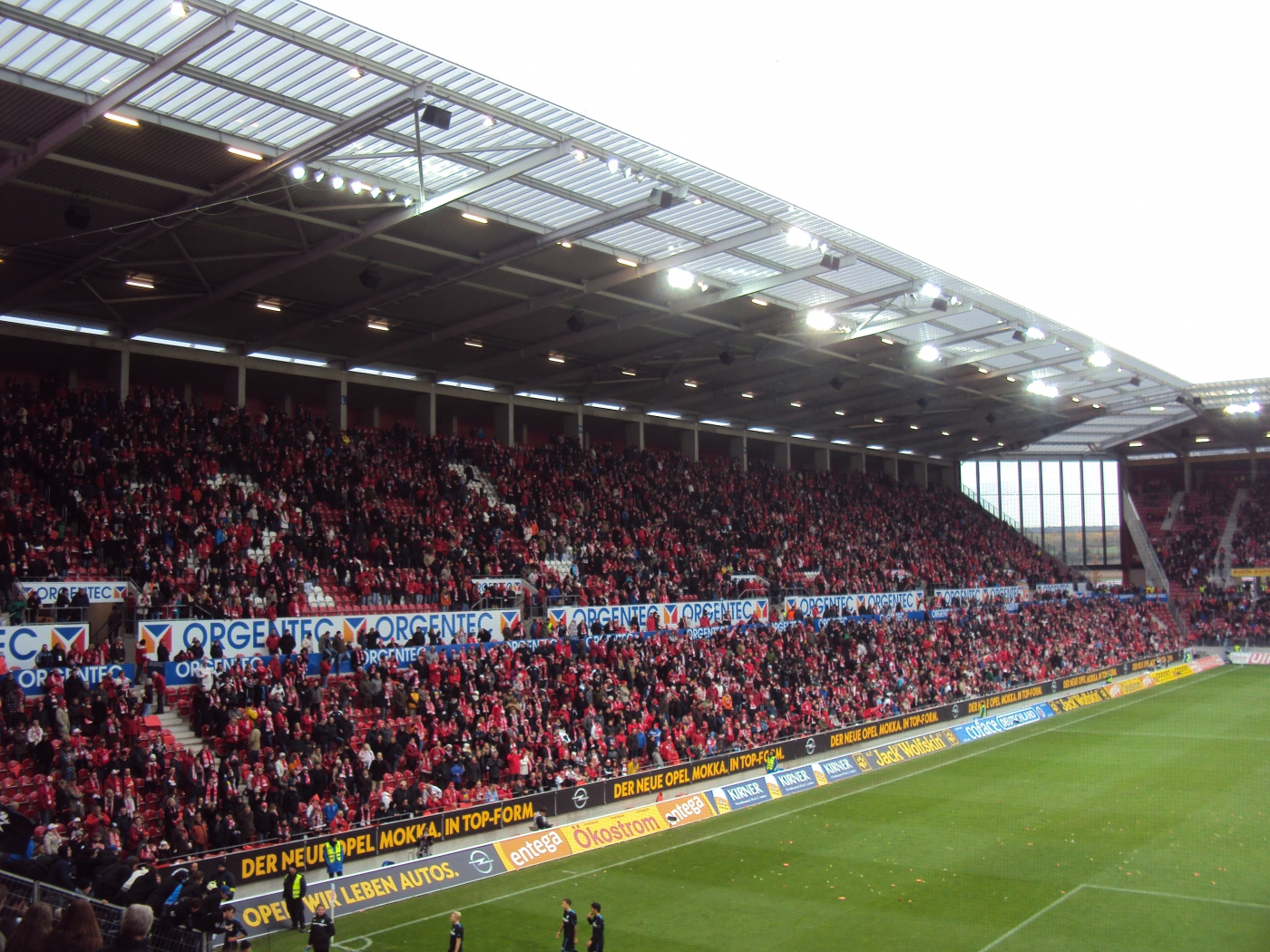
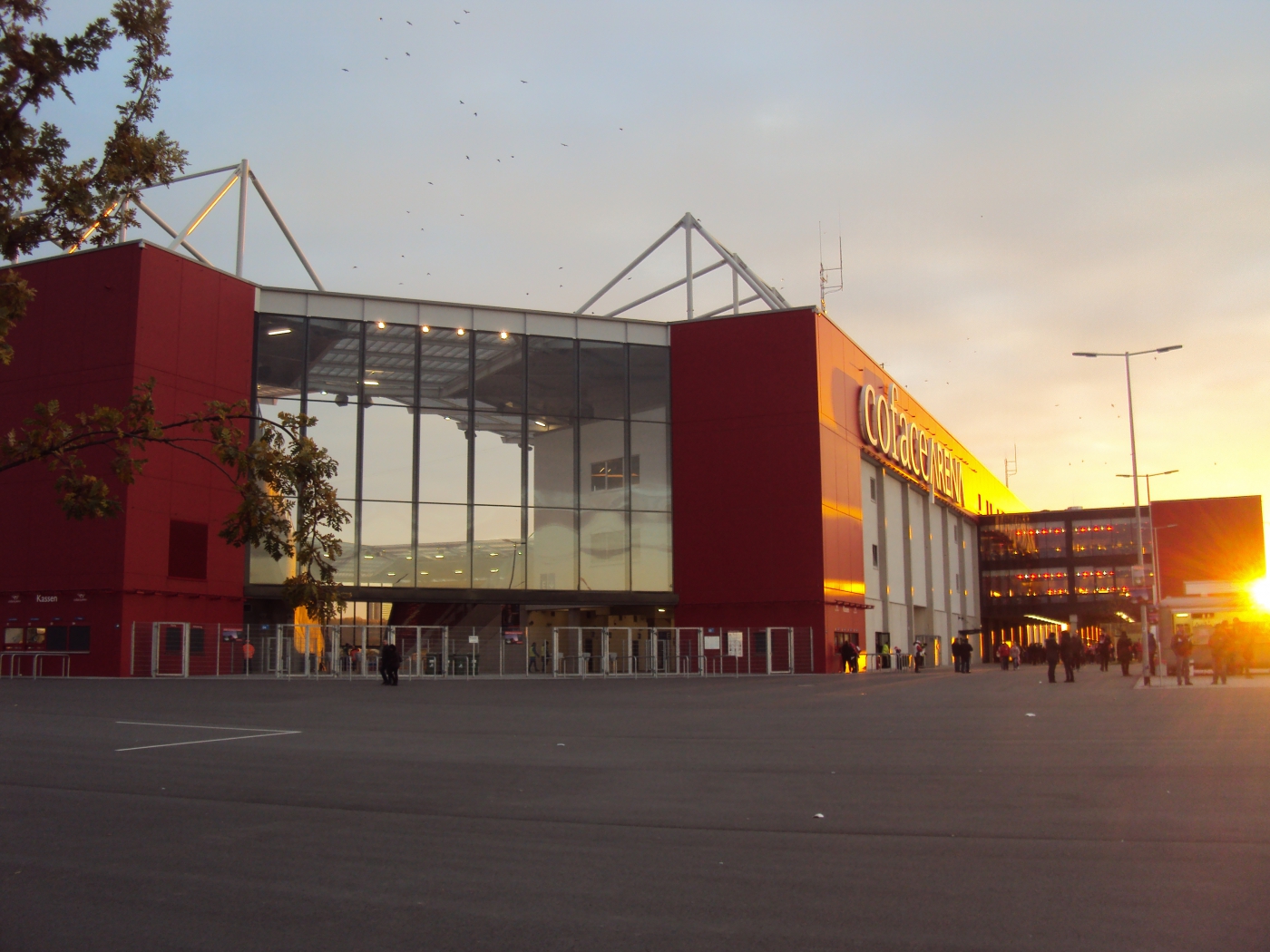
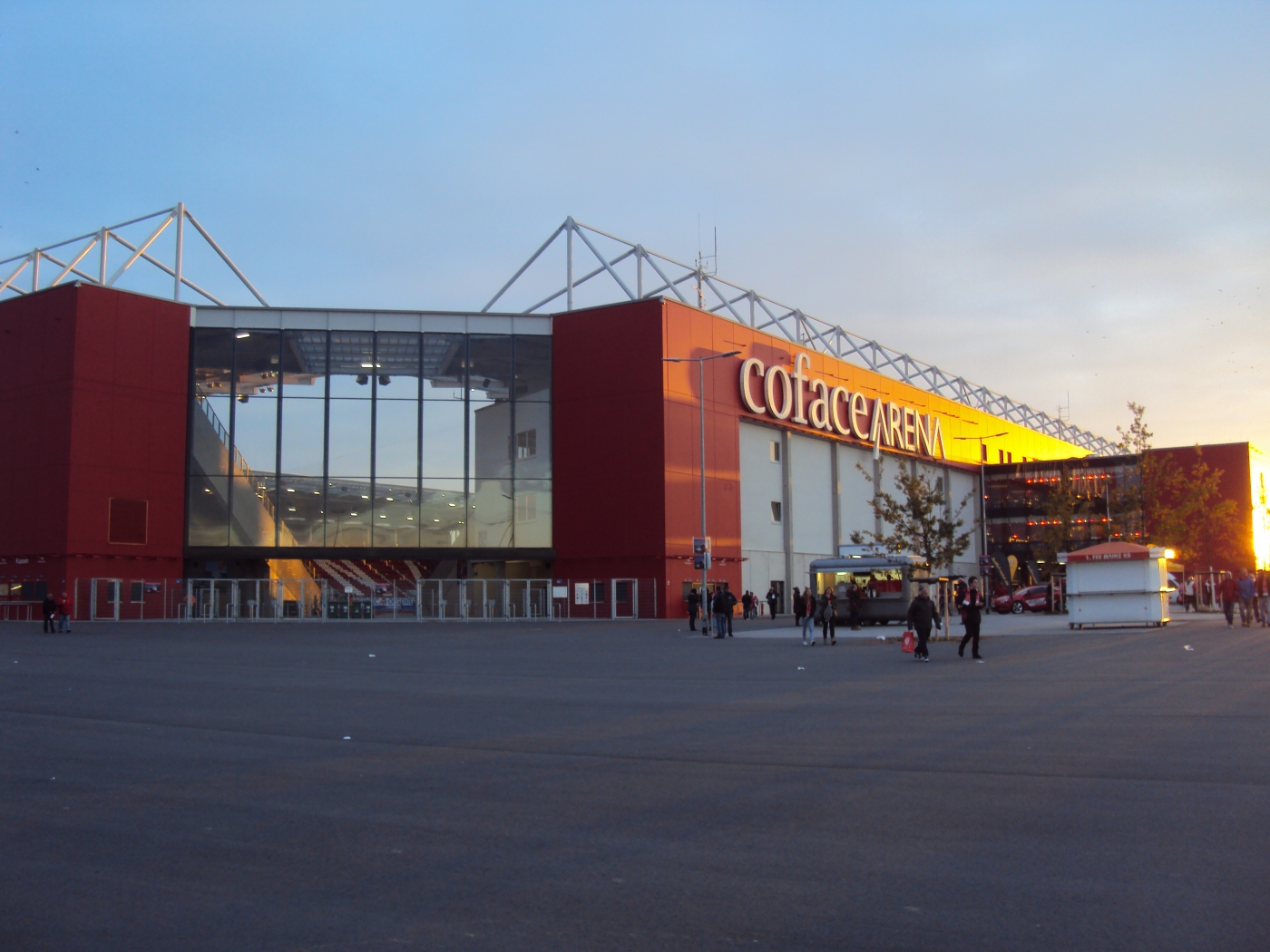
Their debut season in the Bundesliga in 2008-2009 was nothing short of sensational. Hoffenheim, with a squad of relatively unknown players, defied expectations, famously becoming "autumn champions" before eventually finishing a respectable seventh. This era also saw the construction of their modern home ground, the Rhein-Neckar-Arena (now known as the PreZero Arena), replacing their much smaller old stadium, the Dietmar-Hopp-Stadion. The club continued to be a hotbed for coaching talent, famously nurturing young managers like Julian Nagelsmann, who took charge at just 28 years old, further solidifying Hoffenheim's reputation for progressive thinking.
Today, TSG 1899 Hoffenheim remains an established Bundesliga club, celebrated for its innovative approach to player development, its state-of-the-art facilities, and its continued commitment to vibrant, attacking football. It stands as a testament to what a clear vision and significant investment can achieve, transforming a village team into a recognized name on the European football stage. For more information, visit the club's official English website.
Links and Social Media:
stadium: