Red Bull Arena
Am Sportforum 3, Leizpig, Germany
About the Stadium:
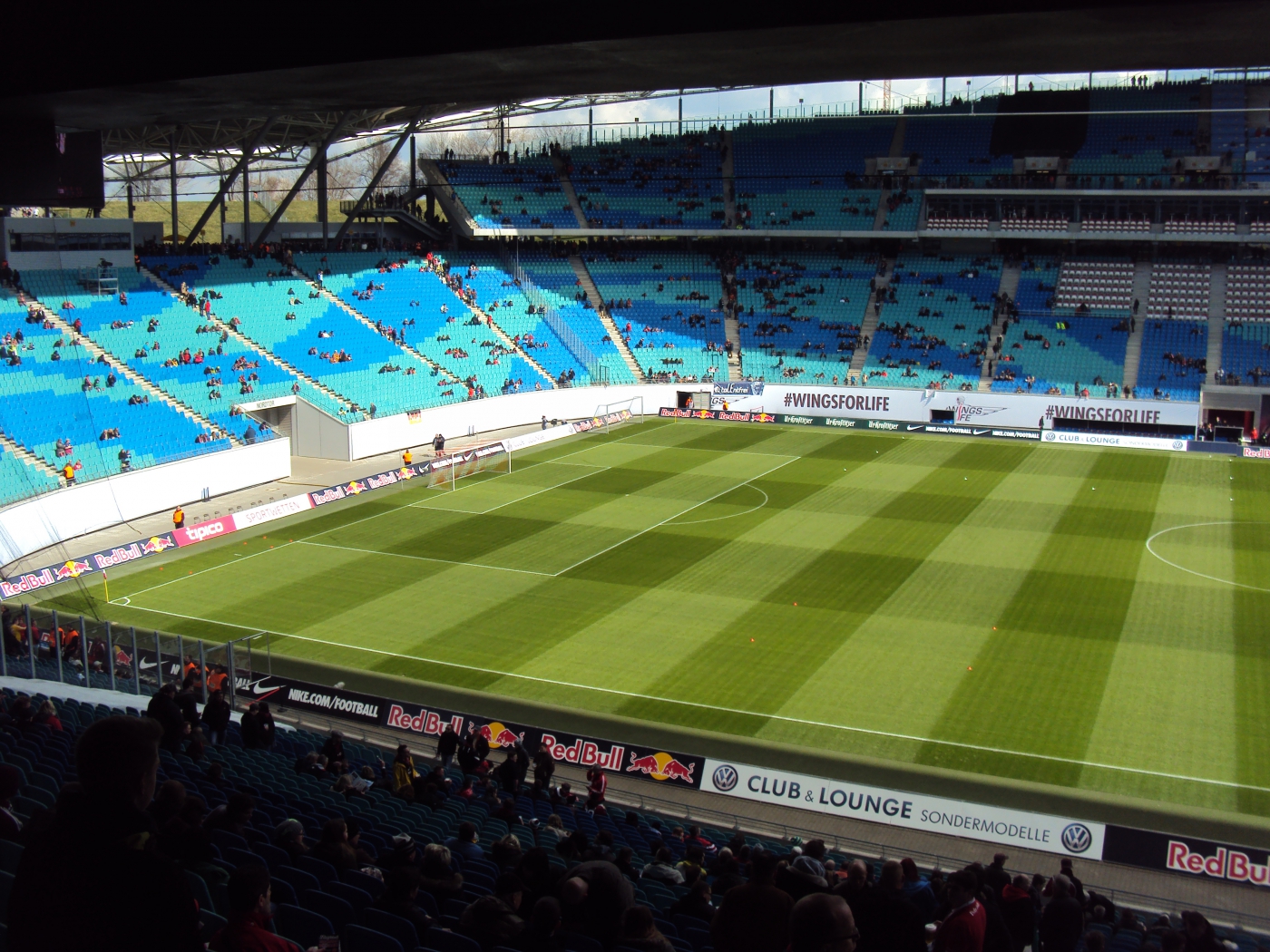
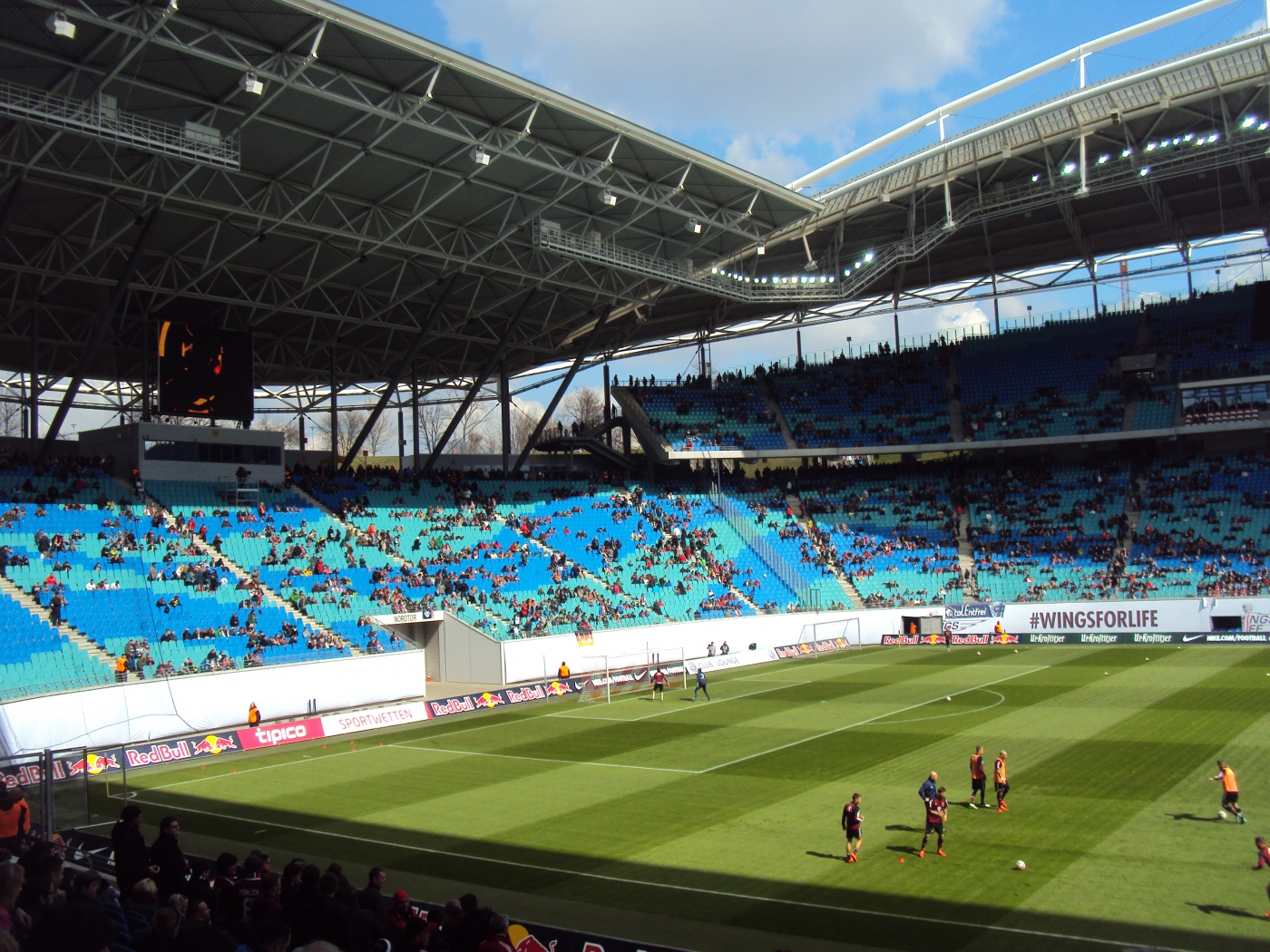
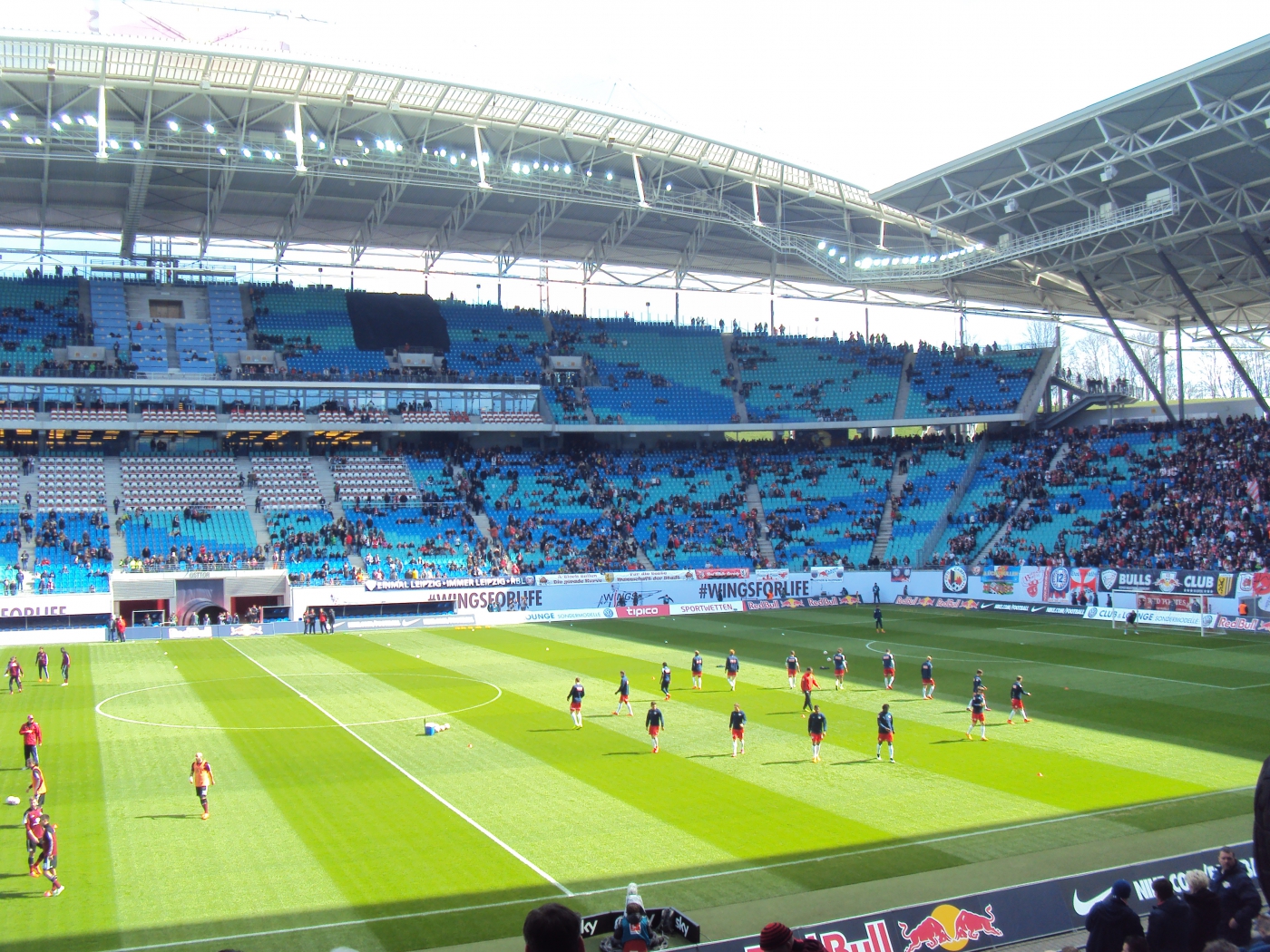
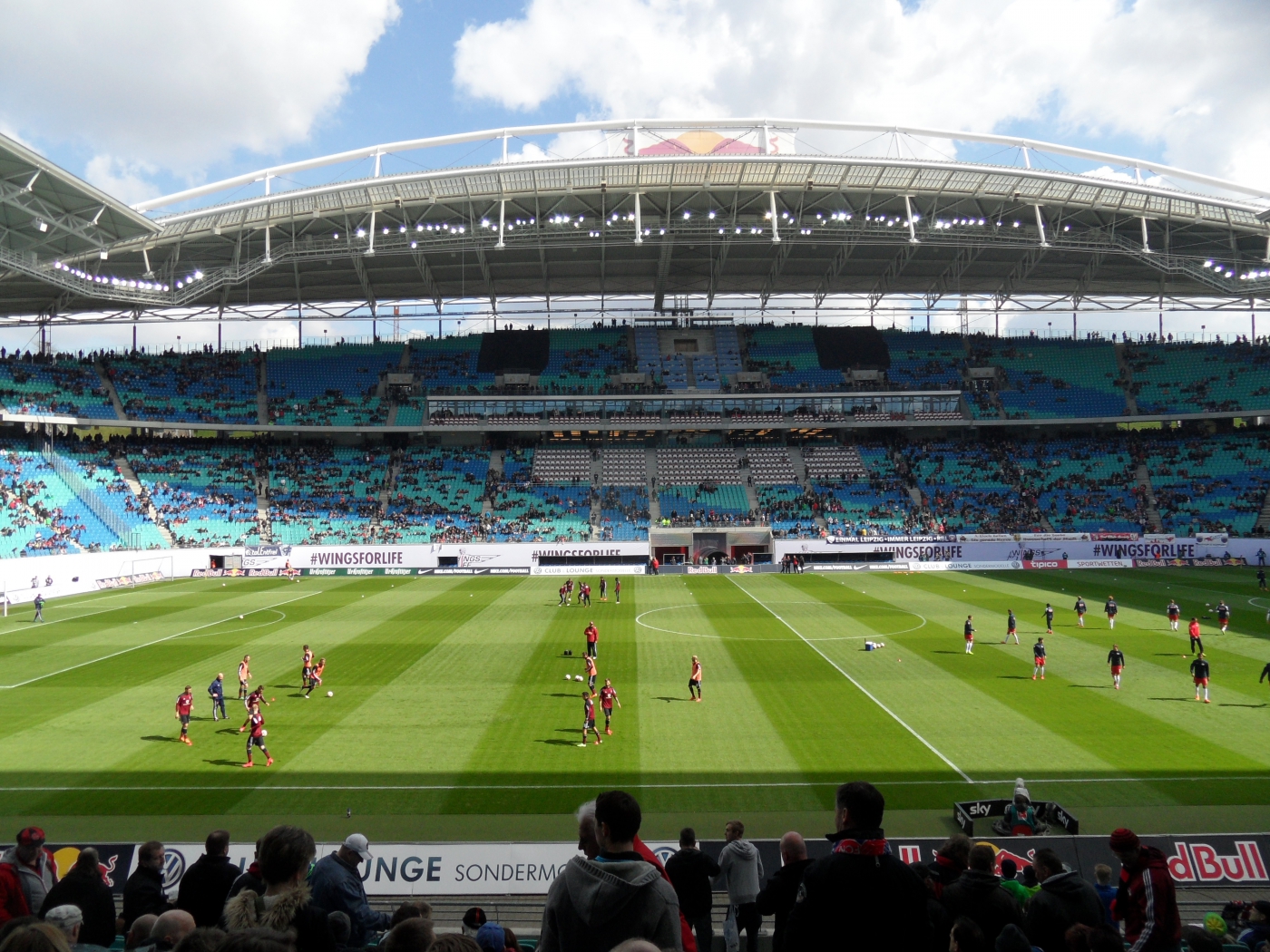
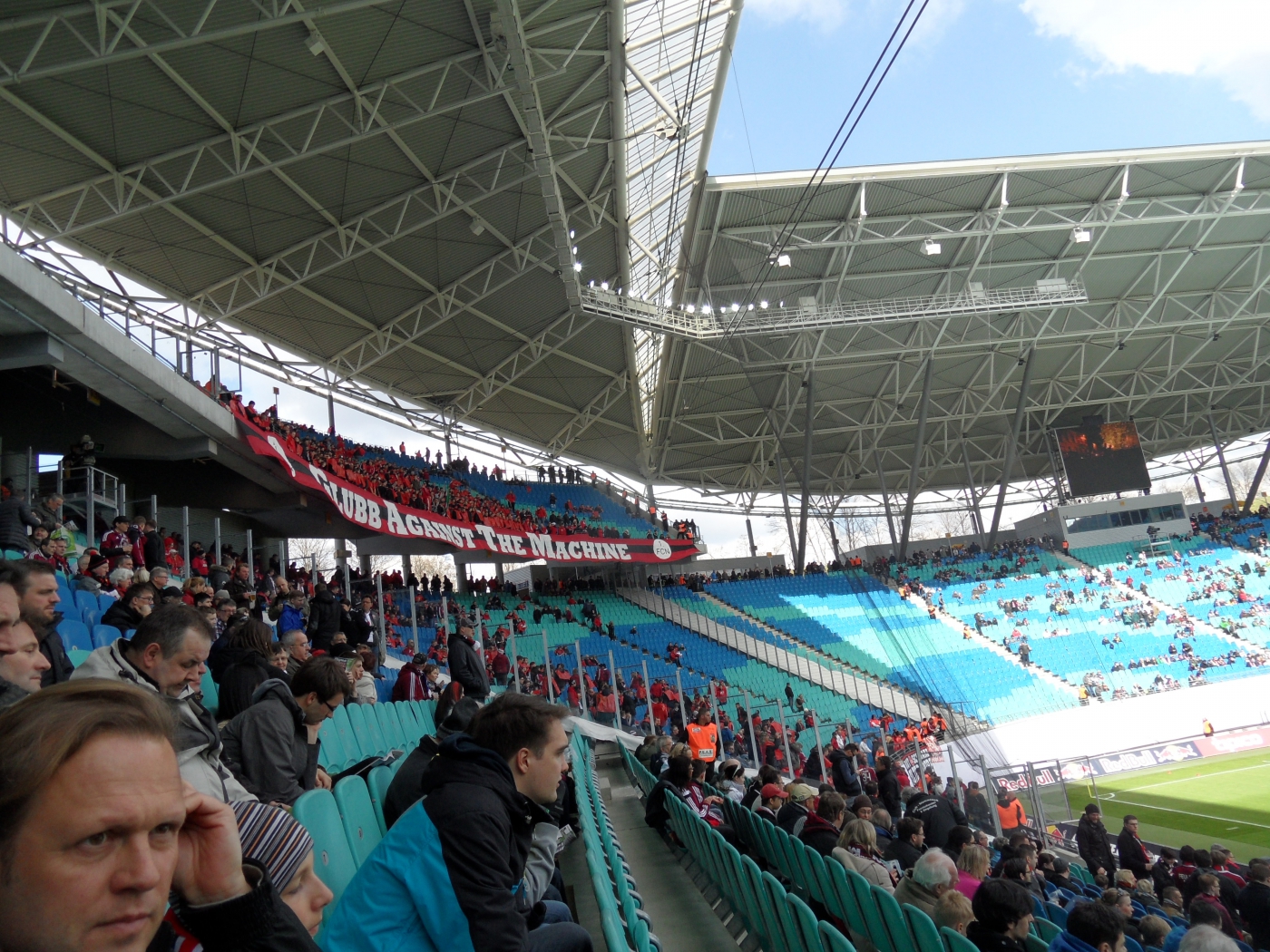
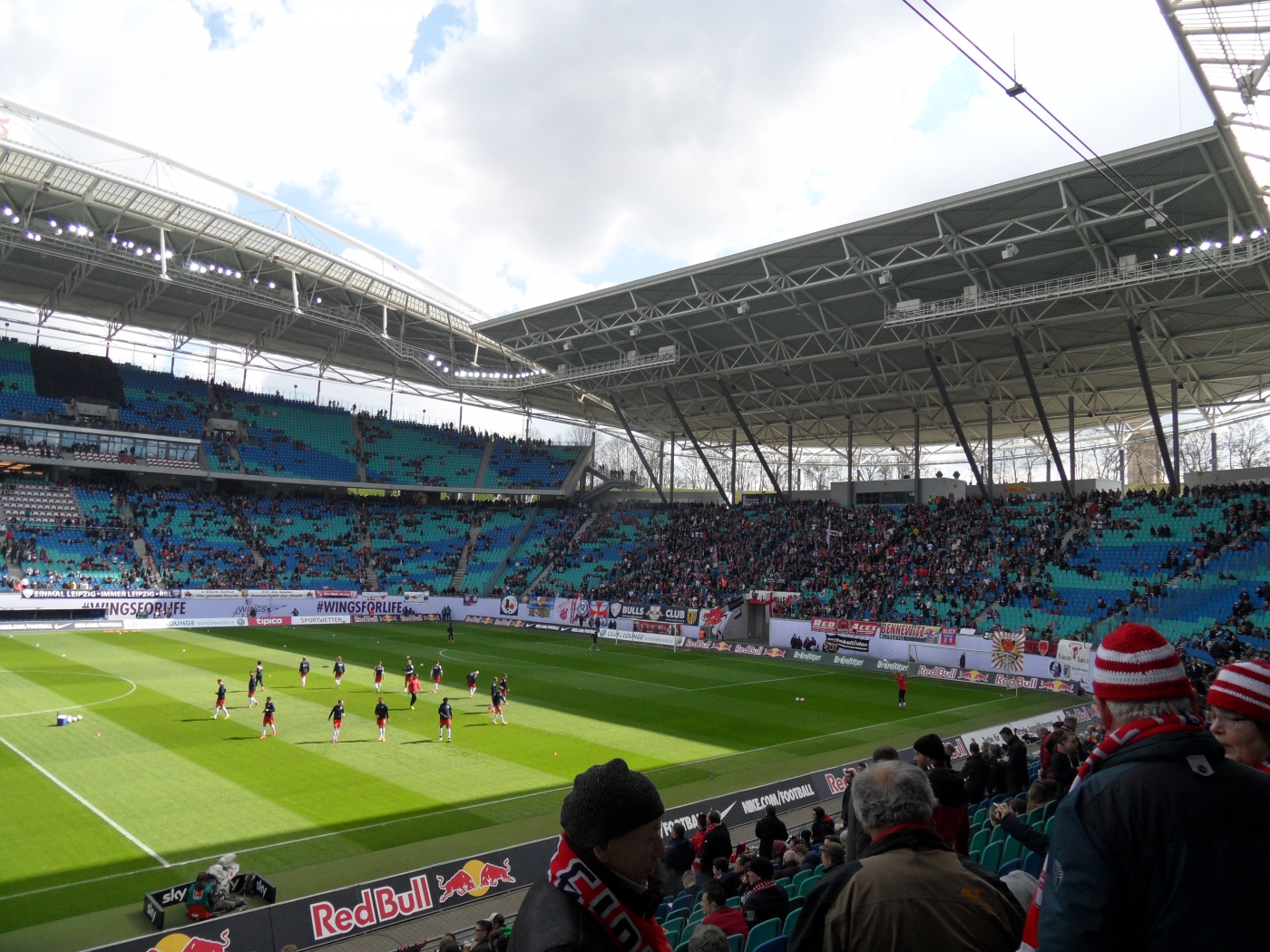
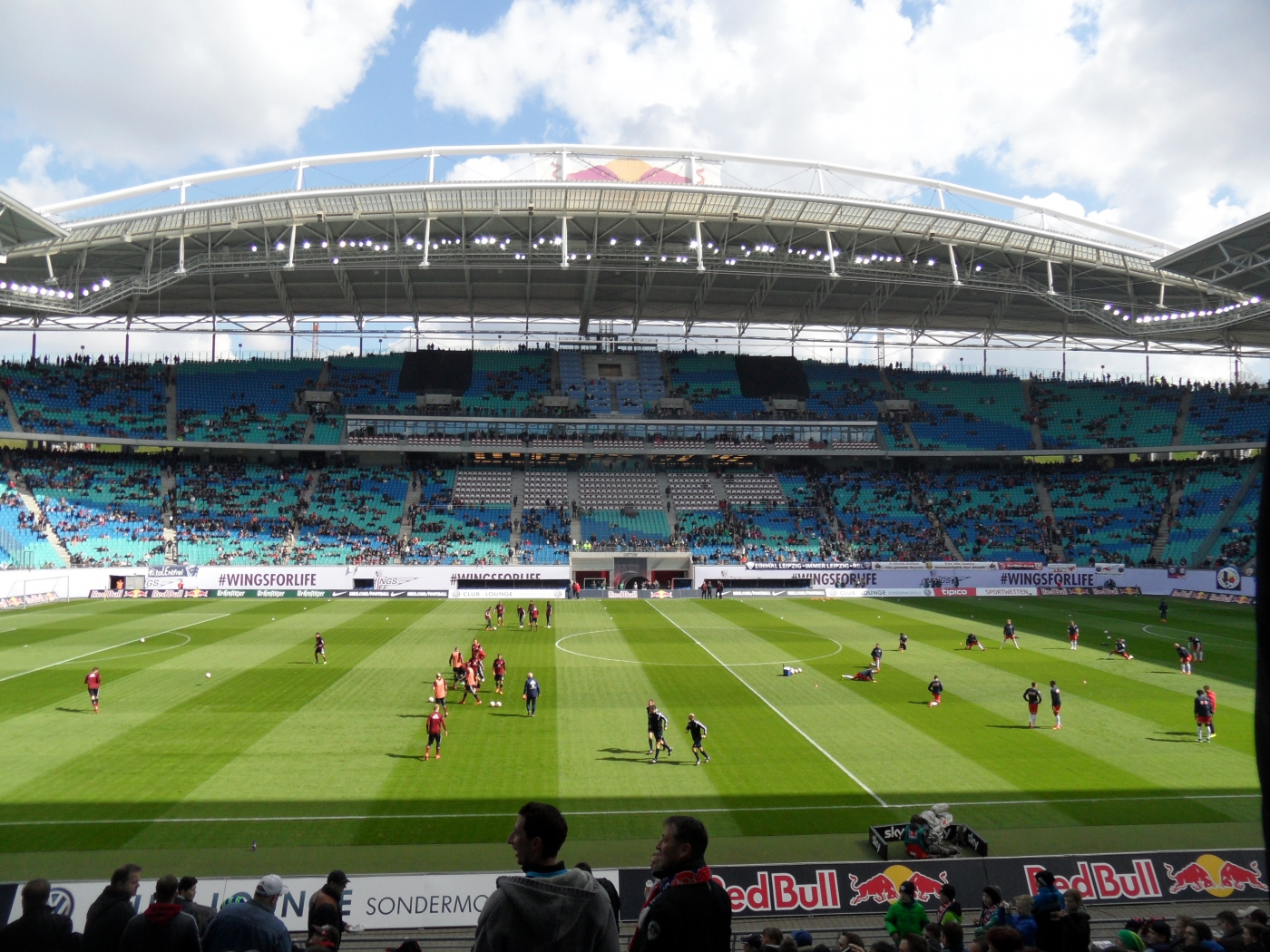
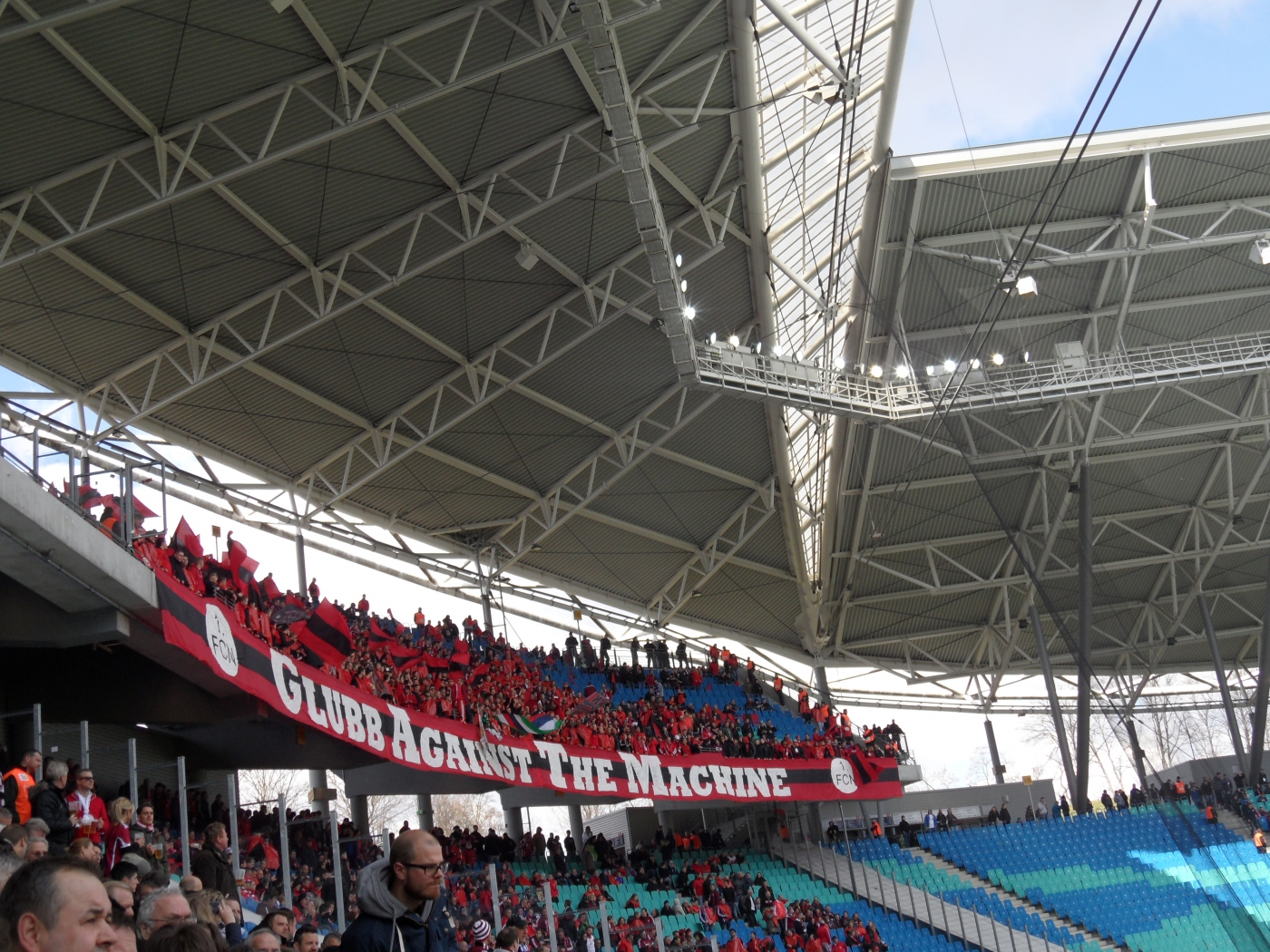
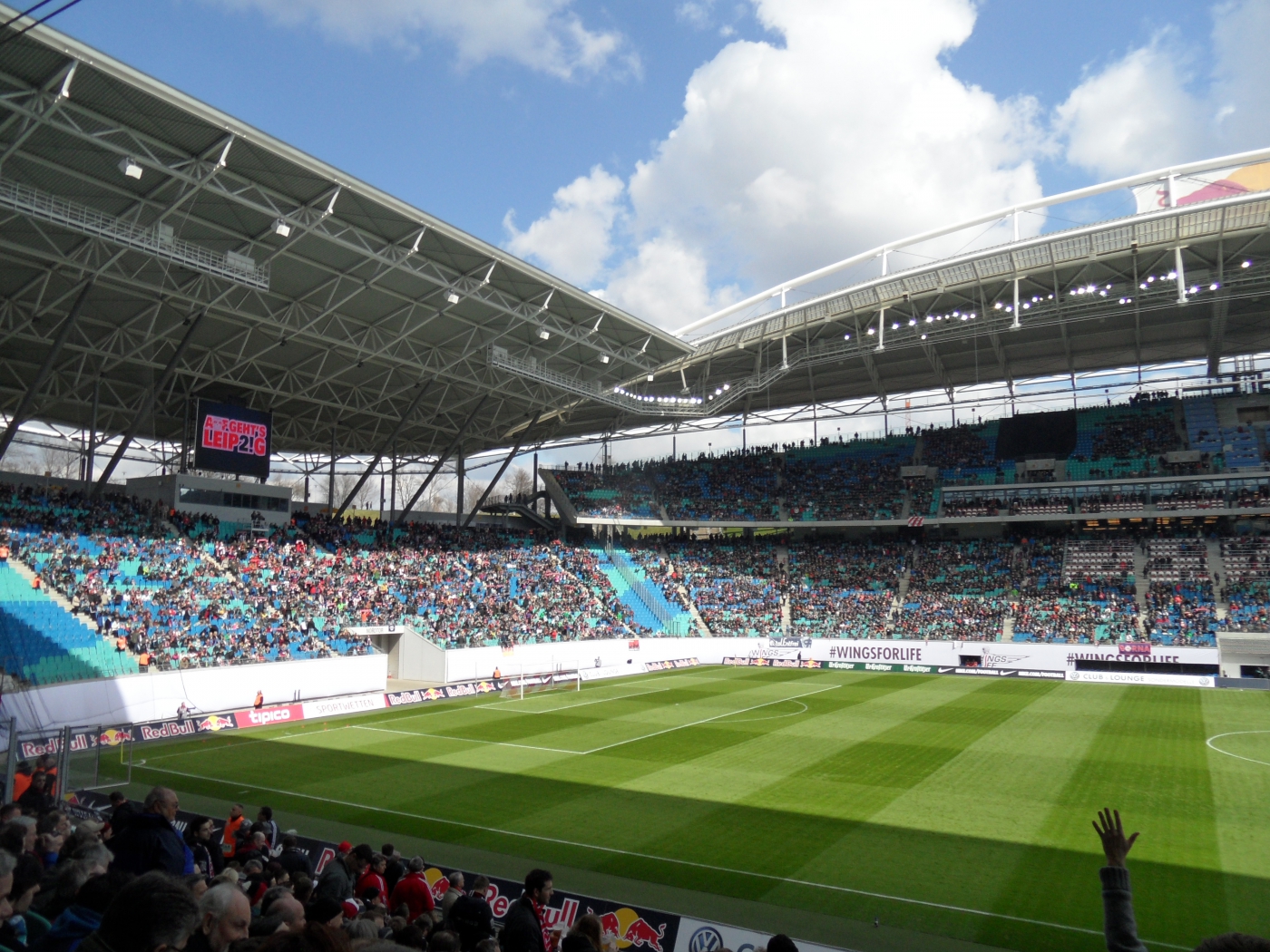
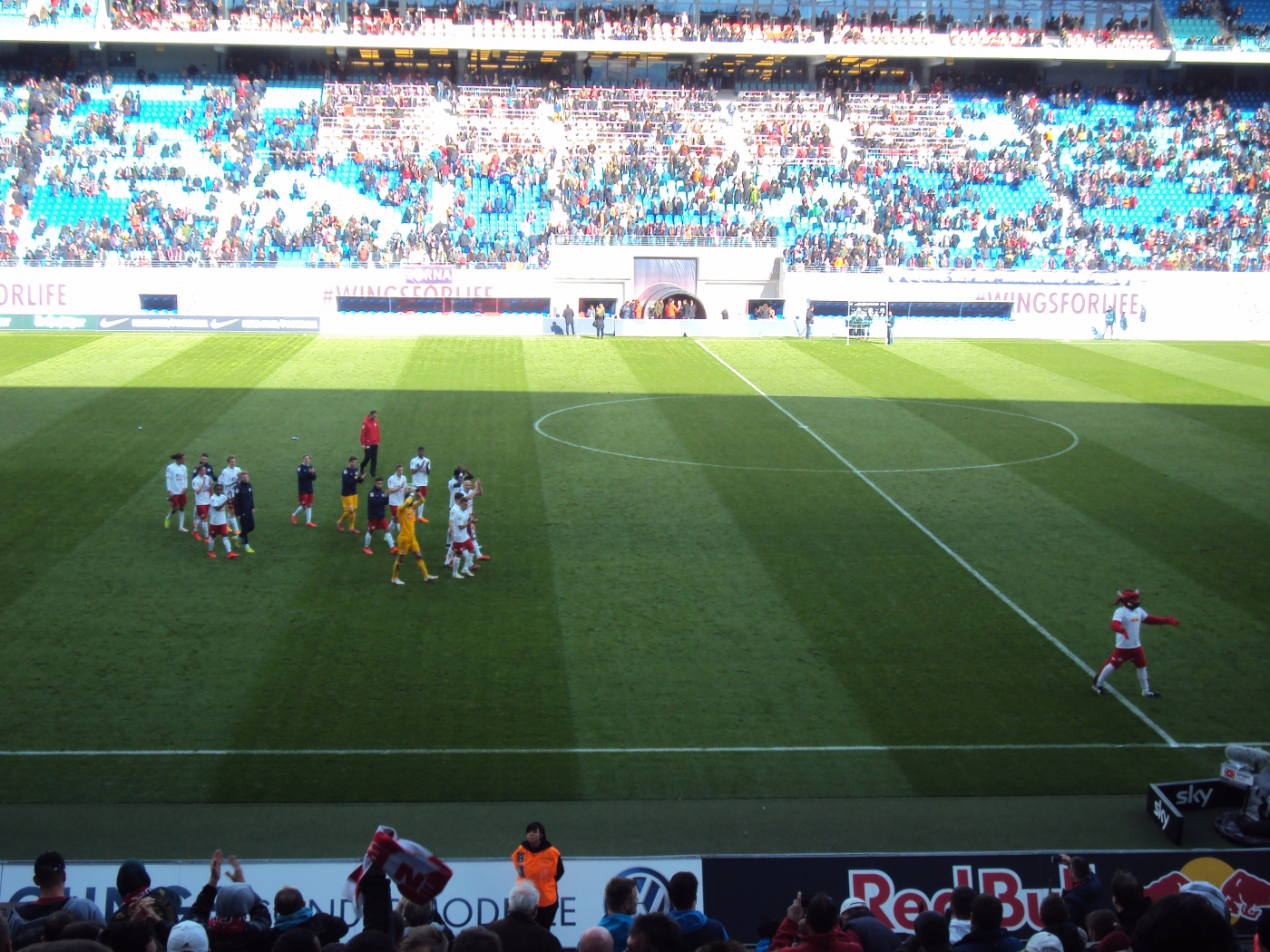
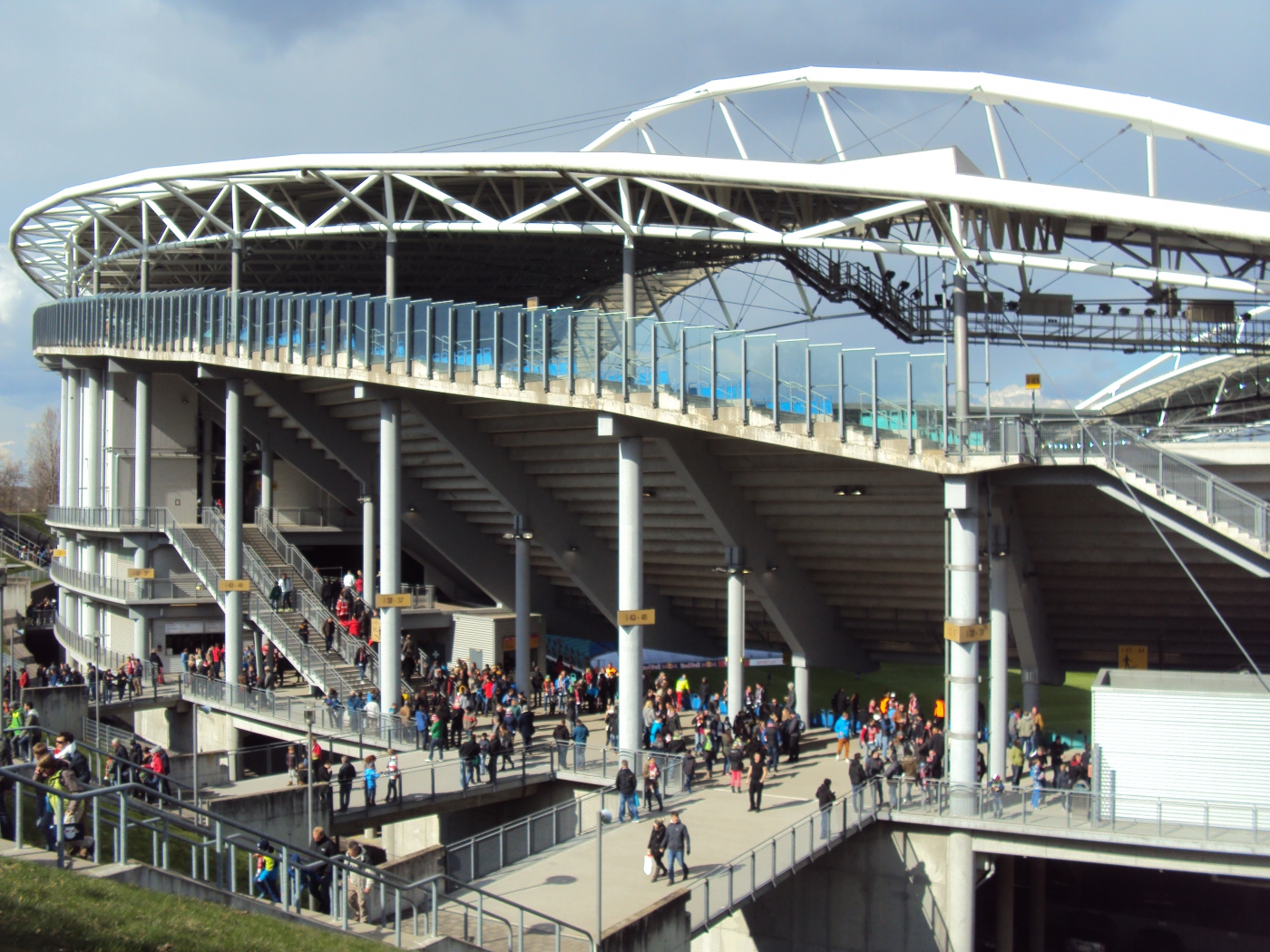
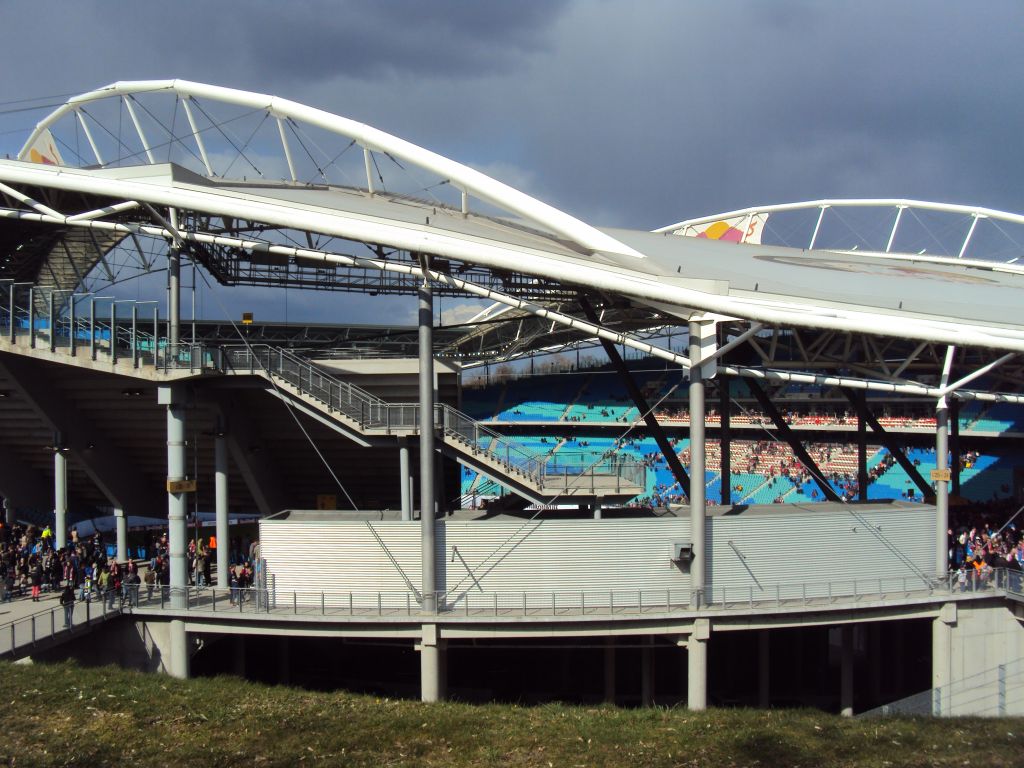
The Red Bull Arena in Leipzig, Germany, is a striking example of modern stadium design integrated with historical heritage. It is a contemporary amphitheater, uniquely built within the vast earthworks of a legendary predecessor.
A Monument from the GDR Era
Its origins lie in the former German Democratic Republic (GDR), where it was known as the Zentralstadion. Inaugurated in 1956, it was once Germany's largest stadium, earning the nickname "Stadium of a Hundred Thousand" for its immense capacity of approximately 100,000 spectators. It hosted events like the German Gymnastics and Sports Festival, symbolizing the era's grand ambitions. Its original purpose was to showcase sporting prowess.
Rebirth for a Global Spectacle
For the 2006 FIFA World Cup, the dilapidated Zentralstadion underwent a radical transformation. A visionary plan involved constructing a new, state-of-the-art stadium *inside* the original outer embankments, preserving its historical backdrop. Reopened in 2004, this architectural feat allowed it to host four group stage matches and one round of 16 match during the tournament. Leipzig embraced global football.
The Red Bull Era and RB Leipzig's Rise
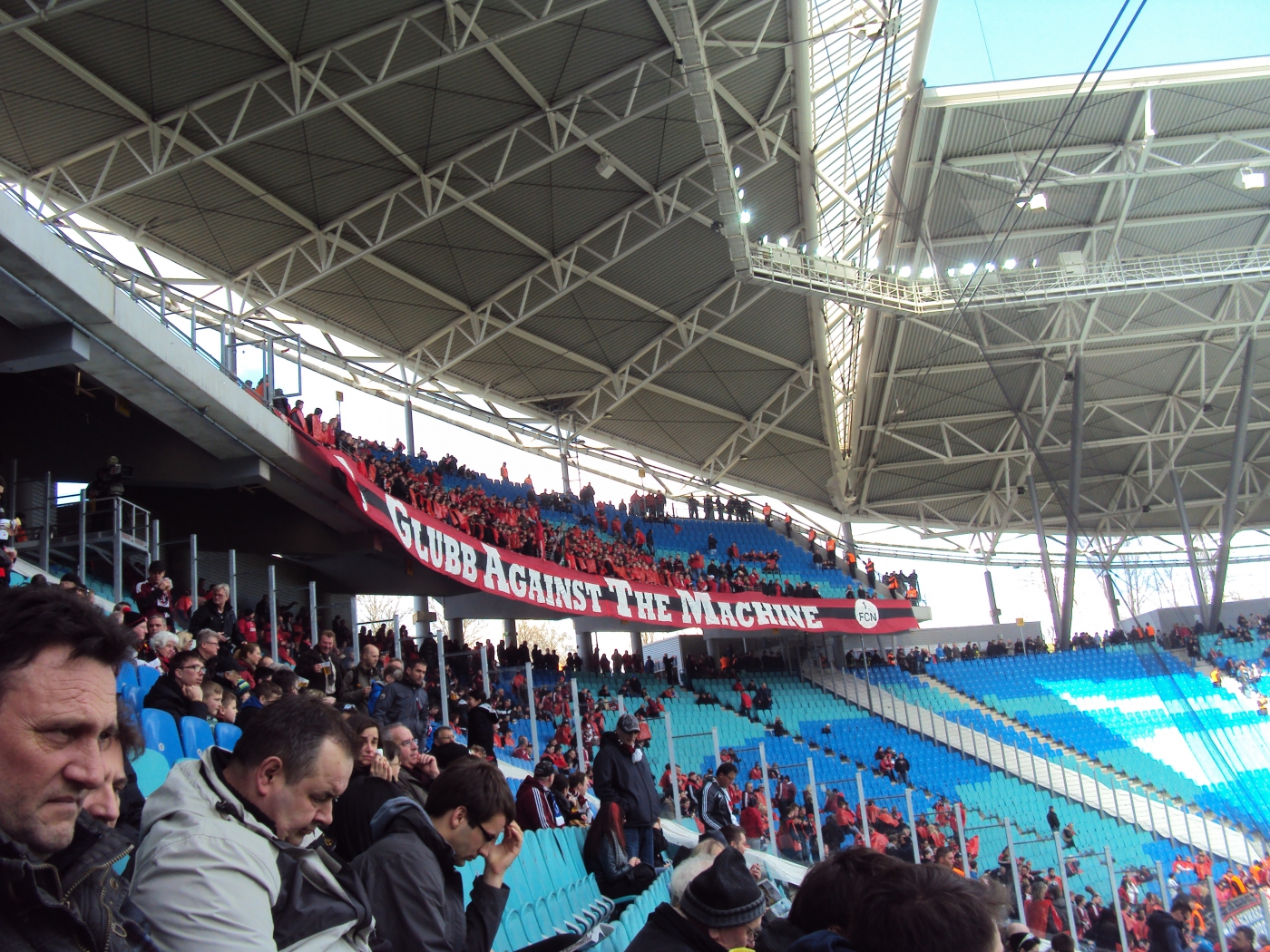
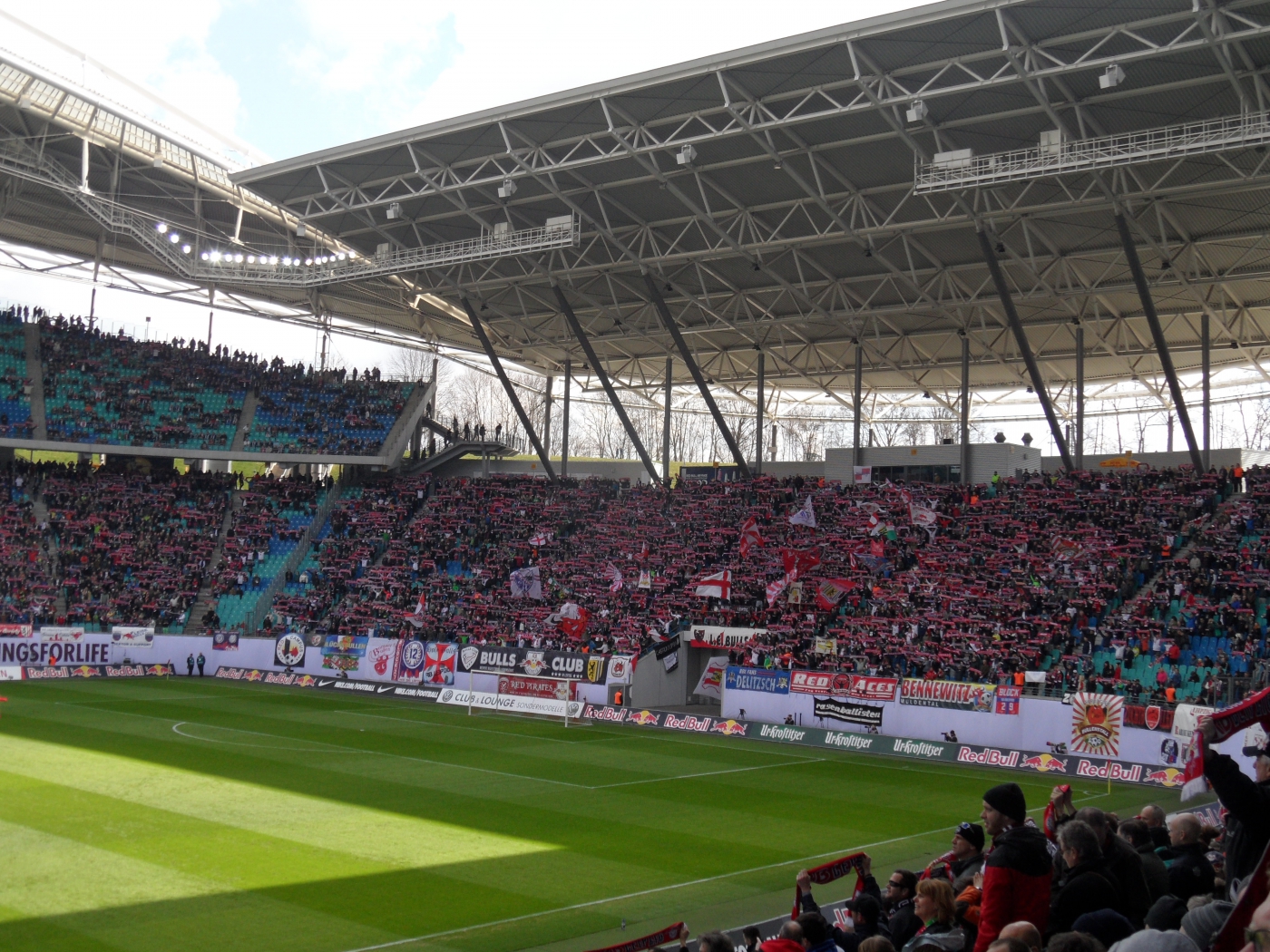
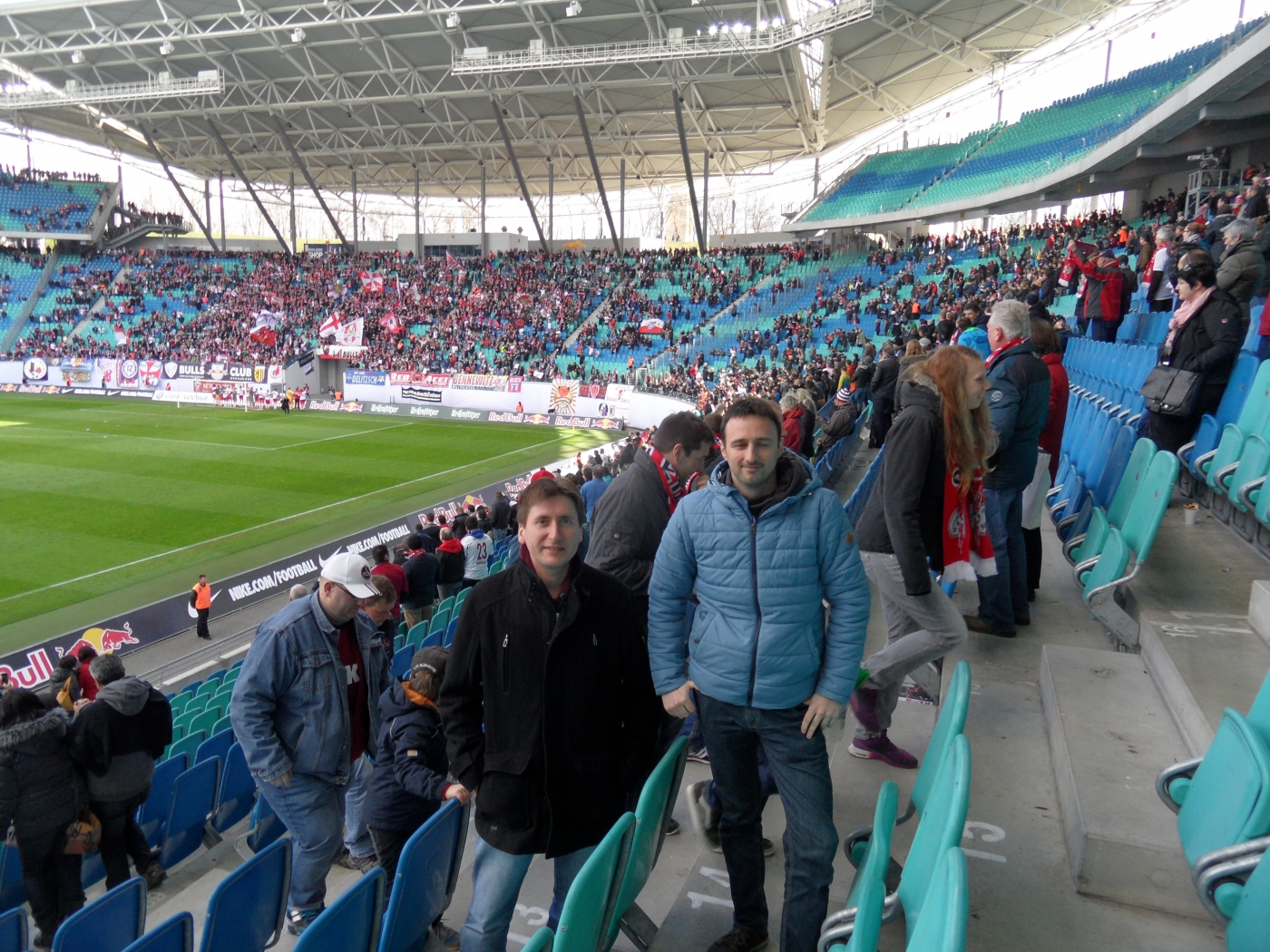
The stadium's current identity was cemented in 2010 when Red Bull acquired naming rights, rebranding it as the Red Bull Arena. This coincided with the rapid ascent of their club, RB Leipzig, through the German leagues to become a formidable force in the Bundesliga and a regular UEFA Champions League competitor. With a capacity of roughly 47,069, it's a vibrant cauldron of noise, reflecting the club's dynamic ambition. Learn more about RB Leipzig.
Future Host of Major Tournaments
The Red Bull Arena's reputation continues to grow. It is selected as a host stadium for UEFA Euro 2024, further solidifying its international status. This prestigious event will once again bring top-tier international football to Leipzig, showcasing its modern amenities and charm. Leipzig is ready for EURO 2024.