RB Leipzig
Leipzig, Germany
About the Club:
A New Force in German Football
RB Leipzig, based in the vibrant city of Leipzig, Germany, represents one of modern football's most debated and fastest-rising phenomena. Founded on May 19, 2009, the club was established by the Austrian beverage company Red Bull GmbH with the ambitious goal of bringing top-flight football back to a city that had once been a cradle of the sport but had long languished outside the spotlight. The club's creation was not without controversy, challenging traditional German football's deeply rooted principles.
Rapid Ascent Through the Divisions
The journey of RB Leipzig began in the fifth tier of German football, the NOFV-Oberliga Süd. Their entry into the football landscape was facilitated by acquiring the playing rights of SSV Markranstädt, a local club from the town of Markranstädt. From there, an unprecedented ascent began. Backed by significant investment, the club achieved four promotions in seven seasons. This rapid progression saw them move from amateur leagues to the professional divisions, culminating in their promotion to the 2. Bundesliga in 2014 and then, remarkably, to the prestigious Bundesliga in 2016. This meteoric rise captured headlines and ignited passionate discussions across Germany regarding the commercialization of the sport.
Bundesliga and European Adventures
Since their arrival in the top flight, RB Leipzig has firmly established itself as a formidable force. They finished as Bundesliga runners-up in their debut season (2016-17), a testament to their strategic planning and player development, often spearheaded by figures like Ralf Rangnick, who served in various key roles including sporting director and head coach. The club has consistently qualified for European competitions, including the highly coveted UEFA Champions League, reaching the semi-finals in the 2019-20 season. Their attractive, high-pressing style of play has won them many admirers.
Home Ground and Identity
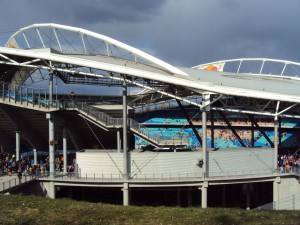
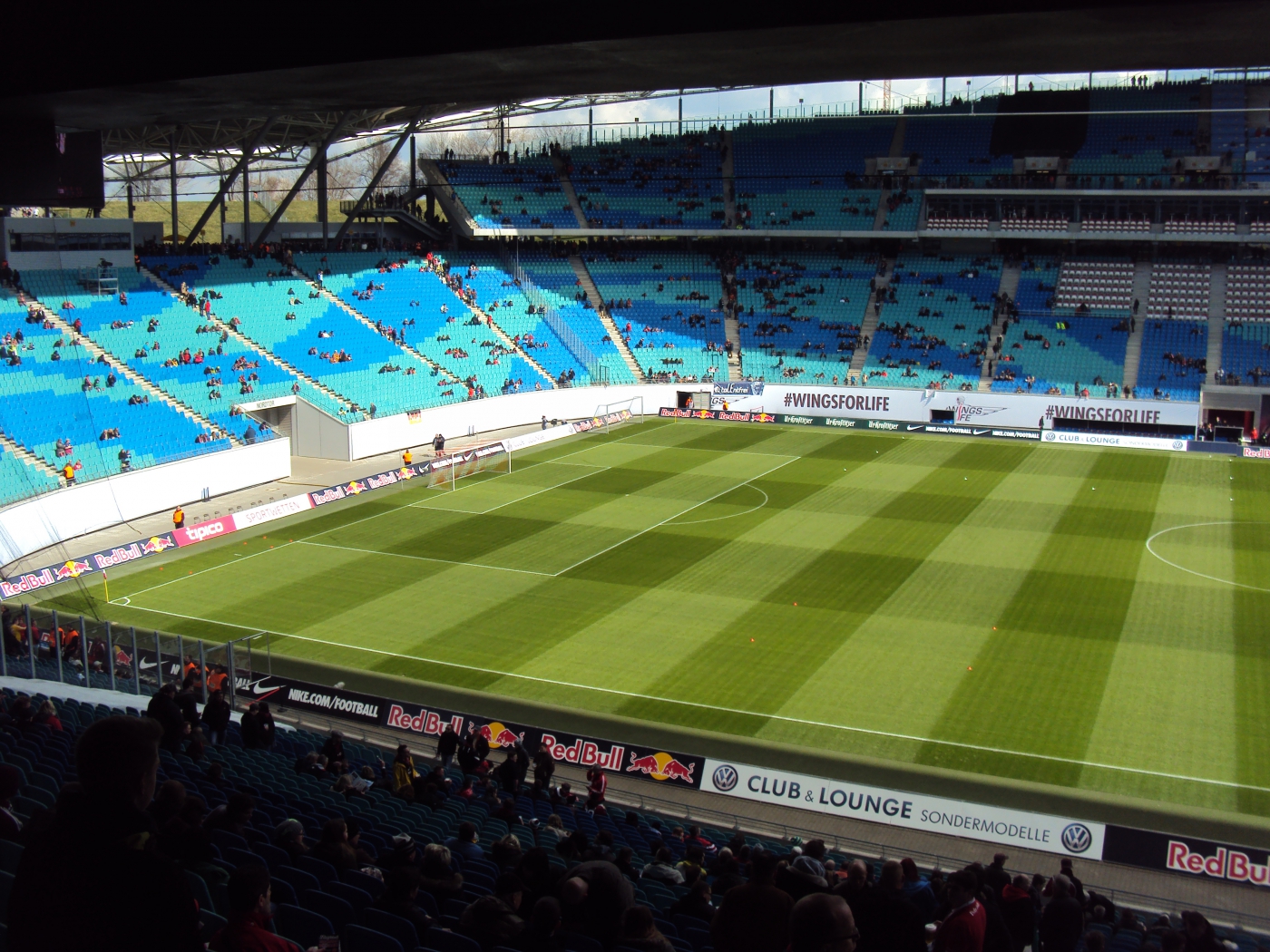
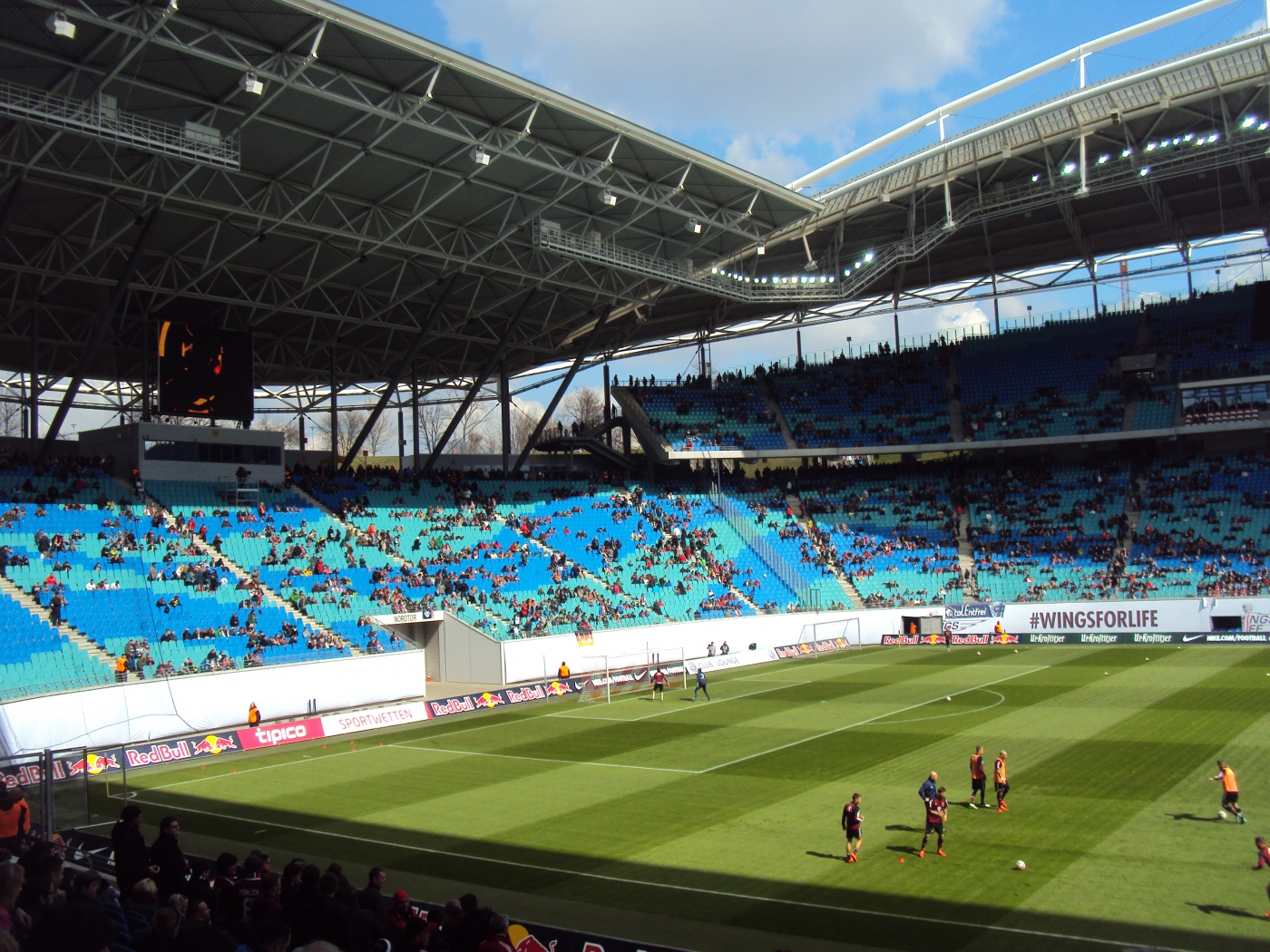
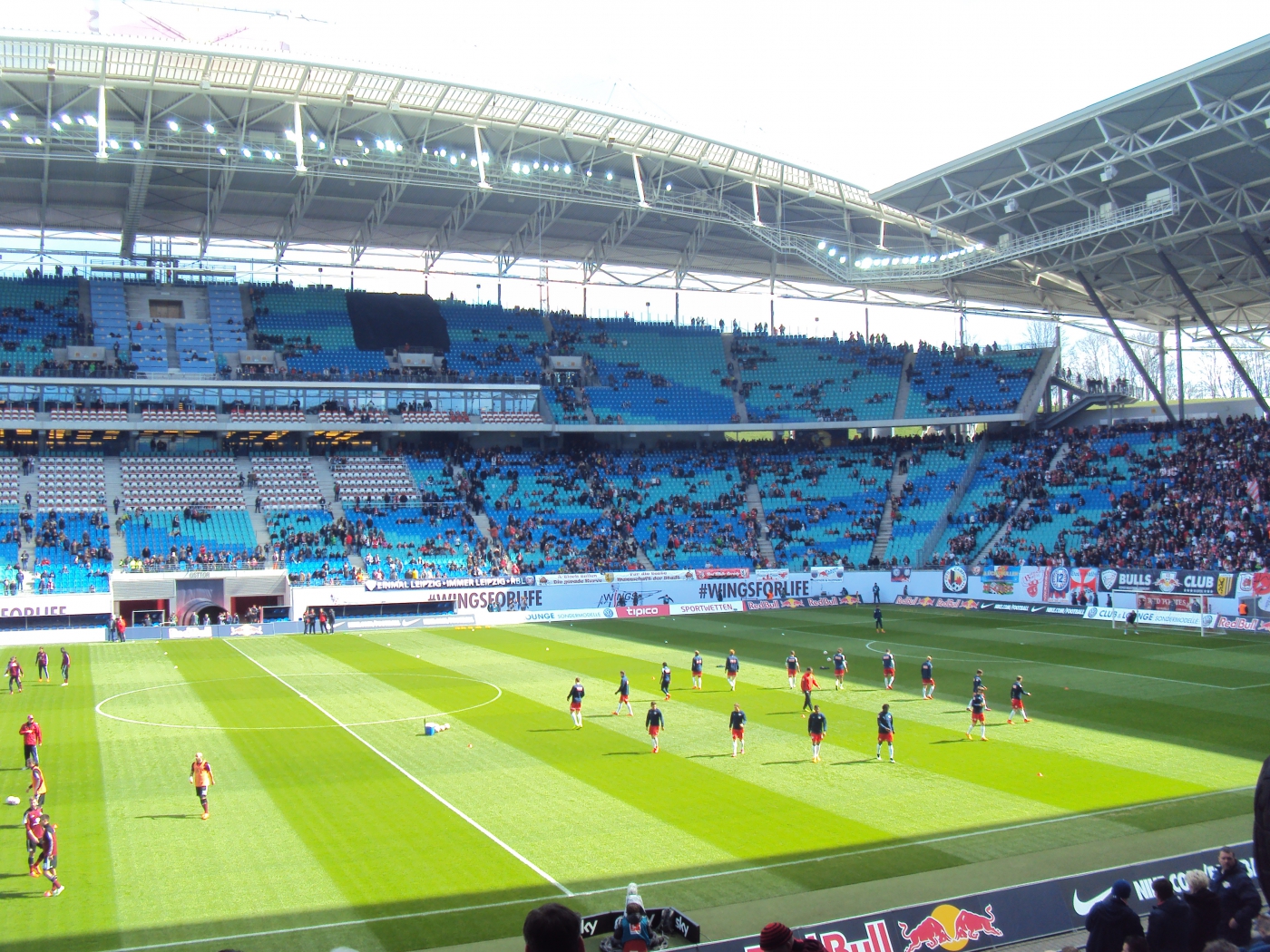
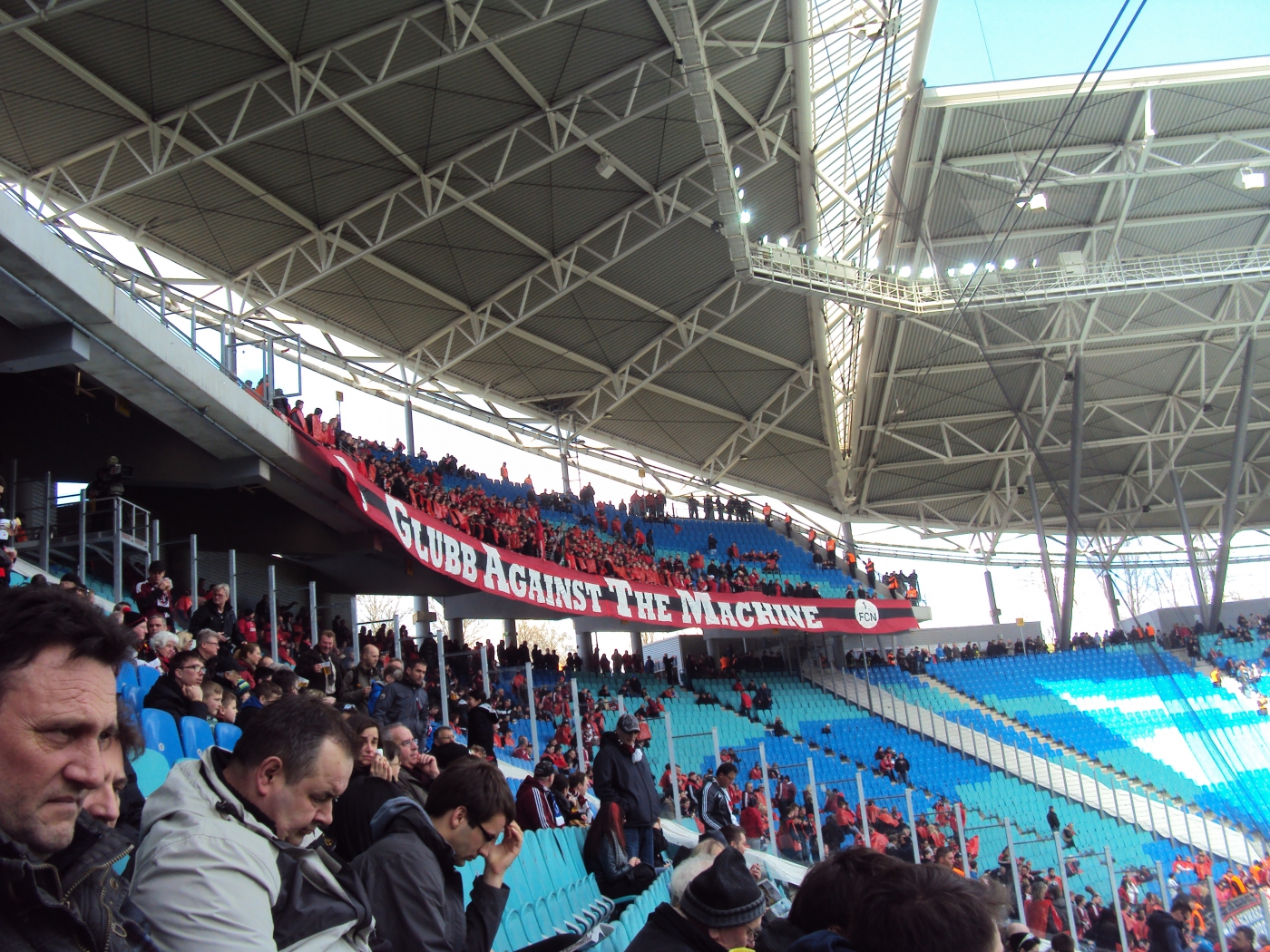
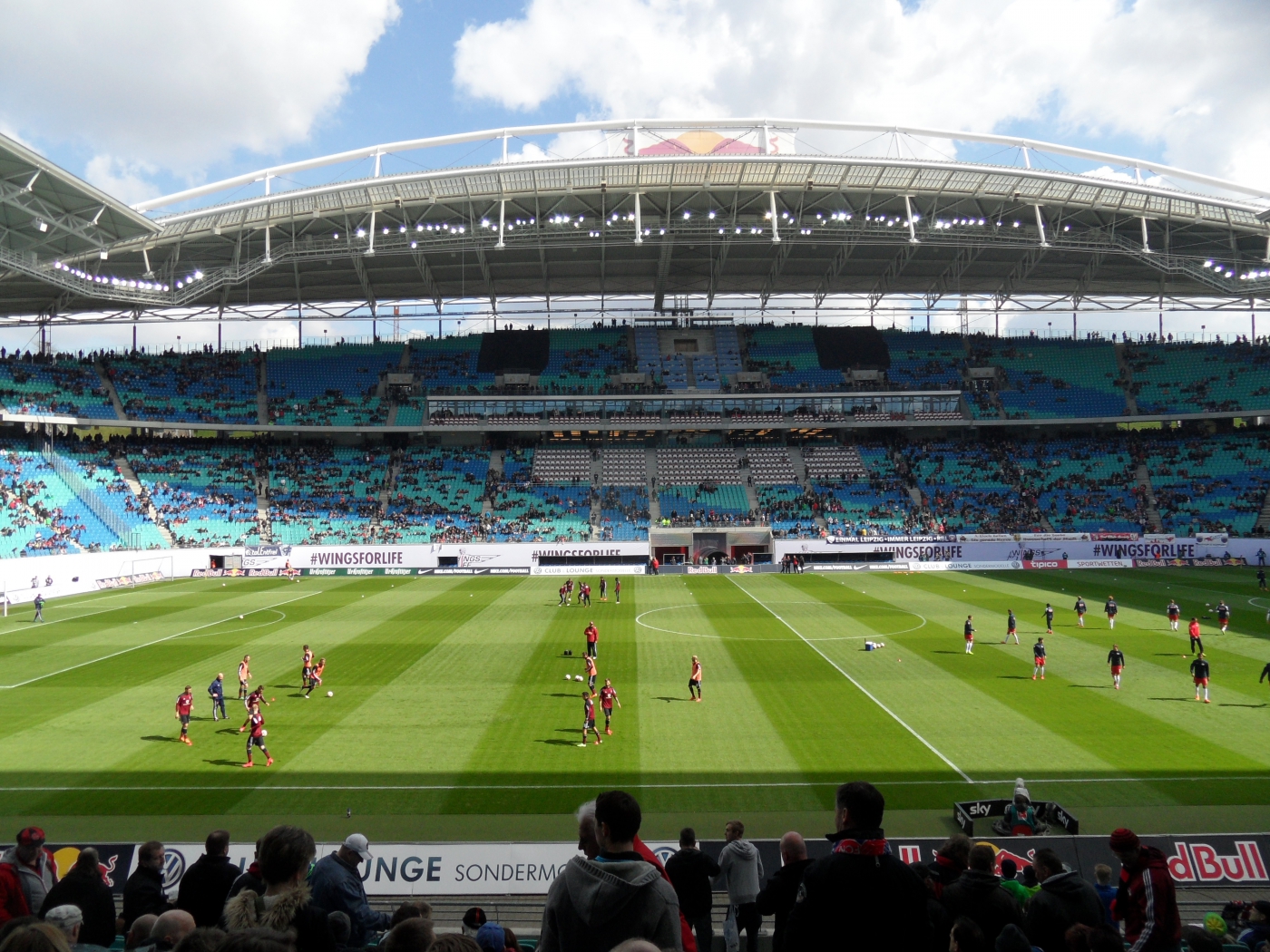
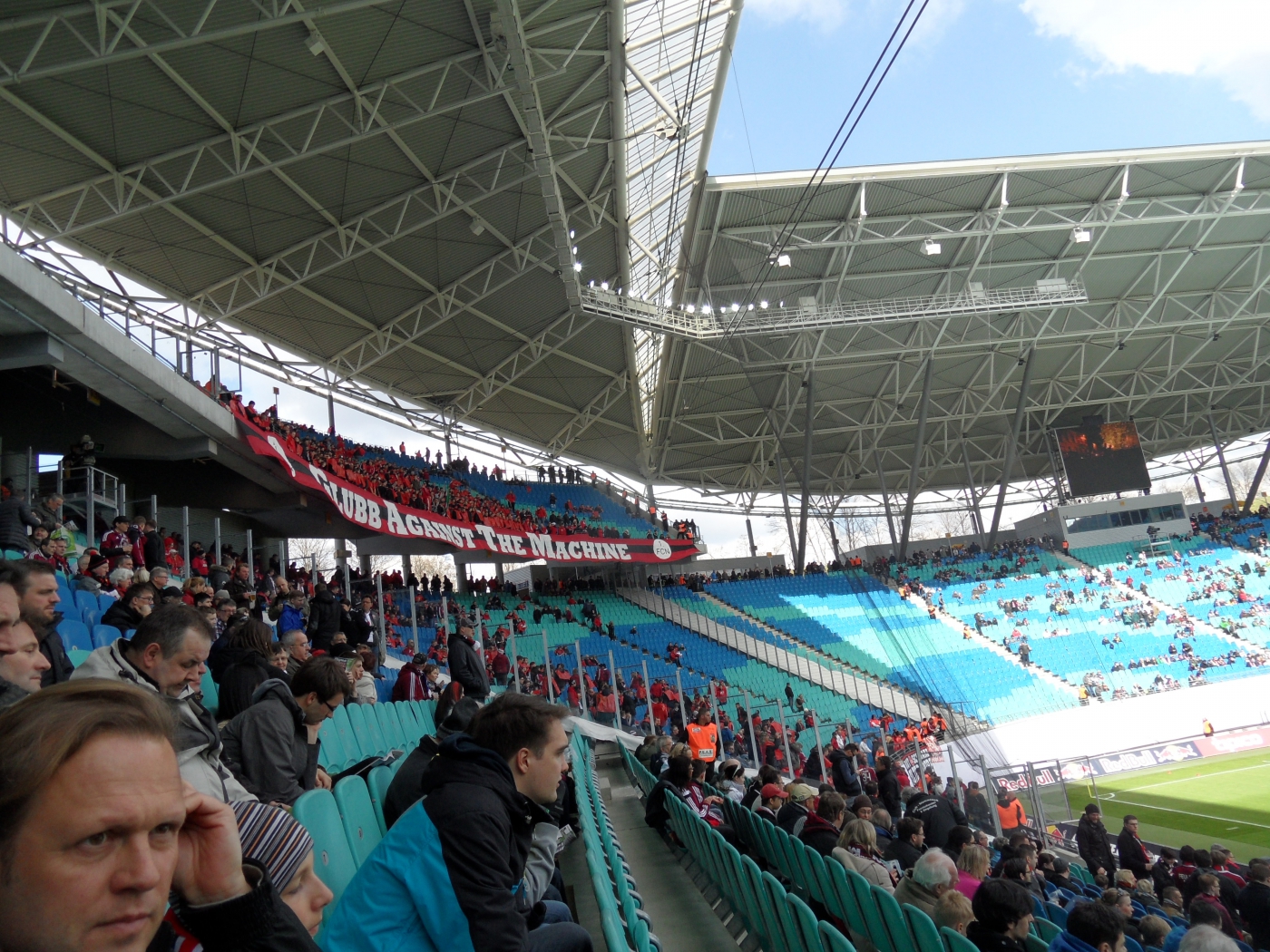
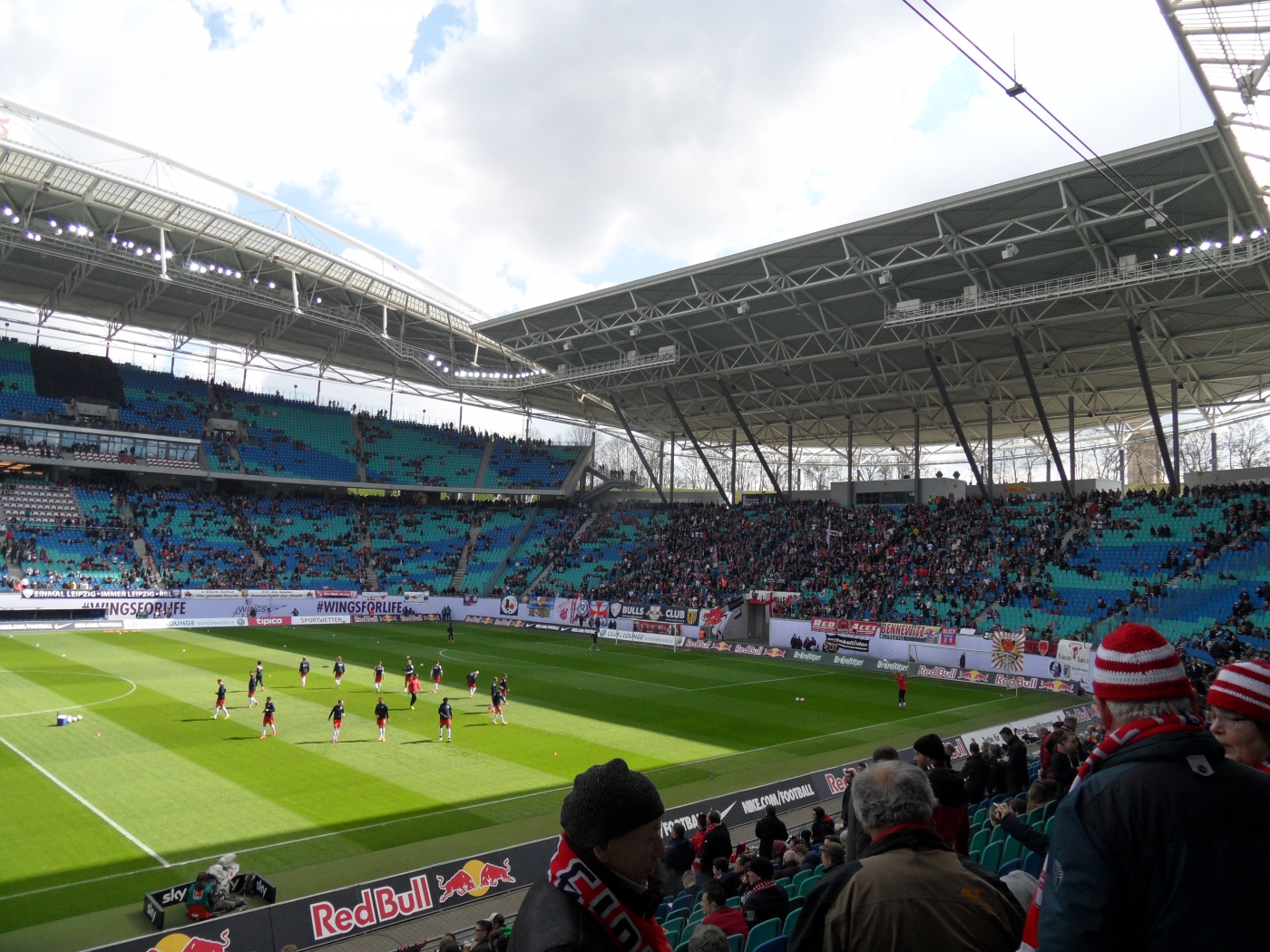
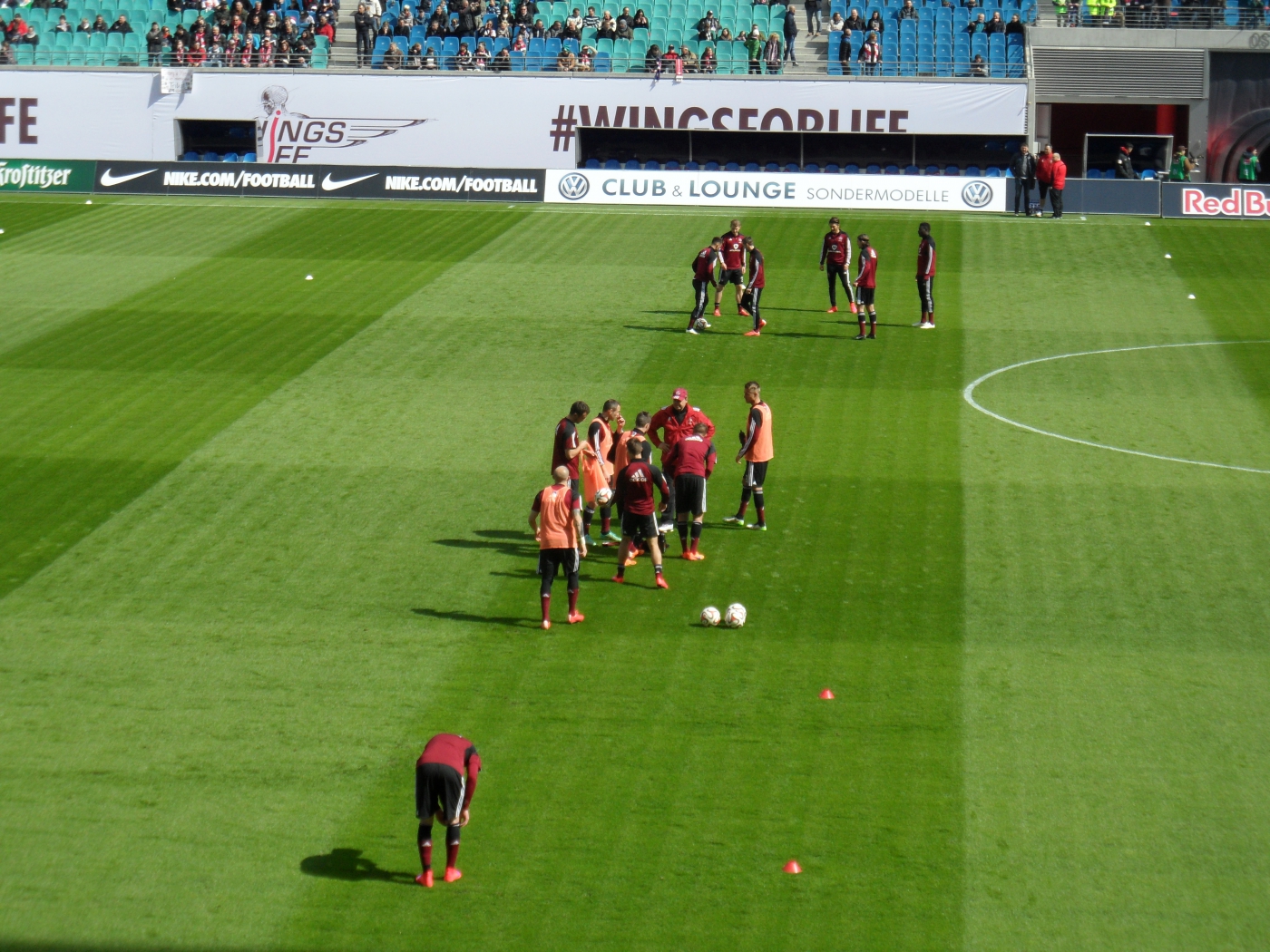
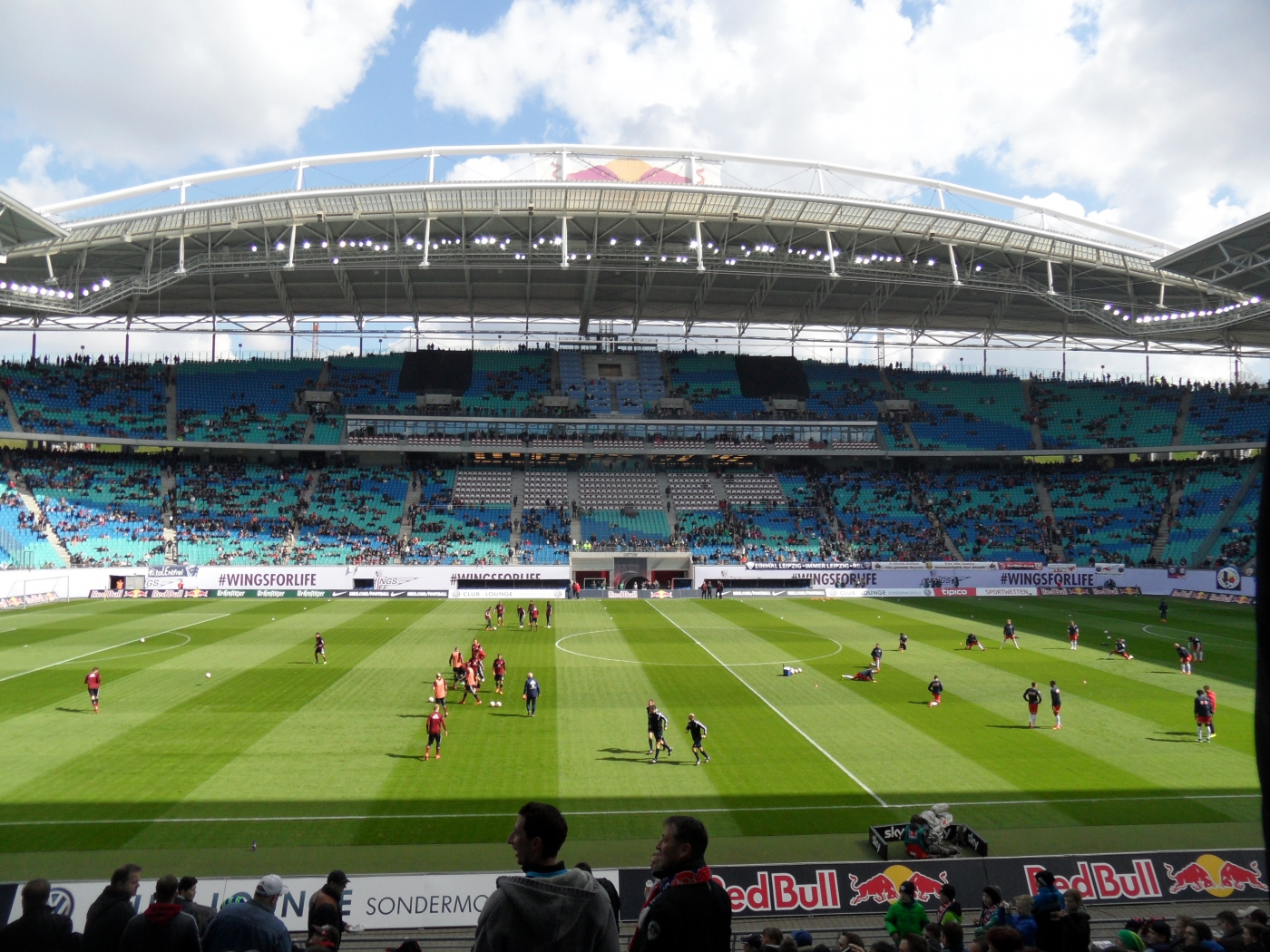
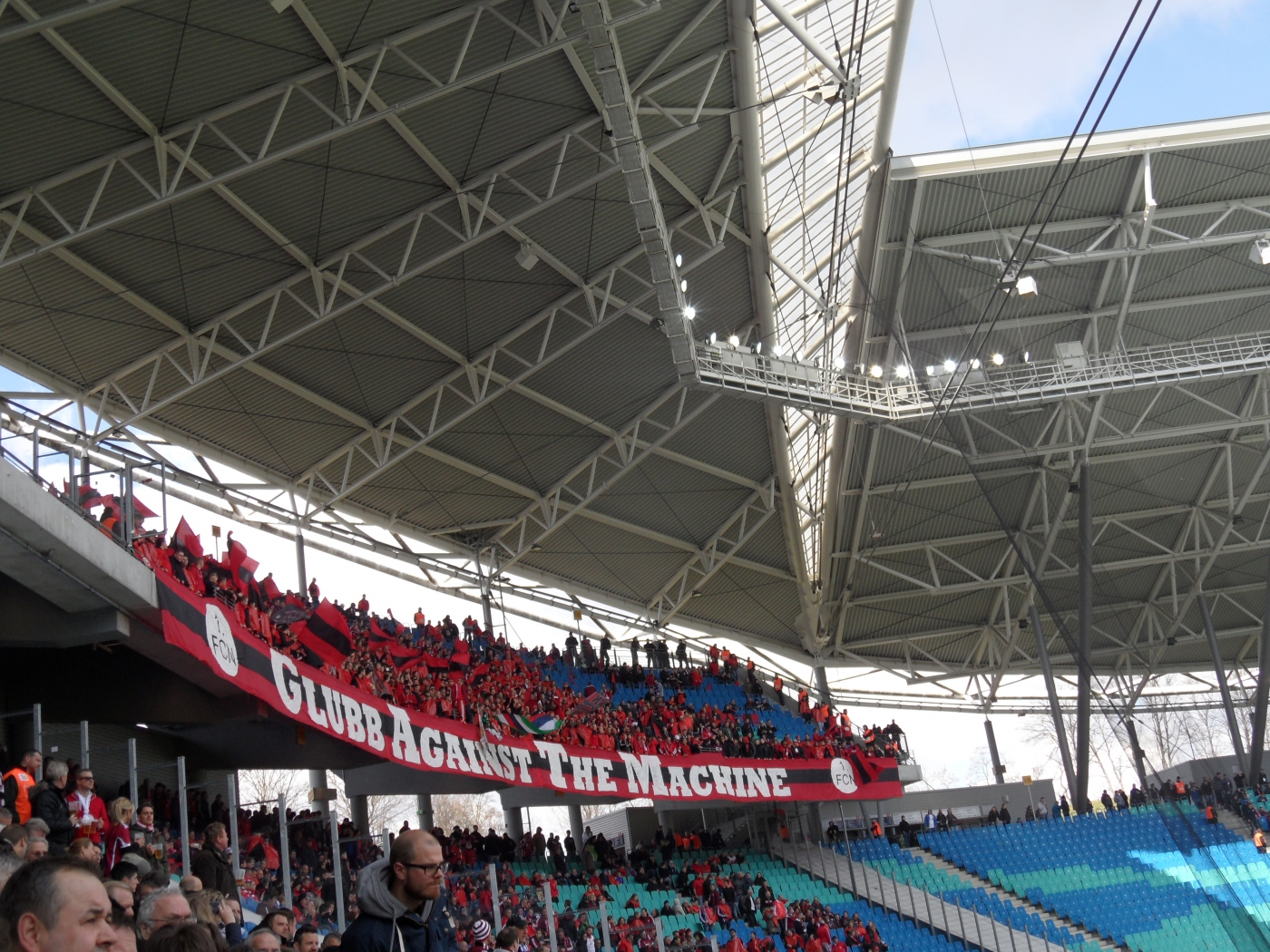
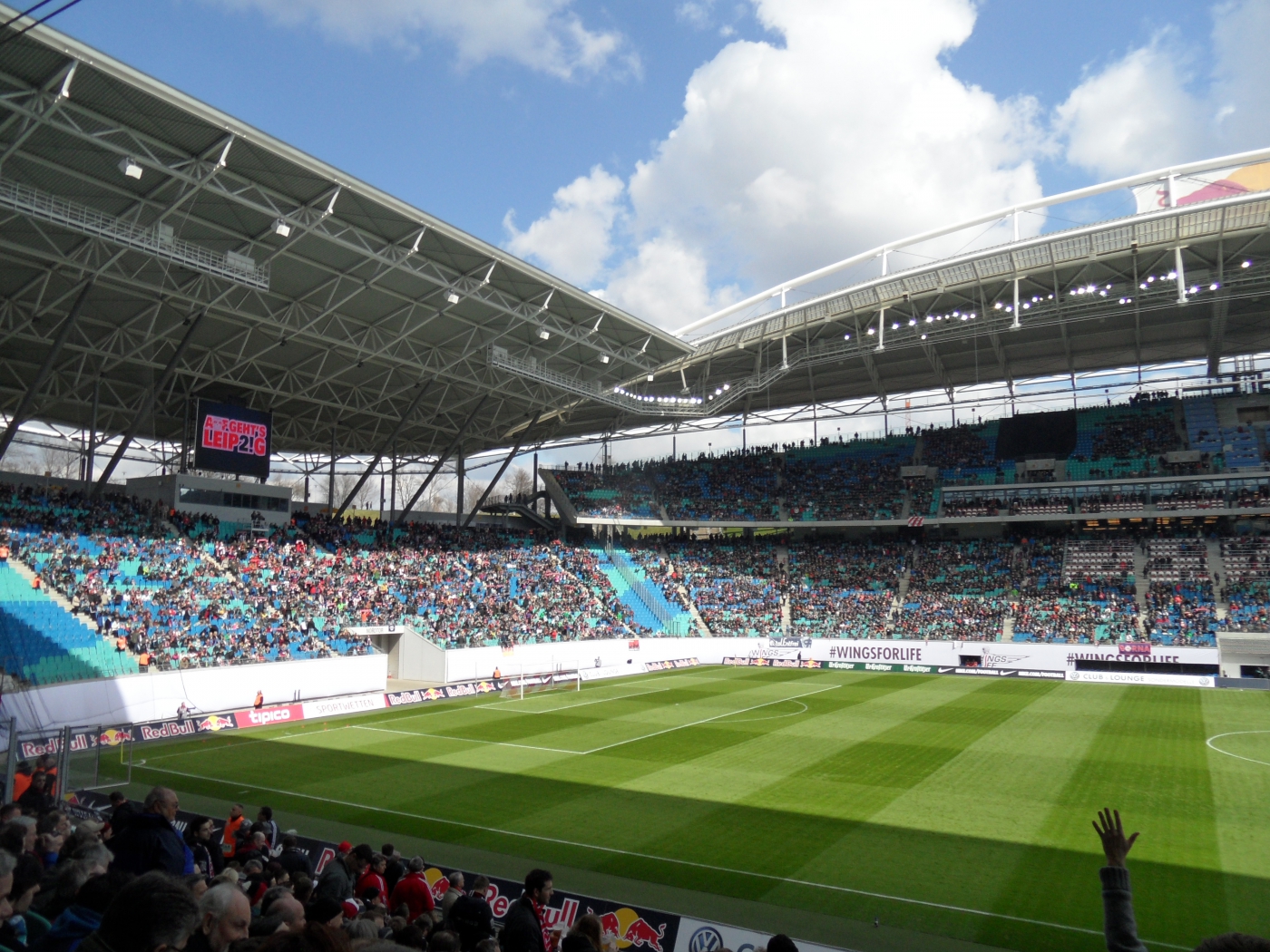
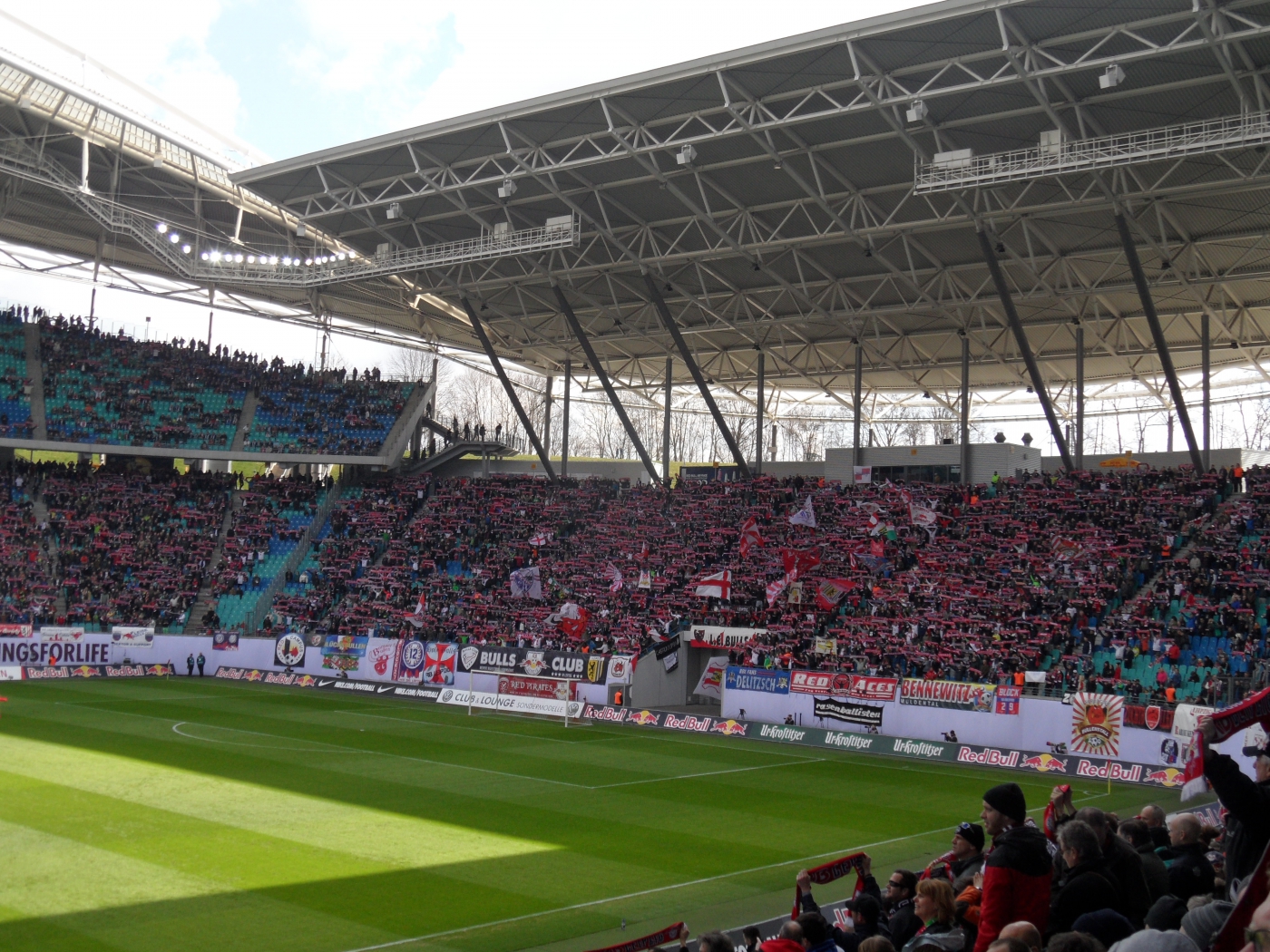
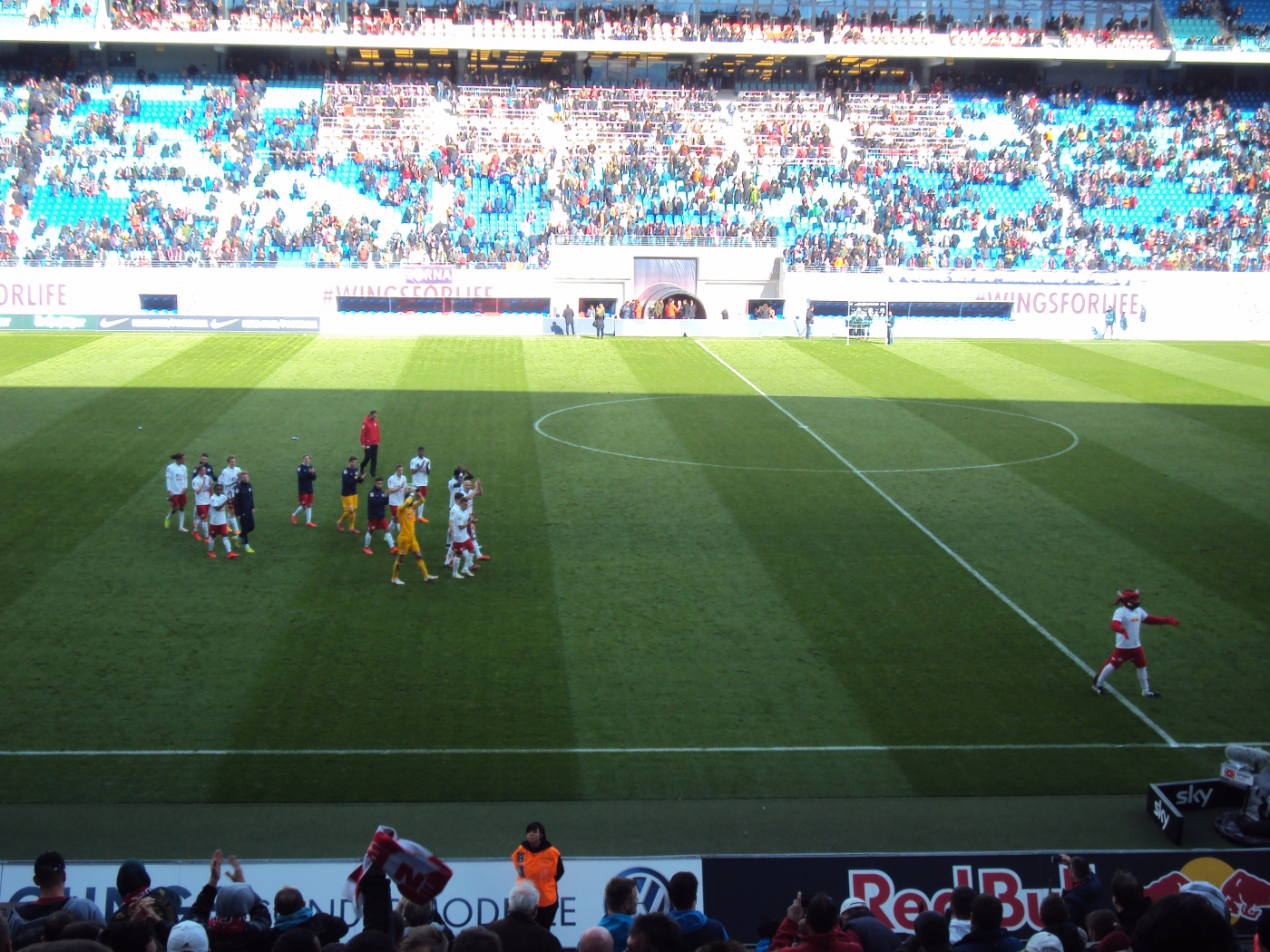
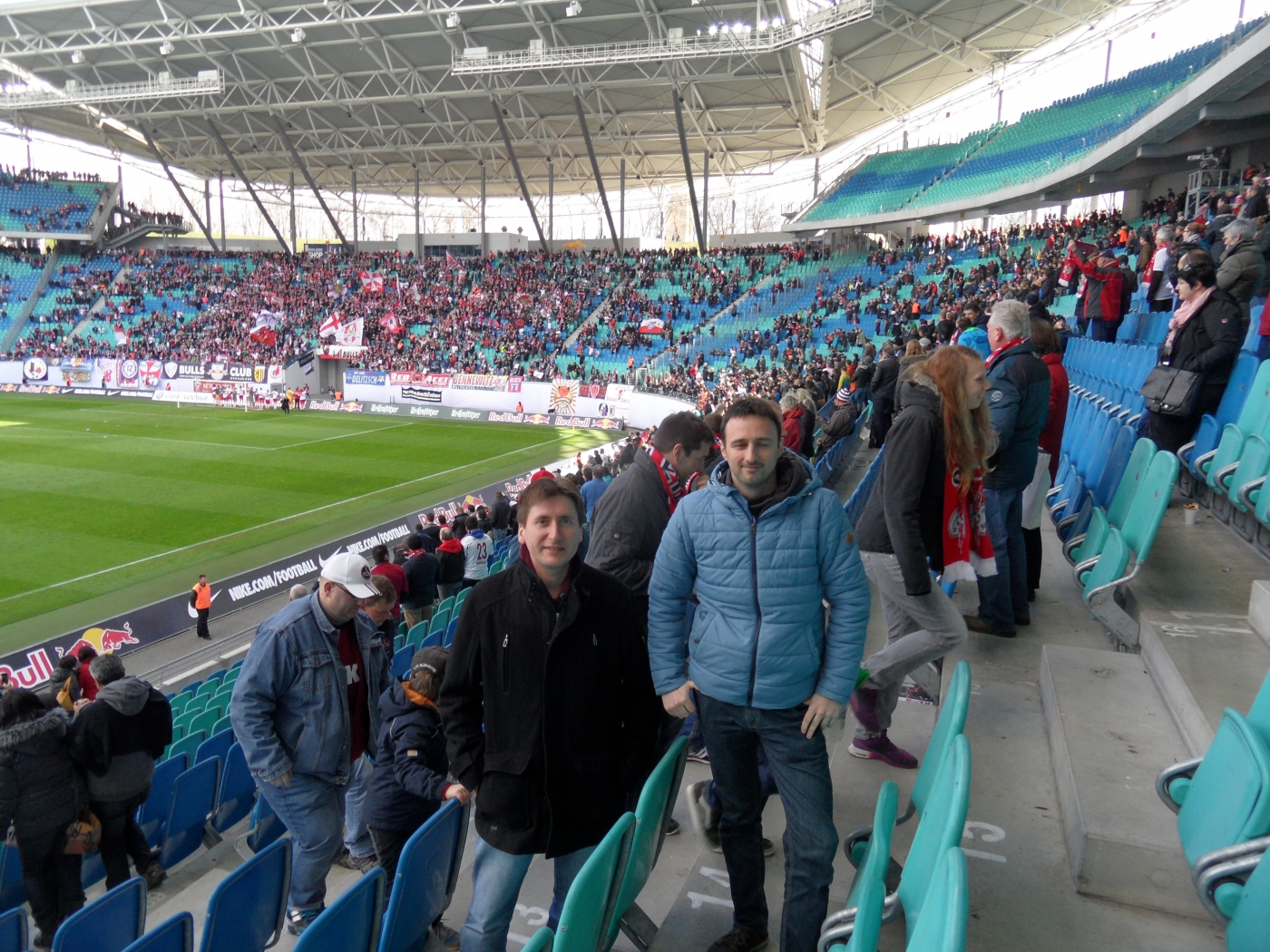
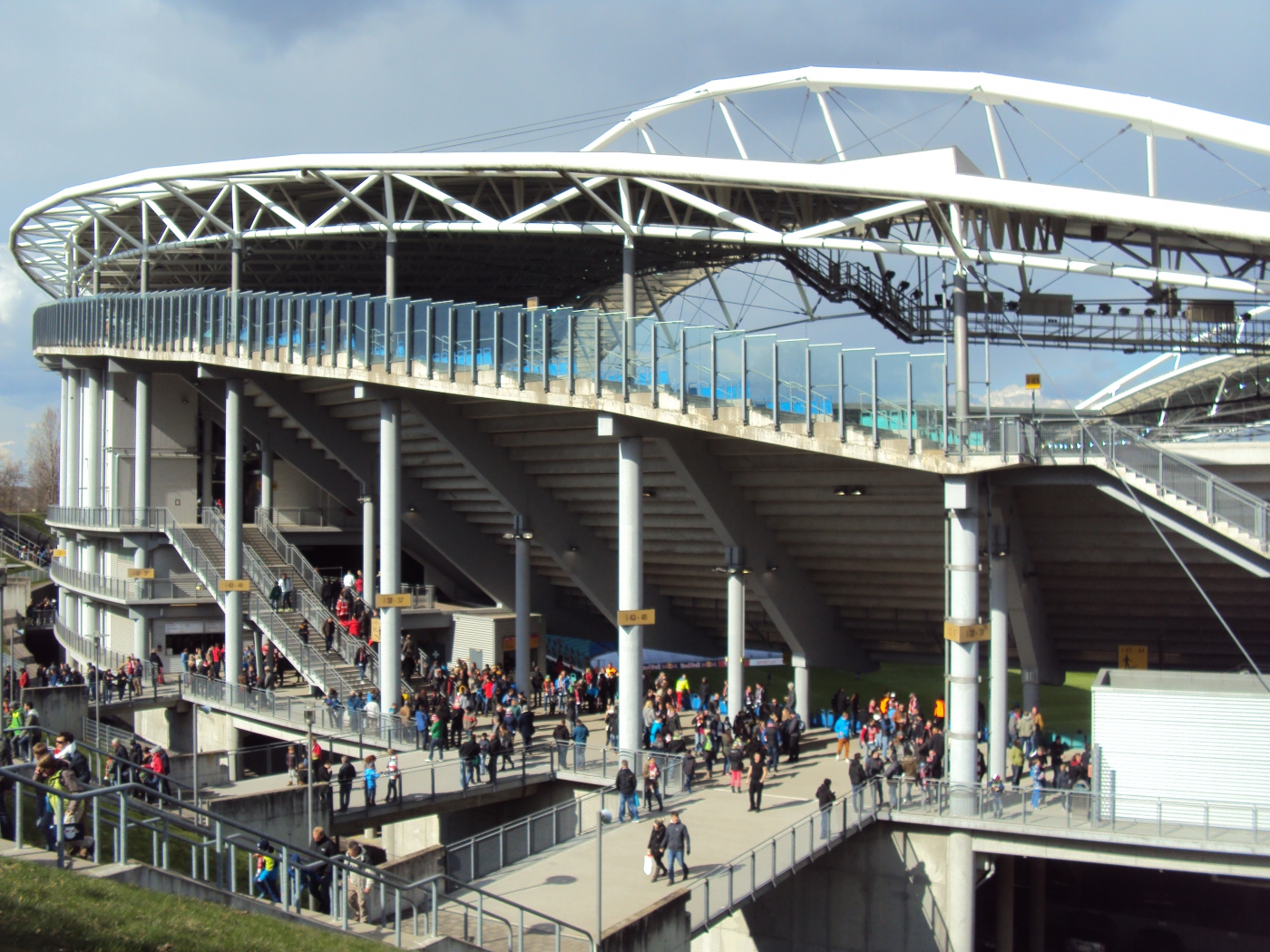
RB Leipzig plays its home matches at the modern Red Bull Arena, which was formerly known as the Zentralstadion and was a venue for the 2006 FIFA World Cup. The stadium, with a capacity of over 47,000, provides a vibrant atmosphere for their loyal and growing fanbase. Despite the successes, the club remains a focal point of the "50+1 rule" debate in German football, which stipulates that clubs must hold a majority of their own voting rights. RB Leipzig controversially circumvents this rule by having very few voting members, almost exclusively employees of Red Bull, distinguishing them significantly from other fan-owned clubs in Germany.
Their story is one of ambition, innovation, and disruption, forever changing the narrative of football in Leipzig and challenging the traditional landscape of German football.
Links and Social Media:
stadium: