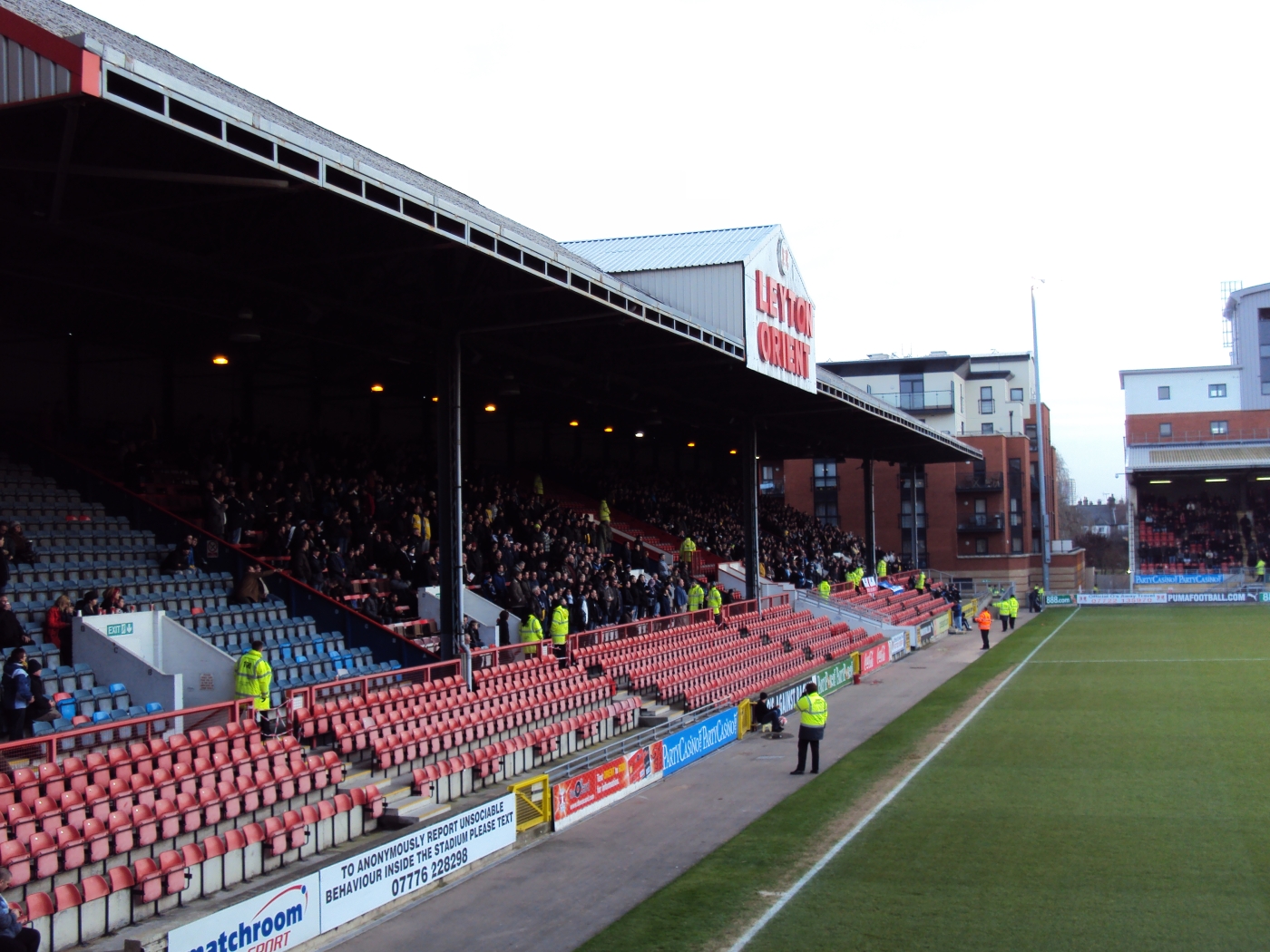
Brisbane Road
Waltham Forest, London, England
About the Stadium:
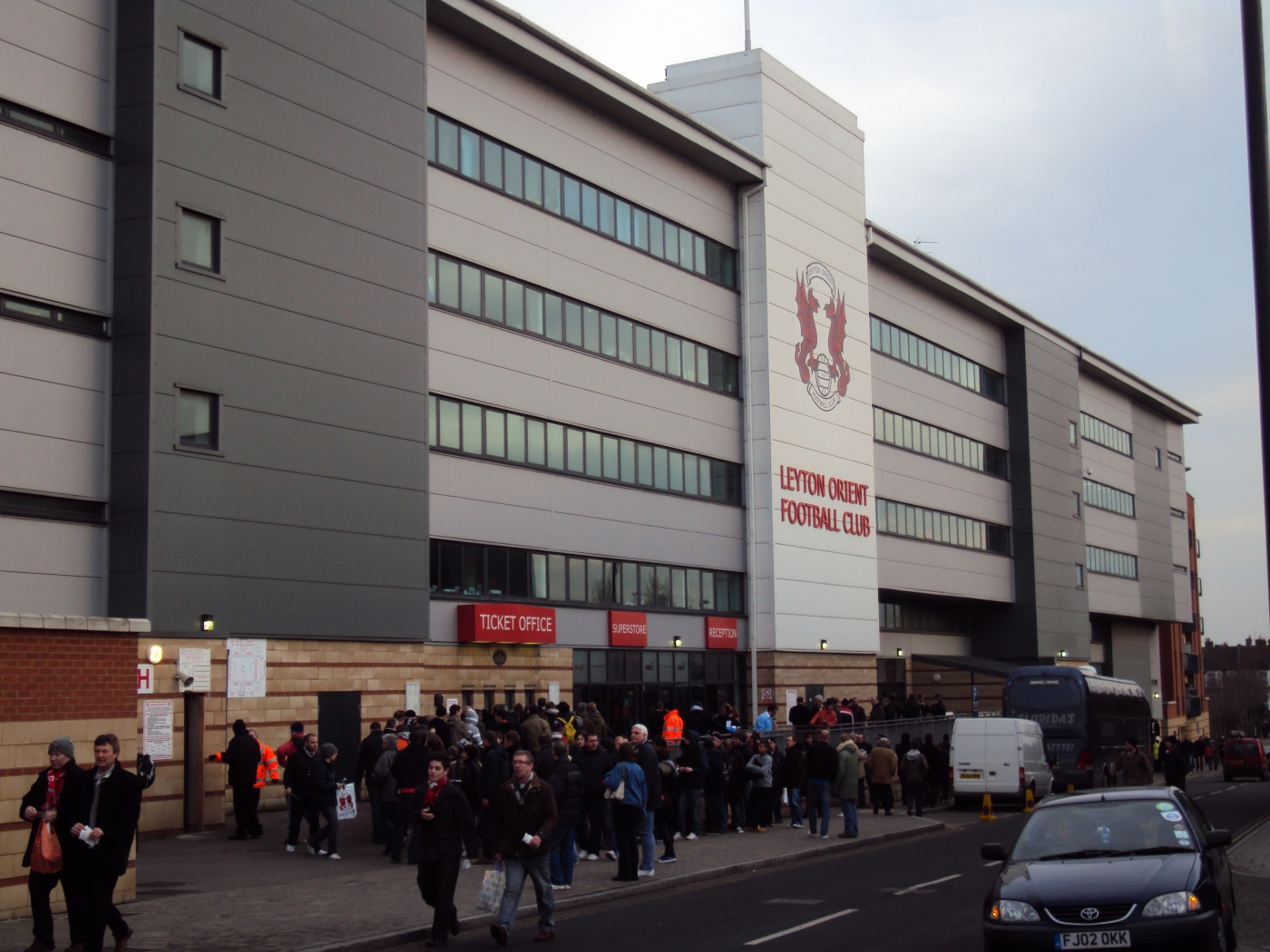
Nestled in the heart of **Leyton, London**, **Brisbane Road**, officially known as the **Gaughan Group Stadium**, stands as a venerable home for Leyton Orient Football Club. This intimate ground, affectionately known to fans as "The O's" home, has been the focal point of the club's fortunes for many decades, embodying the spirit of community football in **East London**.
A Rich History Unfolds
The site itself has a long association with sport, but it was in 1937 that **Leyton Orient** officially made **Brisbane Road** their permanent home. Before this, the club had a somewhat nomadic existence. Over the years, the stadium has witnessed countless highs and lows, promotions and relegations, etching itself into the fabric of English football history. It developed from a rudimentary ground to a more substantial venue, continually evolving to meet the demands of modern football and safety regulations.
Transformation and Modernisation
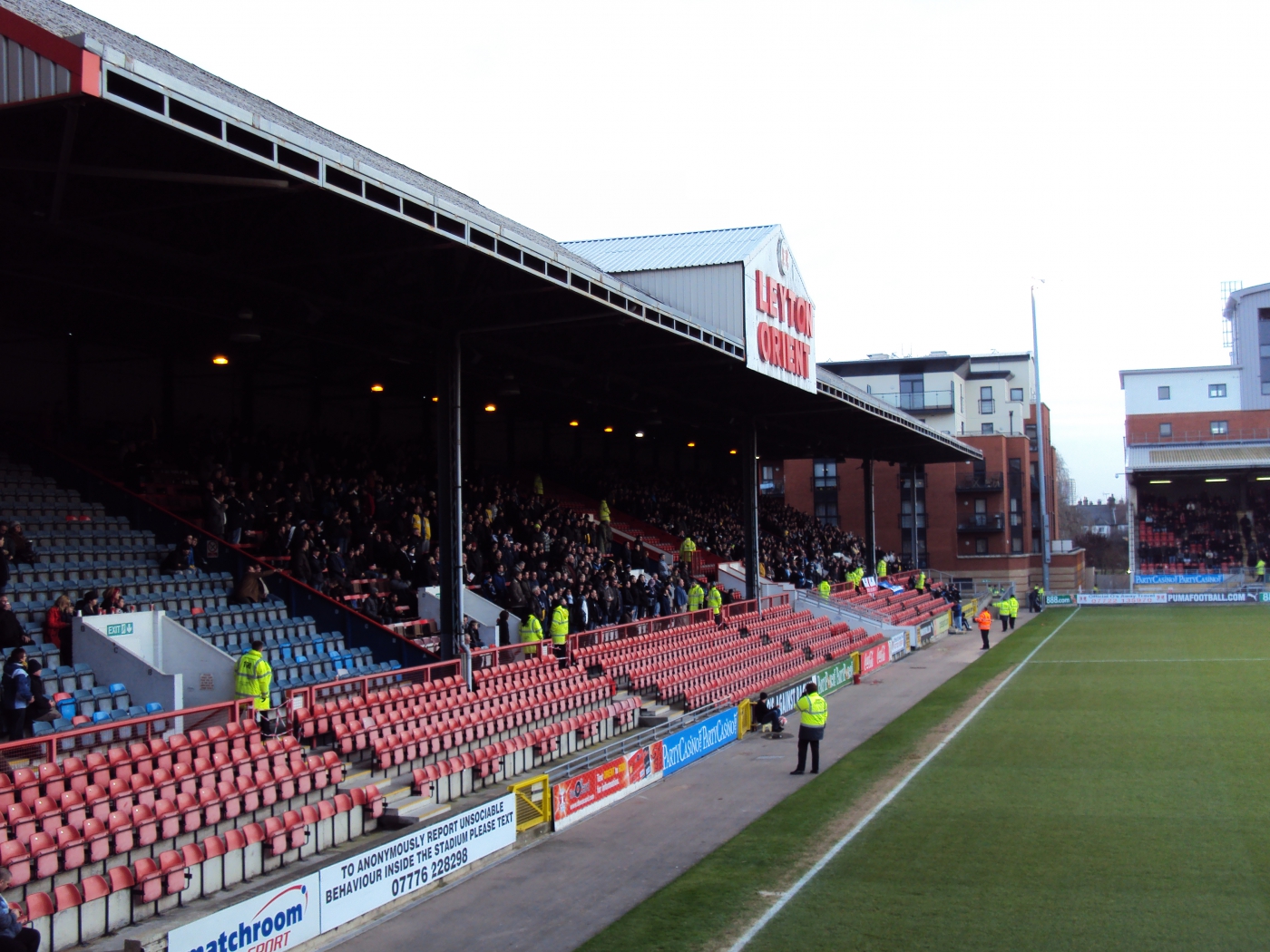
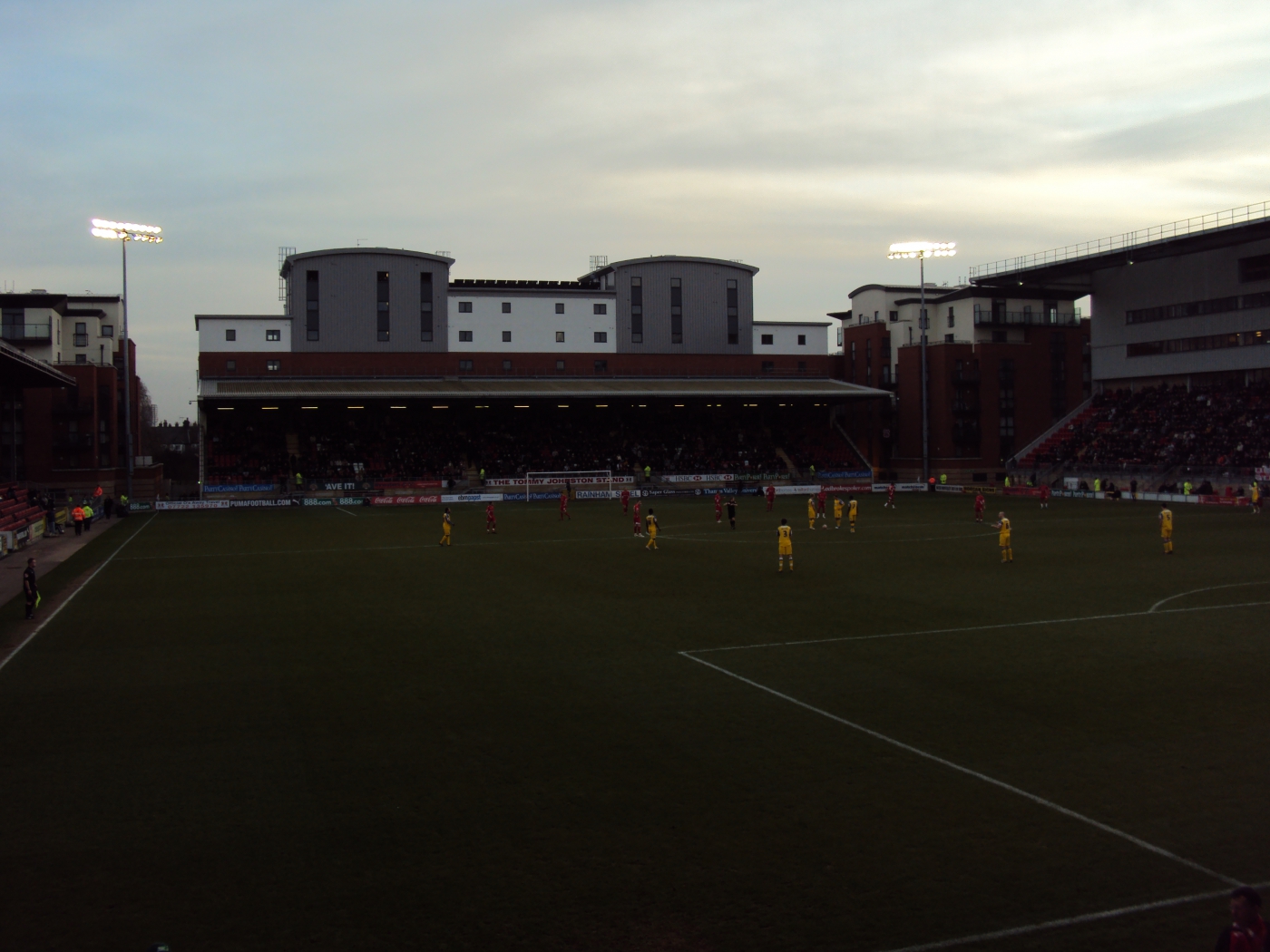
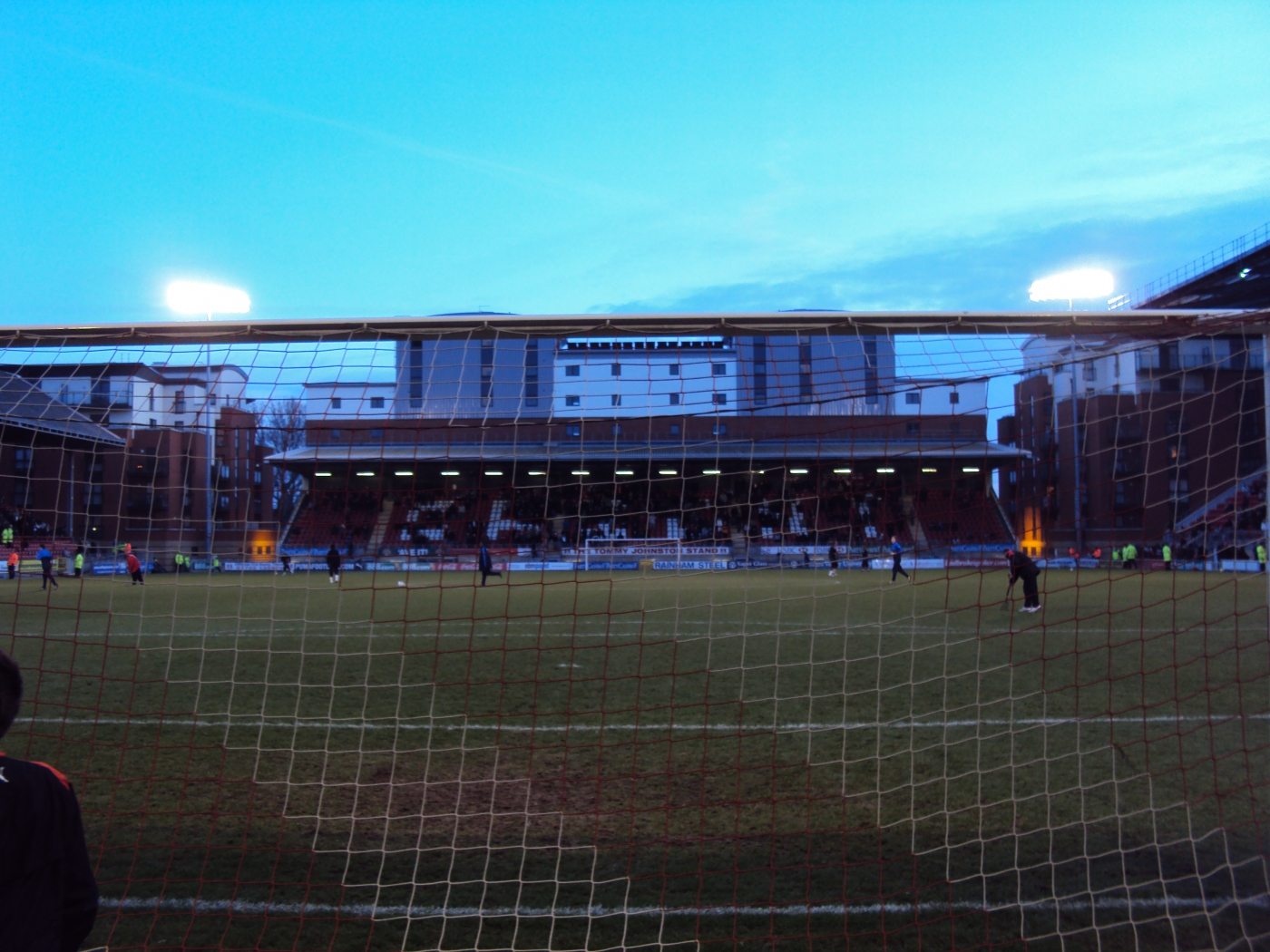
Significant redevelopment occurred through the late 1990s and early 2000s under the ownership of **Barry Hearn** and his company **Matchroom Sport**, which led to the stadium being known as the **Matchroom Stadium** for a period. This ambitious project saw the ground transformed into an all-seater venue, boasting a current capacity of approximately 9,271. Key stands include the **Justin Edinburgh Stand** (West Stand), honouring the club’s much-loved former manager, the **Tommy Johnston Stand** (South Stand), the **East Stand**, and the **North Stand**, often housing away supporters. Each stand contributes to the distinct atmosphere that defines matchdays at **Brisbane Road**.
The Heartbeat of Leyton Orient
From its early days to its current iteration as the **Gaughan Group Stadium** (following various sponsorship names like **Breyer Group Stadium**), **Brisbane Road** remains a stadium steeped in tradition. It's a place where generations of families have come to support their beloved **Leyton Orient**, sharing in the drama and passion of the beautiful game. Its relatively compact size ensures a close connection between players and fans, creating an intense and often raucous atmosphere, particularly on big match days. The stadium is not just a collection of stands; it is a repository of memories, triumphs, and the unwavering loyalty of its supporters.