Leyton Orient
London, England
About the Club:
Deep within the vibrant tapestry of East London football, Leyton Orient stands as one of the capital's oldest and most cherished clubs. Known affectionately as The O's, they embody a resilient spirit, a testament to decades of highs and lows in the English football pyramid.
A Storied Beginning
The club's origins trace back to 1881, initially as a cricket team associated with the Glyn Road School, but it was in 1888 that the football club officially formed as Glyn Cricket and Football Club. A significant turning point came in 1898 when they were renamed Clapton Orient, reflecting their move to Clapton and signifying a professional ambition. They were elected to the Football League in 1905, establishing their place among England's elite clubs relatively early in the sport's professionalisation. The First World War saw a tragic chapter for the club, as many players enlisted in the 17th Middlesex Regiment, known as the Footballers' Battalion, with three players losing their lives, a solemn reminder of their deep community ties.
From Clapton to Leyton
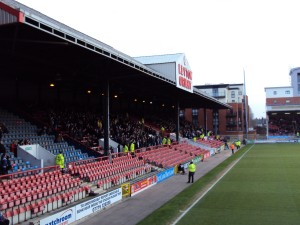
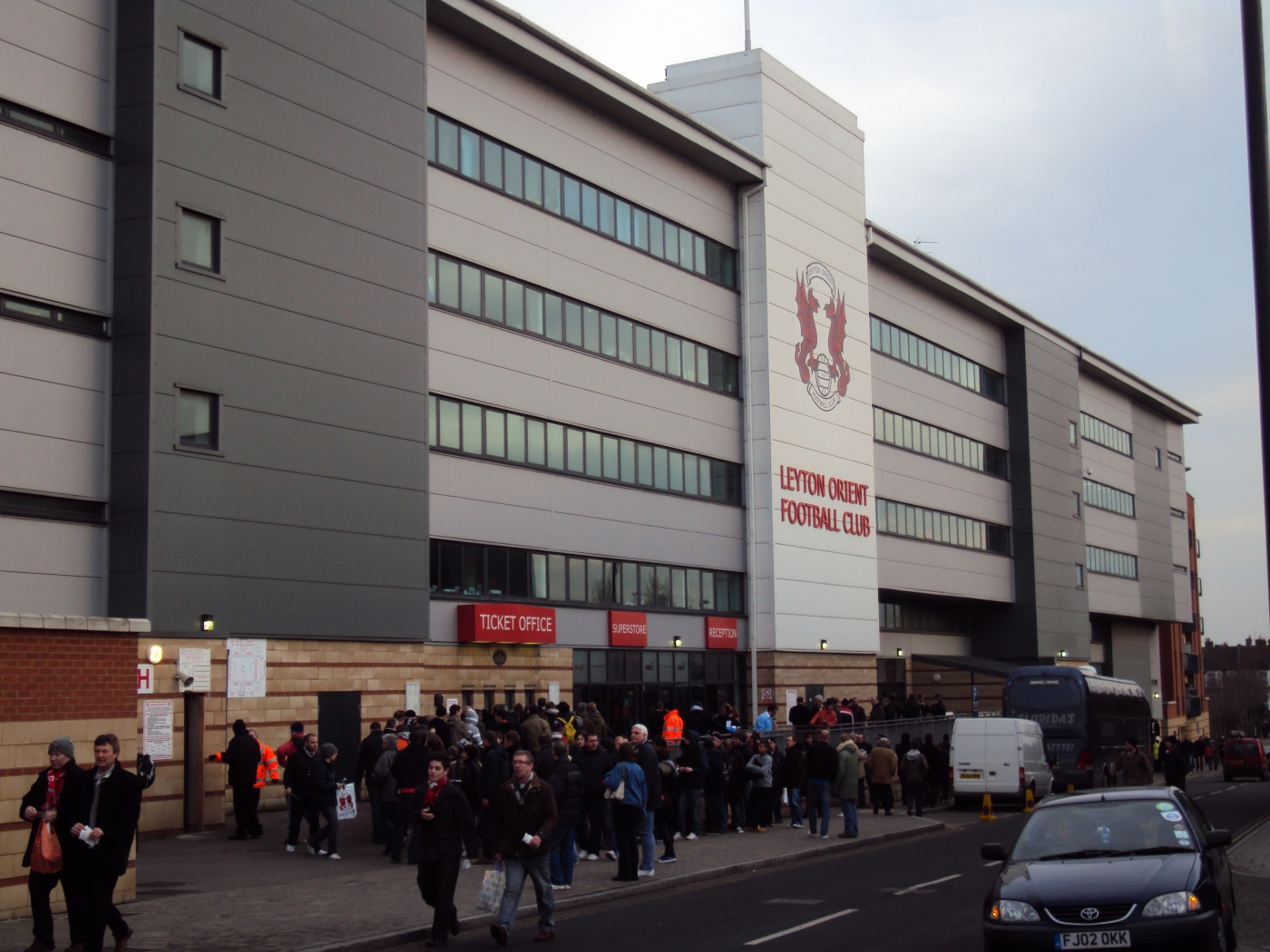
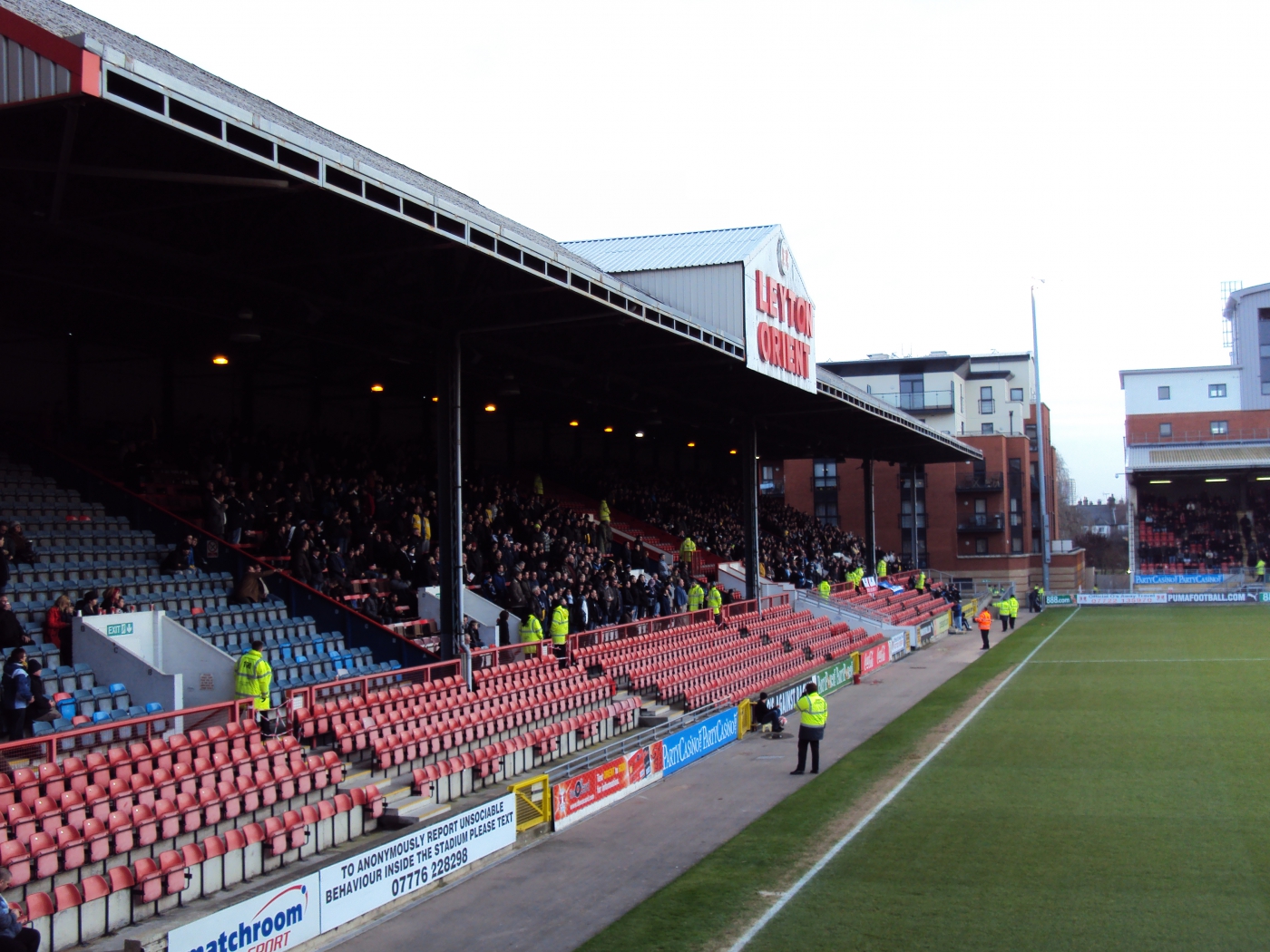
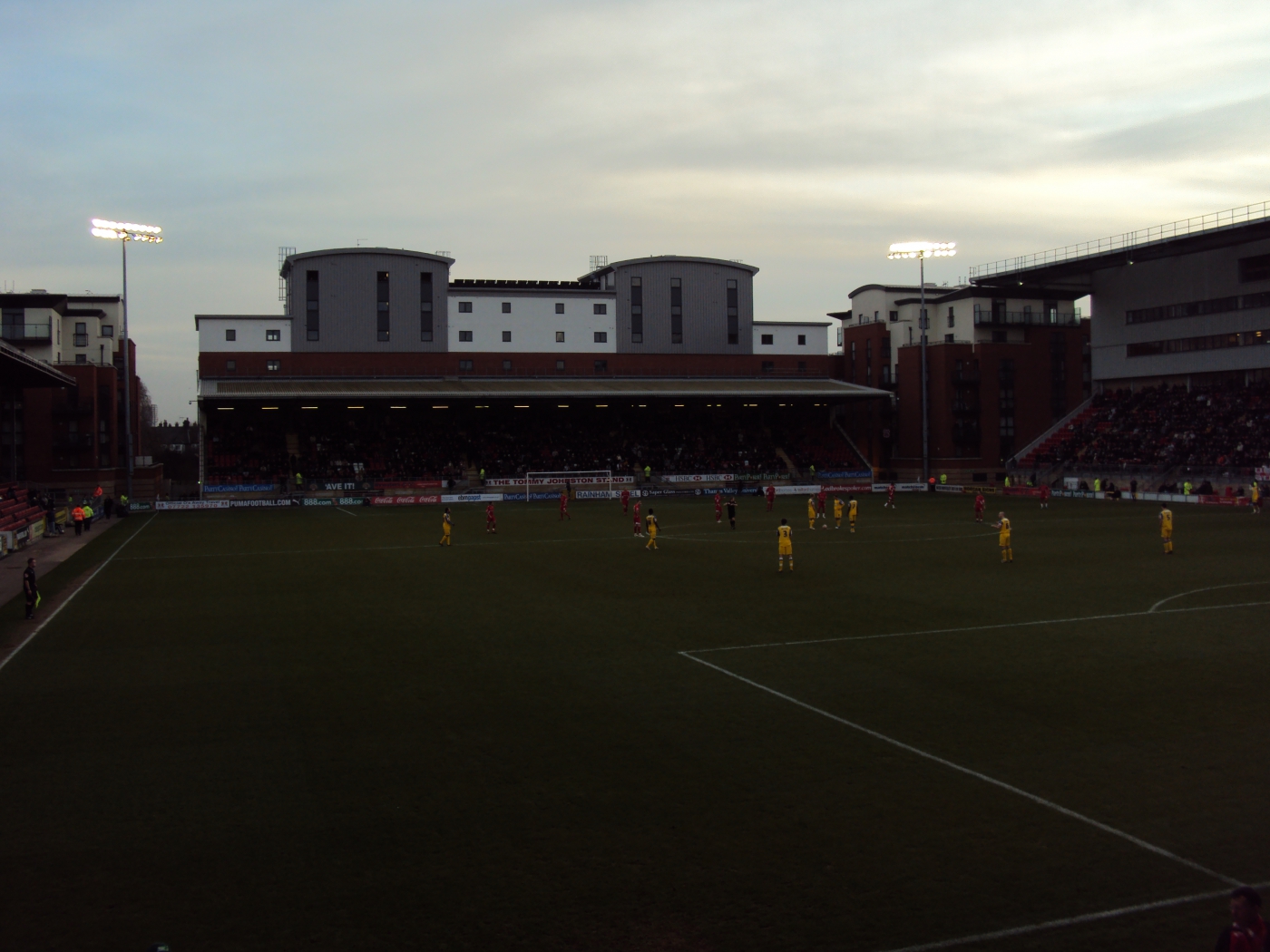
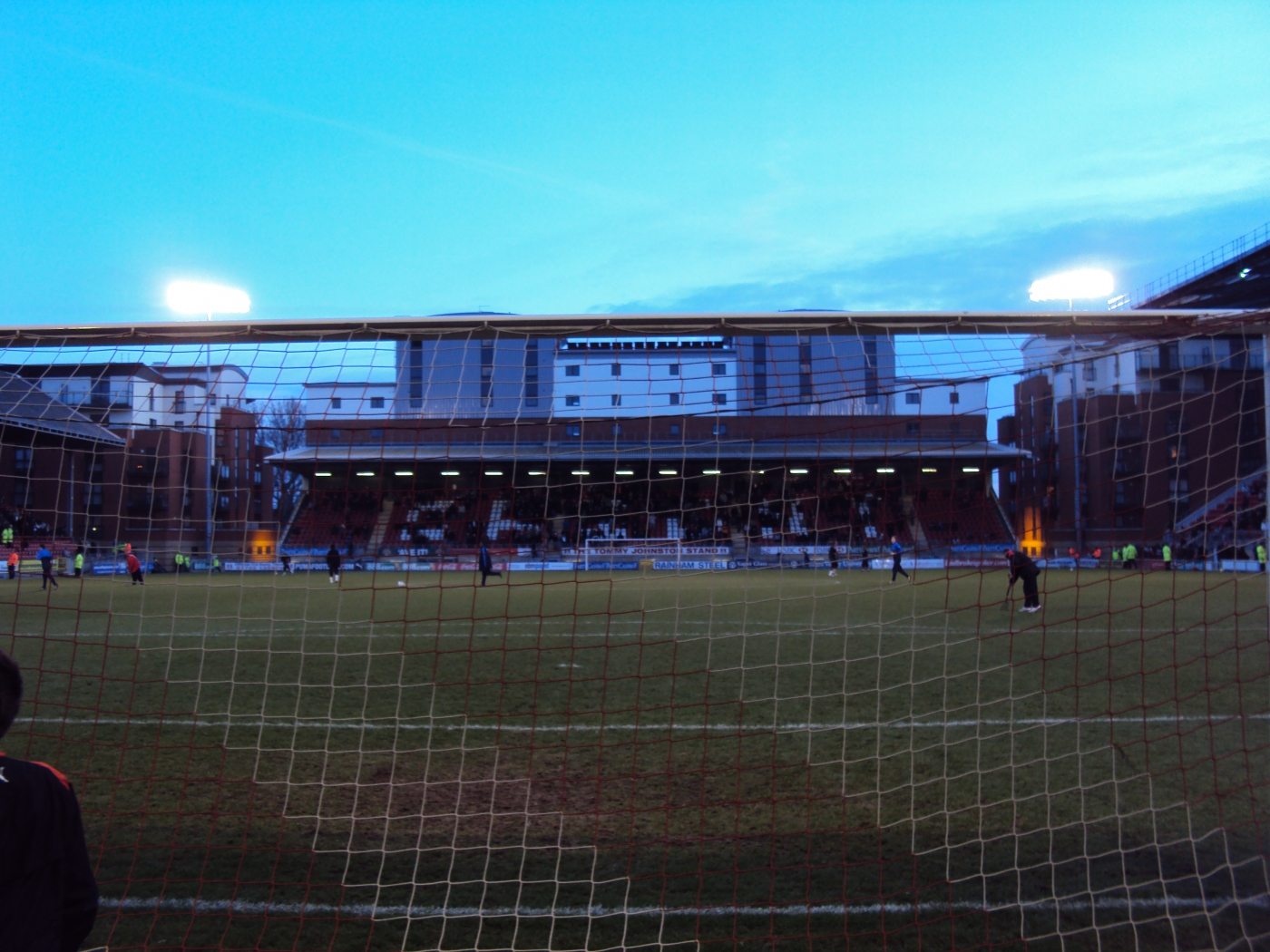
The name Leyton Orient was adopted in 1946, reflecting their long-standing connection with the Leyton area and specifically their home ground, Brisbane Road. This stadium, also known as the Matchroom Stadium or currently the Gaughan Group Stadium for sponsorship reasons, has been their continuous home since 1937, making it a true bastion of their identity. Throughout their history, The O's have experienced the full spectrum of English football, reaching the top flight, the First Division, for a single season in 1962-63, a peak achievement for the club.
Enduring Spirit and Modern Challenges
While often plying their trade in the Third and Second Divisions (now League One and the Championship respectively), Leyton Orient has carved out a reputation for passionate support and gritty performances. Recent years have seen significant challenges, including financial difficulties that threatened the club's very existence, only for fan-backed efforts and the intervention of investors like the Gaughan Group to secure its future. The tragic passing of manager Justin Edinburgh in 2019, shortly after guiding Orient back to the Football League, deeply impacted the club and its community, highlighting the emotional bond between the team and its supporters. Today, Leyton Orient continues its journey, striving for success while remaining a proud symbol of East London football, a club deeply interwoven with its community through initiatives like the Orient Trust and their dedicated fan base.
Links and Social Media:
stadium: