FSV Zwickau
Zwickau, Germany
About the Club:
The city of Zwickau, in Saxony, boasts a rich football heritage, embodied by FSV Zwickau. More than just a club, FSV Zwickau represents enduring tradition and a past intertwined with German football's history—from early regional successes to East German glory and post-reunification challenges. Its journey displays remarkable resilience.
Eastern German Glory
The club's origins trace back to SG Planitz, the inaugural champion of the DDR-Oberliga, East Germany's top-tier, in 1948. Operating primarily as BSG Sachsenring Zwickau, the team became a revered force, securing the FDGB-Pokal (East German Cup) three times: in 1967, 1975, and 1976. These triumphs propelled them onto the European stage. Their most memorable continental run saw them reach the semi-finals of the UEFA Cup Winners' Cup in 1975/76, facing Belgian giants RSC Anderlecht.
Post-Reunification and Evolution
With German reunification in 1990, BSG Sachsenring Zwickau was reborn as FSV Zwickau. This era began promisingly, with the club achieving promotion to the 2. Bundesliga in 1994, for four seasons. Despite subsequent financial struggles and relegation to regional leagues, the unwavering spirit of FSV Zwickau and its loyal fanbase remained constant, reflecting deep community roots.
A Future Rooted in Tradition
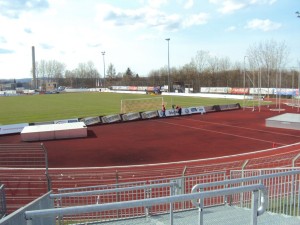
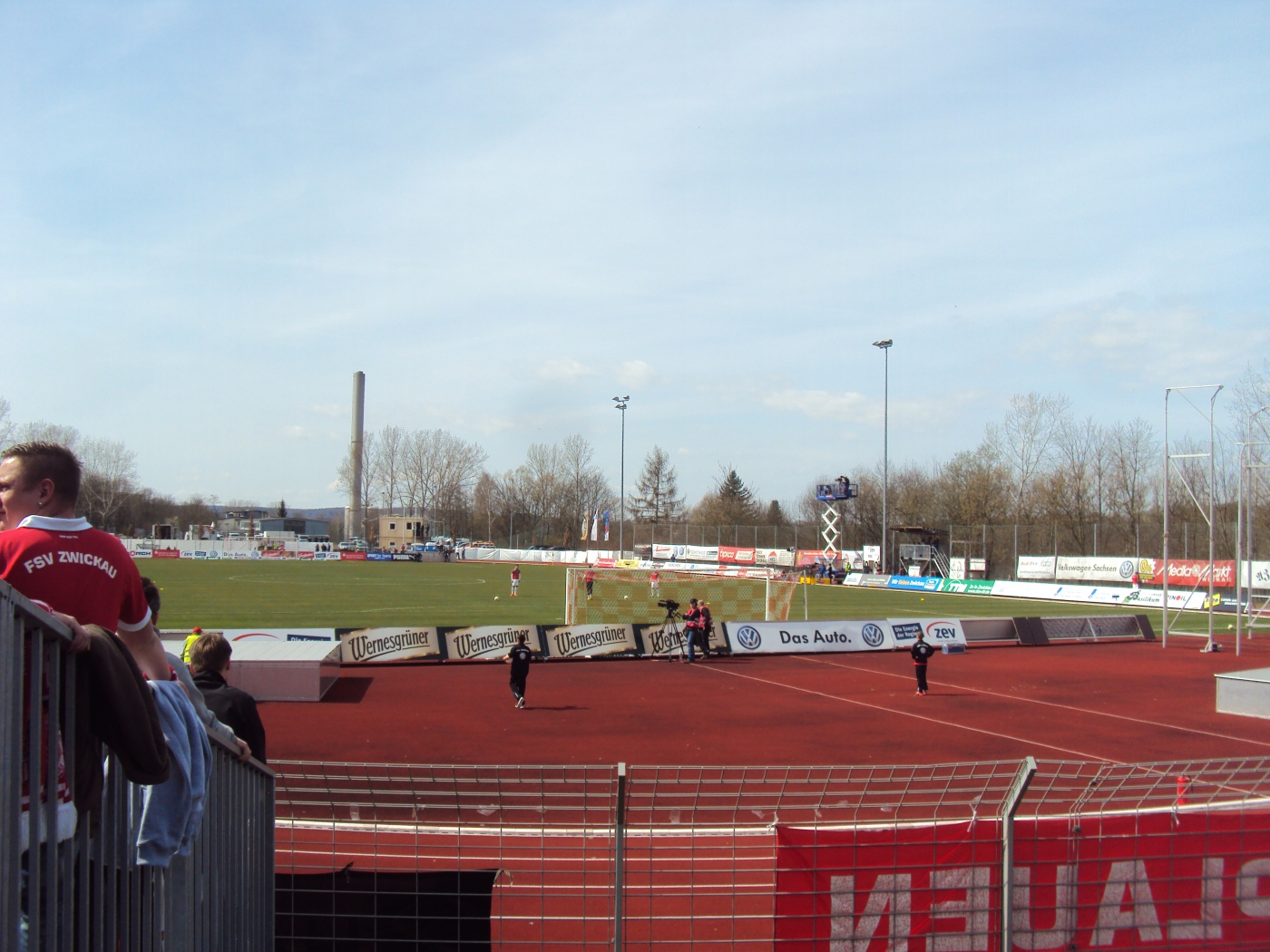
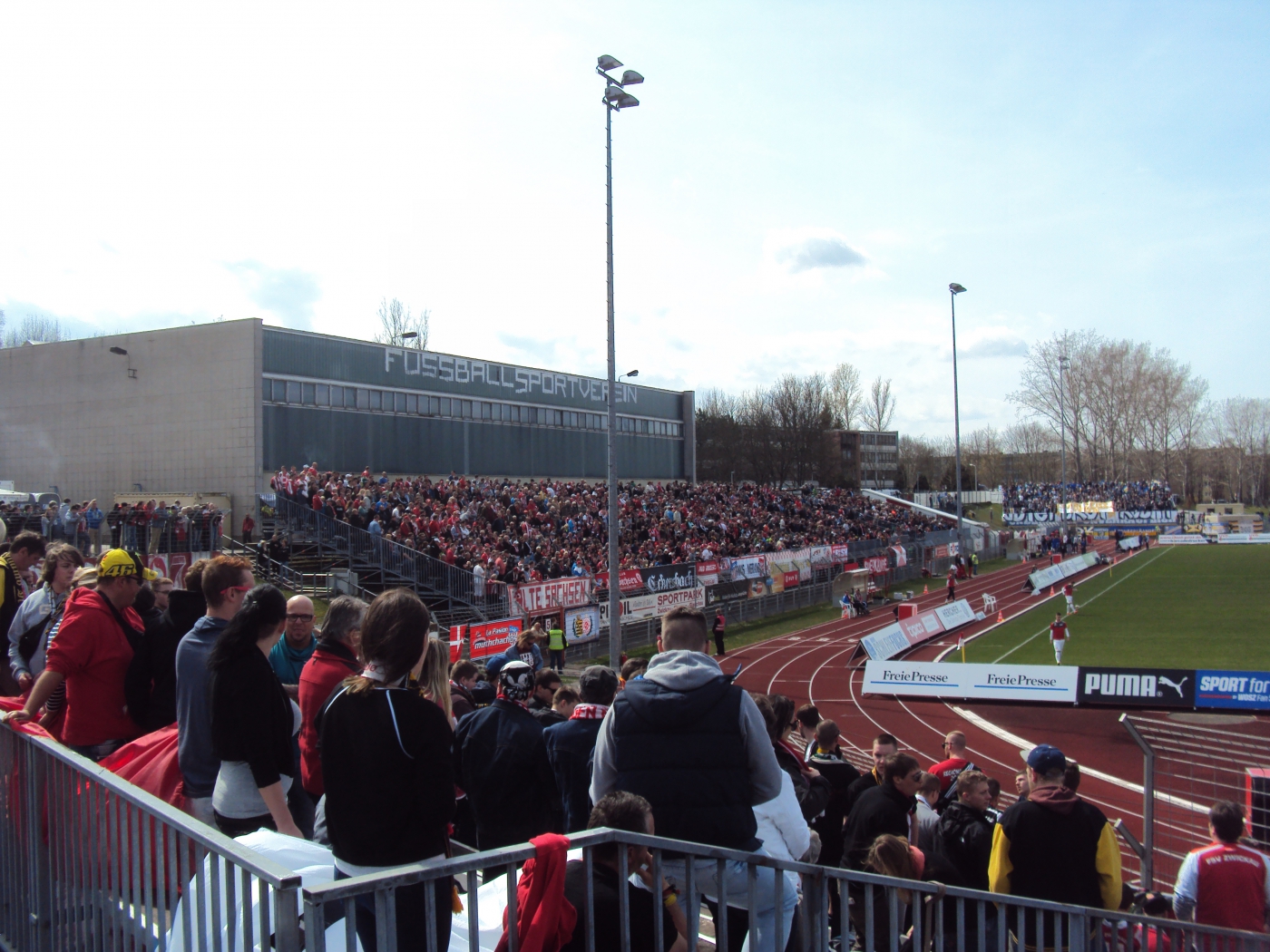
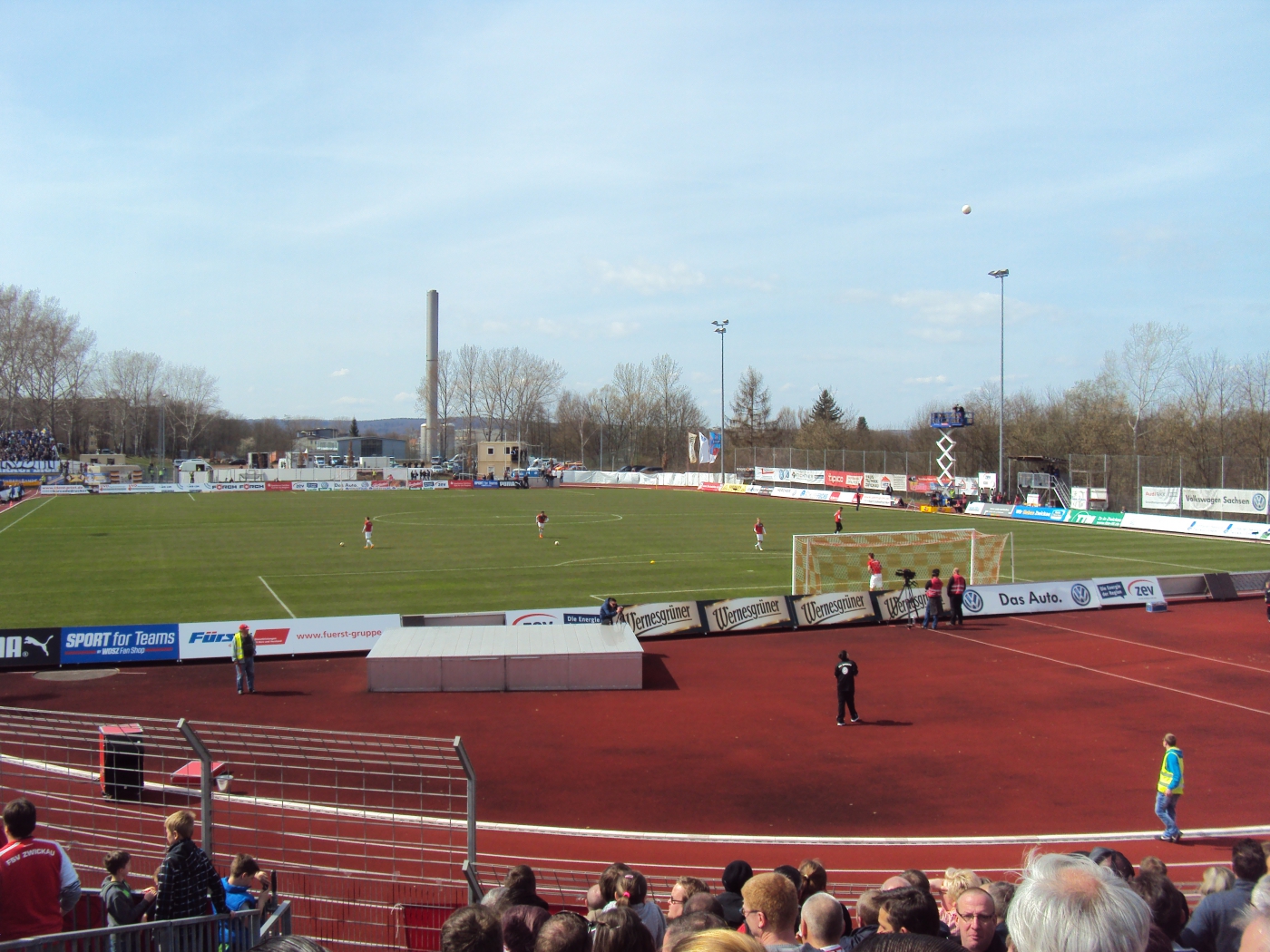
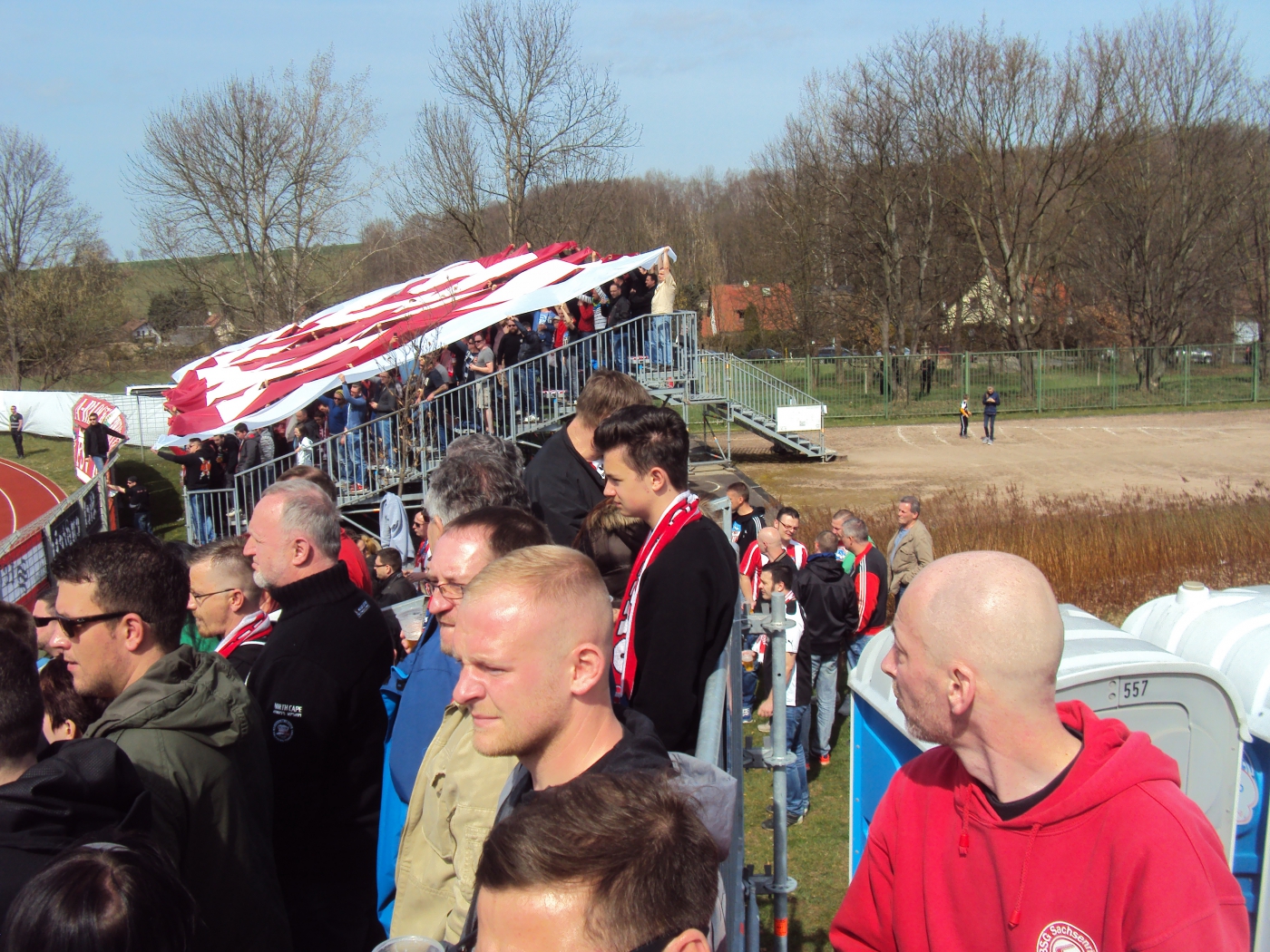
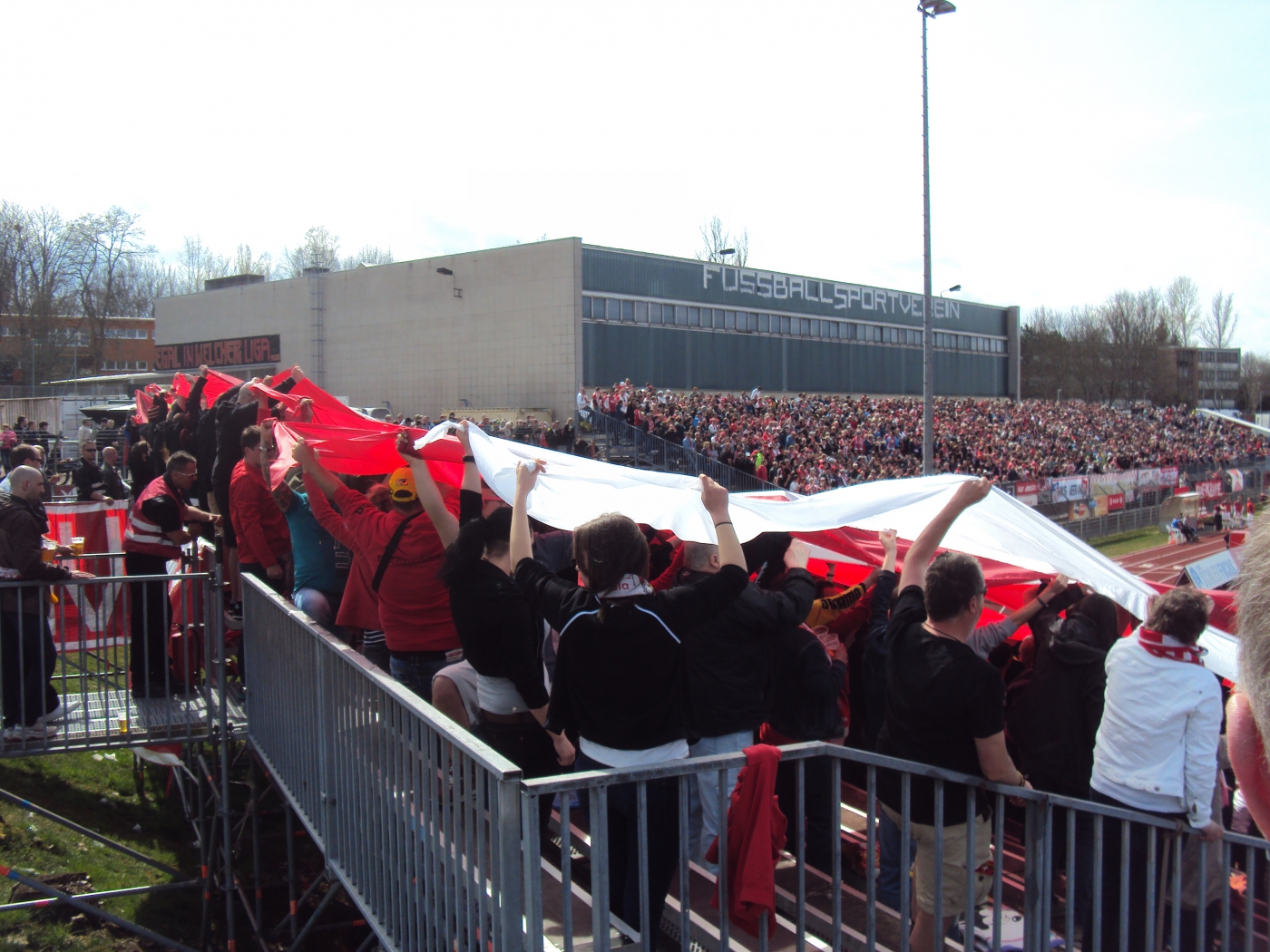
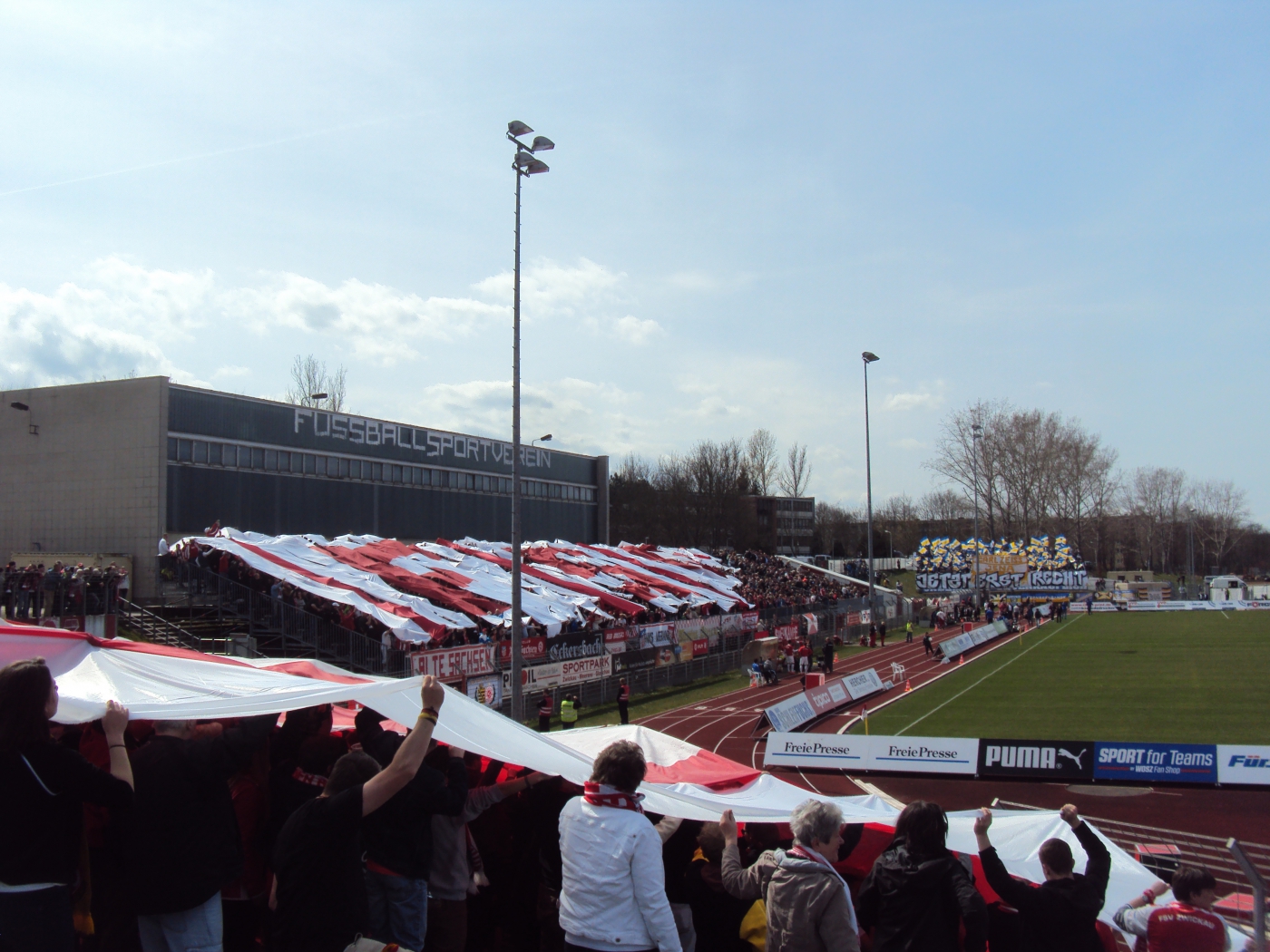
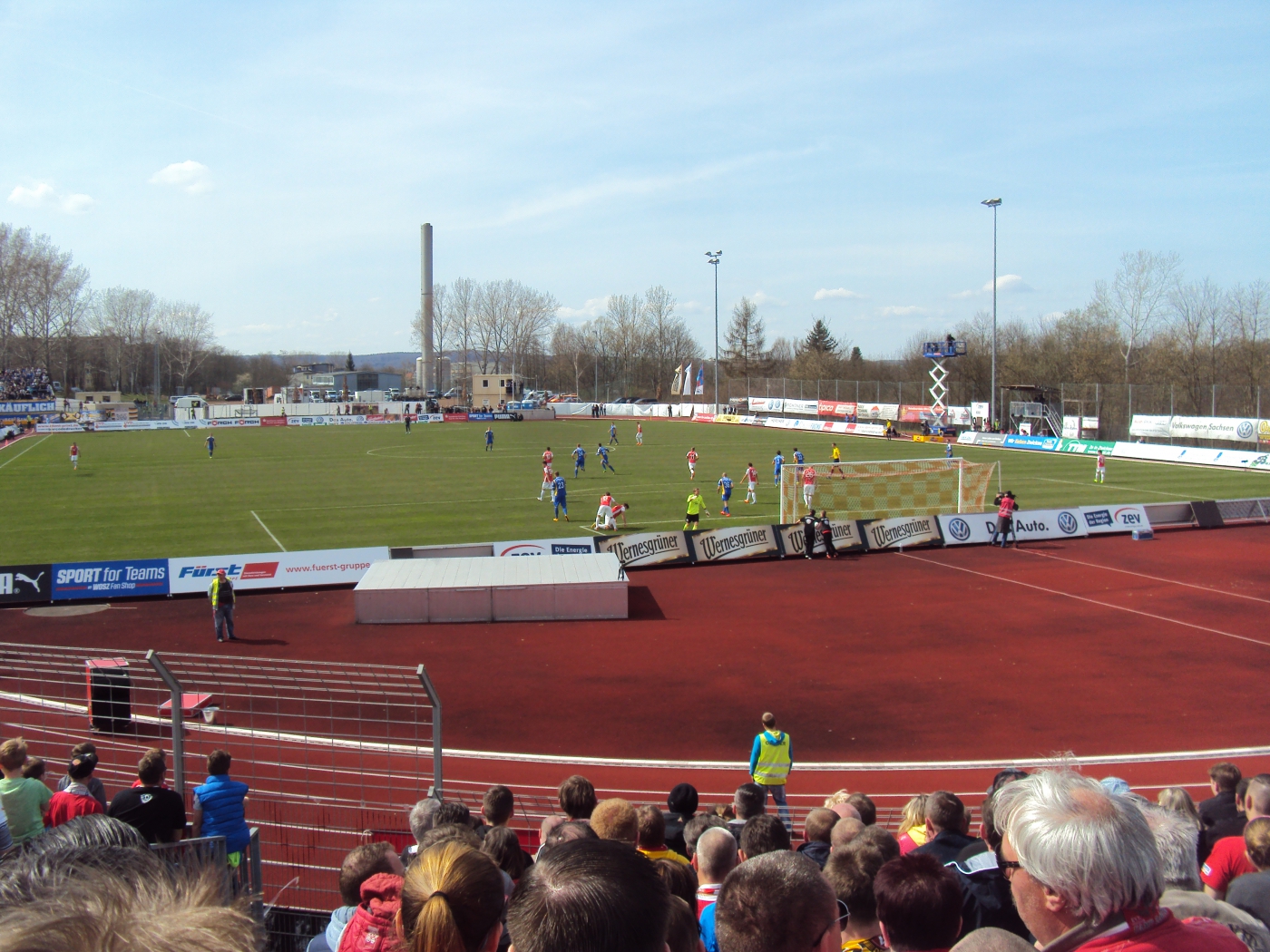
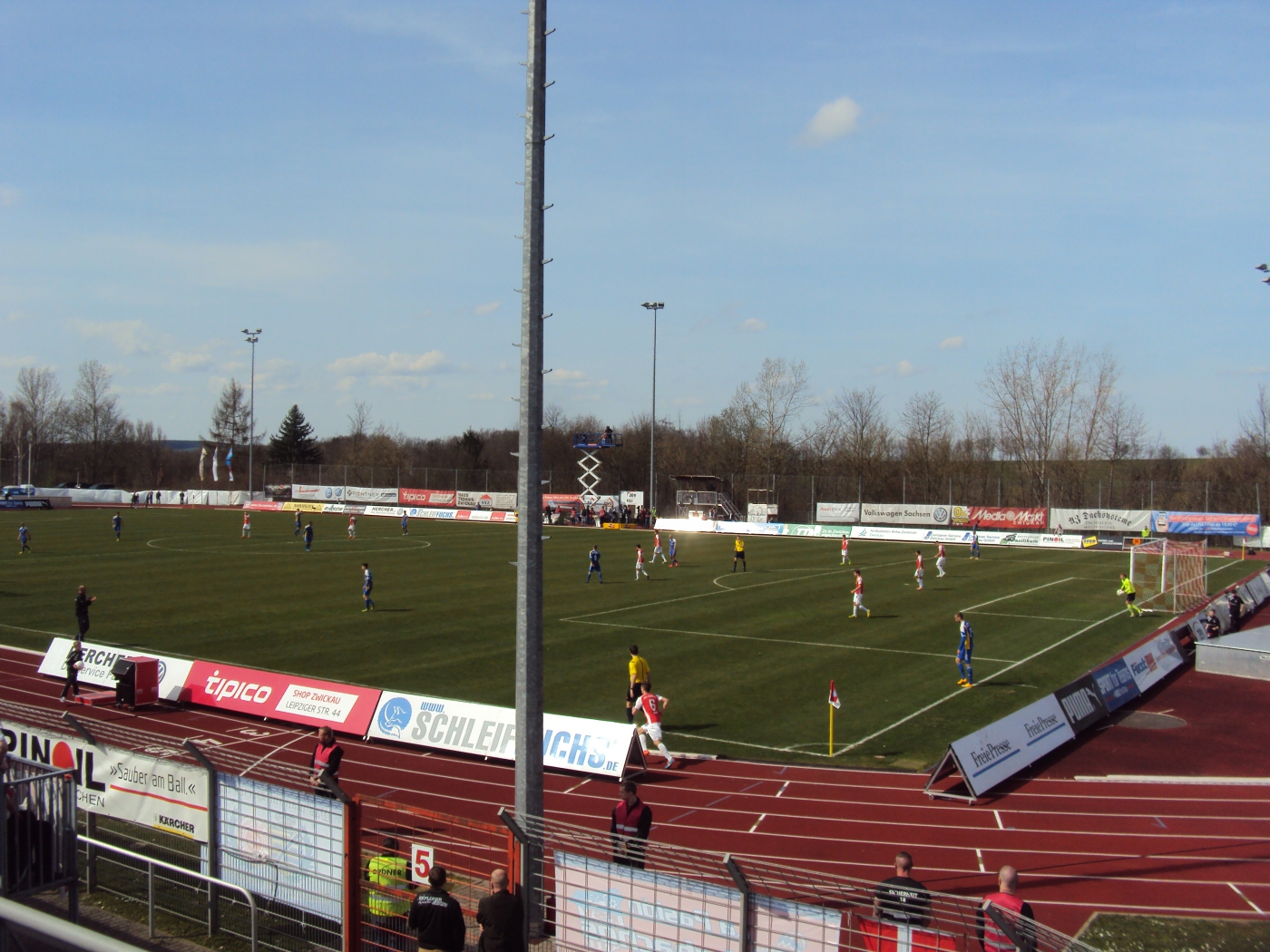
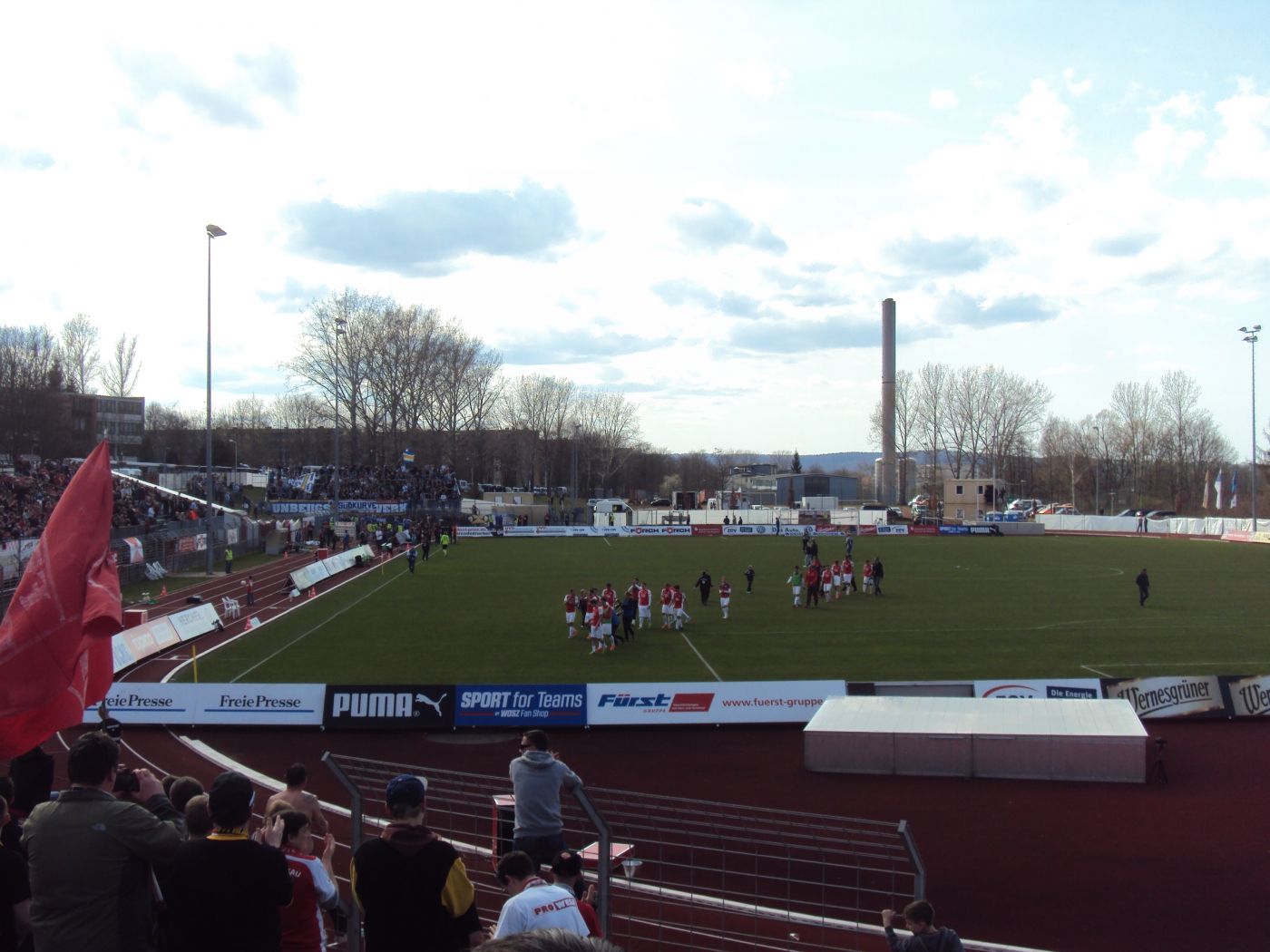
In recent years, FSV Zwickau has embarked on a renewed ascent. Their modern home, the GGZ-Arena, opened in 2016, symbolizes this forward momentum while respecting their profound history. The stadium buzzes with passionate, loyal supporters. FSV Zwickau stands as a cornerstone of the Zwickau community, deeply embedded in the city's identity and a living example of enduring football tradition. For more information, visit FSV Zwickau's Wikipedia page.
Links and Social Media:
stadium: