Sportforum Sojus 31
Wostokweg 31, Zwickau-Eckersbach, Germany
About the Stadium:
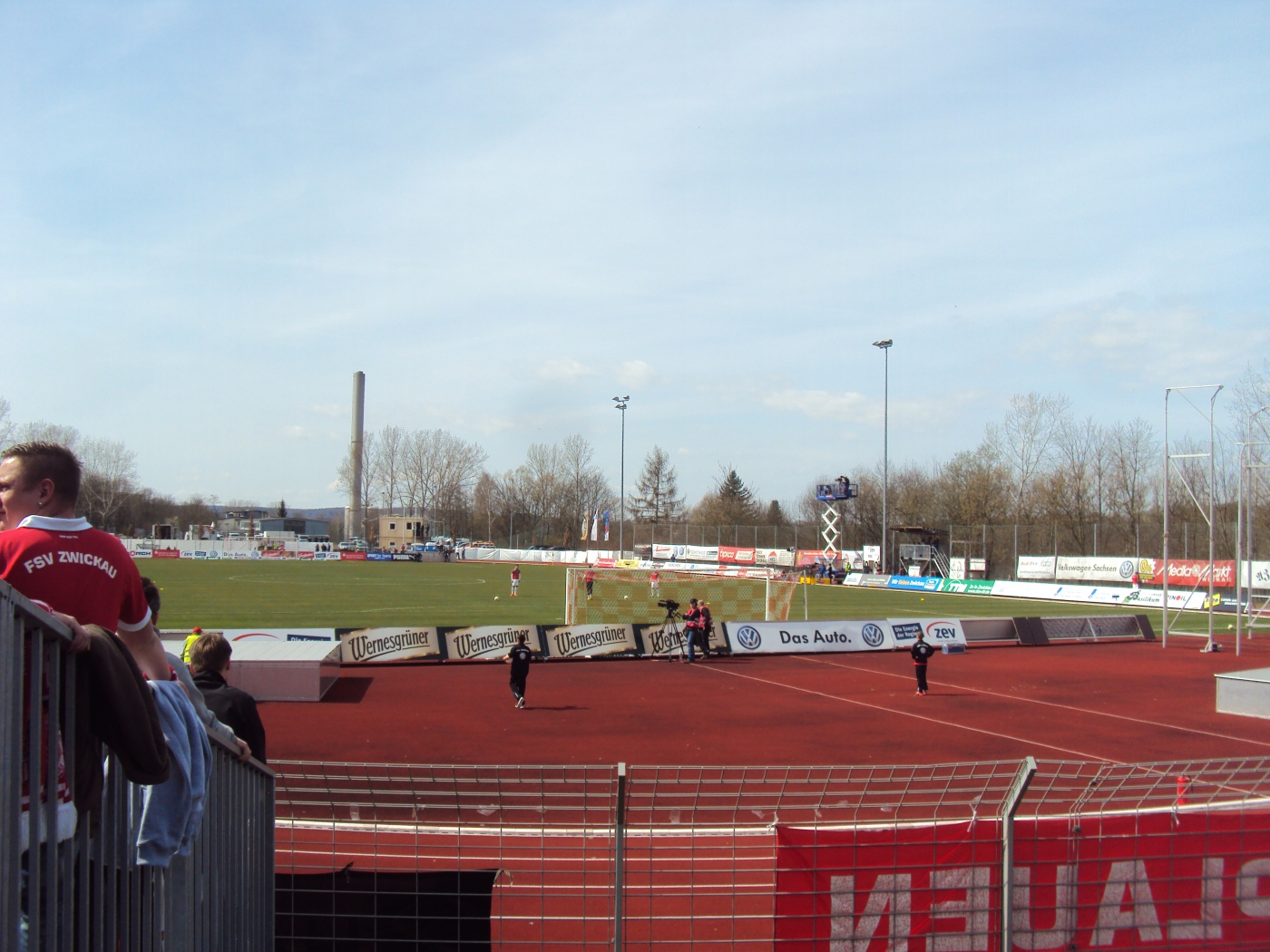
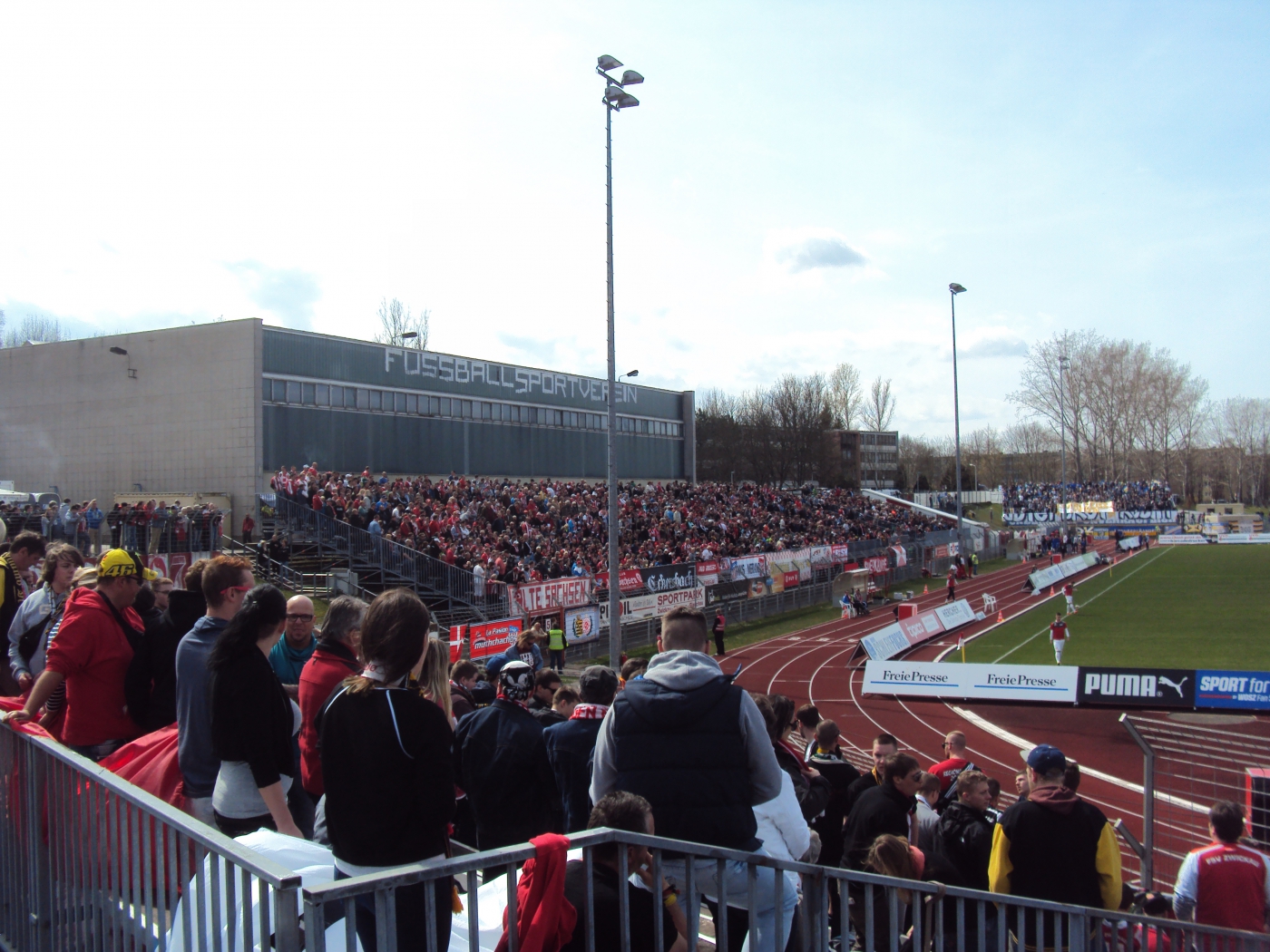
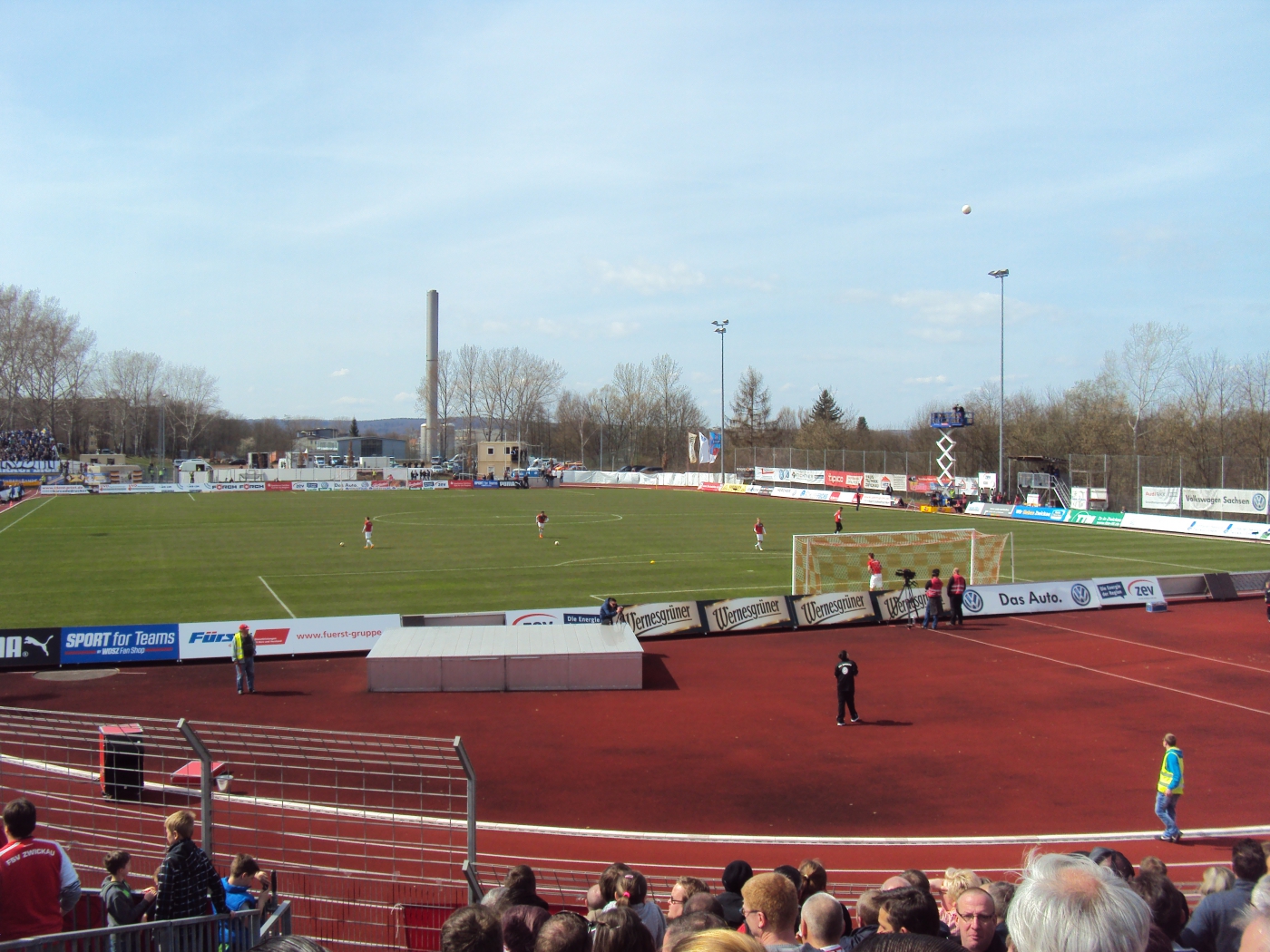
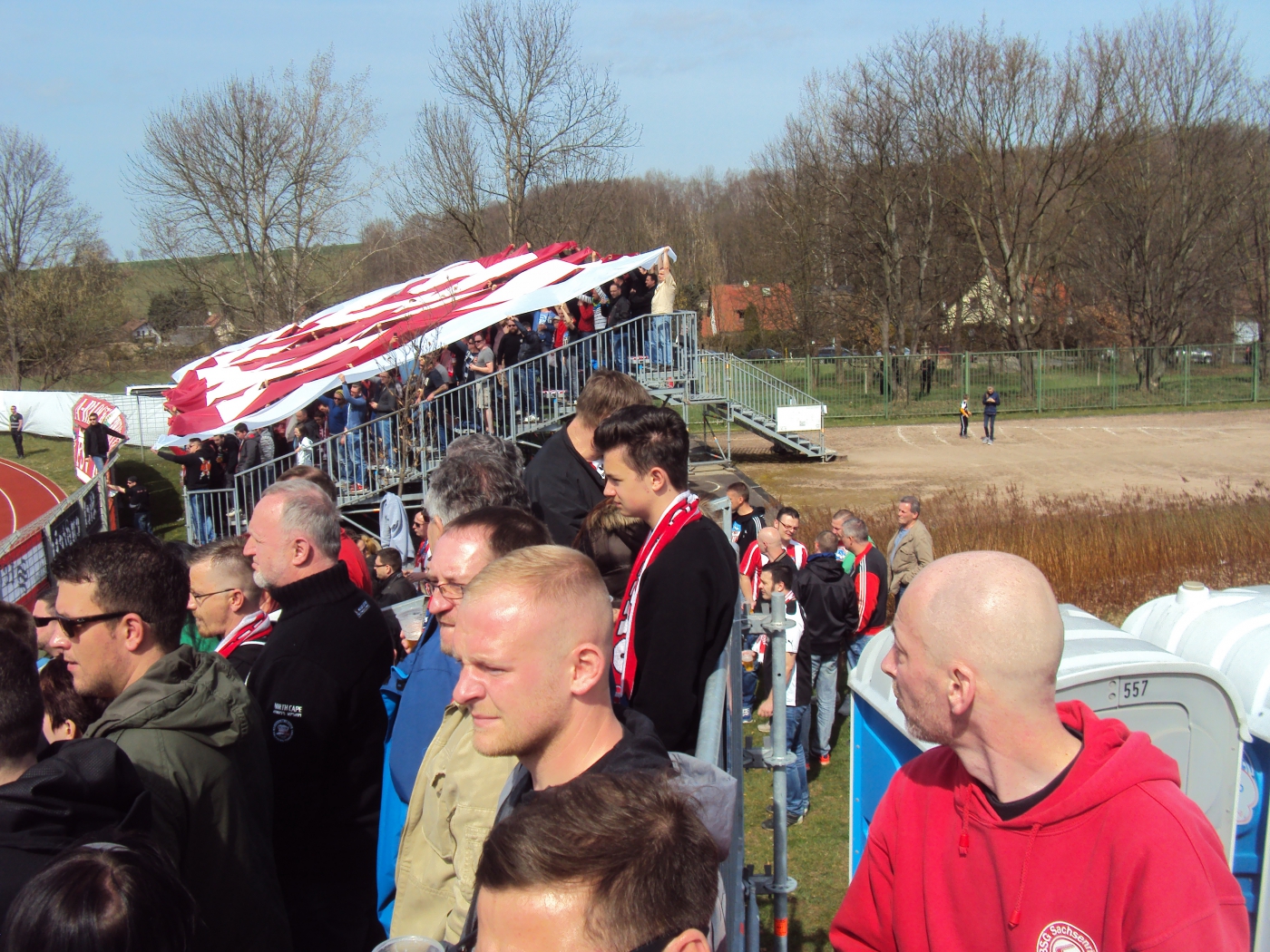
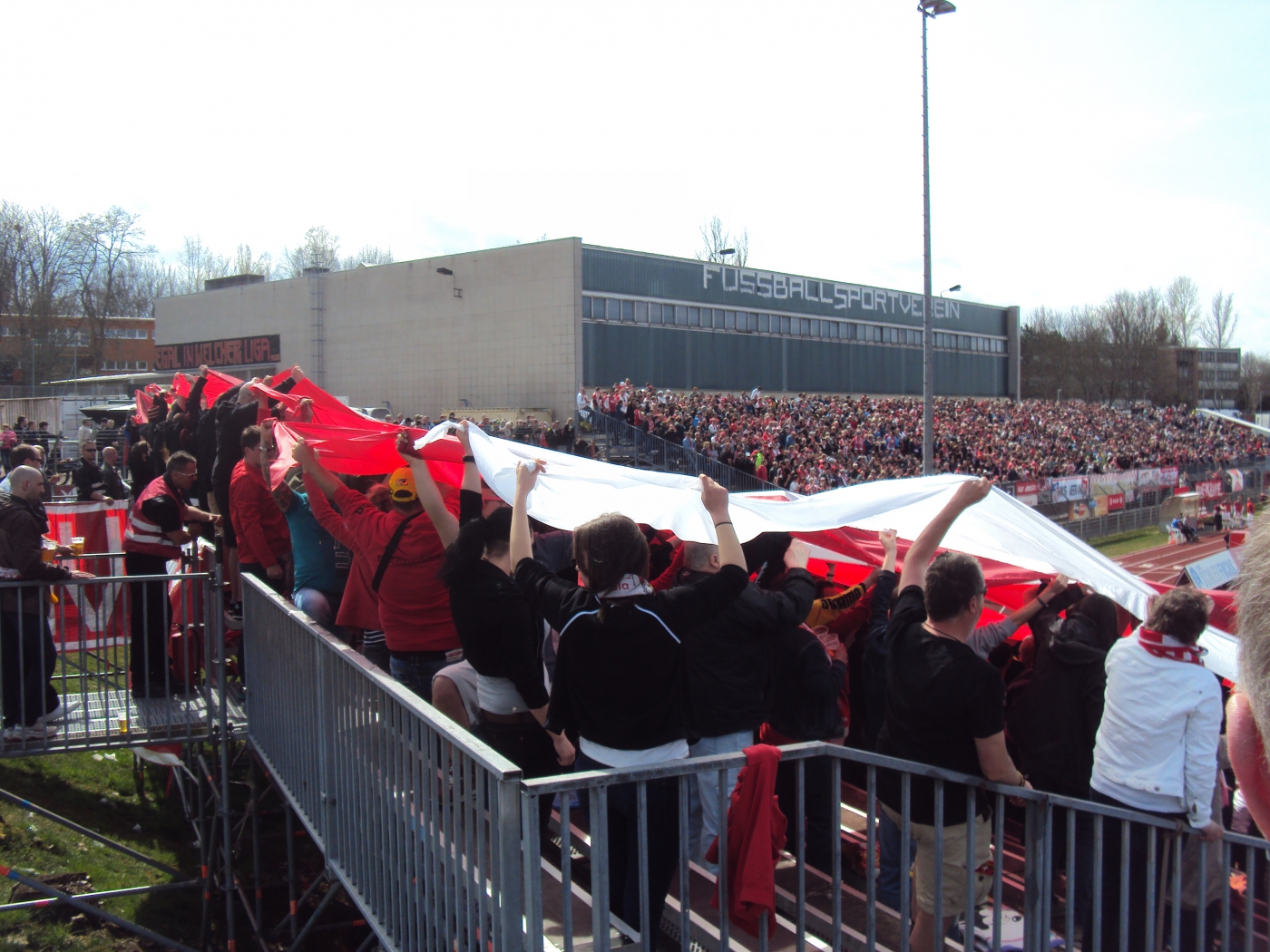
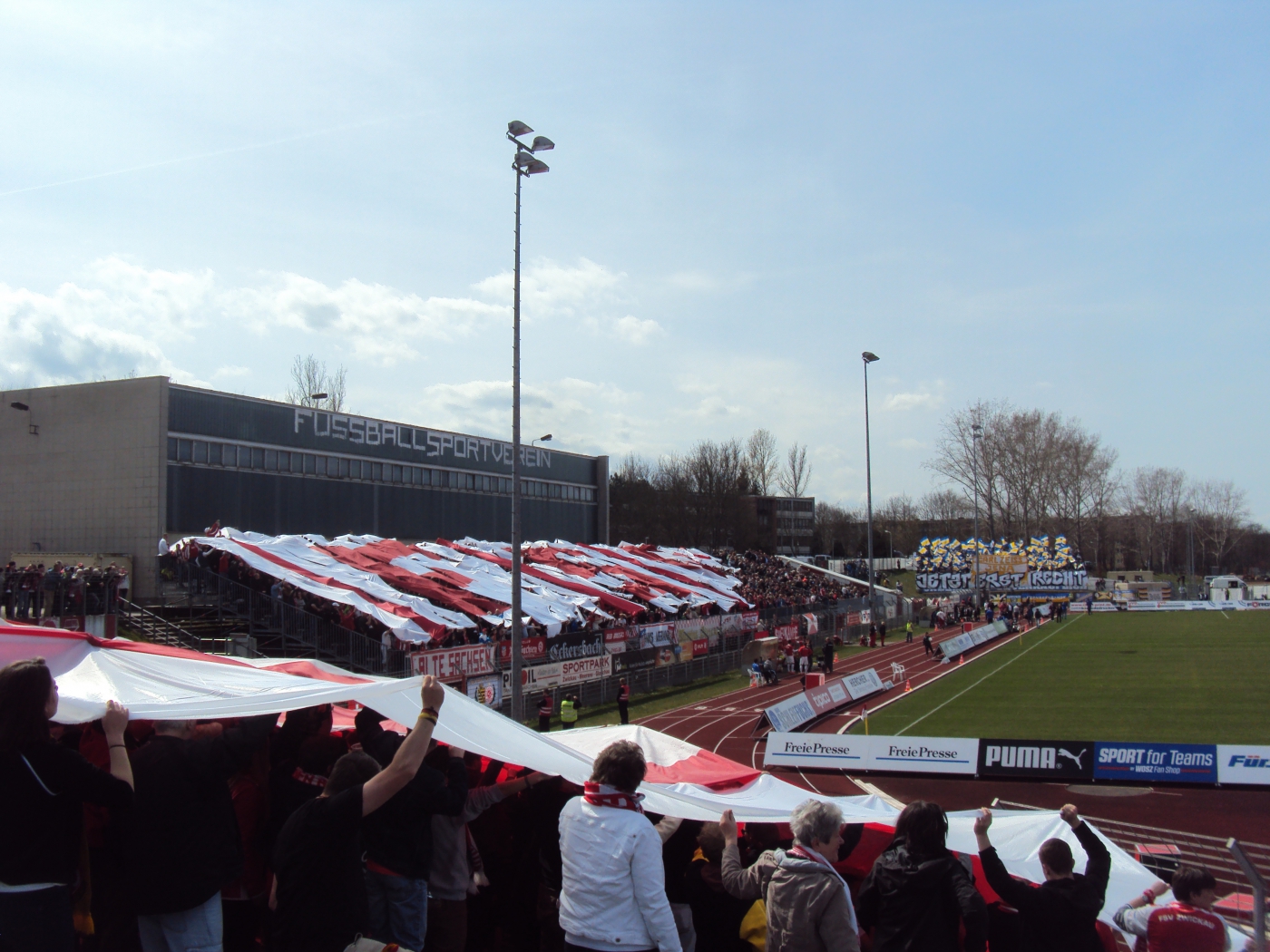
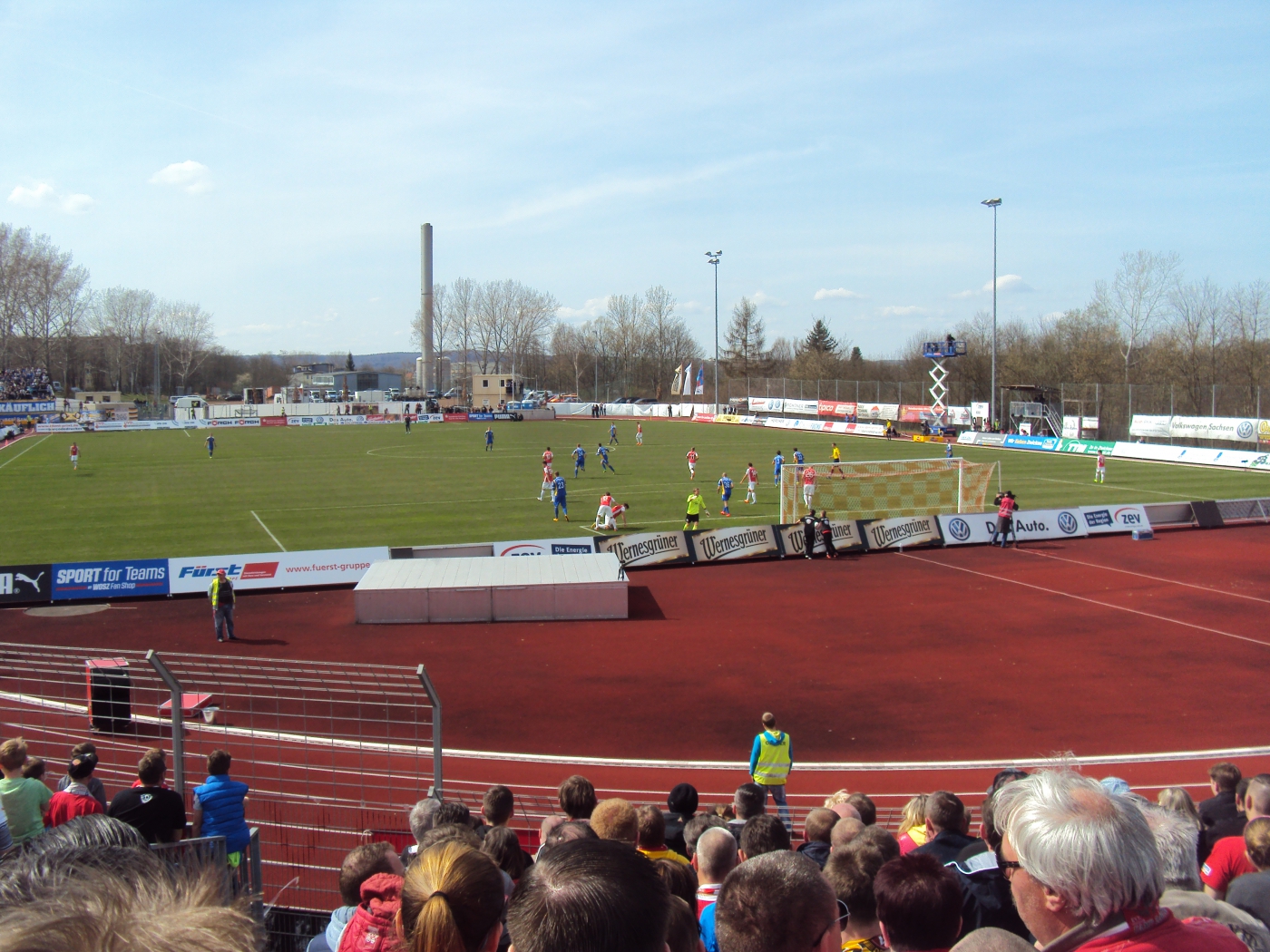
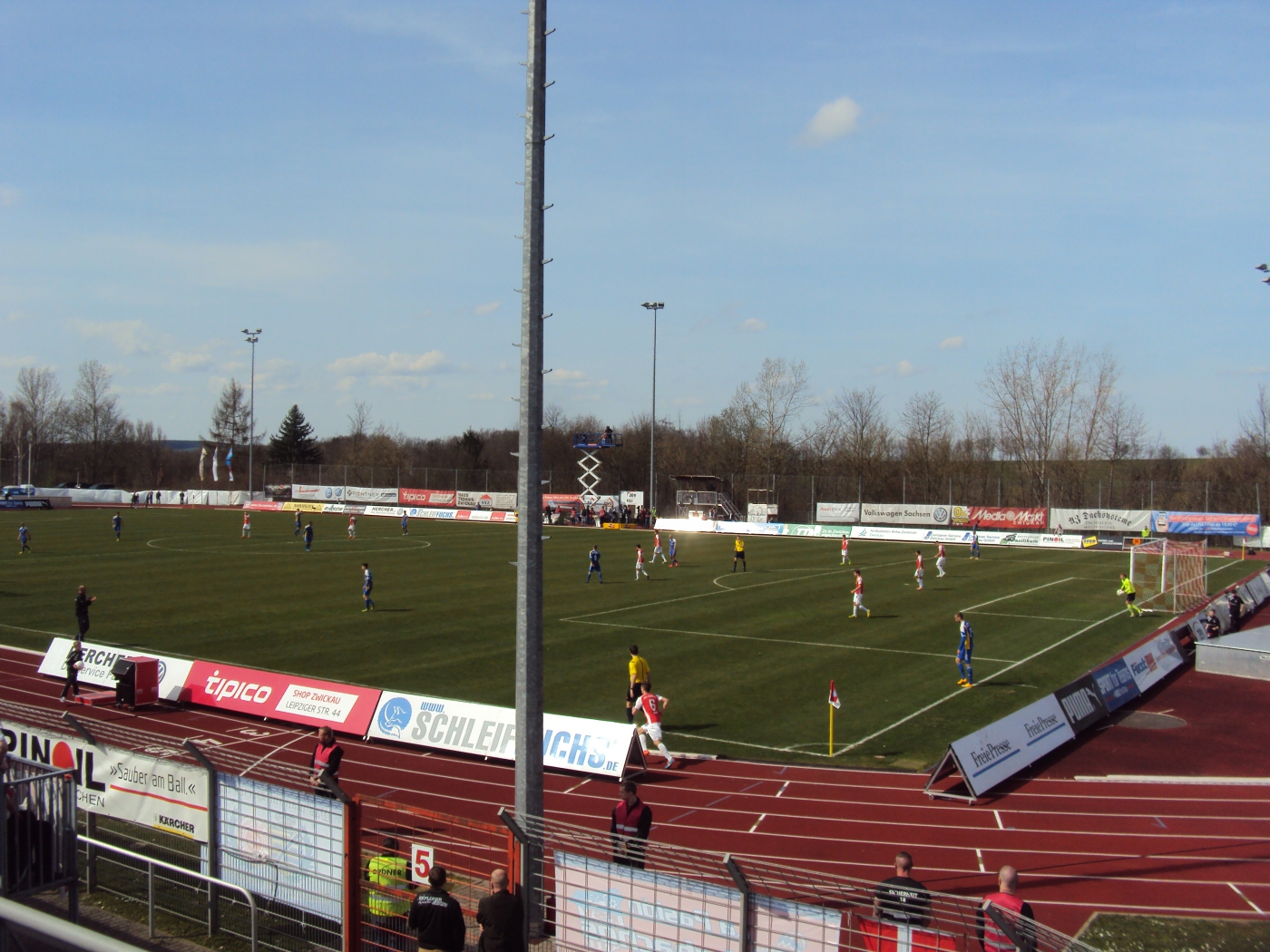
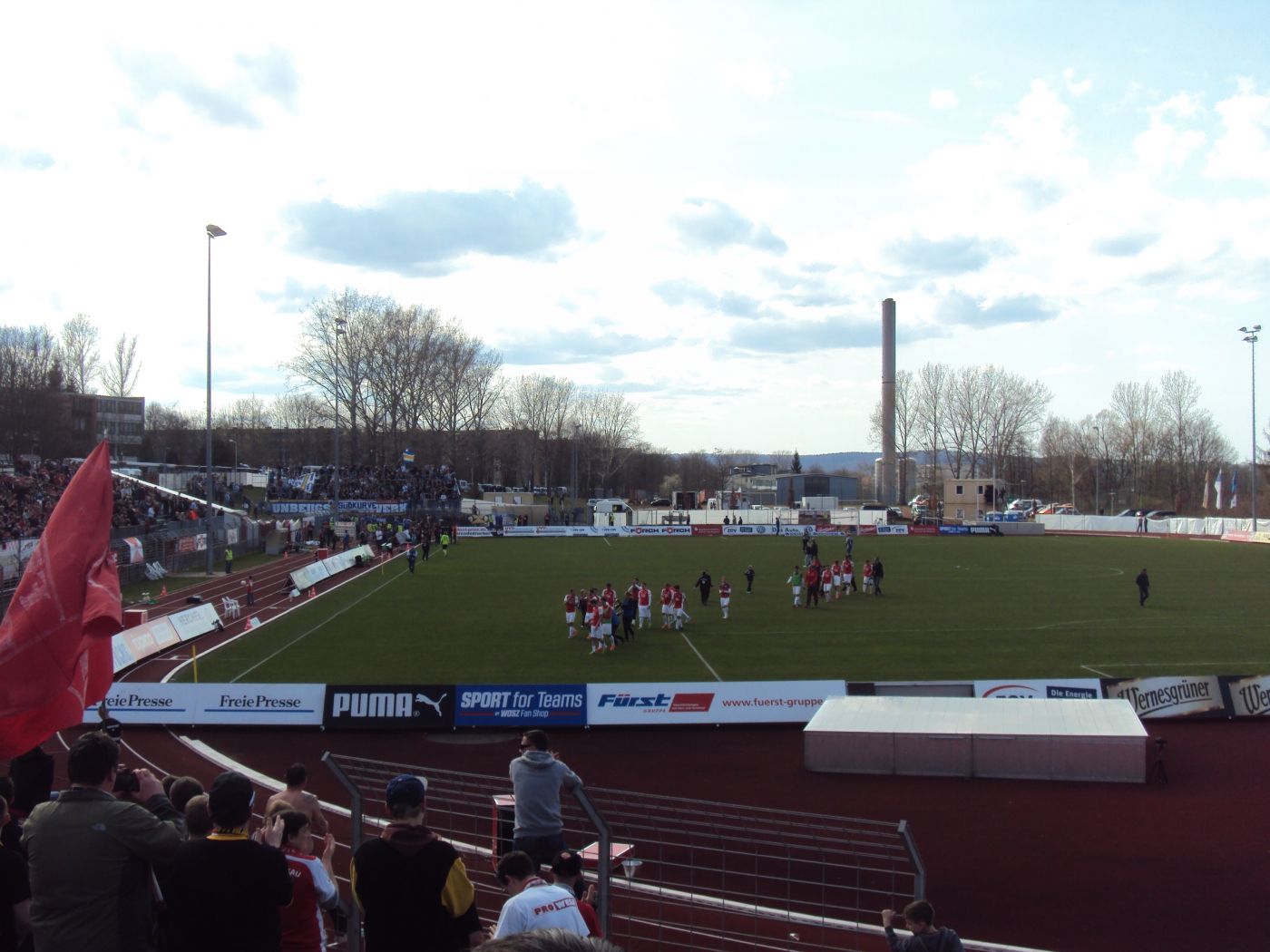
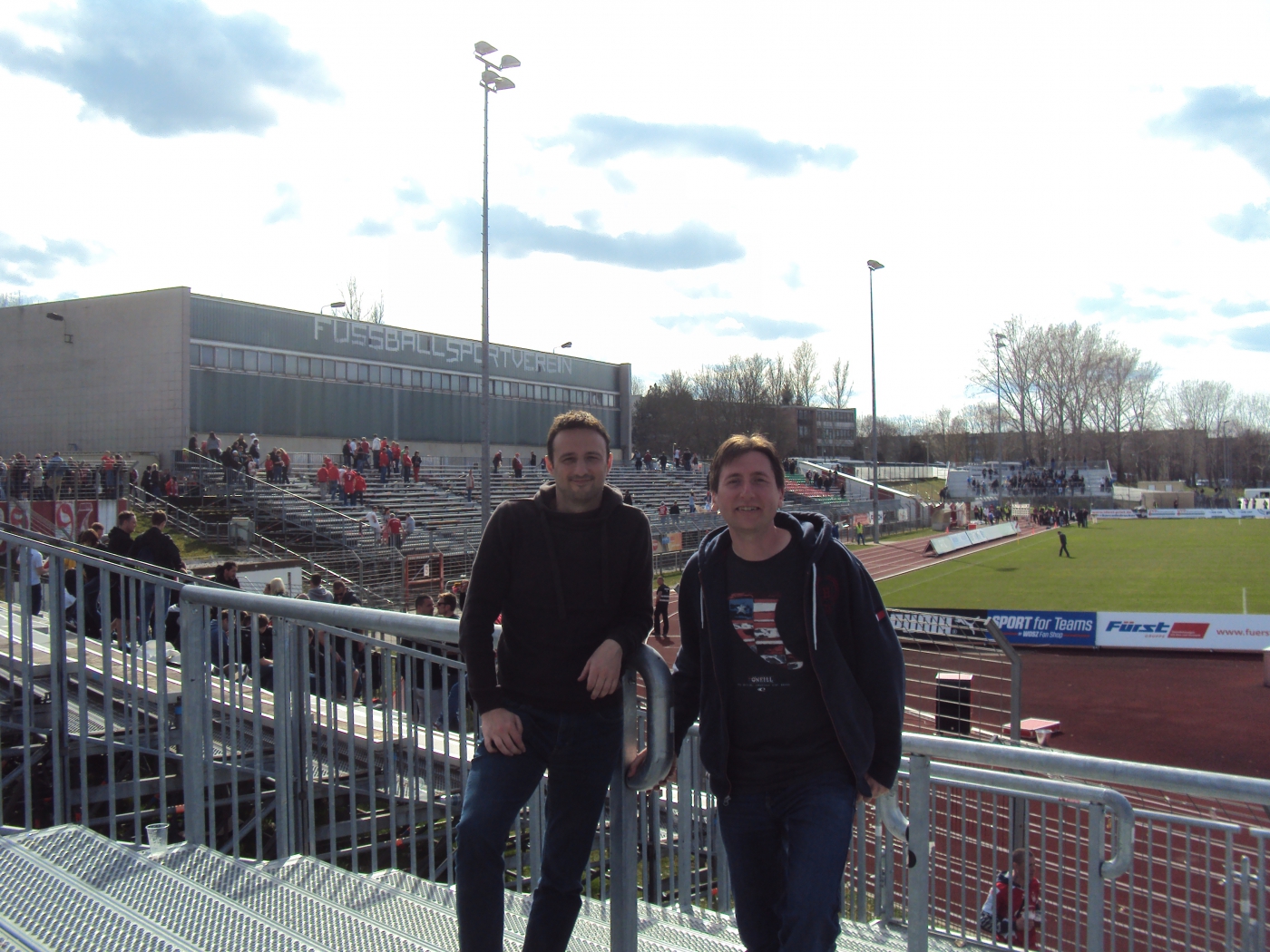
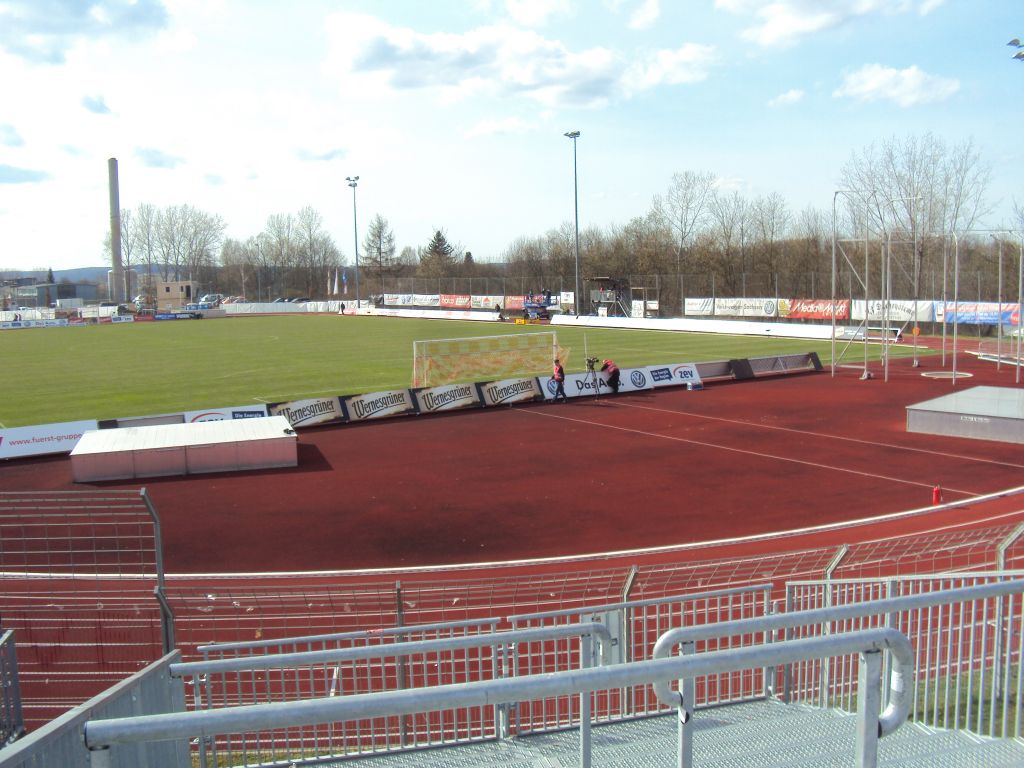
Nestled within the vibrant district of Eckersbach in Zwickau, Germany, the "Sportforum Sojus 31" evokes a powerful sense of history, reflecting a bygone era of East German sporting culture. While perhaps not a sprawling arena for top-tier professional matches, its very name speaks volumes about its origins and purpose.
A Name Steeped in History
The unique designation "Sojus 31" points directly to the period of the German Democratic Republic (GDR). "Sojus" (Soyuz) is a clear nod to the Soviet space program, symbolizing the close ties and ideological friendship between the GDR and the Soviet Union. The number "31" could have various meanings: perhaps referencing a specific year, a local housing block, or a symbolic designation within a larger community sports initiative. In an area like Eckersbach, known for its extensive Plattenbau (prefabricated panel building) developments of the era, such names were common for public facilities, promoting socialist ideals and communal spirit.
Football in Zwickau's Heart
While specific records of major professional football played at "Sportforum Sojus 31" are scarce, its existence within Zwickau inextricably links it to a rich football tradition. Zwickau is a city with a proud history, most notably through its club, FSV Zwickau, or its illustrious predecessor, BSG Sachsenring Zwickau. This club achieved remarkable success in the DDR-Oberliga, winning titles and the FDGB-Pokal, fostering a deep passion for the sport in the region. Facilities like the "Sportforum Sojus 31" would have served as vital community hubs, nurturing local talent, hosting amateur leagues, youth matches, and training sessions, thereby forming the bedrock of grassroots football that fed into the professional system.
Beyond the Pitch
A "Sportforum" in the GDR context often signified more than just a football pitch. It typically encompassed a multi-sport complex, offering facilities for various athletic pursuits, all aimed at promoting physical fitness and communal engagement. For the residents of Eckersbach, particularly the youth, such a forum would have been a central place for recreation and organized sports, embodying the socialist ideal of a healthy, active populace. It stood as a symbol of local community life, even if its main pitch didn't host thousands of spectators for pivotal league encounters. Today, while perhaps repurposed or modernized, its name remains a fascinating echo of Zwickau's unique sporting and political past.