London Stadium
Olympic Stadium
Queen Elizabeth Olympic Park, London, England
About the Stadium:
From Olympic Glory to Football Fortress
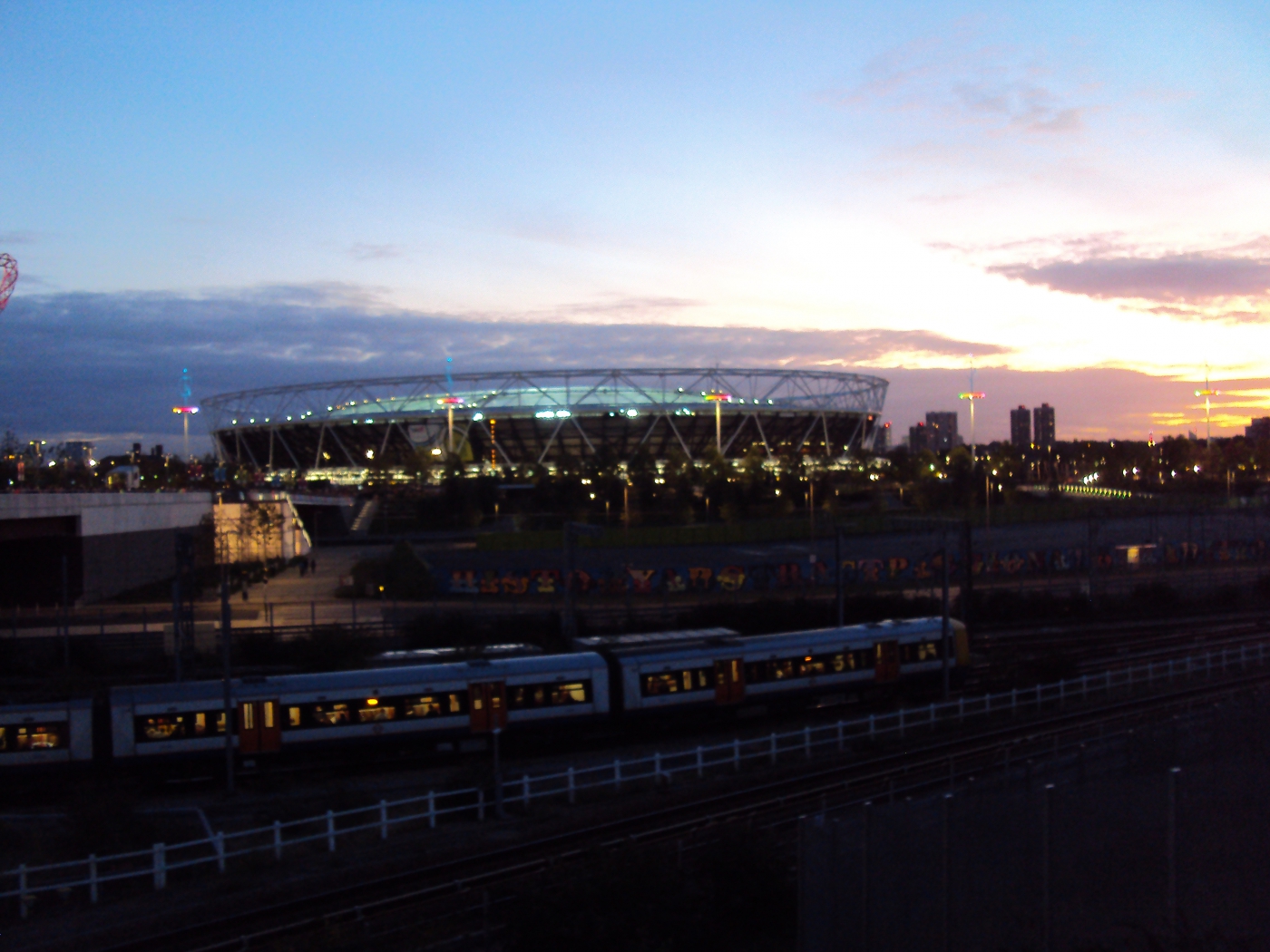
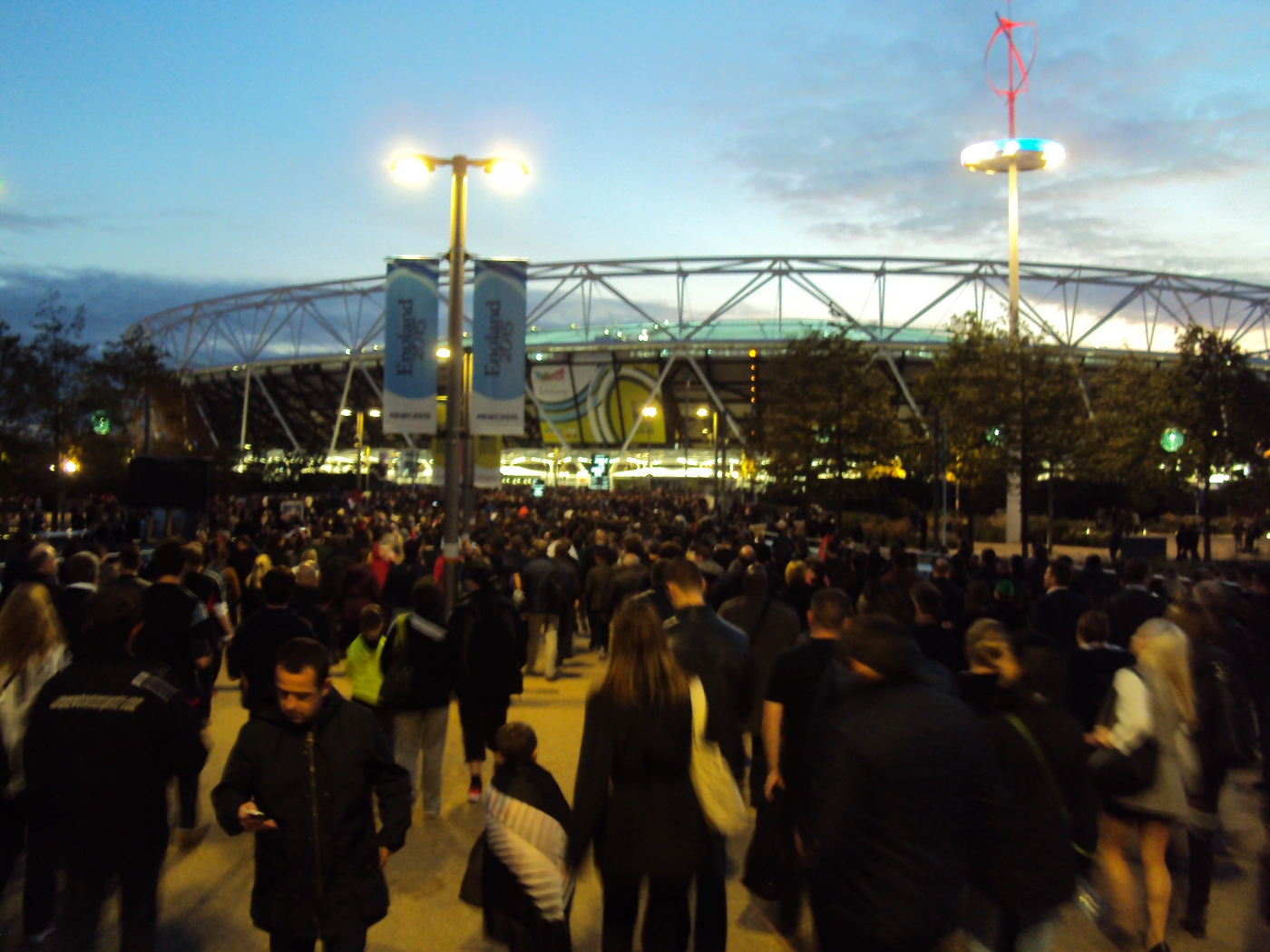
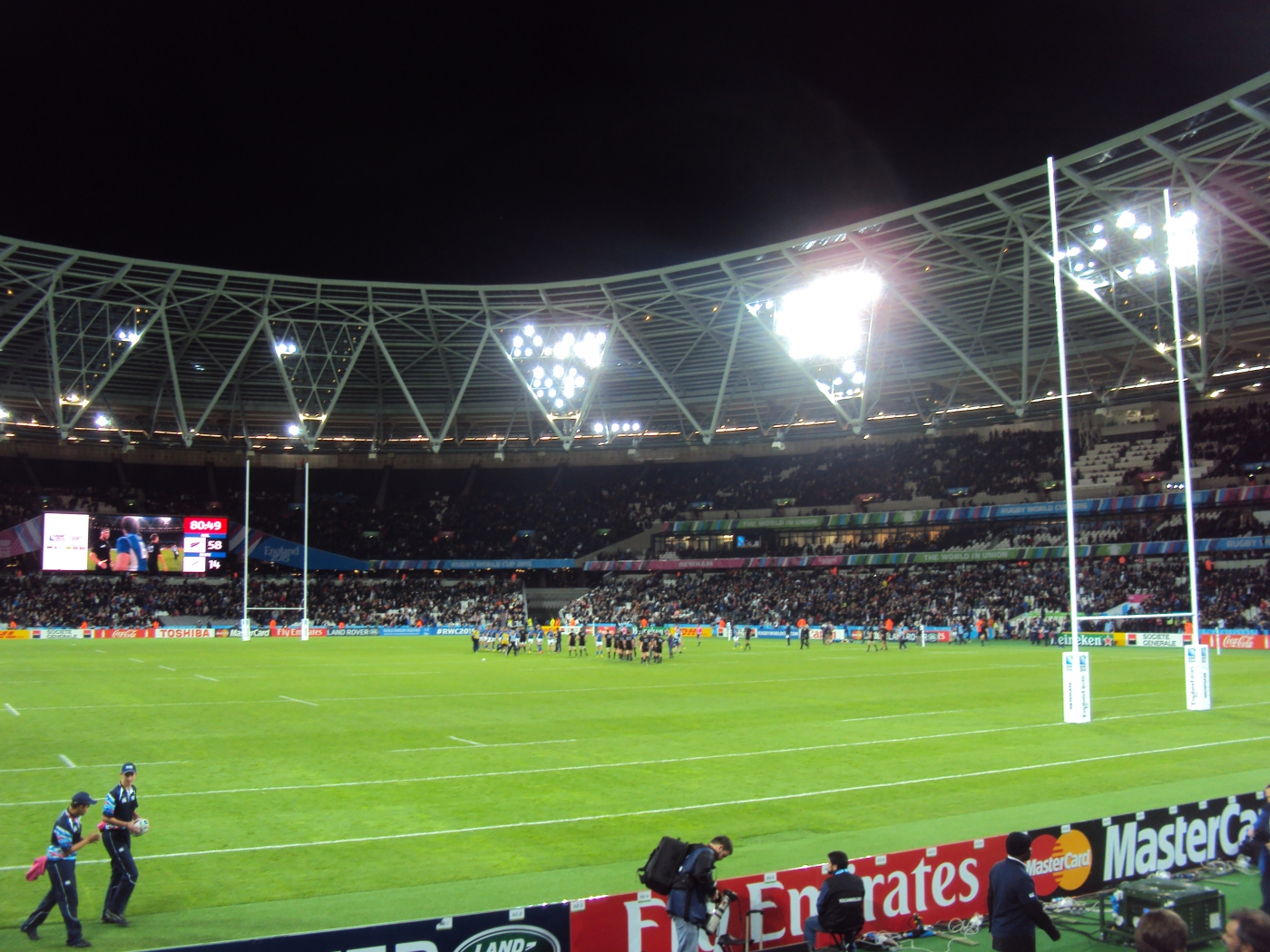
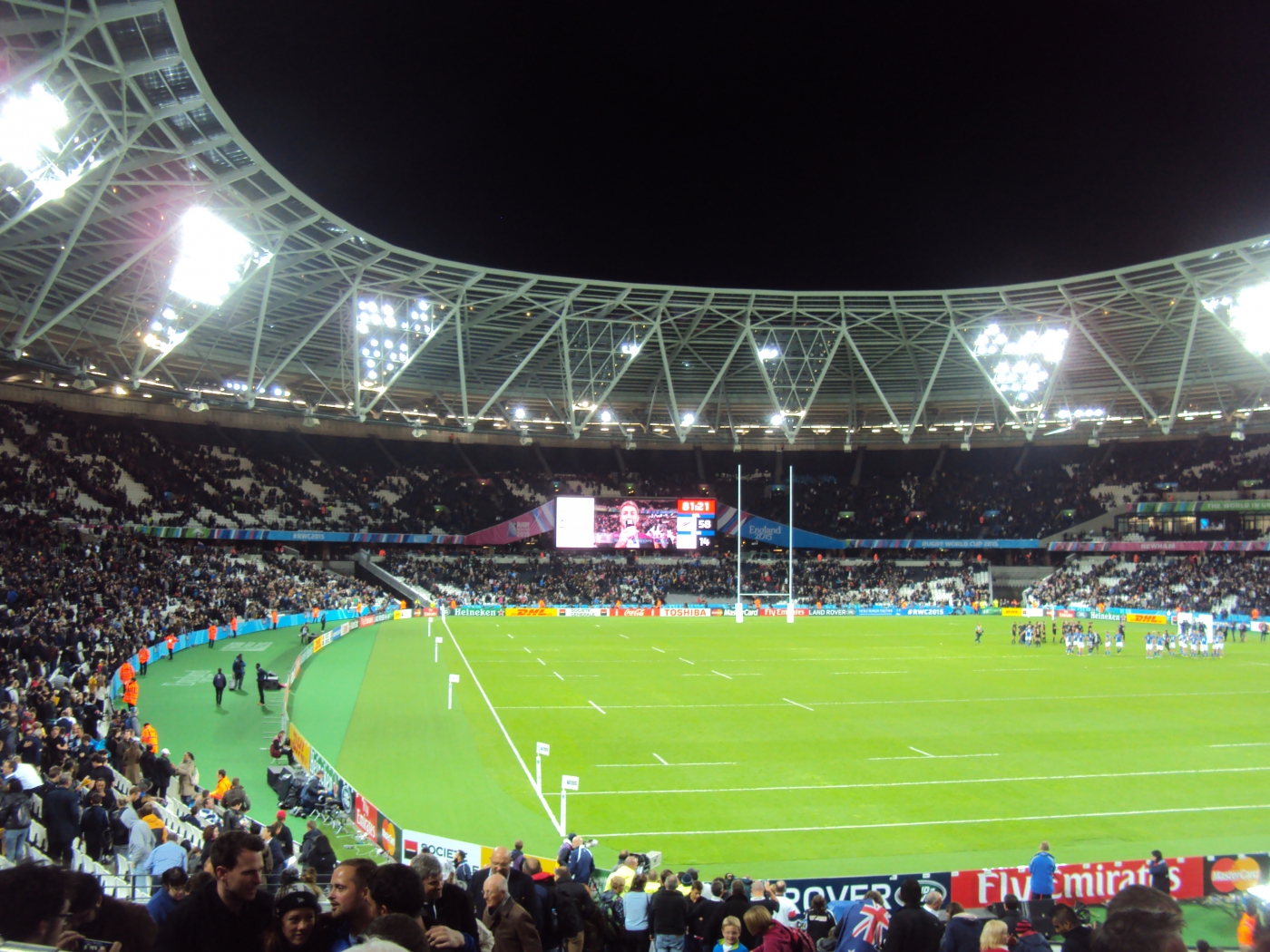
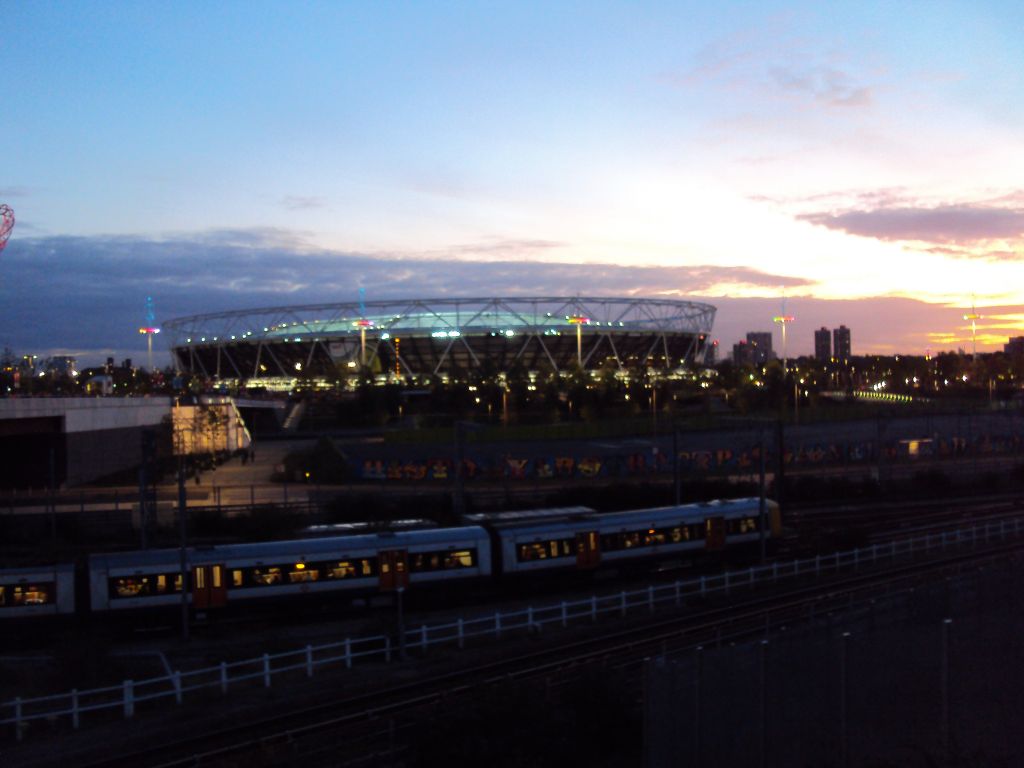
The London Stadium, nestled within Queen Elizabeth Olympic Park in Stratford, East London, stands as a testament to transformative architecture and enduring legacy. Originally the main venue for the 2012 Summer Olympics and **Paralympics**, its journey from a temporary athletics arena to a multi-purpose stadium, and now home to a Premier League football club, is a unique chapter in sports infrastructure.
An Olympic Birth
Designed by renowned firm Populous, the stadium was built with adaptability. During the **2012 Games**, it hosted spectacular opening and closing ceremonies, and all track and field events. With a temporary capacity of 80,000, it became the heart of the Olympic spirit, witnessing countless sporting triumphs. Its efficient construction and use of lightweight materials embodied a vision for post-Games sustainability.
Transformation for Football
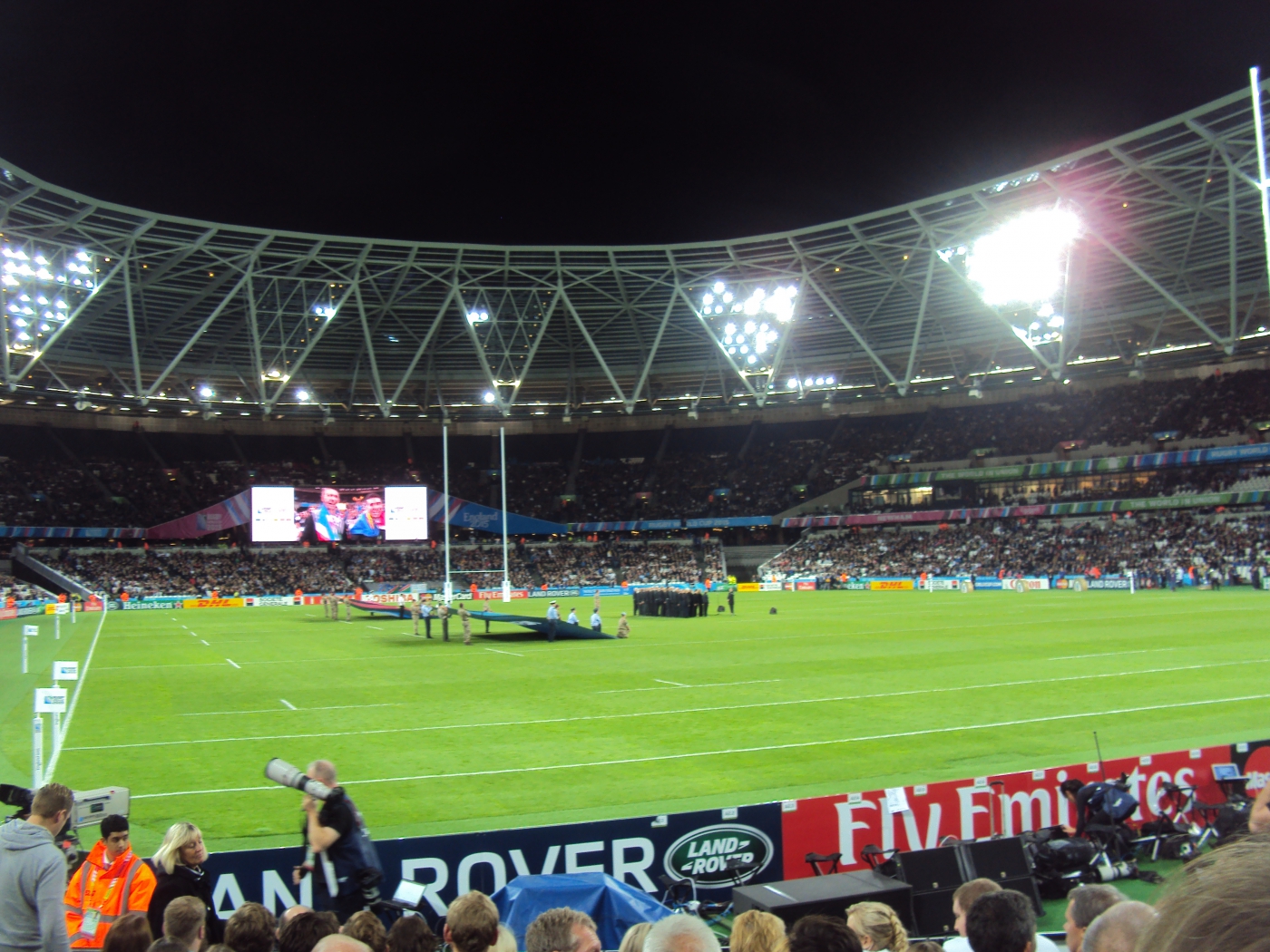
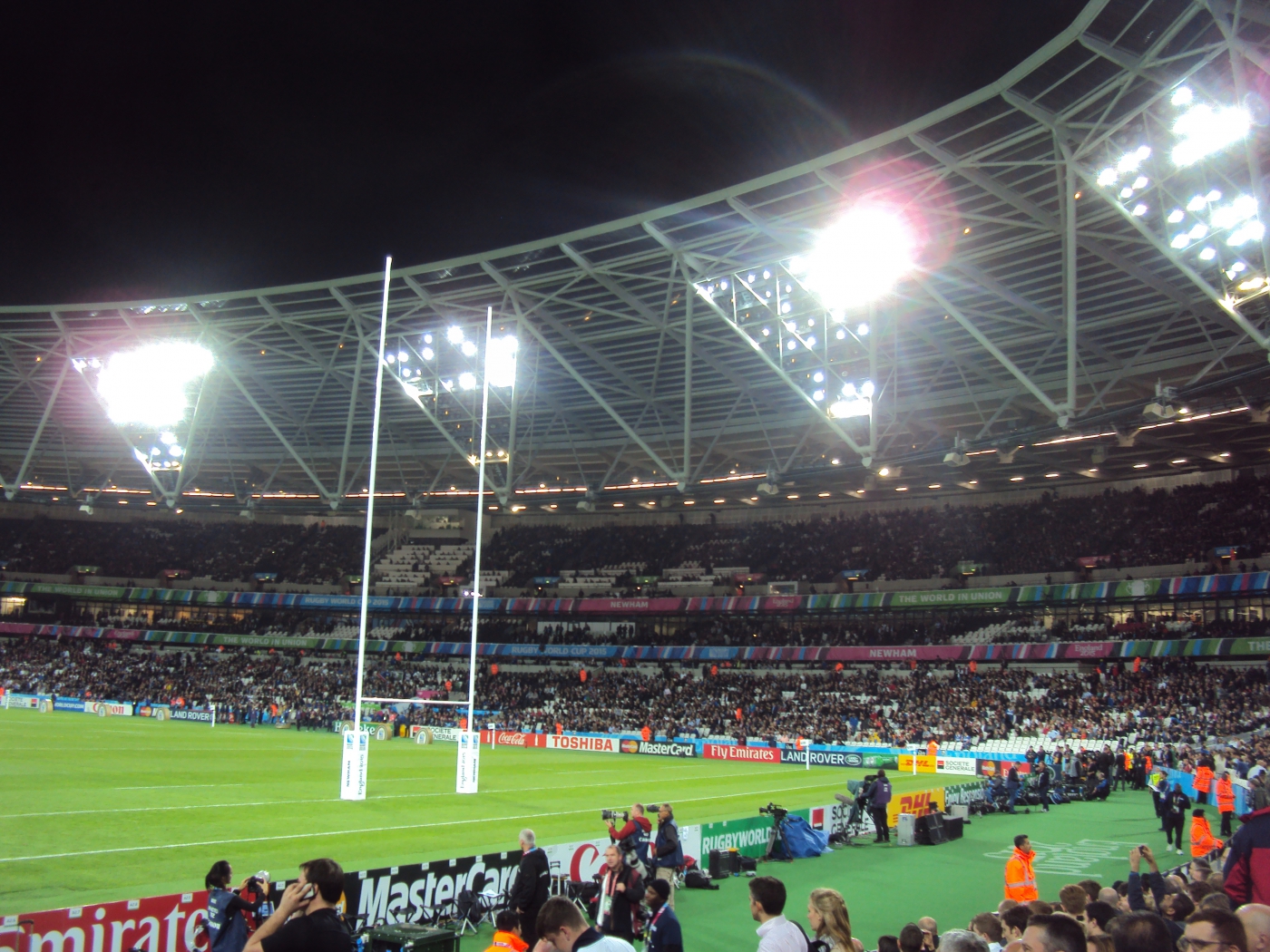
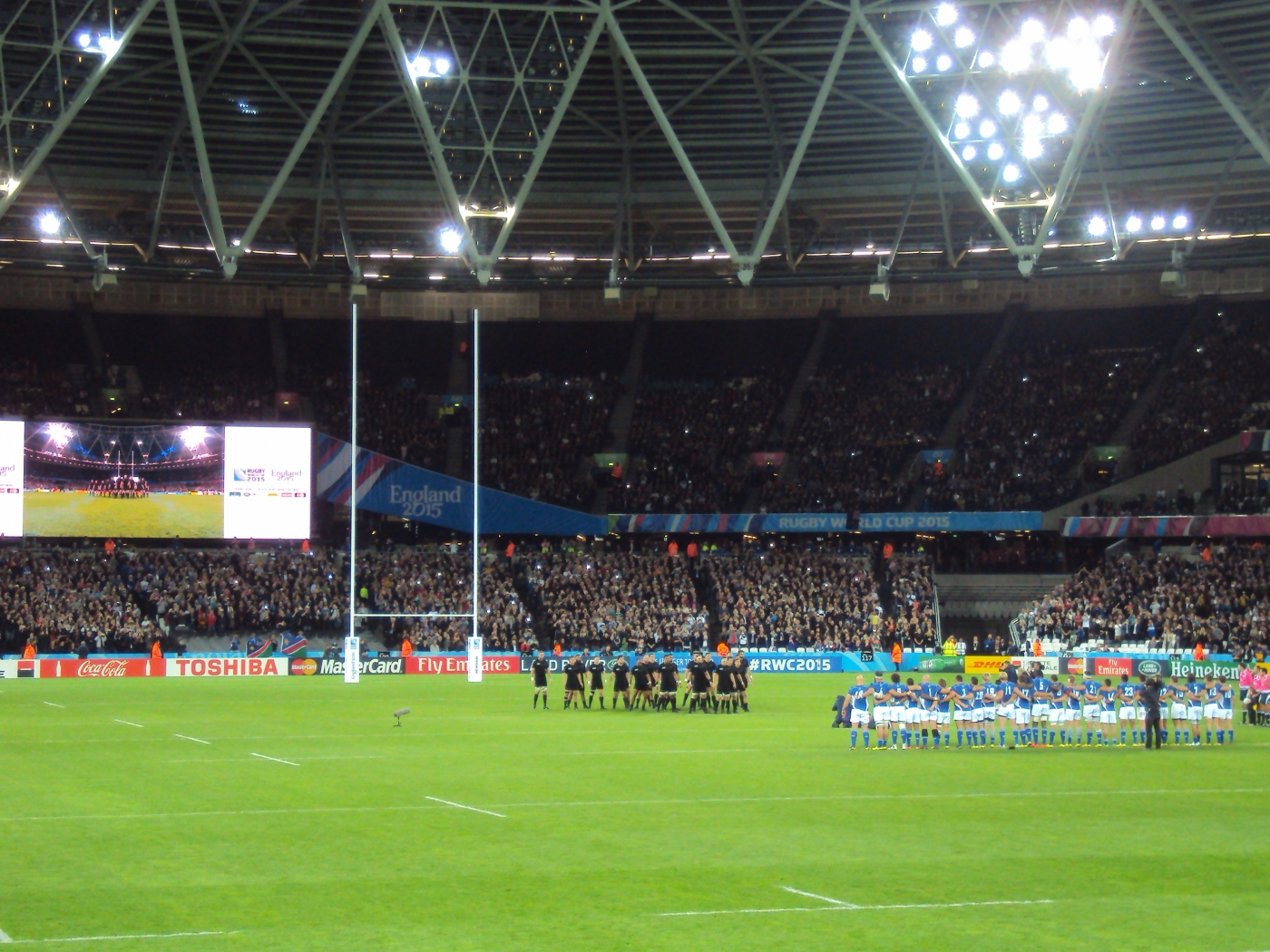
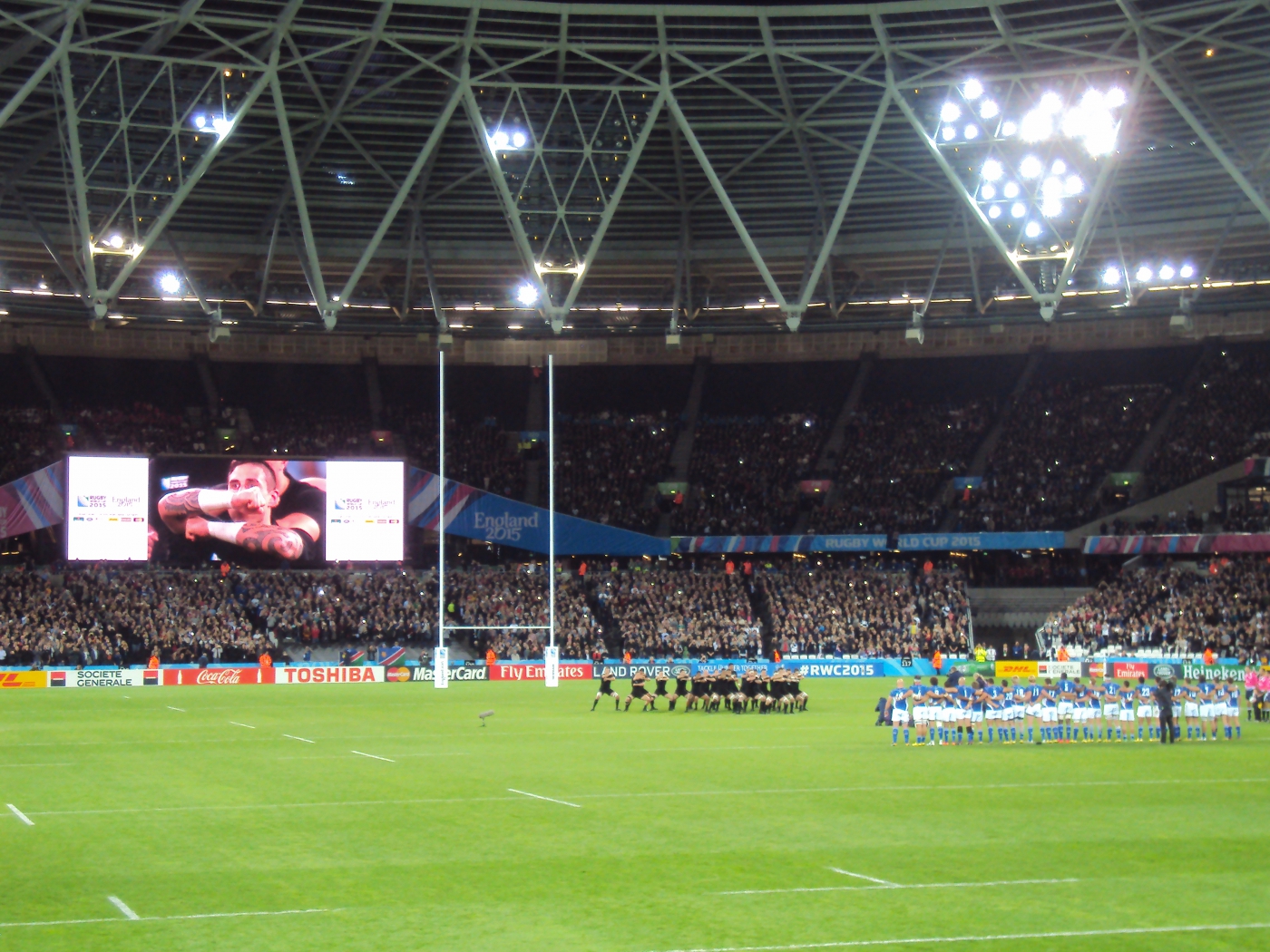
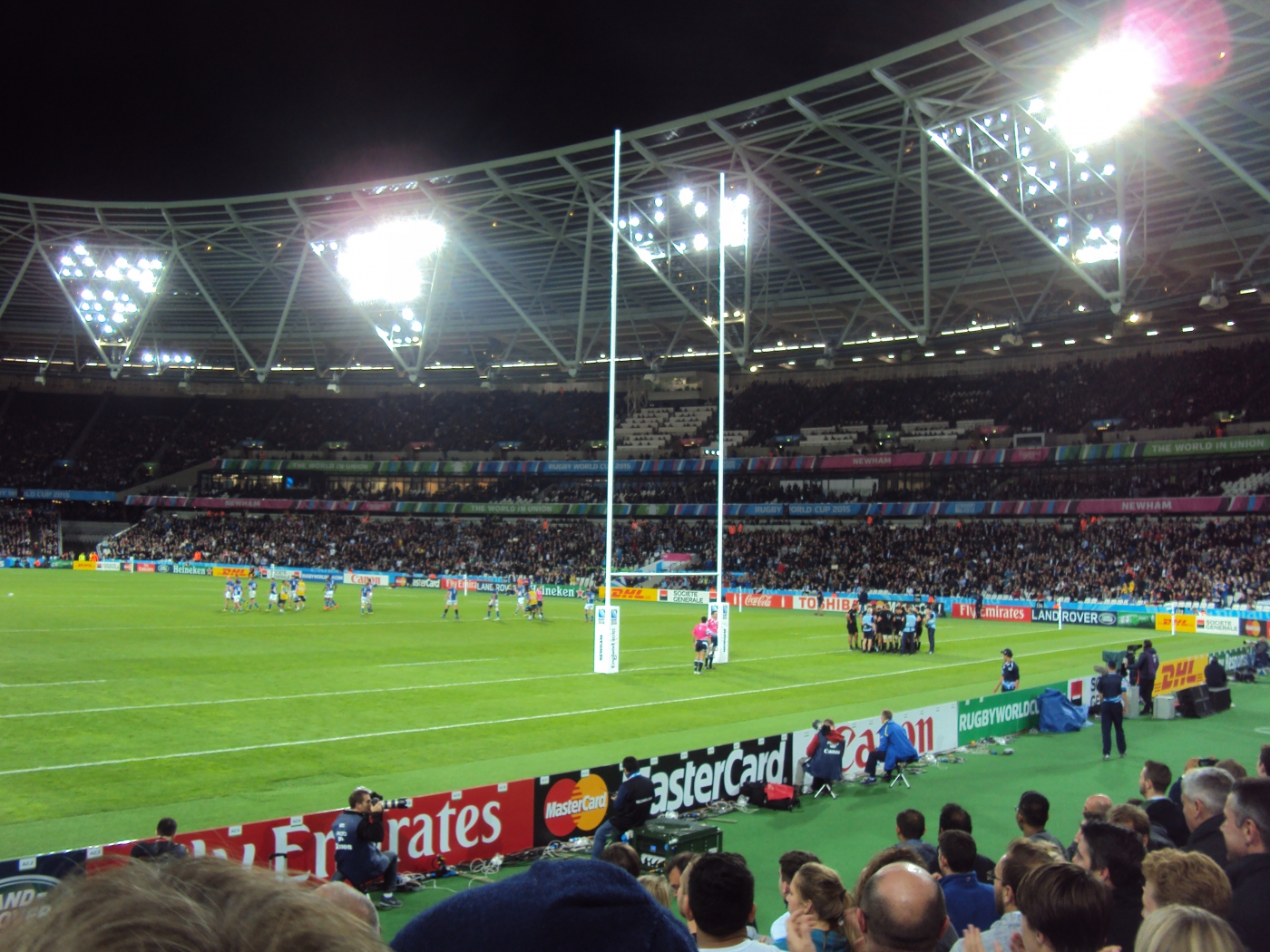
Following the Olympics, the stadium underwent significant conversion into a permanent venue. This complex undertaking involved removing the original athletics track stands, installing a new roof, and reconfiguring the lower tier for a more intimate football experience. This metamorphosis allowed its re-opening as the home of West Ham United Football Club in 2016, marking a new era as they moved from their historic Boleyn Ground (also known as Upton Park). While the move generated discussion, it provided the club with a state-of-the-art facility for a larger fanbase.
Home of the Hammers and Beyond
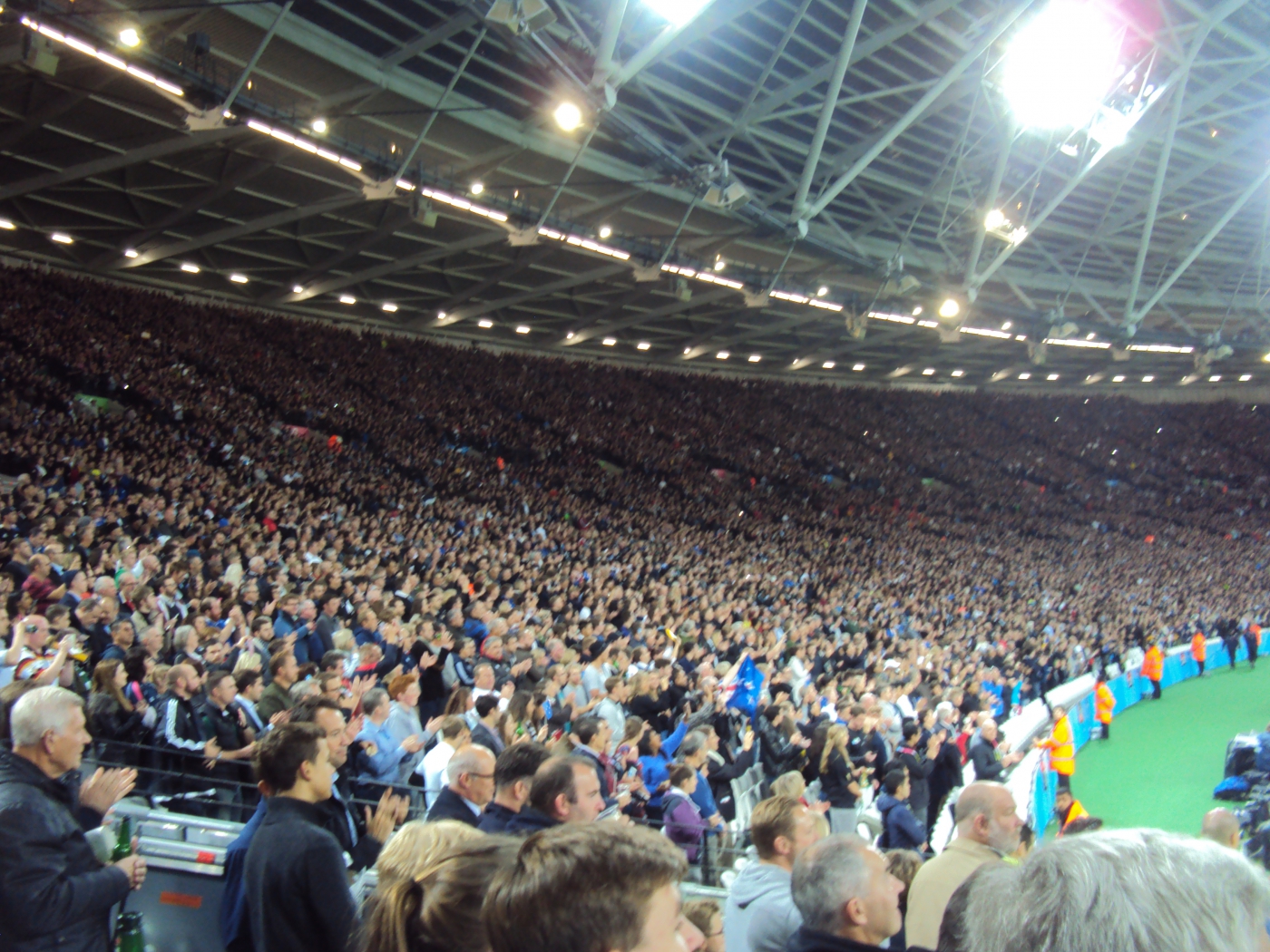
Today, the London Stadium boasts a football capacity of over 62,500, making it one of the largest club stadiums in London and the Premier League. It retains athletics capabilities, notably hosting the IAAF World Championships in 2017. Beyond sports, it's a versatile venue, having welcomed major music concerts by artists like **Guns N' Roses** and **Beyoncé**, and even groundbreaking Major League Baseball games, such as the **Boston Red Sox** versus the **New York Yankees** series. This multi-functional approach ensures its continued relevance and economic viability within the vibrant landscape of East London.