Ernst-Happel-Stadion
Meiereistraße 7, Wien, Austria
About the Stadium:
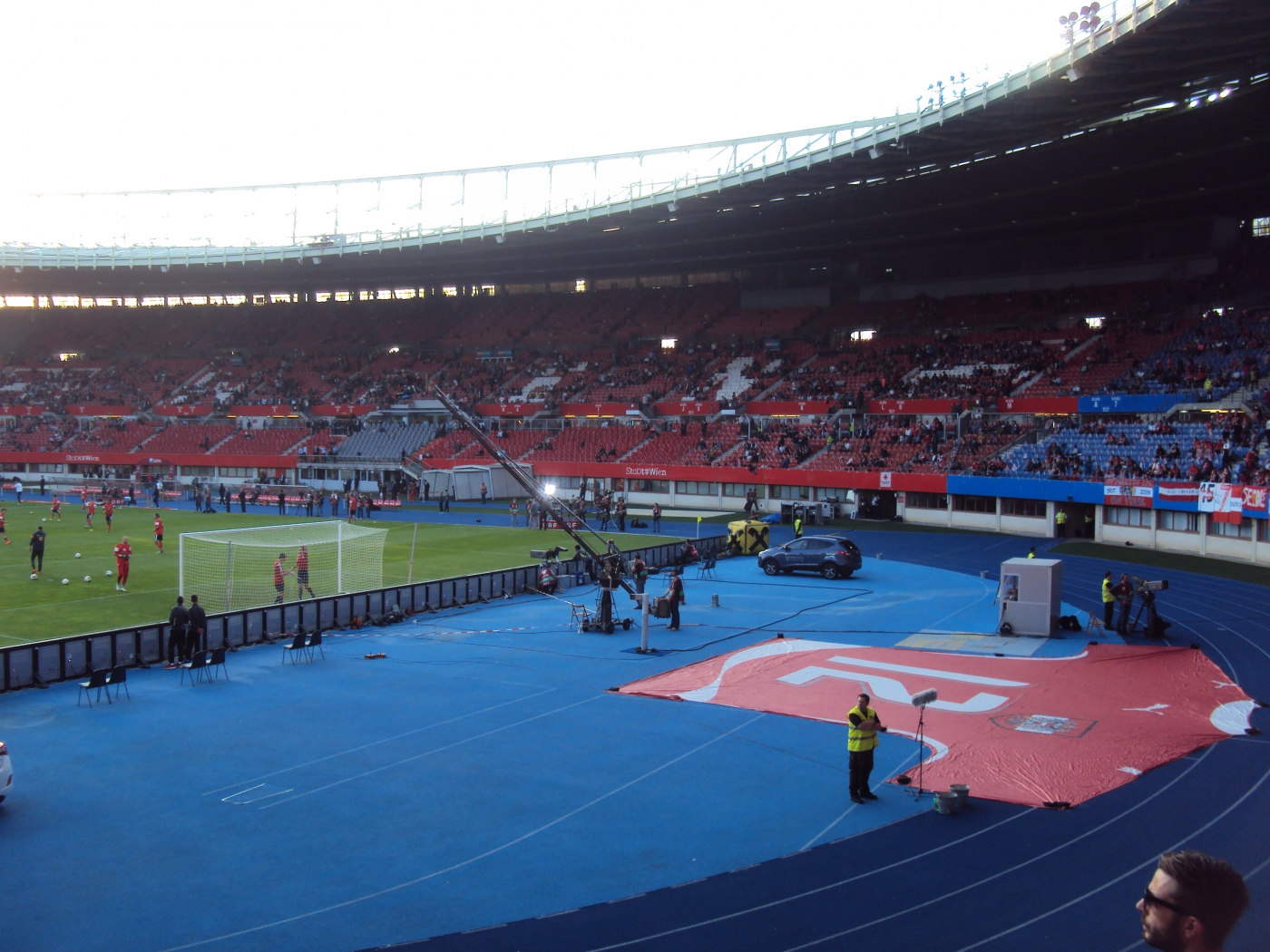
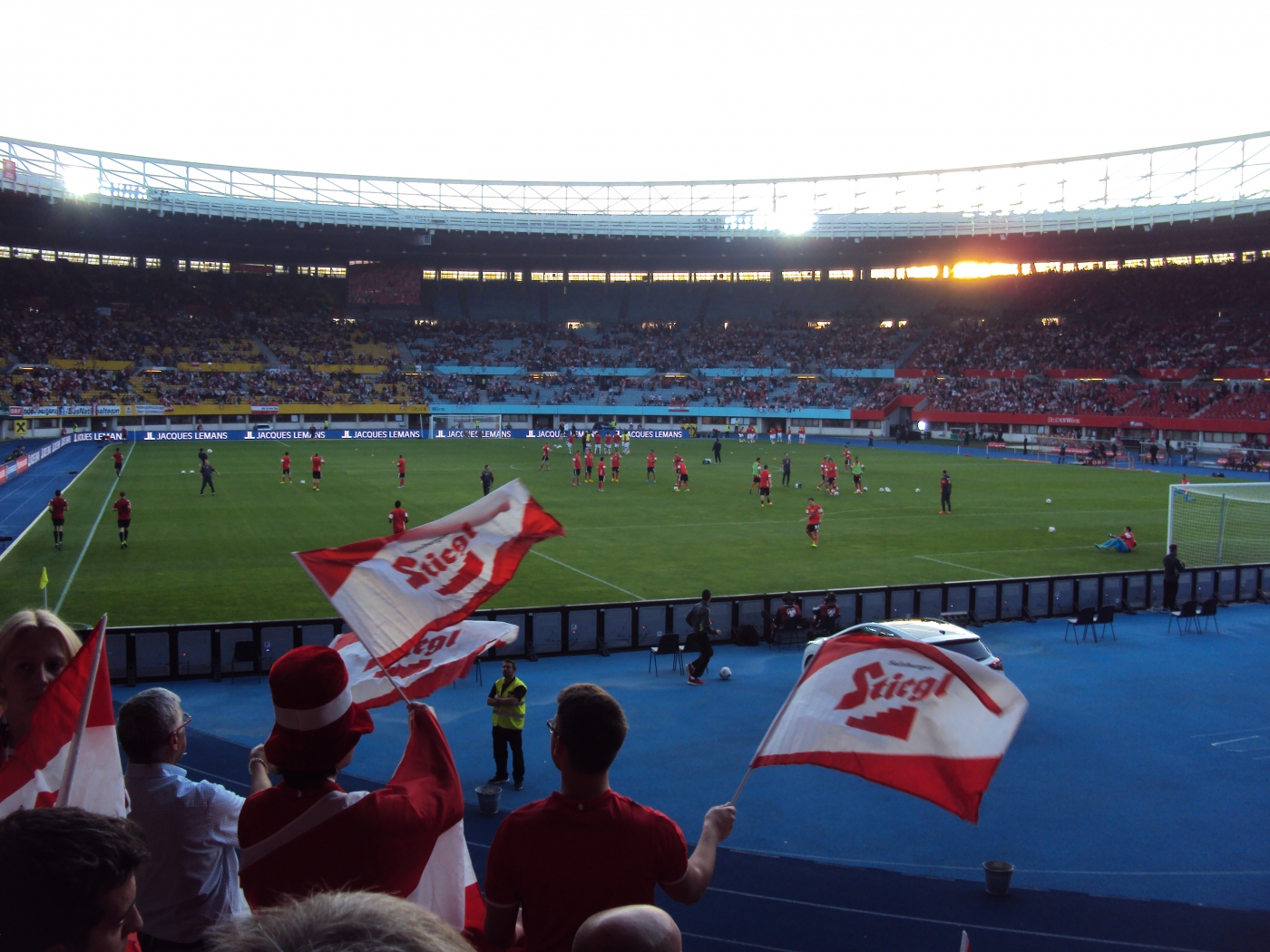
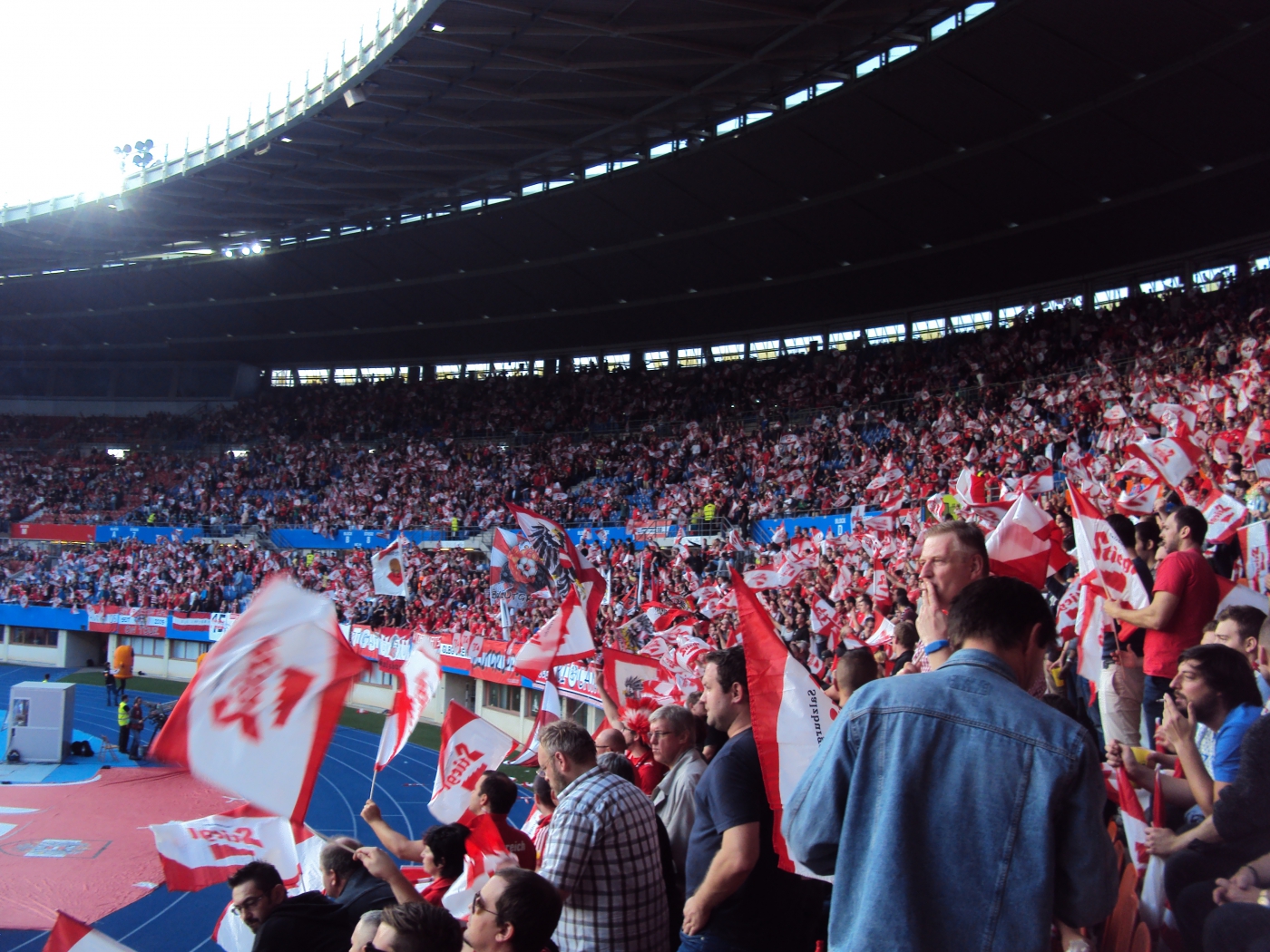
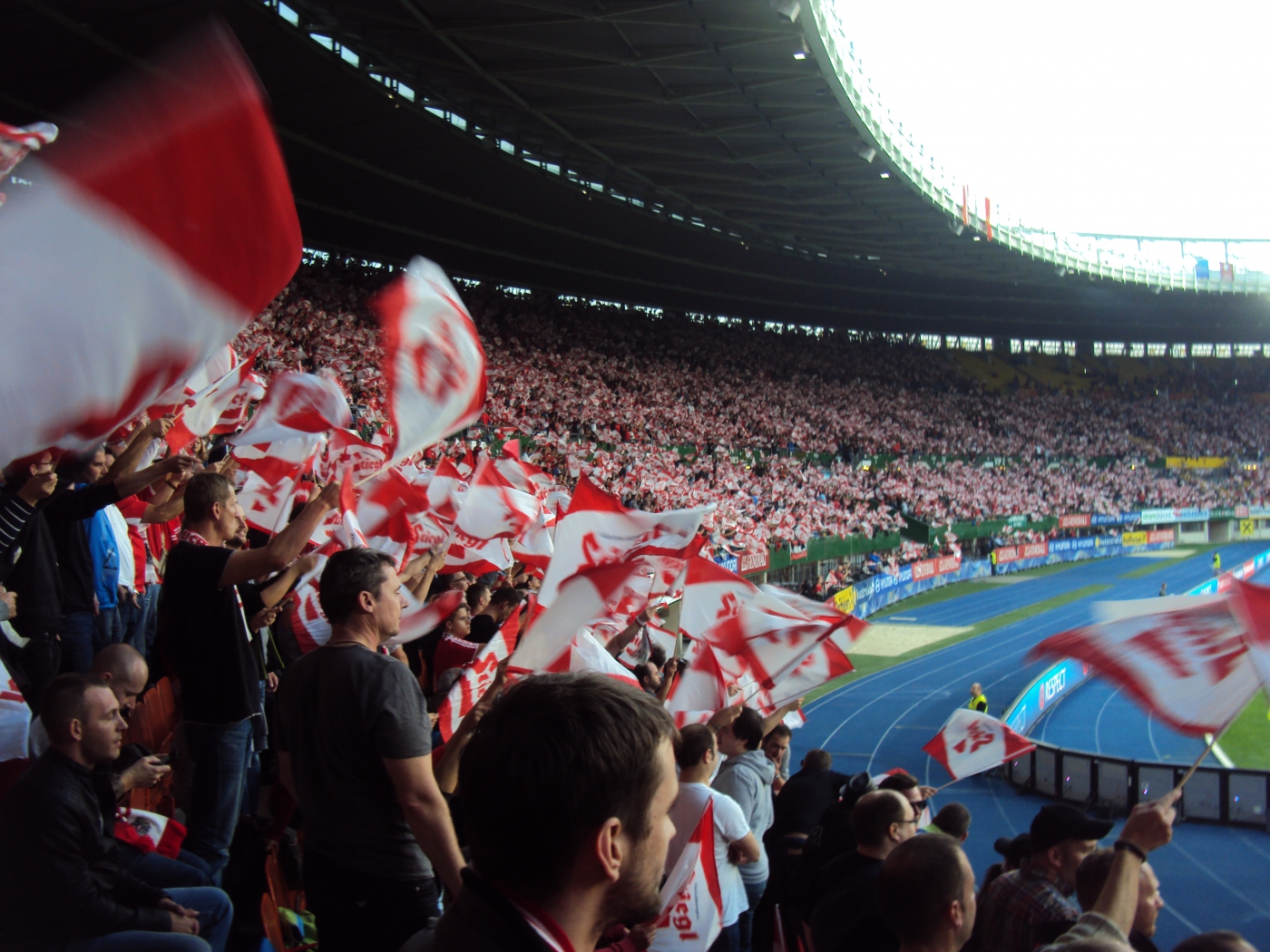
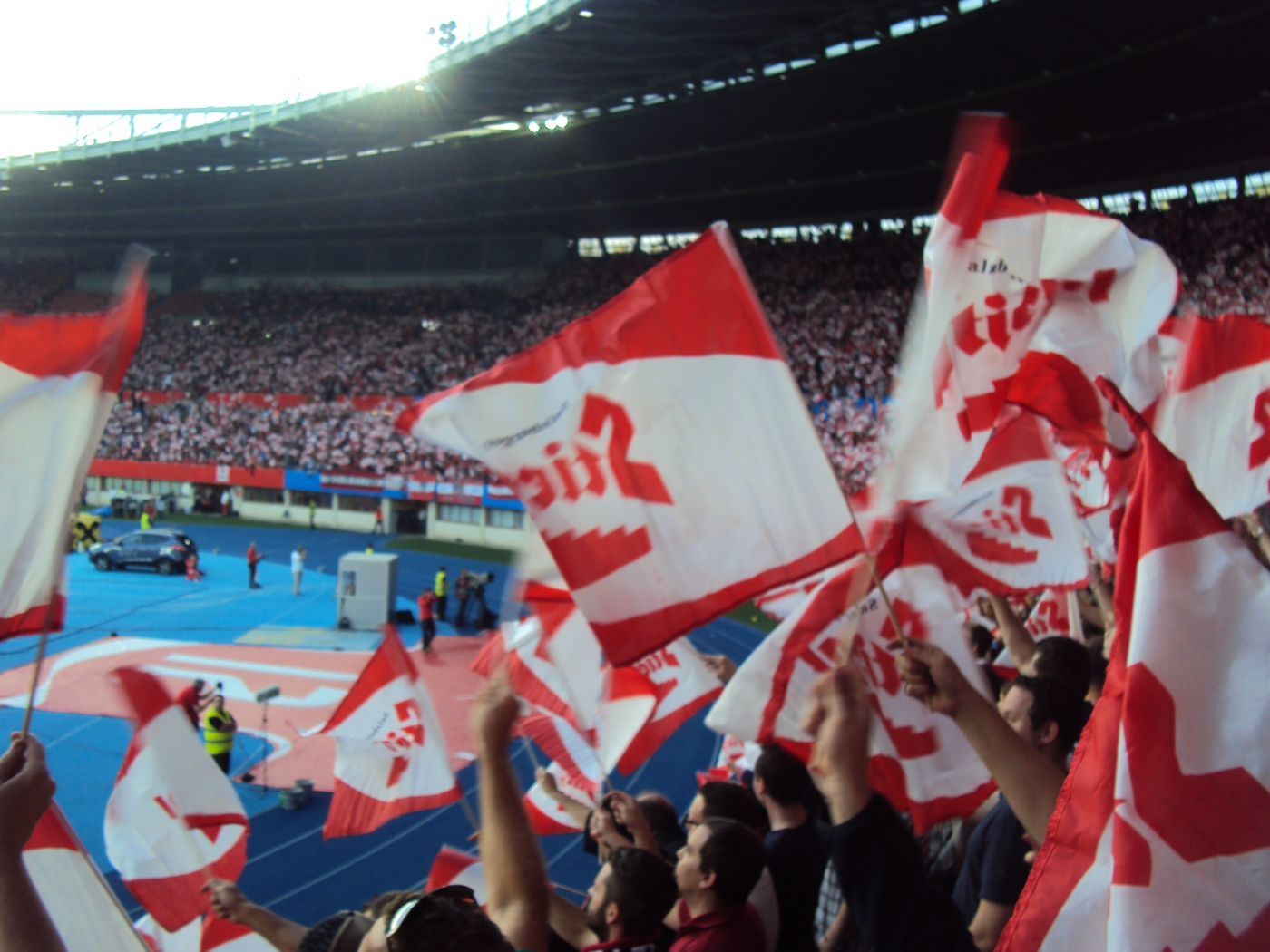
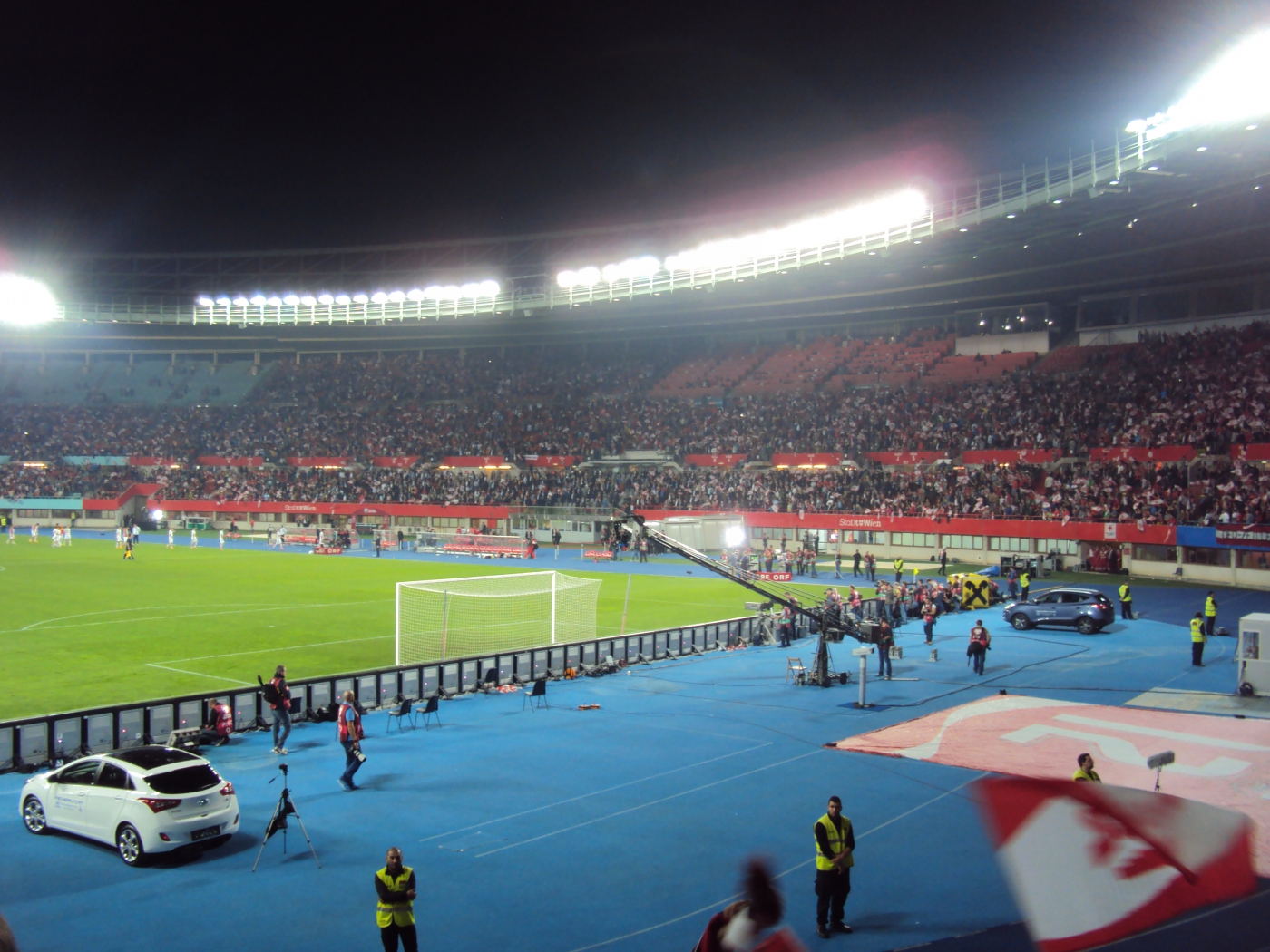
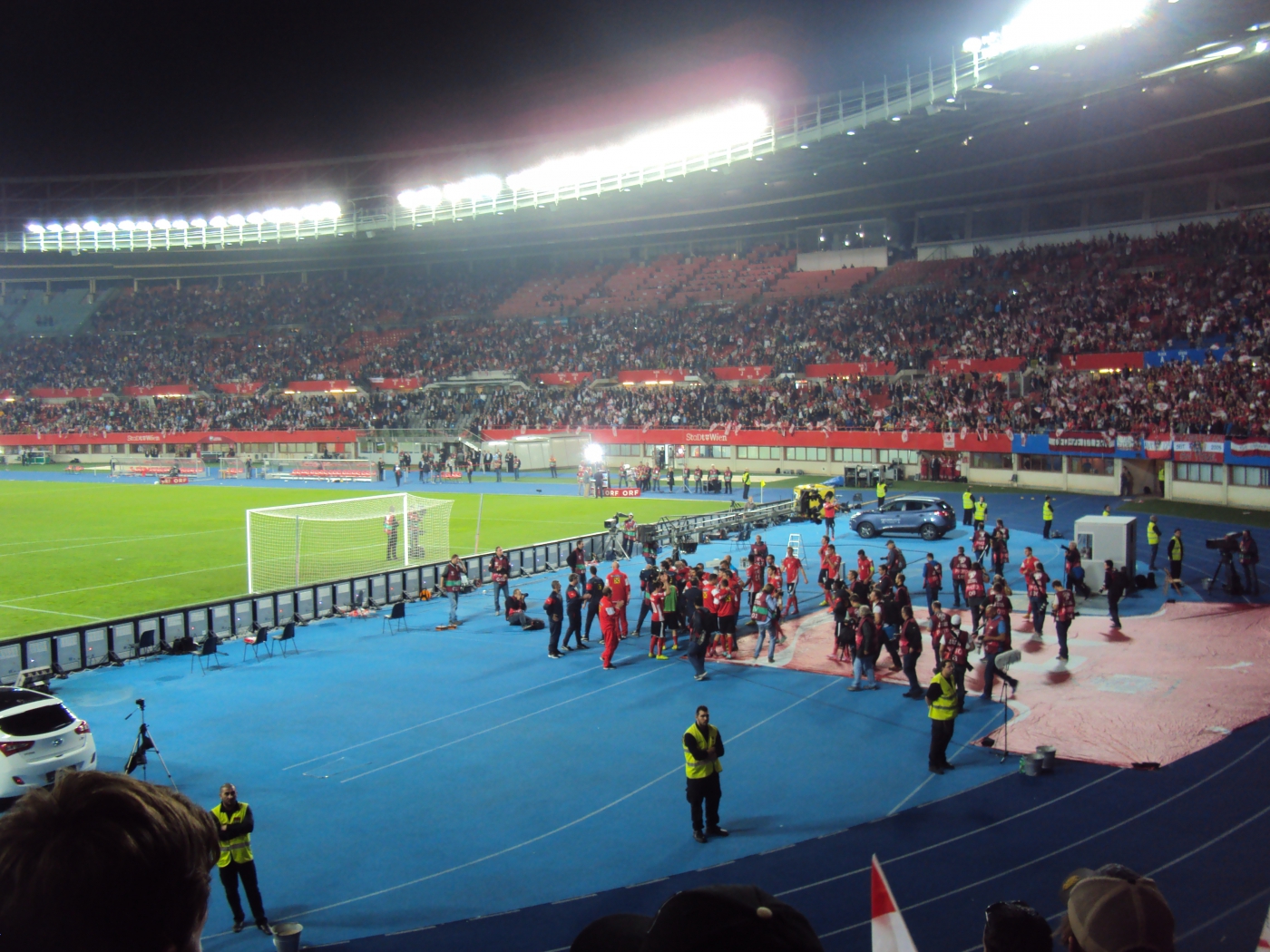
The Ernst-Happel-Stadion, Austria's largest and most iconic football stadium, is located within Vienna's vast Prater park. It serves as the esteemed home of the Austrian national football team and a recurring venue for significant European club matches, embodying a rich sporting history.
A Glimpse into its Foundation
Opened in 1931 as the Praterstadion, this monumental arena was an architectural achievement, designed by Otto Ernst Schweizer. Its early history holds a sombre chapter; it briefly served as a collection point and internment camp for Jewish citizens during the Anschluss in 1938, and later as a subcamp of the Mauthausen concentration camp during World War II. This difficult past is an integral part of understanding the stadium's full historical context.
A Legacy of Renaming and Renovation
In 1992, following the death of legendary Austrian football coach Ernst Happel, the stadium was officially renamed in his honour. Happel, celebrated for leading Feyenoord to the 1970 European Cup and managing the Netherlands national team to the 1978 World Cup final, remains a revered figure in Austrian football, his name now permanently linked to the nation's premier stadium.
A Stage for Grand European Finals
With a seating capacity for over 50,000 for international football, the Ernst-Happel-Stadion has hosted numerous high-profile events. This includes four UEFA Champions League finals and the 1970 UEFA Cup Winners' Cup Final. Its most significant recent international role was co-hosting the UEFA European Championship in 2008 with Switzerland. The stadium proudly staged the final match of Euro 2008, where Spain defeated Germany, cementing its status as a top European footballing venue. While primarily home to the national team, major European fixtures for Viennese clubs like Rapid Wien and Austria Wien are occasionally held here to accommodate larger crowds.