Stadio Olimpico di Roma
Piazzale del Foro Italico, Rom, Italy
About the Stadium:
The Stadio Olimpico di Roma stands as an iconic symbol of Italian sport and history, nestled within the majestic Foro Italico complex in Rome. Far more than just a football ground, it is a living monument that has witnessed pivotal moments in athletic and cultural history, a true colossus of concrete and memory. For a deeper dive into its rich past, you can visit the Stadio Olimpico's Wikipedia page.
A Legacy Forged in History
The stadium's origins trace back to the 1930s, under the ambitious vision of Benito Mussolini. Originally conceived as the Stadio dei Cipressi, it was a central component of the sprawling Foro Italico, designed to promote physical education and serve as a stage for fascist propaganda. Its initial construction, reflecting the monumental architectural style of the era, laid the groundwork for the grand arena we know today.
Olympic Transformation and World Stage
The most significant transformation occurred in preparation for the 1960 Summer Olympics, when the stadium was extensively renovated and formally renamed the Stadio Olimpico. This monumental upgrade prepared it to host the opening and closing ceremonies, as well as the athletics events, firmly embedding its name in Olympic lore. Decades later, it would again capture global attention, undergoing further modernization for the 1990 FIFA World Cup, where it proudly hosted the final between West Germany and Argentina. The stadium has also been the esteemed venue for multiple UEFA Champions League finals, including 1984, 1996, and 2009, solidifying its status as a premier European football arena.
Home of Roman Football Passion
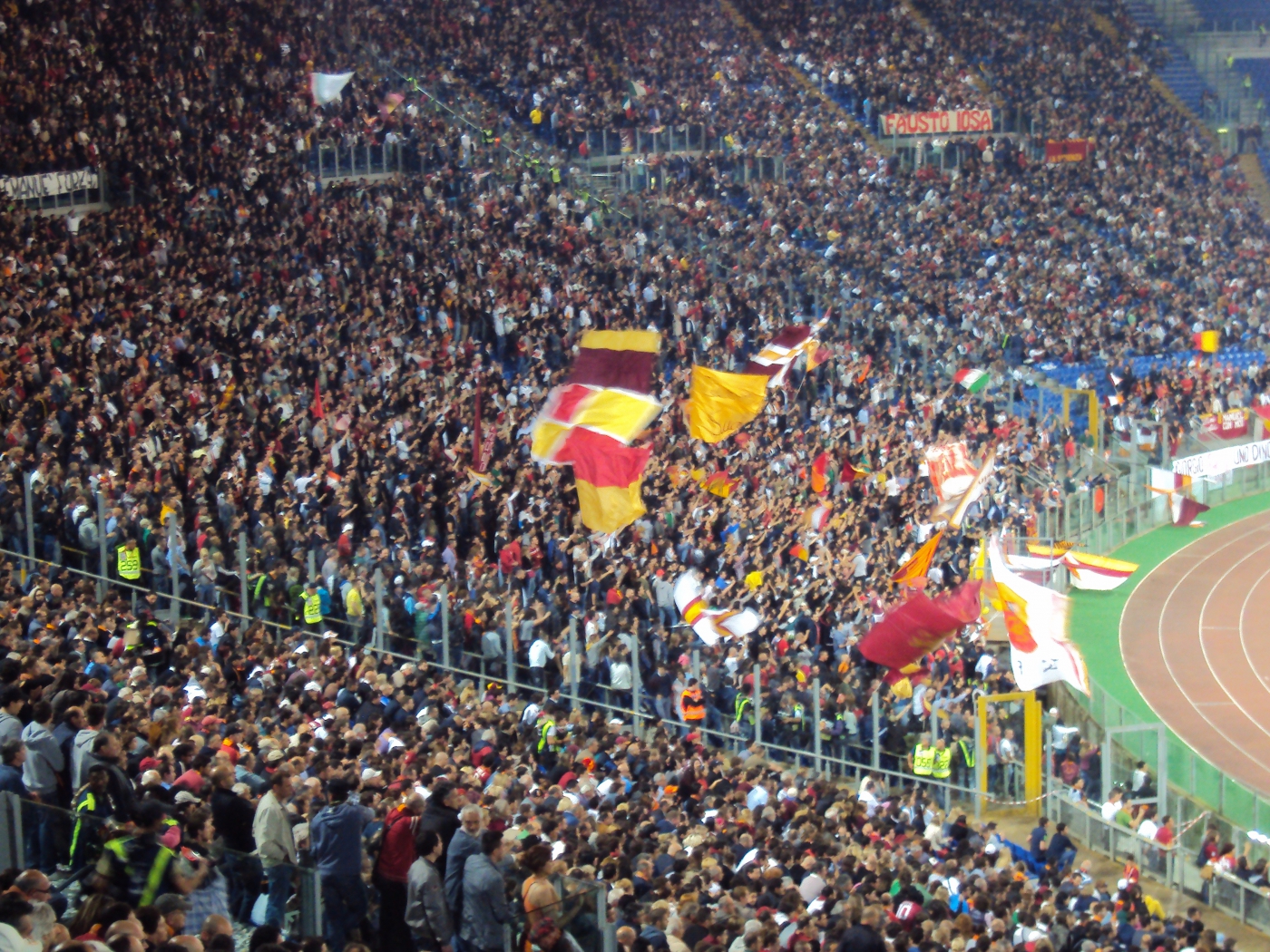
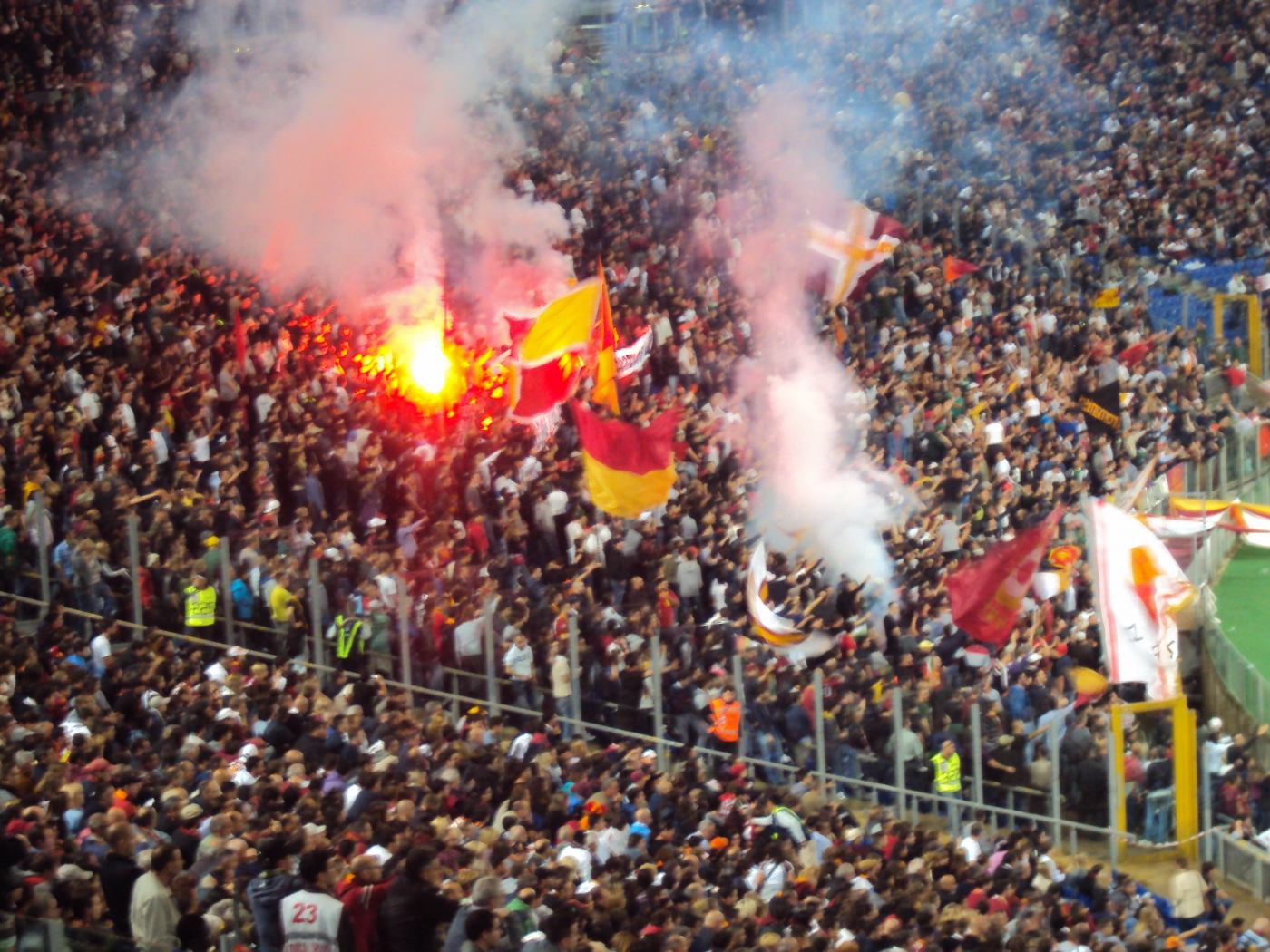
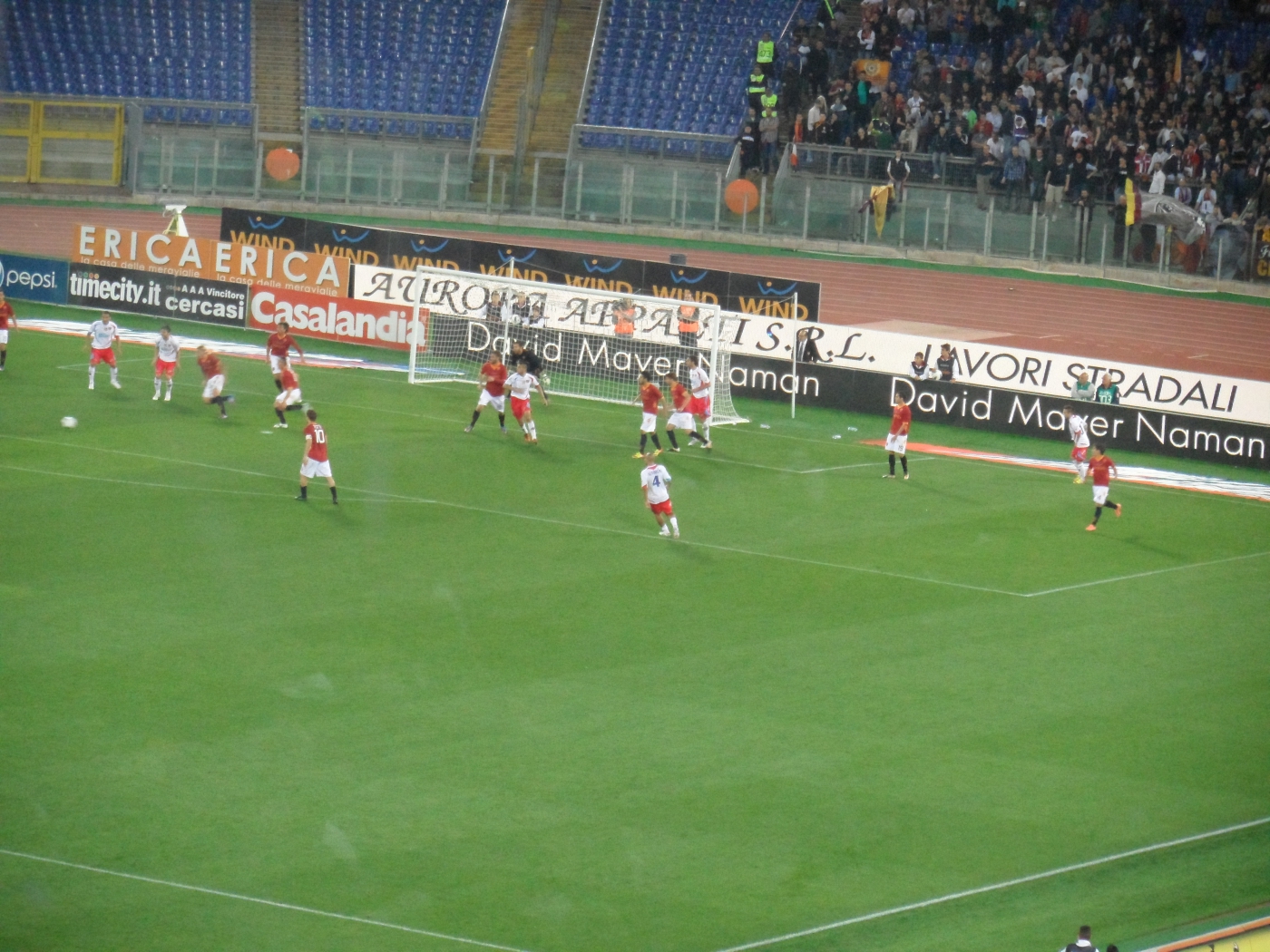
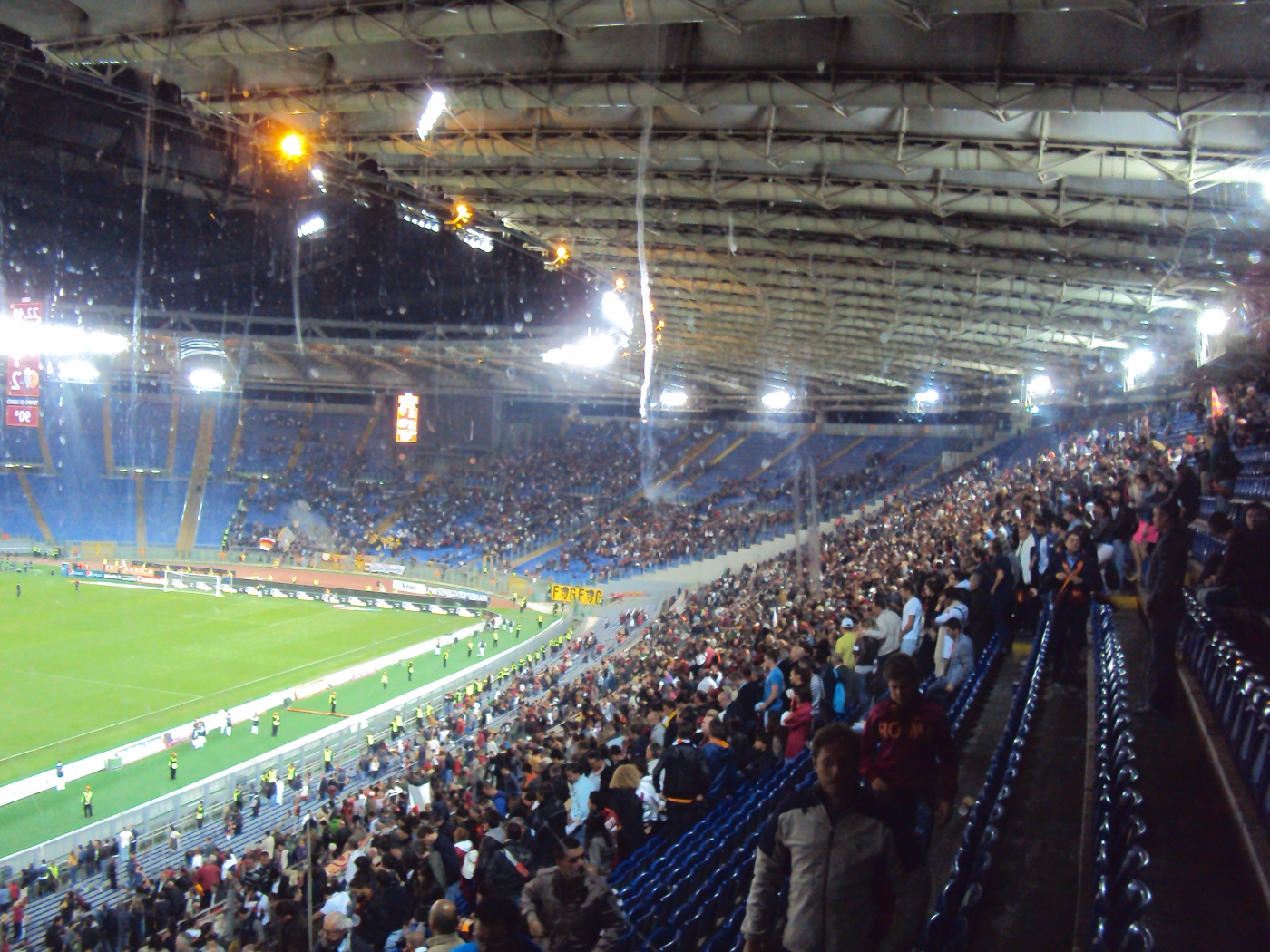
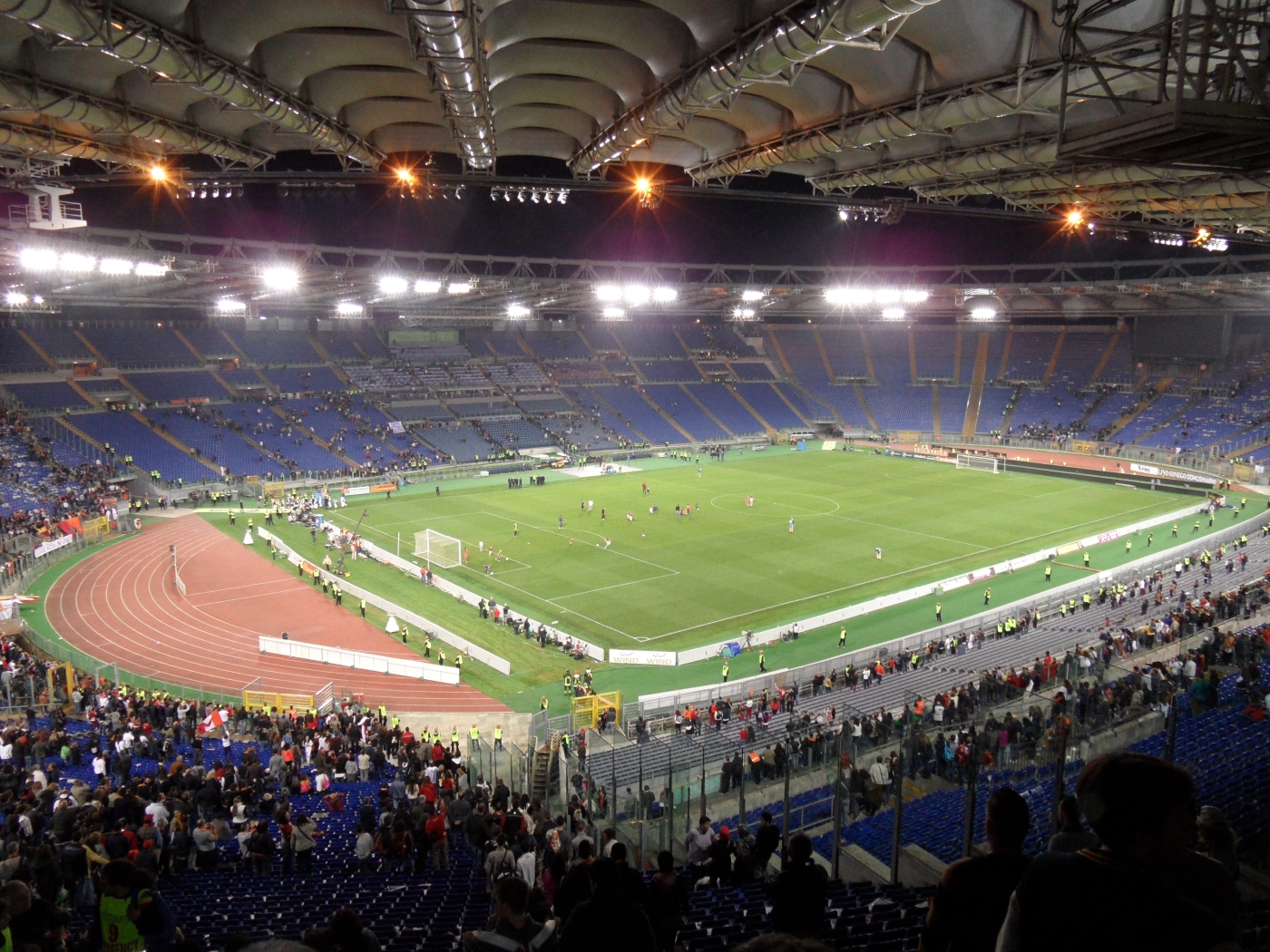
Today, the Stadio Olimpico is the cherished home ground for AS Roma and SS Lazio, the city's two fiercely rivalrous football clubs. Their shared tenancy ignites one of the most passionate and intense derbies in world football, the Derby della Capitale, where the stadium's seats are filled with vibrant colours and deafening roars. Despite its venerable age, the stadium, with its distinctive oval shape and an athletics track separating the stands from the pitch, continues to offer a unique atmosphere, albeit one that some football purists find a slight distance from the immediate action. Its current capacity accommodates over 70,000 spectators, making it one of the largest stadiums in Italy and a central stage for both club and international football.