Stadion Feijenoord
De Kuip
Van Zandvlietplein 1, Rotterdam, Netherlands
About the Stadium:
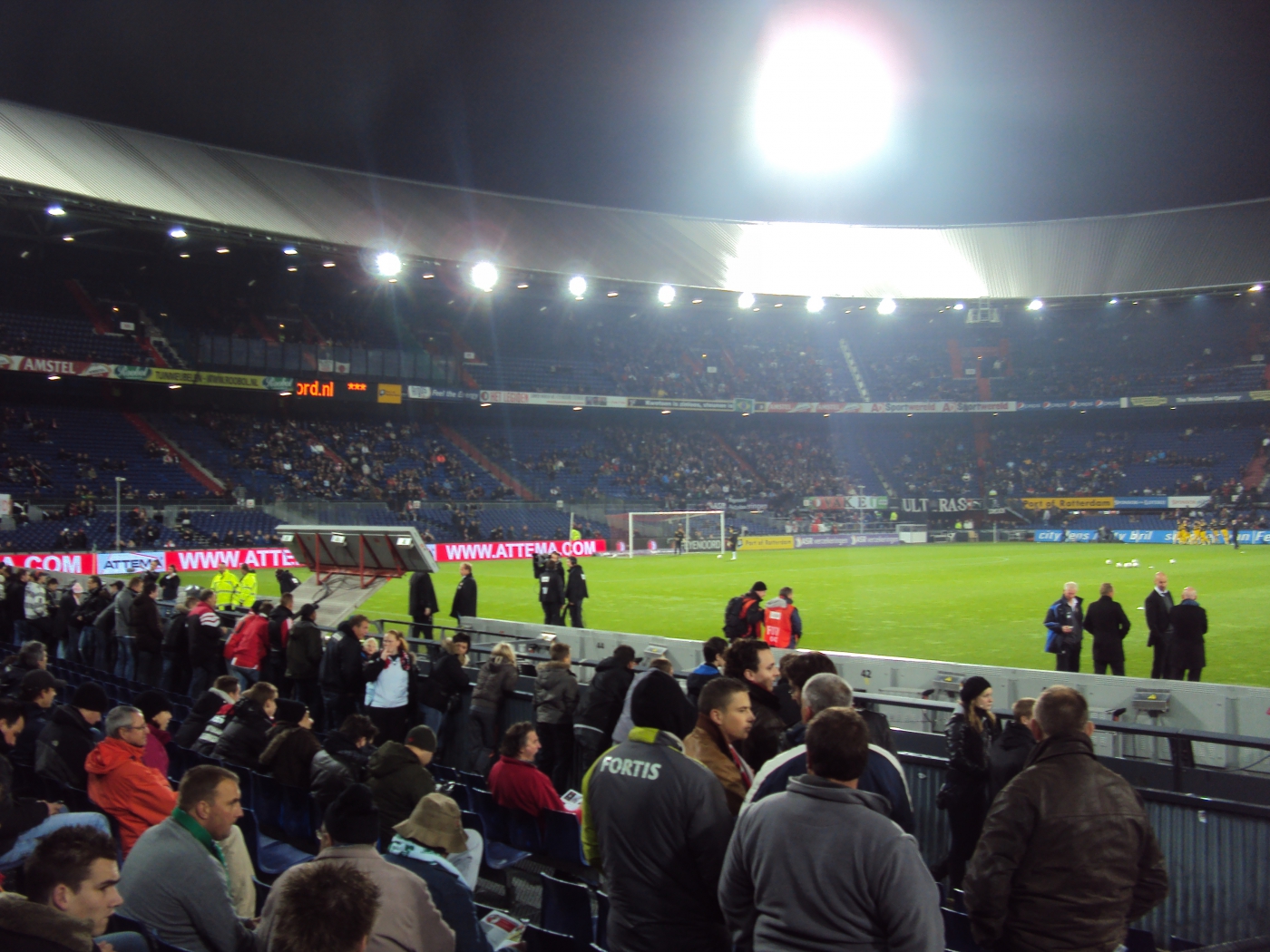
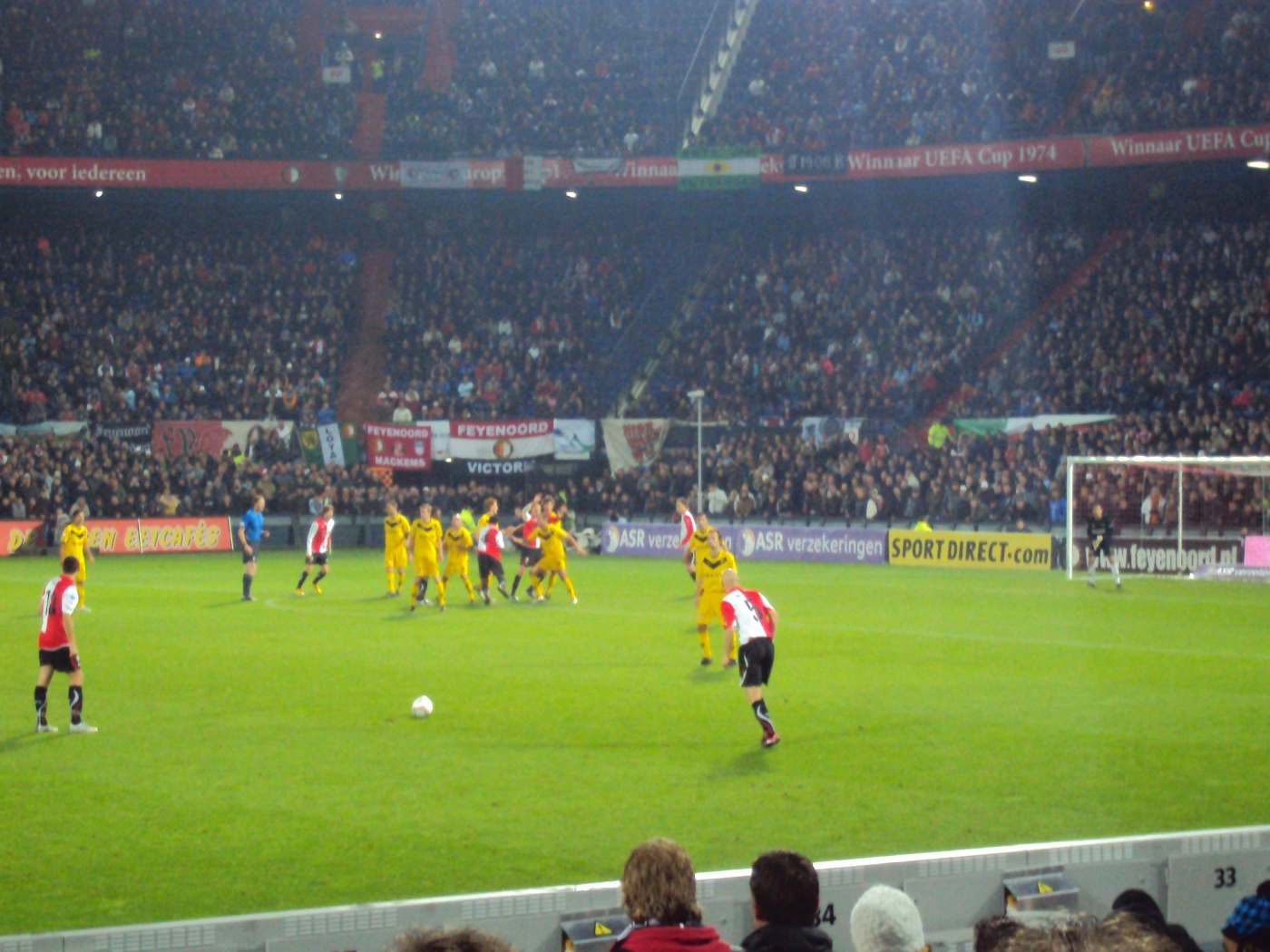
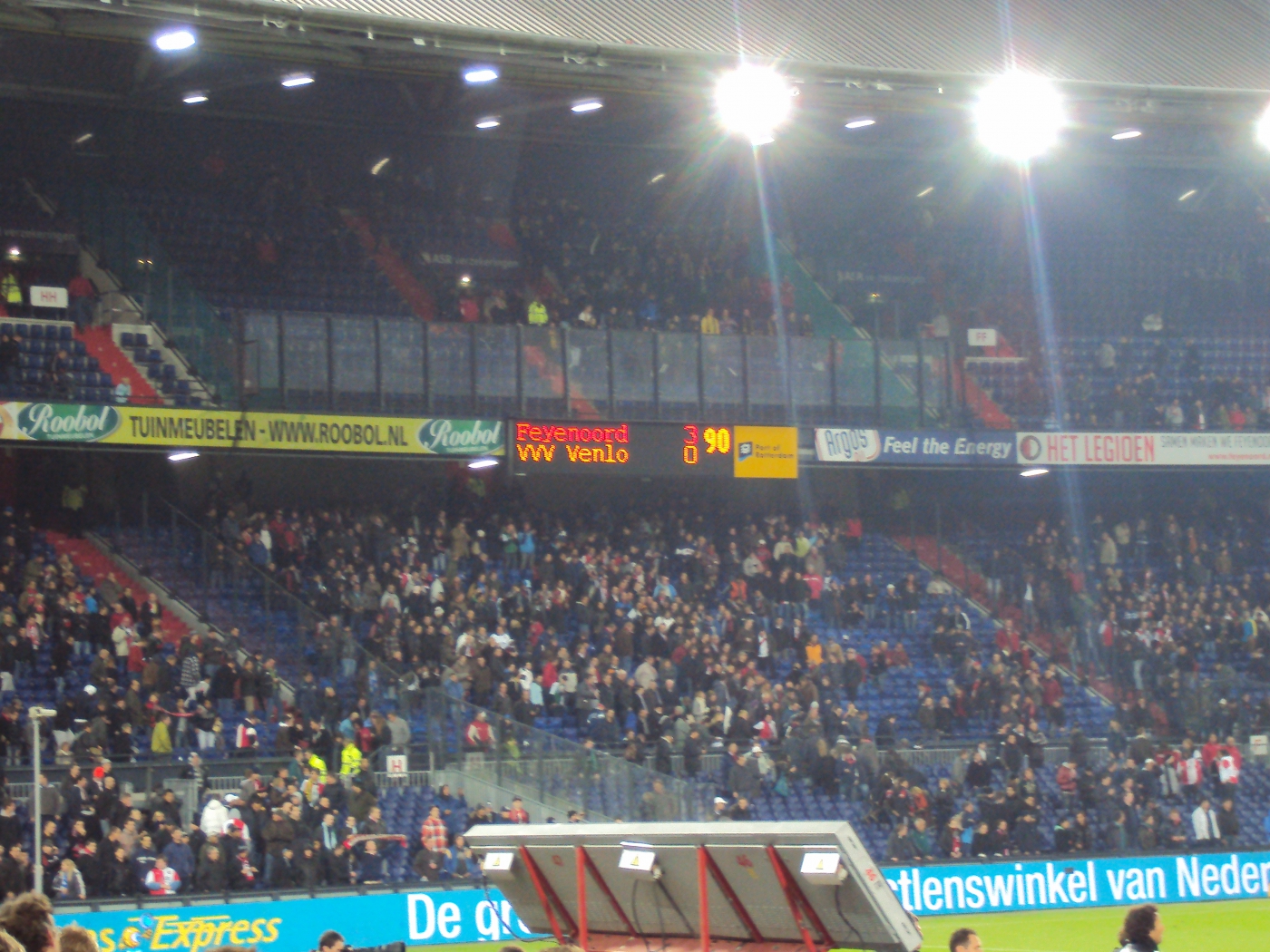
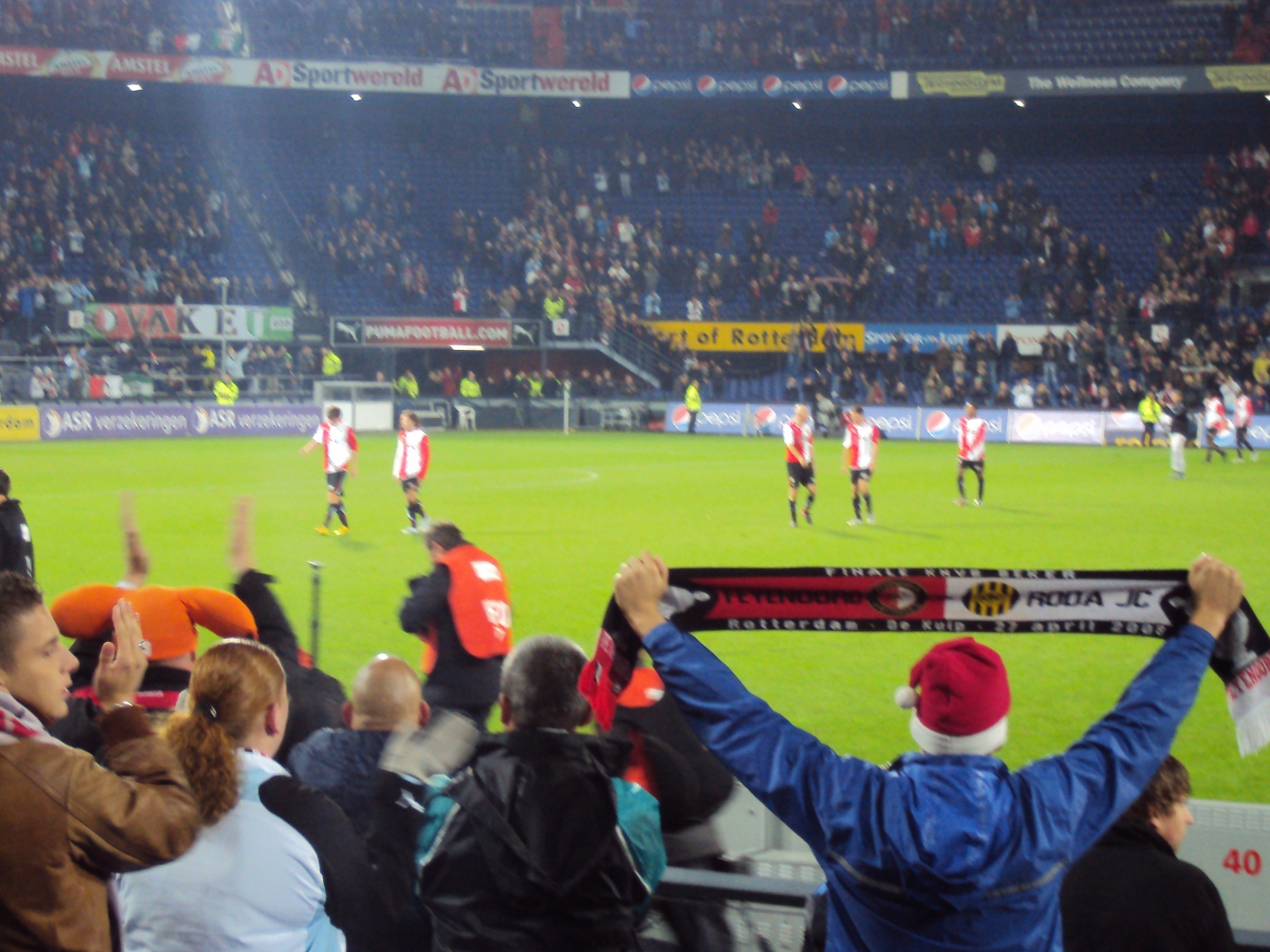
In the vibrant city of Rotterdam, Netherlands, stands one of European football's most revered temples: Stadion Feijenoord, universally known as De Kuip. This iconic venue is the spiritual home of Feyenoord, a club deeply interwoven with the city's identity, and has witnessed countless moments of footballing glory since its inception.
A Vision Takes Shape
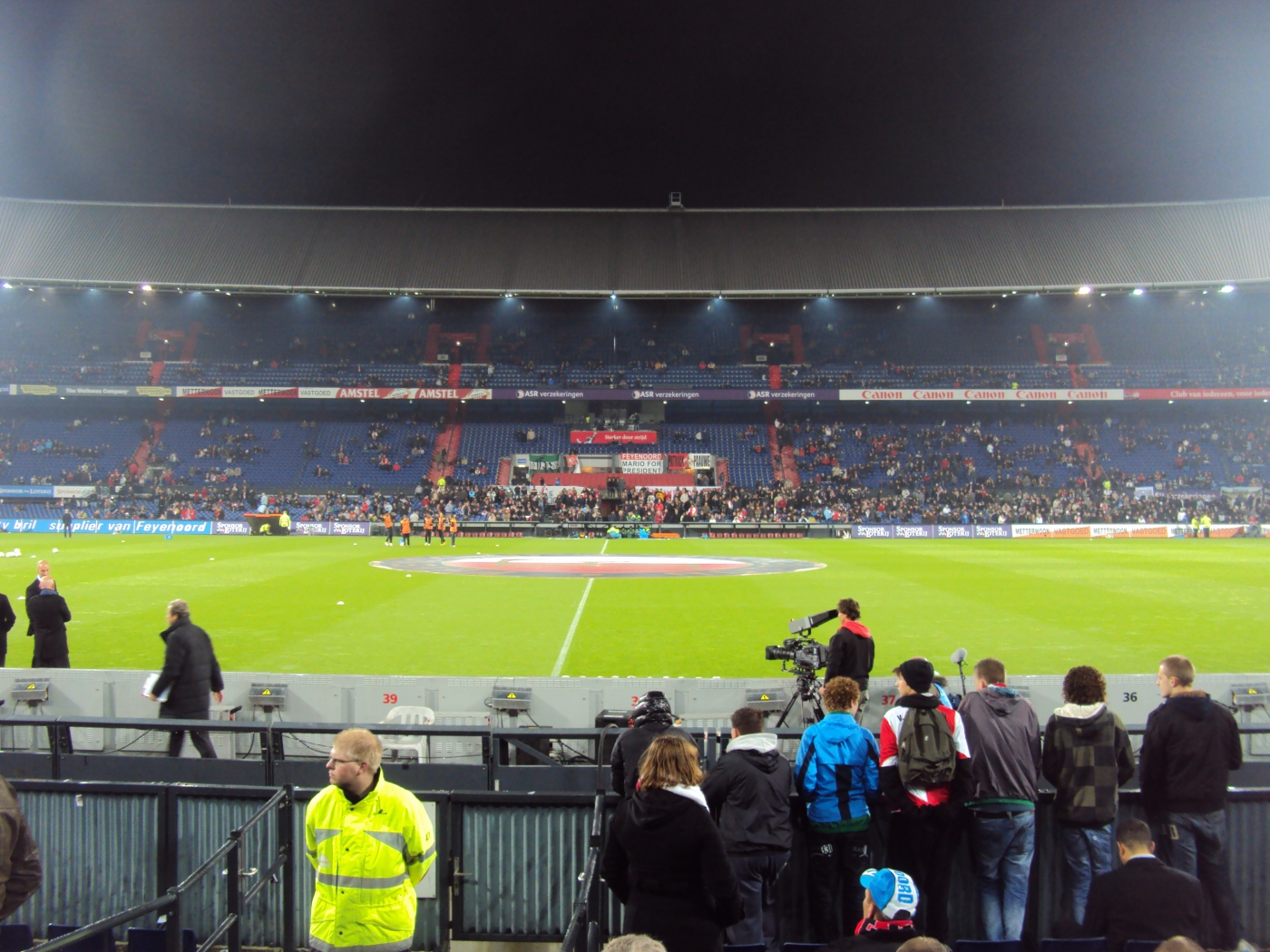
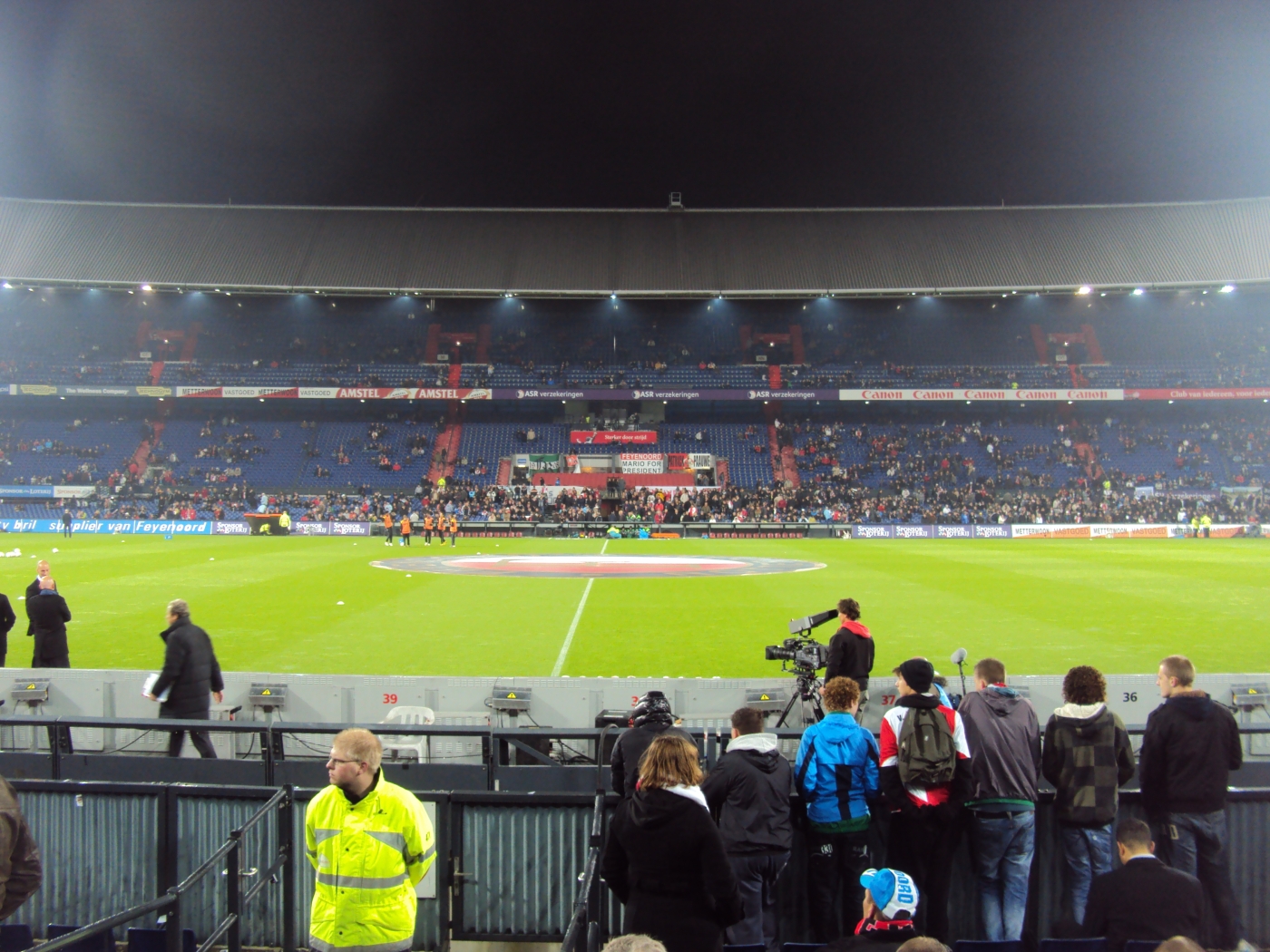
The genesis of De Kuip dates back to the 1930s. Driven by the ambitious vision of Feyenoord president Leen van Zandvliet, the stadium was designed by the renowned architect Leendert van der Vlugt. Opened in 1937, it was a marvel of its time, a bold statement in concrete and steel that eschewed traditional stadium designs for a modern, functional aesthetic. Its distinctive oval shape, with its steeply raked stands, quickly earned it the affectionate nickname "De Kuip", which translates to "The Tub" or "The Bathtub" in Dutch, a nod to its unique bowl-like appearance.
Architectural Grandeur
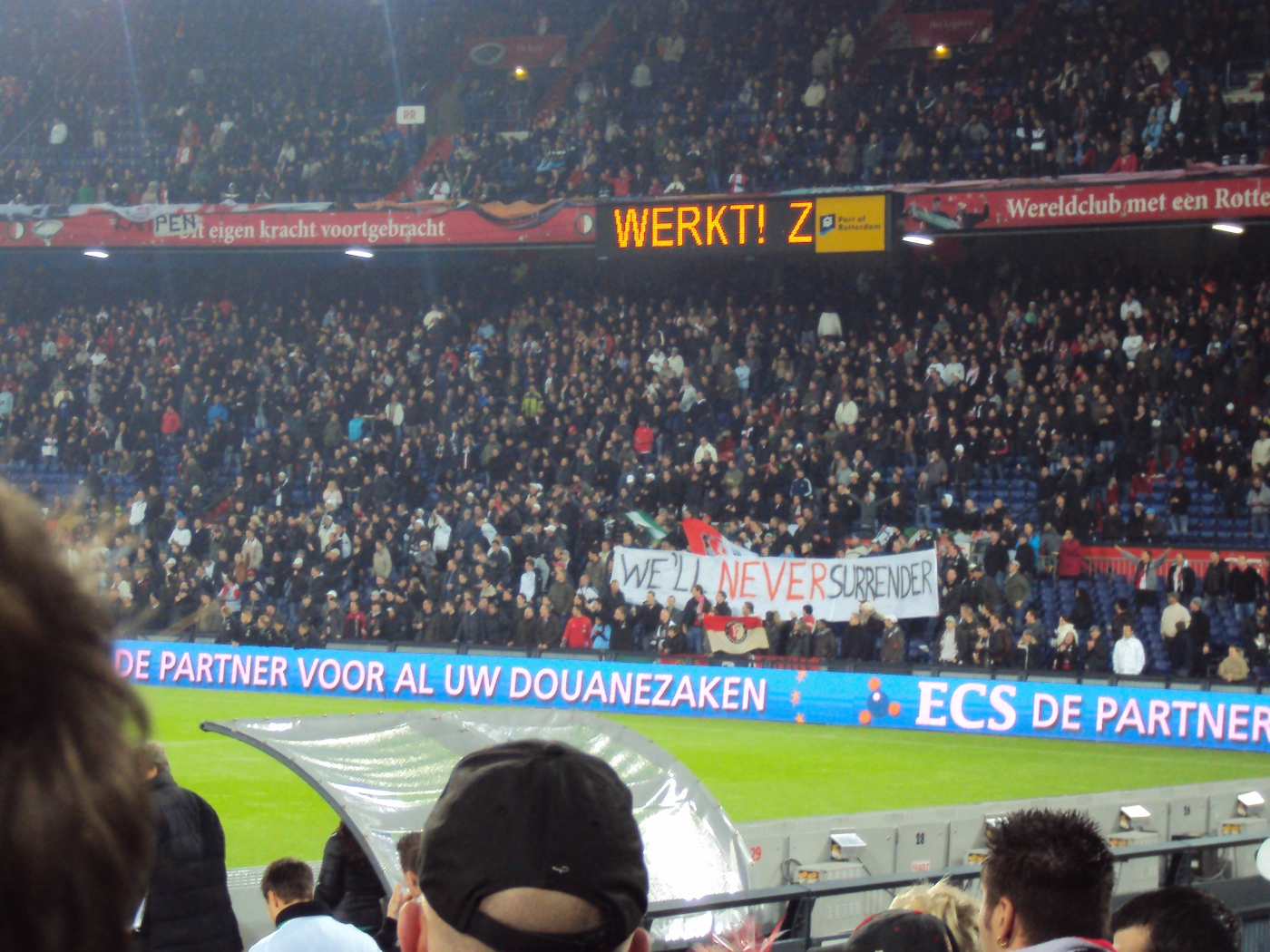
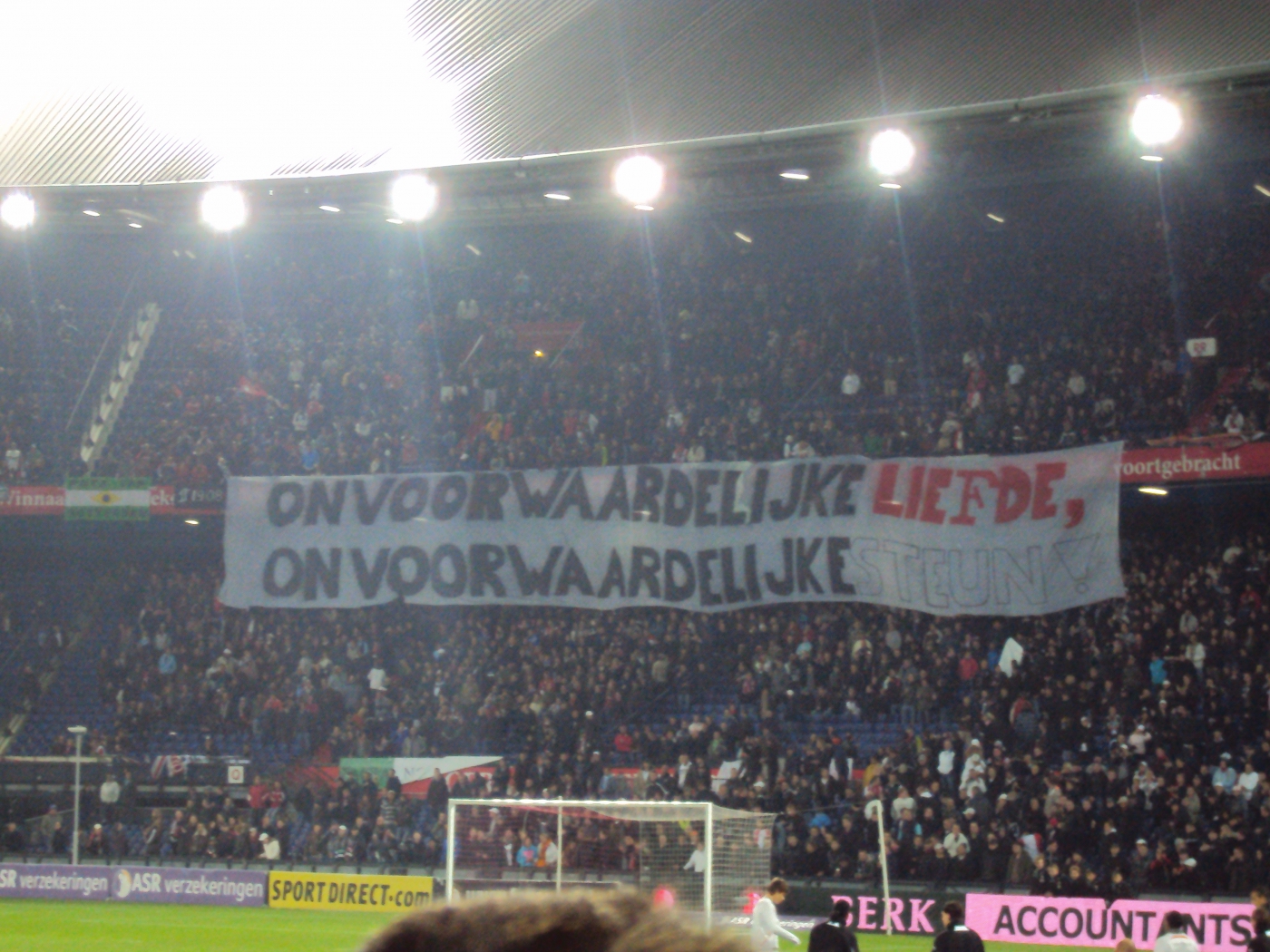
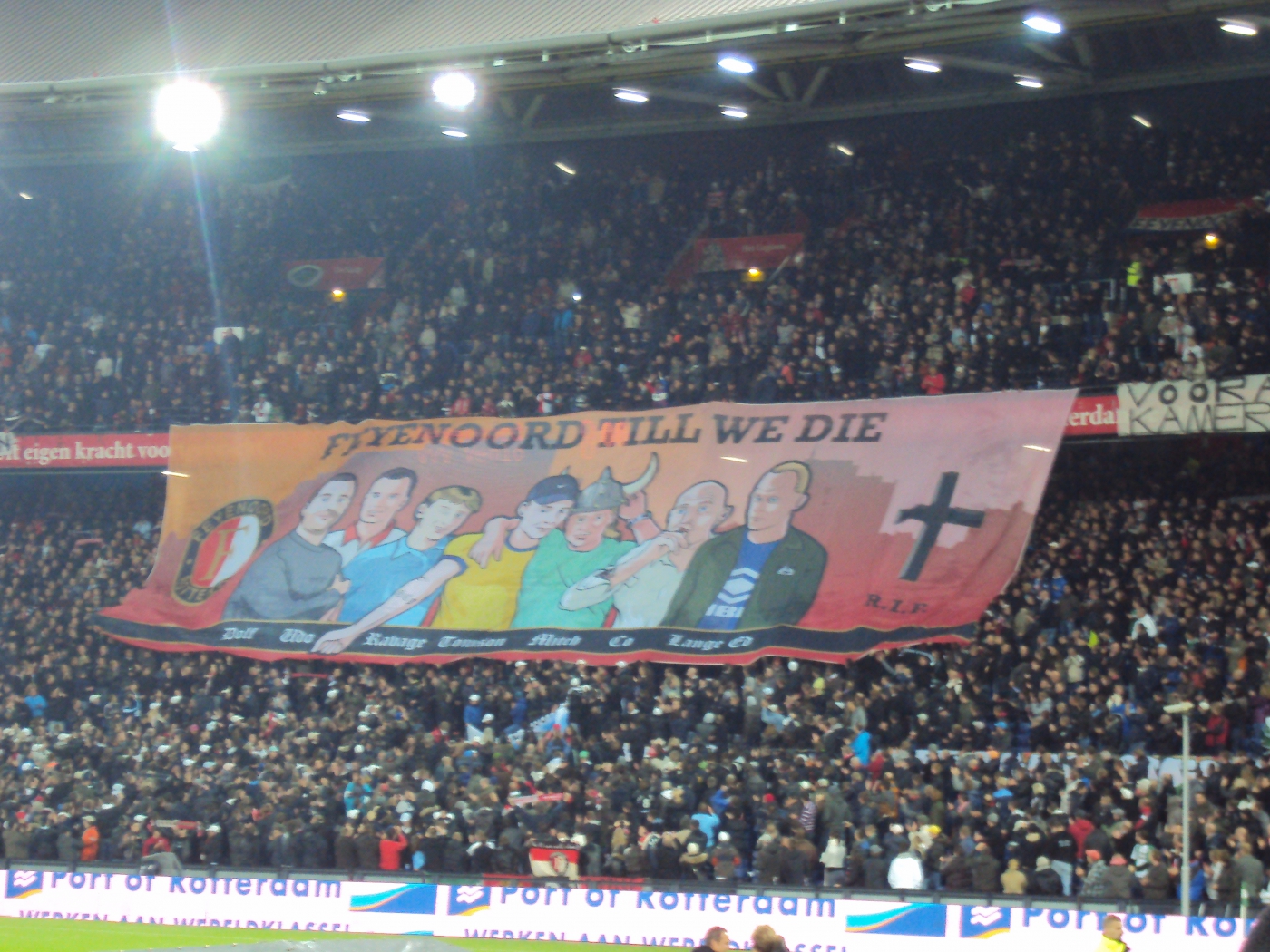
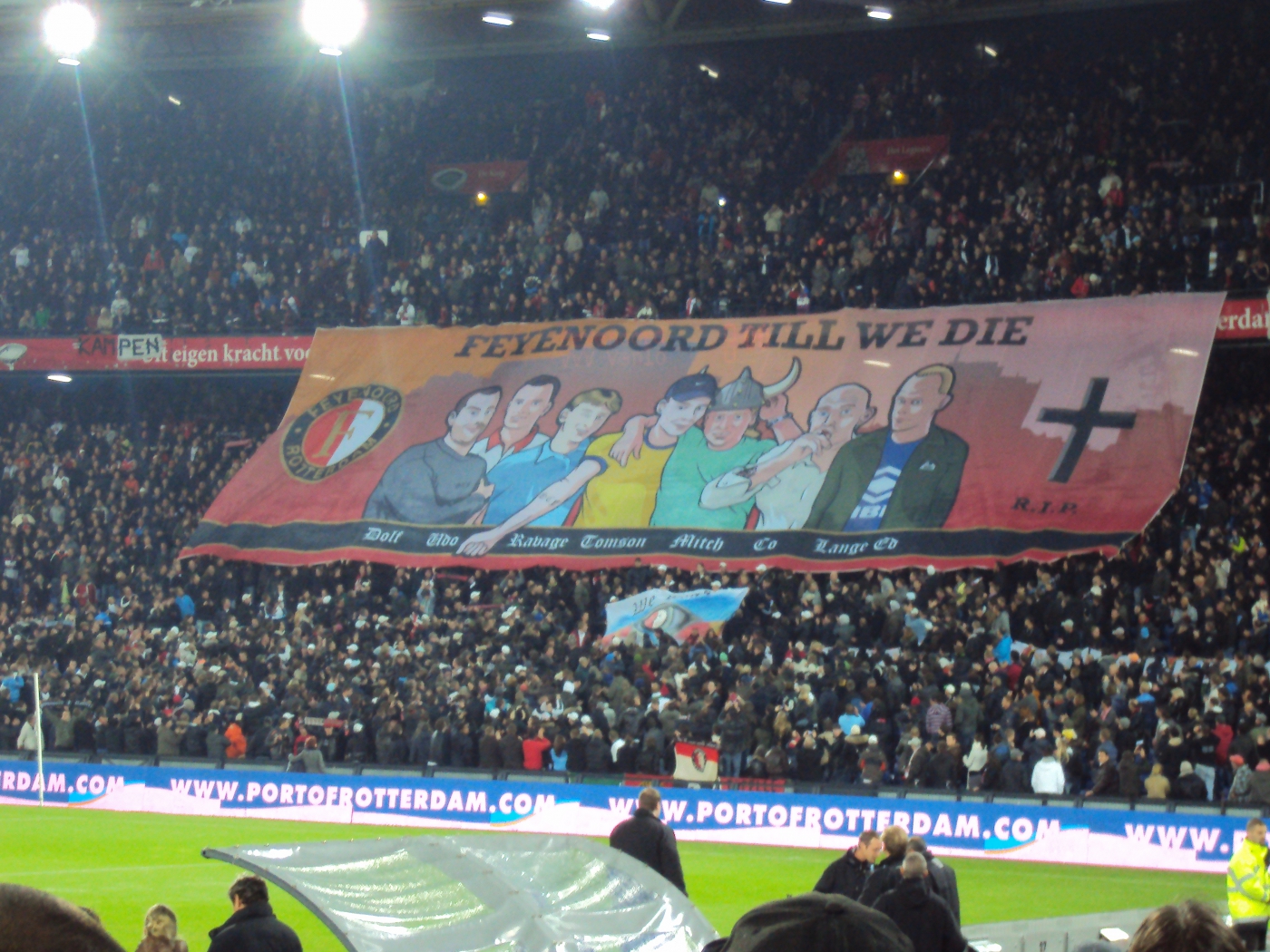
At its opening, De Kuip boasted an impressive capacity of over 64,000 spectators, making it one of the largest and most advanced stadiums in Europe. Its innovative two-tier design offered unobstructed views from almost every seat, a revolutionary concept that would later influence stadium architecture worldwide. The atmosphere within De Kuip is legendary, often described as electric, especially during crucial matches involving Feyenoord, where the passion of the "Het Legioen" (The Legion) creates an unforgettable experience.
A Stage for Greatness
Beyond its role as home to Feyenoord, De Kuip has proudly hosted a remarkable number of major international finals, solidifying its status as a premier European venue. It has been the stage for no less than ten European club finals, including six UEFA Cup/Europa League finals and four prestigious European Cup/Champions League finals (1963, 1972, 1982, 1997). Furthermore, it had the distinct honour of hosting the final of the UEFA Euro 2000 tournament, showcasing the pinnacle of international football.
Enduring Legacy
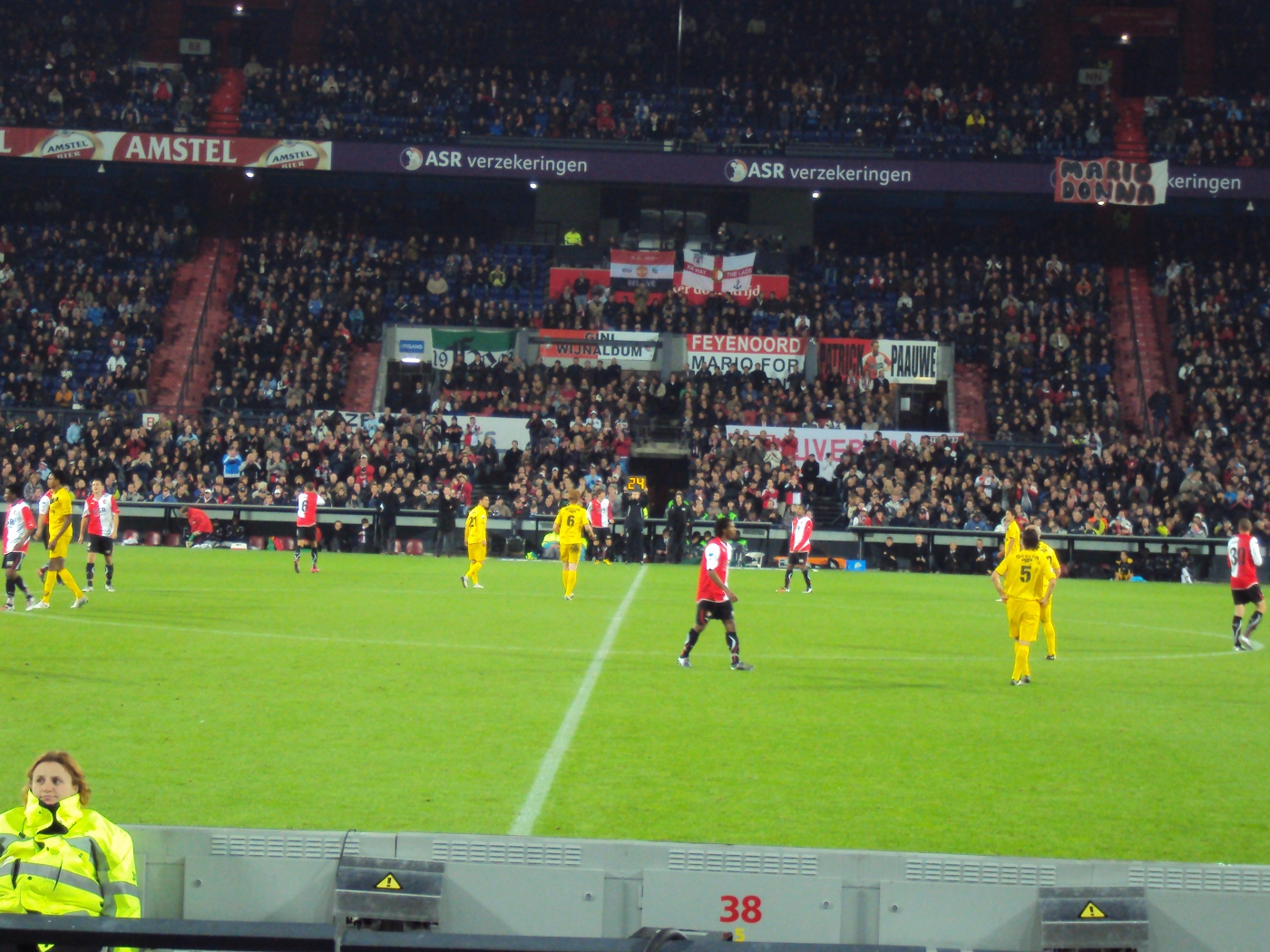
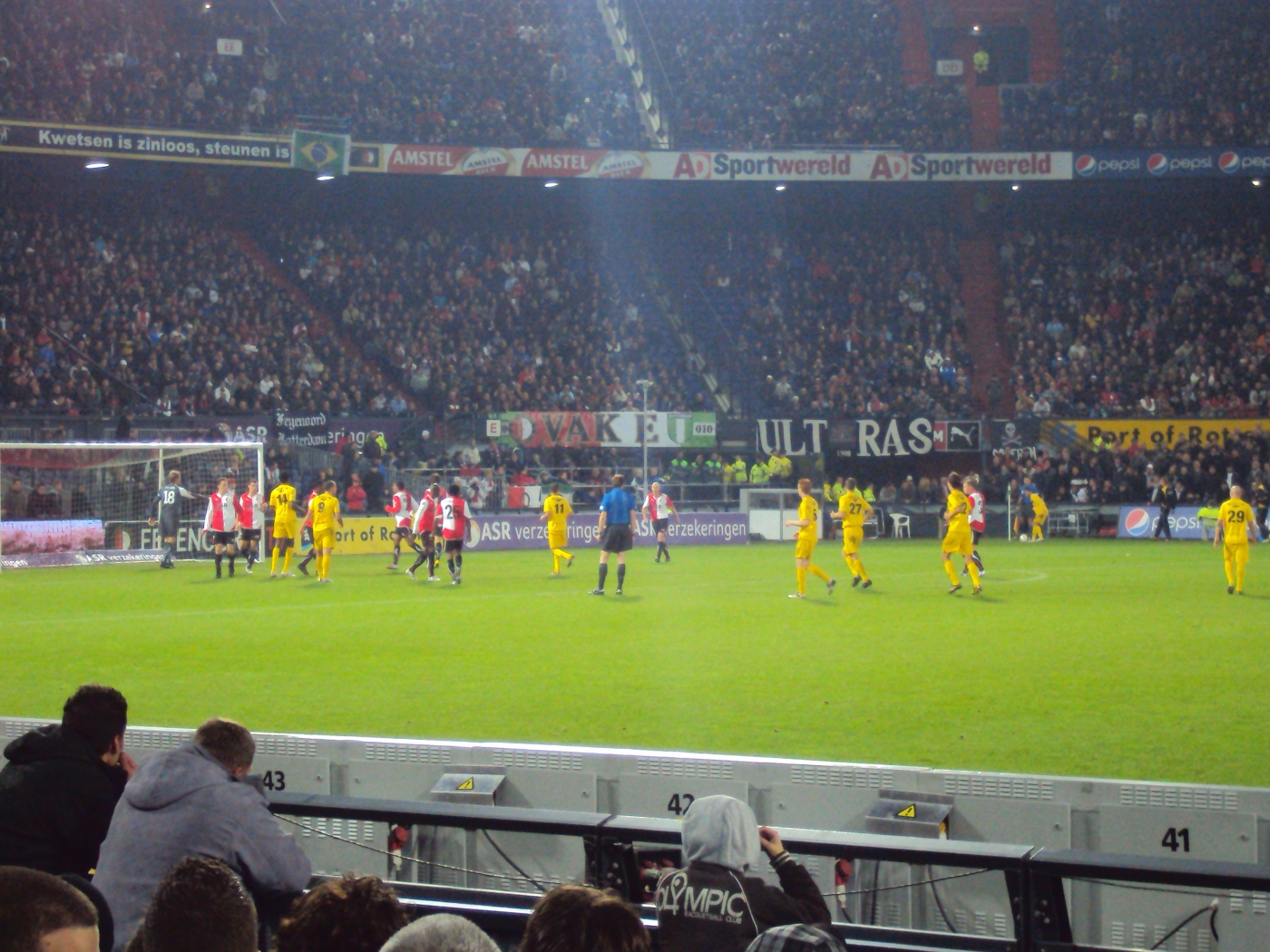
While undergoing various renovations and modernizations over the decades to comply with contemporary safety and comfort standards, De Kuip has largely retained its original charm and character. Today, with a capacity of approximately 51,117, it continues to be a vibrant hub for football, concerts, and other events. Its legacy is not just in its architectural innovation or the illustrious matches it has hosted, but in its deep connection to the heart and soul of Rotterdam and its beloved club, Feyenoord.