Feyenoord Rotterdam
Rotterdam, Netherlands
About the Club:
Feyenoord Rotterdam: A football institution rooted deep in the working-class heart of its namesake city, stands as a formidable beacon of Dutch football heritage. Hailing from Rotterdam, Netherlands, this club embodies a spirit of resilience and unwavering passion, cherished by one of the most fervent fanbases in Europe. It's more than just a club; it's a symbol of its city's identity and pride. To learn more about the club, visit the official Feyenoord website.
A Storied Beginning
The club's journey began on July 19, 1908, initially under the name Wilhelmina. After a few changes, including Hilledijk and Celeritas, the club officially adopted the name Feijenoord (later Feyenoord) in 1912, representing the district where it was founded. From humble beginnings, Feyenoord quickly established itself as a force, earning promotion to the top flight within a decade and laying the groundwork for future glory.
Pioneers of Europe
Feyenoord etched its name in continental football history by becoming the first Dutch club to win the prestigious European Cup in 1970. Under the astute management of Ernst Happel, they defeated Celtic FC 2-1 in Milan, a monumental achievement that paved the way for other Dutch successes. You can read more about this historic final here: 1970 European Cup Final. This was followed by a UEFA Cup victory in 1974 against Tottenham Hotspur, and a second UEFA Cup triumph in 2002, where they beat Borussia Dortmund in their own stadium, De Kuip. The club boasts numerous Eredivisie titles and KNVB Cups, reinforcing its status as a Dutch giant.
The Home of Feyenoord
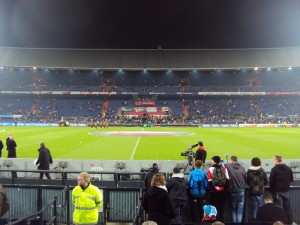
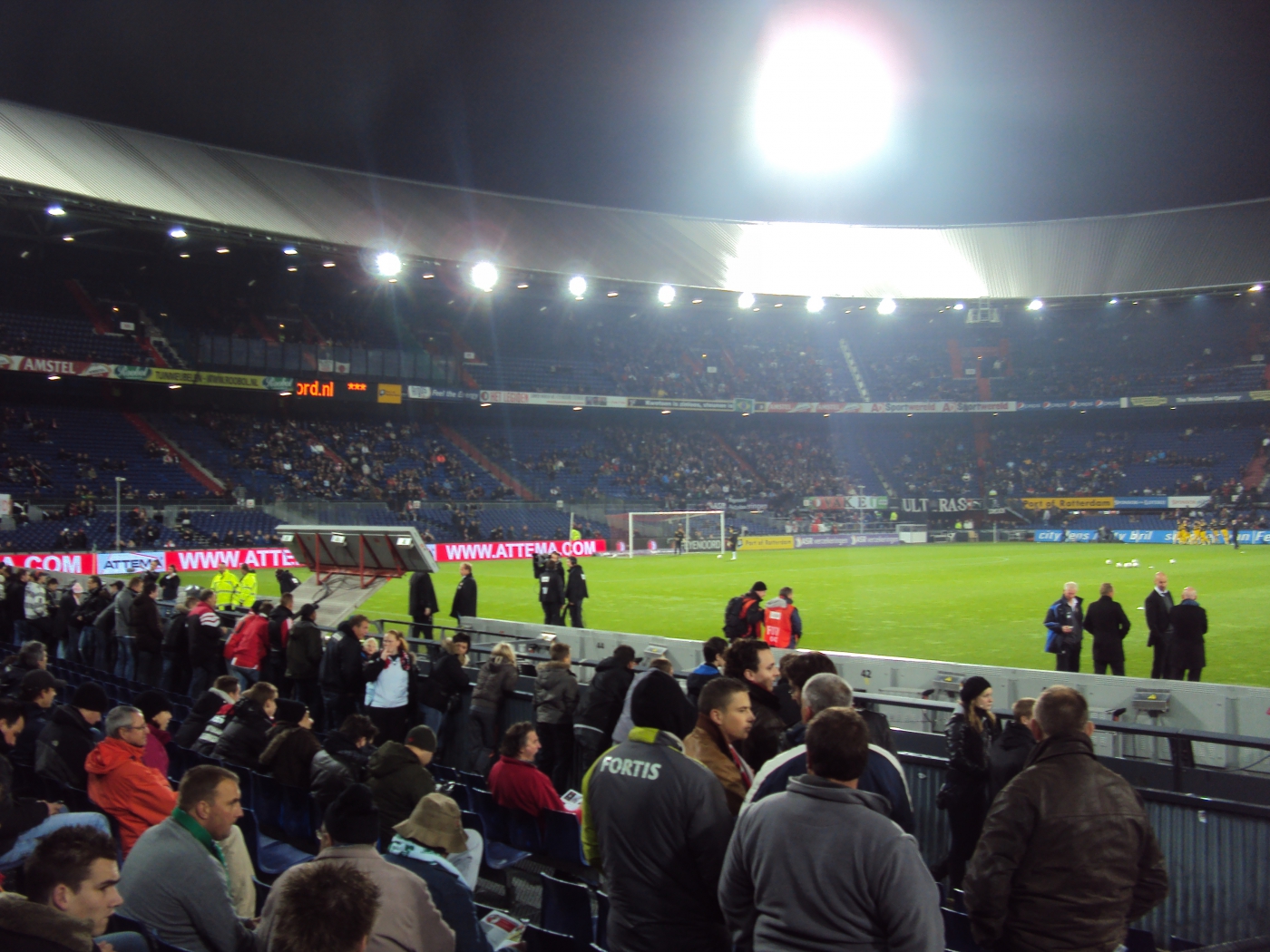
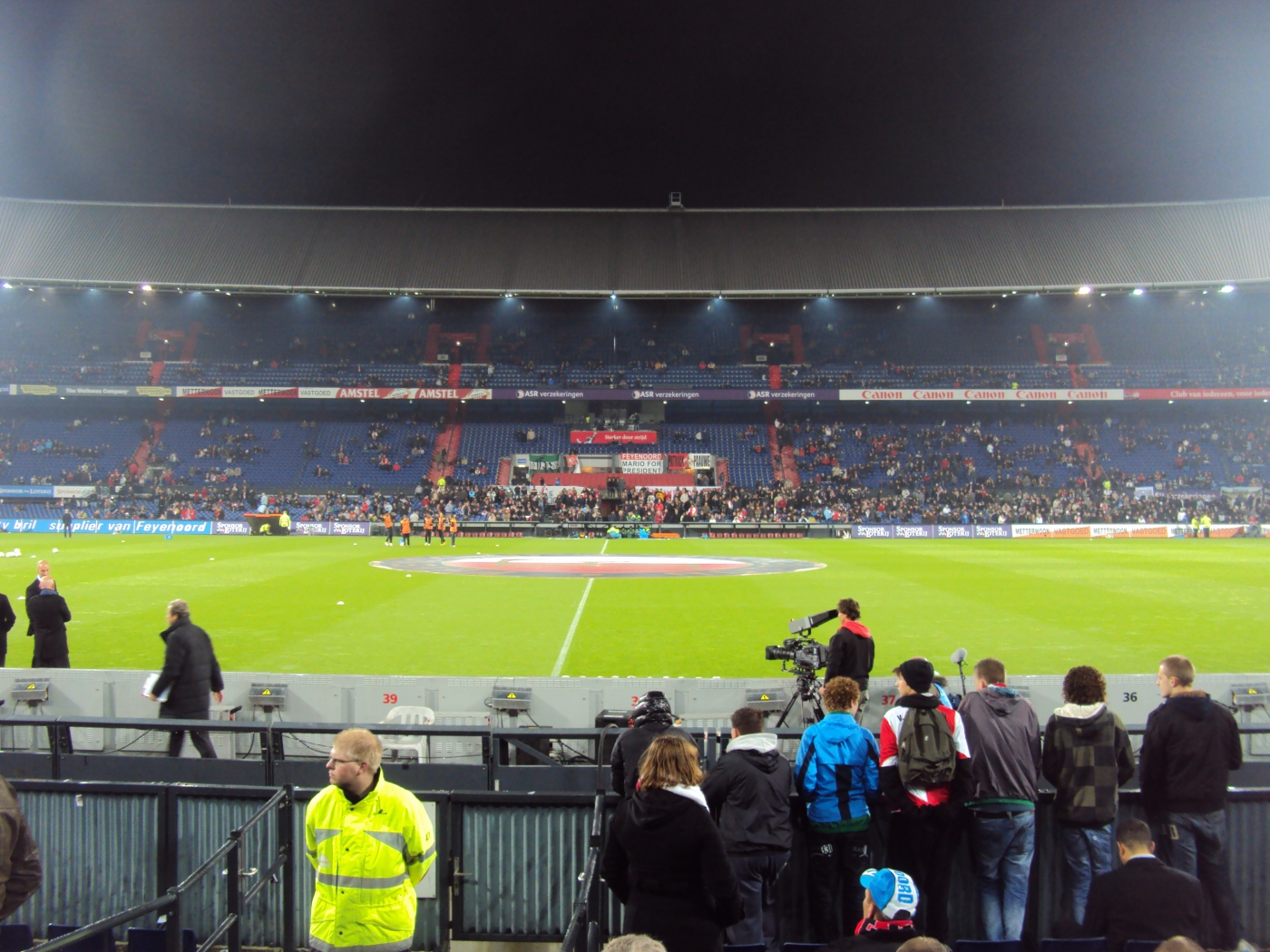
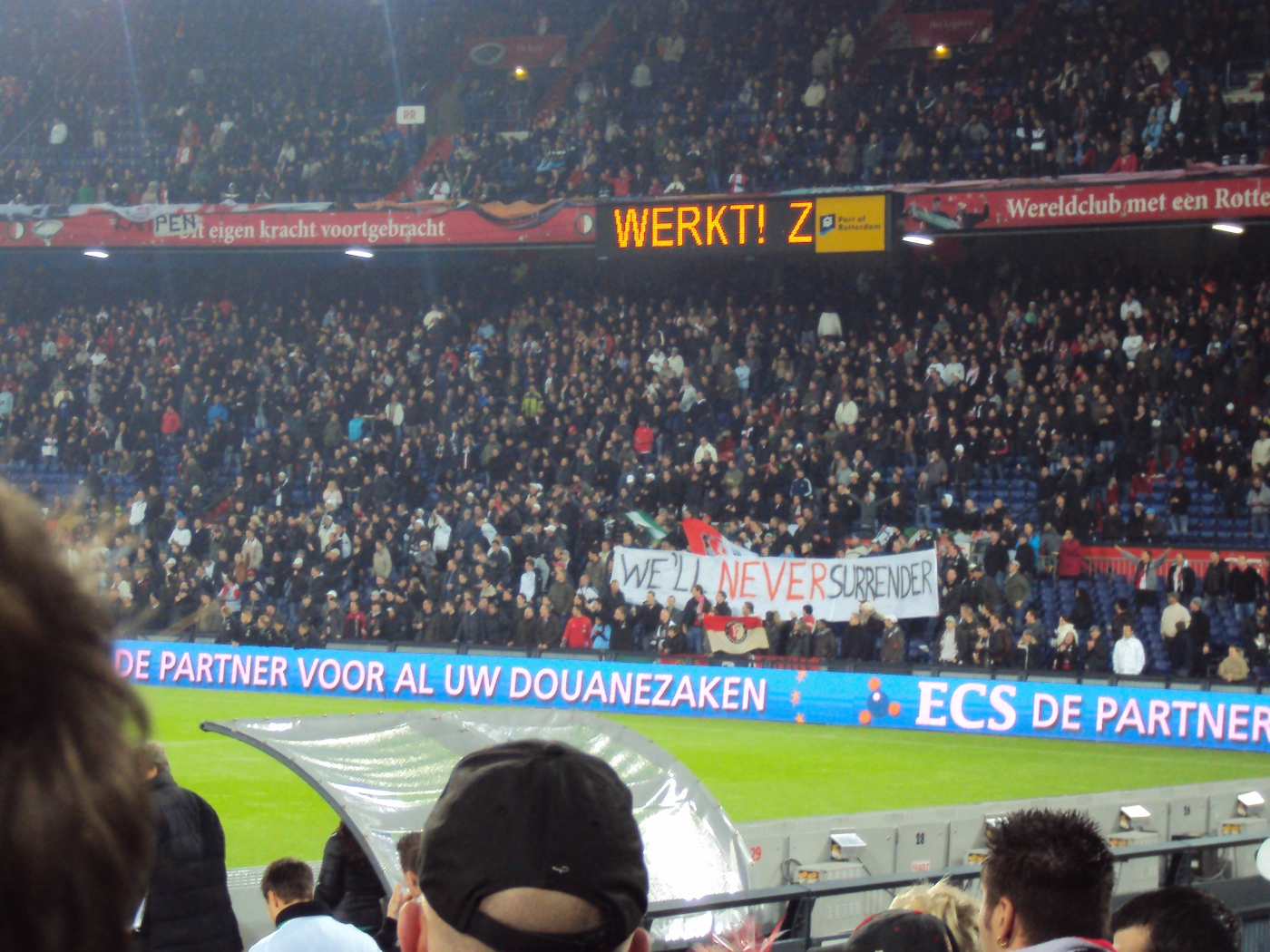
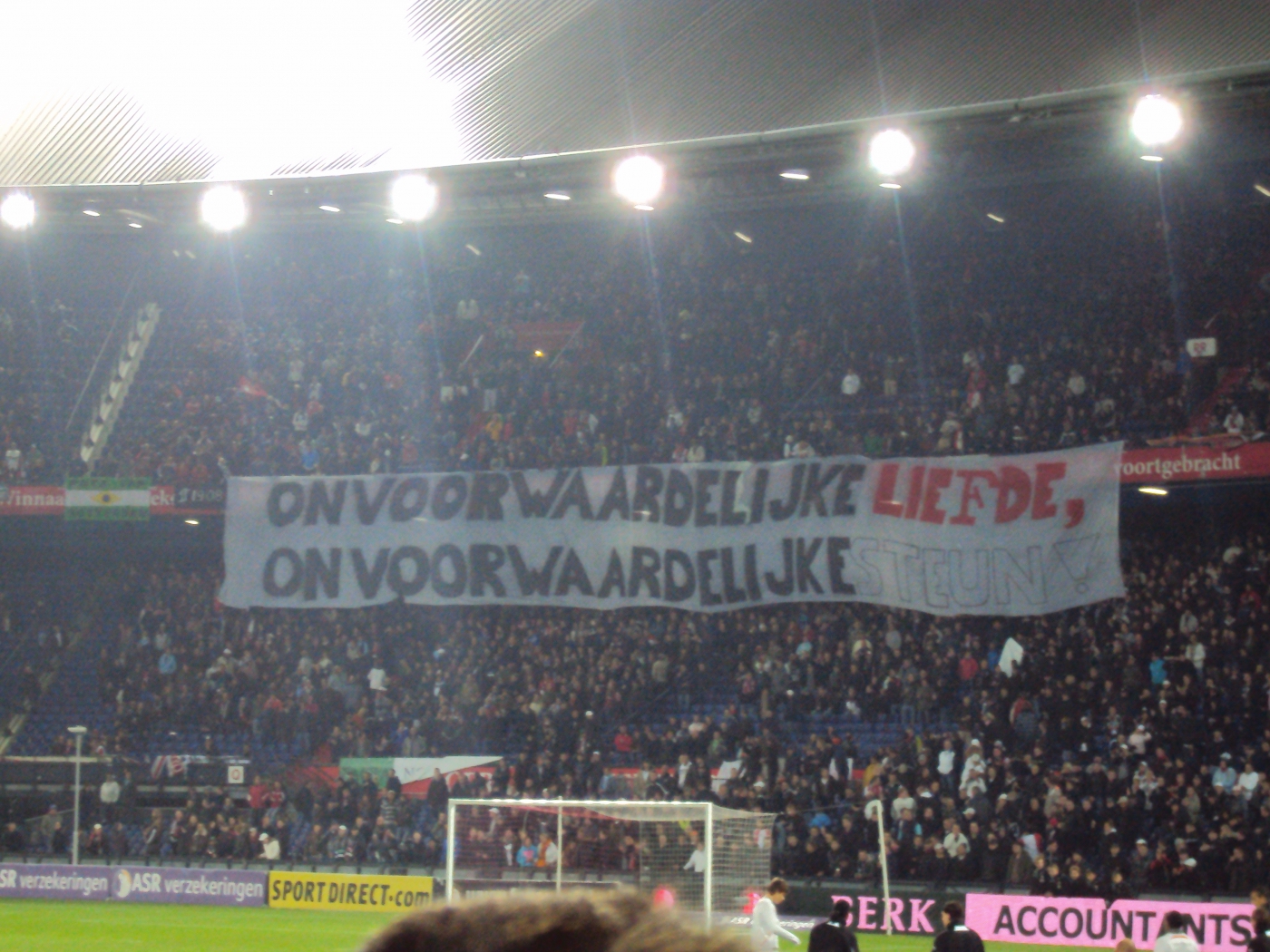
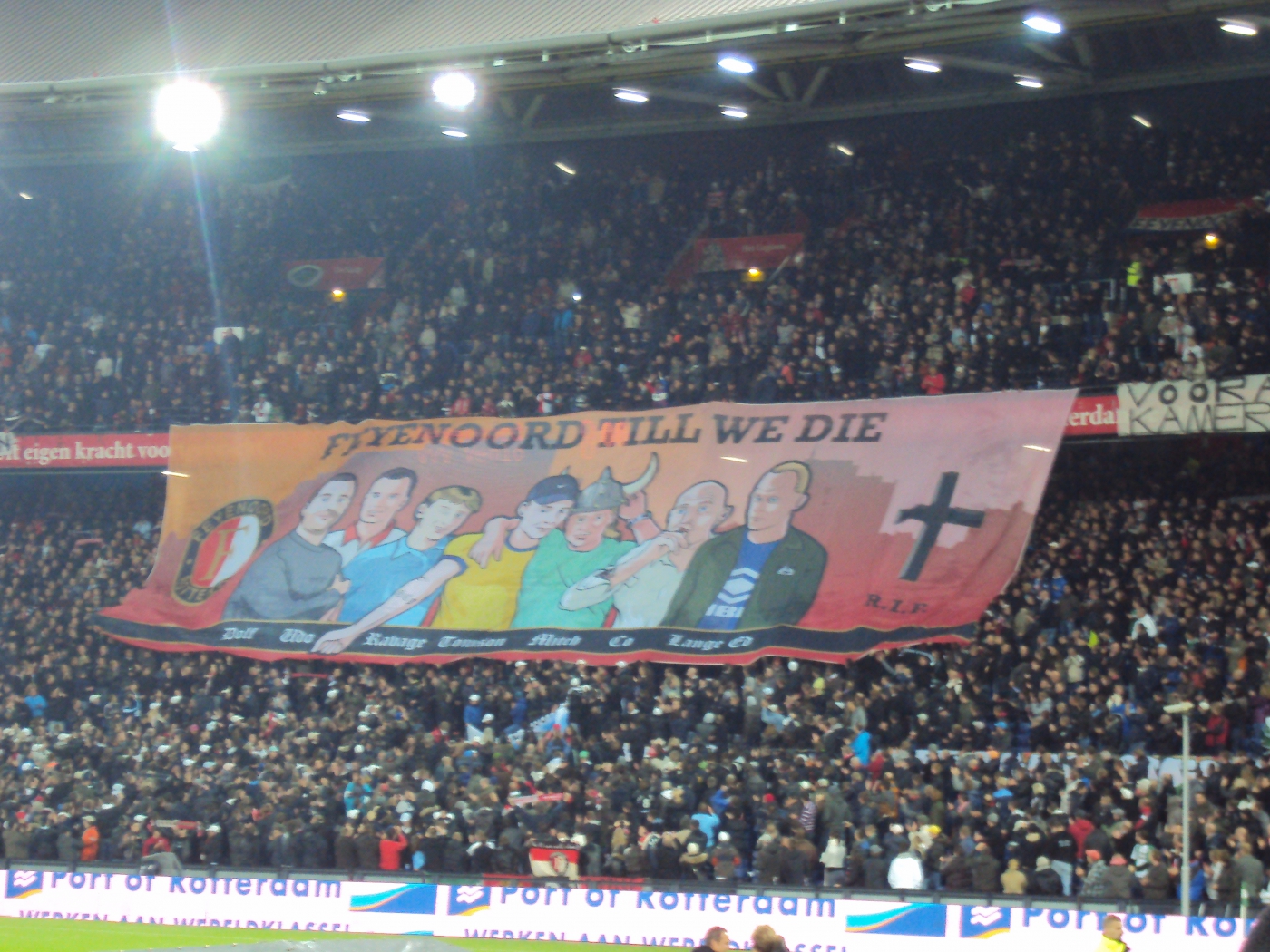
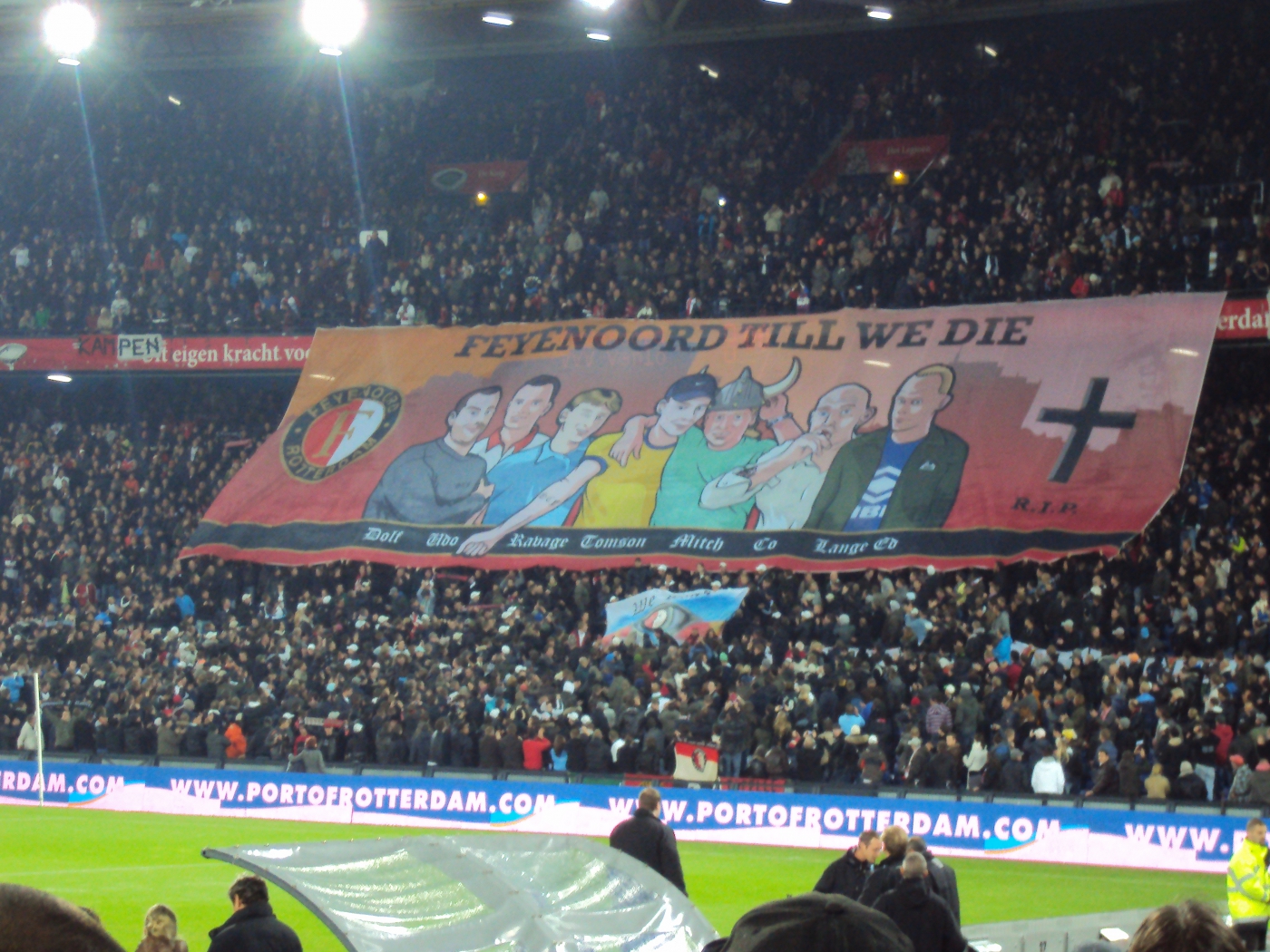
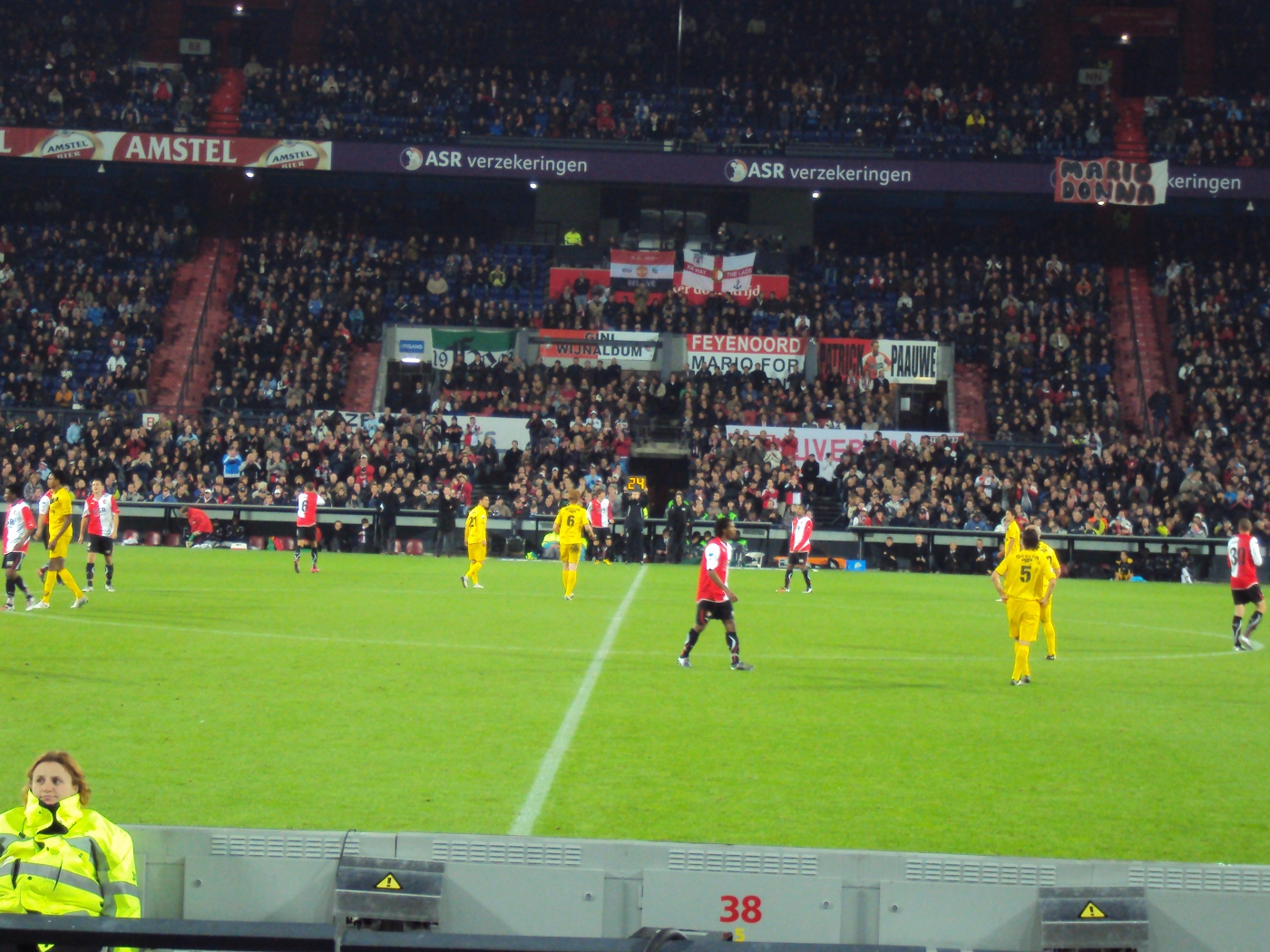
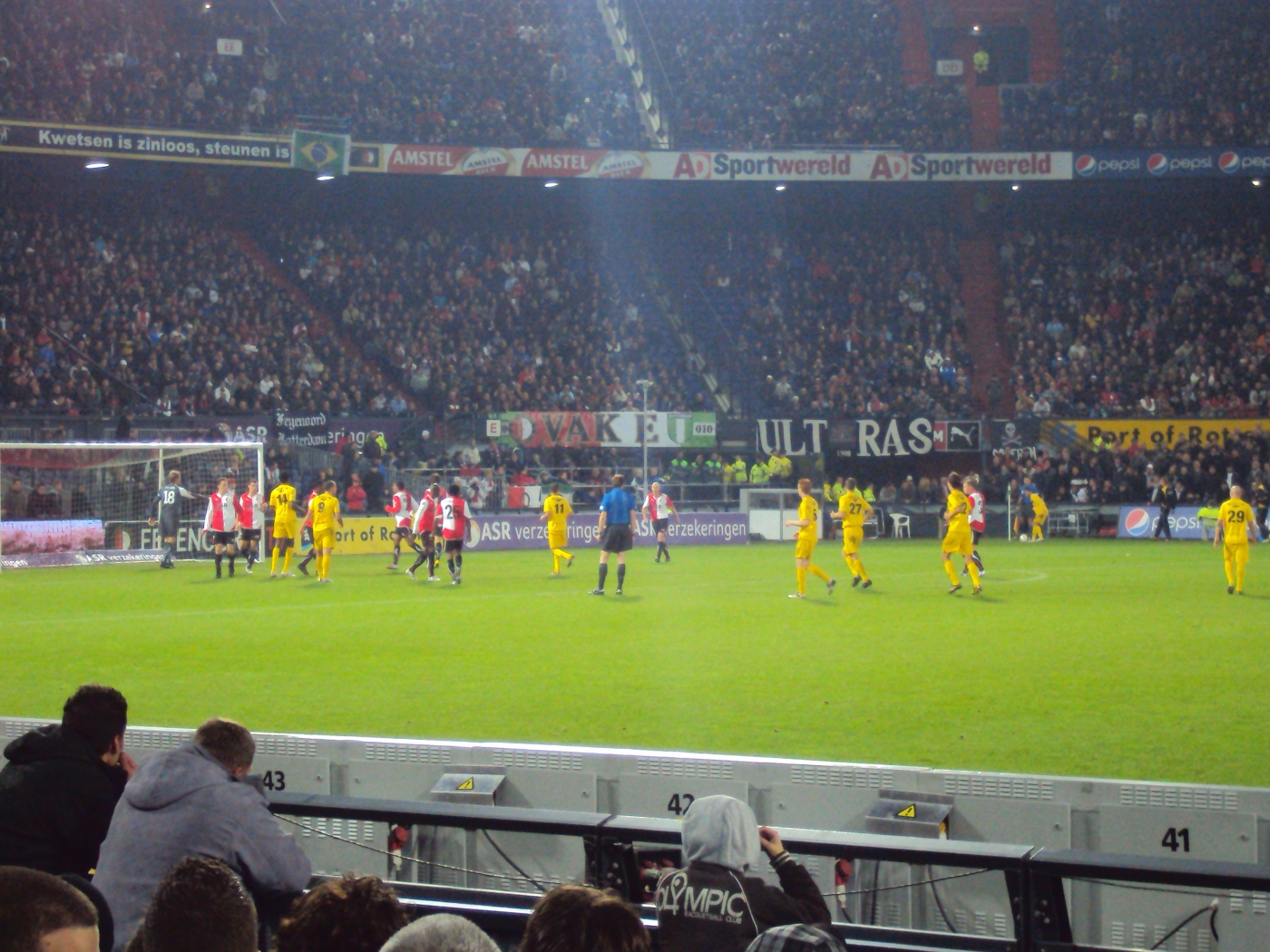
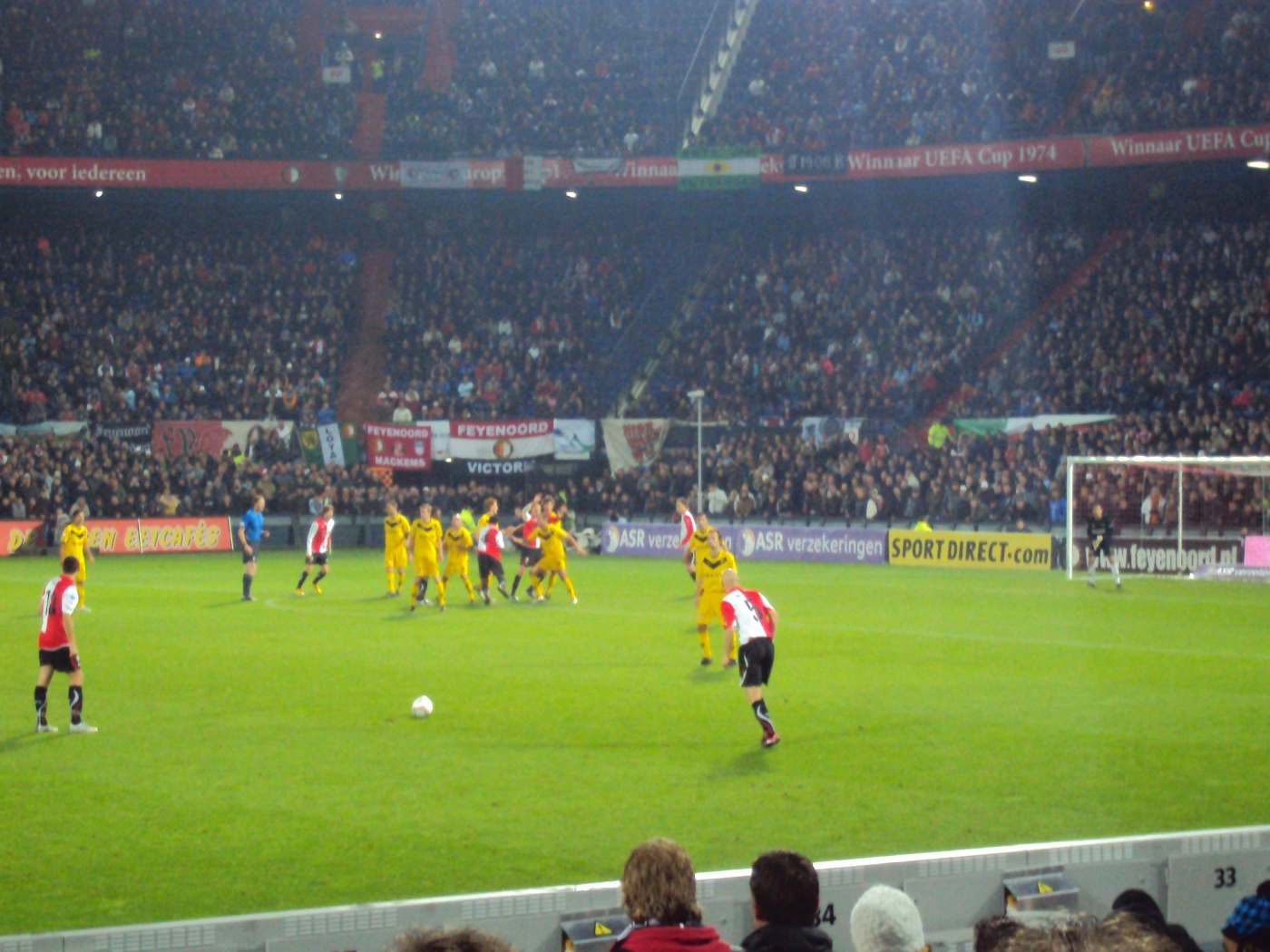
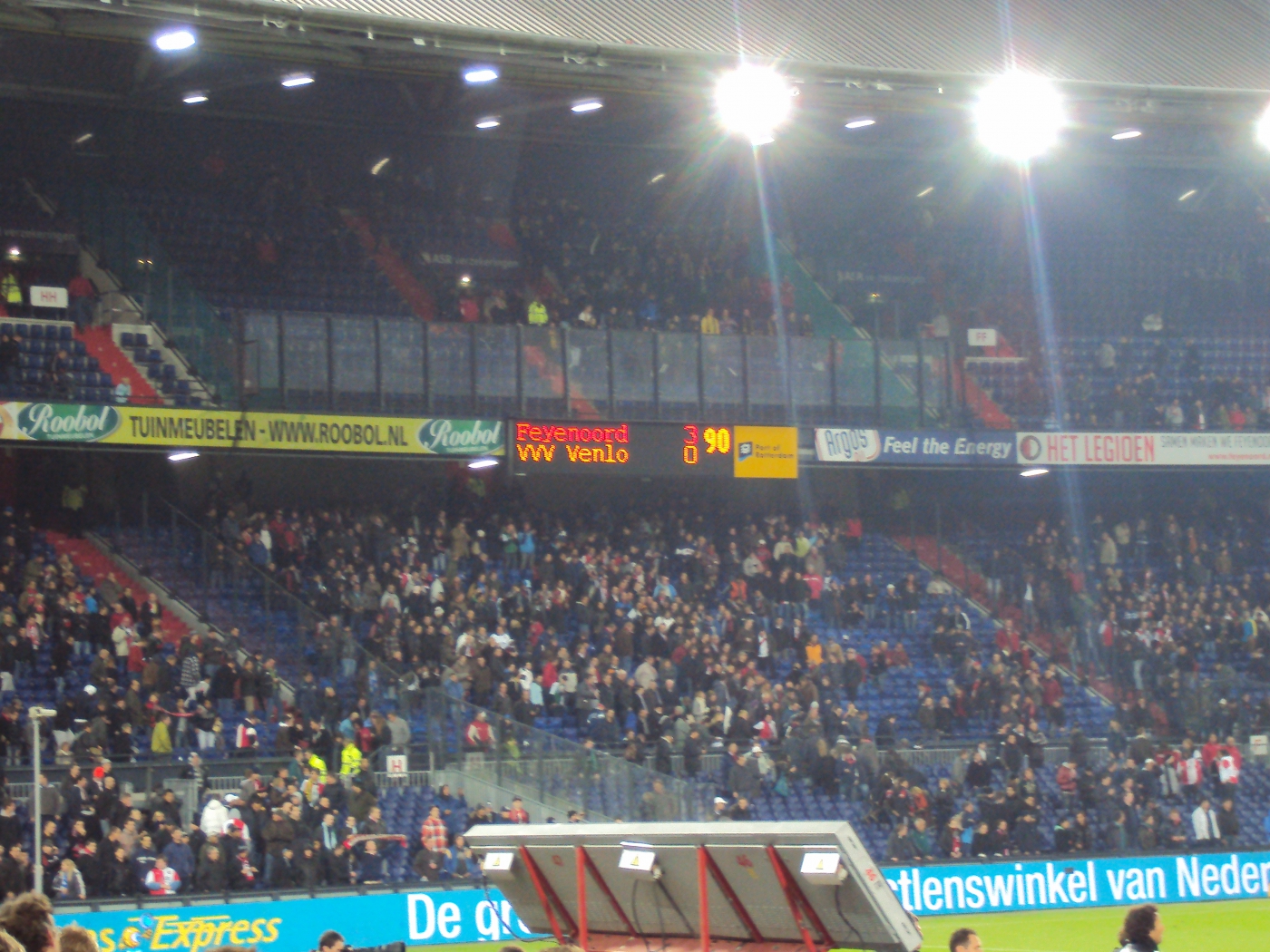
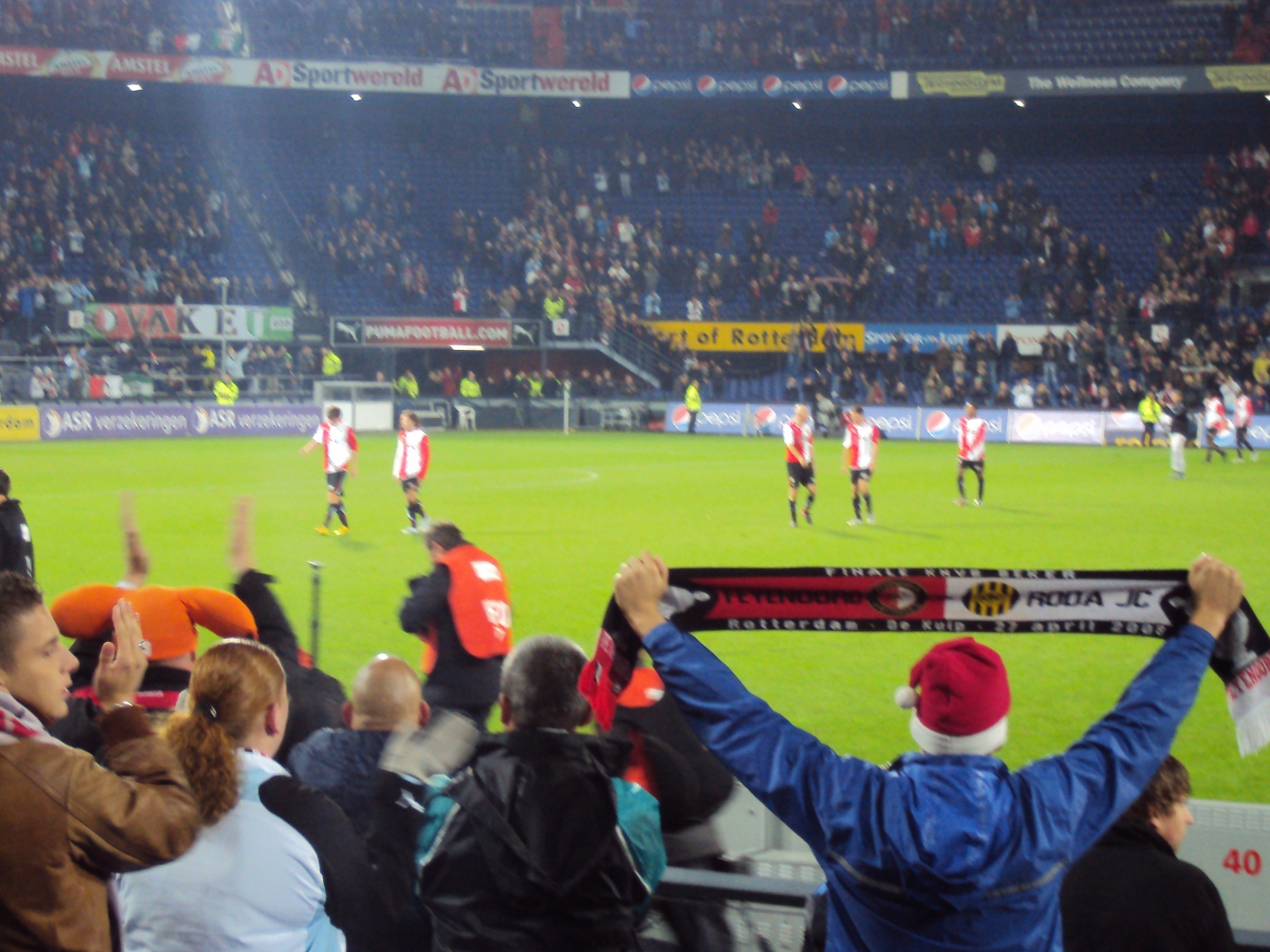
Their legendary stadium, De Kuip (The Tub), officially known as Stadion Feyenoord, is more than just a venue; it's a cathedral of football for its devoted supporters. Opened in 1937, its classic architecture and intense atmosphere make it one of Europe's most revered grounds, providing a formidable home advantage. Learn more about De Kuip Stadium.
The Klassieker
The rivalry between Feyenoord and Ajax from Amsterdam is legendary, known as De Klassieker. It's not merely a football match but a clash of cultures and cities, representing the deep-seated historical and social differences between Rotterdam and Amsterdam, fueling one of the most intense rivalries in world football. For more details, see the De Klassieker Wikipedia page.
Legacy of Passion
The bond between Feyenoord and the city of Rotterdam is unbreakable. Known for its working-class roots, the club mirrors the city's industrious spirit. Its anthem, "Hand in Hand Kameraden" ("Hand in Hand, Comrades"), encapsulates the club's ethos: unity, hard work, and an unyielding loyalty that defines the unique Feyenoord culture. This enduring passion ensures Feyenoord remains a vibrant and essential part of European football.
Links and Social Media:
stadium: