Pride Park Stadium
Ground Floor Retail Unit, Pride Park Stadium, Derby, England
About the Stadium:
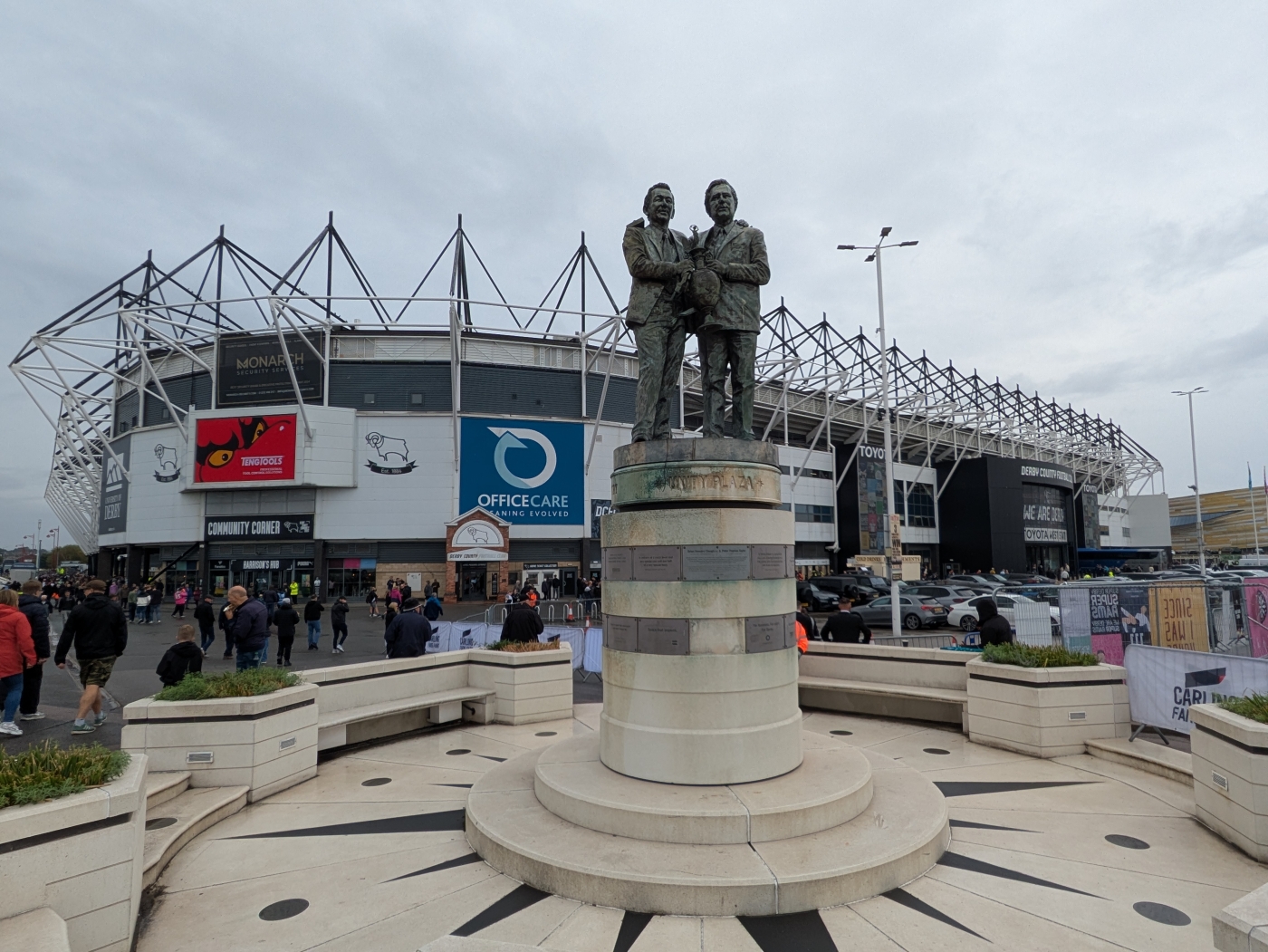
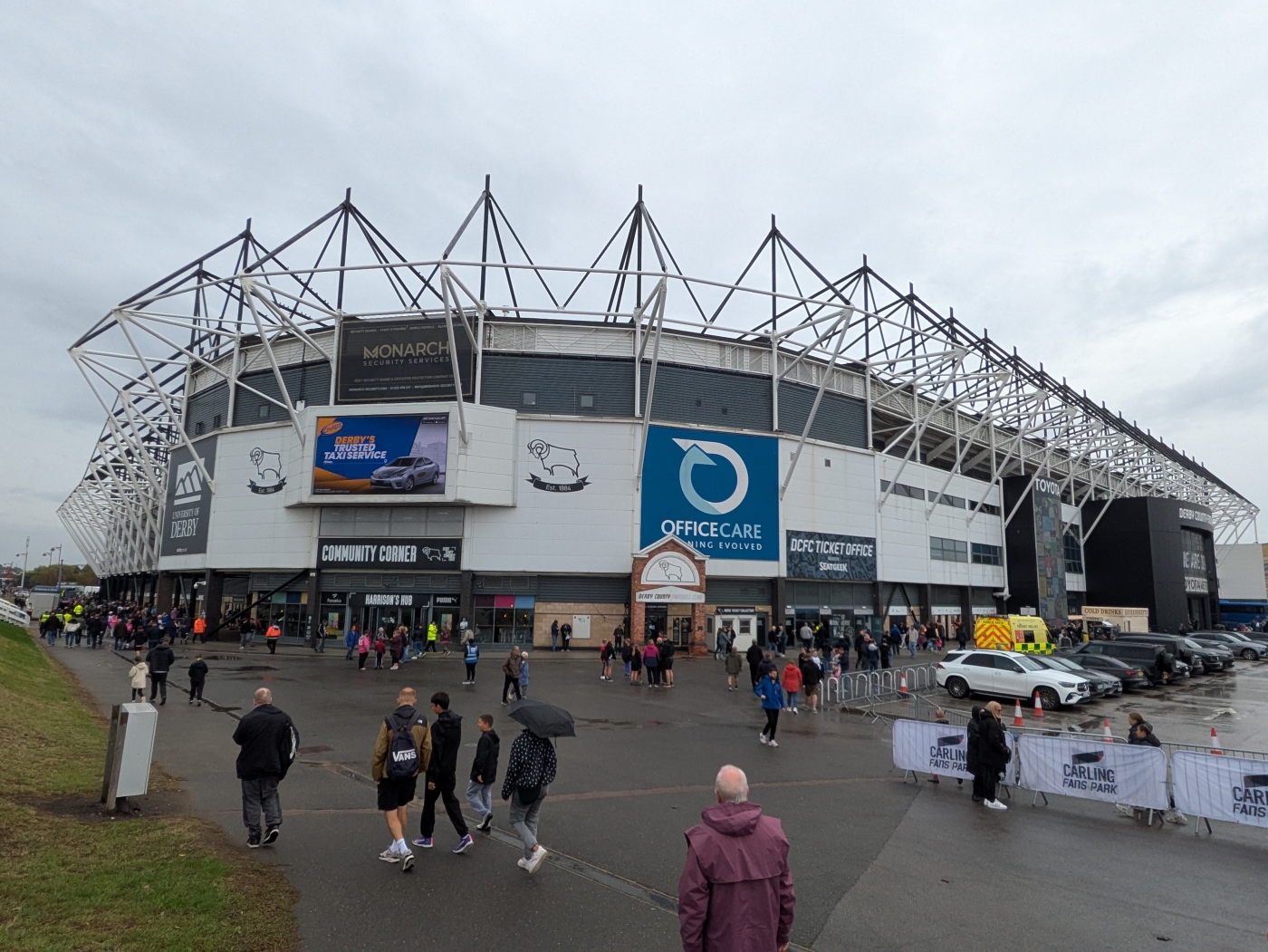
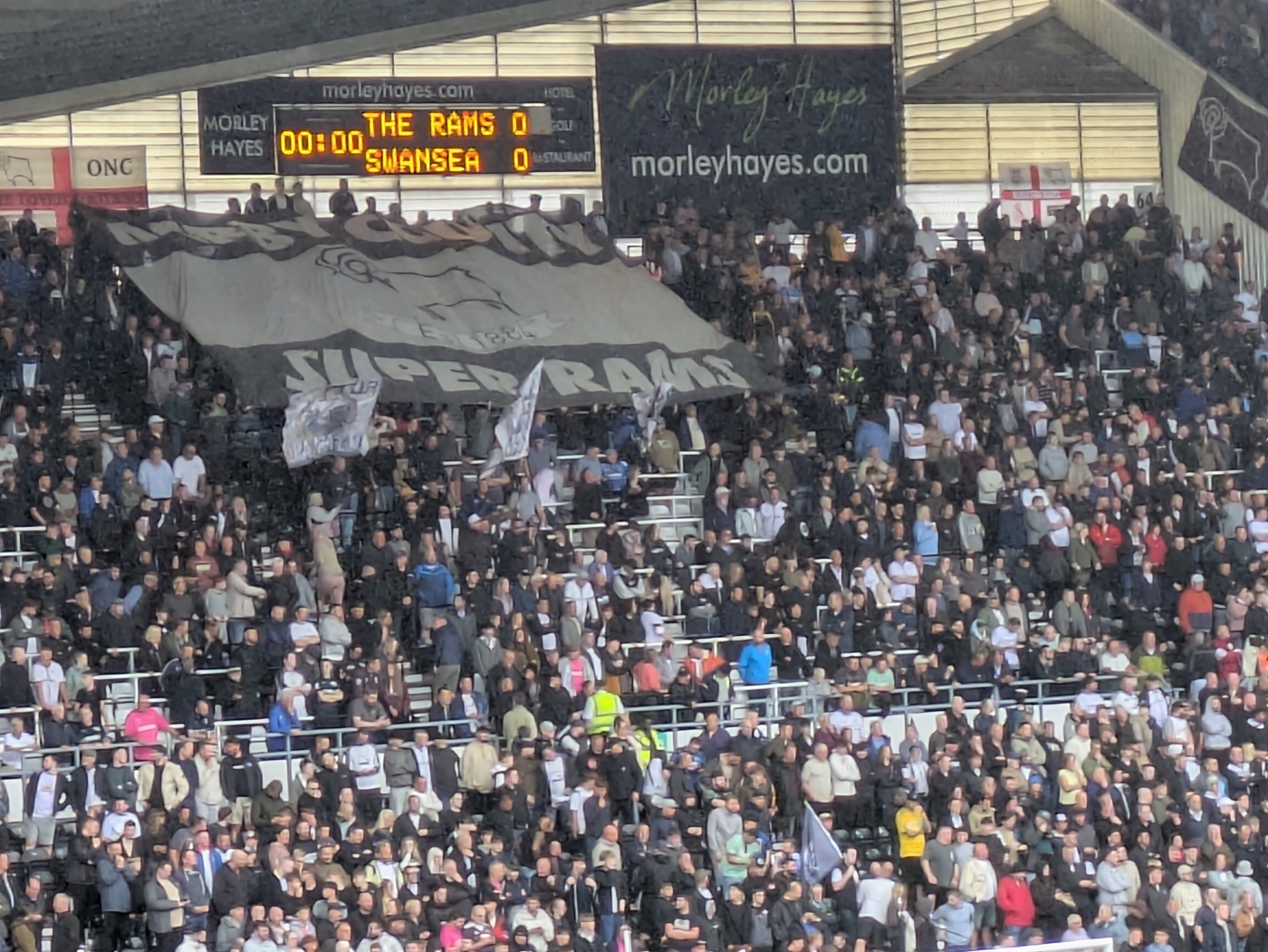
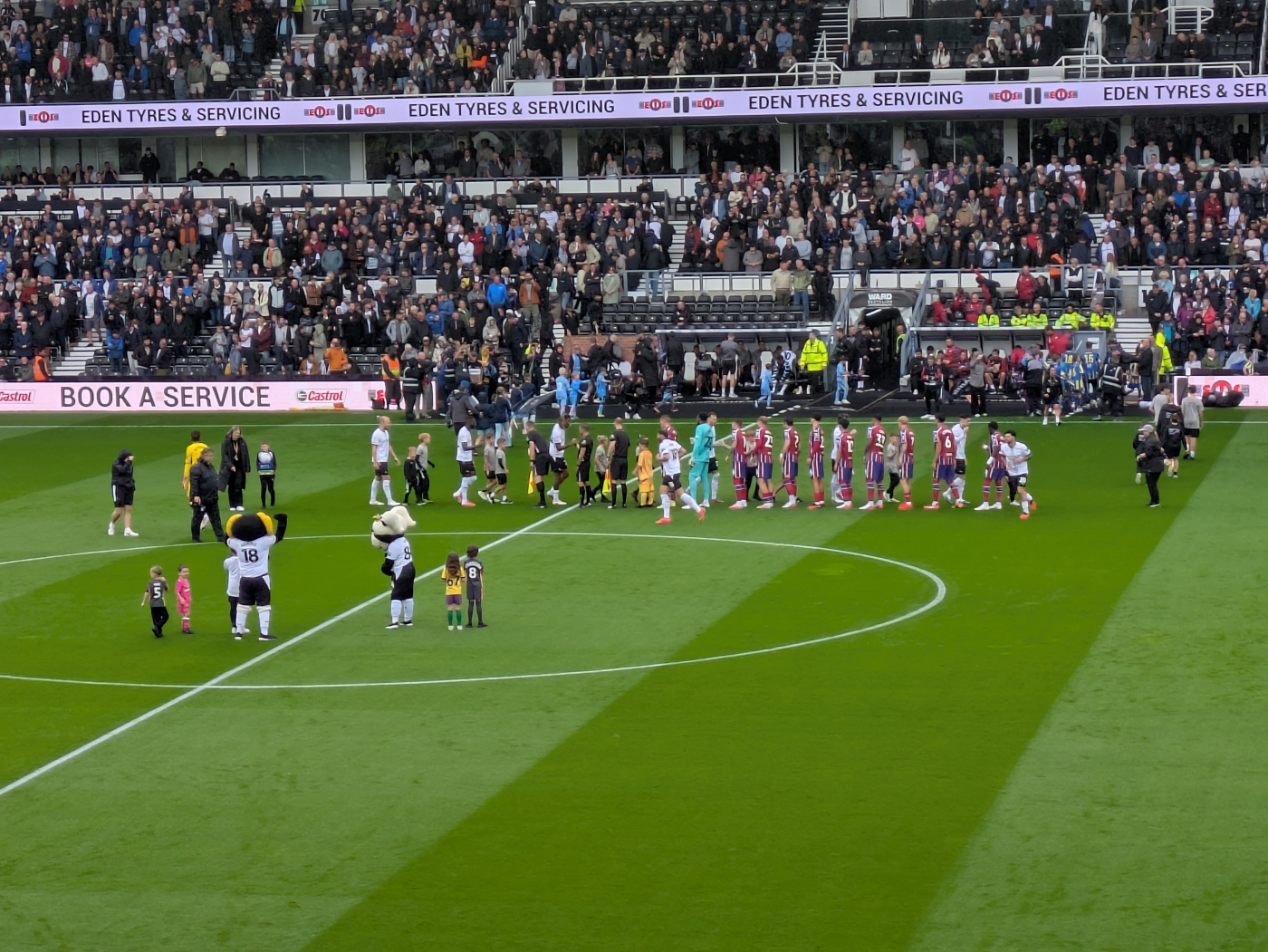
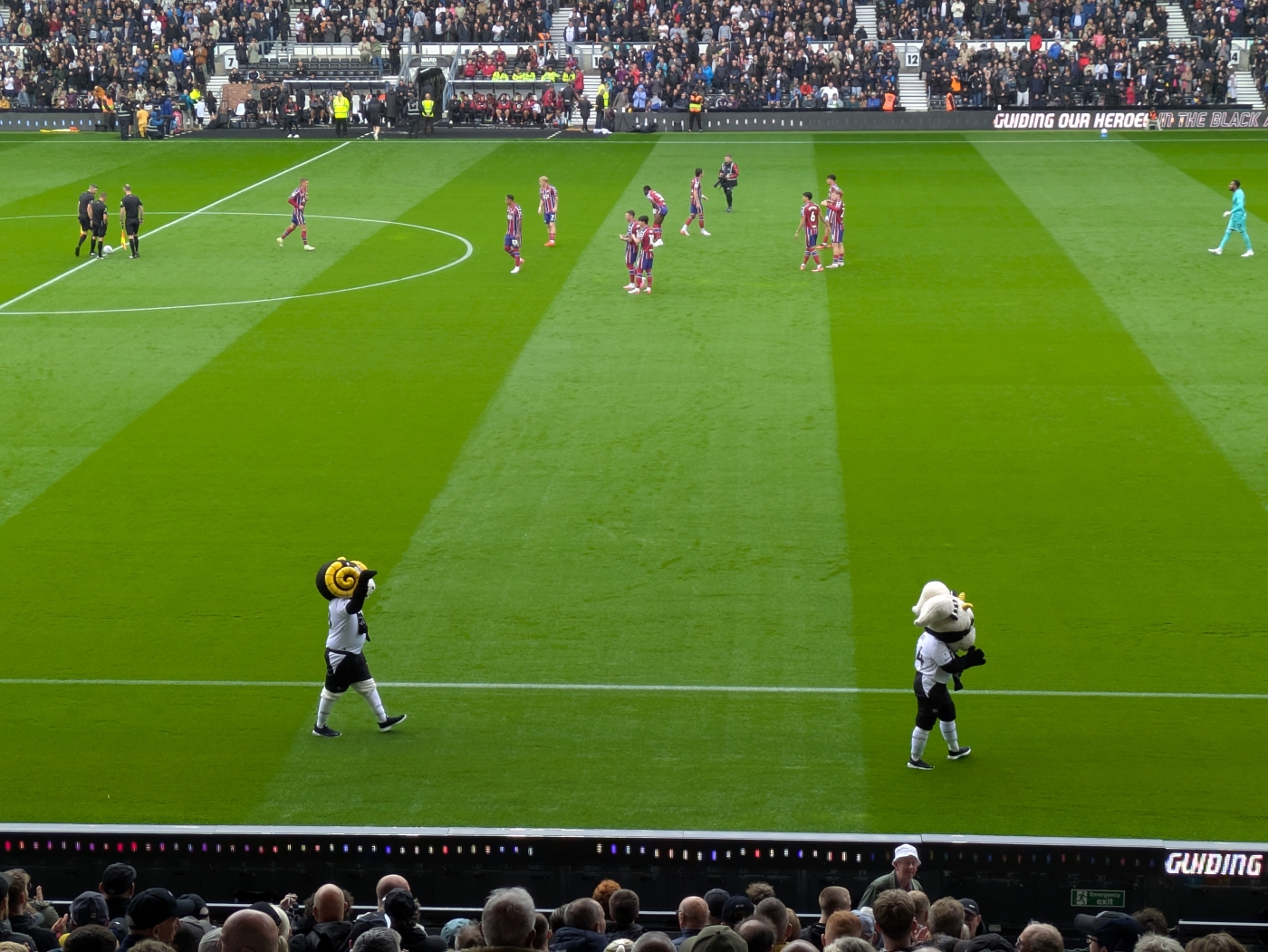
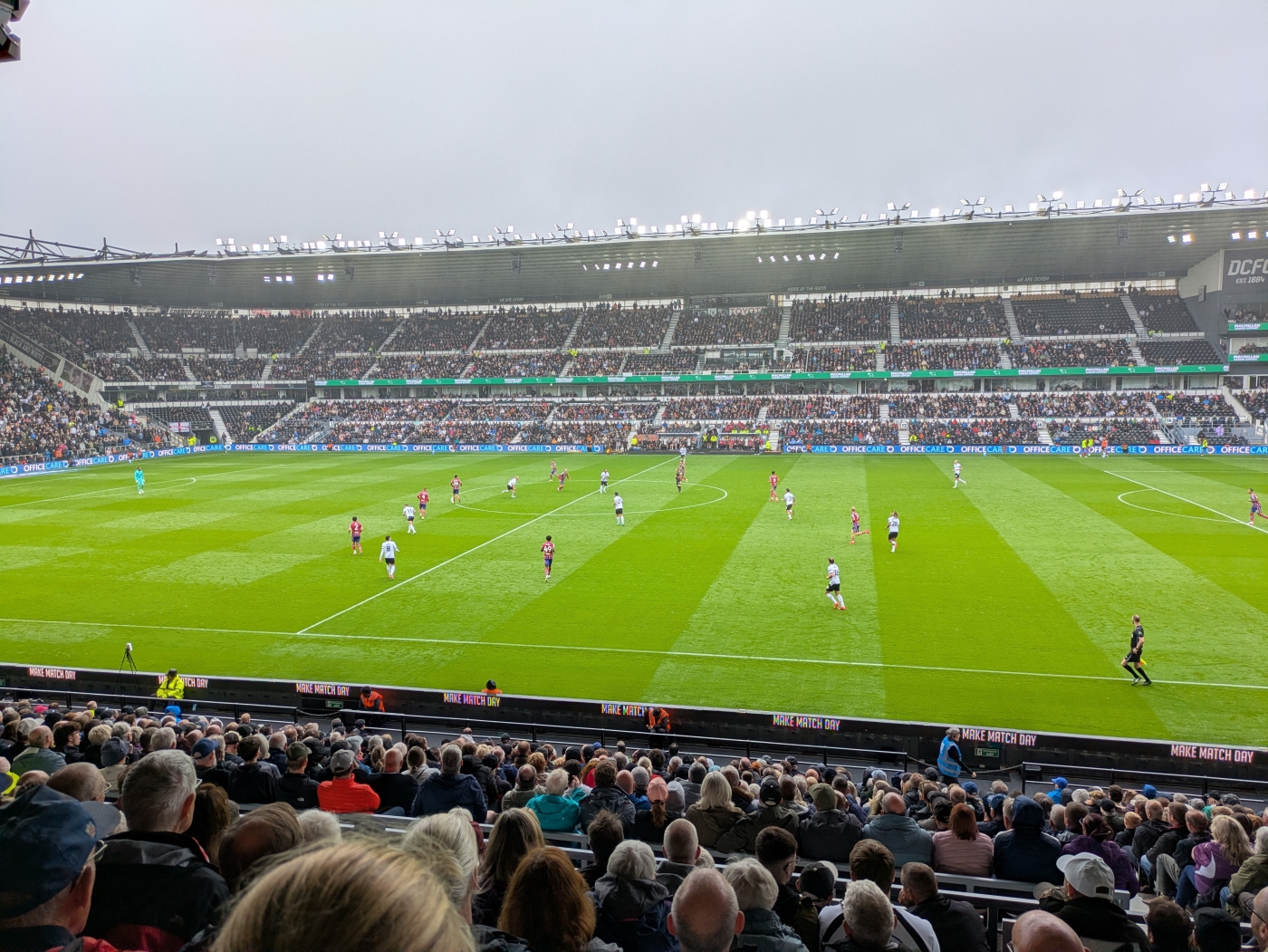
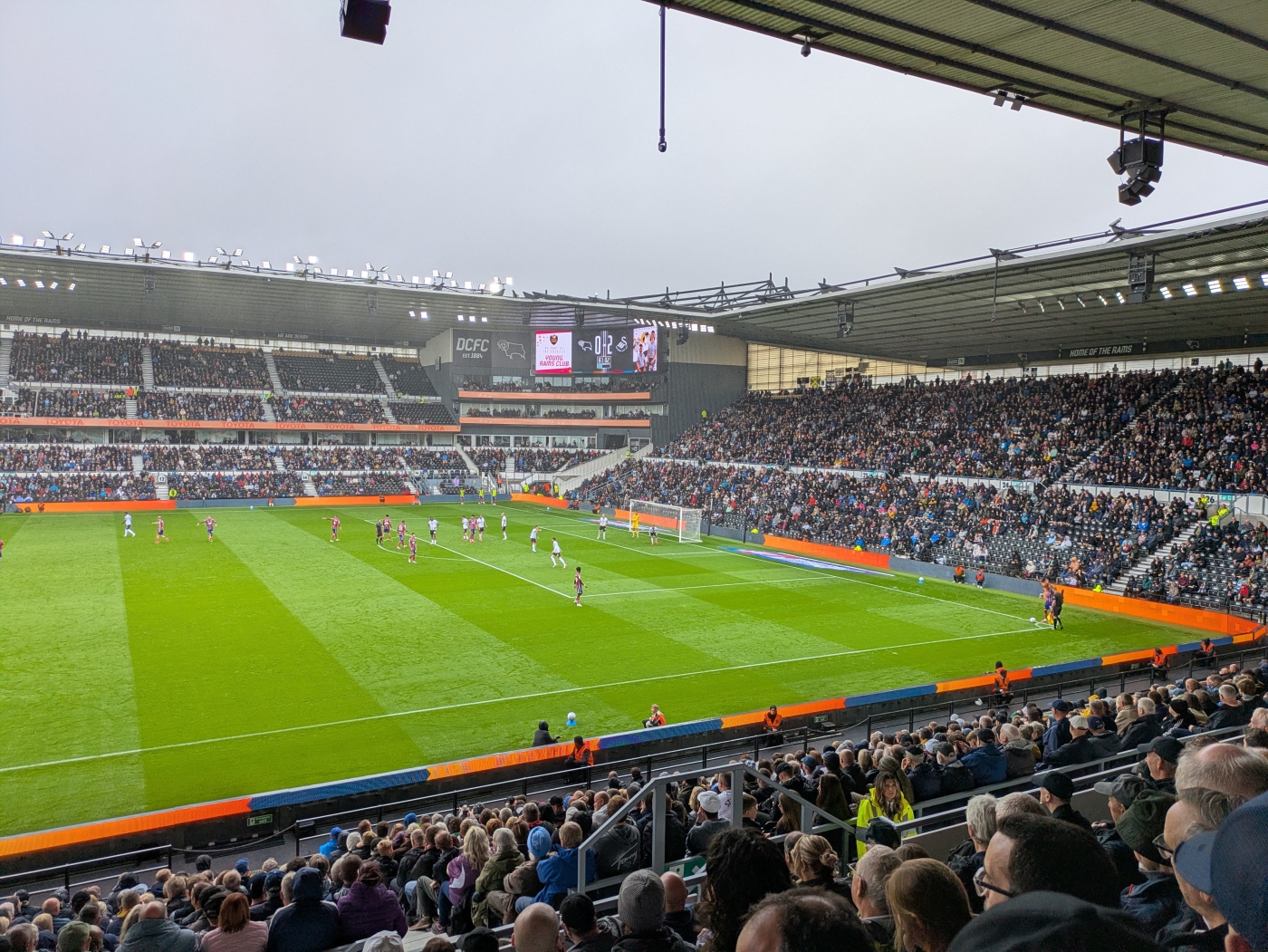
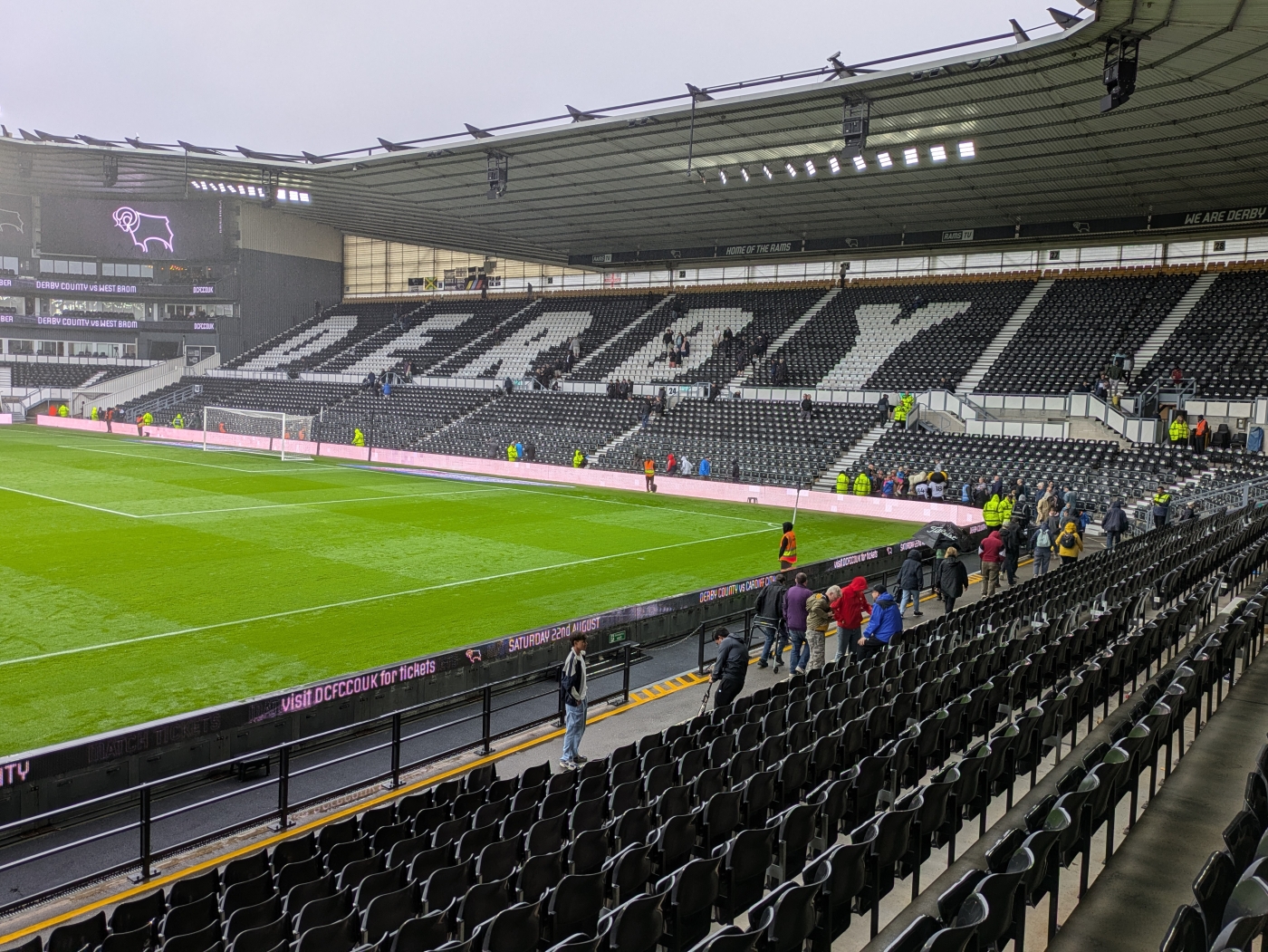
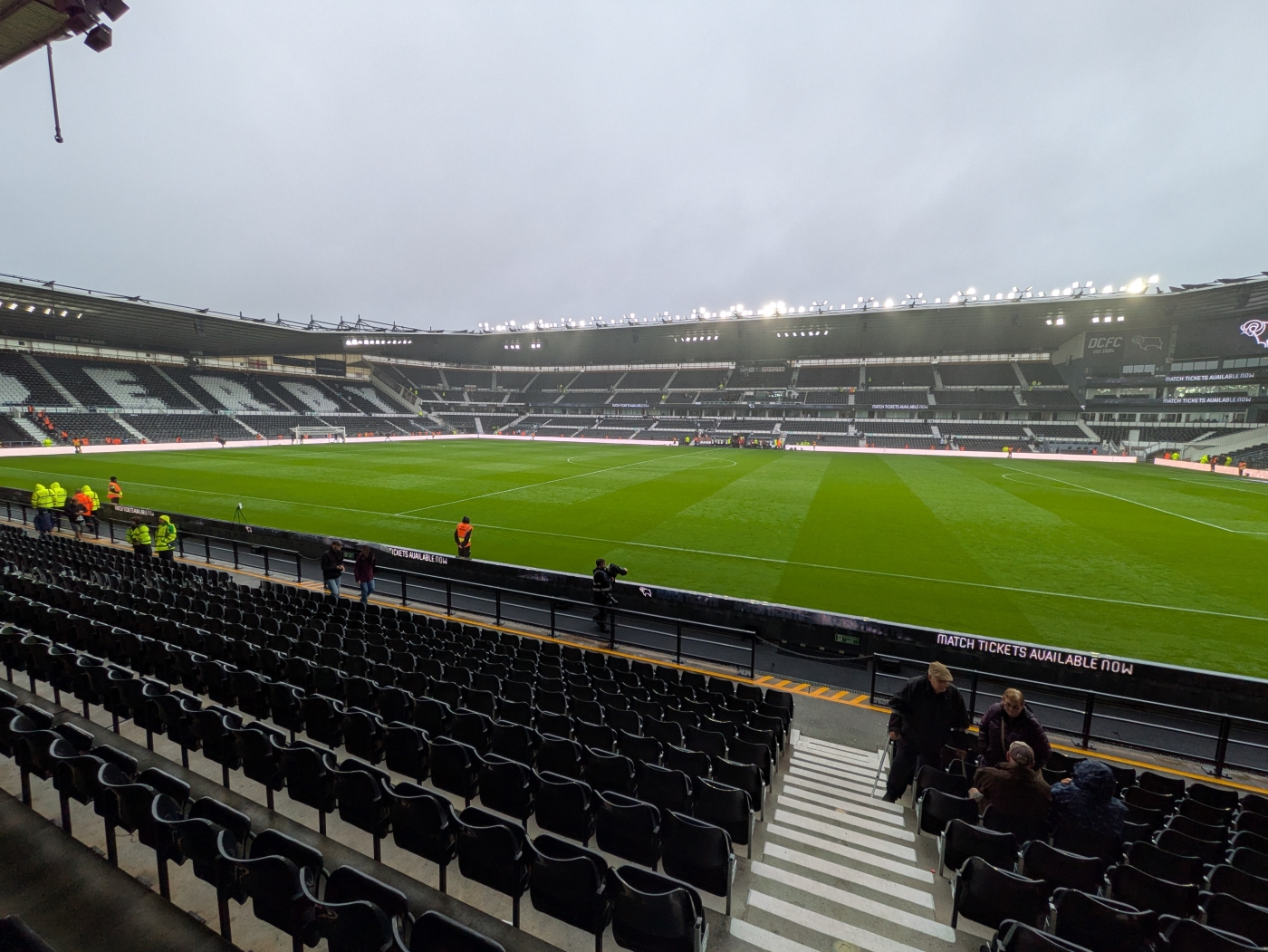
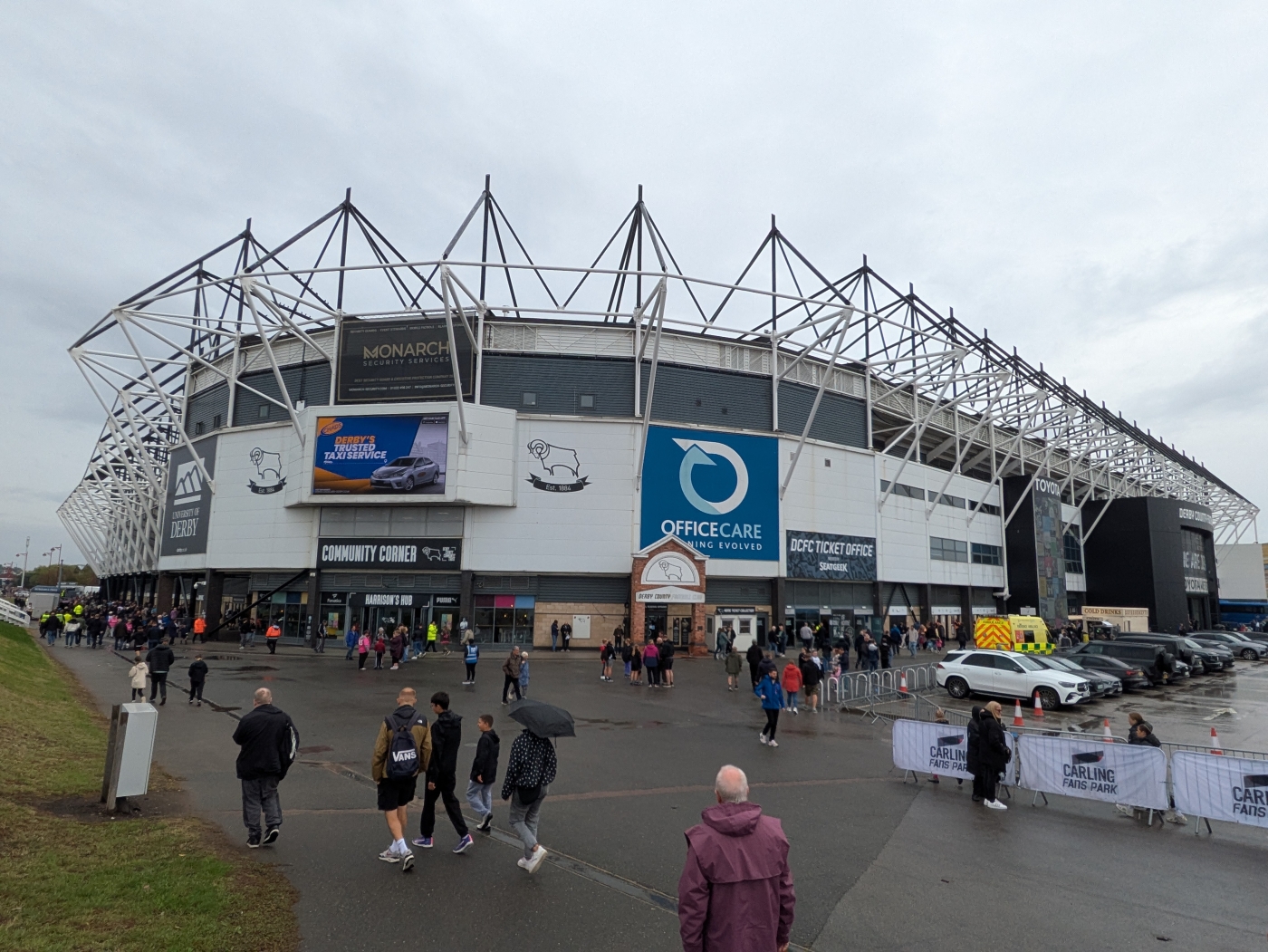
Nestled in the heart of Derby, England, Pride Park Stadium stands as a modern testament to football's enduring spirit and the ambition of Derby County Football Club. Since its inauguration in 1997, it has been the vibrant home of the Rams, a club with a rich history deeply embedded in the fabric of English football, providing a contemporary stage for thrilling matches and unforgettable moments.
A New Dawn for the Rams
The decision to build Pride Park Stadium marked a pivotal moment for Derby County, signifying a bold step away from their beloved but aging home, the Baseball Ground. For over 100 years, the Baseball Ground had witnessed countless triumphs and challenges, including two First Division titles. However, the demands of modern football, particularly after the recommendations of the Taylor Report following the Hillsborough disaster, necessitated a state-of-the-art facility. The new stadium promised enhanced safety, comfort, and capacity, aligning with the club's aspirations for Premier League football and a new era of success.
Grand Opening and First Kick-off
The grand opening of Pride Park Stadium was a significant occasion, officially graced by Her Majesty Queen Elizabeth II on July 18, 1997. This royal seal of approval underscored the importance of the new venue not just for football, but for the city of Derby itself. The first competitive match followed on August 30, 1997, a Premier League clash against Wimbledon, which saw Derby County secure a memorable 1-0 victory. This debut set the stage for a new era, allowing thousands more fans to experience the thrill of live football in a contemporary setting.
A Modern Footballing Fortress
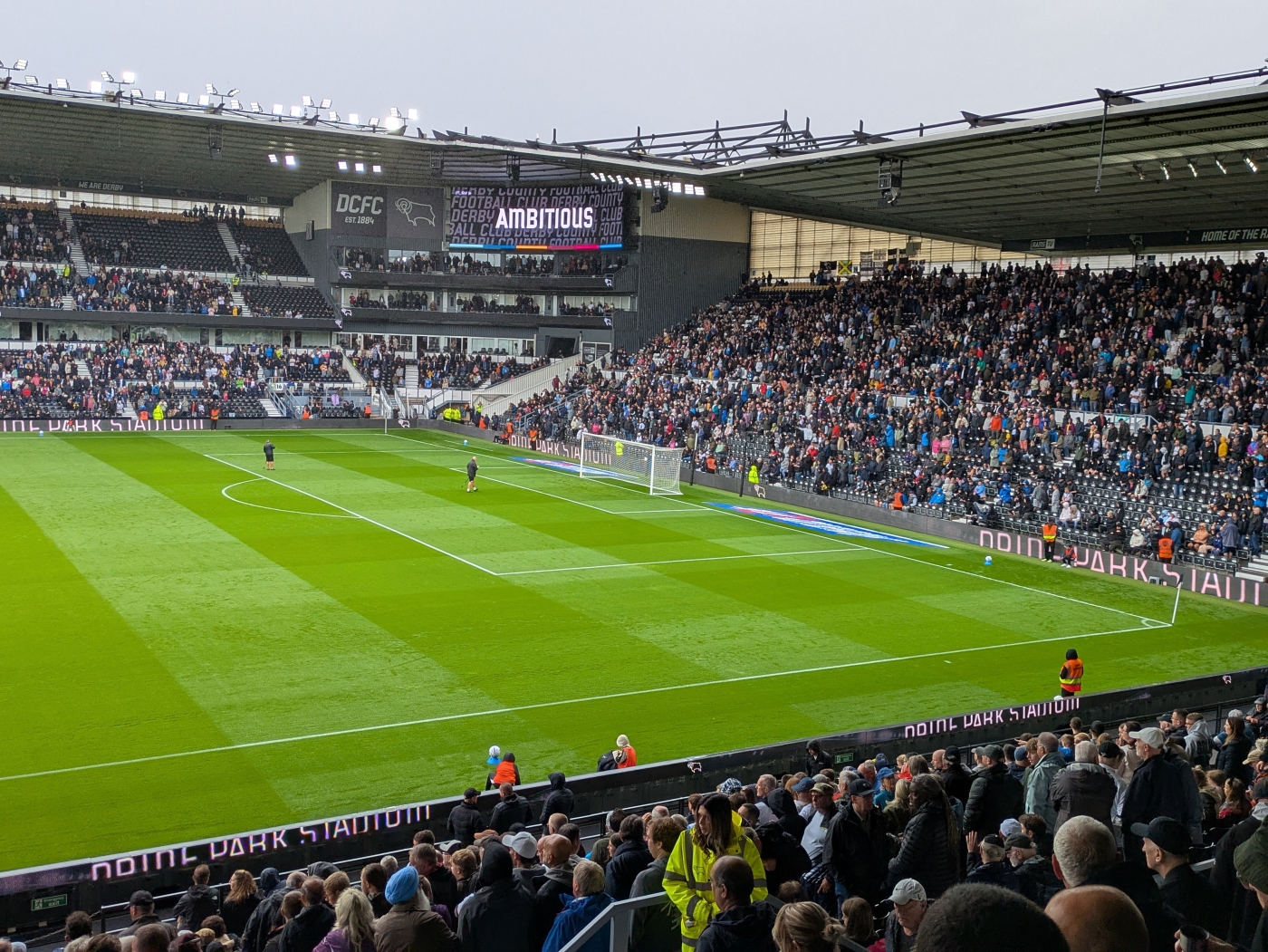
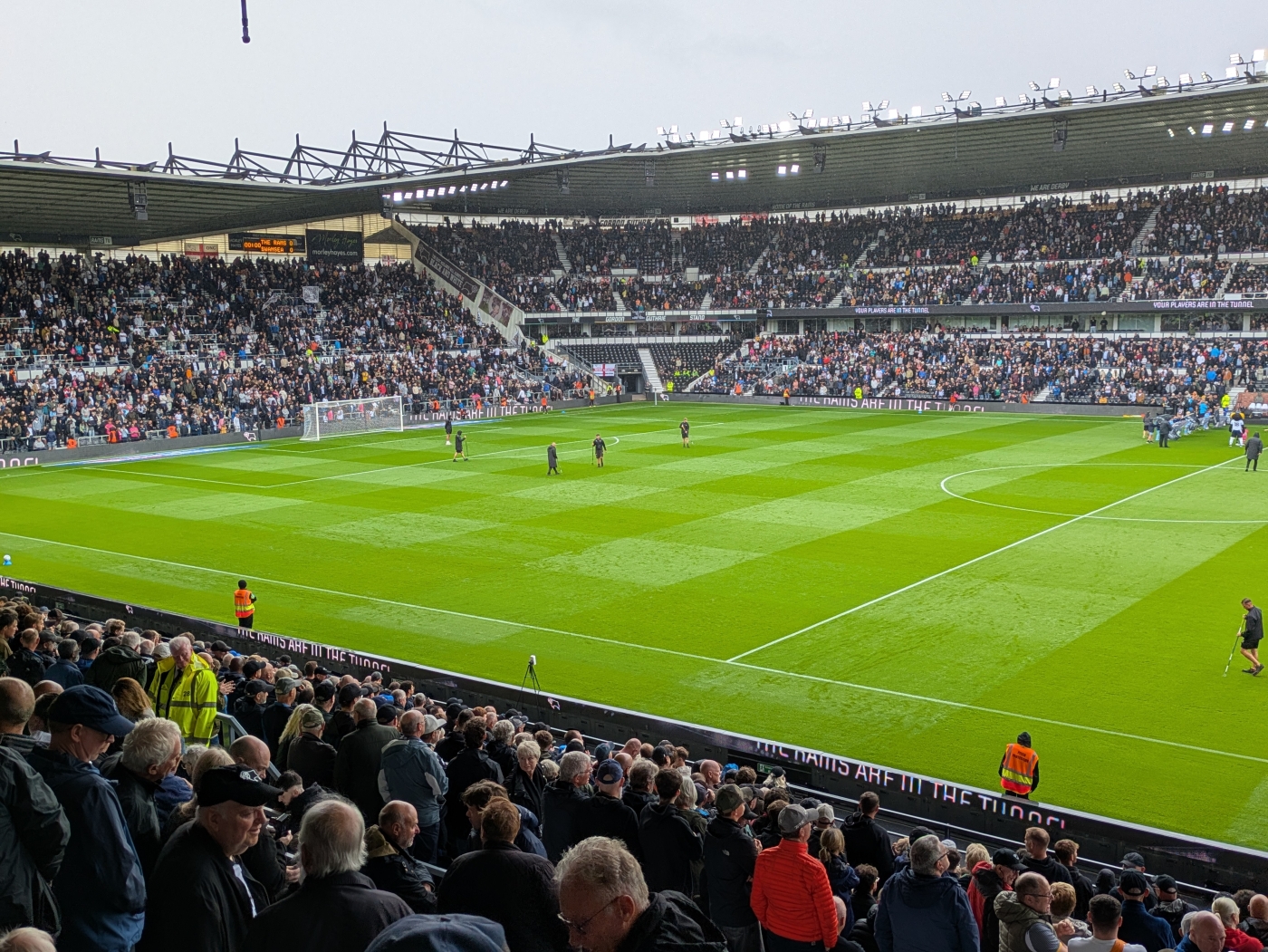
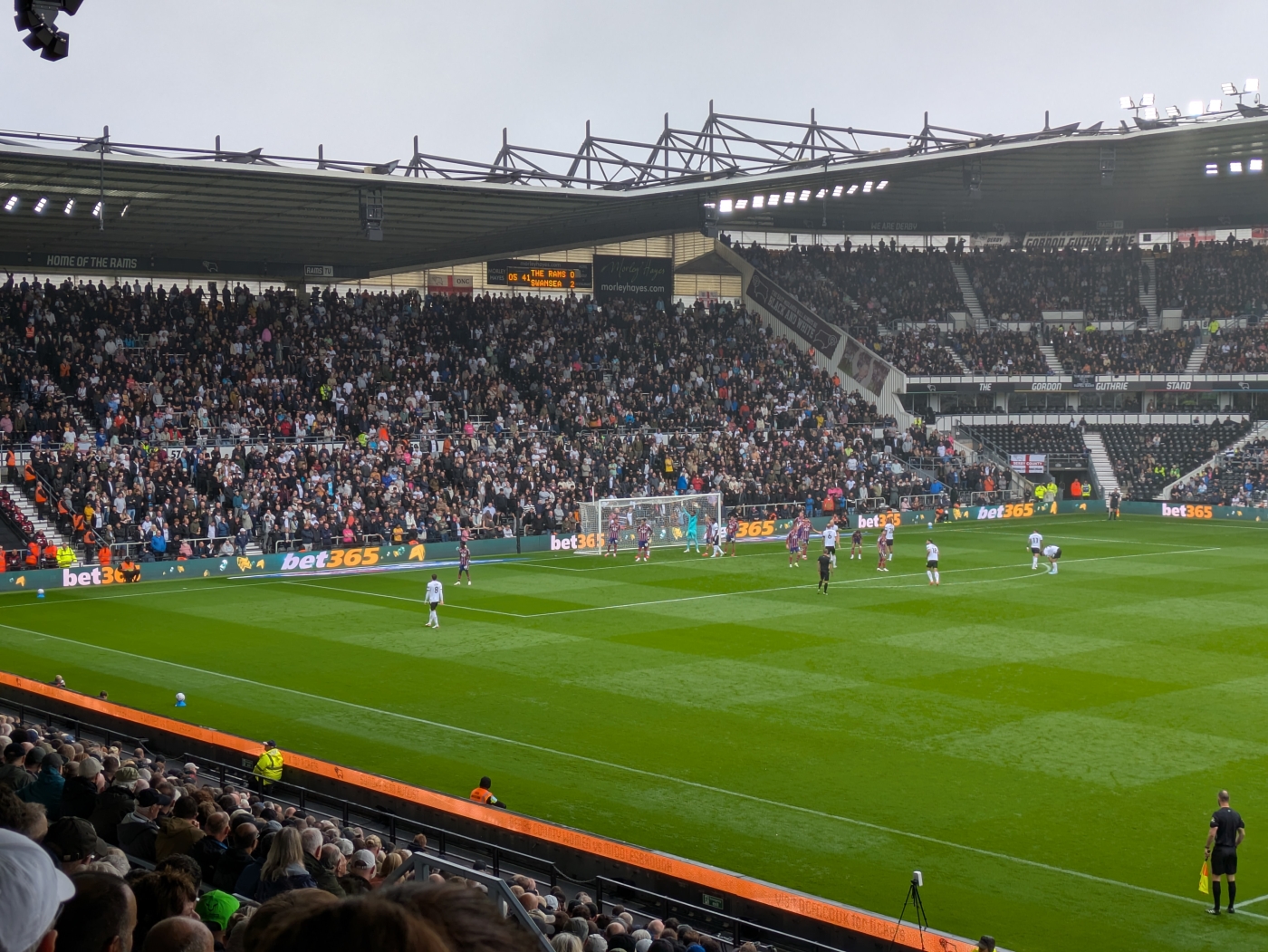
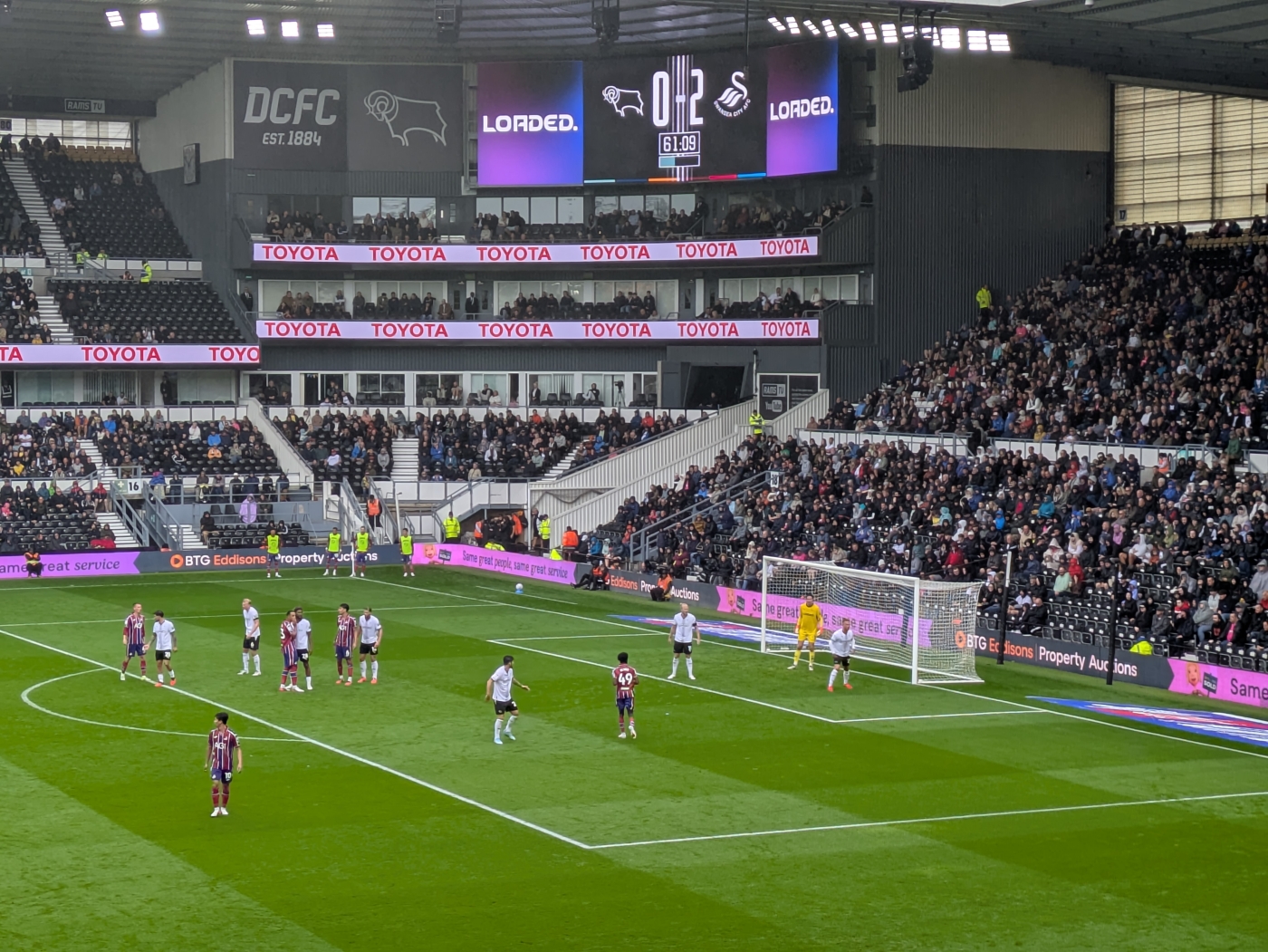
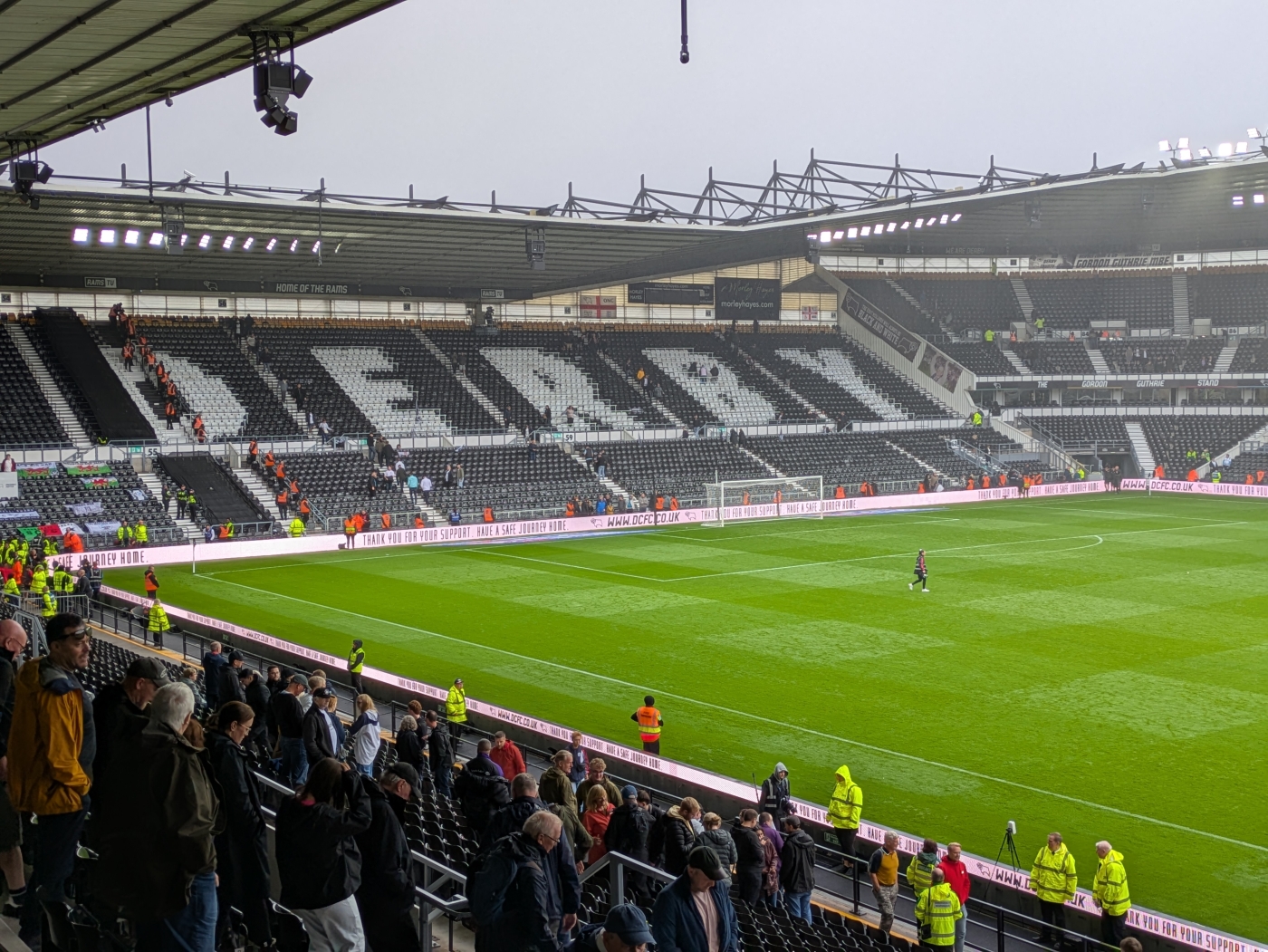
With a seating capacity of approximately 33,600, Pride Park Stadium is a formidable venue, designed to offer excellent sightlines and an immersive matchday atmosphere. Its four distinct stands – the North Stand, East Stand, South Stand, and West Stand – encircle the pitch, creating a true footballing cauldron. Beyond club fixtures, it has also proudly hosted international matches, including games for the England U21 team and a senior international friendly between England and the Netherlands in 2001. Its design and facilities reflect a commitment to providing a premier experience for supporters and players alike, solidifying its place as a key sporting landmark in the East Midlands.