Stadion Cracovii
Józef-Piłsudski-Cracovia-Stadion
ulica Józefa Kałuży 1, Krakau, Poland
About the Stadium:
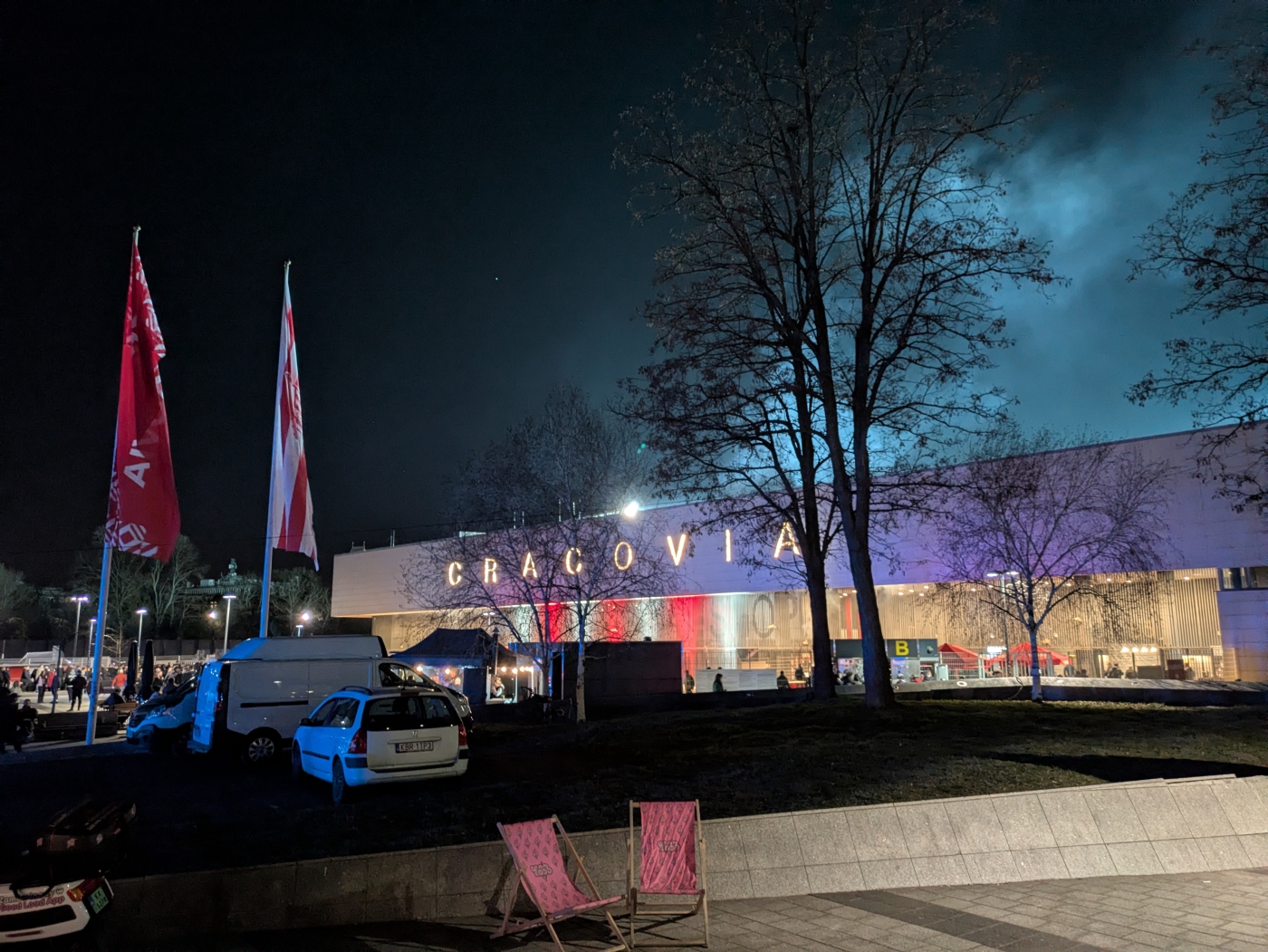
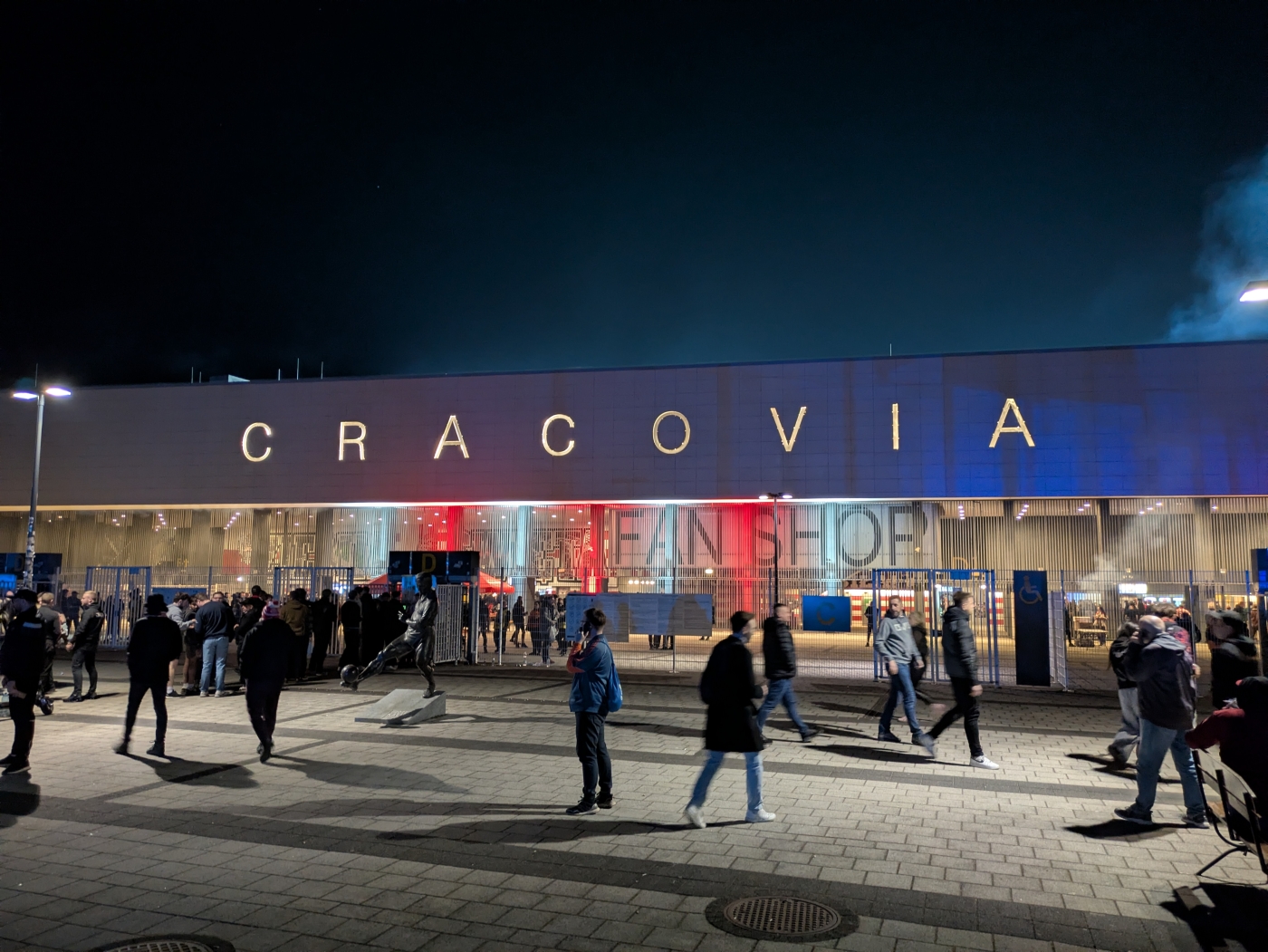
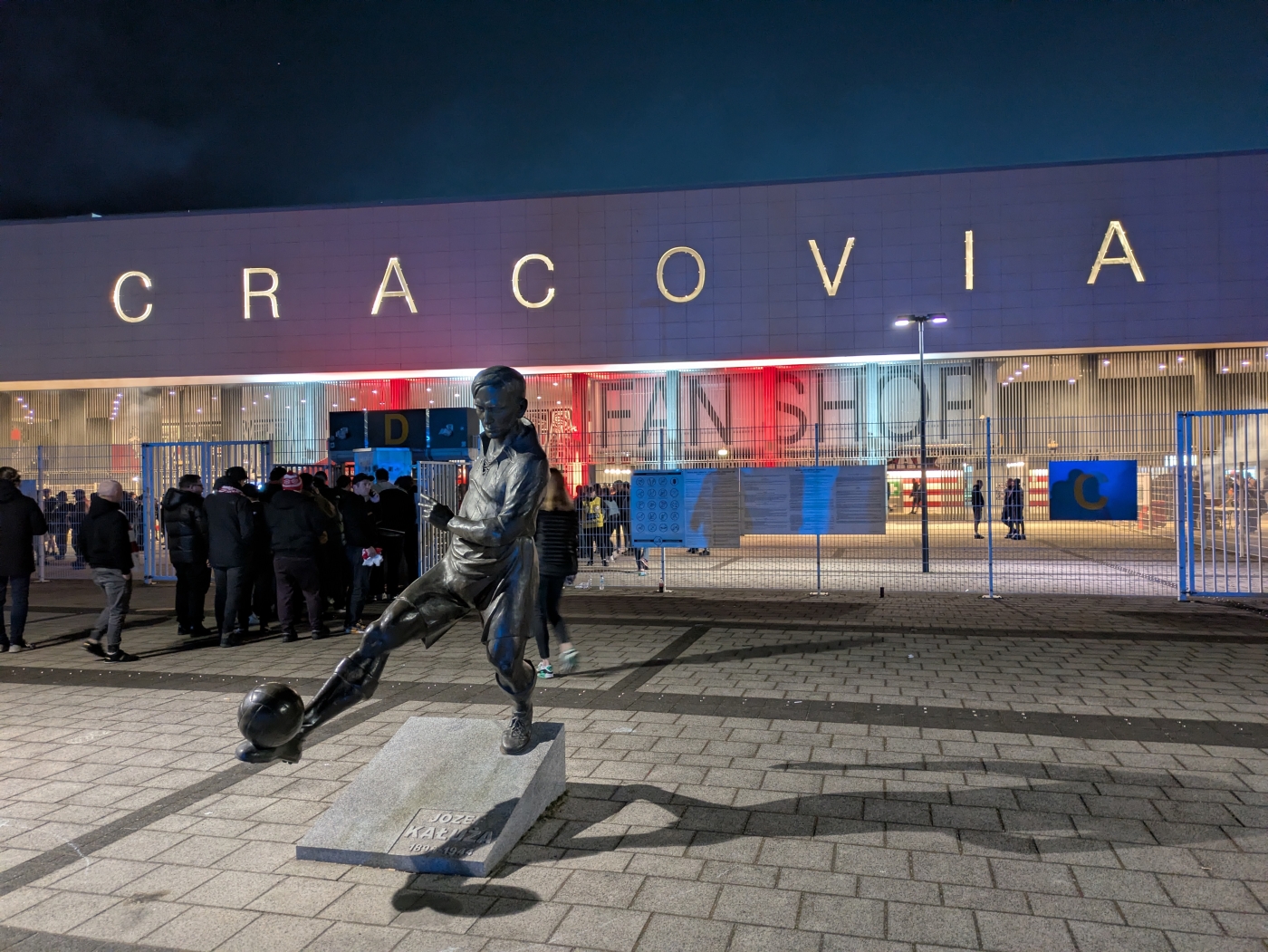
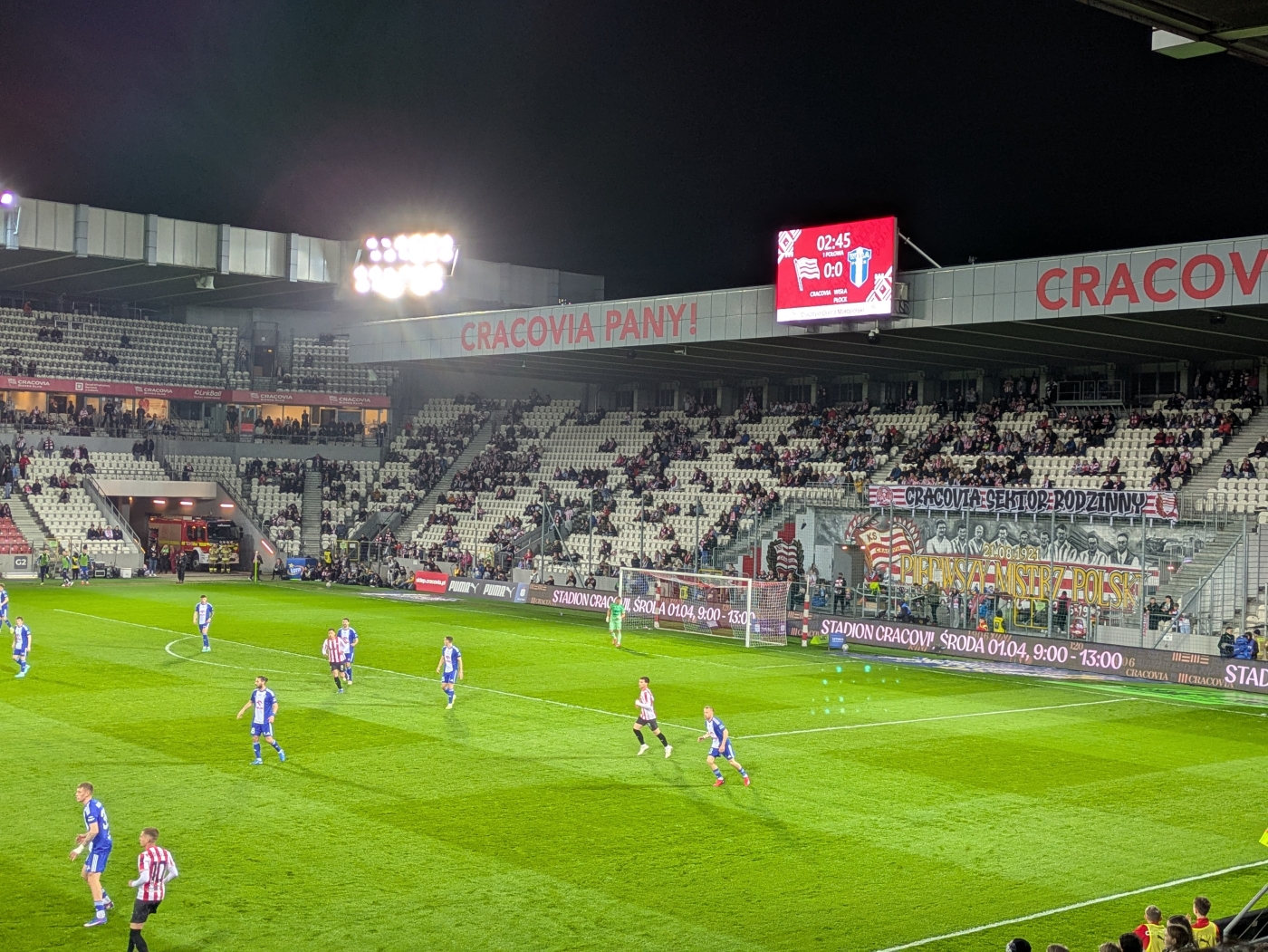
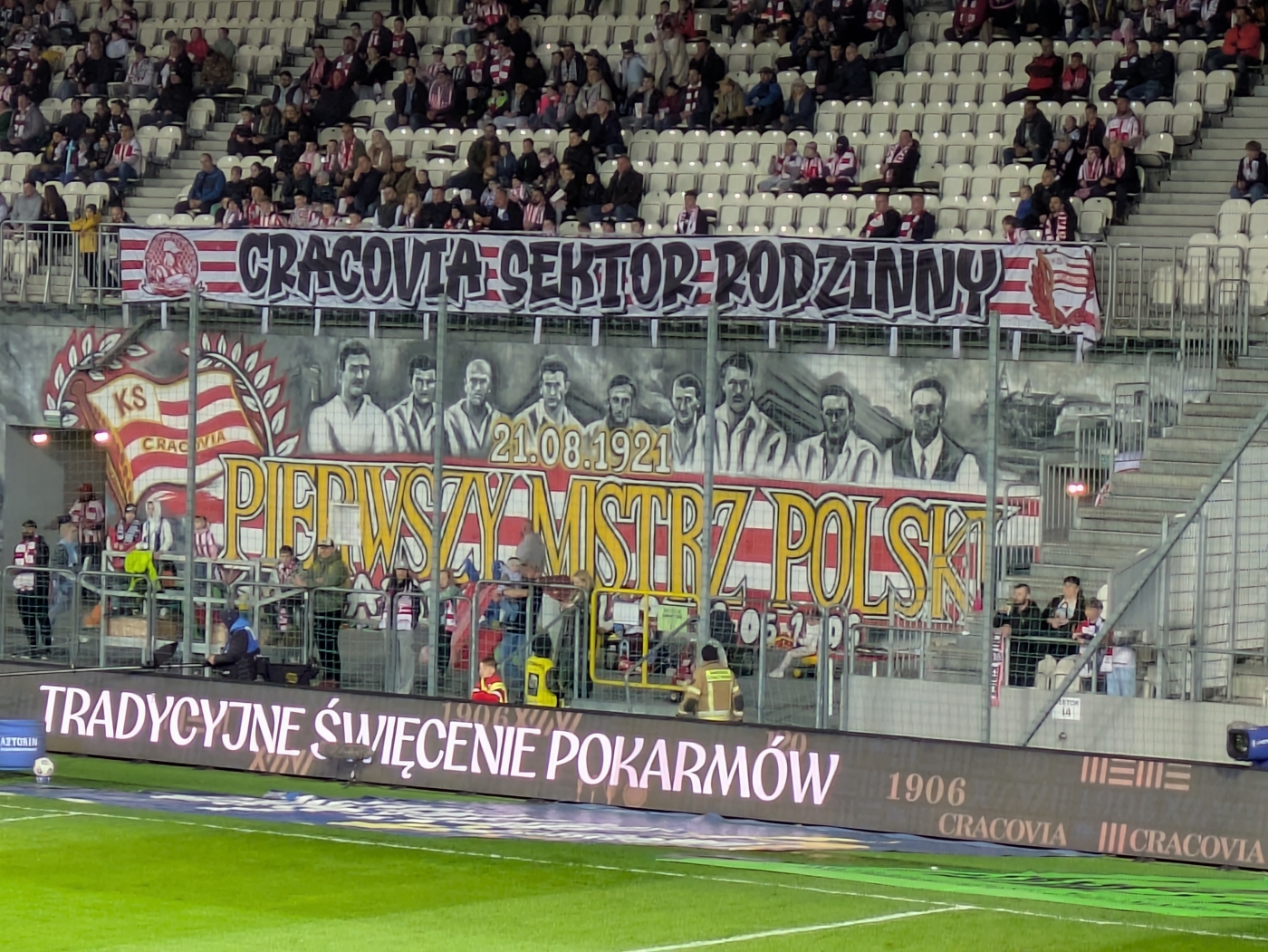
Nestled in the historical city of Kraków, Poland, the Stadion Cracovii, officially named the Marshal Józef Piłsudski Municipal Stadium, is the revered home of Cracovia. This club holds a unique place in Polish football history, proudly claiming to be the oldest continuously existing football club in Poland, founded in 1906. More than just a sports arena, it stands as a significant landmark in Kraków's sporting and cultural landscape, having hosted decades of passionate football.
A Legacy Forged in Time
Football at this site began in 1912, when Cracovia established its home adjacent to the expansive Błonia Park. The original stadium was a testament to the club's early ambition and popularity. Over the years, it evolved through various modernizations. The stadium was officially named in honour of Józef Piłsudski, a pivotal Polish statesman and marshal, whose leadership was instrumental in Poland's fight for independence. This naming signifies the deep historical and national connections embedded within the club and its ground.
Modern Transformation
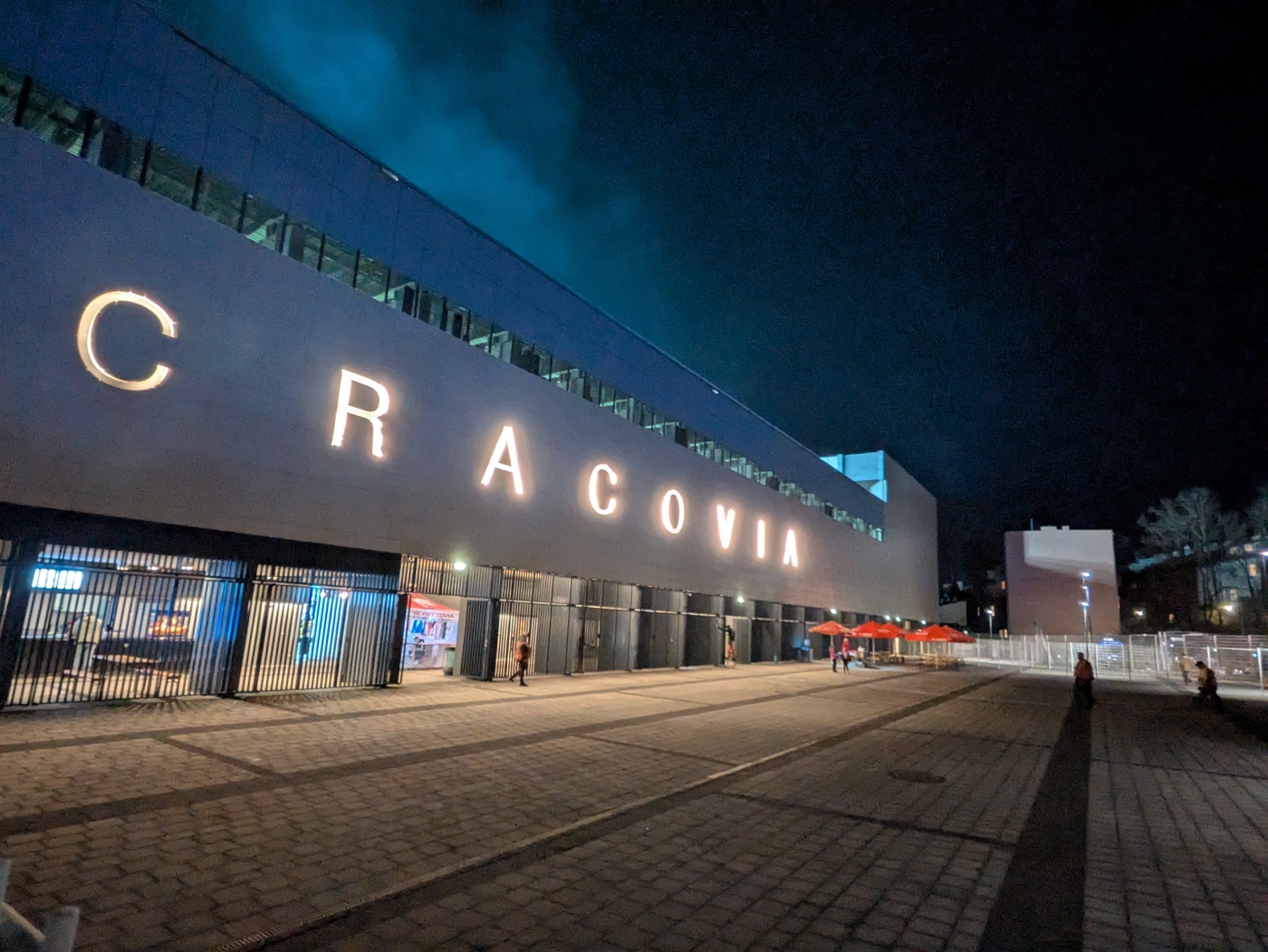
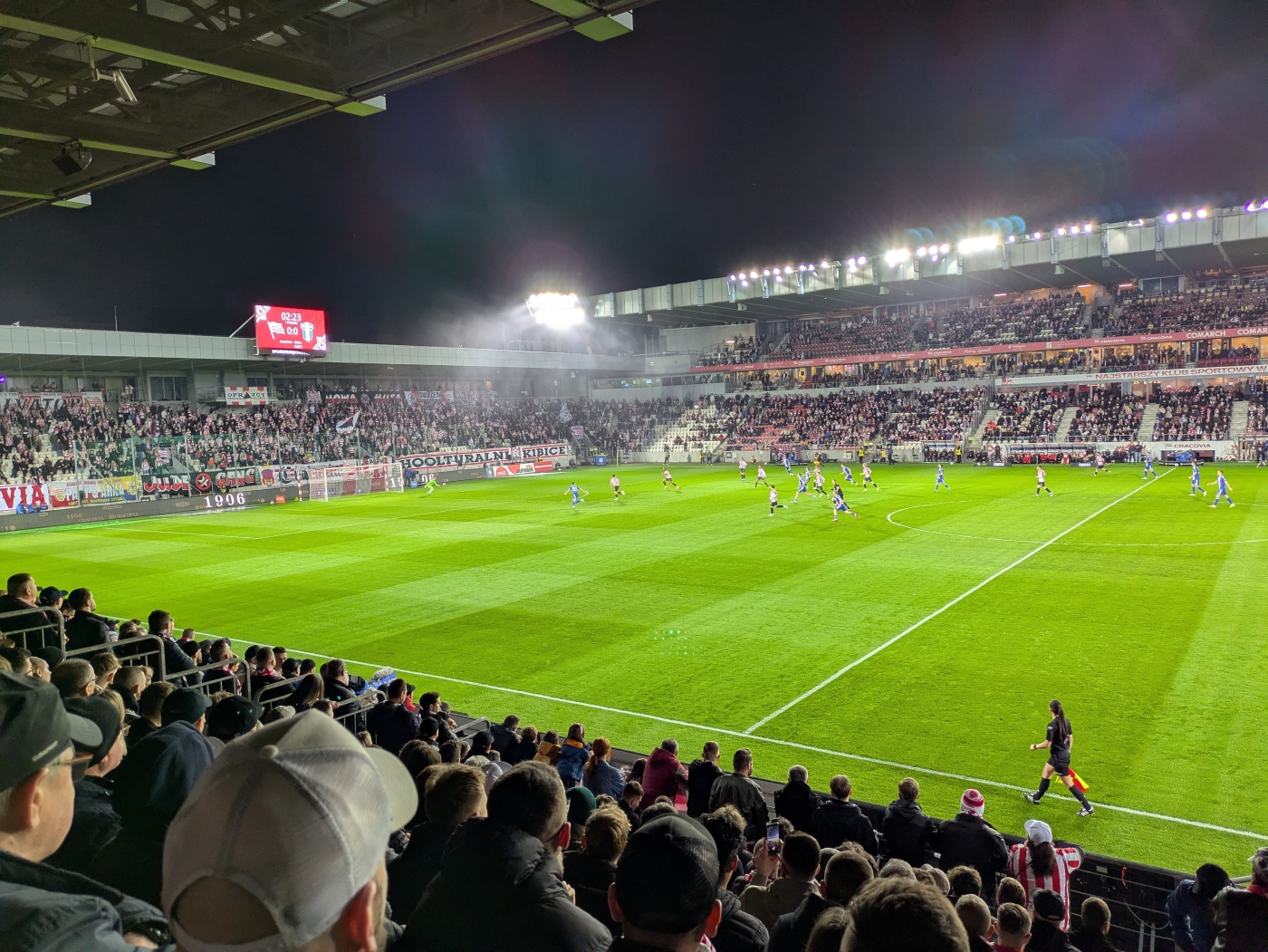
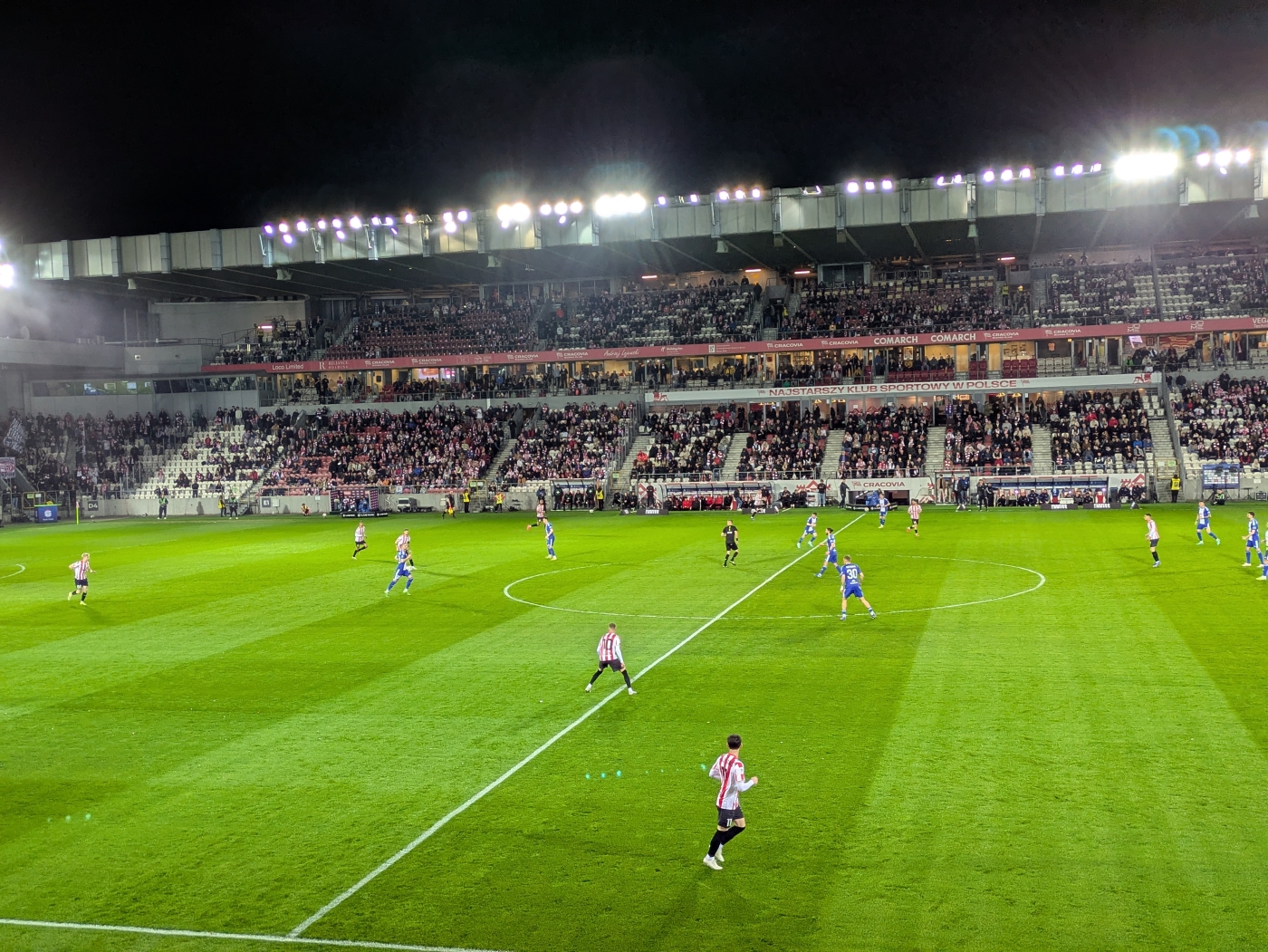
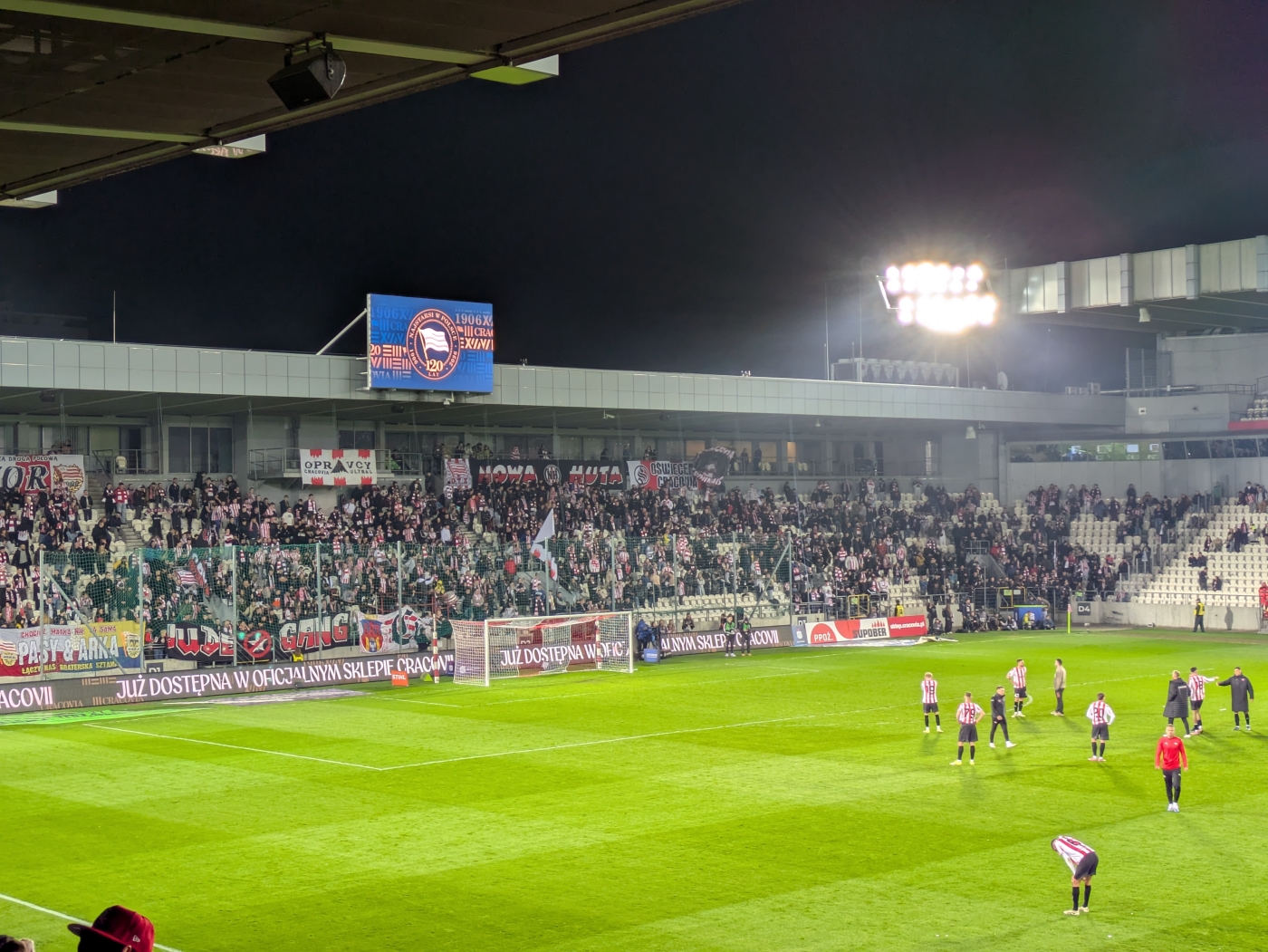
A monumental transformation took place between 2009 and 2010. The previous structure was completely rebuilt, meticulously designed to meet contemporary football standards. The new Józef Piłsudski Stadium, inaugurated in 2010, features a sleek, modern design with an all-seater capacity of approximately 15,016. Its distinctive architecture includes a light-coloured façade and a fully covered seating area, ensuring excellent views. The complex also incorporates state-of-the-art facilities for training, media, and hospitality, establishing it as a premier venue in Poland.
Heart of the Holy War
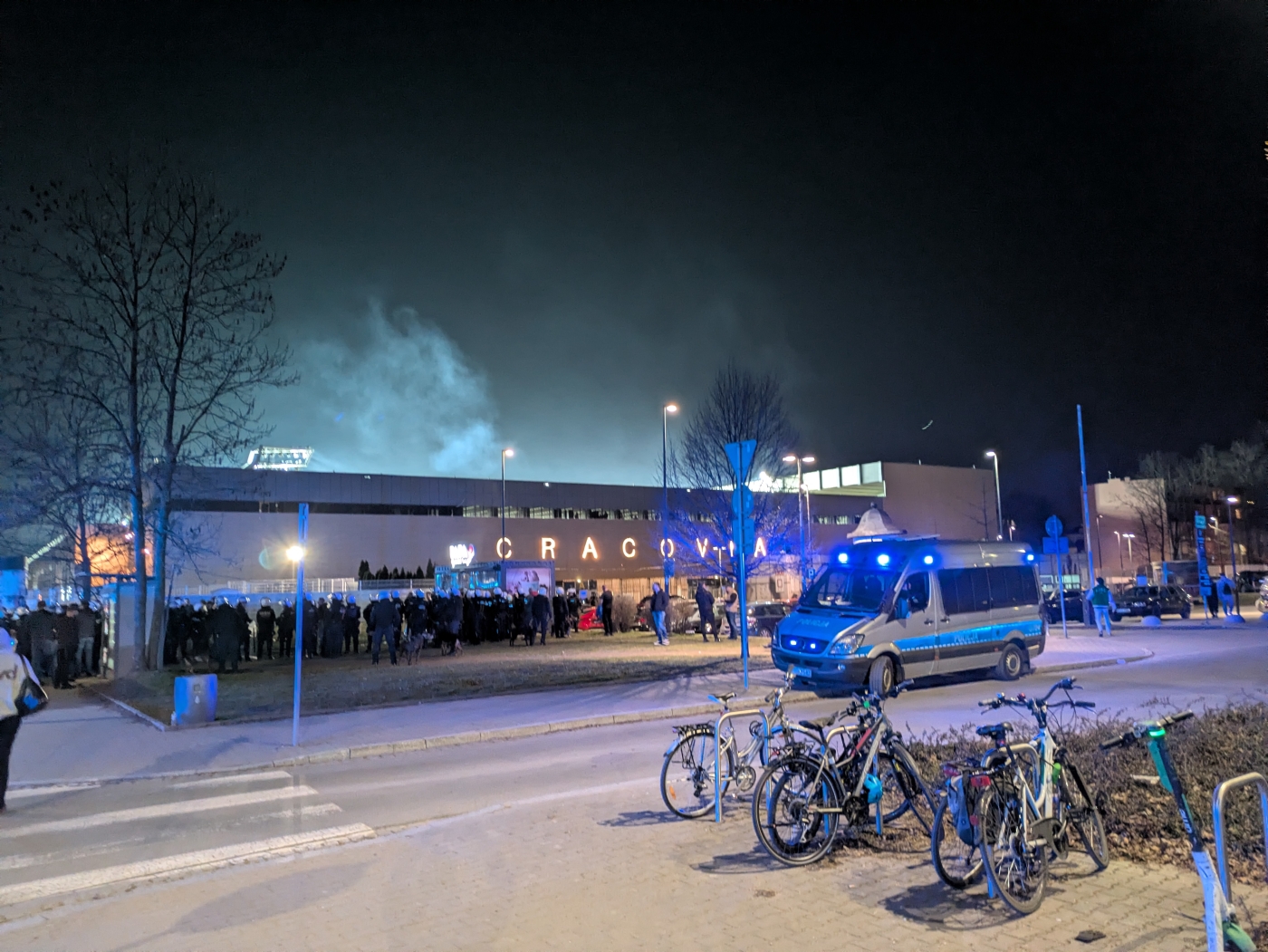
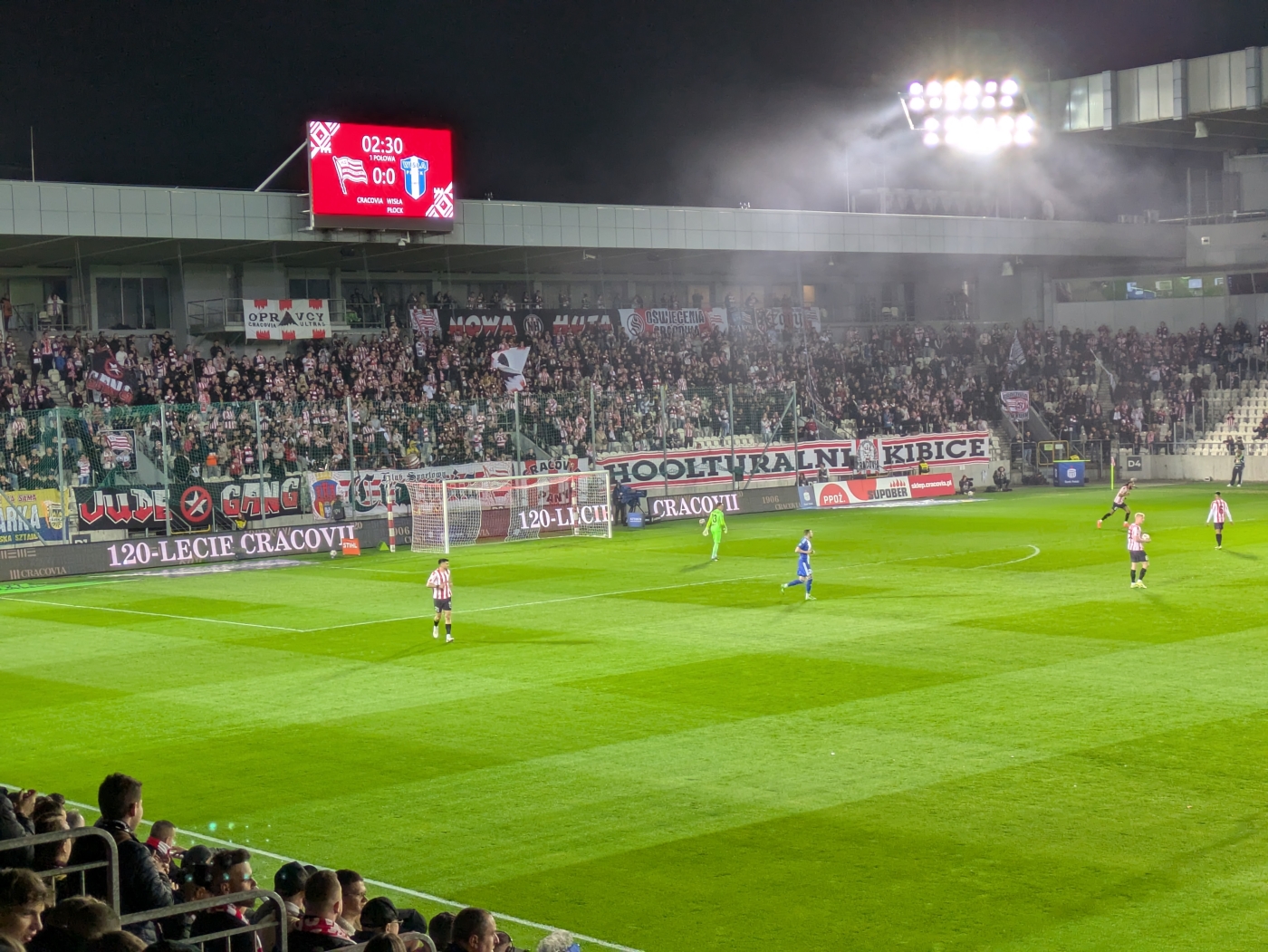
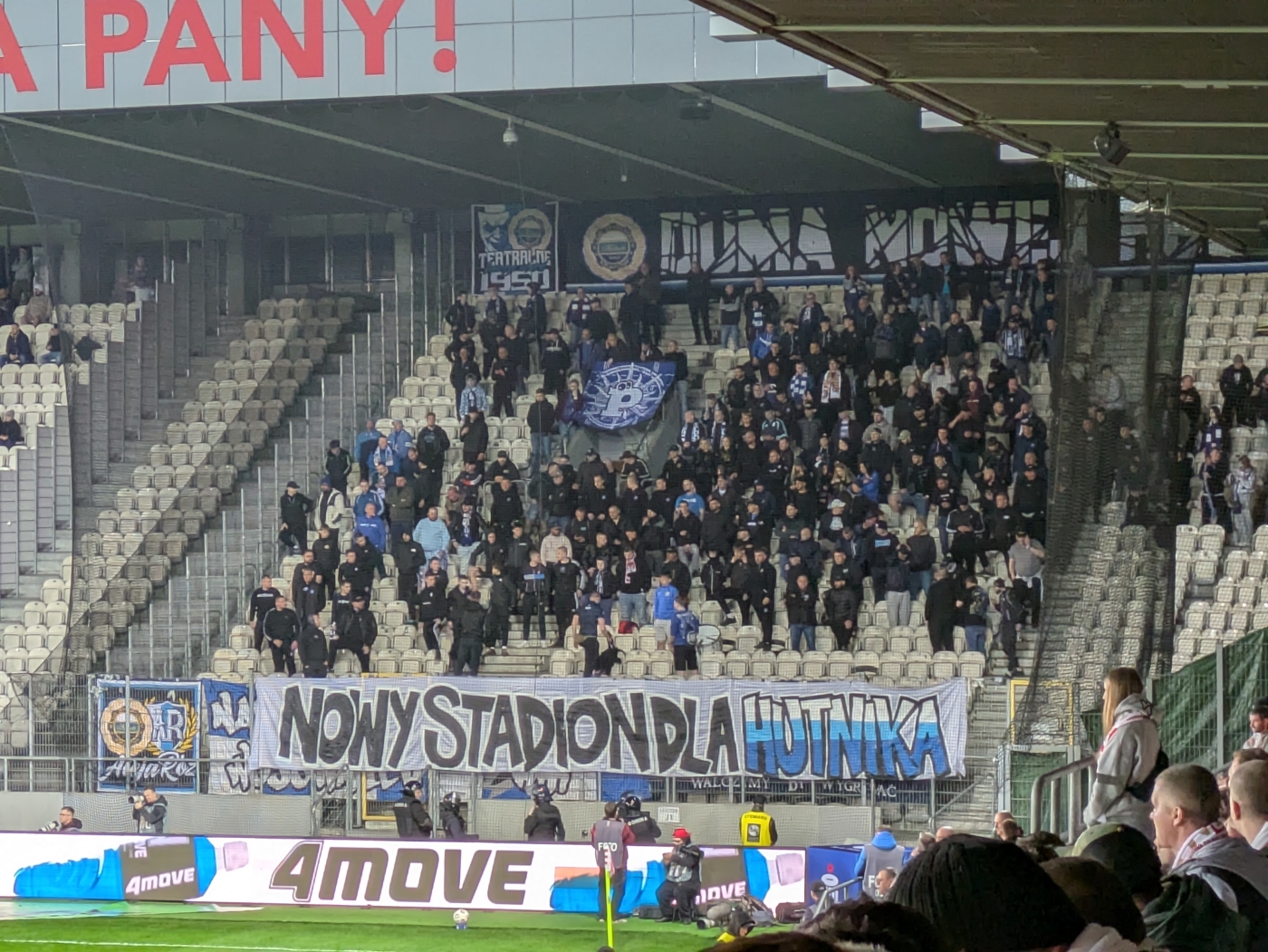
The Stadion Cracovii is most famous for hosting the "Holy War" (Święta Wojna), the electrifying derby against cross-town rivals Wisła Kraków. These matches are legendary for their intense atmosphere and profound historical rivalry, drawing fervent support from across the city. During these fixtures, the stadium transforms into a cauldron of emotion, epitomizing the raw passion of Polish football. It remains a vital hub for football culture and a symbol of Cracovia's proud heritage in Kraków. For more details, visit its Wikipedia page.