TSV 1860 München
München, Germany
About the Club:
TSV 1860 München, affectionately known as "Die Löwen" (The Lions), is one of Germany's most characterful football clubs. Founded on September 17, 1860, in Munich, its history reflects resilience, passion, and working-class roots. While local rivals often dominate, 1860 München maintains a fervent following, embodying a unique Bavarian spirit distinct from the polished success of its city neighbours.
The Genesis and Early Triumphs
Initially a gymnastics club, football gained prominence in the early 20th century. The club quickly became a regional force. Their first national honour came during the war years, lifting the DFB-Pokal (German Cup) in 1942, defeating Schalke 04 2-0. This early success foreshadowed their post-war potential.
The Golden Era of the 1960s
The 1960s marked the zenith of 1860 München's prowess. Under coach Max Merkel, they secured their second DFB-Pokal in 1964 and reached the Cup Winners' Cup final in 1965, losing to West Ham United at Wembley Stadium. The pinnacle was the 1965-66 German Championship title, their singular Bundesliga triumph. Players like Rudi Brunnenmeier and Peter Grosser were stars, playing captivating football at their Grünwalder Stadion.
The Shadow of the Rival and Stadium Odyssey
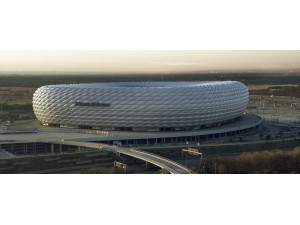
1860 München's narrative is defined by its rivalry with FC Bayern München. The Münchner Derby is one of Germany's most intense clashes, reflecting a social divide. Historically, 1860 moved from the intimate Grünwalder Stadion to share Olympiastadion München with Bayern post-1972 Olympics, then the Allianz Arena. Financial woes and a desire for roots prompted a poignant return to their spiritual home, the Grünwalder Stadion, celebrated by fans.
Resilience and a Loyal Following
Despite relegation, financial struggles, and lower division play, passion for TSV 1860 München endures. The club embodies an underdog charm, a spirit of defiance against their neighbours' success. Supporters, known for unwavering loyalty, consistently fill the Grünwalder Stadion, creating an electric atmosphere. This deep emotional connection ensures "Die Löwen" roar on, a crucial part of Munich's footballing tapestry.
Links and Social Media:
stadium: