Górnik Zabrze
Zabrze, Poland
About the Club:
Górnik Zabrze, a name resonant with the rich history of Polish football, stands as one of the nation's most decorated clubs. From Zabrze, in the industrial heartland of Silesia, the club's name "Górnik" (miner) reflects the region's deep mining traditions, which forged its identity and passionate fanbase. To discover more about the club, visit Górnik Zabrze's official website.
The Genesis and Golden Age
Founded in 1948 in post-war Poland, Górnik Zabrze rapidly rose to prominence. The 1960s and early 1970s marked its "Golden Age," dominating Polish football with an impressive run of championship titles. This era was defined by tactical prowess and raw talent, embodied by figures like Włodzimierz Lubański, a prolific striker whose skill earned him international acclaim. Górnik Zabrze became synonymous with success, setting benchmarks for future generations.
European Aspirations and a Historic Final
Górnik Zabrze's ambitions extended beyond domestic glory to the European stage. The pinnacle was the 1969-70 UEFA Cup Winners' Cup, where they made a remarkable run to the final. After defeating formidable opponents, they faced Manchester City on April 29, 1970, in Vienna, ultimately losing 2-1. This remains the only time a Polish club has reached a major European final, cementing their place in football folklore.
Modern Era and Enduring Legacy
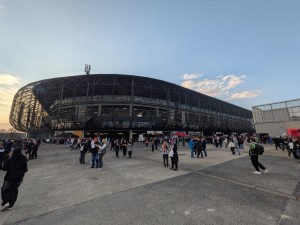
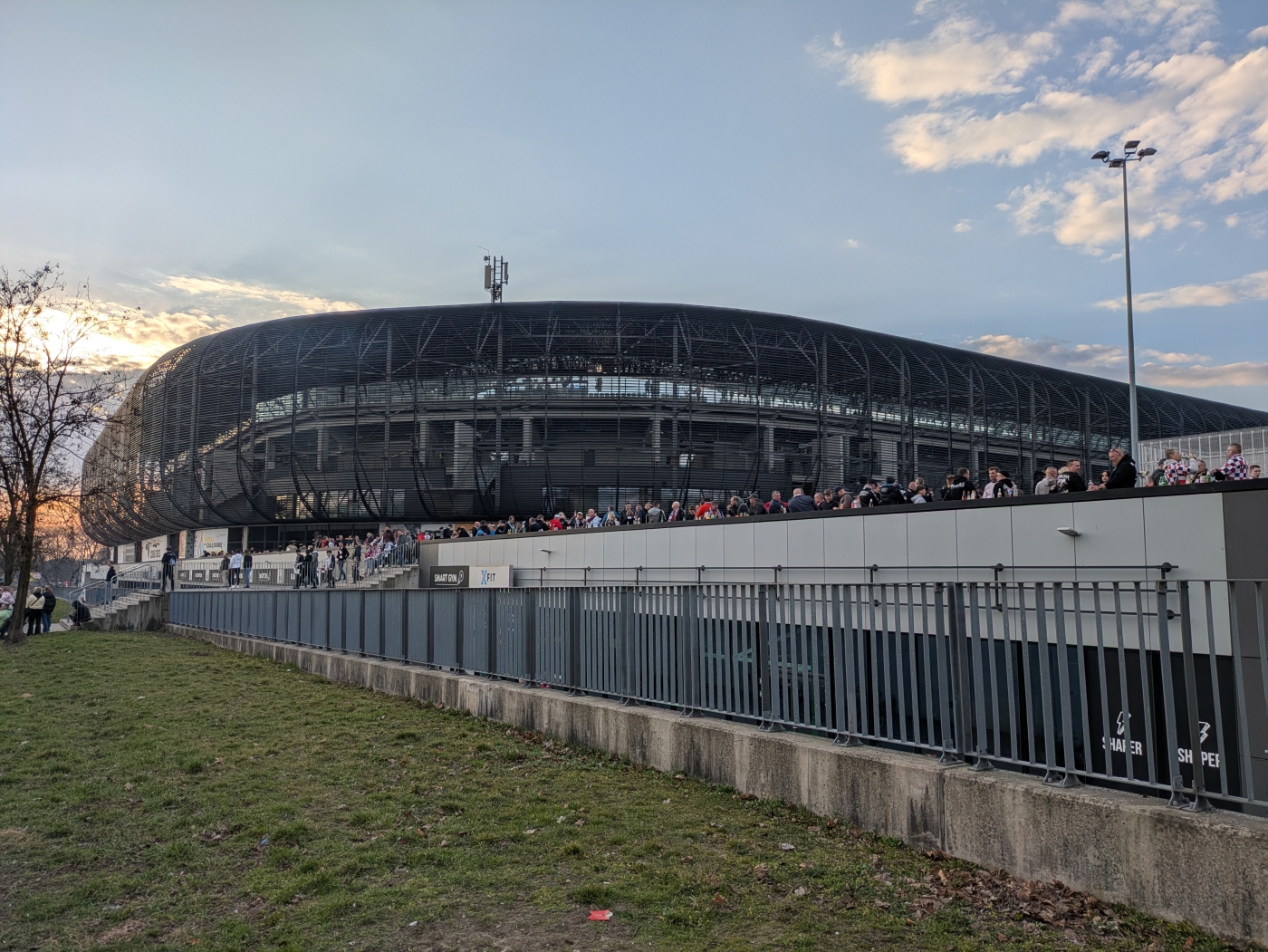
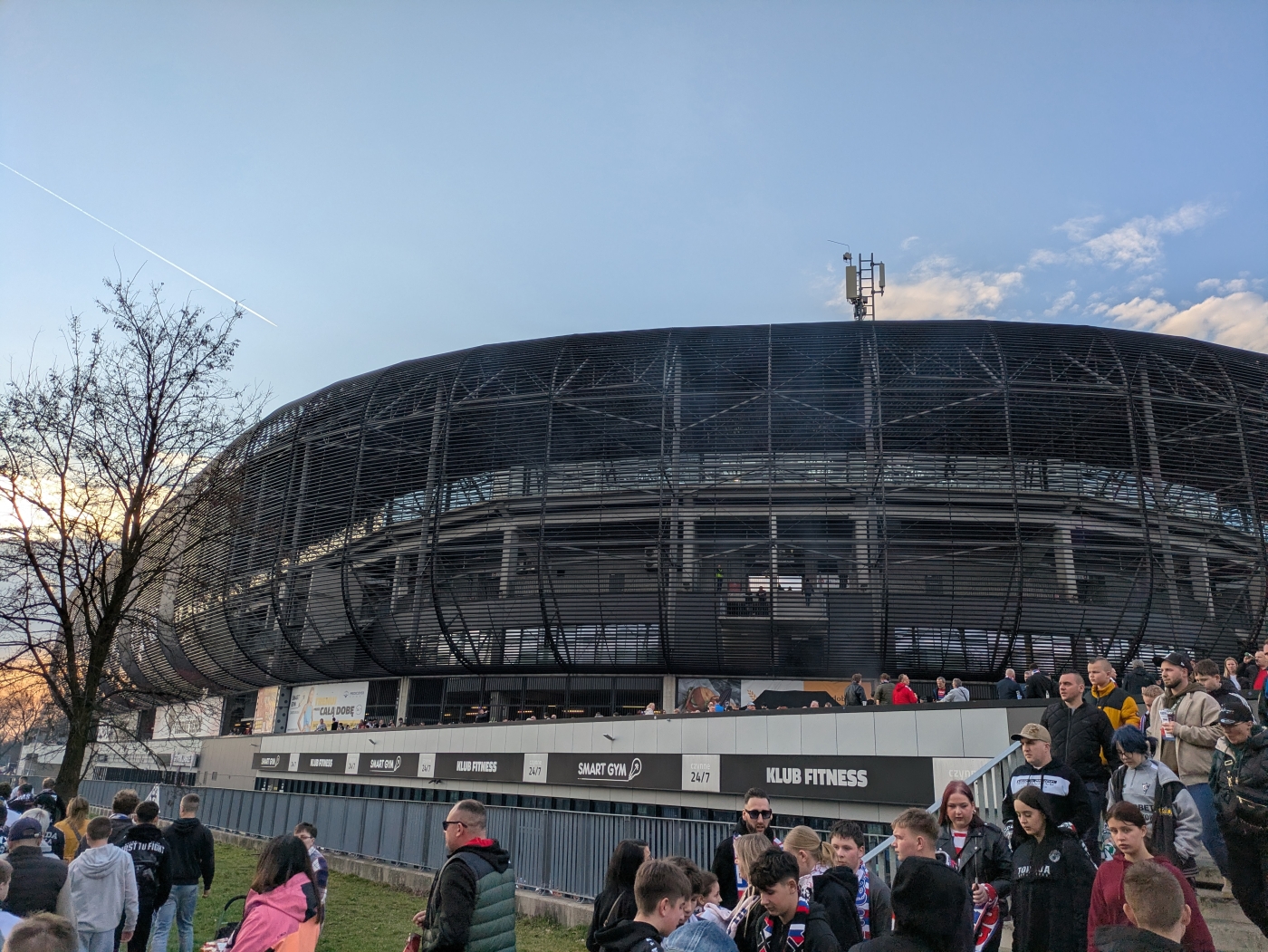
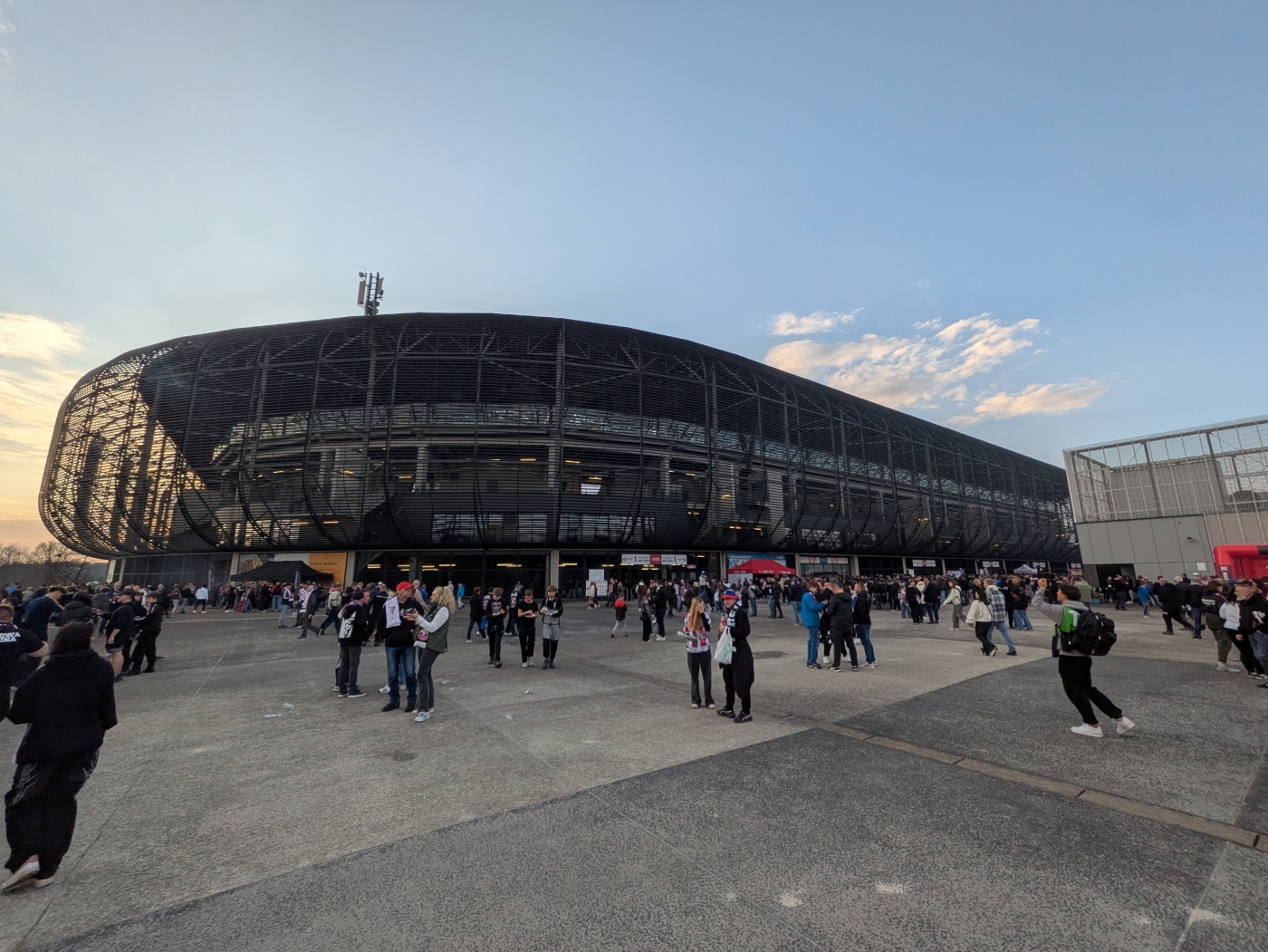
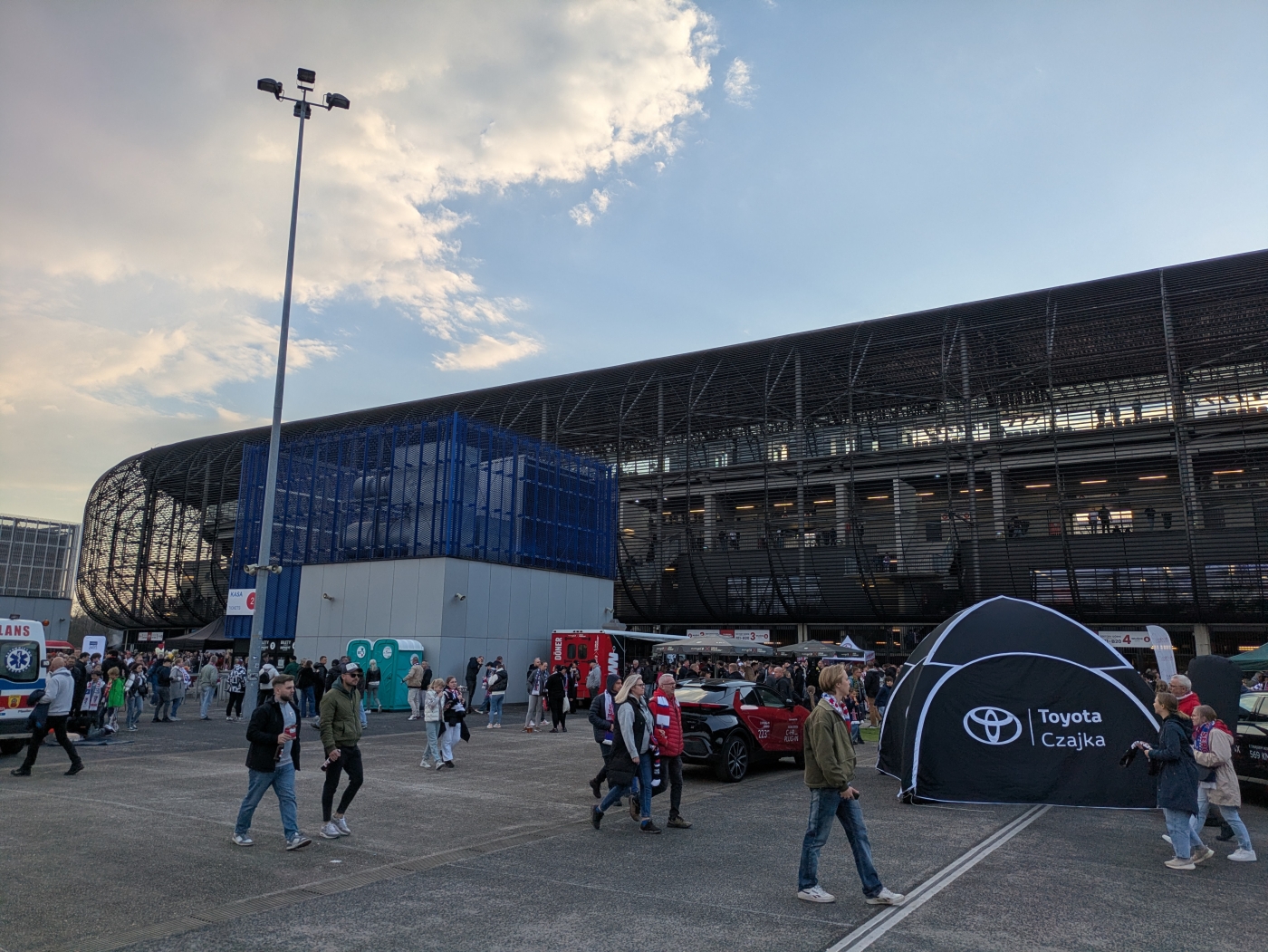
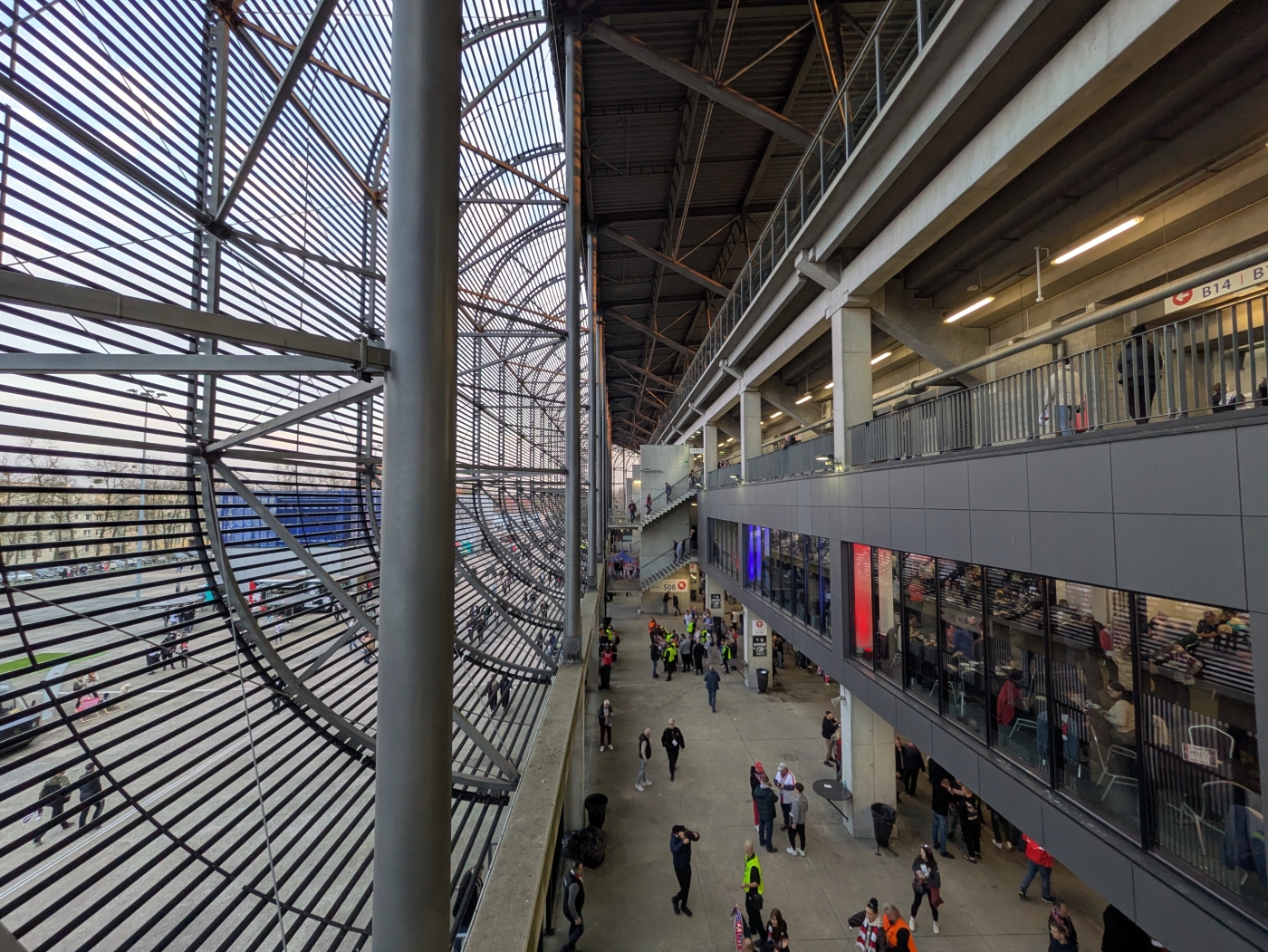
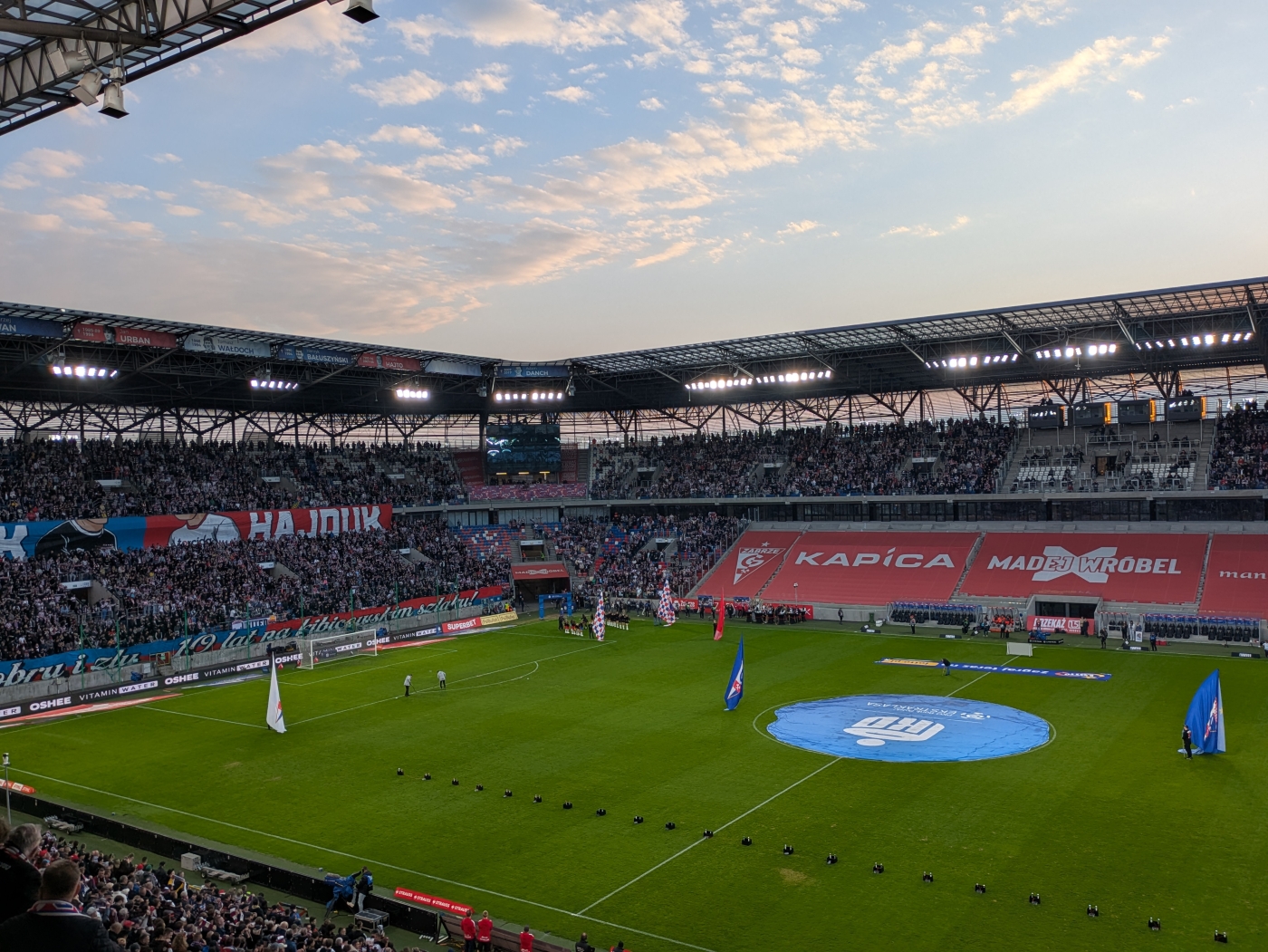
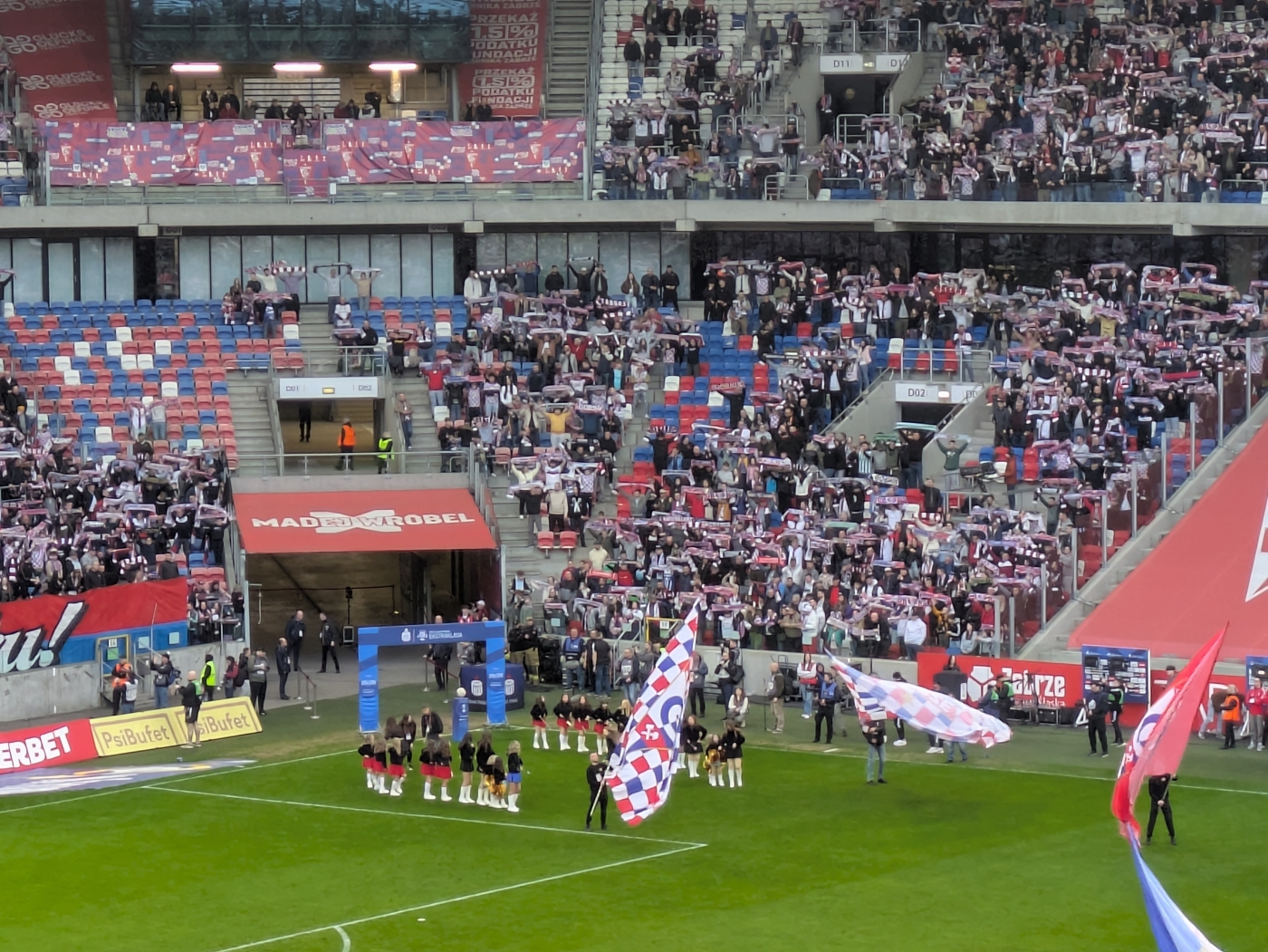
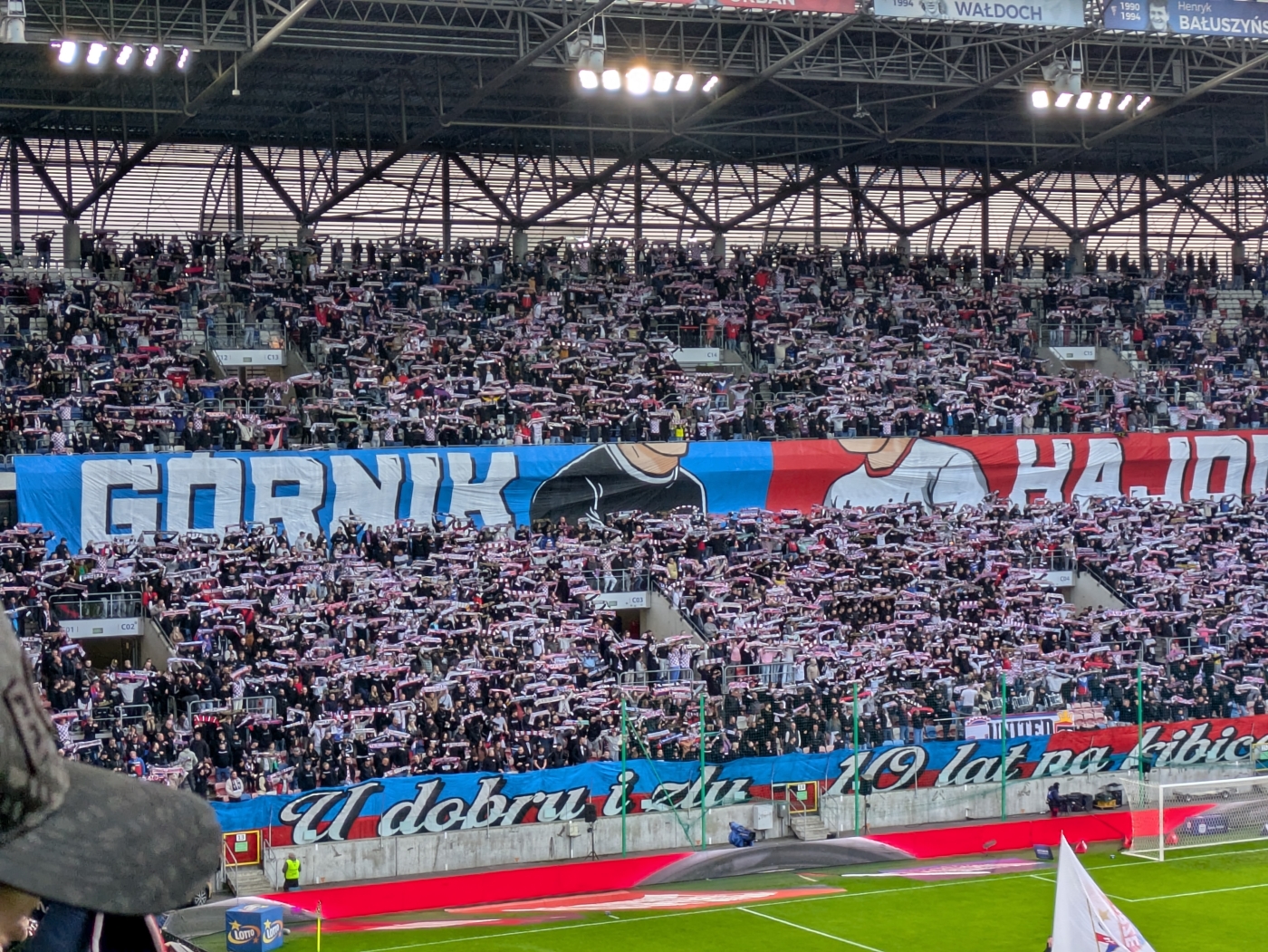
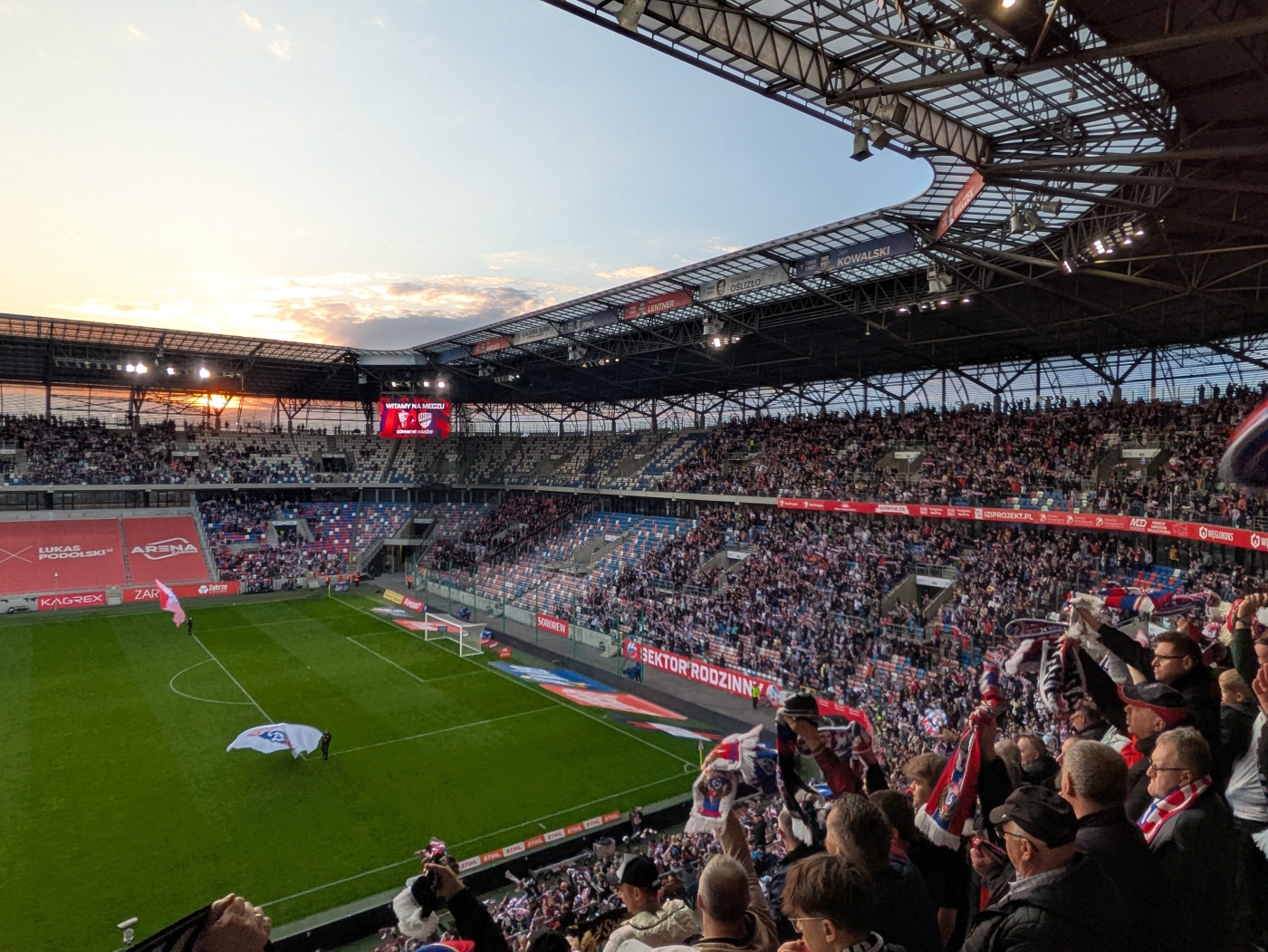
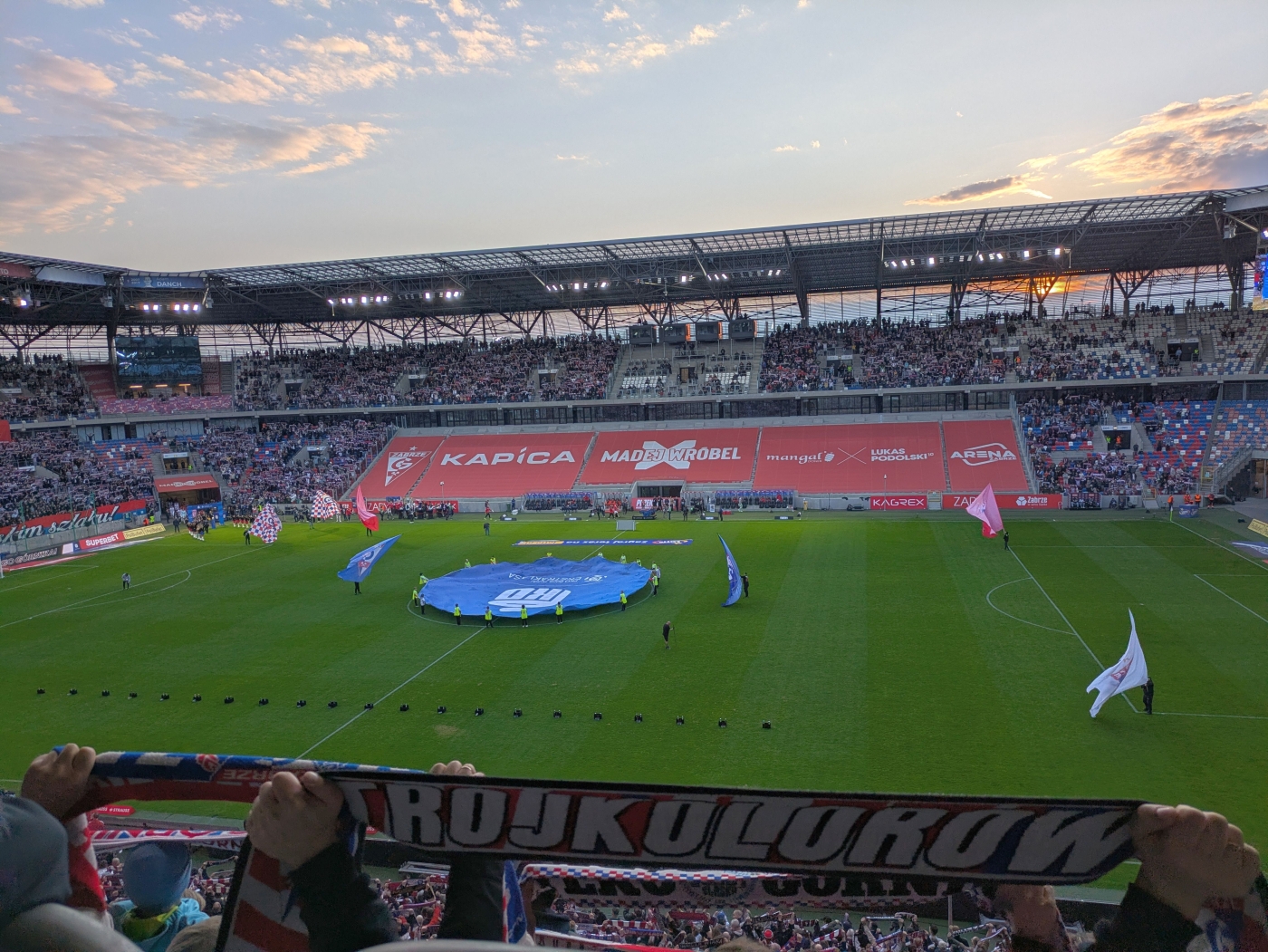
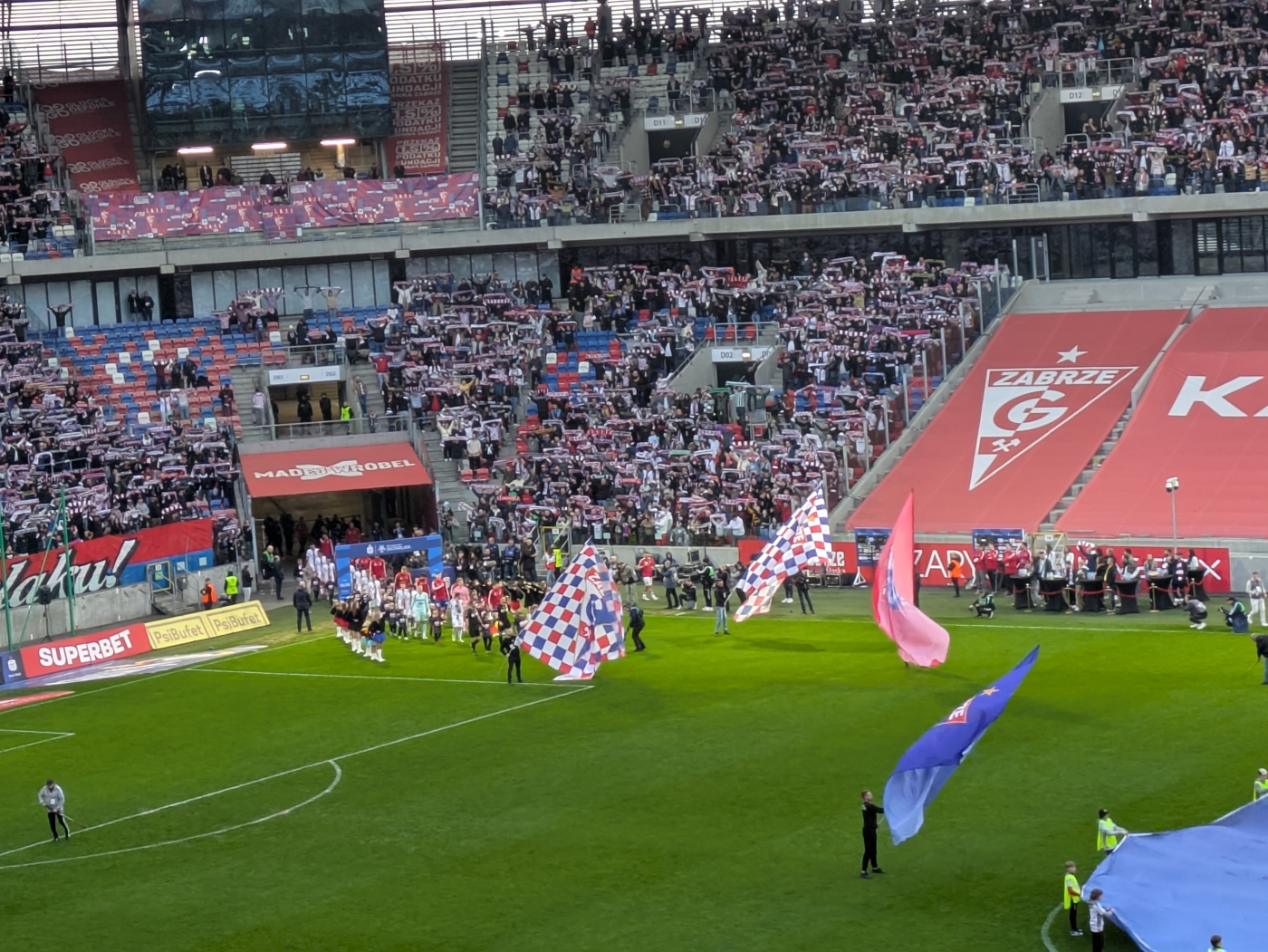
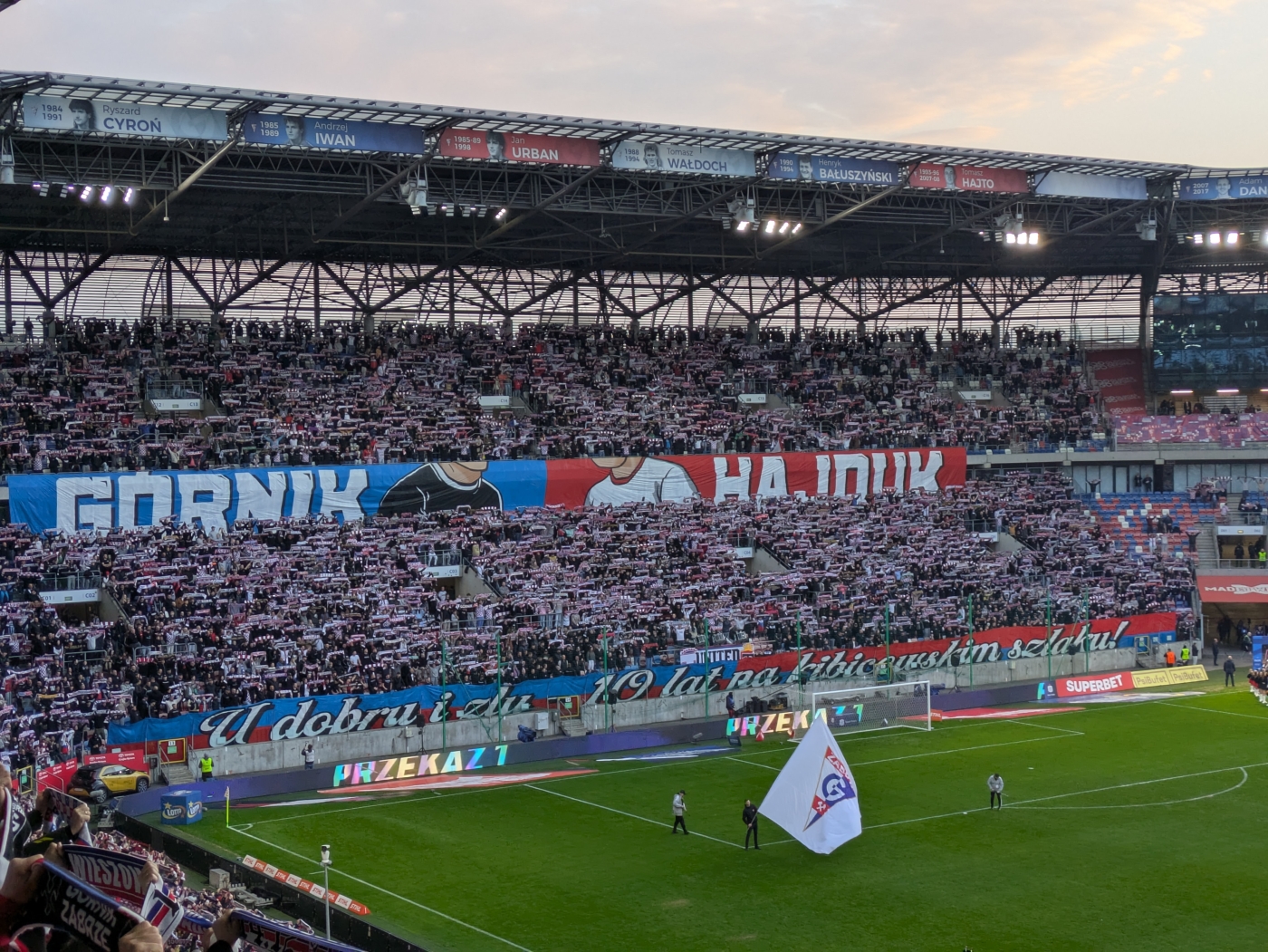
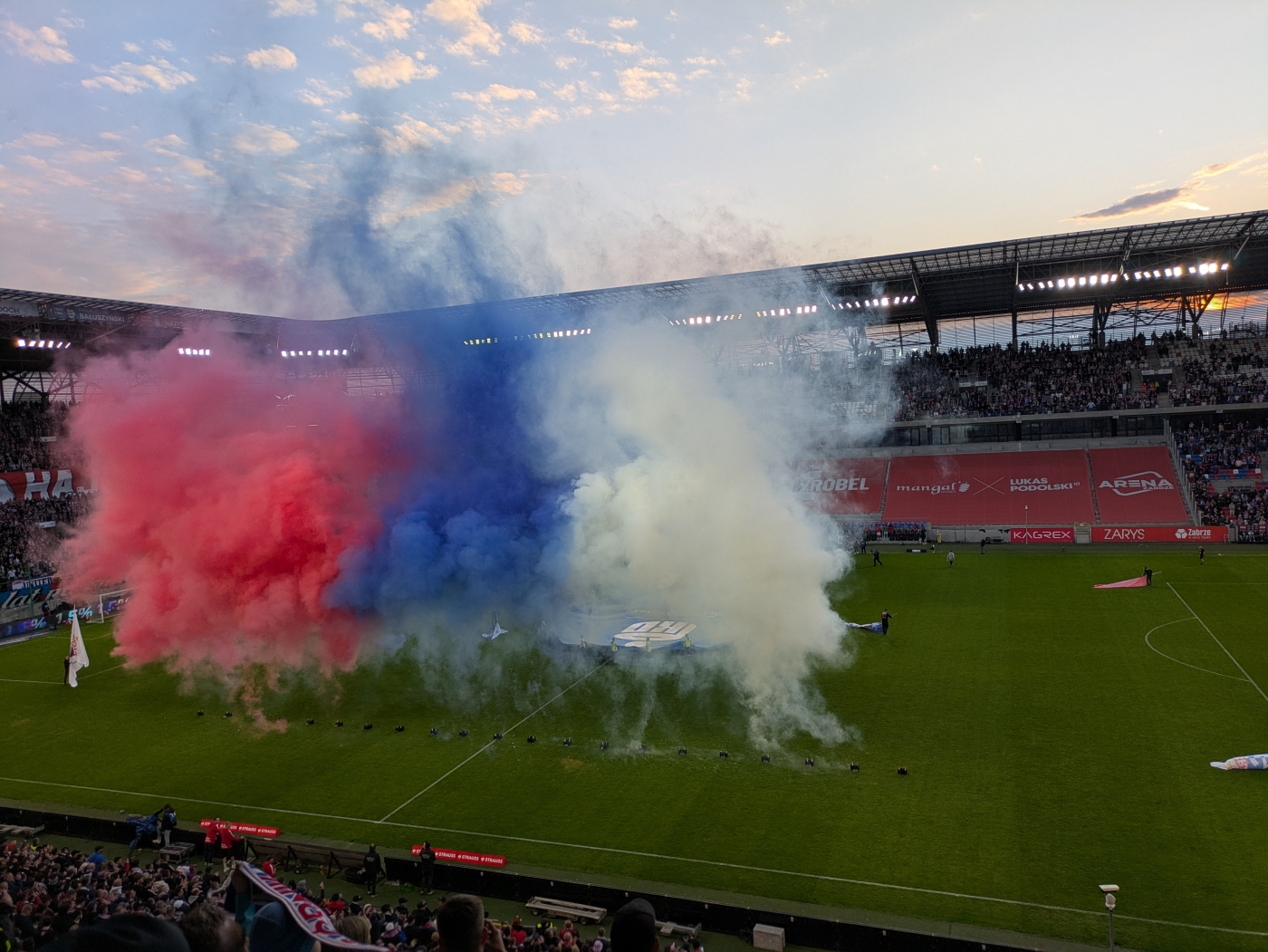
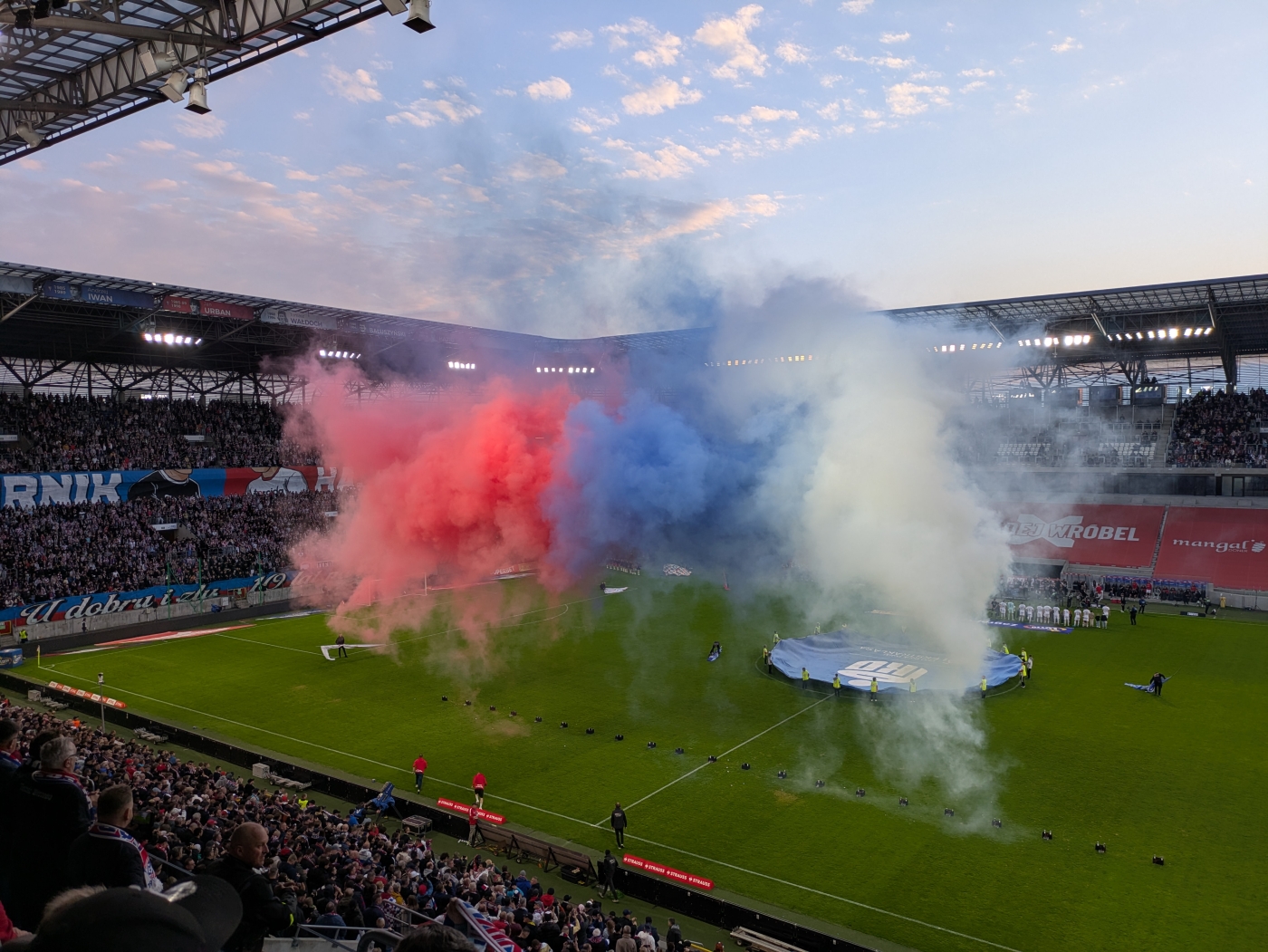
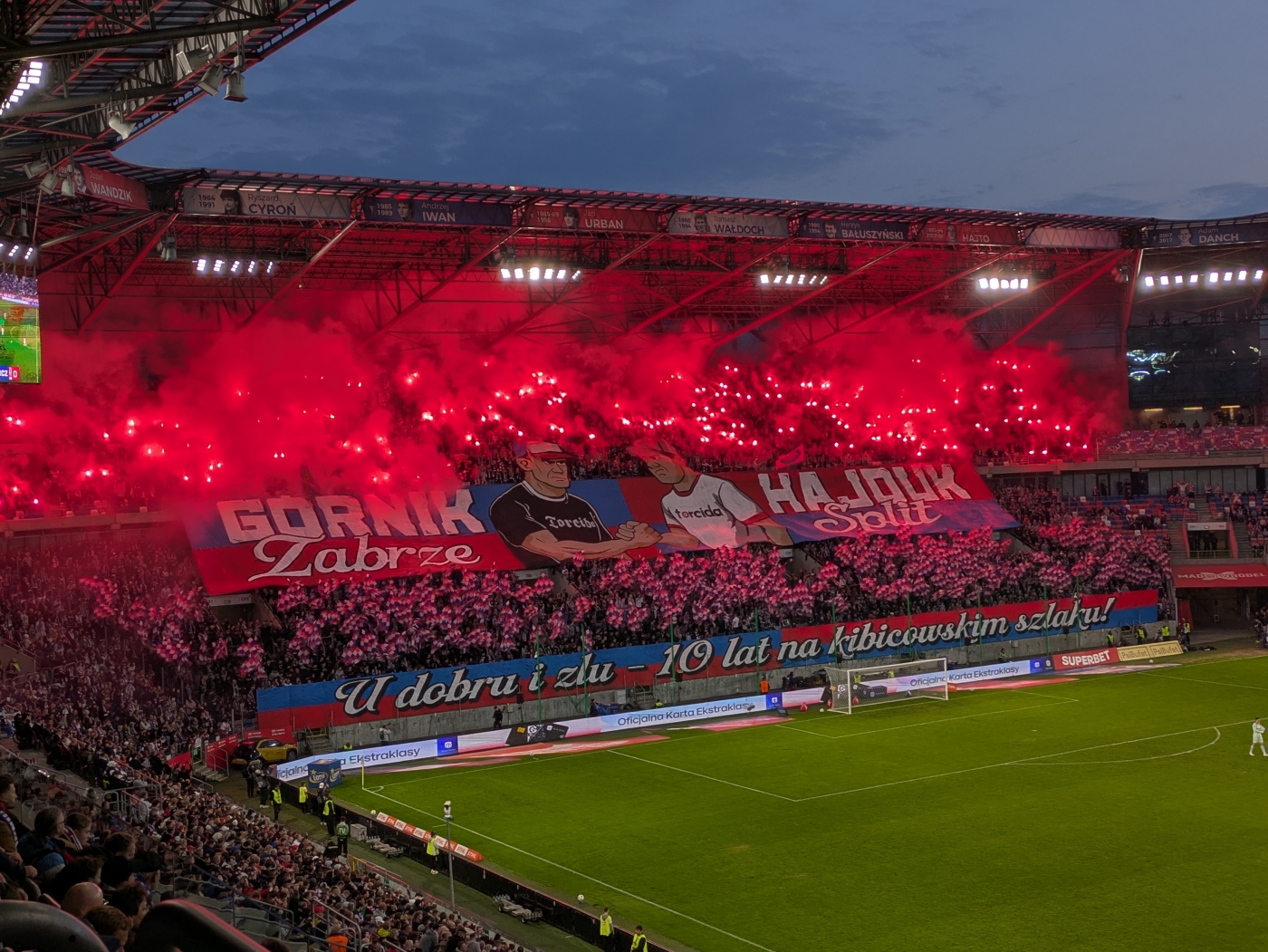
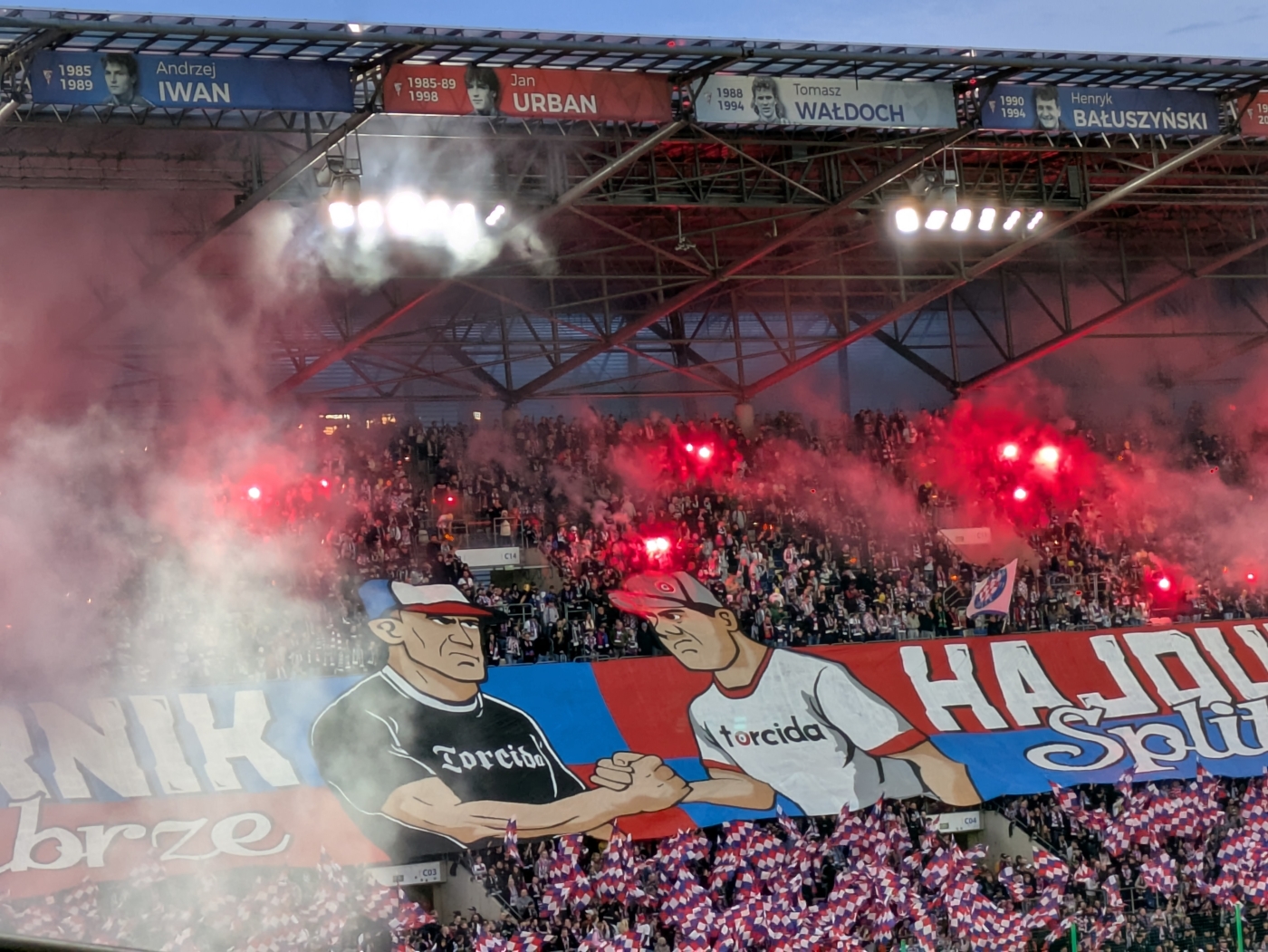
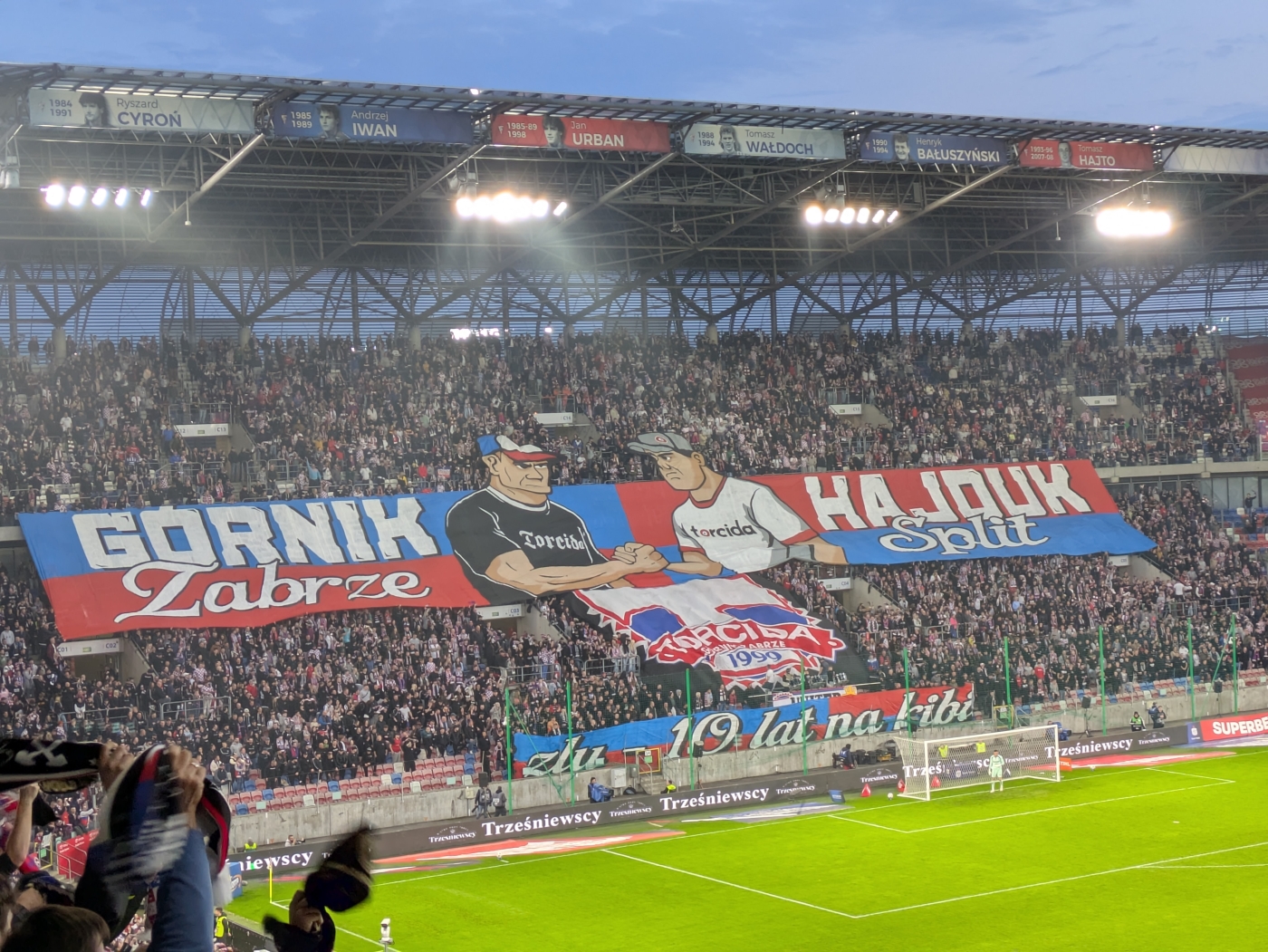
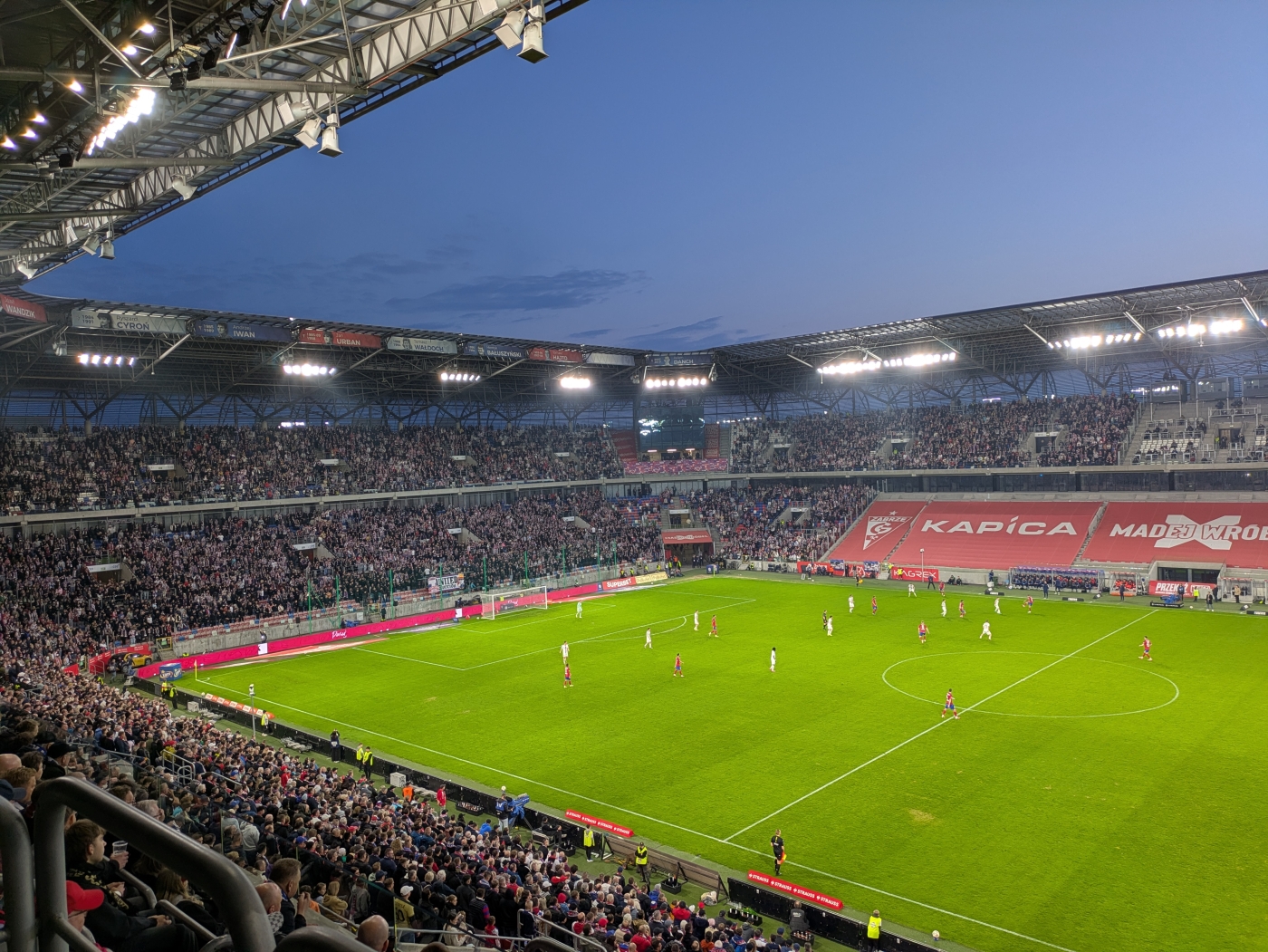
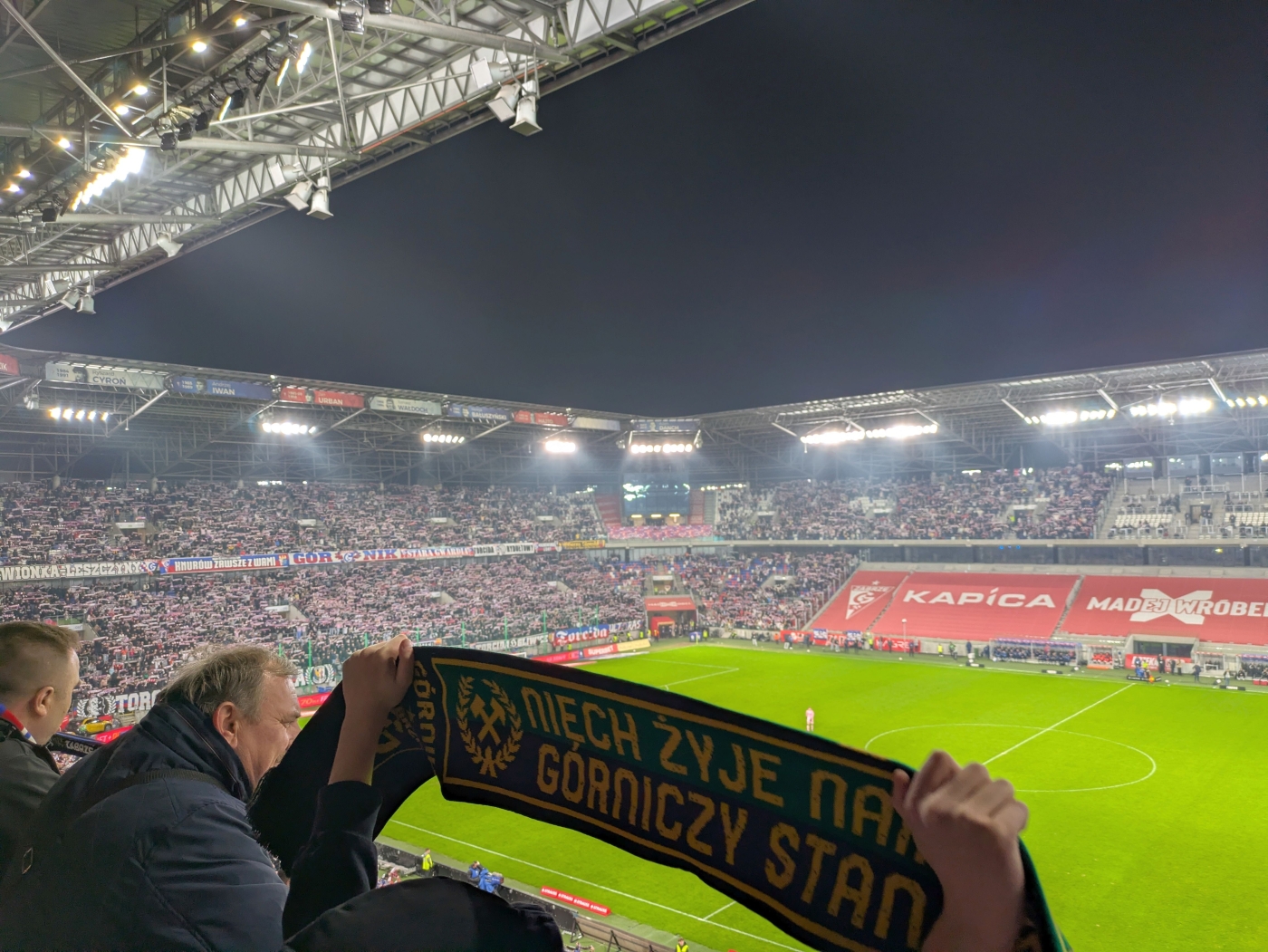
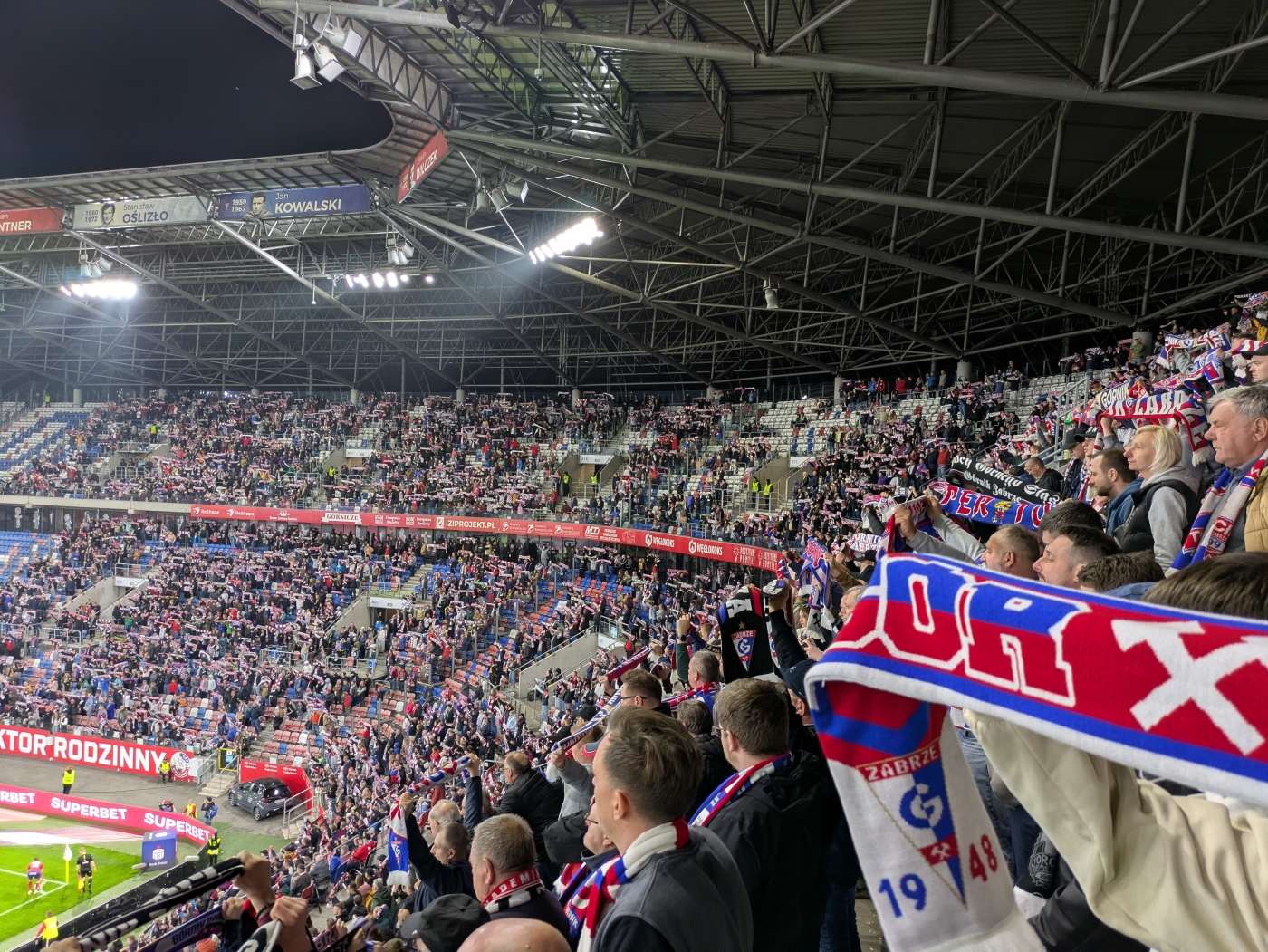
While the golden era's dominance eventually waned, Górnik Zabrze remains a significant presence in Polish football. Despite challenges and changes, its spirit endures. Their home, the Stadion Ernesta Pohla (named after an iconic player), remains a fortress where passionate fans uphold the club's traditions. The legacy of Górnik Zabrze is not just in its trophies, but as a symbol of Silesian pride and the enduring power of football.
Links and Social Media:
stadium: