Benfica Lissabon
Lissabon, Portugal
About the Club:
In the vibrant heart of Lisbon, a footballing titan stands tall: Sport Lisboa e Benfica, universally known as Benfica. Founded on February 28, 1904, by former students from Real Casa Pia de Lisboa, initially as Grupo Sport Lisboa, the club quickly adopted its iconic red and white colours. A merger in 1908 with Sport Clube de Benfica solidified its name, laying the groundwork for a global institution.
The Golden Era of European Glory
The 1960s marked Benfica's undisputed golden era, largely under coach Béla Guttmann. The club achieved unprecedented success, winning back-to-back European Cups in 1961 against Barcelona and in 1962 against Real Madrid. These triumphs were powered by the extraordinary talent of Eusébio da Silva Ferreira, "The Black Panther," a true legend of the sport.
The Shadow of Guttmann's Curse
This glorious period is famously linked to the "Guttmann Curse." After his departure, Béla Guttmann reportedly declared that Benfica would not win another European final for 100 years. Since 1962, the club has reached eight subsequent European finals (five European Cup/Champions League and three UEFA Cup/Europa League finals), losing every single one. This haunting statistic continues to define their European narrative.
Domestic Dominance and Passionate Rivalries
Despite the European drought, Benfica remains Portugal's most successful club domestically, boasting the most Primeira Liga titles and Taça de Portugal wins. Their intense rivalries, especially with FC Porto in "O Clássico" and Sporting CP in the "Derby de Lisboa," are cornerstones of Portuguese football, embodying deep-seated passion and pride.
Home at the Estádio da Luz
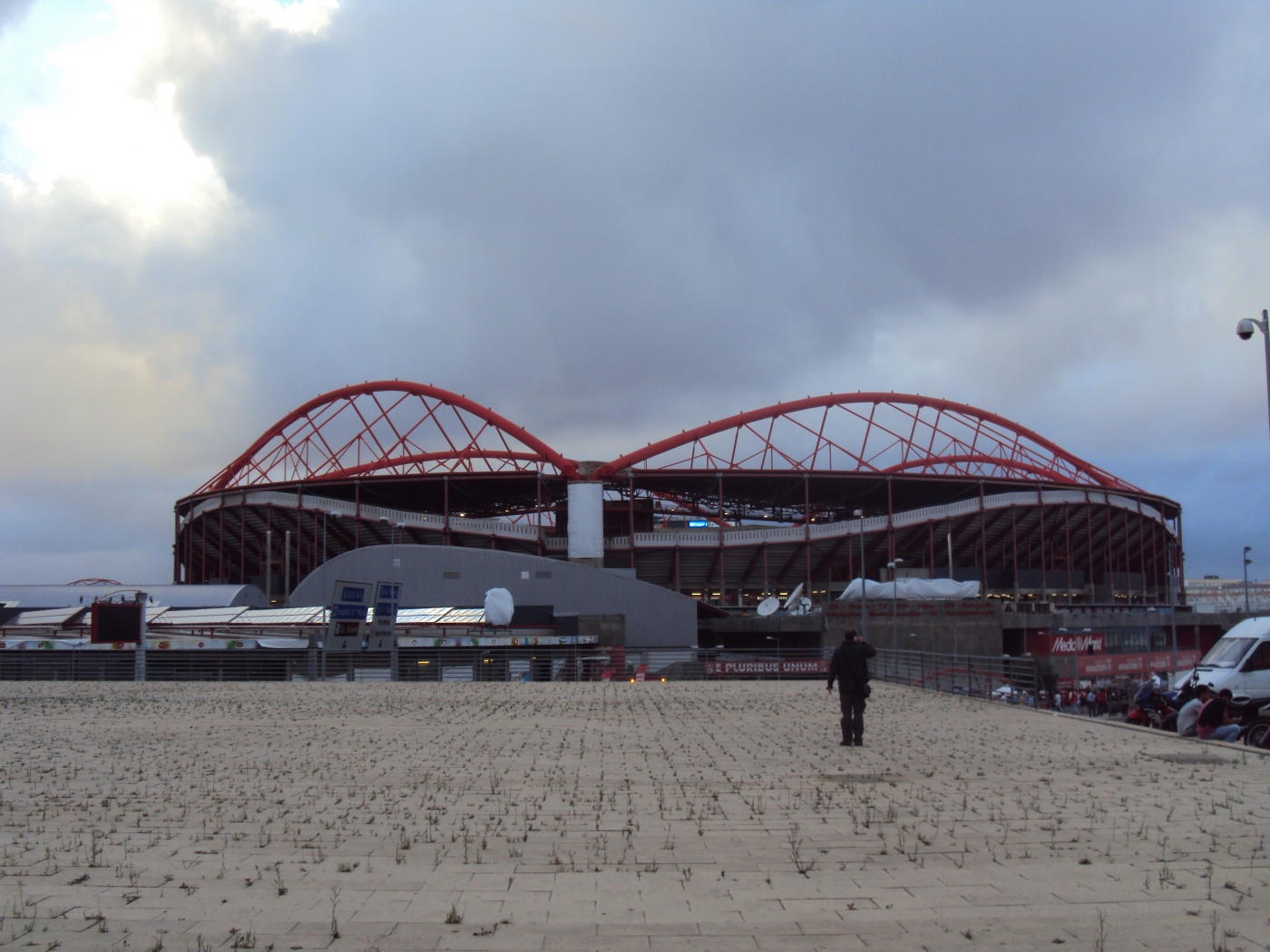
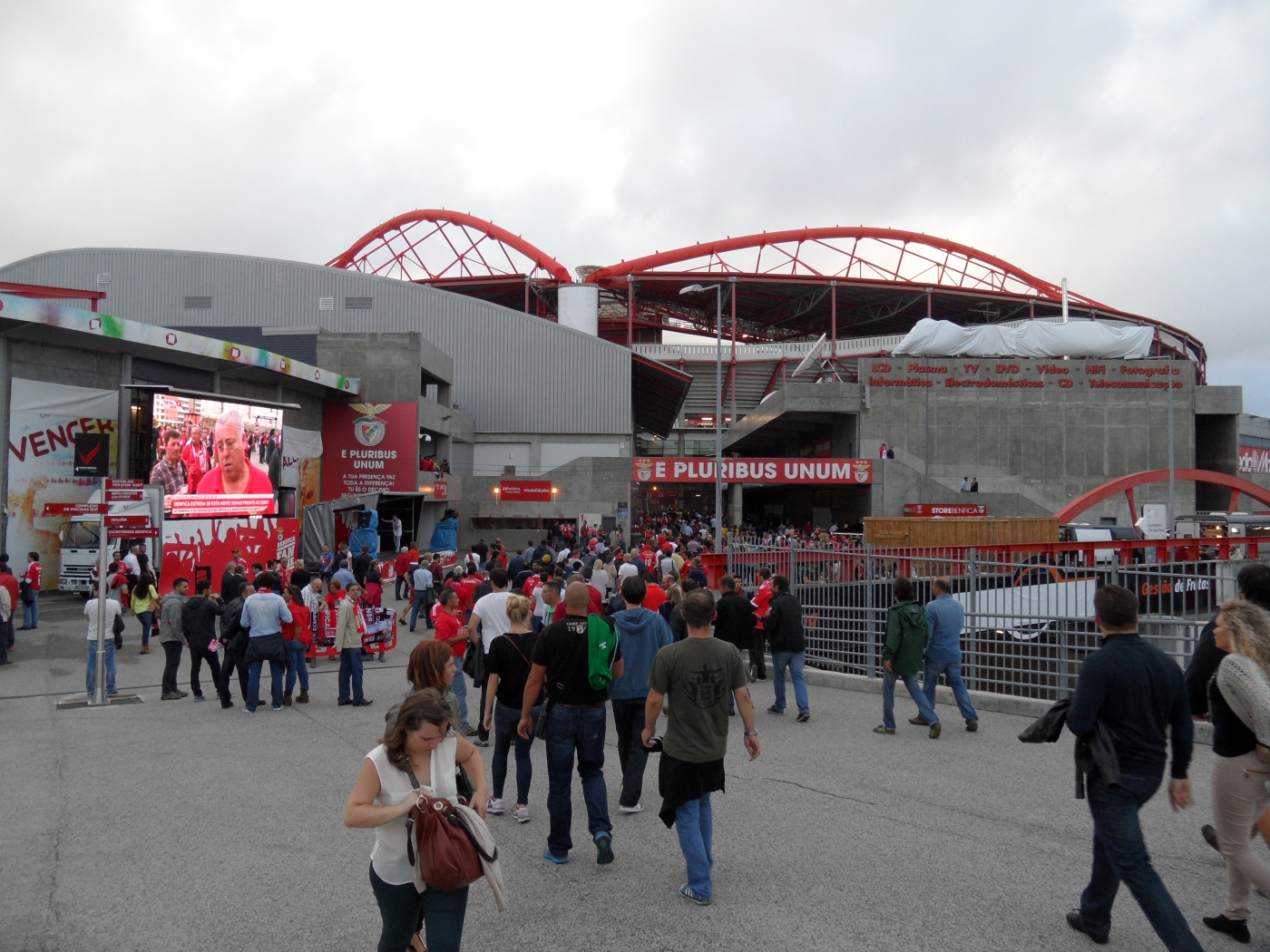
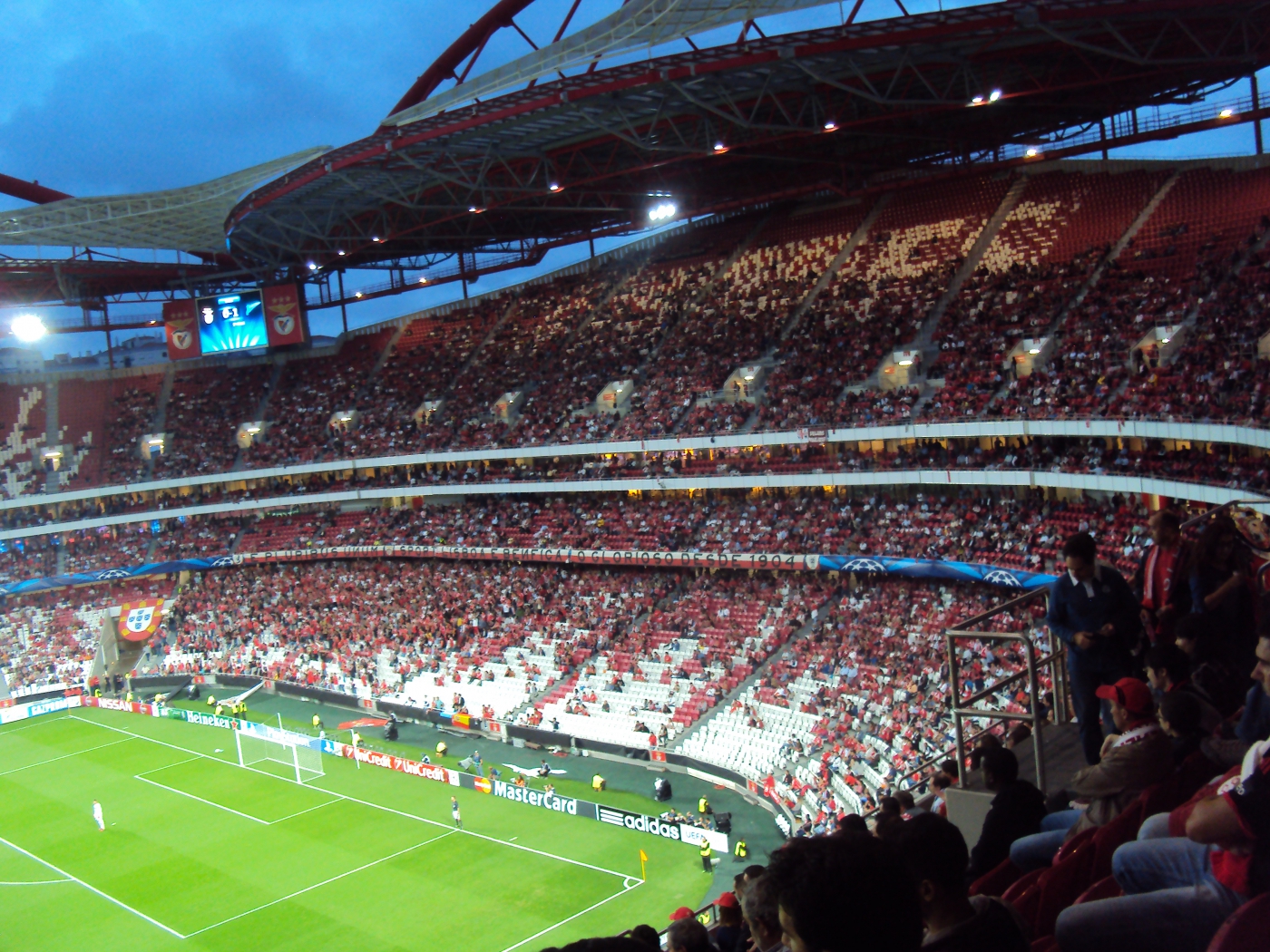
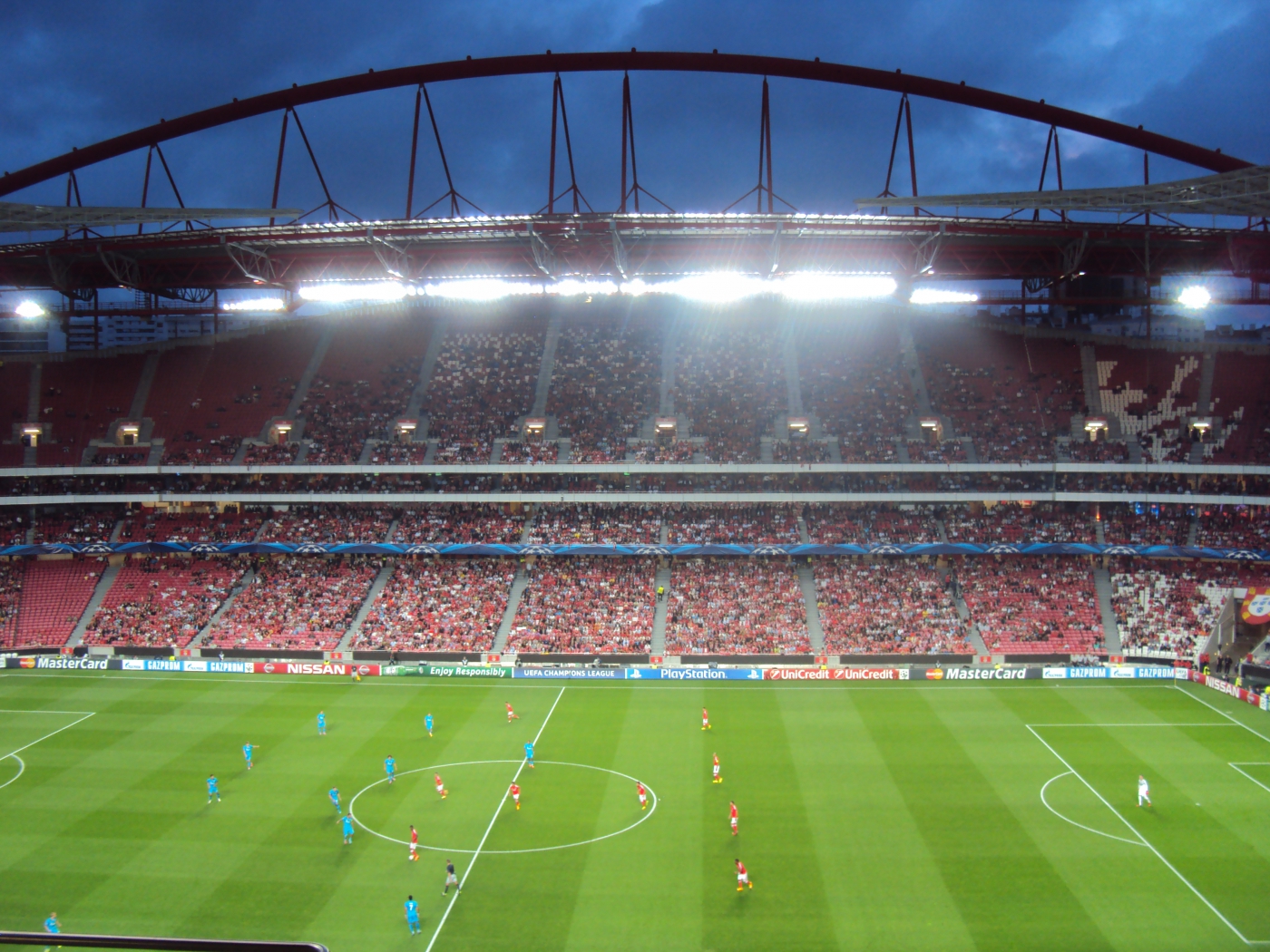
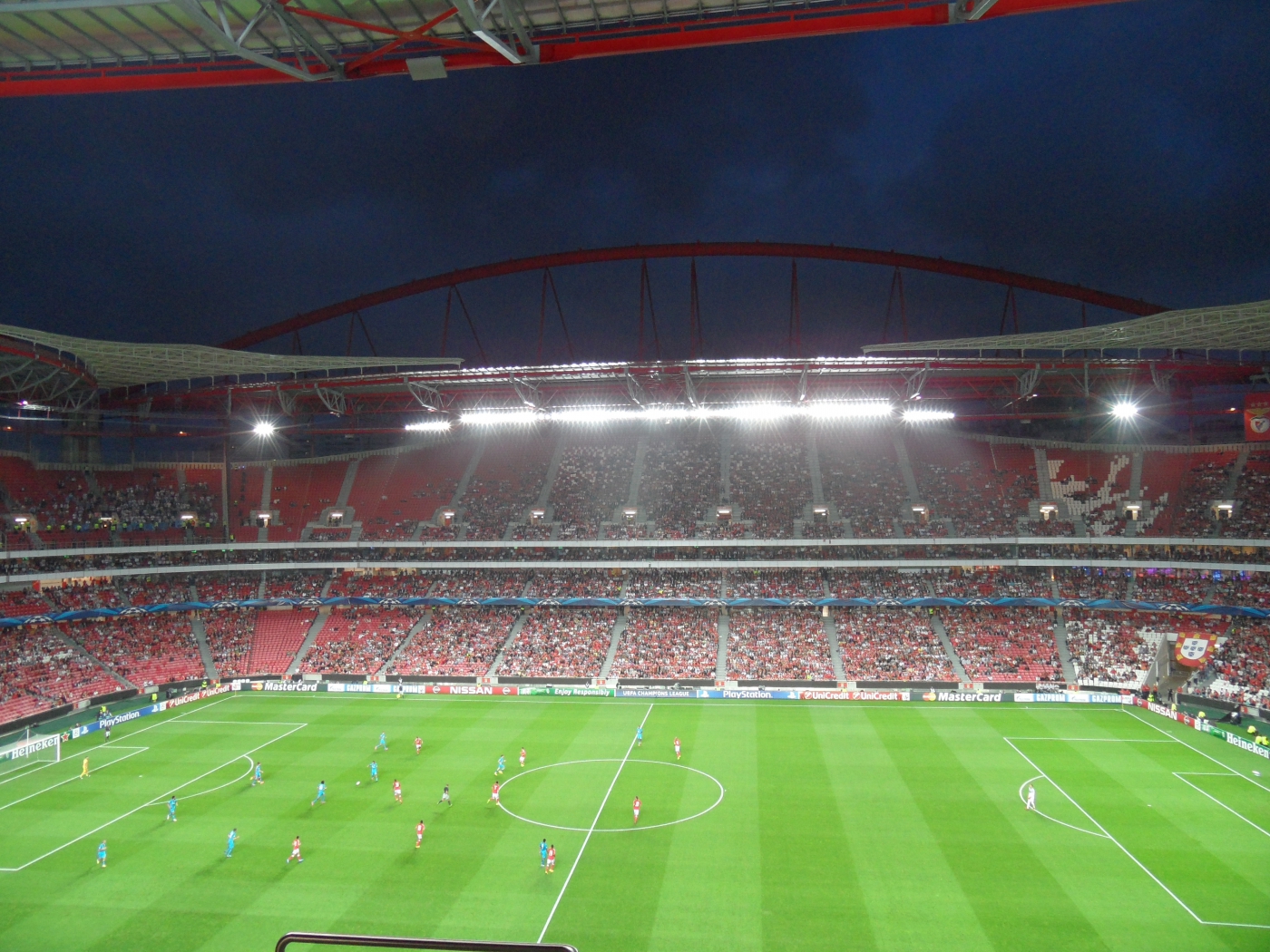
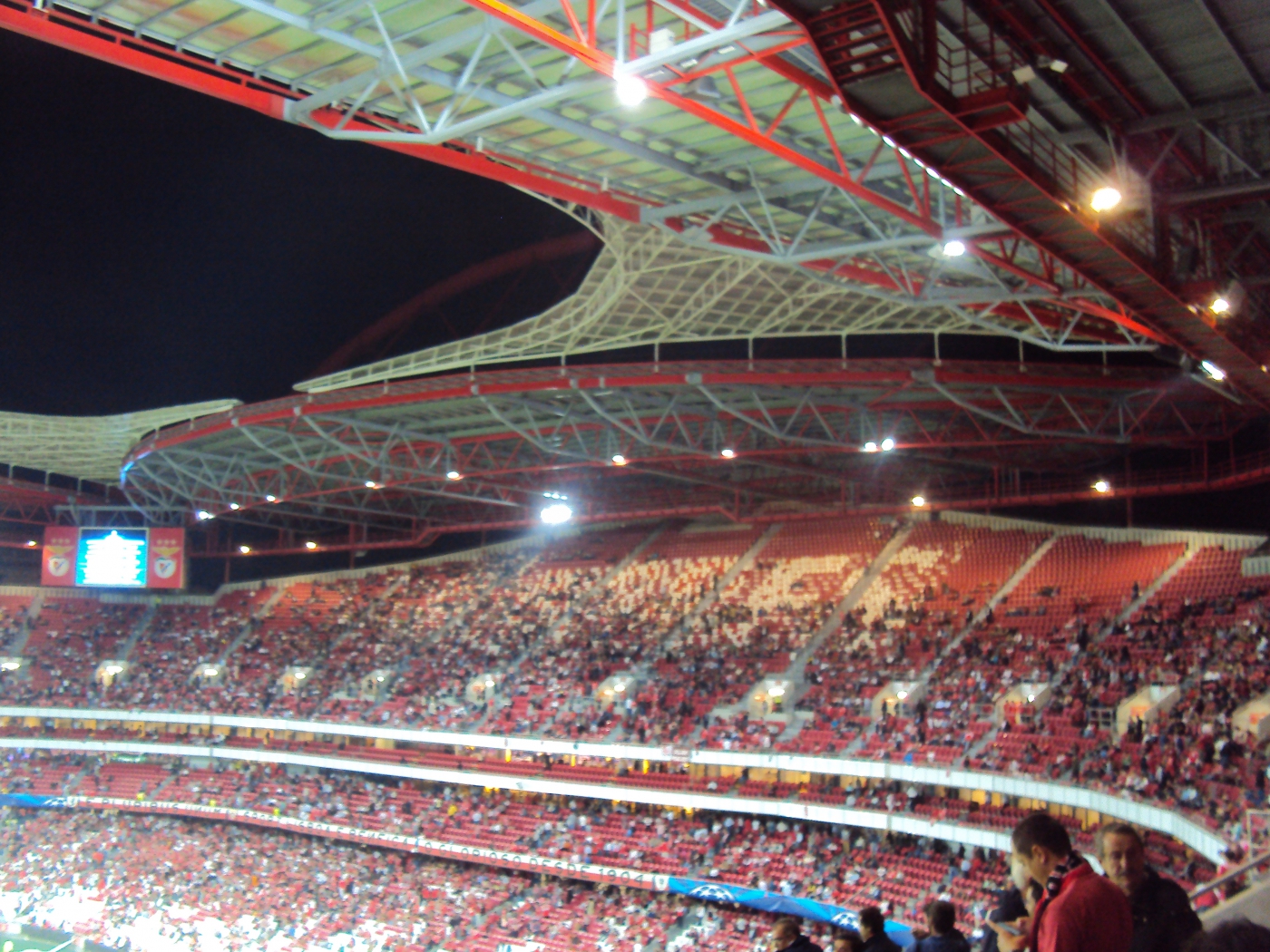
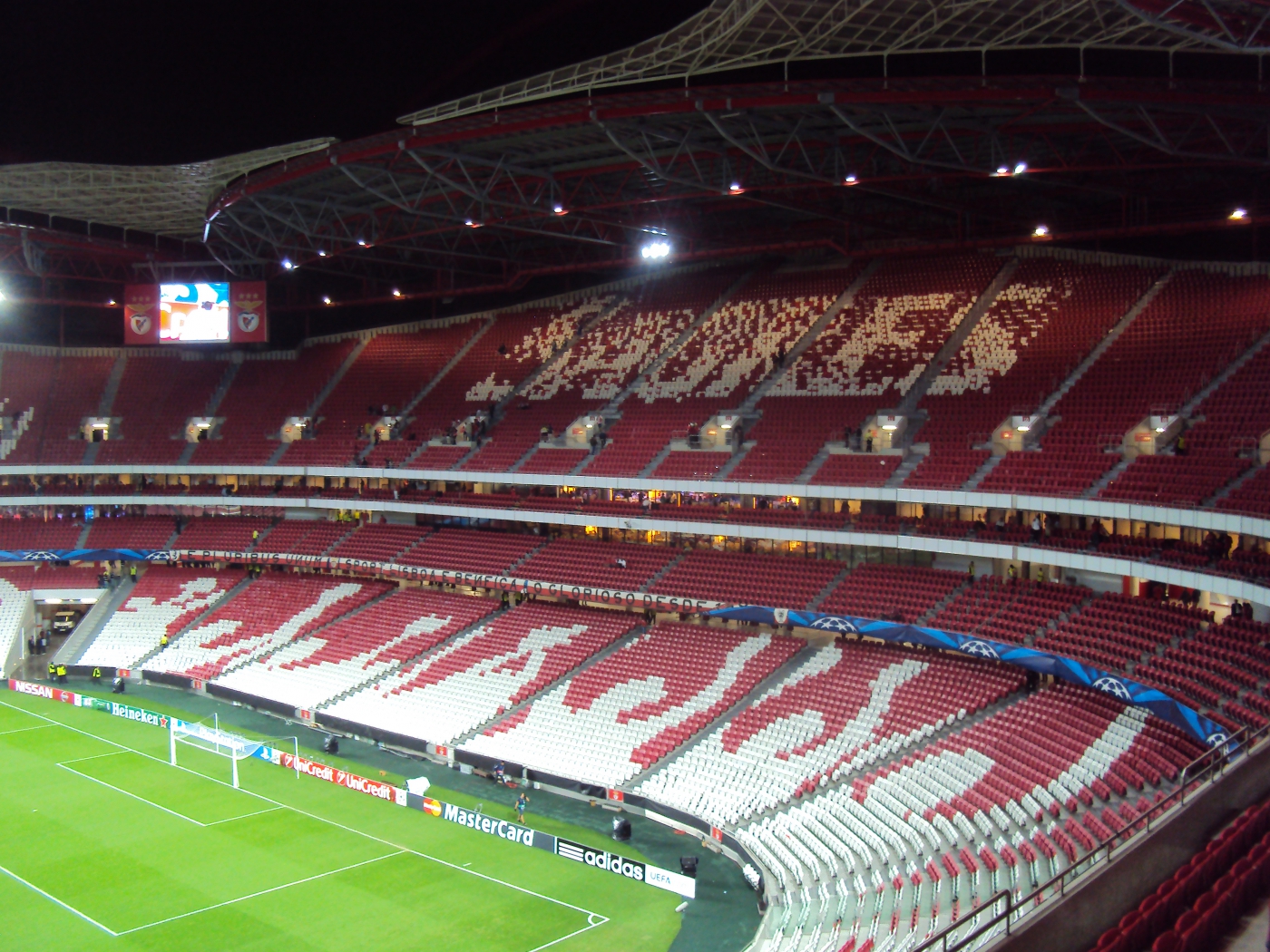
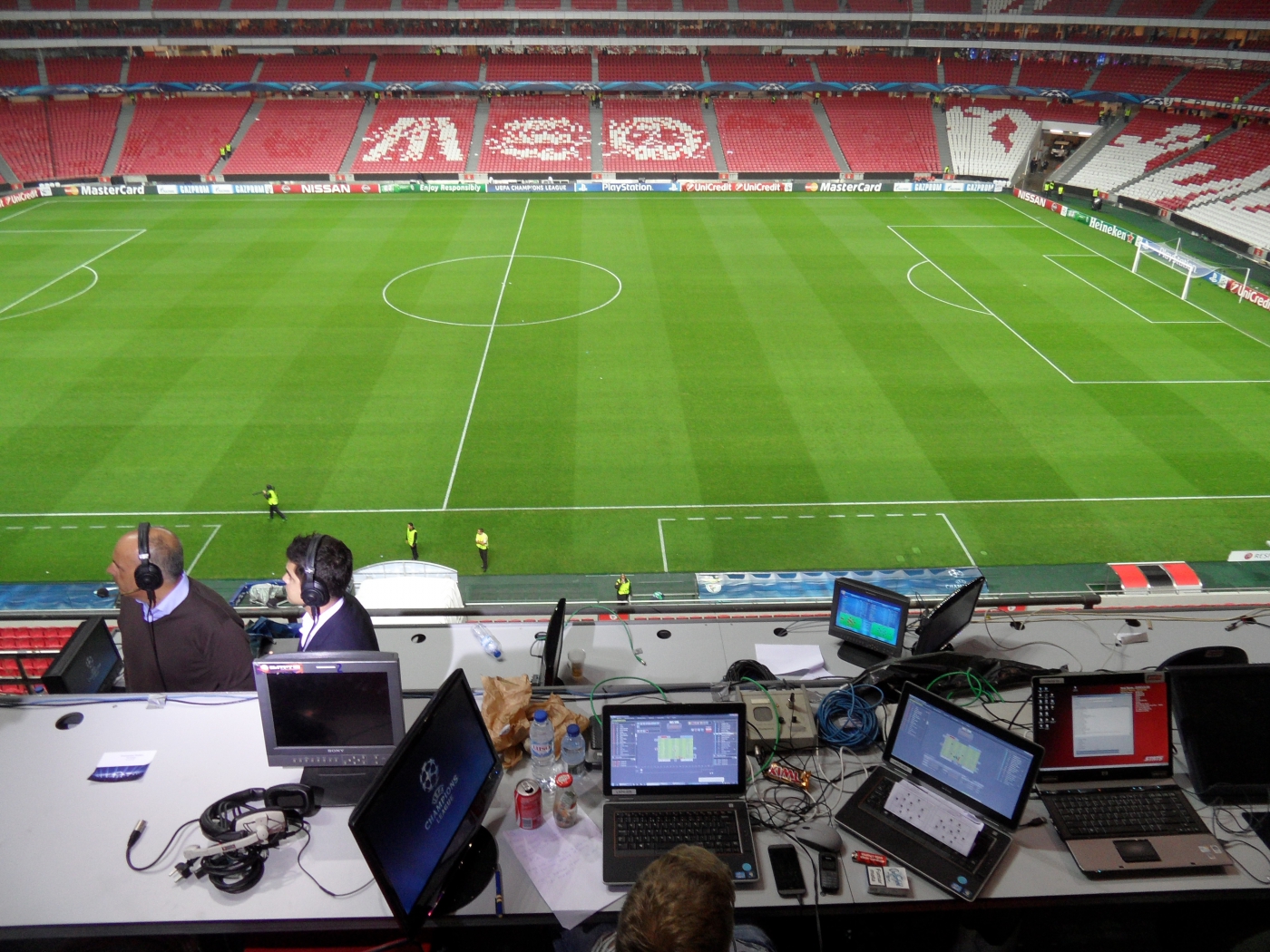
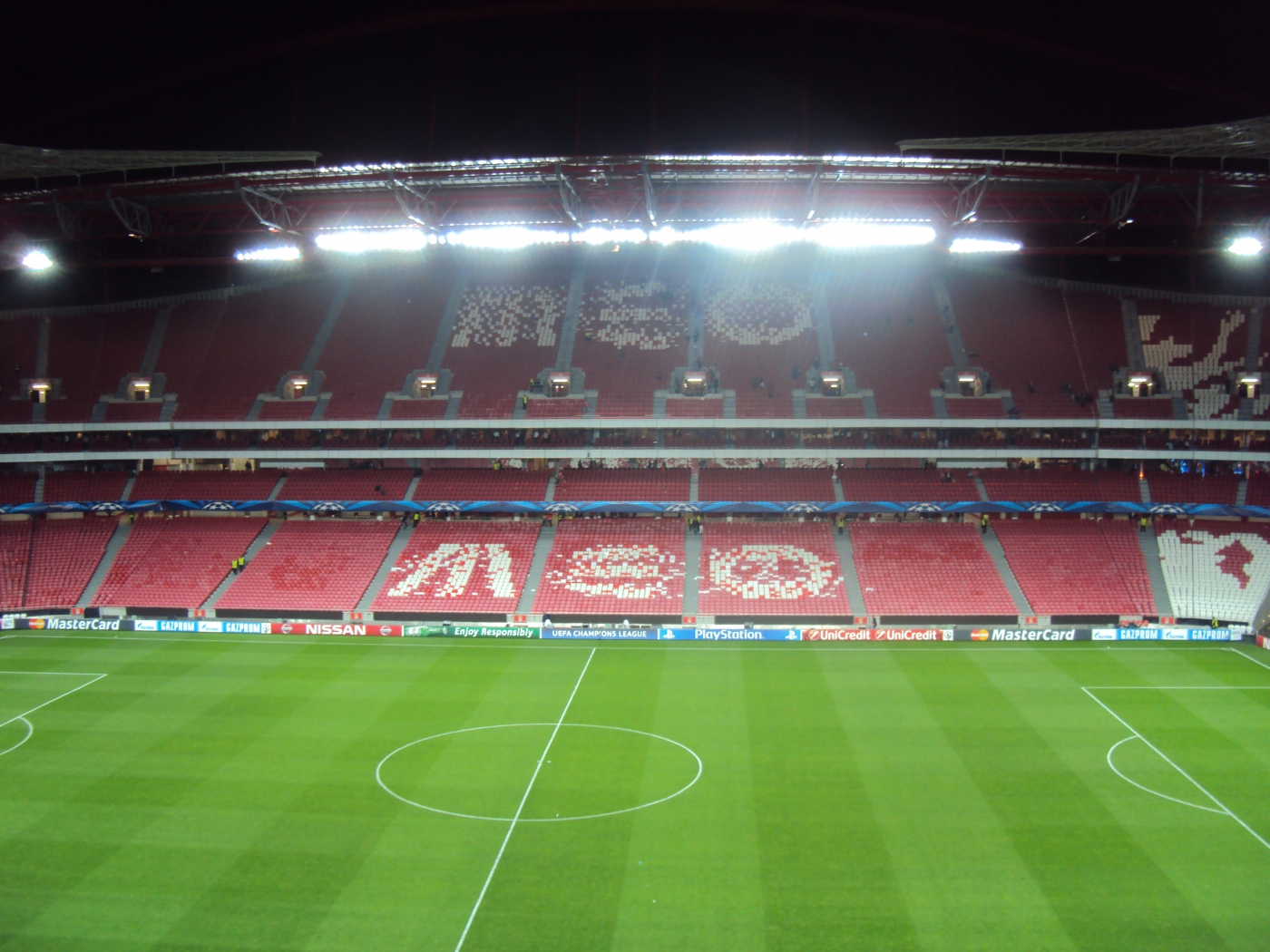
Benfica's spiritual home is the magnificent Estádio da Luz, or "Stadium of Light," a modern arena that reverberates with the chants of their massive fanbase. Renowned for having one of the largest supporter bases globally, holding a Guinness World Record for the most registered members, Benfica is more than a club; it's a cultural institution and a symbol of national pride.
Links and Social Media:
stadium: