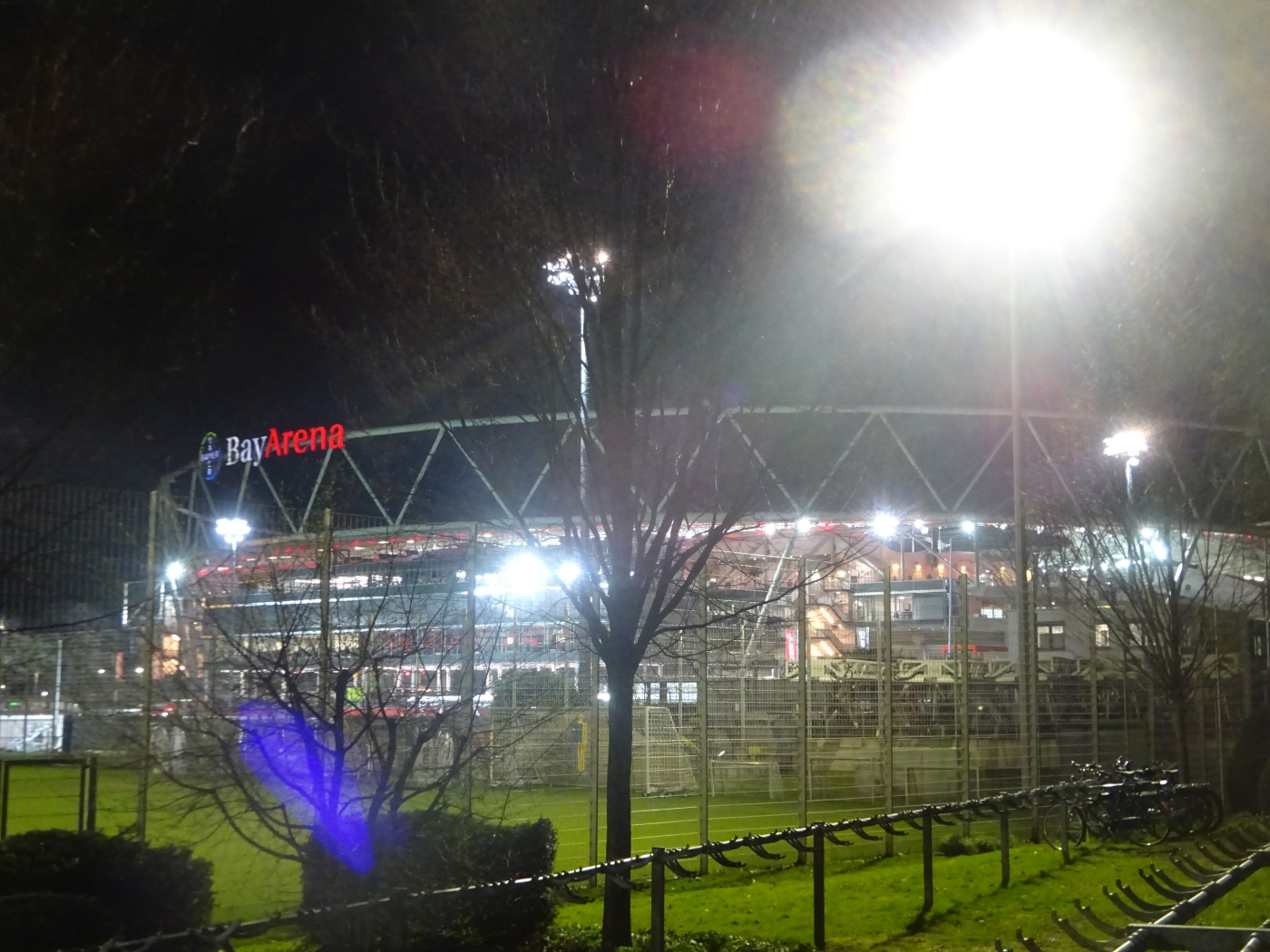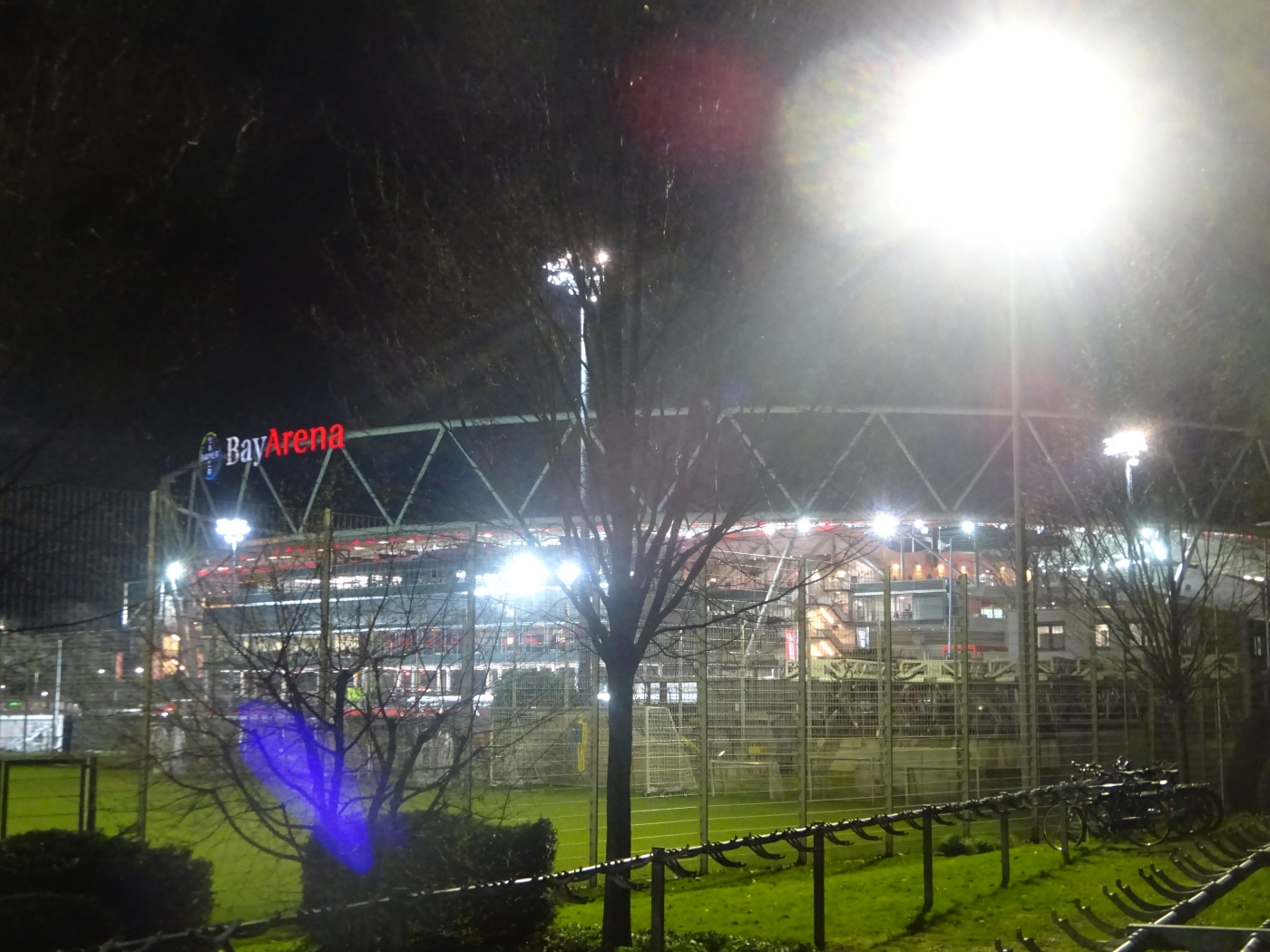
BayArena
Ulrich-Haberland-Stadion
Bismarckstraße 122-124, Leverkusen, Germany
About the Stadium:
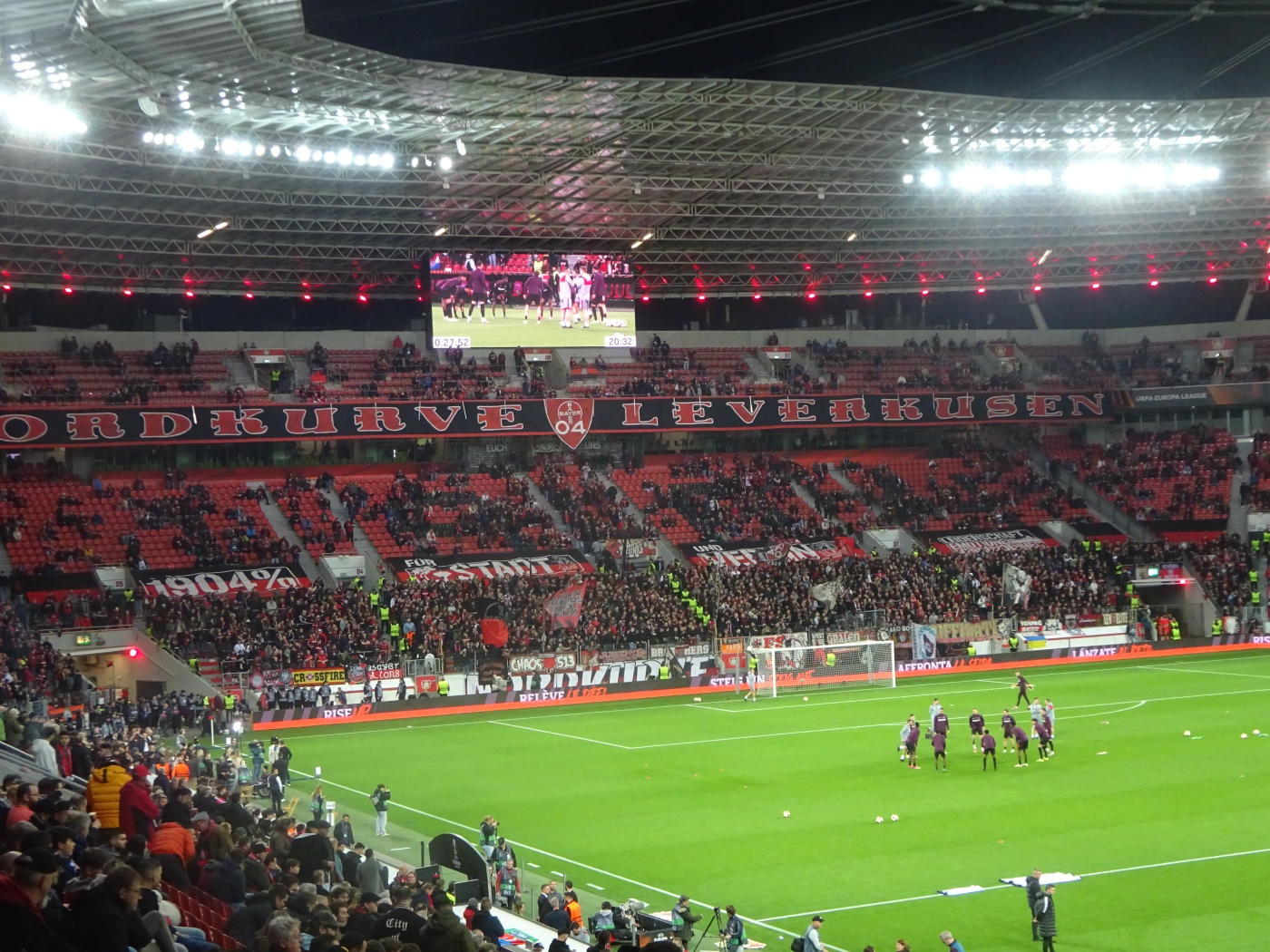
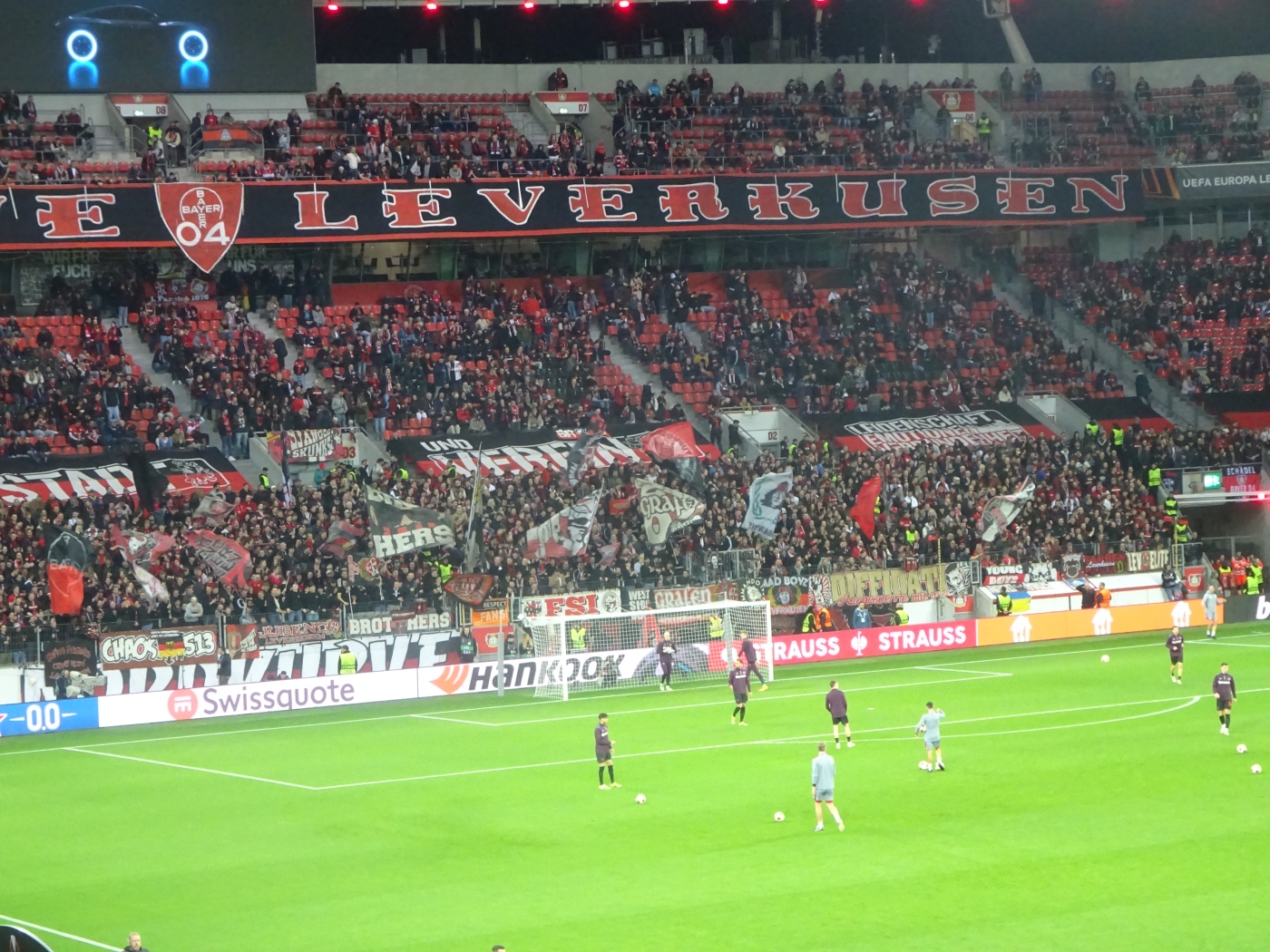
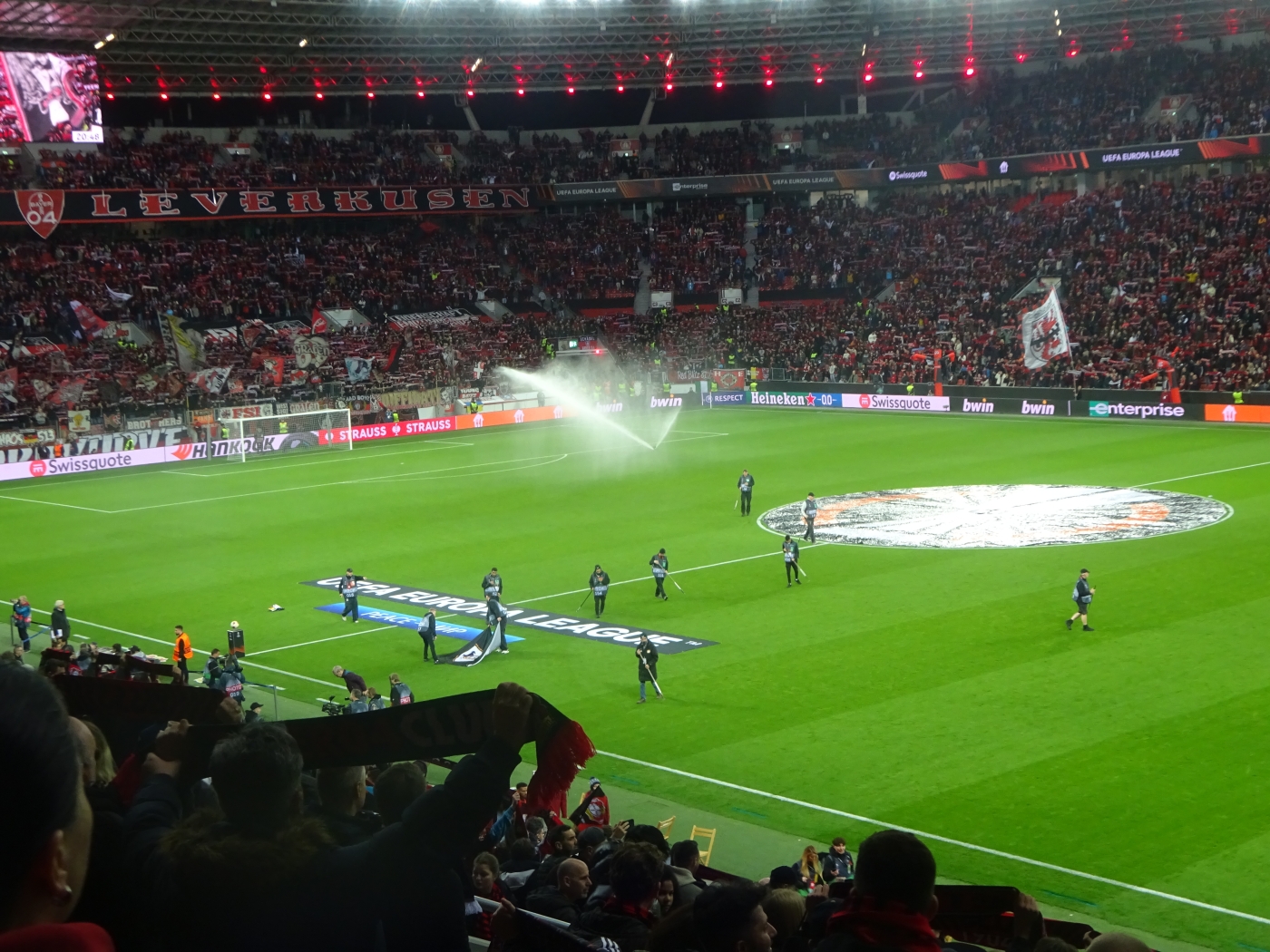
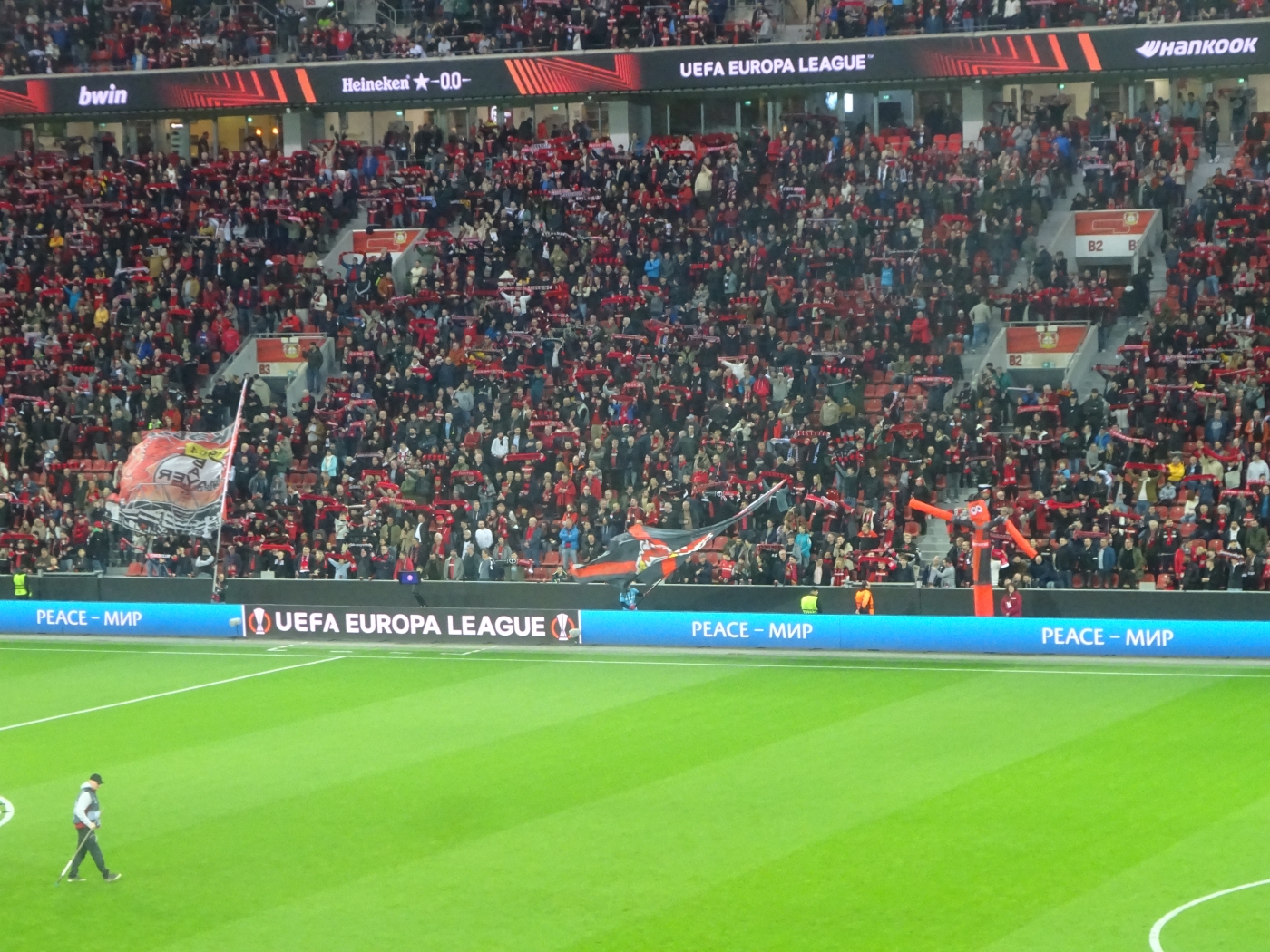
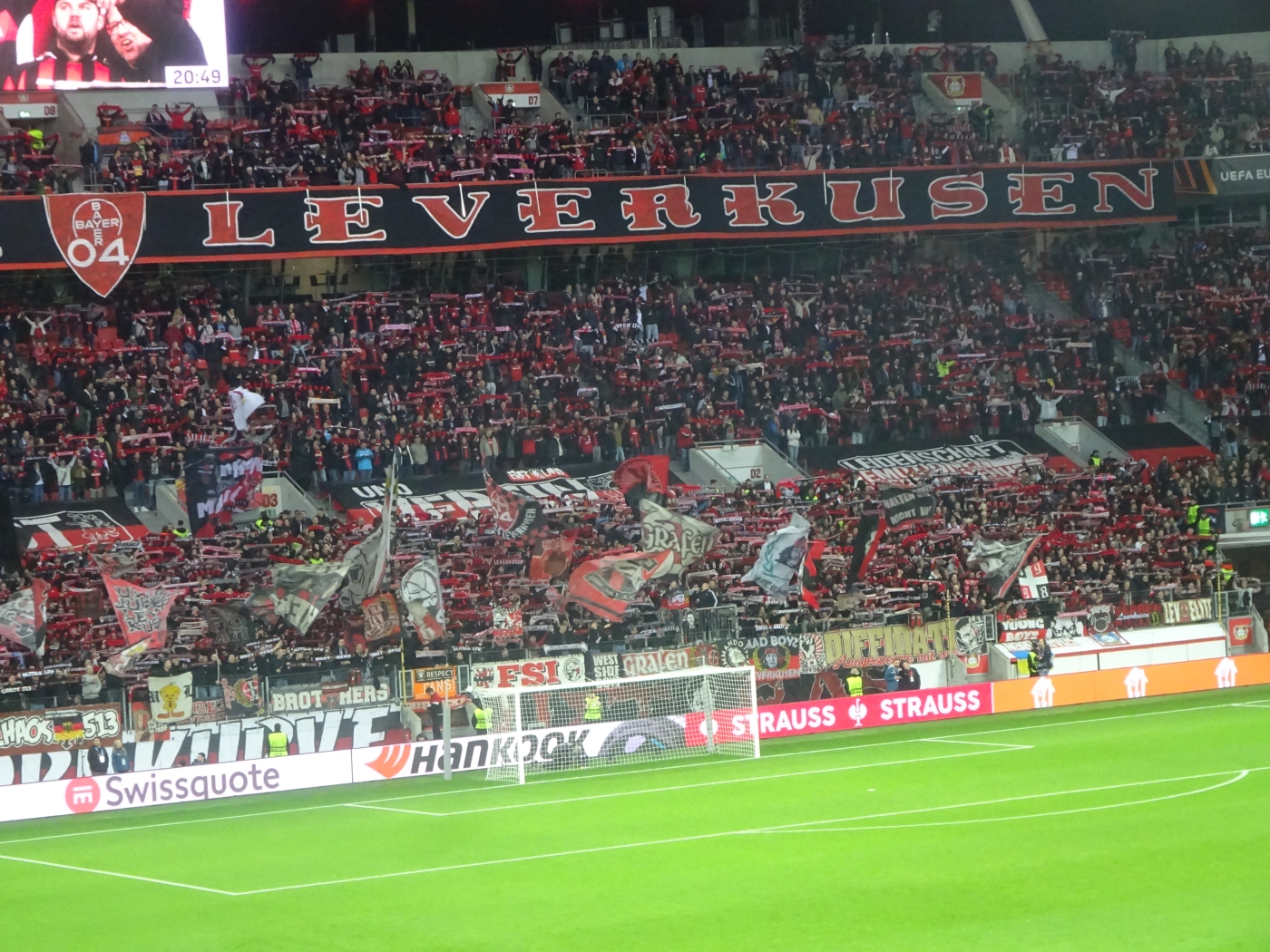
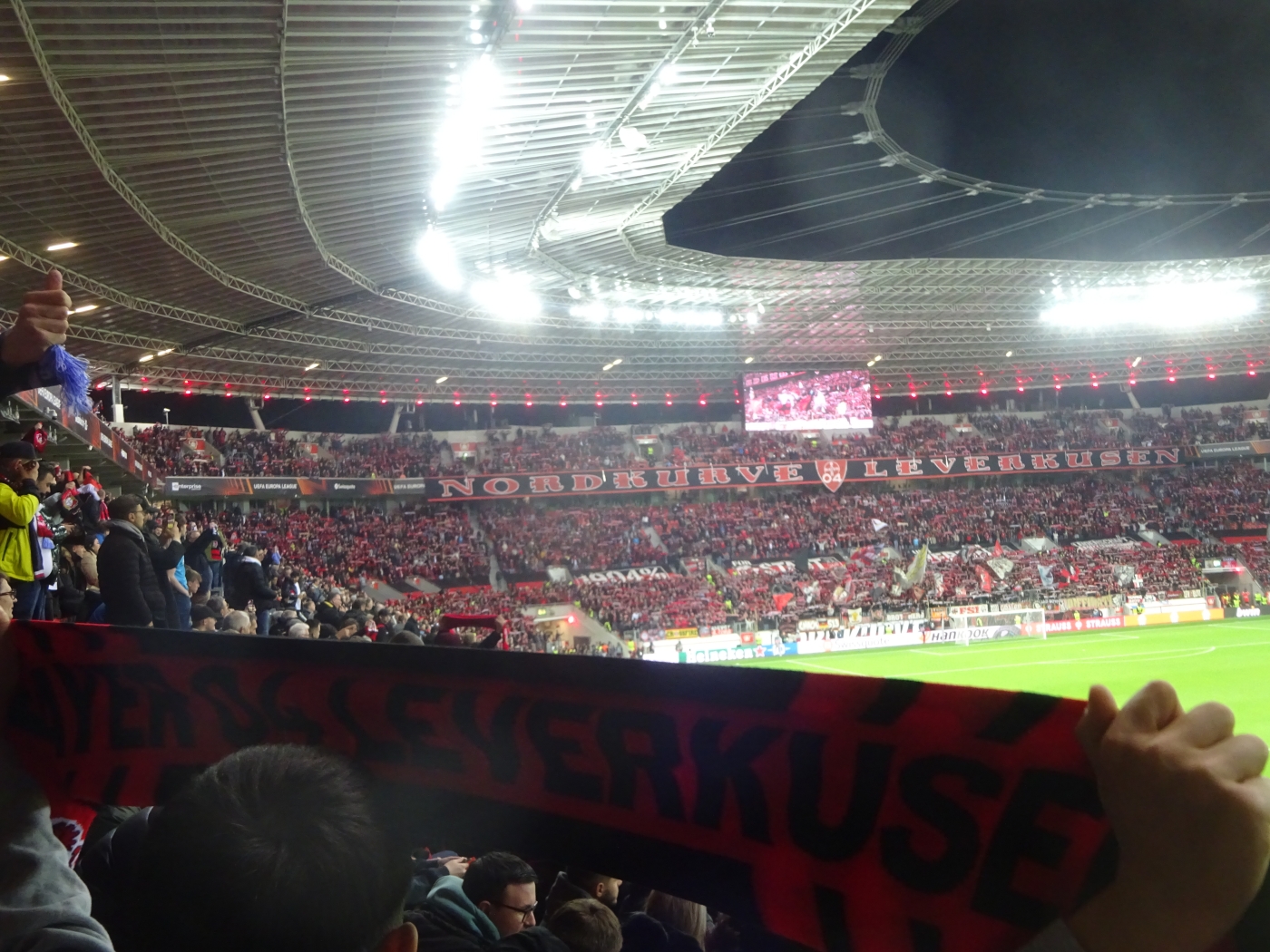
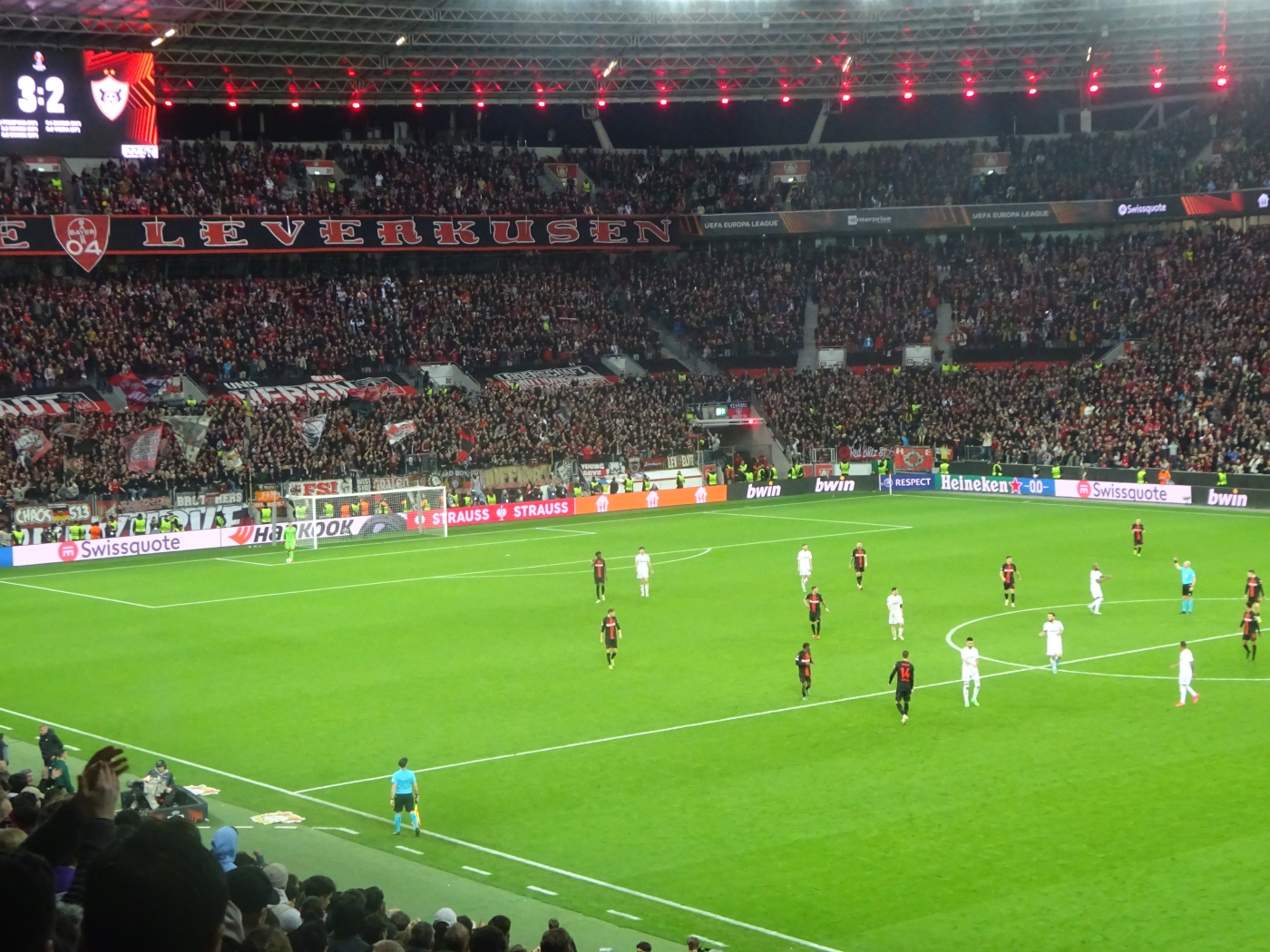
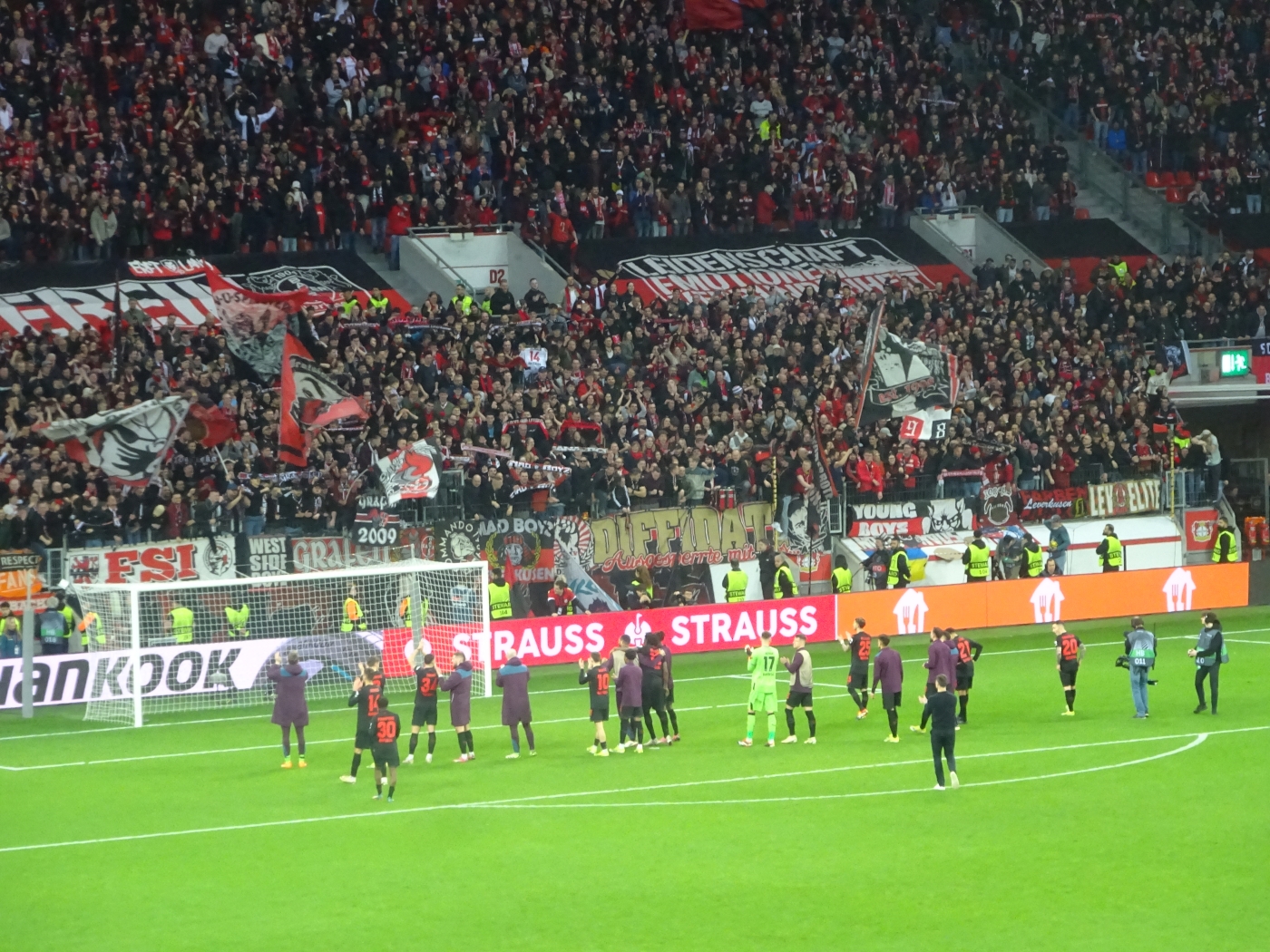
Nestled in the city of Leverkusen, the BayArena stands as a testament to modern football stadium architecture and a proud home for Bundesliga club Bayer 04 Leverkusen. Known for its intimate atmosphere and striking design, it offers fans an unparalleled matchday experience, placing them incredibly close to the action on the pitch.
A Rich History Unfolds
The stadium’s roots stretch back to 1958 when it was inaugurated as the Ulrich-Haberland-Stadion, named after a former chairman of Bayer AG. Initially a multi-purpose arena with a capacity of around 20,000, it underwent significant transformations. The most ambitious redevelopments occurred between 1986 and 1997, evolving it into a modern, all-seater venue, a pioneering move in Germany at the time. In 1998, it was officially rechristened the BayArena, reflecting its strong ties to the pharmaceutical company Bayer. This marked a new era, emphasizing its identity as a dedicated football ground.
Architectural Modernity and Intimacy
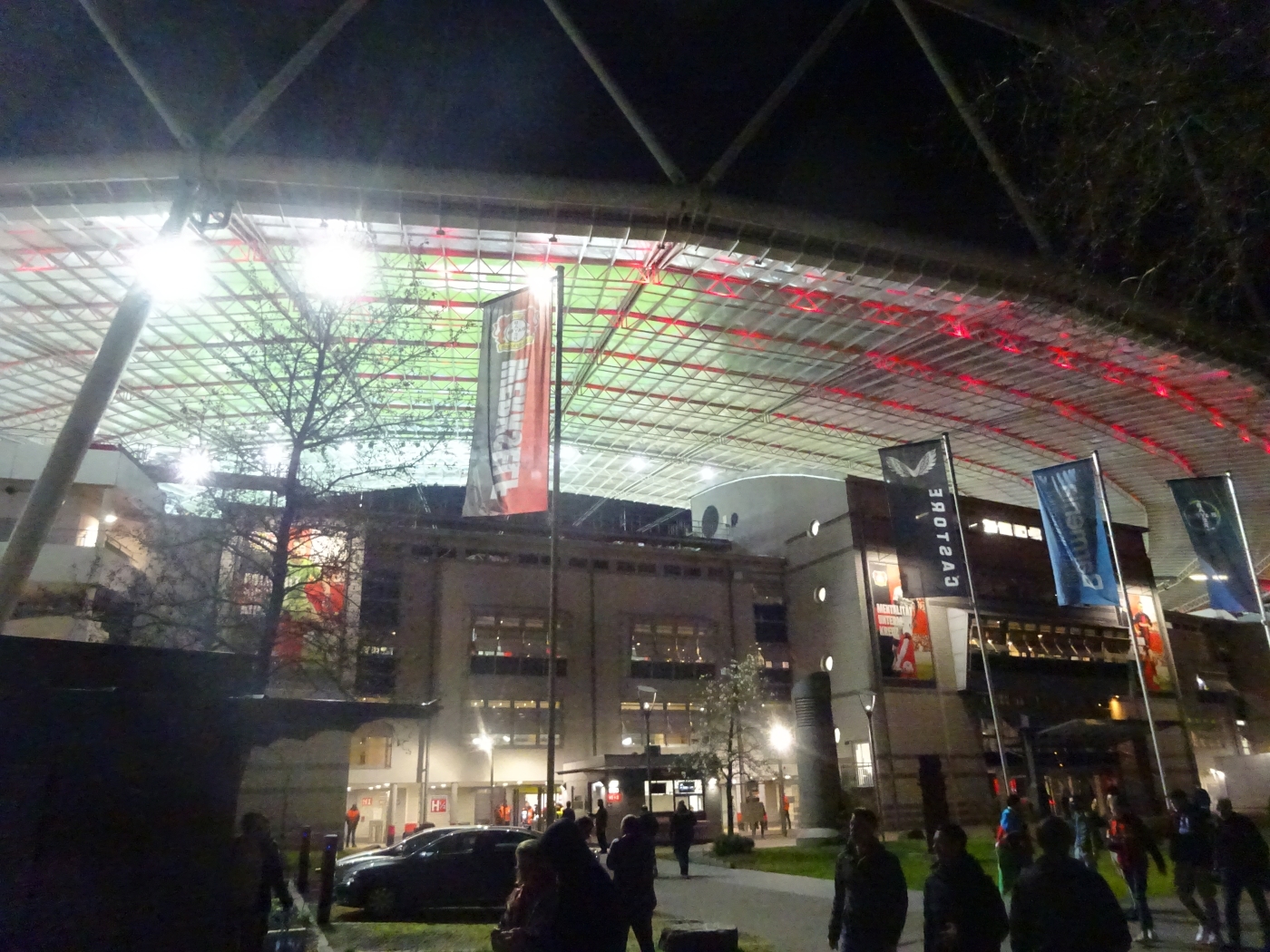
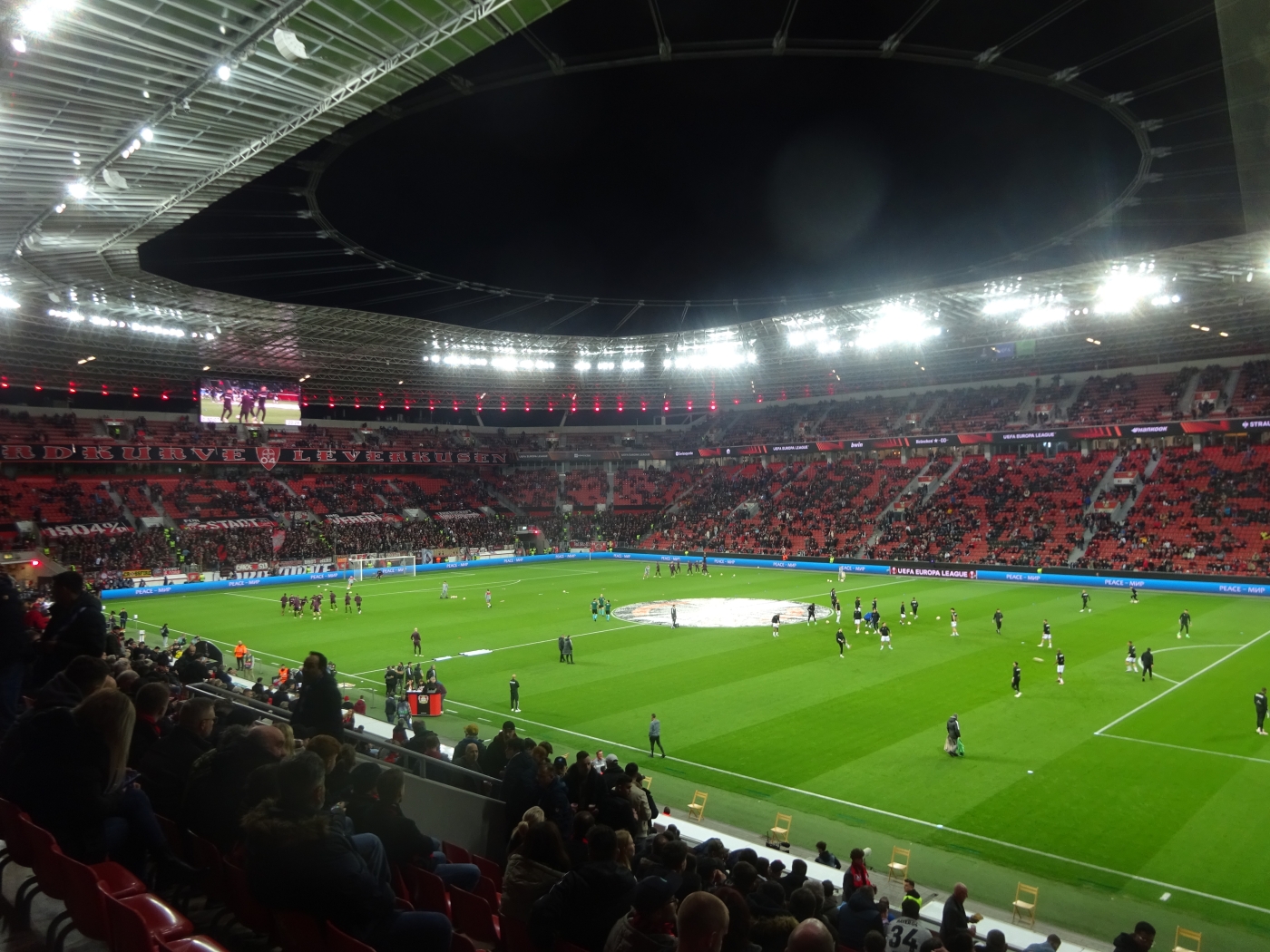
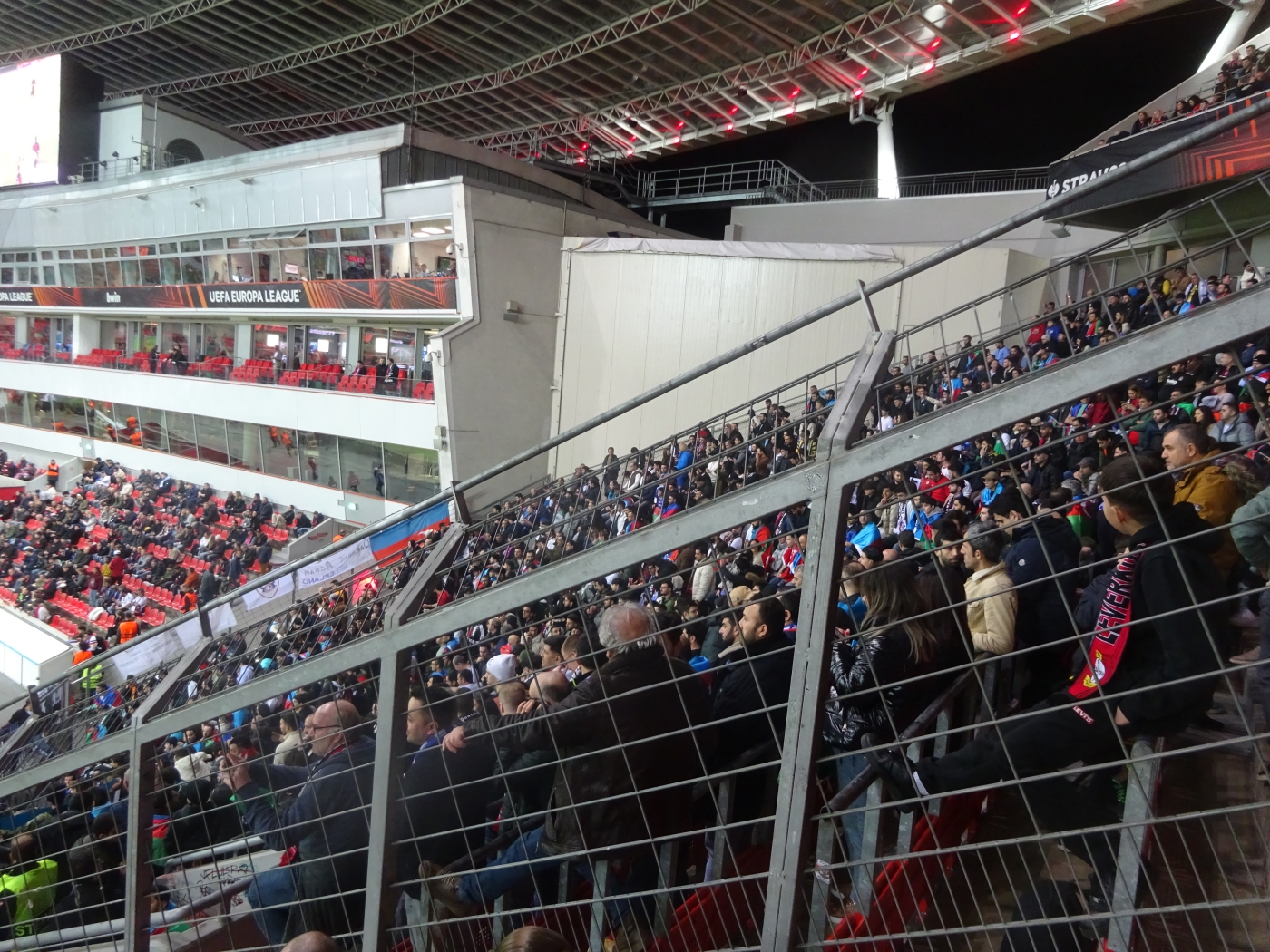
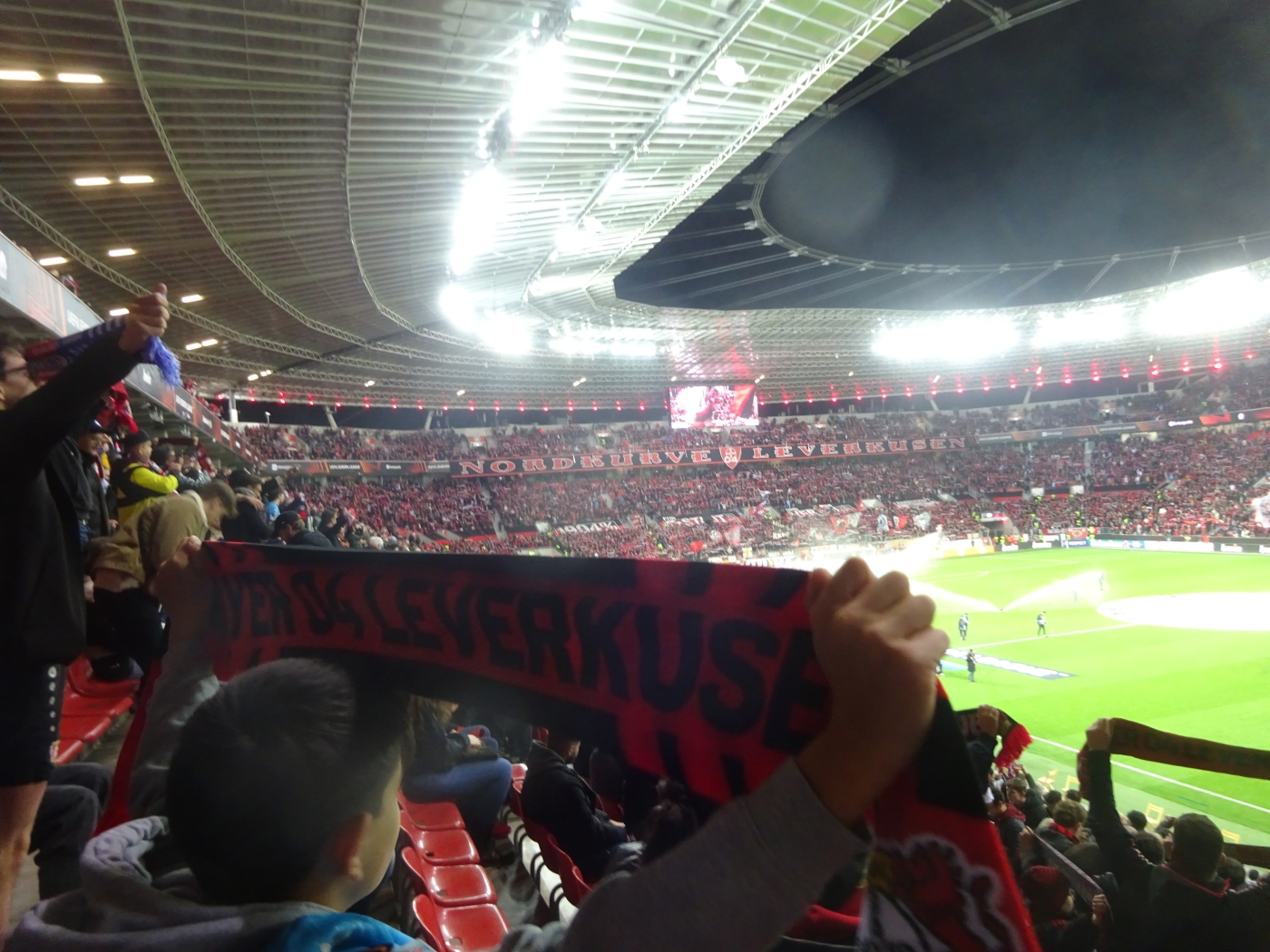
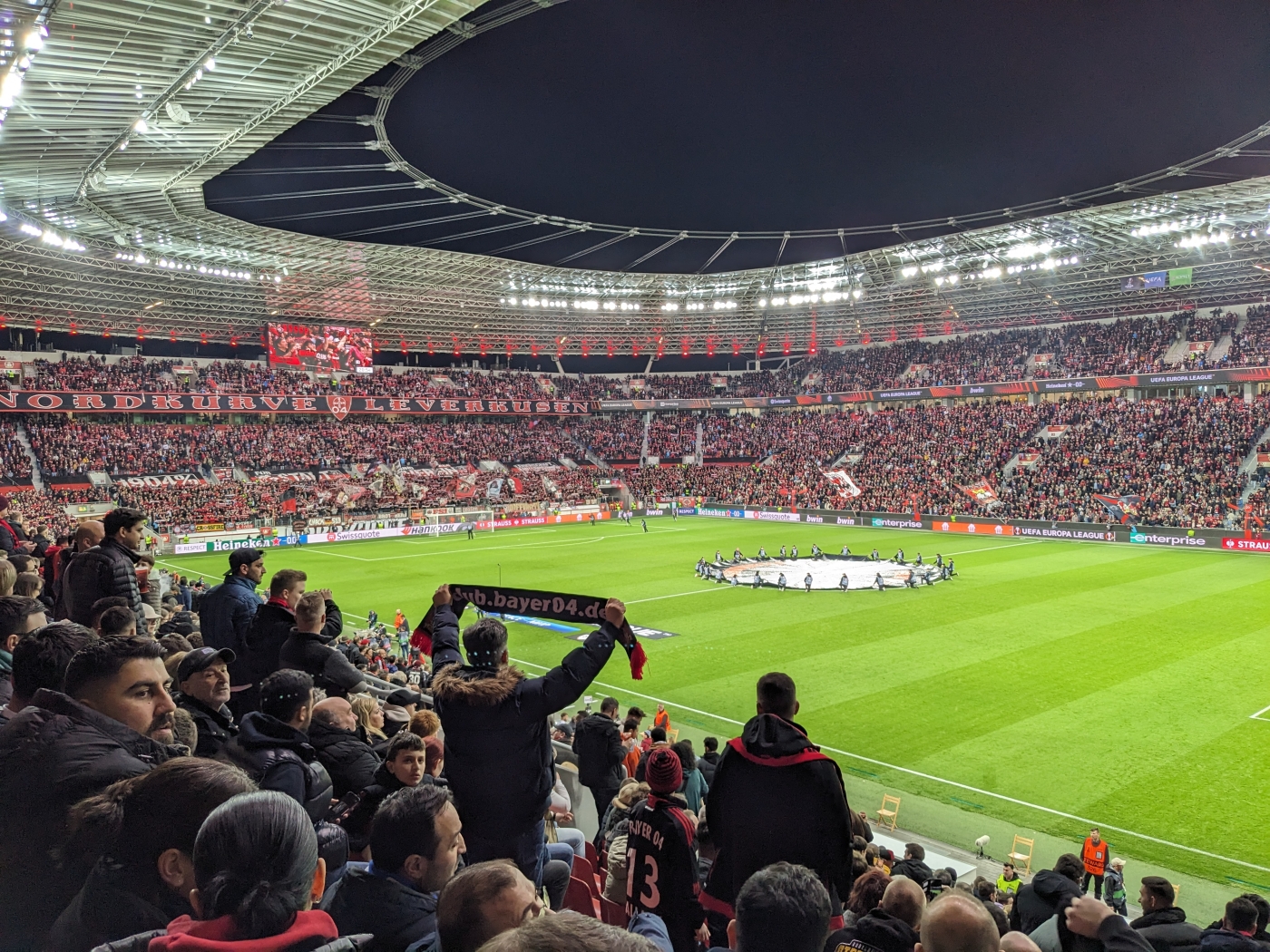
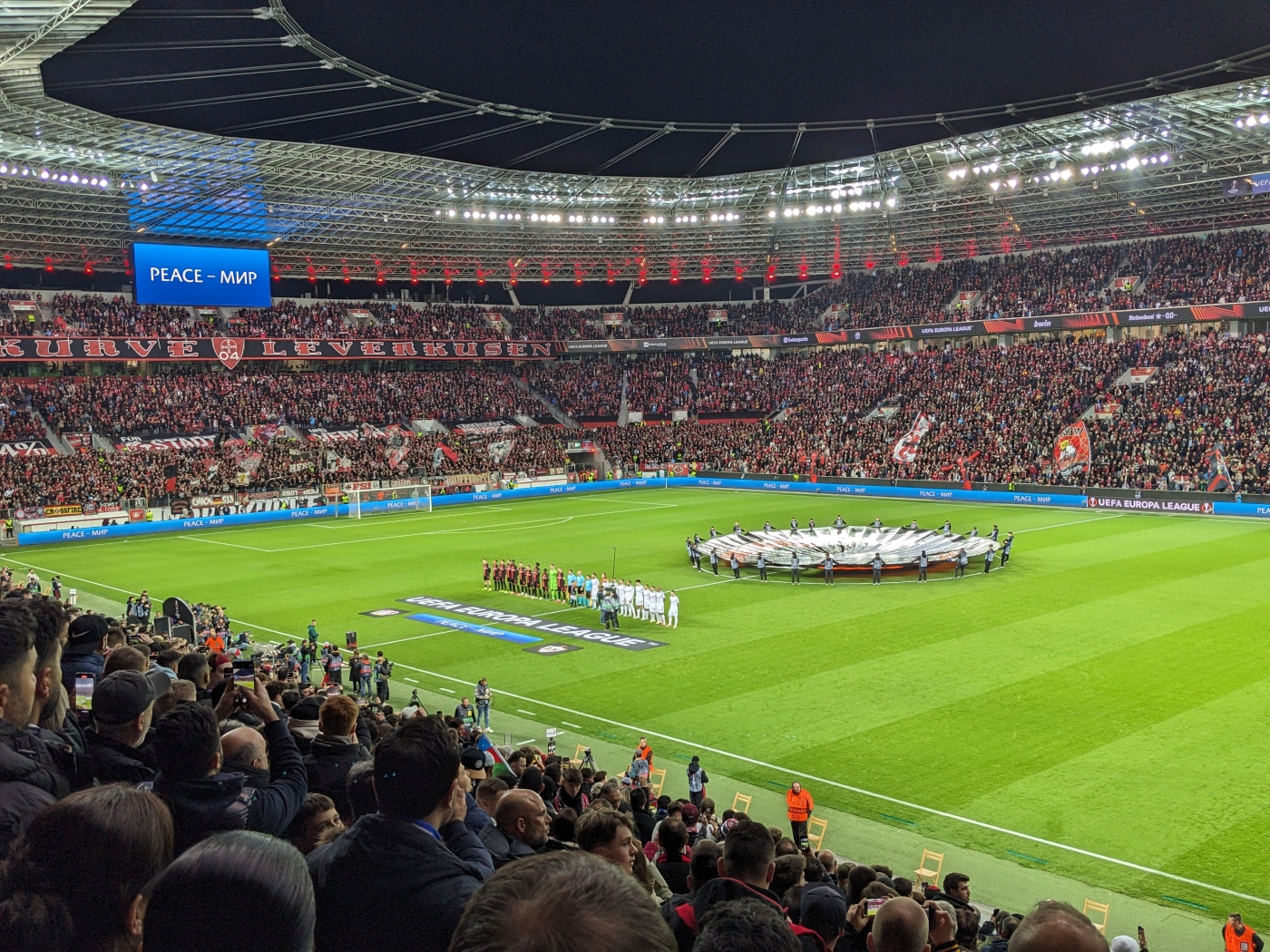
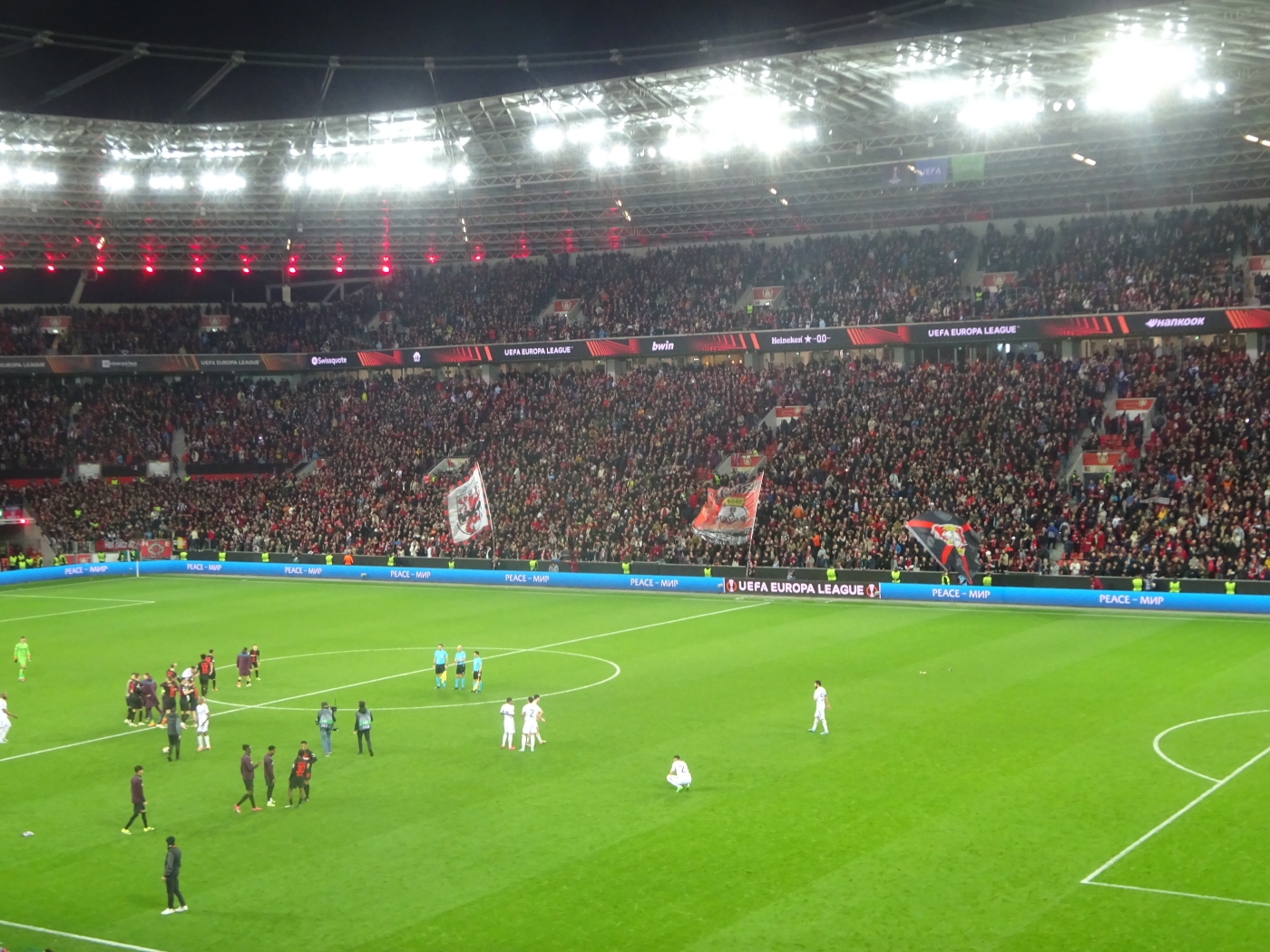
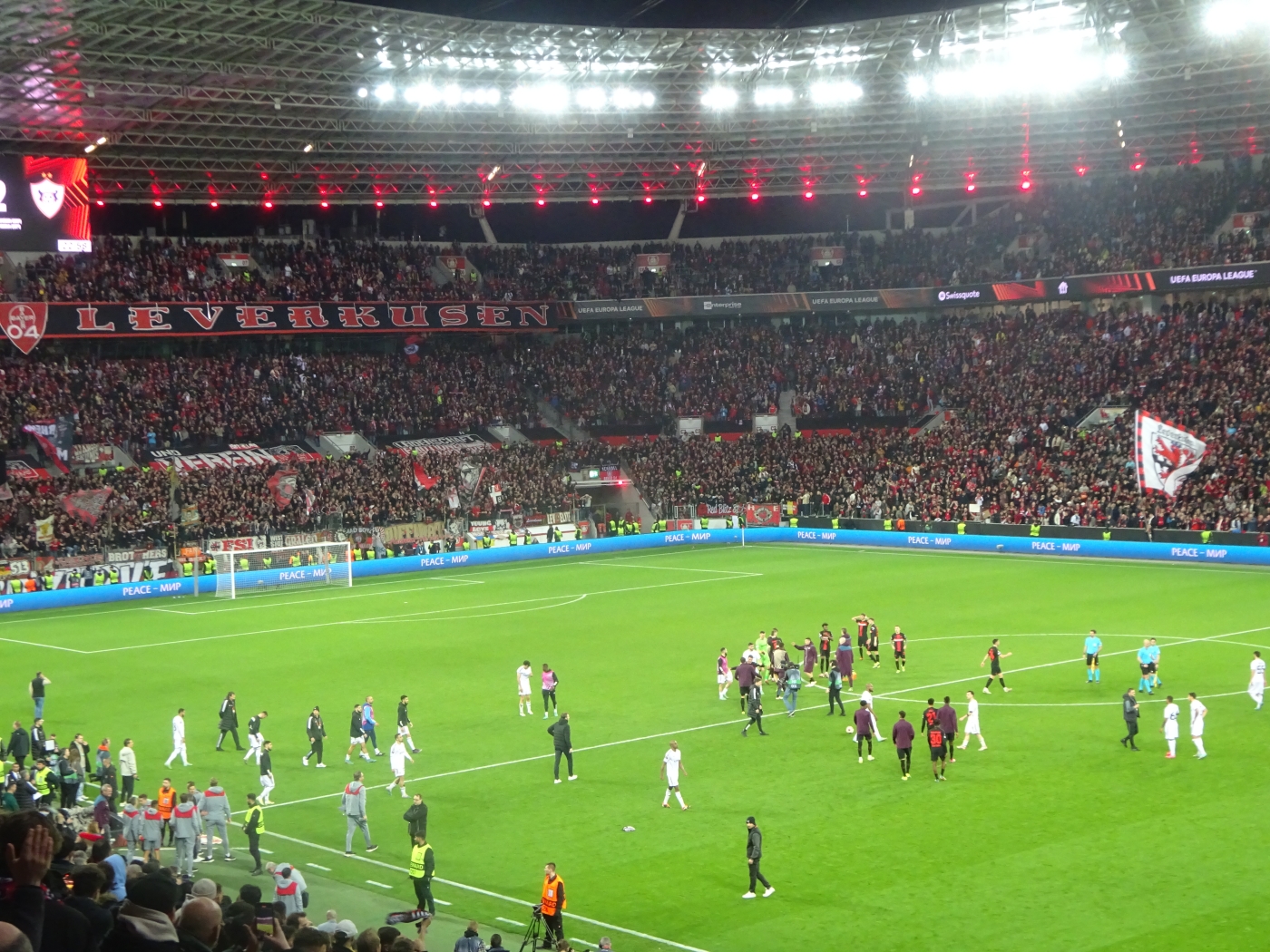
Today, the BayArena boasts a capacity of approximately 30,210 spectators, all under a distinctive, translucent roof that gracefully covers every seat. This iconic roof, completed during the 2008-2009 expansion, allows natural light to filter through while providing protection from the elements, creating a bright and airy feel. The design ensures excellent sightlines from every angle, contributing to its reputation as one of the most spectator-friendly stadiums in Germany. Its compact footprint maximizes the proximity of the stands to the playing field, generating a vibrant and often deafening atmosphere during crucial matches.
A Home for European Nights
Beyond its domestic importance for Bayer 04 Leverkusen, the BayArena has also hosted international fixtures, including matches during the 2011 FIFA Women's World Cup, showcasing its capabilities on a global stage. It remains a benchmark for how a modern football stadium can blend functional design with an electric matchday environment, solidifying its place as a truly special venue in German football culture. For more information on the stadium, visit the official club page here.