Old Trafford
Sir Matt Busby Way, Manchester, England
About the Stadium:
A Hallowed Ground: Old Trafford
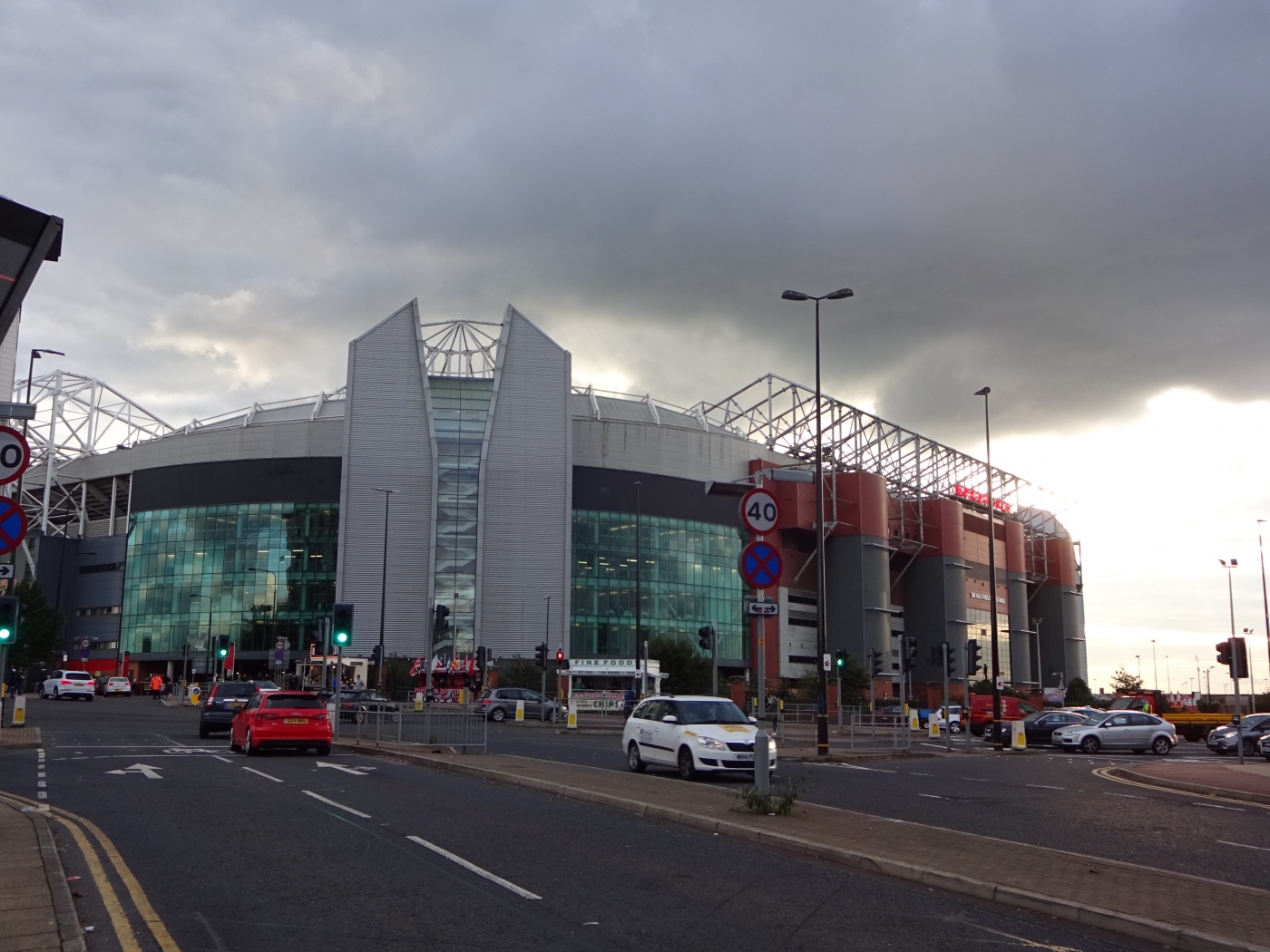
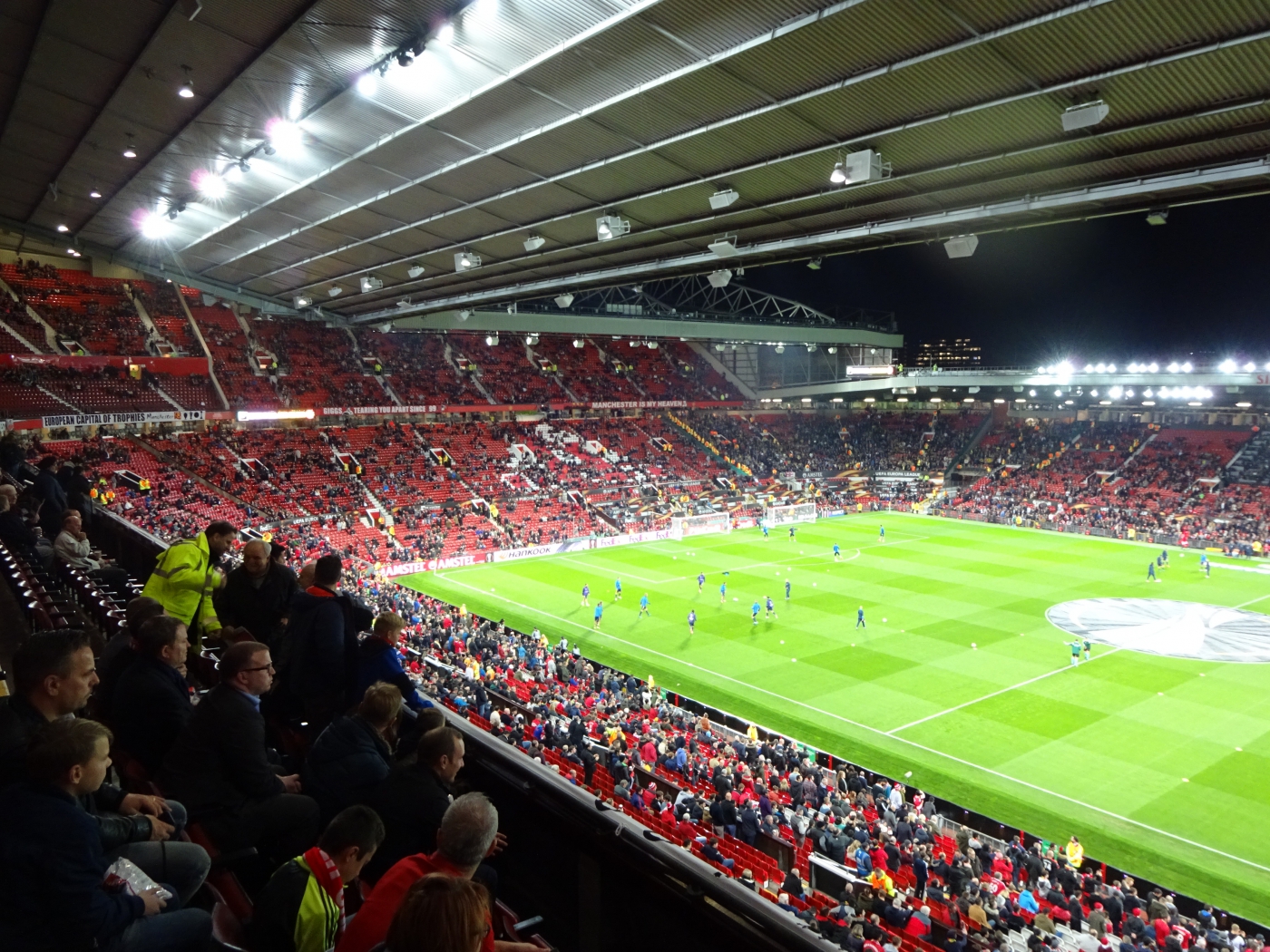
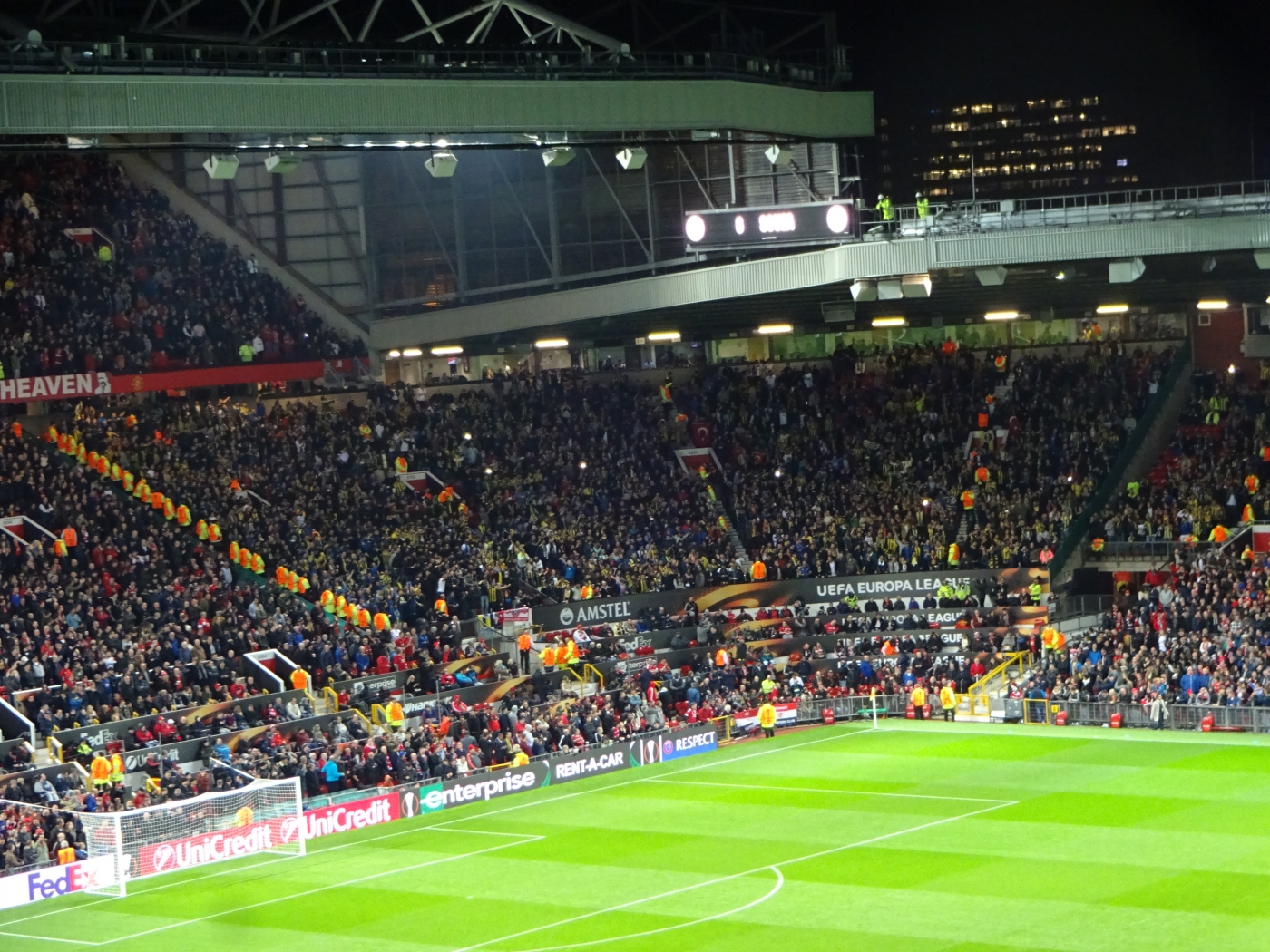
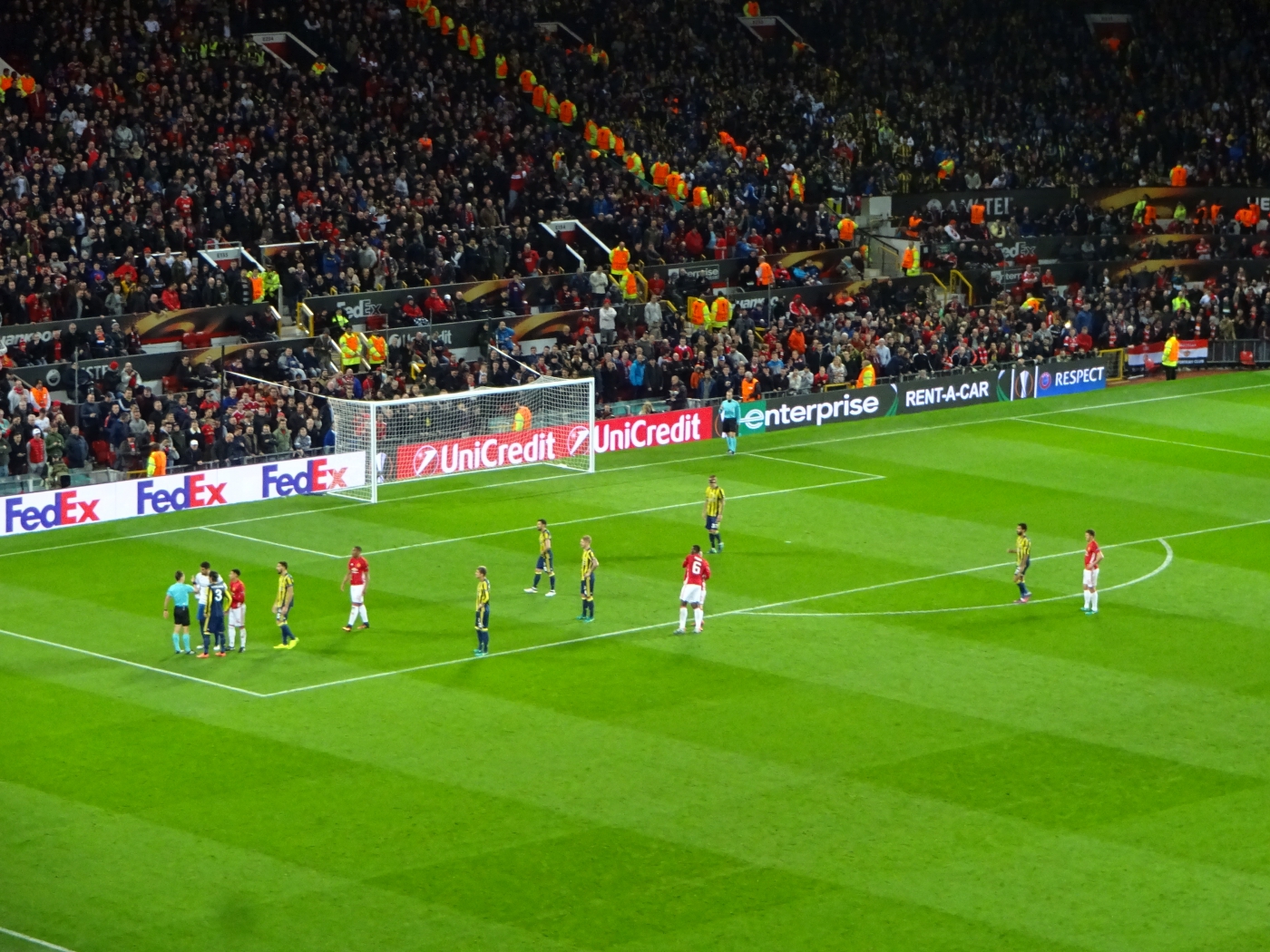
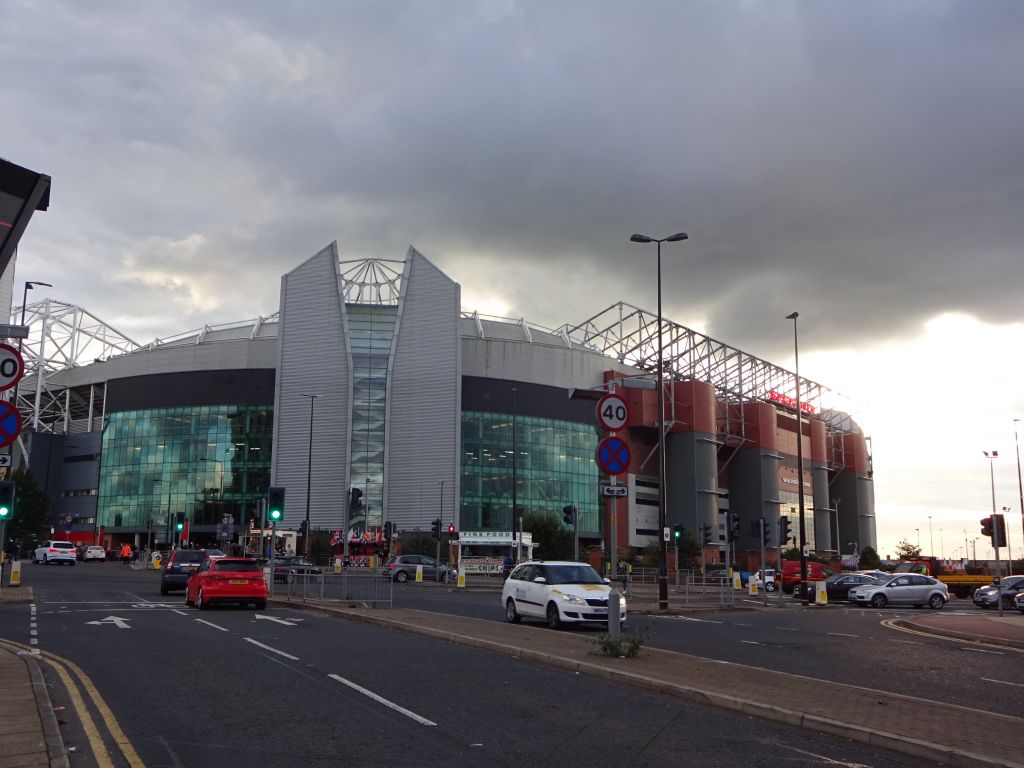
Nestled in the bustling heart of Greater Manchester, Old Trafford stands as one of football's most iconic and revered venues. Known affectionately as the "Theatre of Dreams" by legendary manager Sir Bobby Charlton, it has been the illustrious home of Manchester United Football Club since 1910, witnessing over a century of triumphs and unforgettable moments.
Early Days and Vision
The stadium’s history began in the early 20th century when Manchester United sought a new, larger home. Designed by the renowned Scottish architect Archibald Leitch, the original Old Trafford was a marvel of its time, costing an estimated £90,000. Its grand opening on February 19, 1910, saw Manchester United face rivals Liverpool, a match they narrowly lost 4-3, but the stage was set for greatness.
Wartime Resilience and Reconstruction
The stadium’s resilience was severely tested during the Second World War. On March 11, 1941, Old Trafford suffered extensive bomb damage during a German air raid. For eight years, Manchester United played home matches at Maine Road, the home of Manchester City. Reconstruction, largely funded by the War Damage Commission, saw Old Trafford reopen in 1949, slowly regaining its former glory.
Modernisation and Expansion
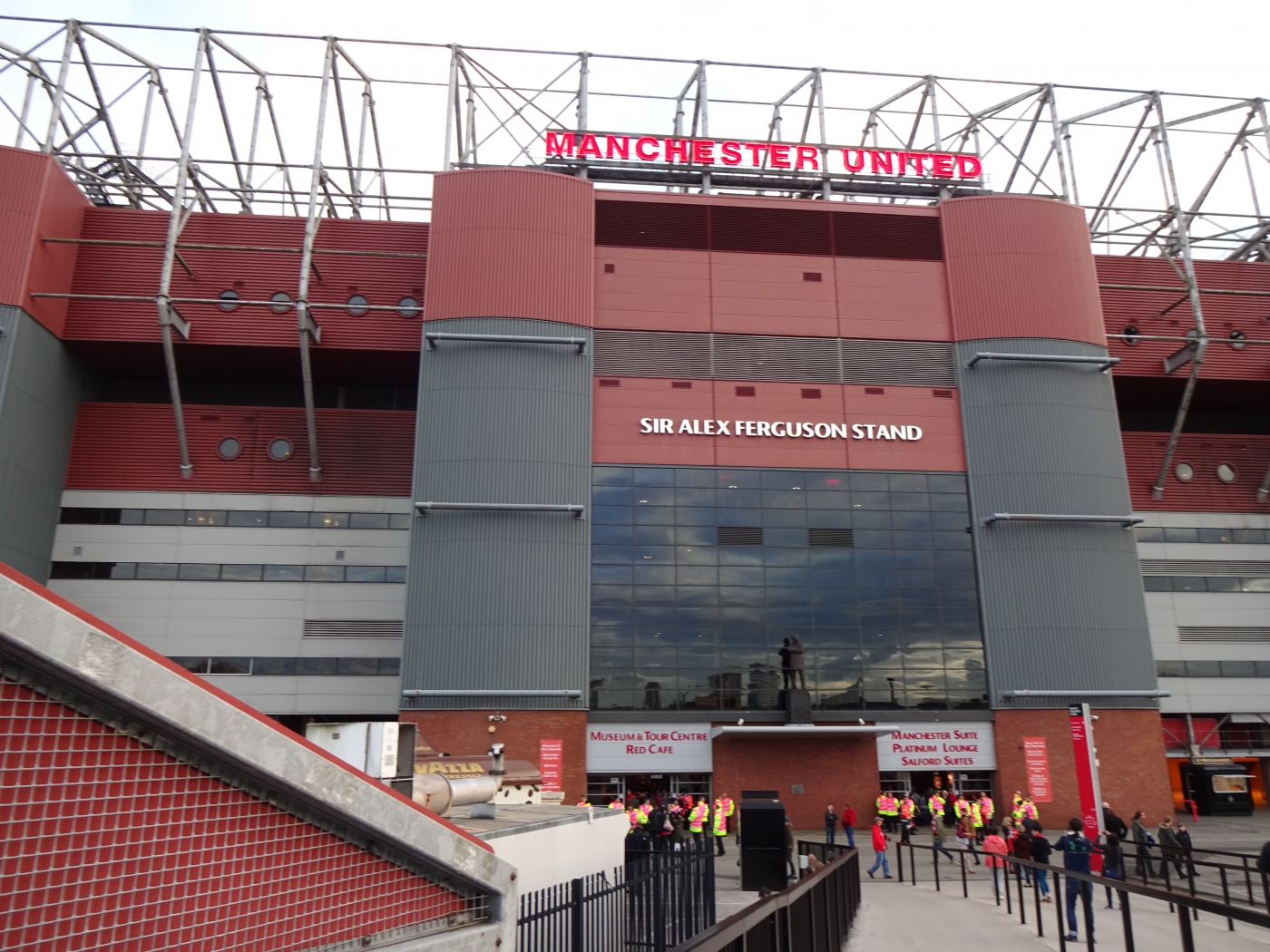
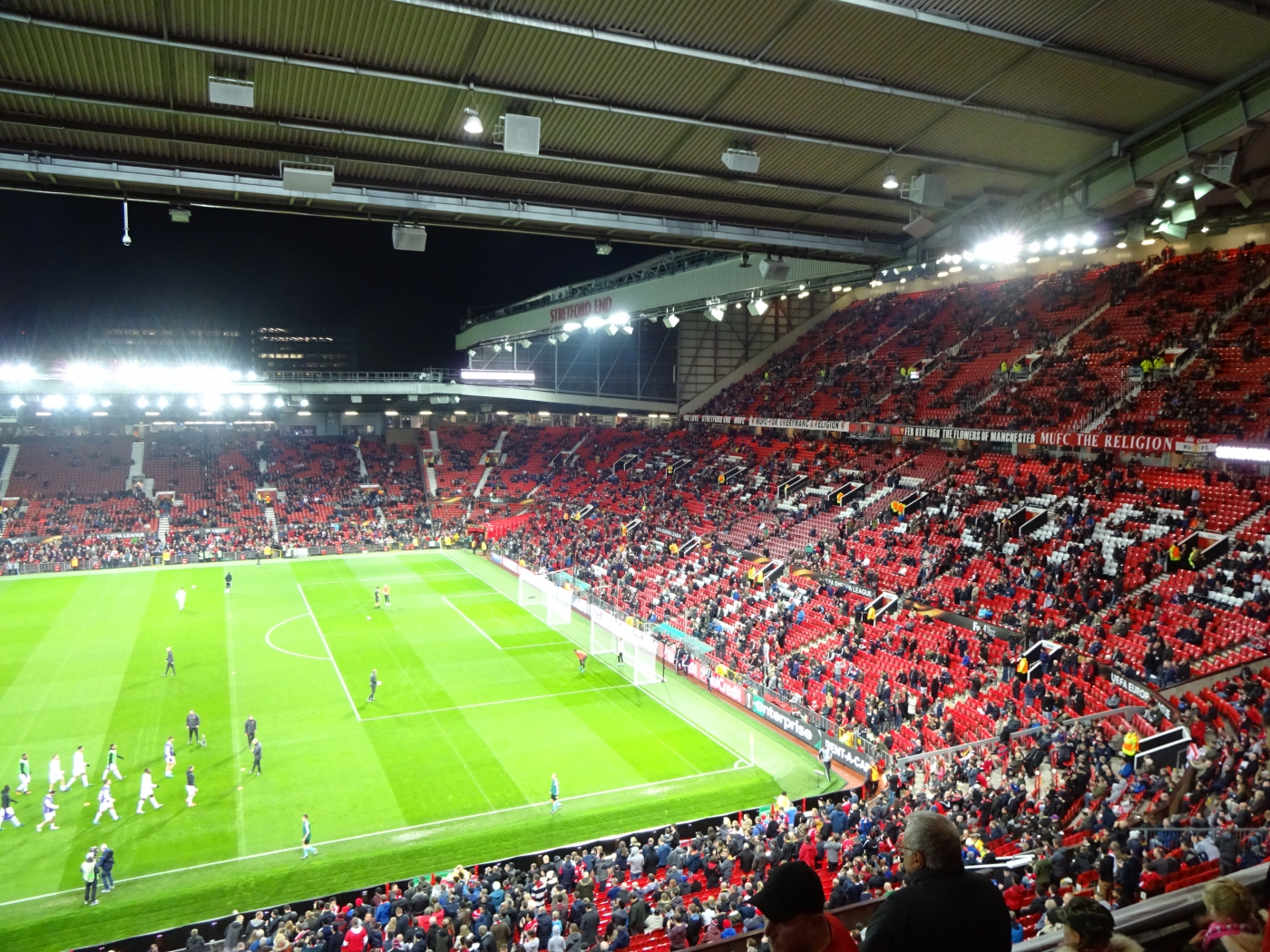
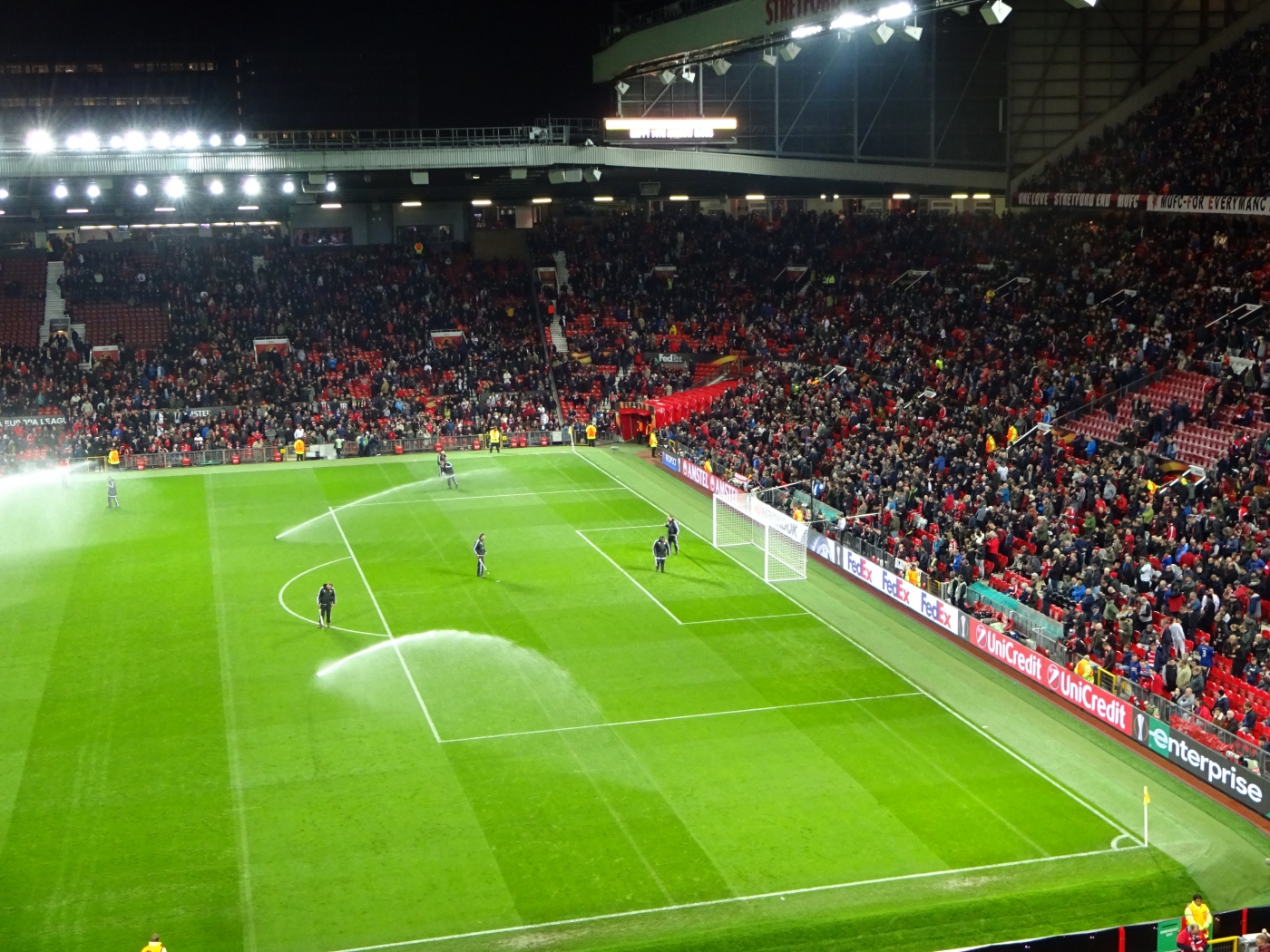
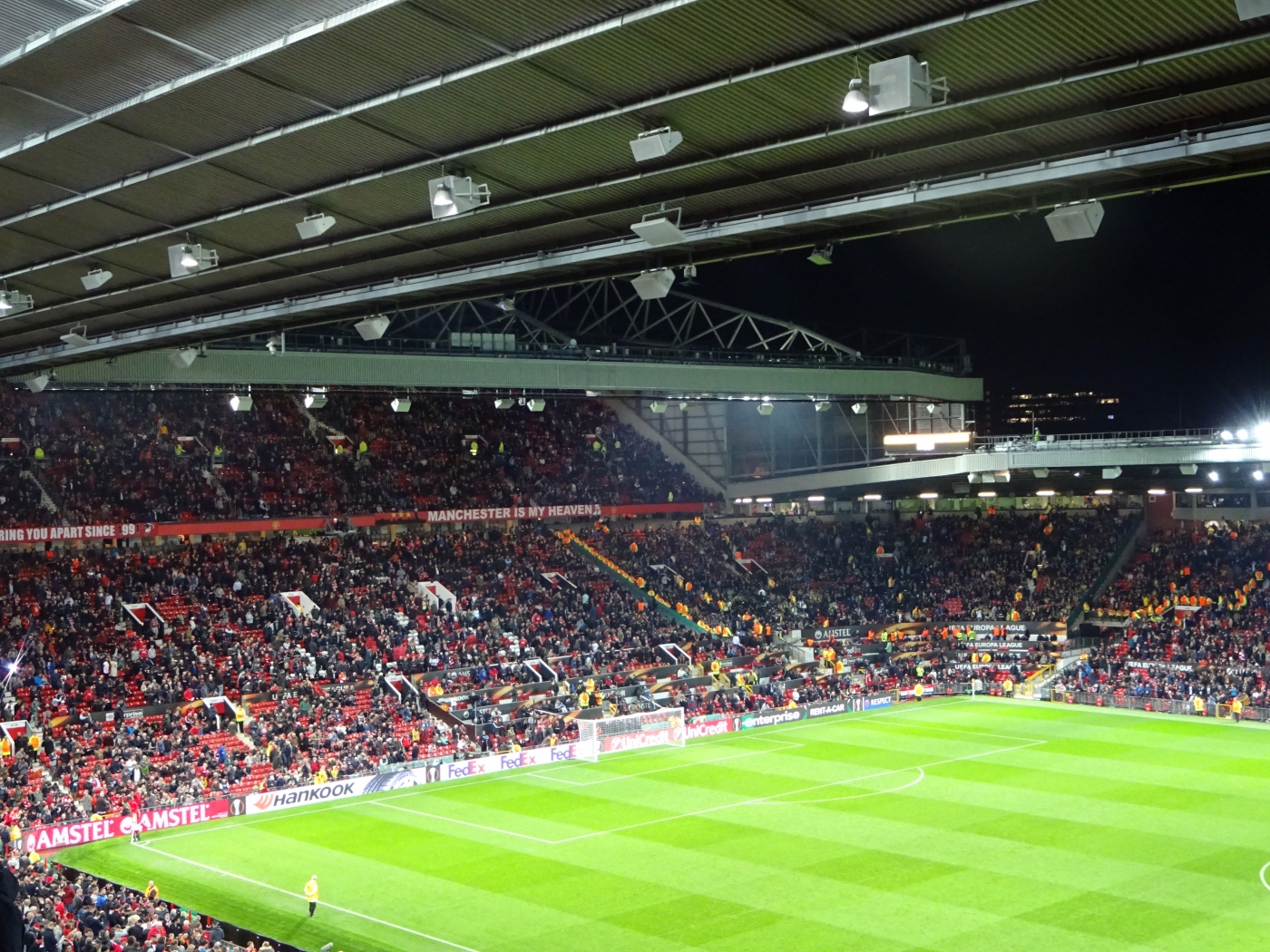
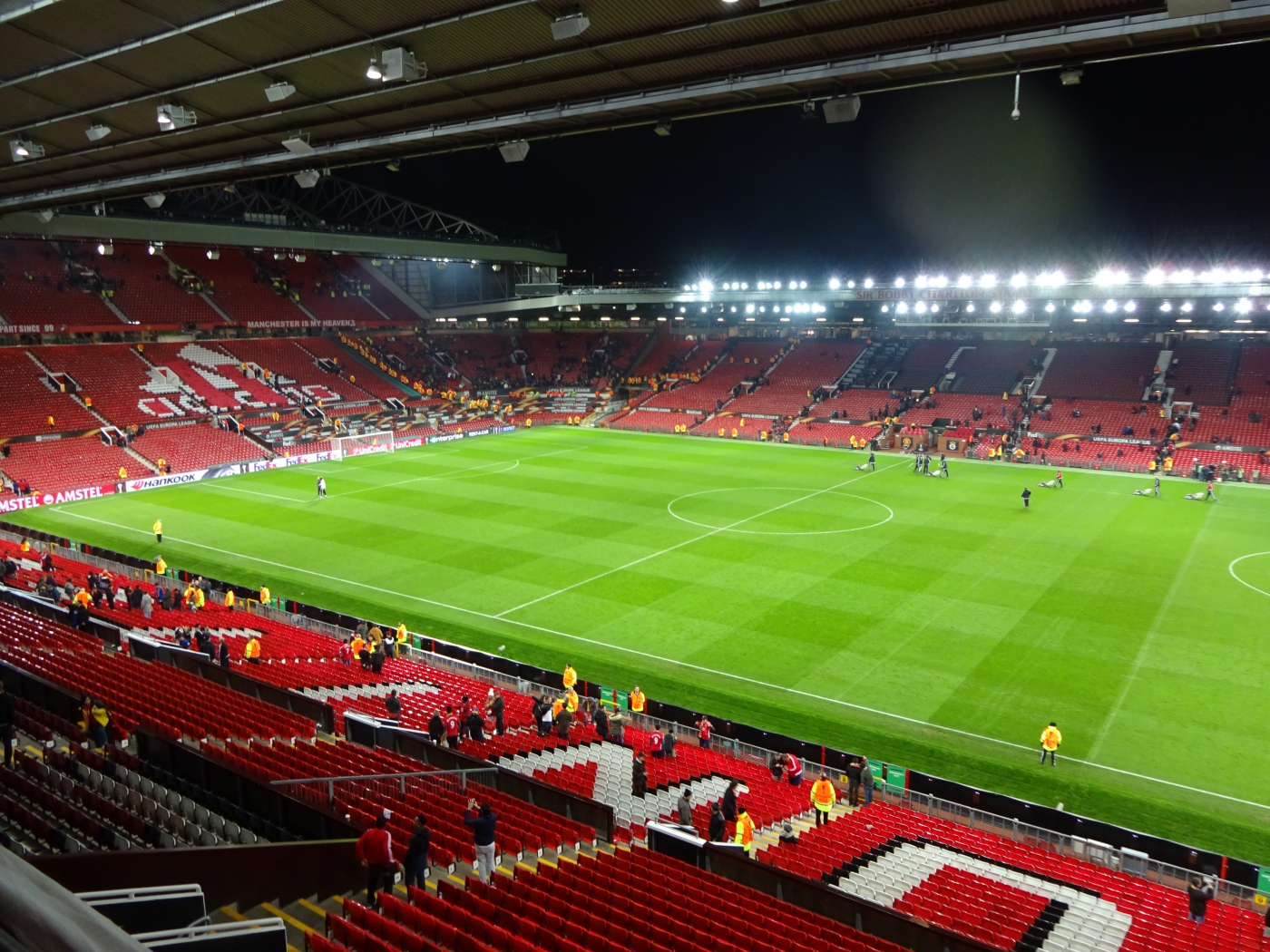
Over the decades, Old Trafford has undergone numerous transformations. The 1960s brought cantilever roofs. Following the Taylor Report after the Hillsborough disaster, it became an all-seater venue in the early 1990s. The most significant expansion was the North Stand redevelopment, later renamed the Sir Alex Ferguson Stand, in 1995. Further additions, including corner quadrants, have brought the stadium’s current capacity to approximately 74,310, making it the largest club football stadium in the United Kingdom.
A Stadium of Legends
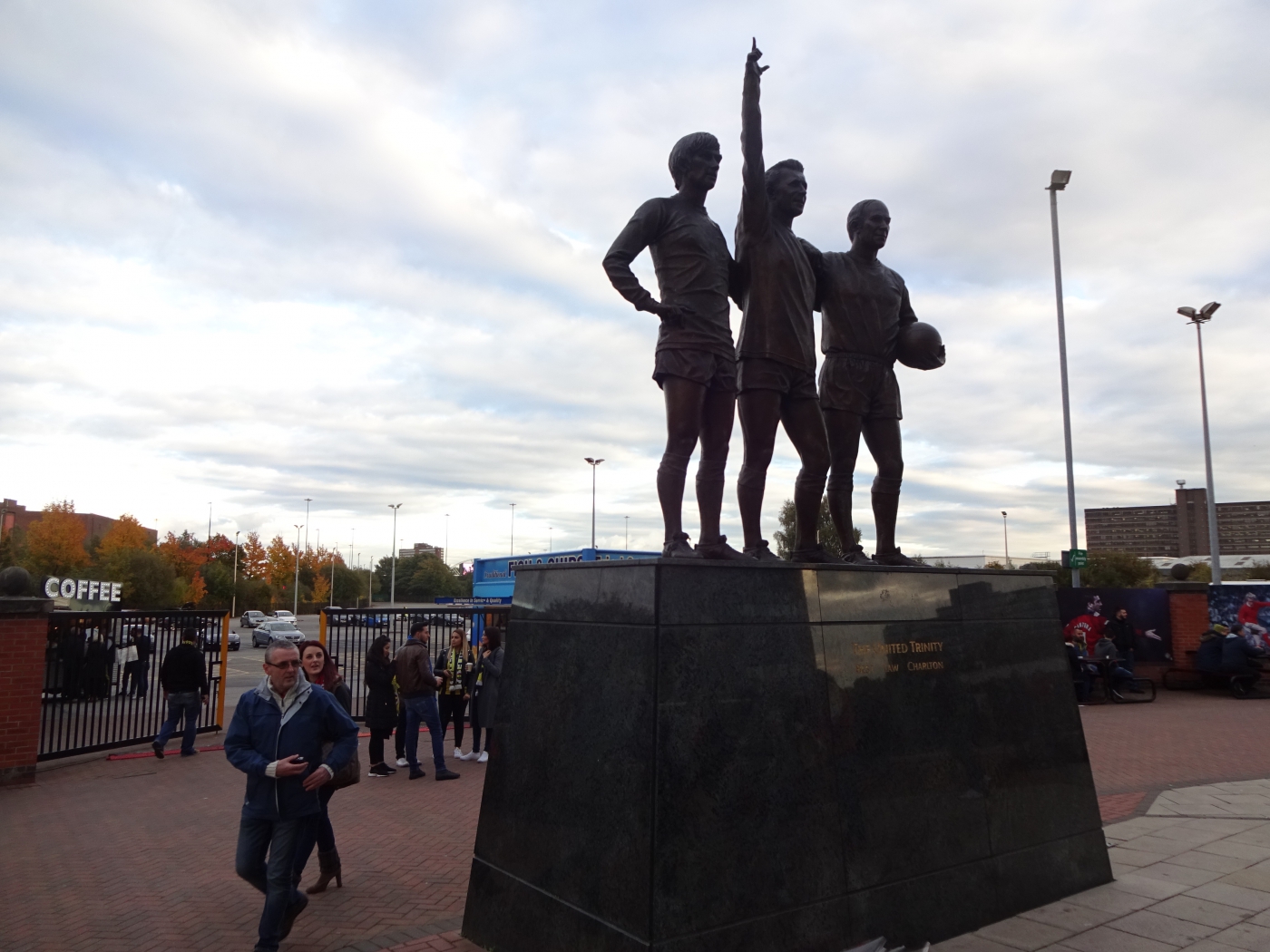
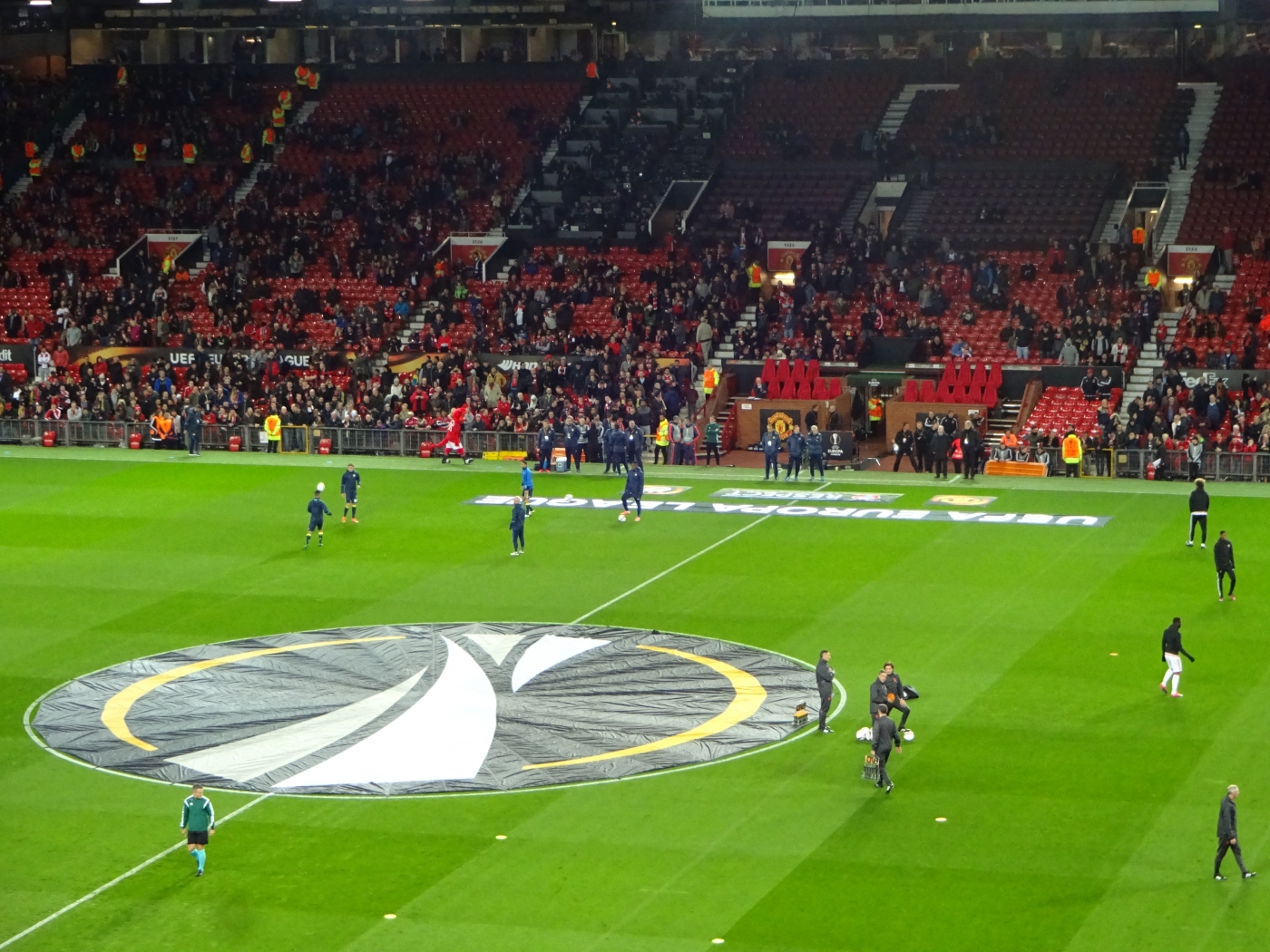
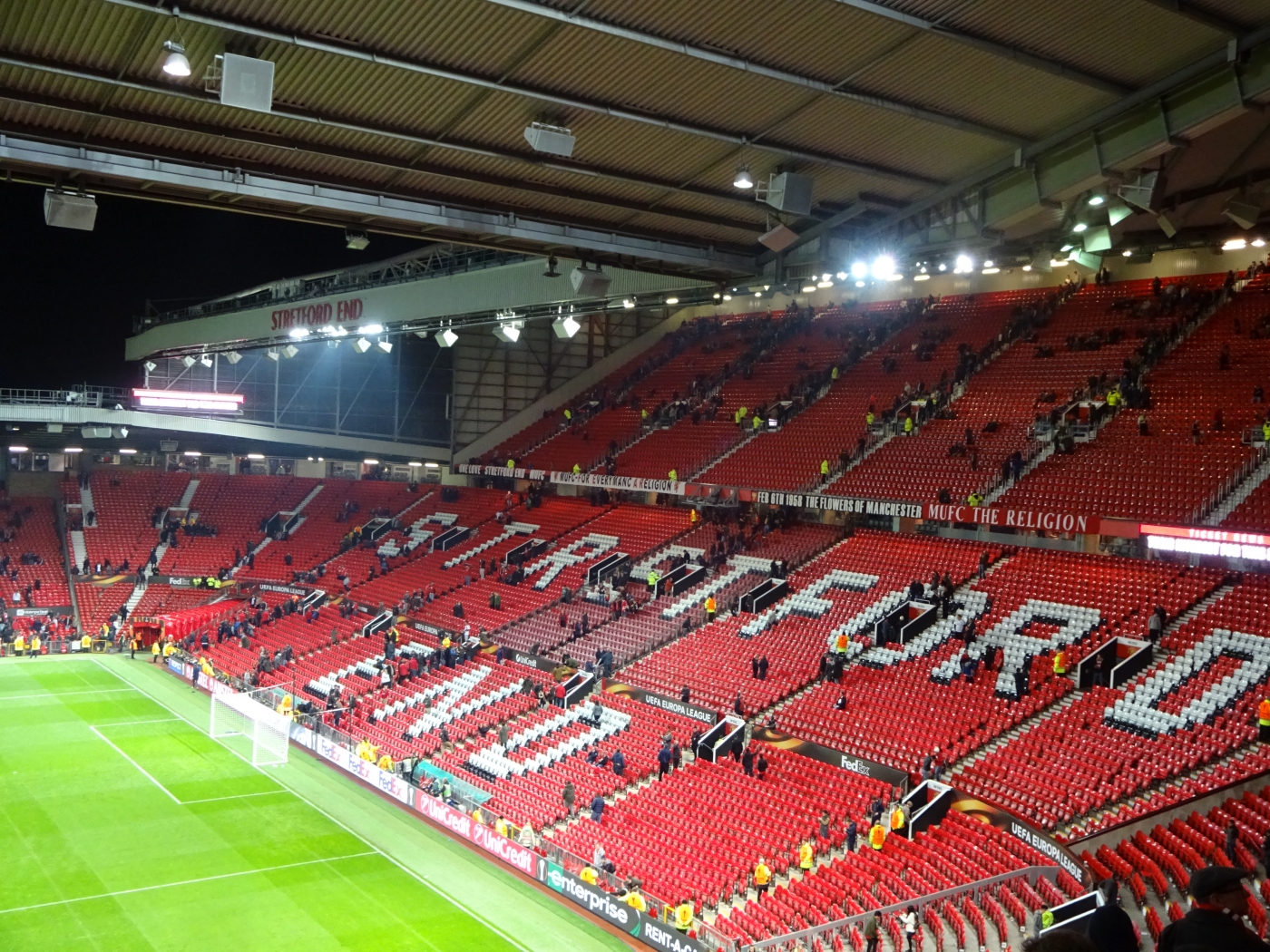
Beyond its bricks and steel, Old Trafford is a living museum of football history. Statues of legends like Sir Matt Busby, the "Holy Trinity" of George Best, Denis Law, and Sir Bobby Charlton, and Sir Alex Ferguson, adorn its exterior. The famous tunnel, the meticulously maintained pitch, and the roar of the Stretford End all contribute to an unparalleled atmosphere in English football, cementing Old Trafford’s status as a legendary institution.