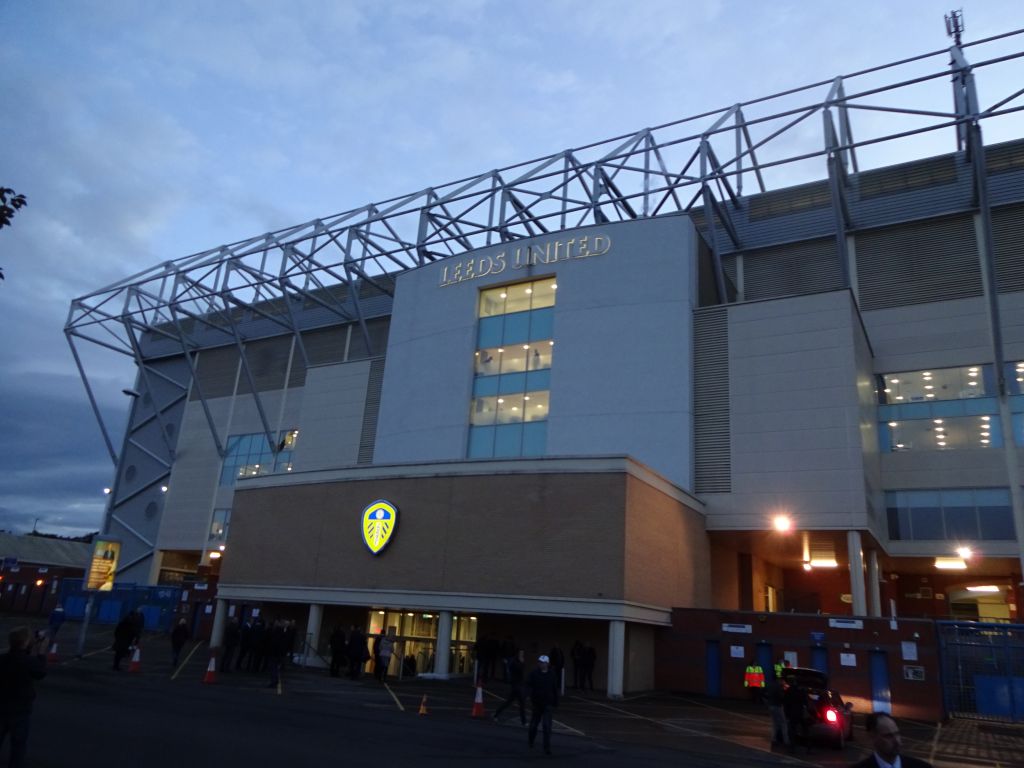
Elland Road
The Old Peacock Ground
Elland Road, Leeds, England
About the Stadium:
A Historic Home in West Yorkshire
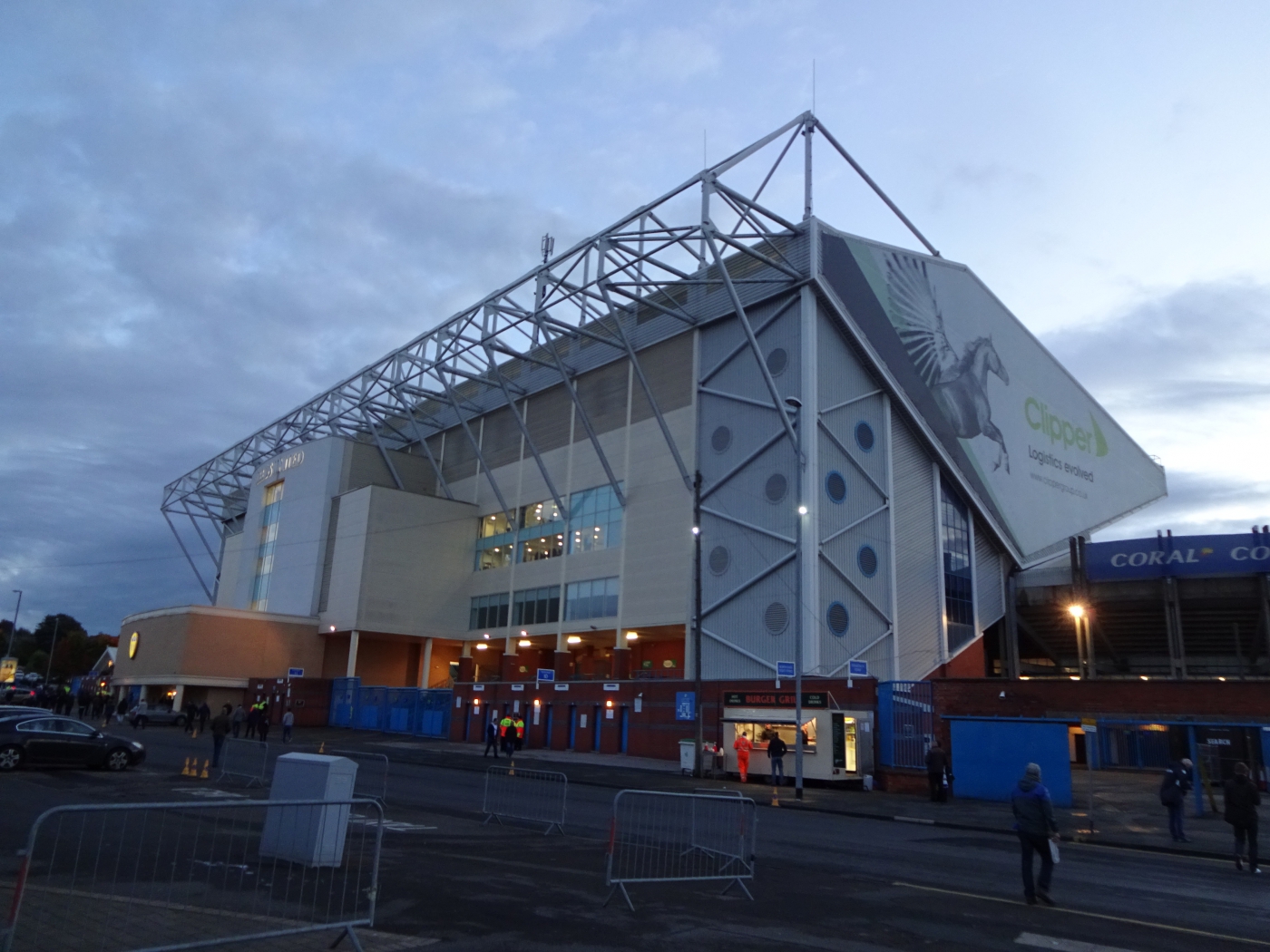
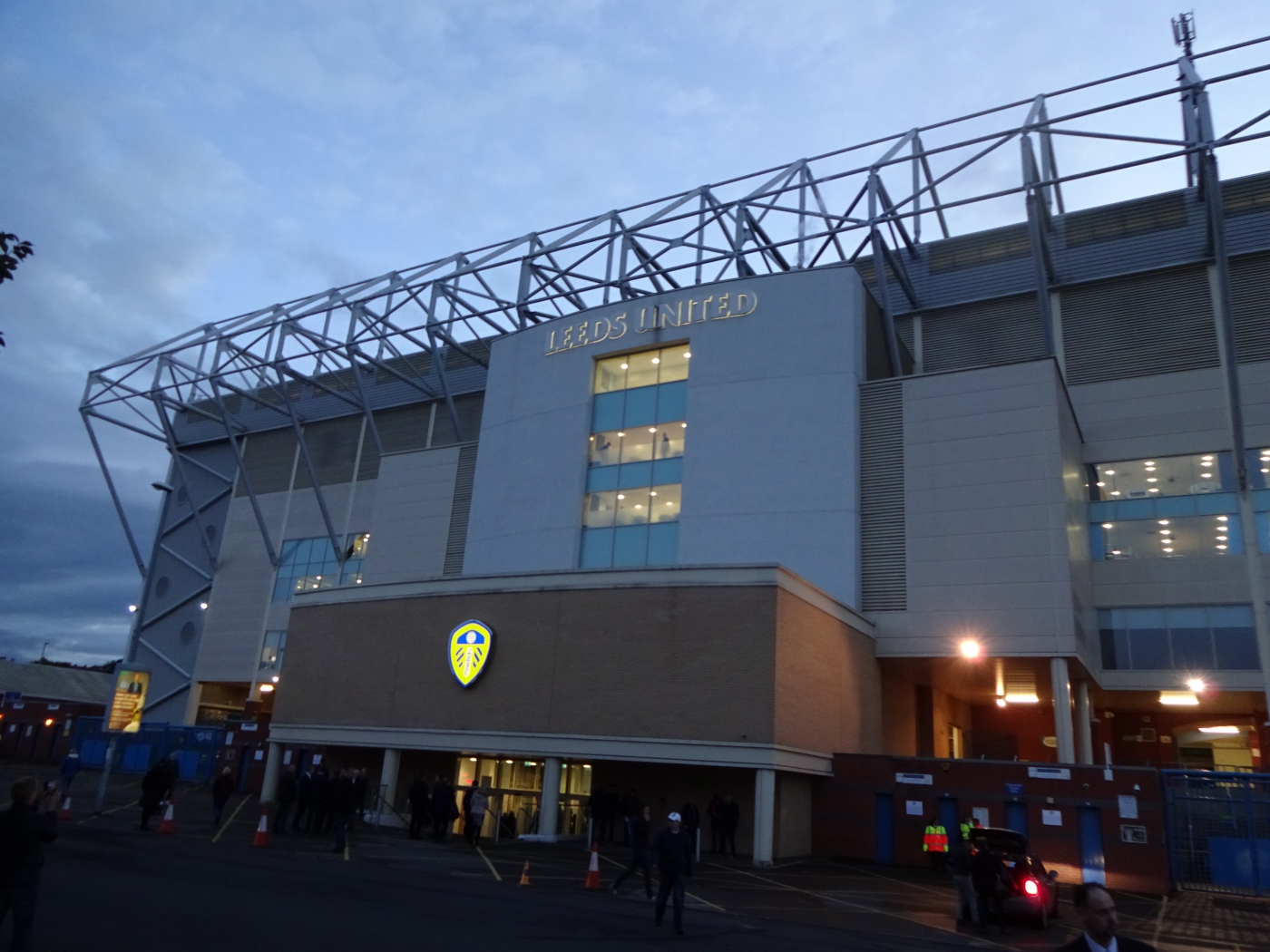
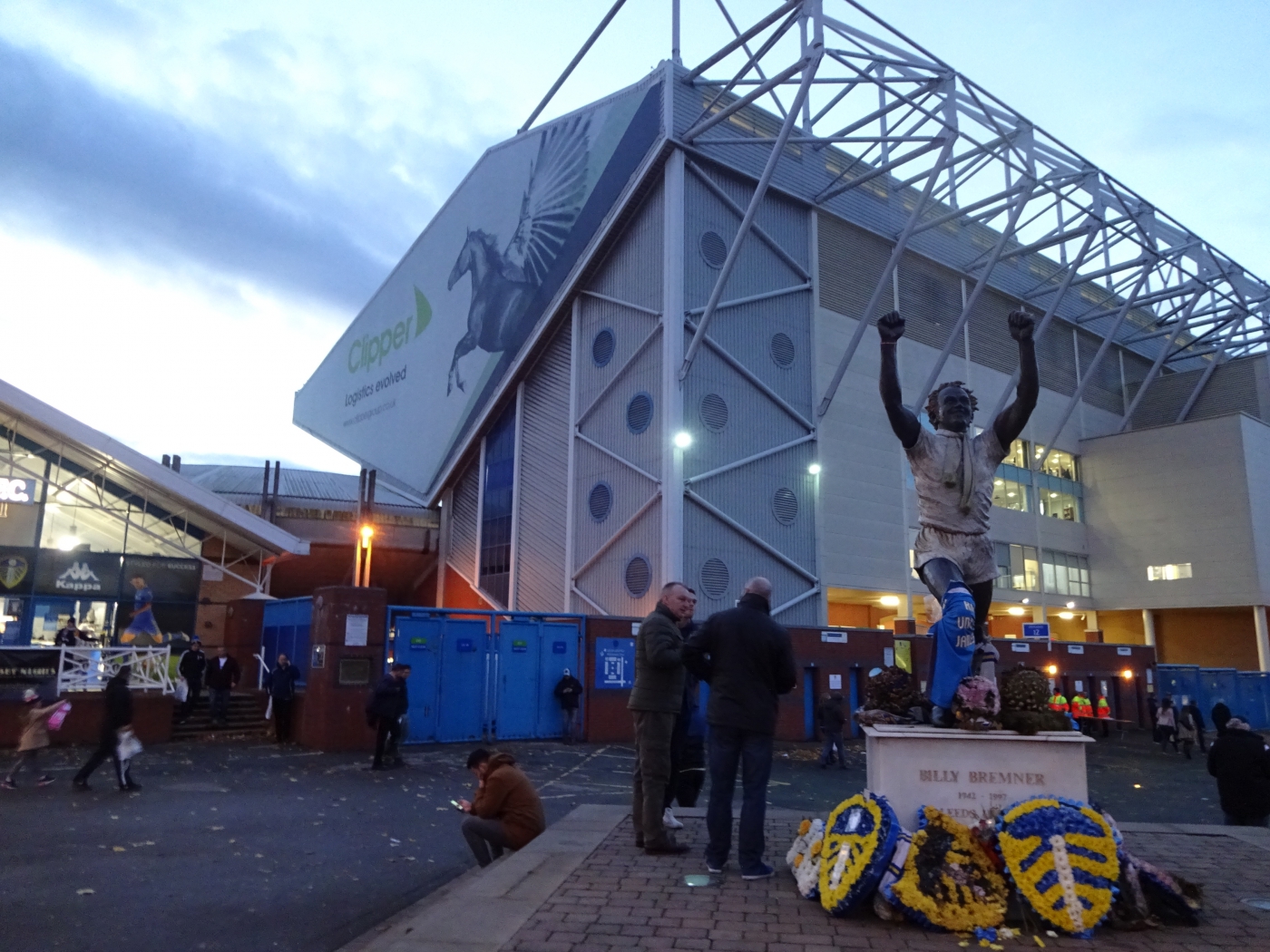
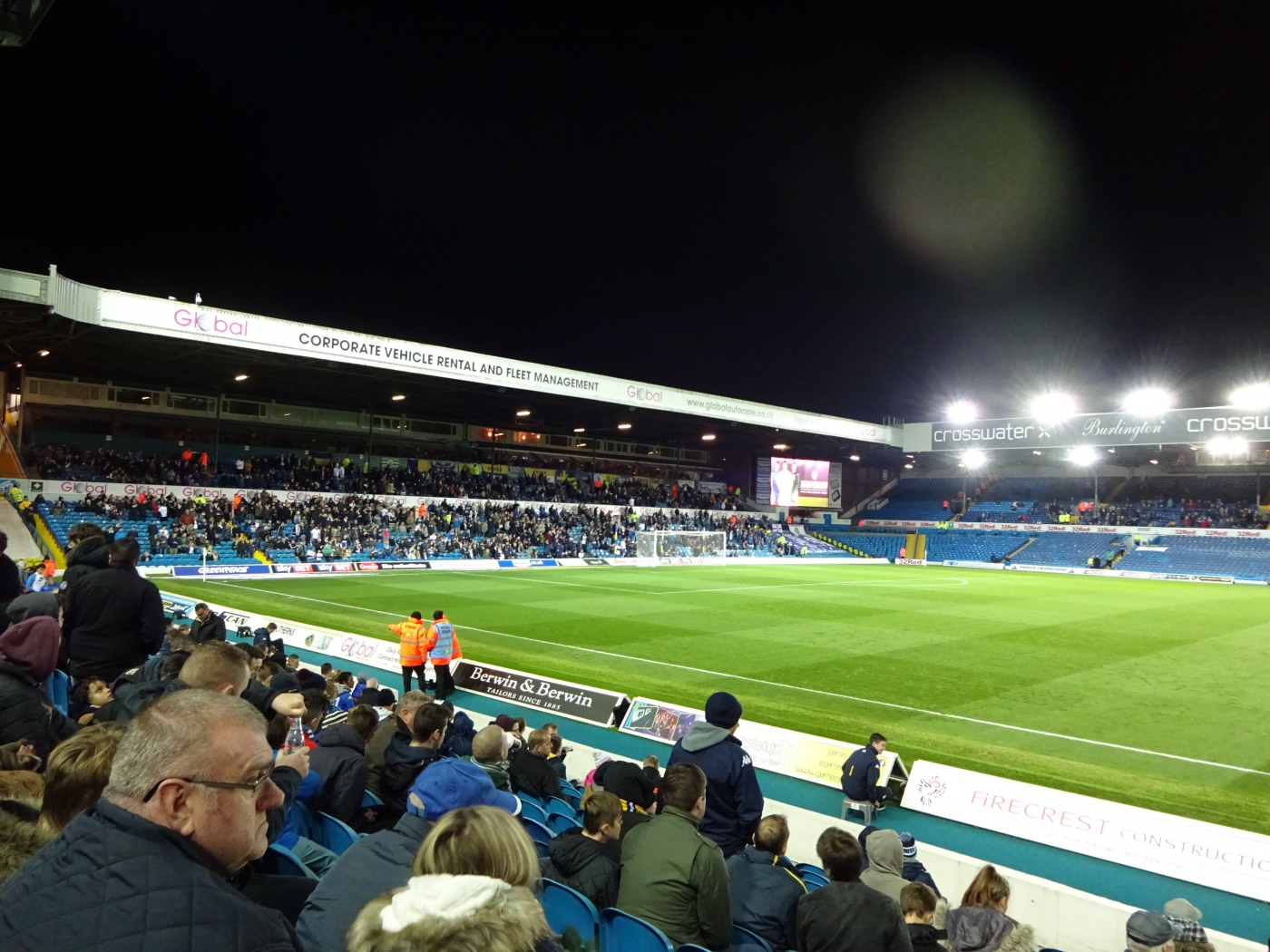
Nestled in the heart of Leeds, West Yorkshire, Elland Road stands as a venerable monument to English football. As the proud home of Leeds United Football Club, it is one of the oldest and most iconic stadiums in the country, steeped in over a century of sporting drama, triumph, and fervent support. With a current all-seater capacity of approximately 37,792, it remains a formidable arena, renowned for its passionate atmosphere on match days.
From Rugby to Football Legends
The history of Elland Road dates back to 1897, when it was initially home to Holbeck Rugby Club. However, its destiny soon shifted towards the beautiful game. In 1904, the newly formed Leeds City F.C. took over the lease, laying the groundwork for football's enduring presence at the site. This early chapter was tragically cut short when Leeds City was disbanded in 1919 amidst financial irregularities. From its ashes, however, a new phoenix rose: Leeds United F.C., immediately adopting Elland Road as its permanent home, a decision that would forge an unbreakable bond between club and ground.
The Rise of Leeds United and Iconic Eras
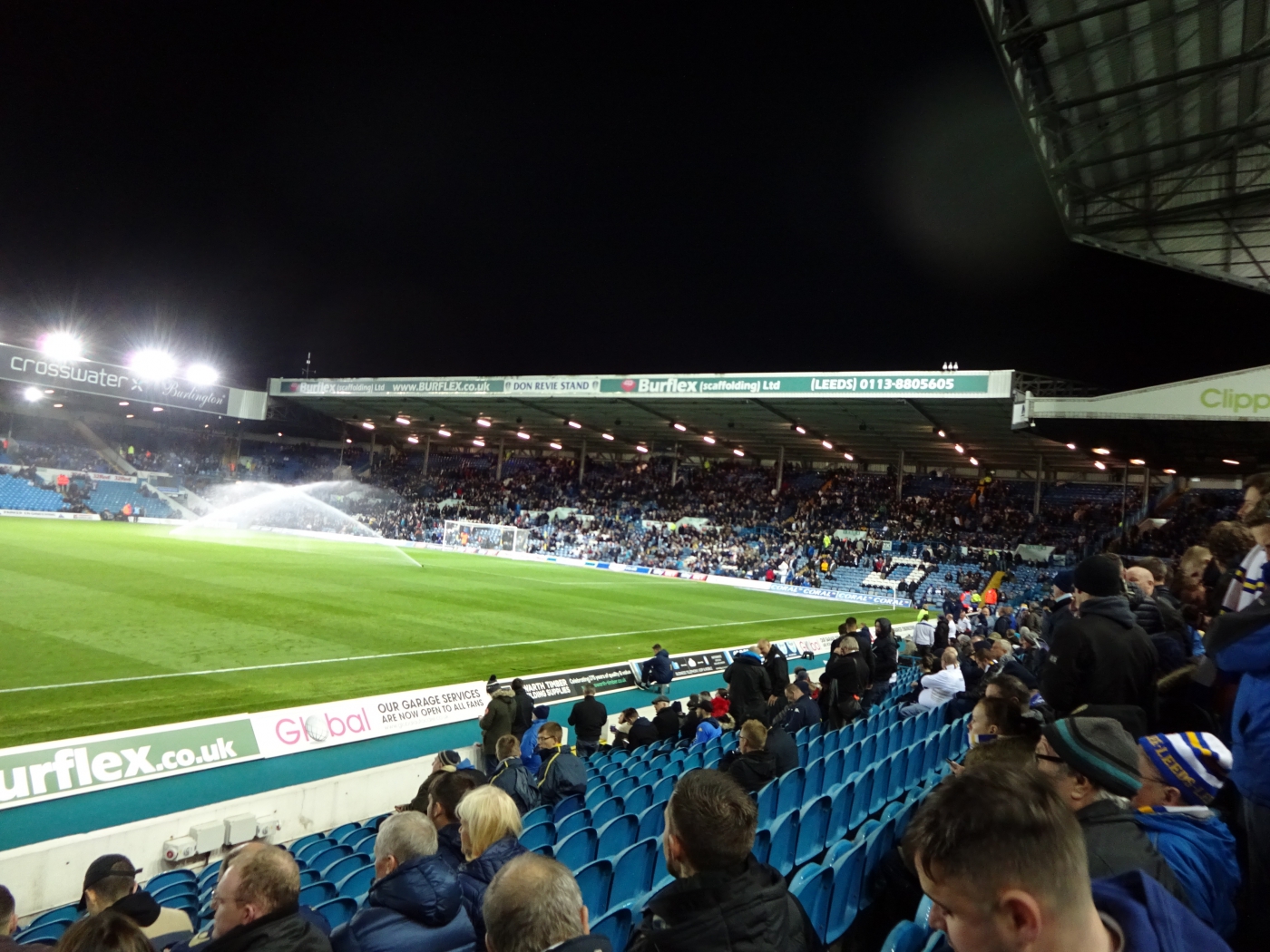
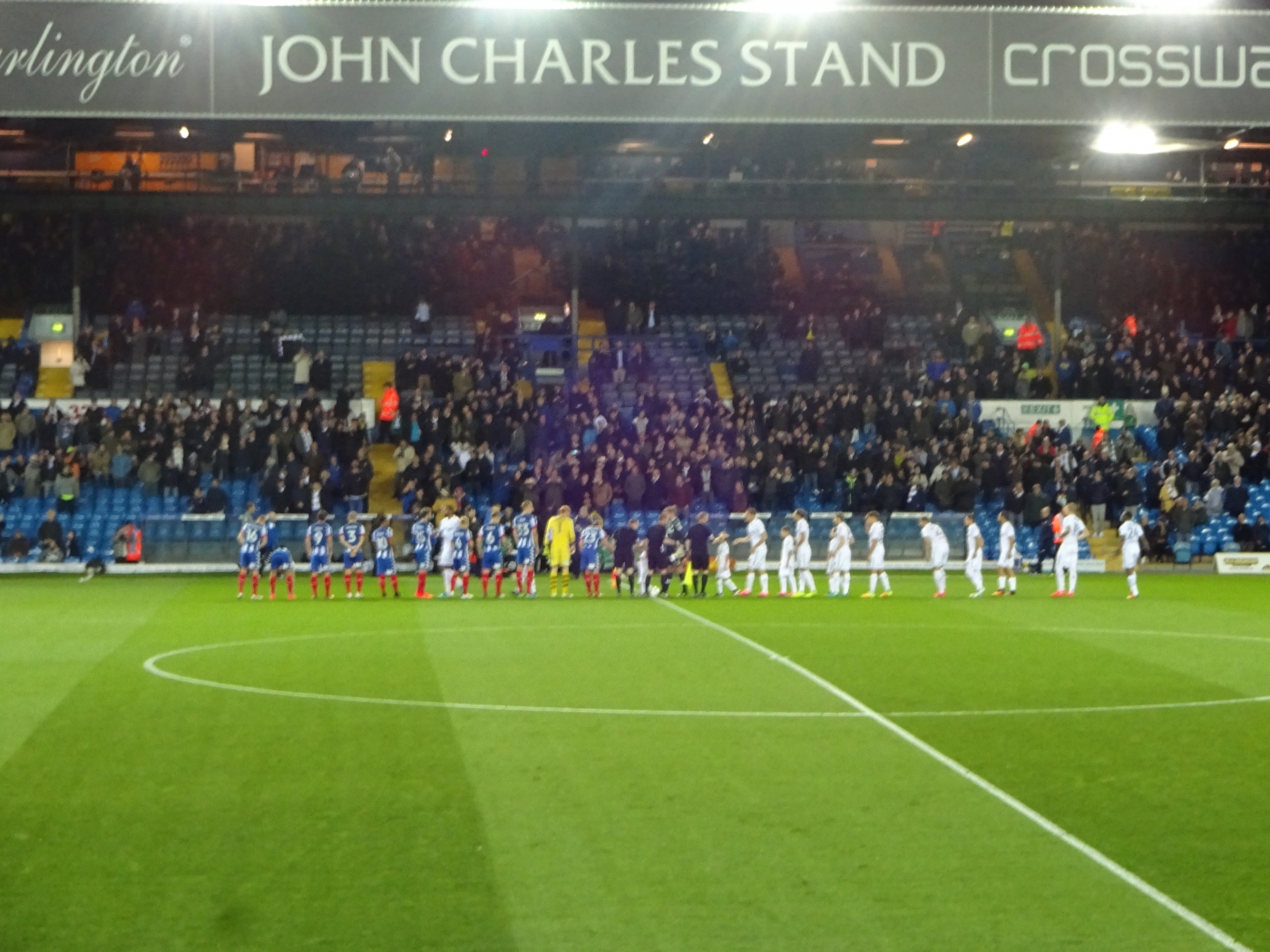
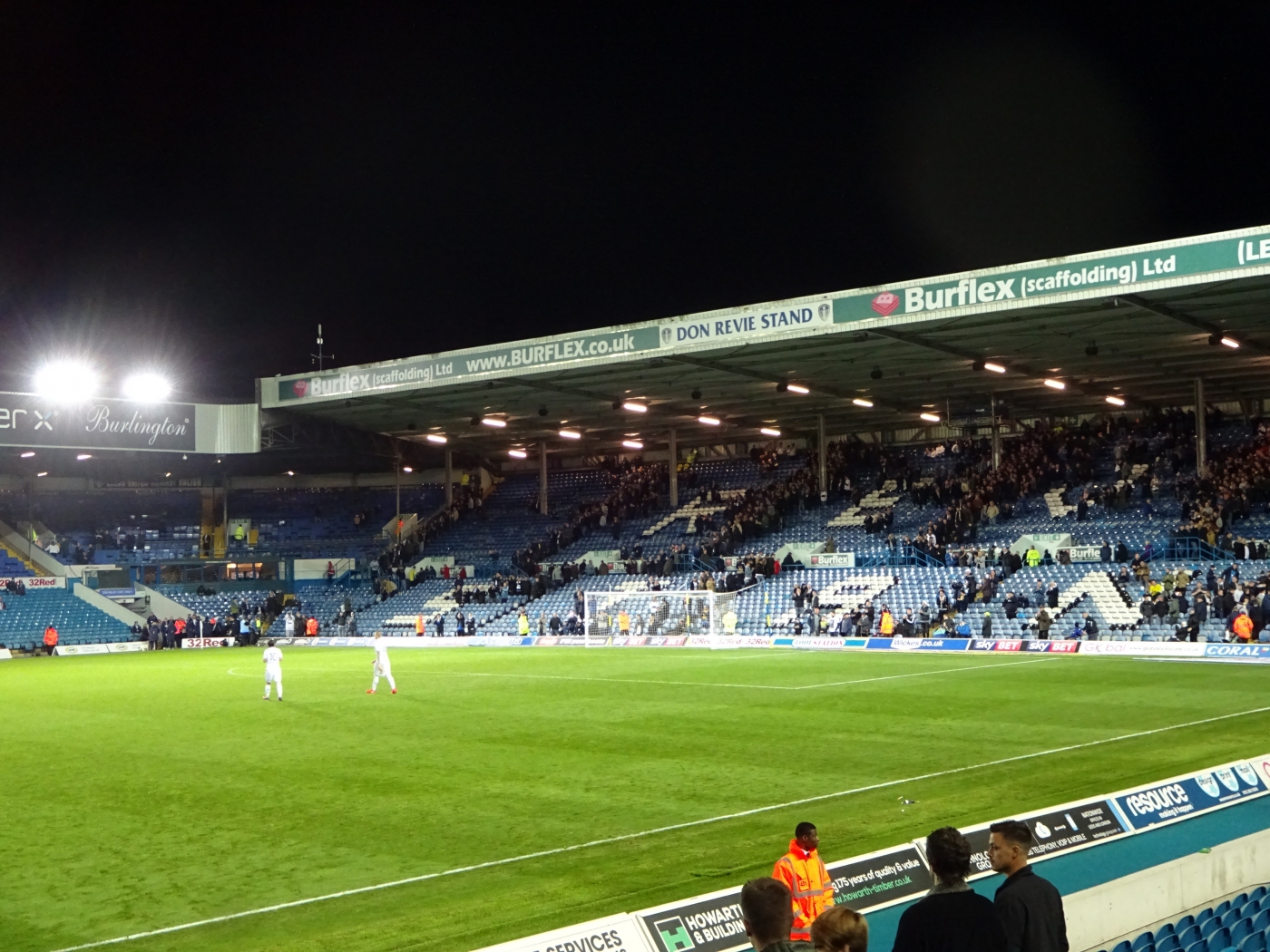
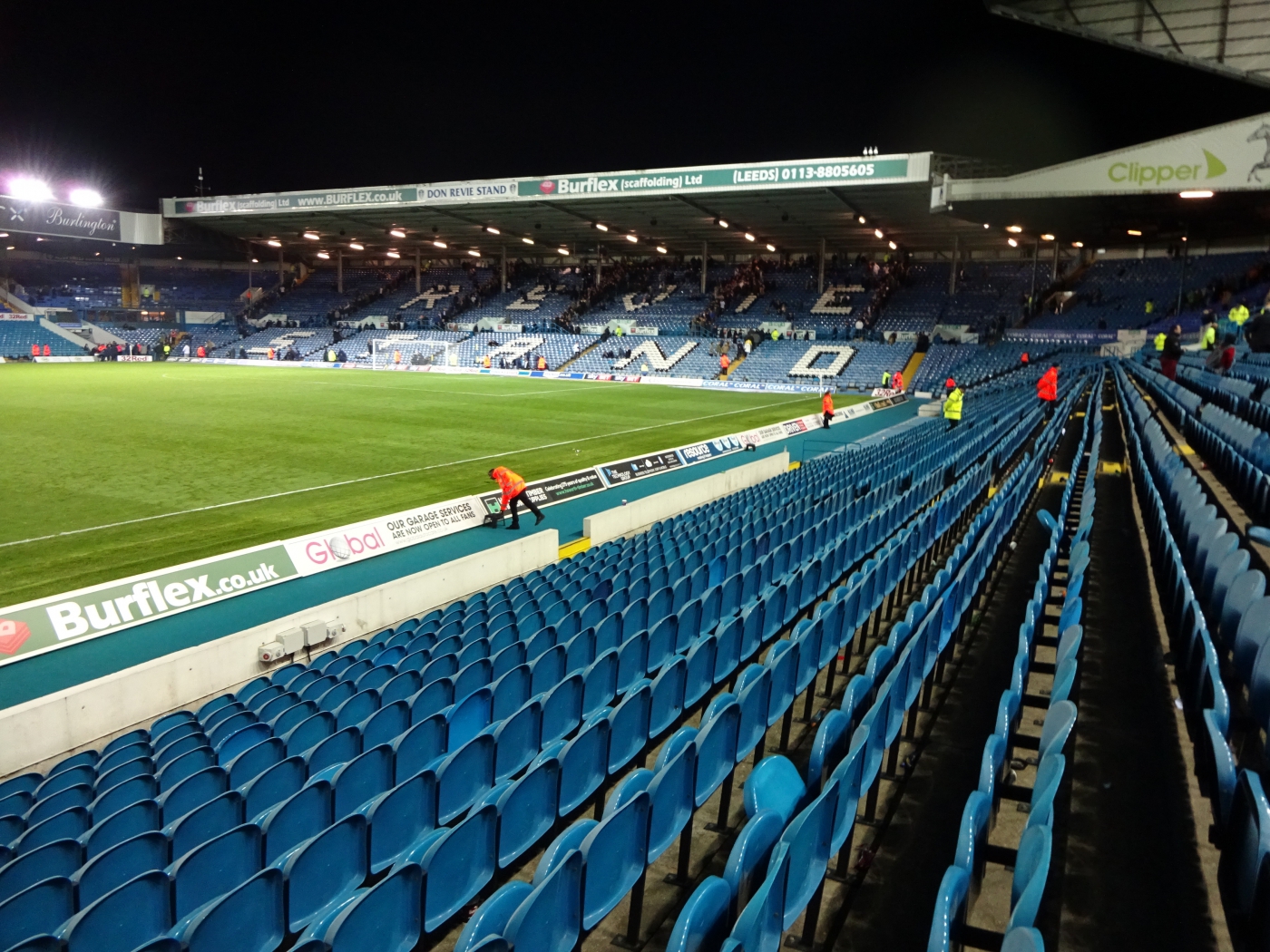
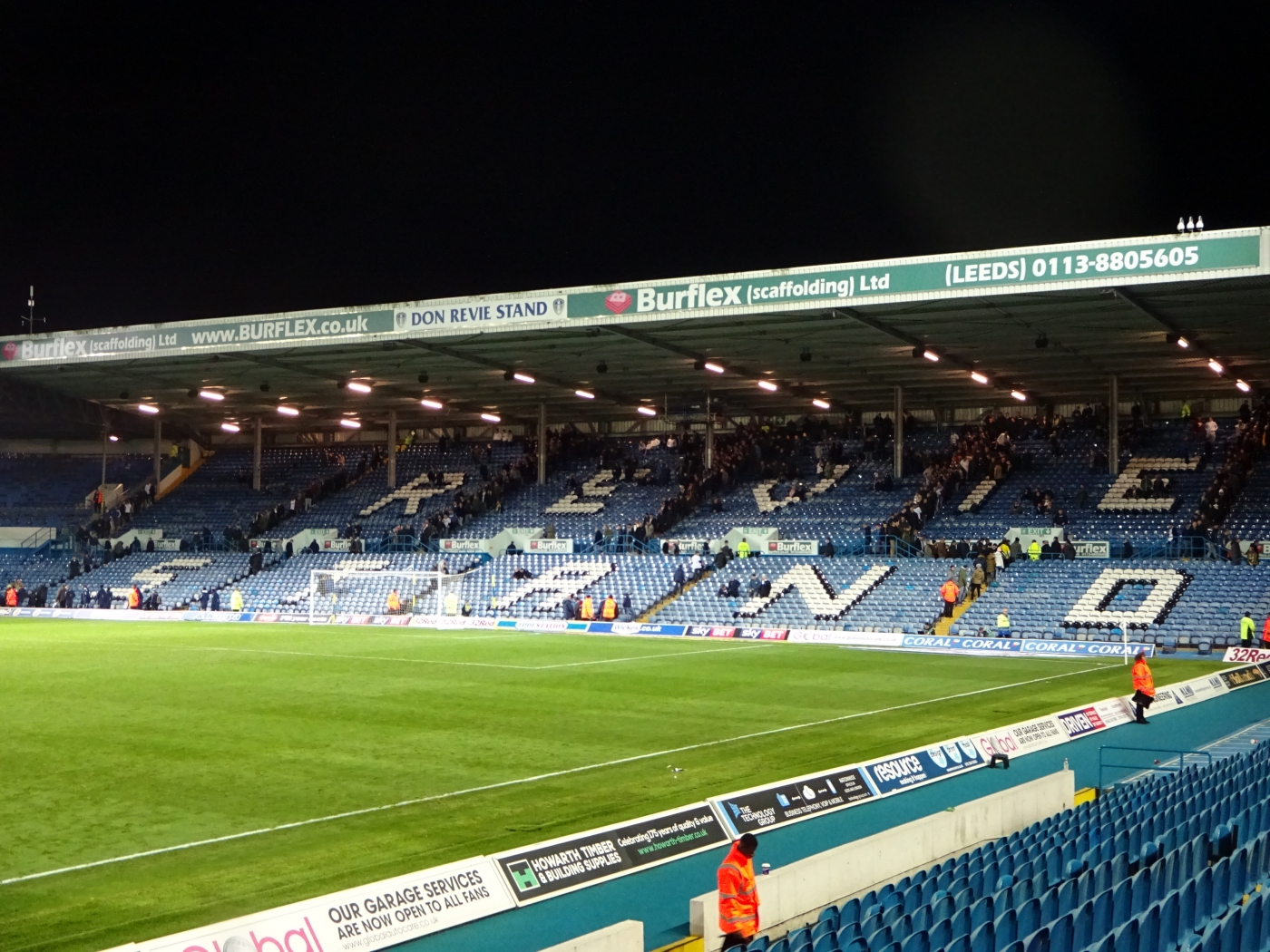
Over the decades, Elland Road has witnessed significant transformations and unforgettable moments. The ground saw major redevelopments, including the construction of the iconic East Stand in the 1990s, one of the largest cantilever stands in Europe at the time. Yet, it's the on-field achievements that truly define its soul. Under the legendary management of Don Revie in the 1960s and 70s, Leeds United experienced its golden era, conquering English football and etching names like Billy Bremner, Jack Charlton, and Norman Hunter into the stadium's folklore. These players became synonymous with the ground, with stands like the John Charles Stand (South Stand) and the Norman Hunter Stand (Gelderd Road End) paying homage to their legacy, alongside the Don Revie Stand (North Stand).
Modern Elland Road and its Enduring Spirit
Today, Elland Road continues to be a vibrant hub for the community and a fortress for Leeds United. Its traditional English stadium architecture, with four distinct stands close to the pitch, ensures an intimate and intimidating atmosphere. While its façade has evolved, its spirit – resilient, proud, and fiercely loyal – remains unchanged. It stands as a testament to the club's unwavering fan base and a symbol of Leeds' rich footballing heritage, forever echoing with the roar of the crowd and the dreams of a city.