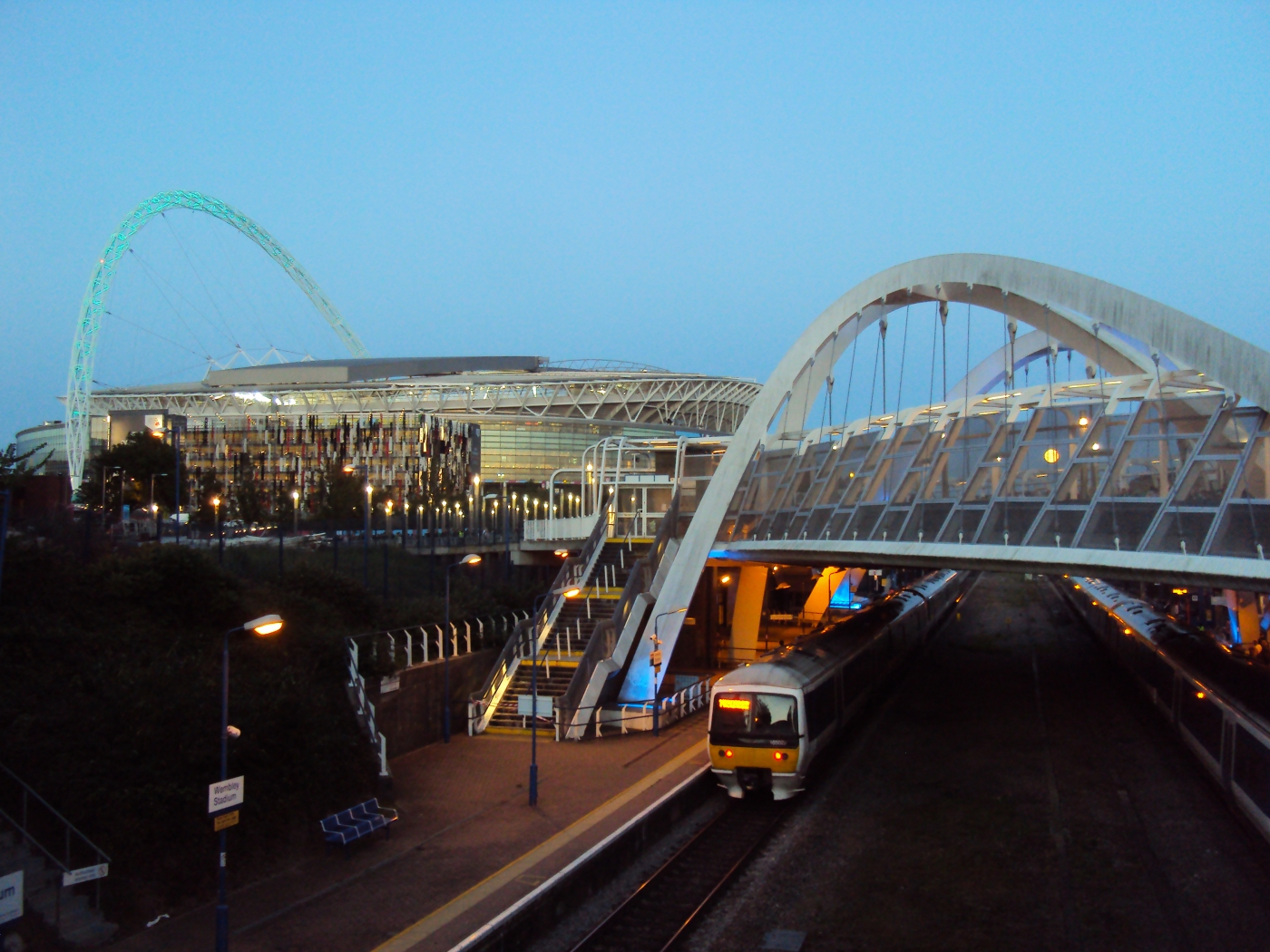
Wembley Stadium
Wembley Stadium, Wembley, England
About the Stadium:
Wembley Stadium: The Home of Football
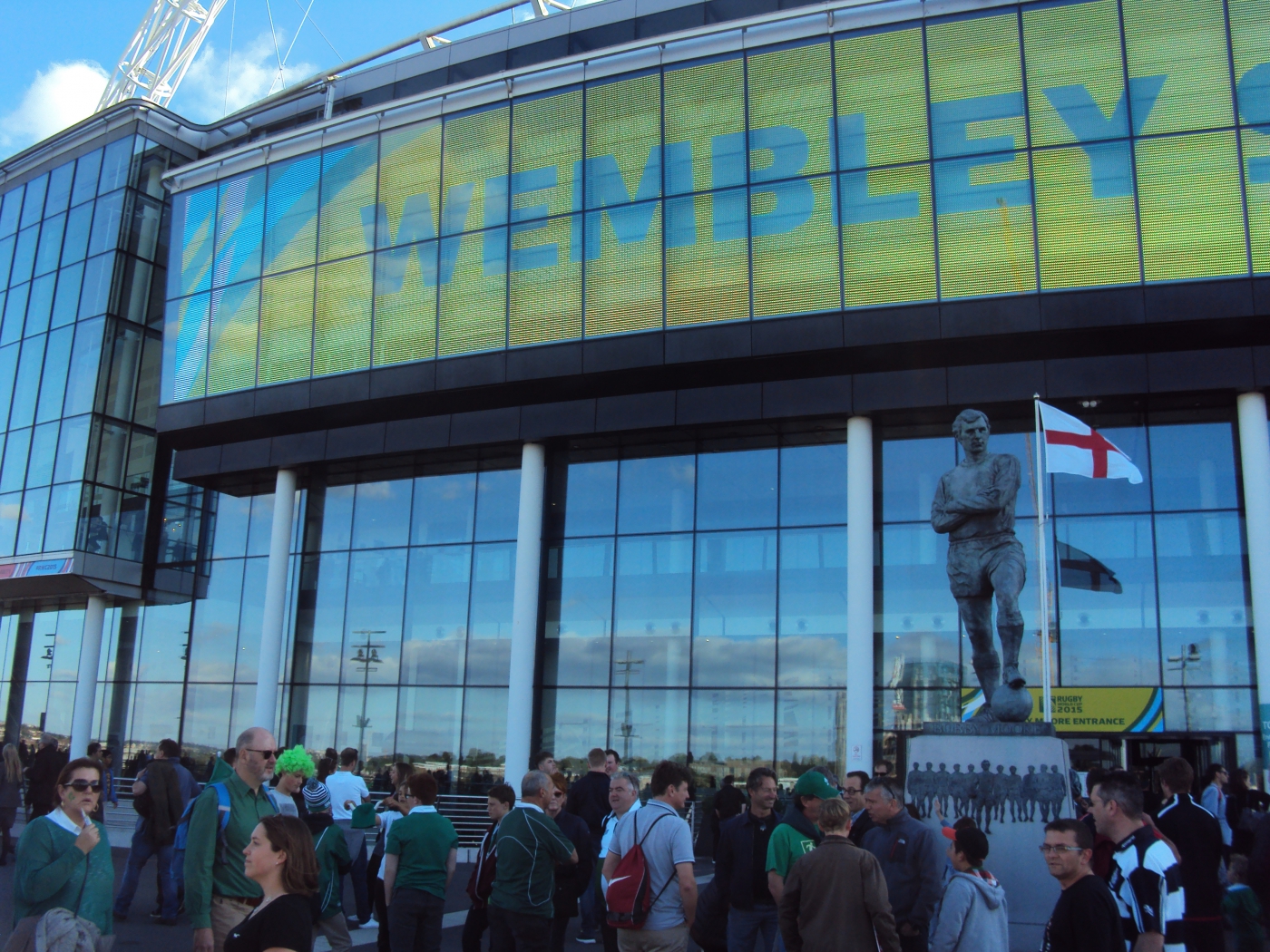
Nestled in **Wembley**, **London**, **England**, stands the iconic **Wembley Stadium**, a name synonymous with football glory and unparalleled sporting events. Often dubbed "The Home of Football," this magnificent arena carries a rich legacy, evolving from its historic predecessor to the modern marvel it is today, captivating fans with its grandeur and hosting some of the most memorable moments in sports history.
The Original Wembley: A Legend Born
The story of **Wembley** began with the **Empire Stadium**, built for the 1924 **British Empire Exhibition**. It quickly became known worldwide for its distinctive **Twin Towers**, which greeted visitors for decades. This hallowed ground witnessed countless **FA Cup Finals**, including the famous "White Horse Final" of 1923, even before its official opening. It was here that **England's national team** played their most significant matches, and the stadium etched itself into global consciousness by hosting the 1966 **FIFA World Cup Final**, where **England** lifted the trophy. Furthermore, it proudly hosted the 1996 **UEFA European Championship Final** and multiple **European Cup Finals**, solidifying its status as a legendary venue until its eventual closure and demolition in 2003.
A New Era: The Arch Rises
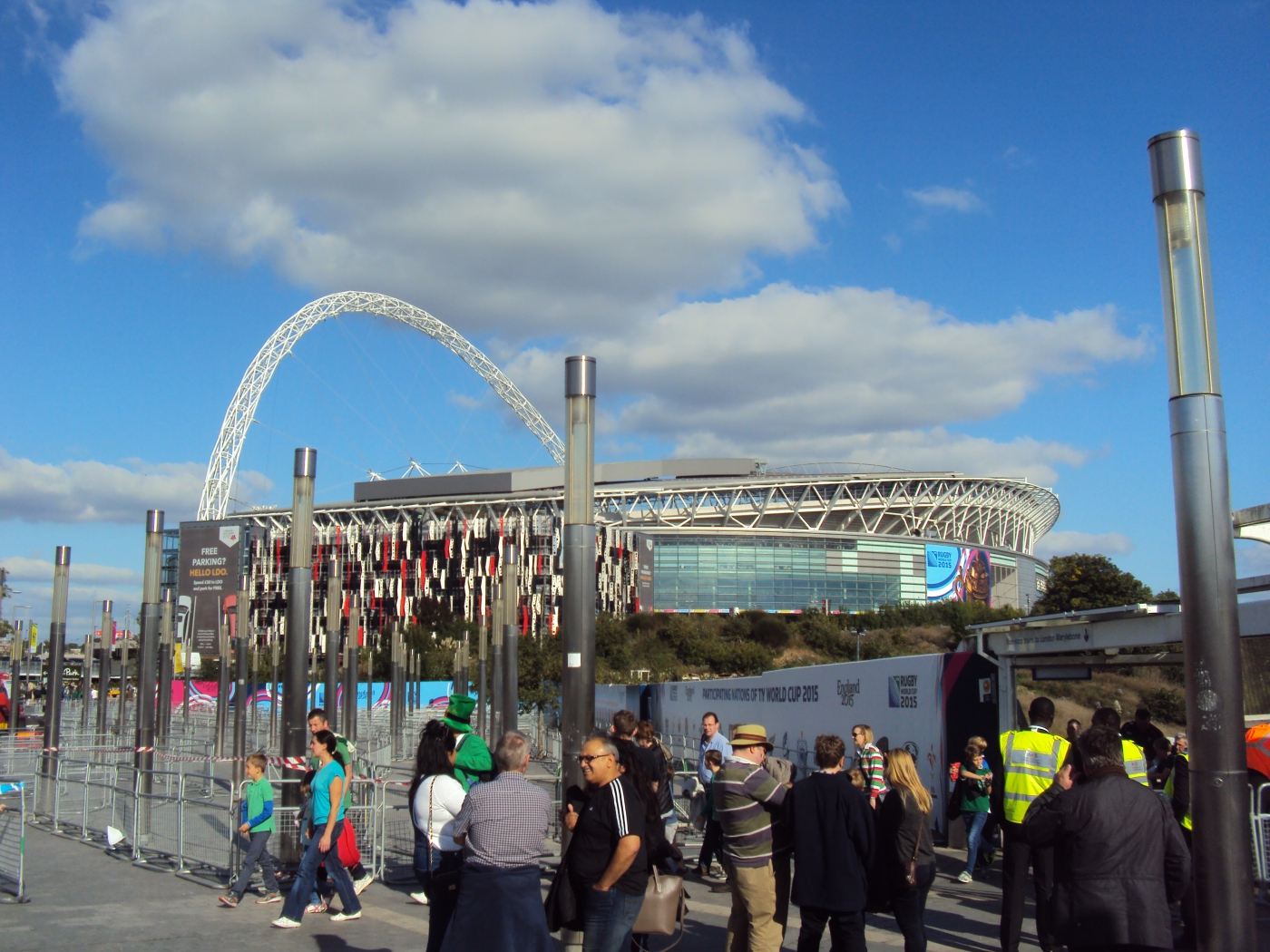
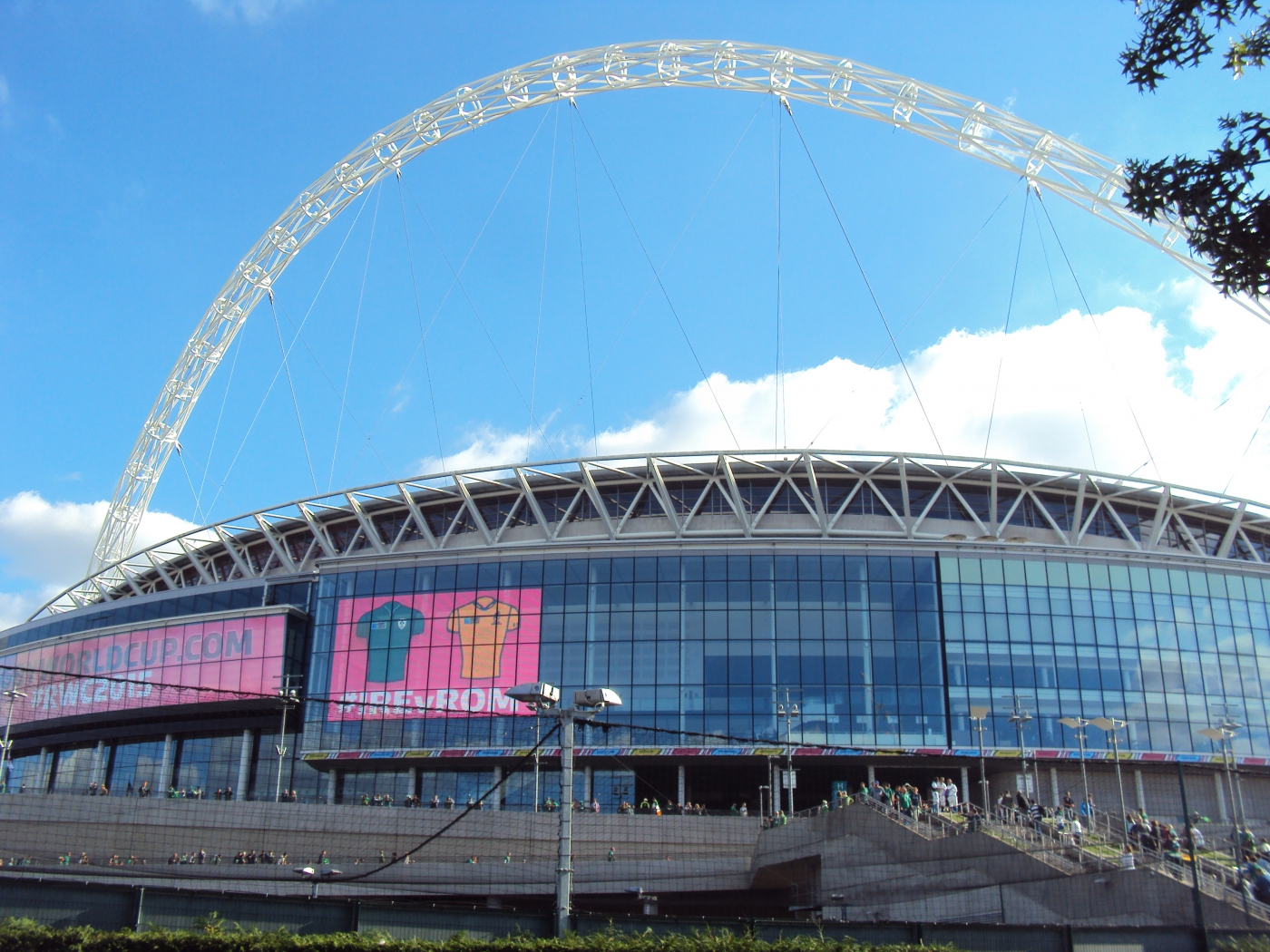
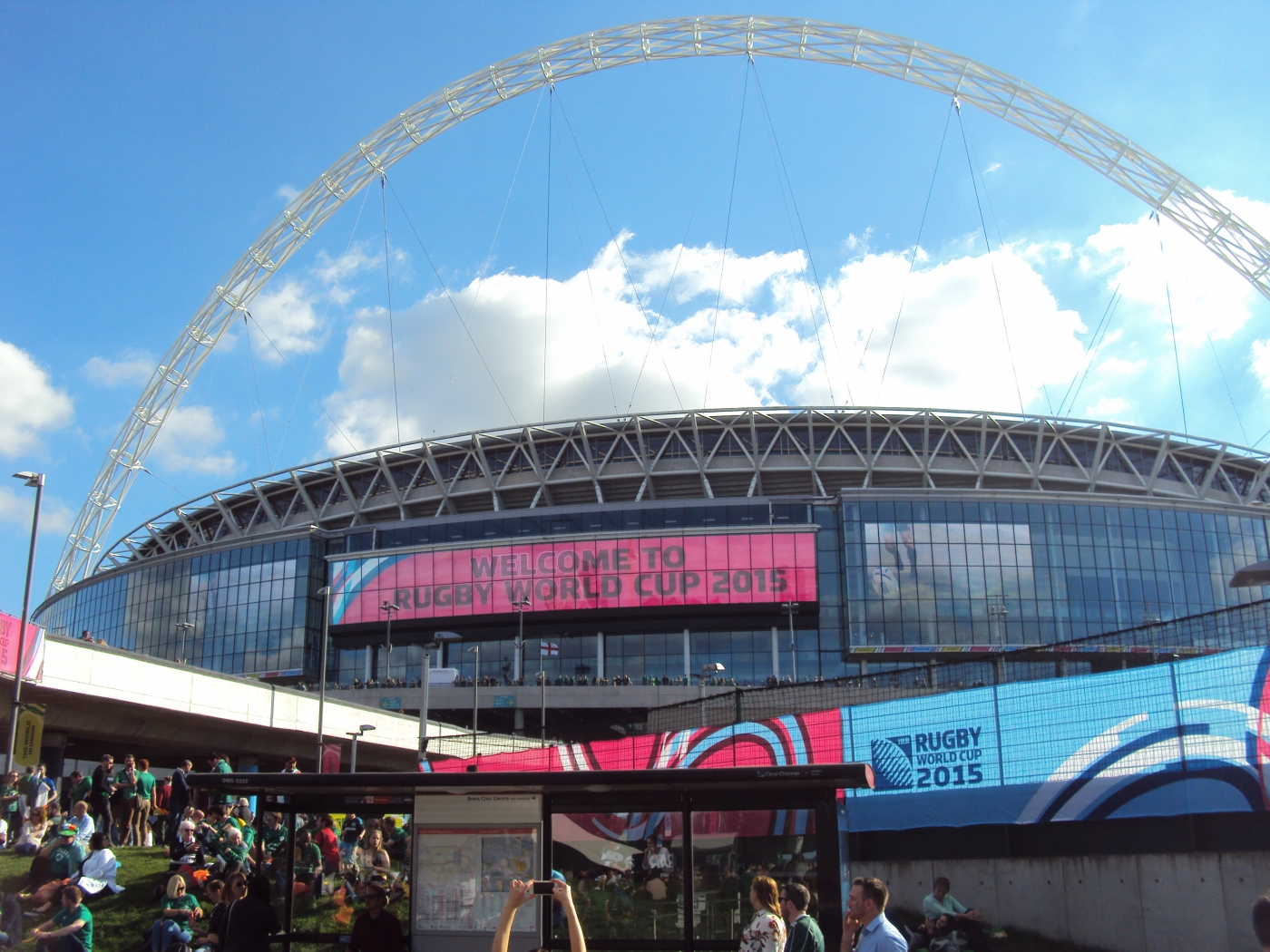
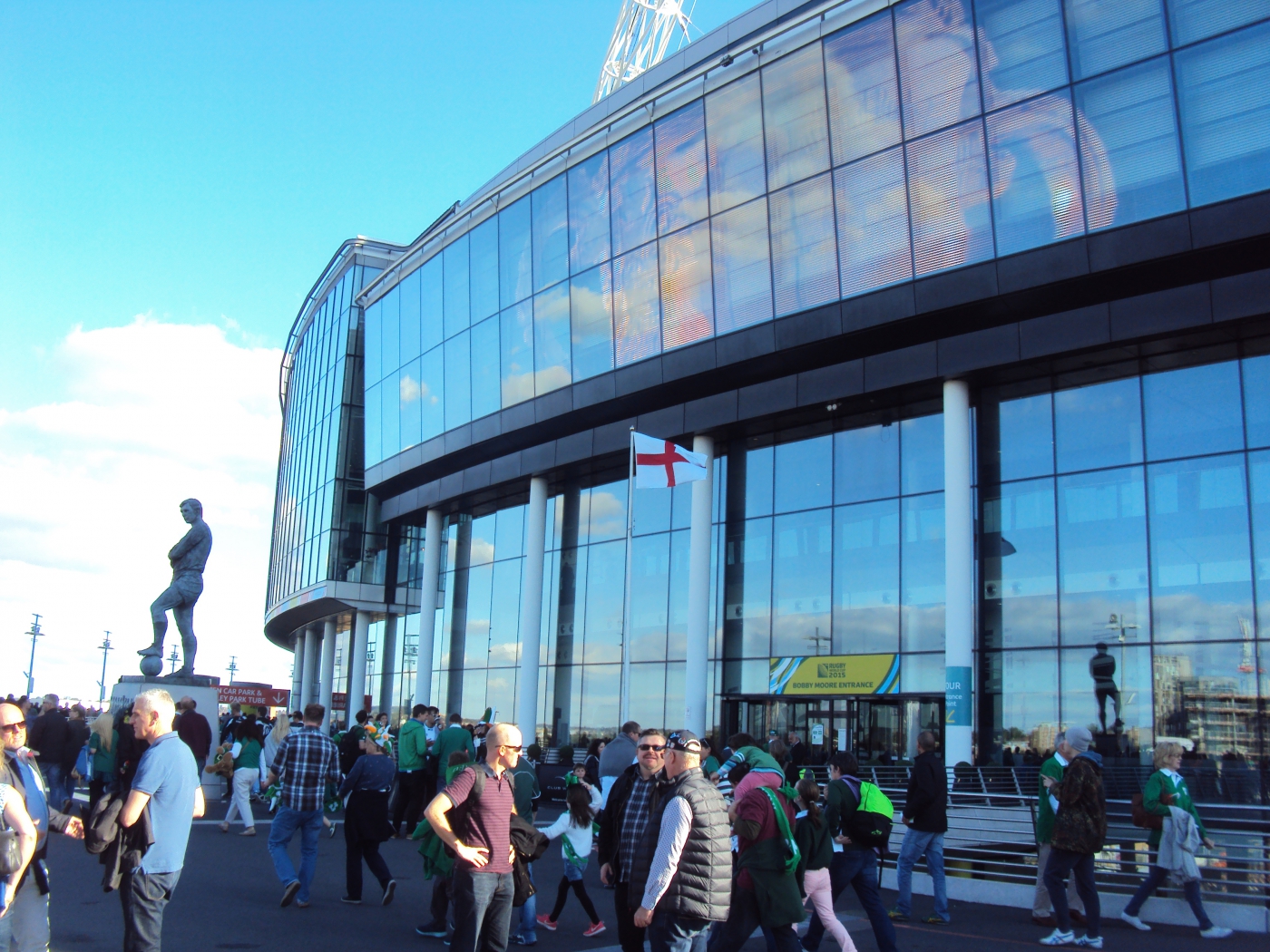
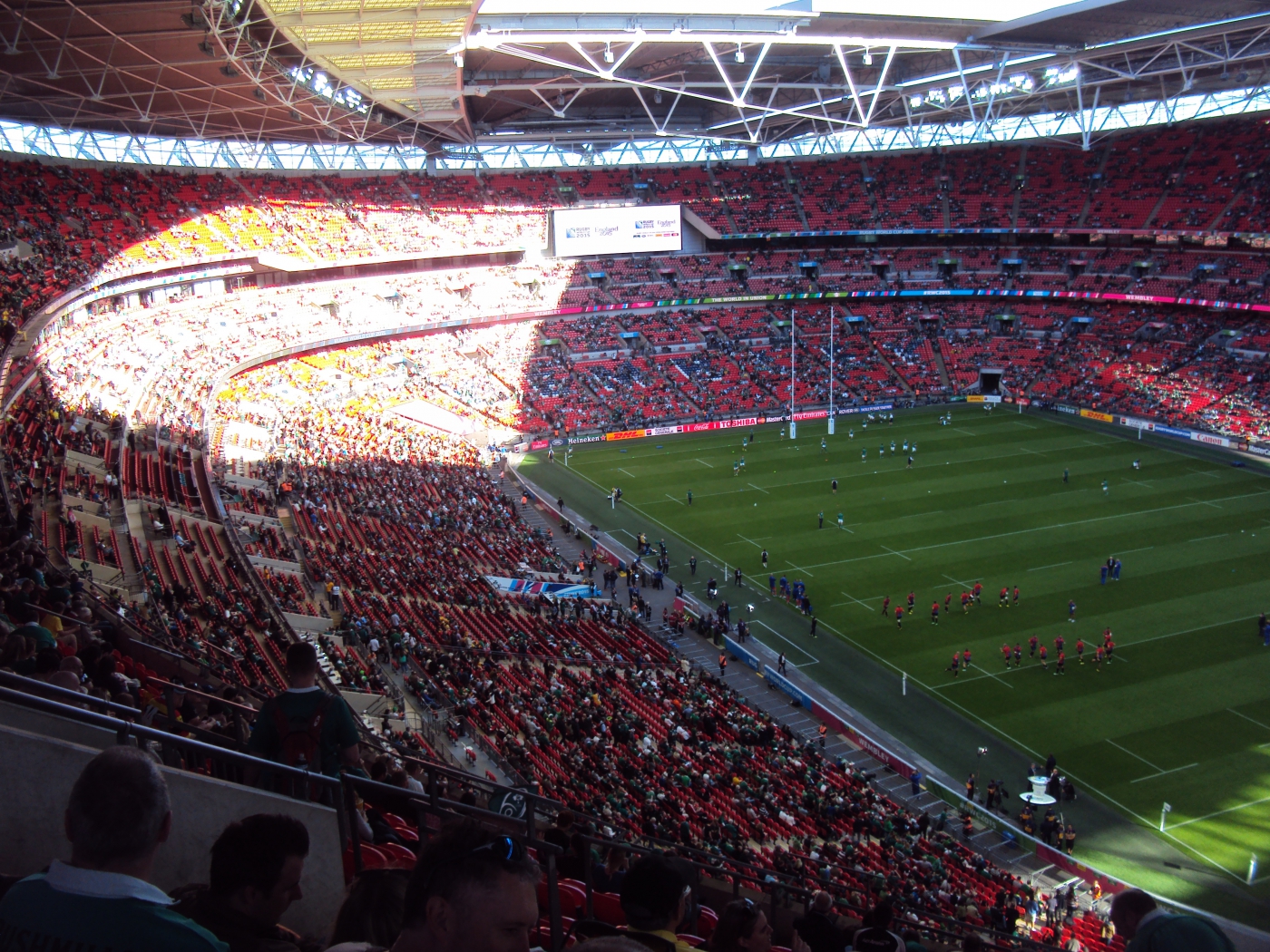
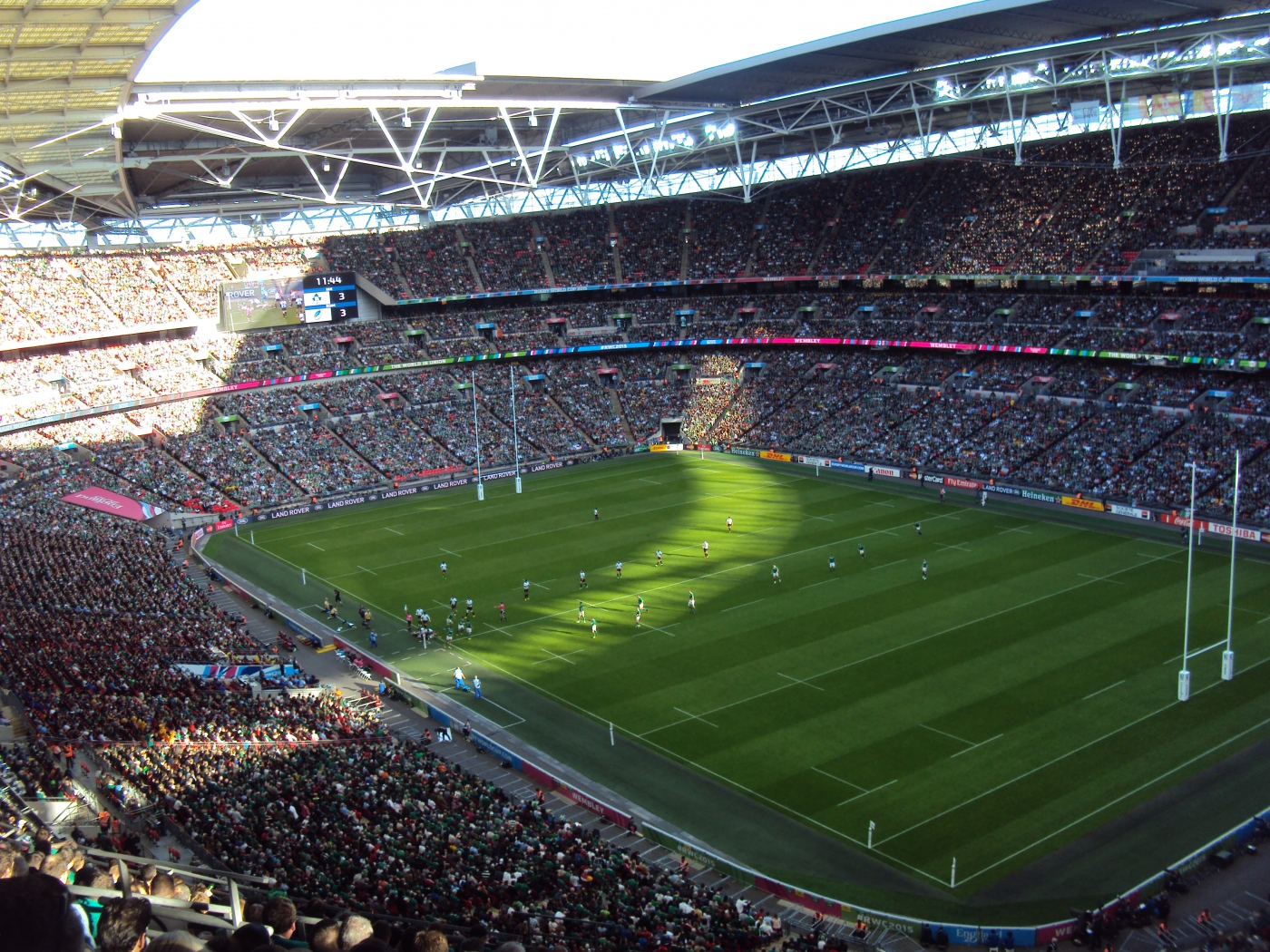
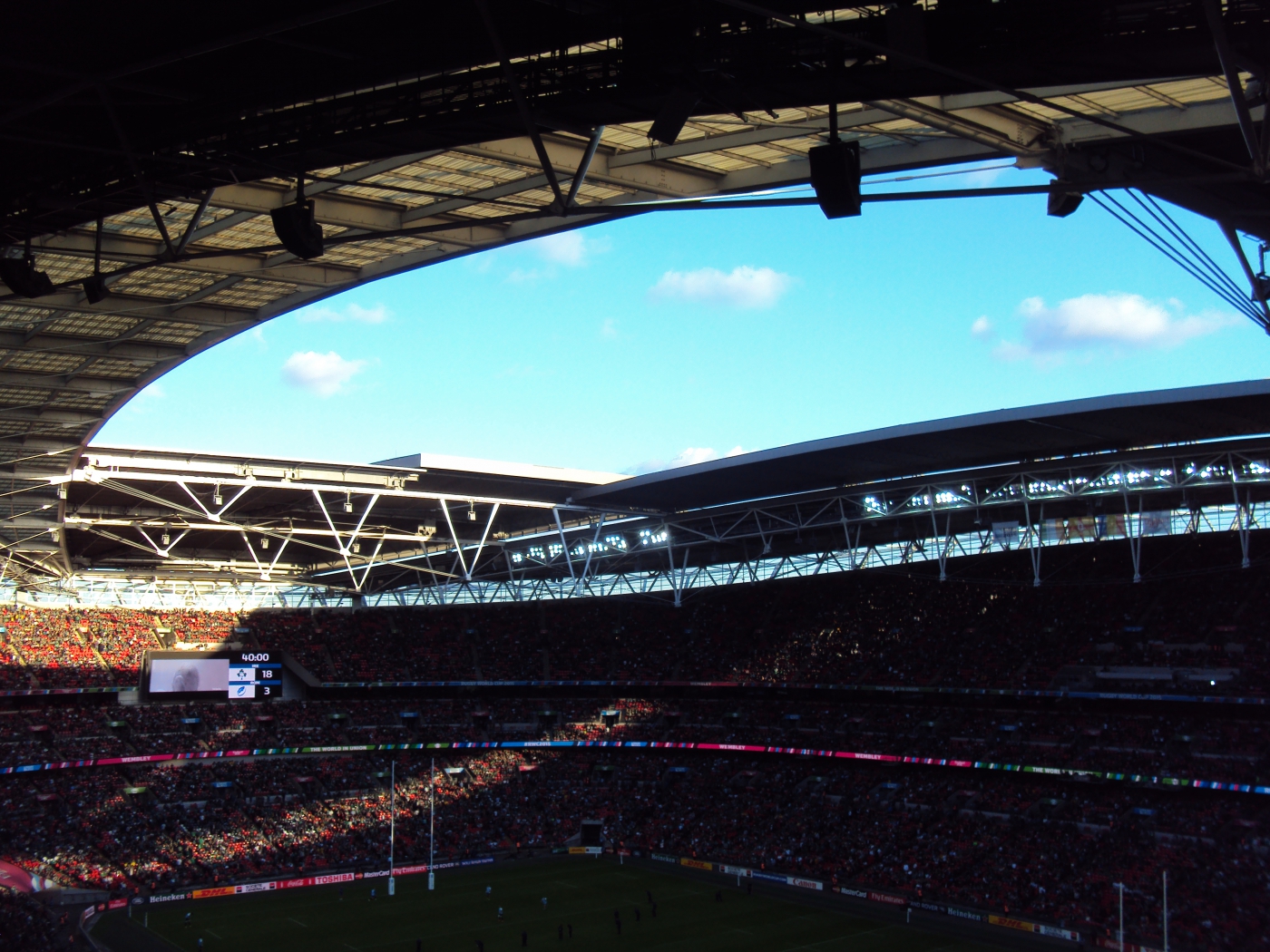
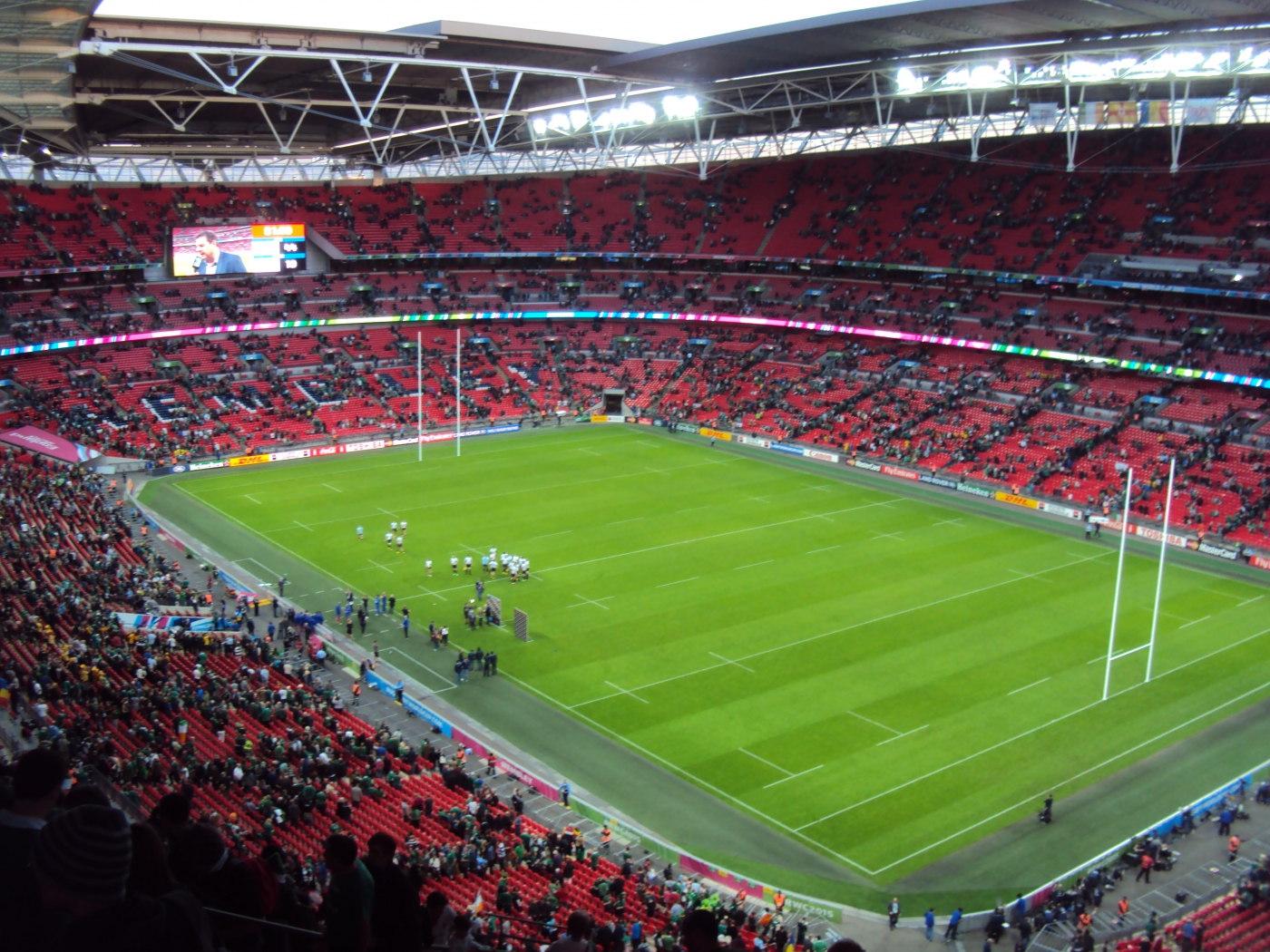
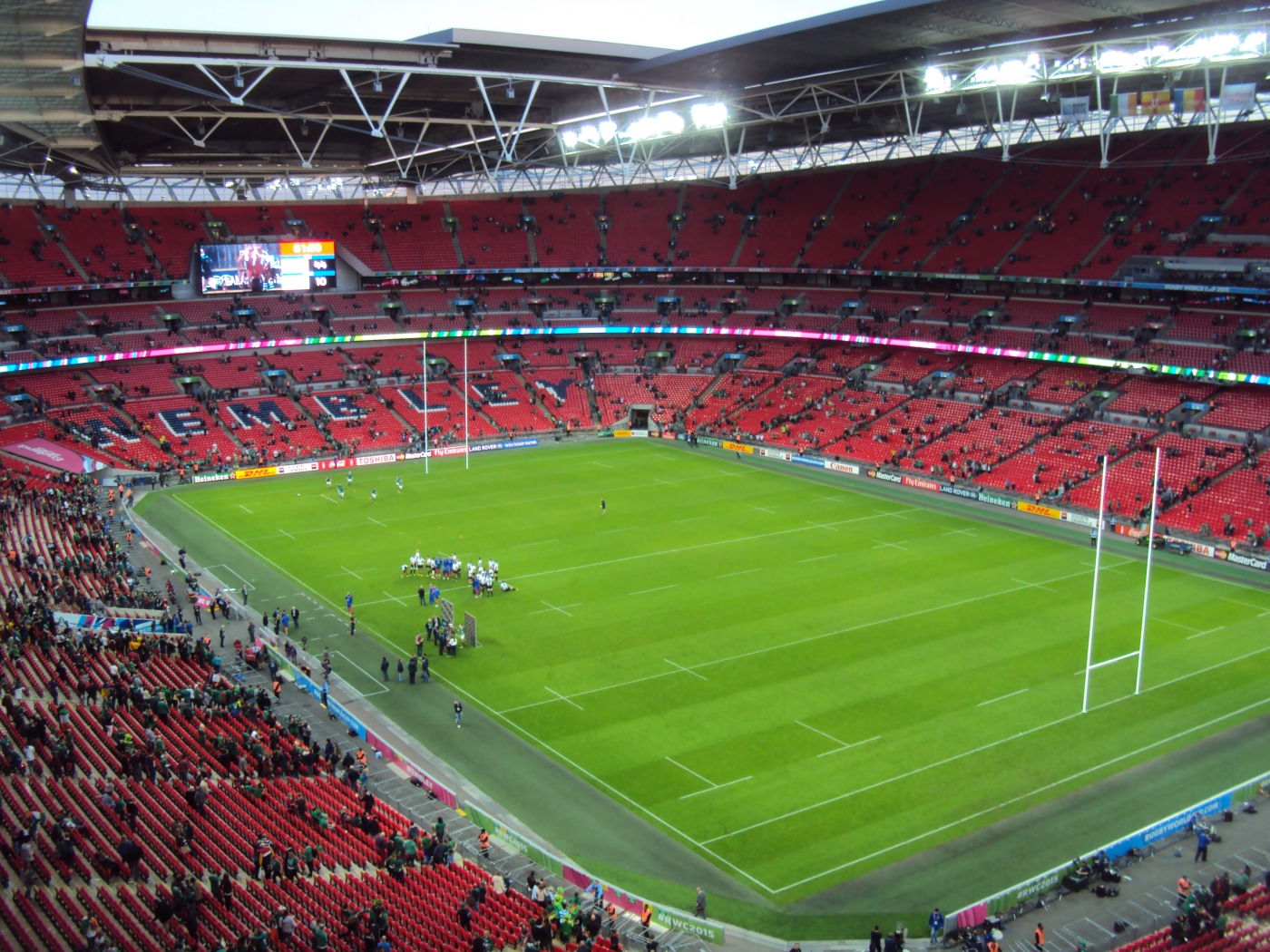
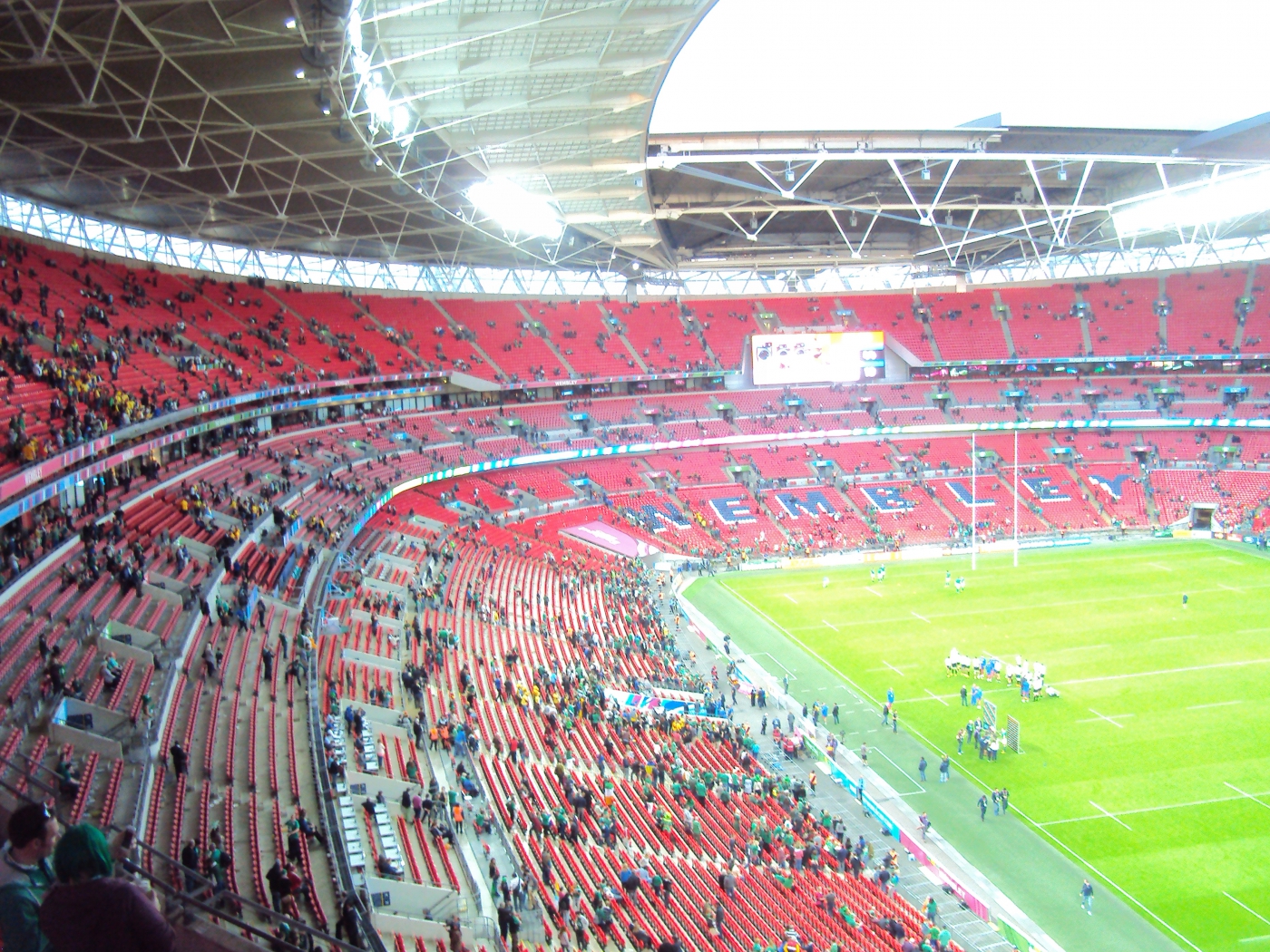
The spirit of **Wembley** was reborn on the same site with the construction of the new **Wembley Stadium**, which officially opened its doors in 2007. Designed by **HOK Sport** (now **Populous**) and **Foster and Partners**, this architectural masterpiece is instantly recognizable by its colossal 133-meter-high **Wembley Arch**, which majestically spans the entire structure, making it one of the largest covered stadia in the world with a capacity of 90,000 spectators. This modern coliseum, while lacking the **Twin Towers**, pays homage to its past while embracing a futuristic vision.
A Stage for Champions
The new **Wembley** has continued the tradition of its forebear, serving as the primary home for the **England national team** and hosting the climactic **FA Cup Finals**. Beyond domestic football, it has welcomed two **UEFA Champions League Finals** in 2011 and 2013, a testament to its world-class facilities. In 2021, it played a central role in the delayed **UEFA European Championship**, hosting multiple matches including the semi-finals and the final. The stadium also transcends football, regularly hosting **NFL International Series** games, major concerts, and other significant events, cementing its place as a premier multi-purpose venue on the global stage. Its impressive design and continuous stream of high-profile events ensure that **Wembley Stadium** remains "The Home of Football" and a beacon of sporting excellence for generations to come. To learn more about its history and events, you can visit the official **Wembley Stadium** website.