WWK Arena
Bürgermeister-Ulrich-Straße 90, Augsburg, Germany
About the Stadium:
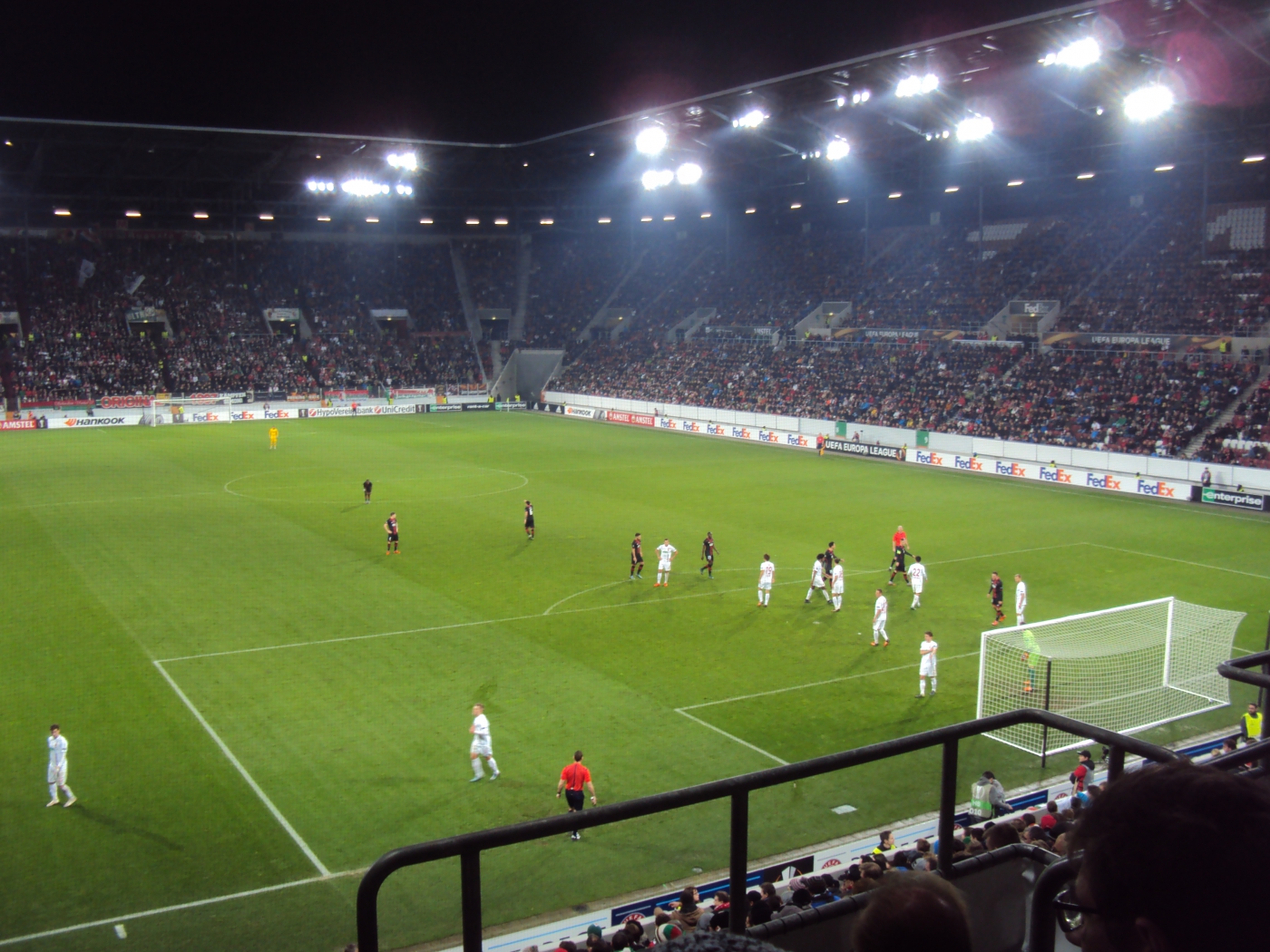
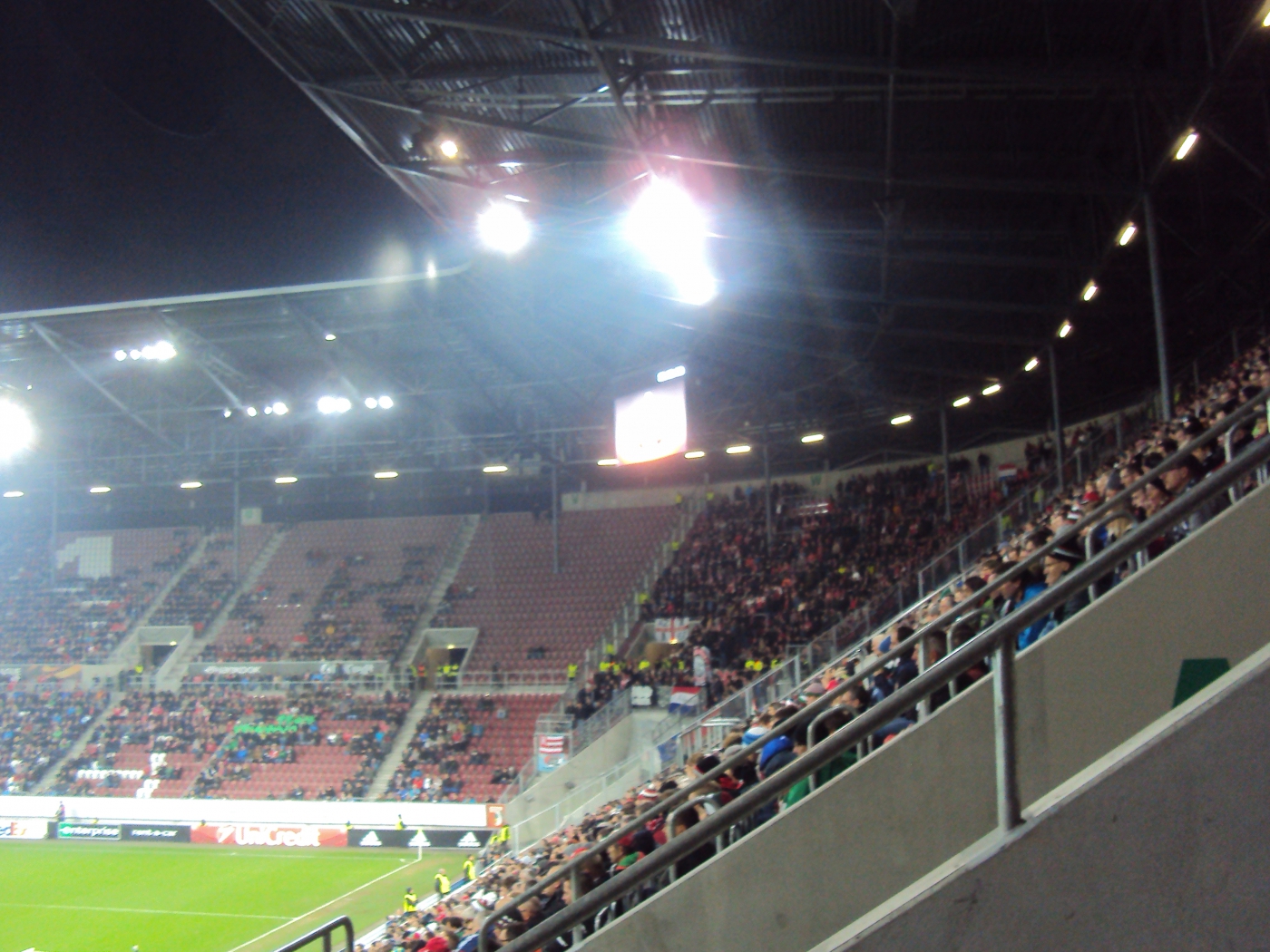
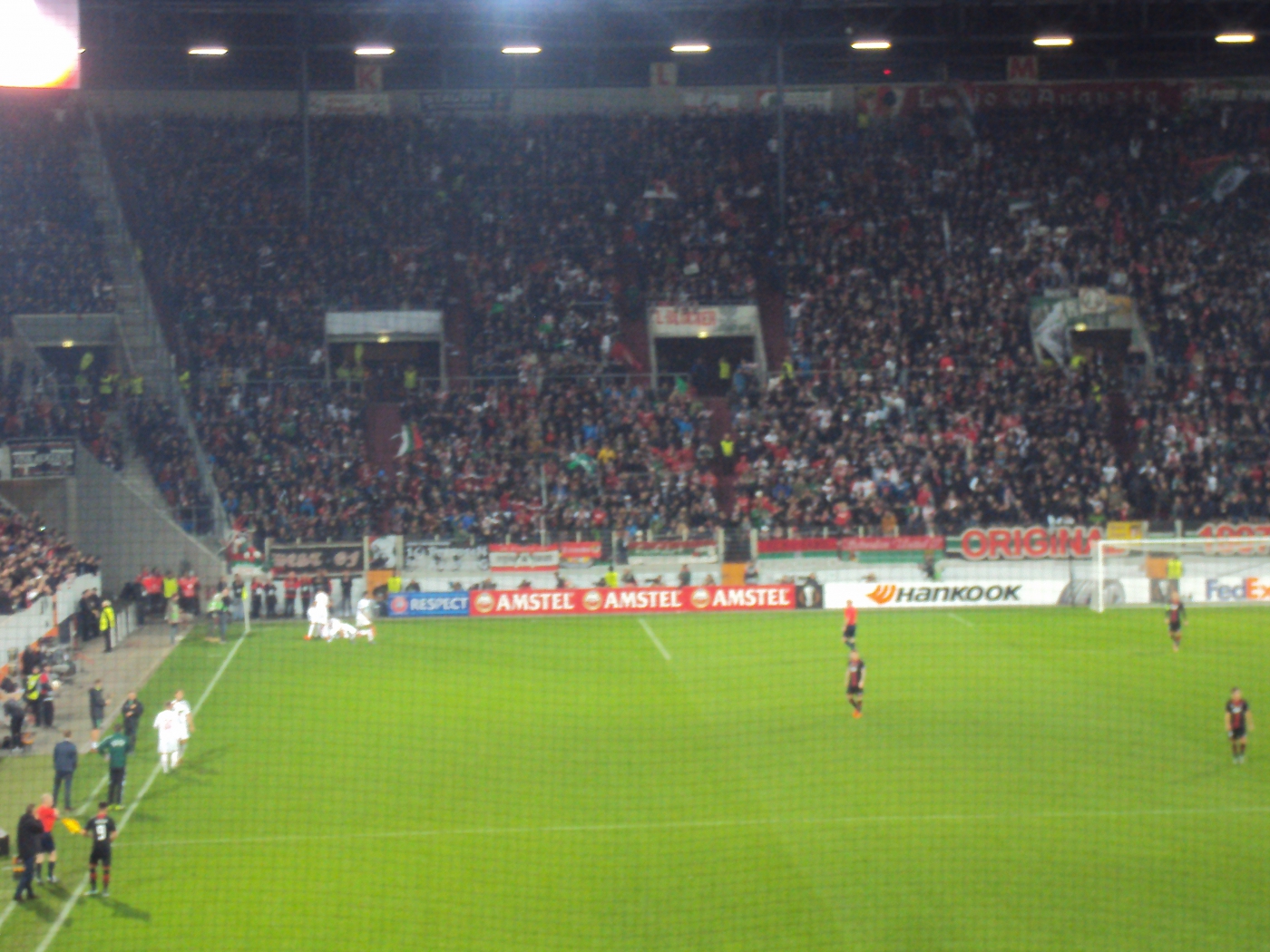
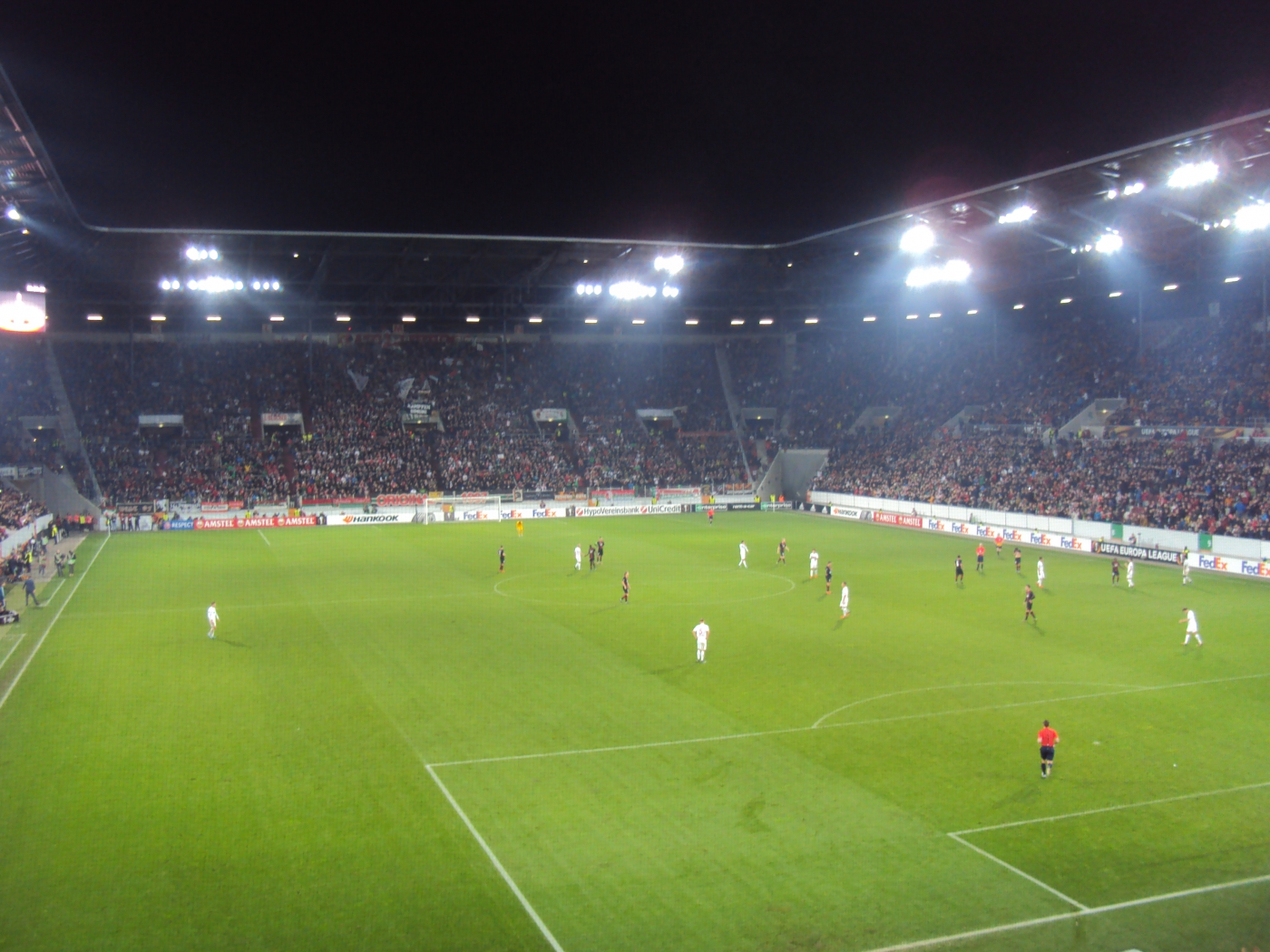
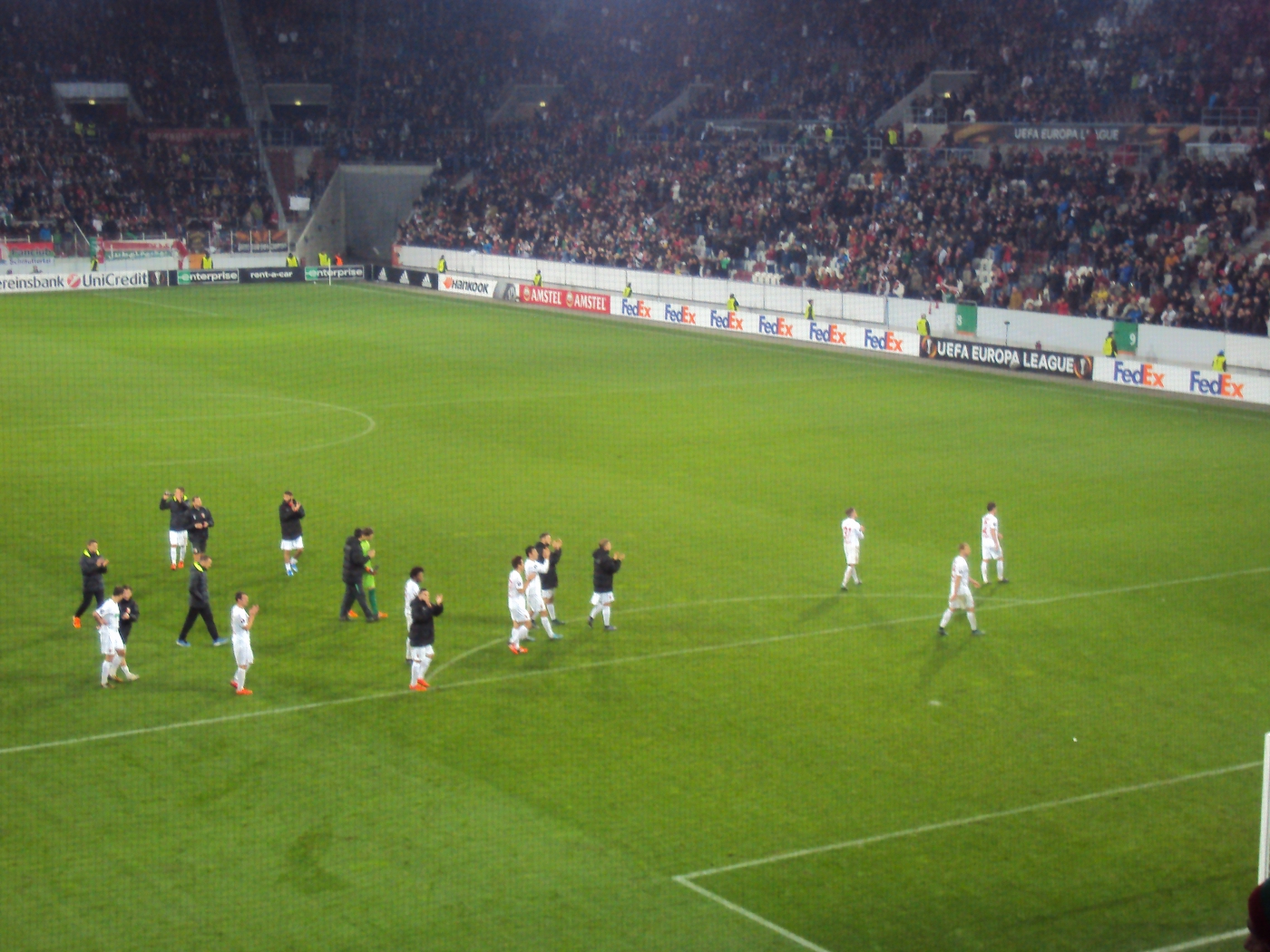
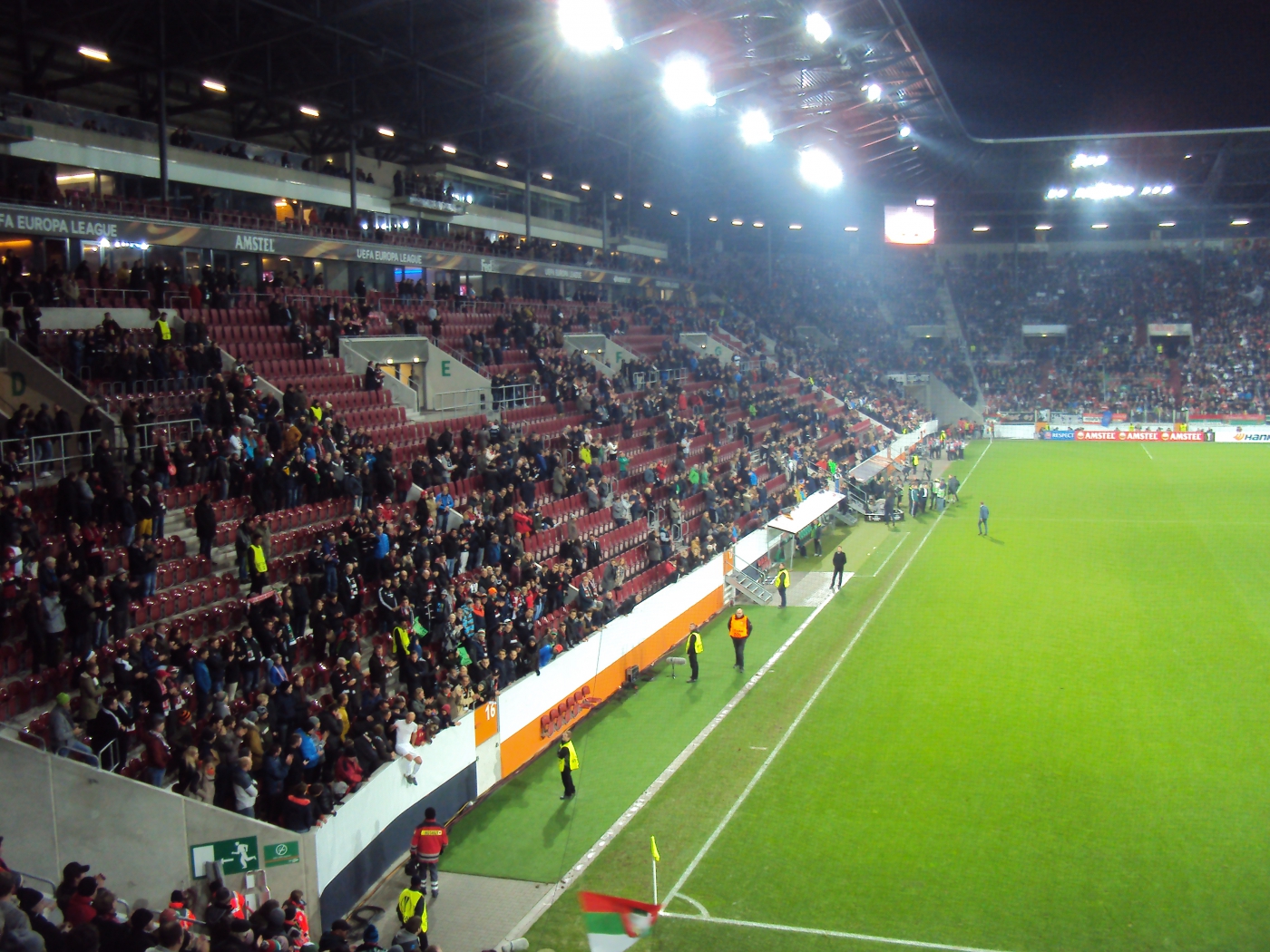
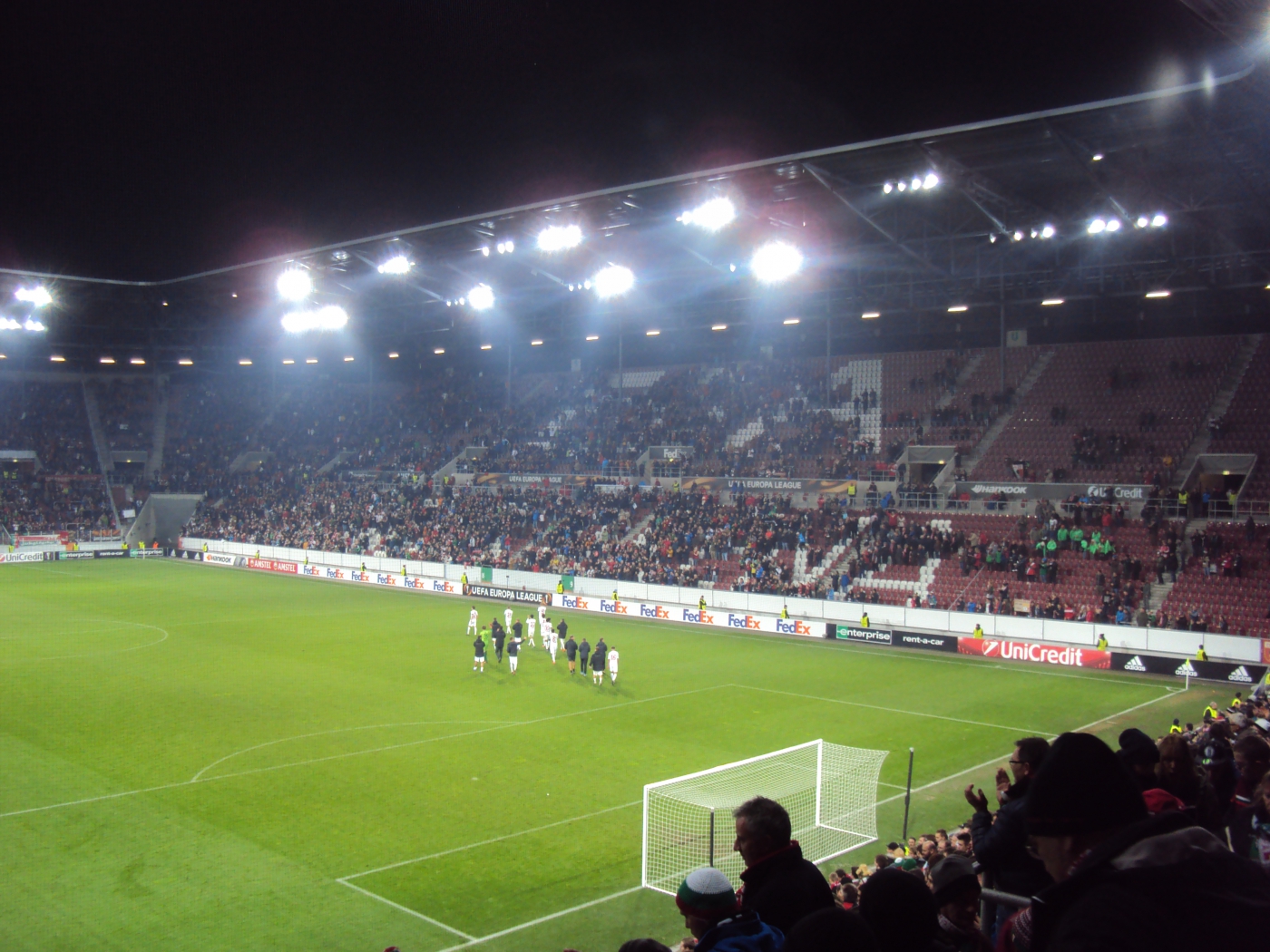
The WWK Arena, nestled in the Bavarian city of Augsburg, Germany, stands as a modern testament to sustainable sports infrastructure and the passionate spirit of its resident club, FC Augsburg. It's more than just a football ground; it's a home that reflects a journey of growth, both for the club and for sustainable stadium architecture.
A Modern Beginning
Inaugurated on July 26, 2009, the stadium first opened its doors under the name Impuls Arena. This marked a significant upgrade for FC Augsburg, moving from their long-standing but aging home, the Rosenaustadion. The decision to build a new stadium was driven by the club's ambitions and the need for a facility that met contemporary standards for comfort, safety, and capacity, crucial for their ascent through the German football leagues.
Evolution of a Name
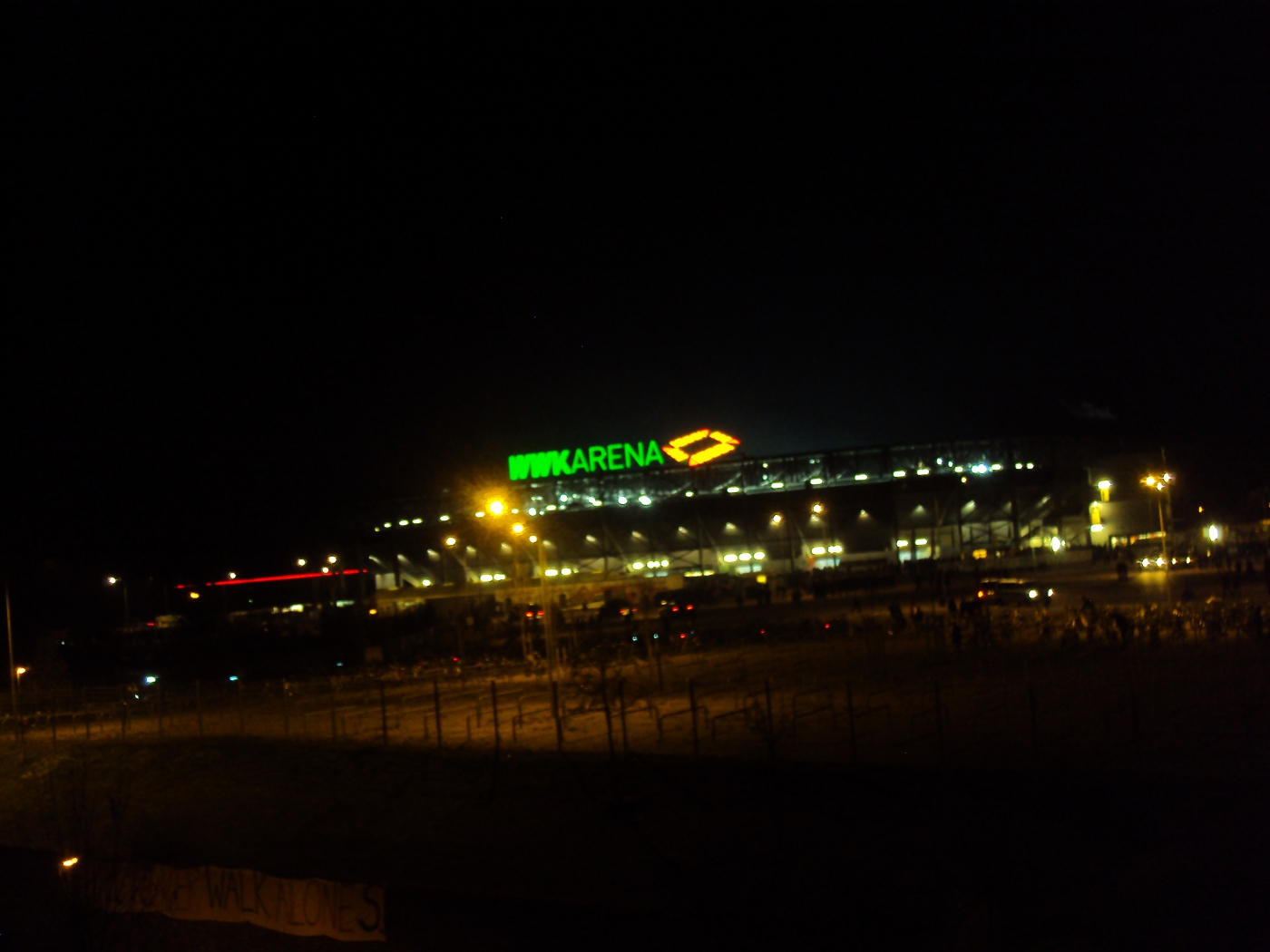
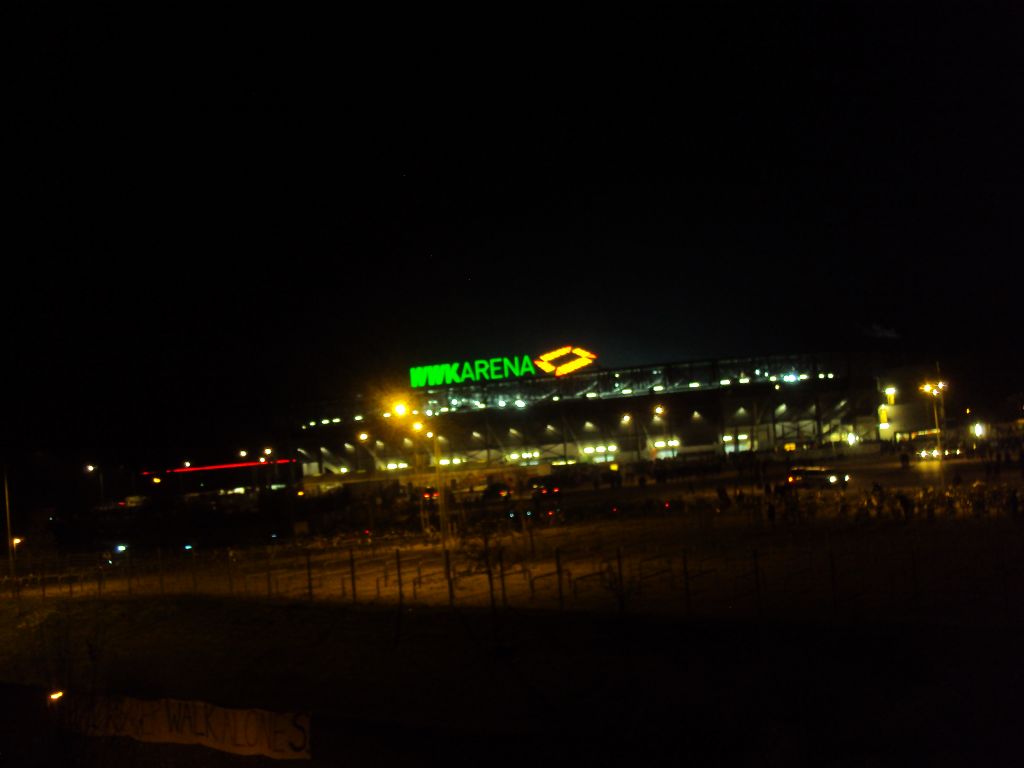
The arena has experienced several name changes due to sponsorship agreements, a common practice in modern football. After its initial phase as Impuls Arena, it became the SGL Arena in 2011, reflecting a partnership with the materials company SGL Carbon. This identity lasted until 2015, when WWK Versicherung, an insurance company, secured the naming rights, giving the stadium its current moniker, the WWK Arena. Each name change represents a chapter in the stadium's commercial and sporting life.
Pioneering Sustainability
One of the most remarkable aspects of the WWK Arena is its pioneering commitment to environmental sustainability. It proudly stands as one of the world's first CO2-neutral football stadiums. This impressive feat is achieved primarily through the use of geothermal energy, which provides heating and cooling for the entire complex. This innovative approach not only minimizes the stadium's ecological footprint but also sets a benchmark for future sports venues globally, demonstrating that large-scale events can coexist with environmental responsibility.
Capacity and Key Events
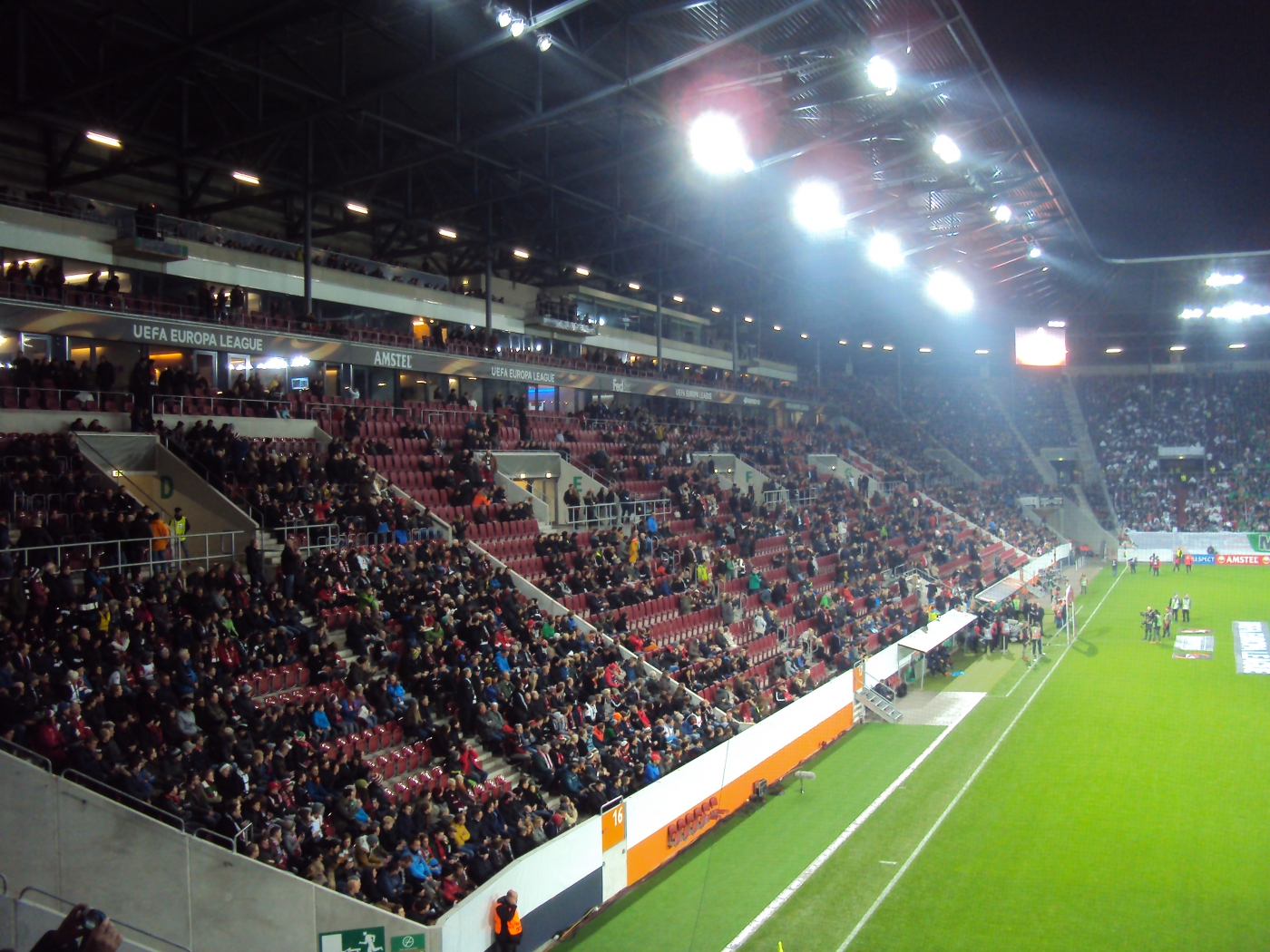
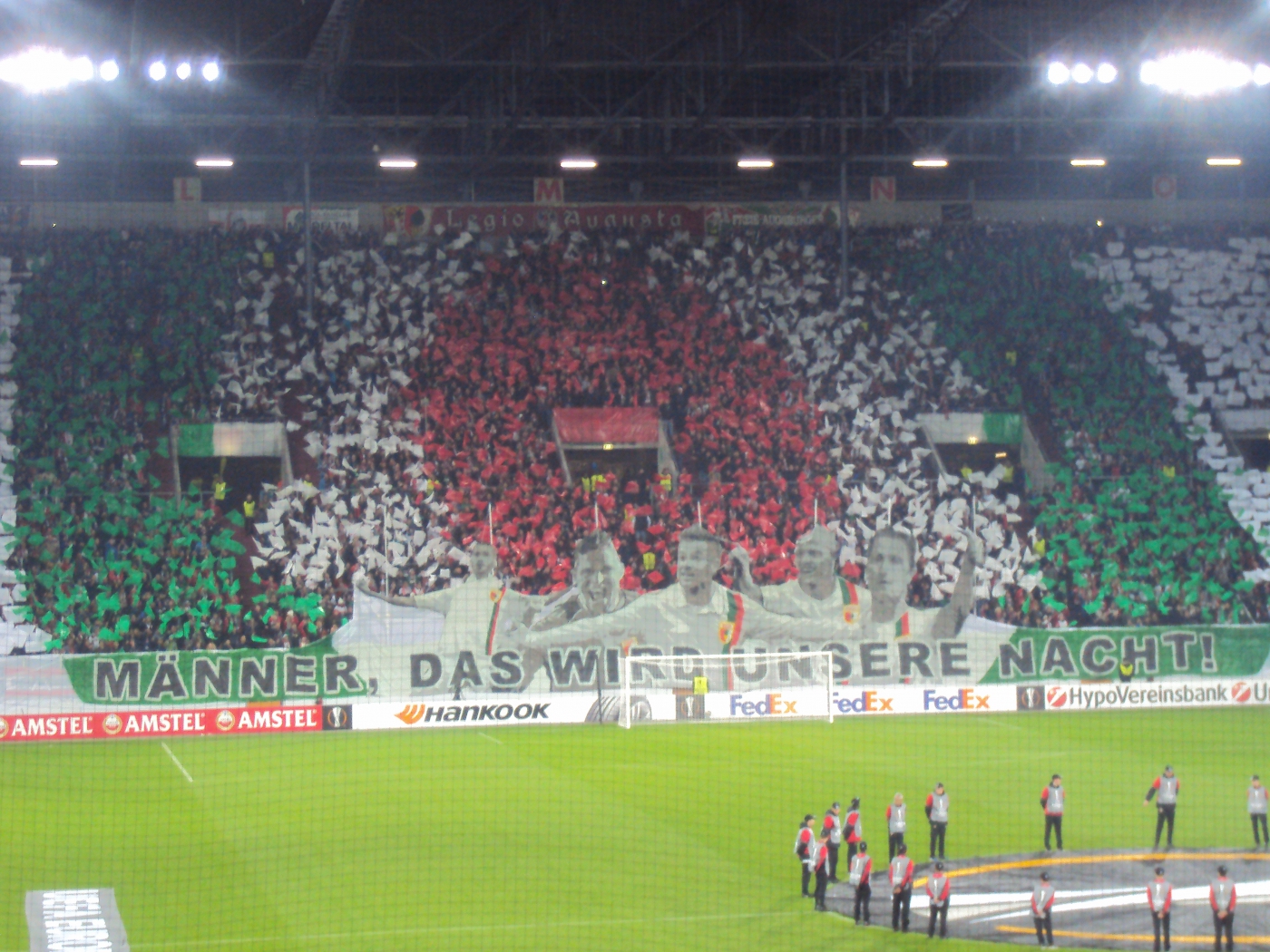
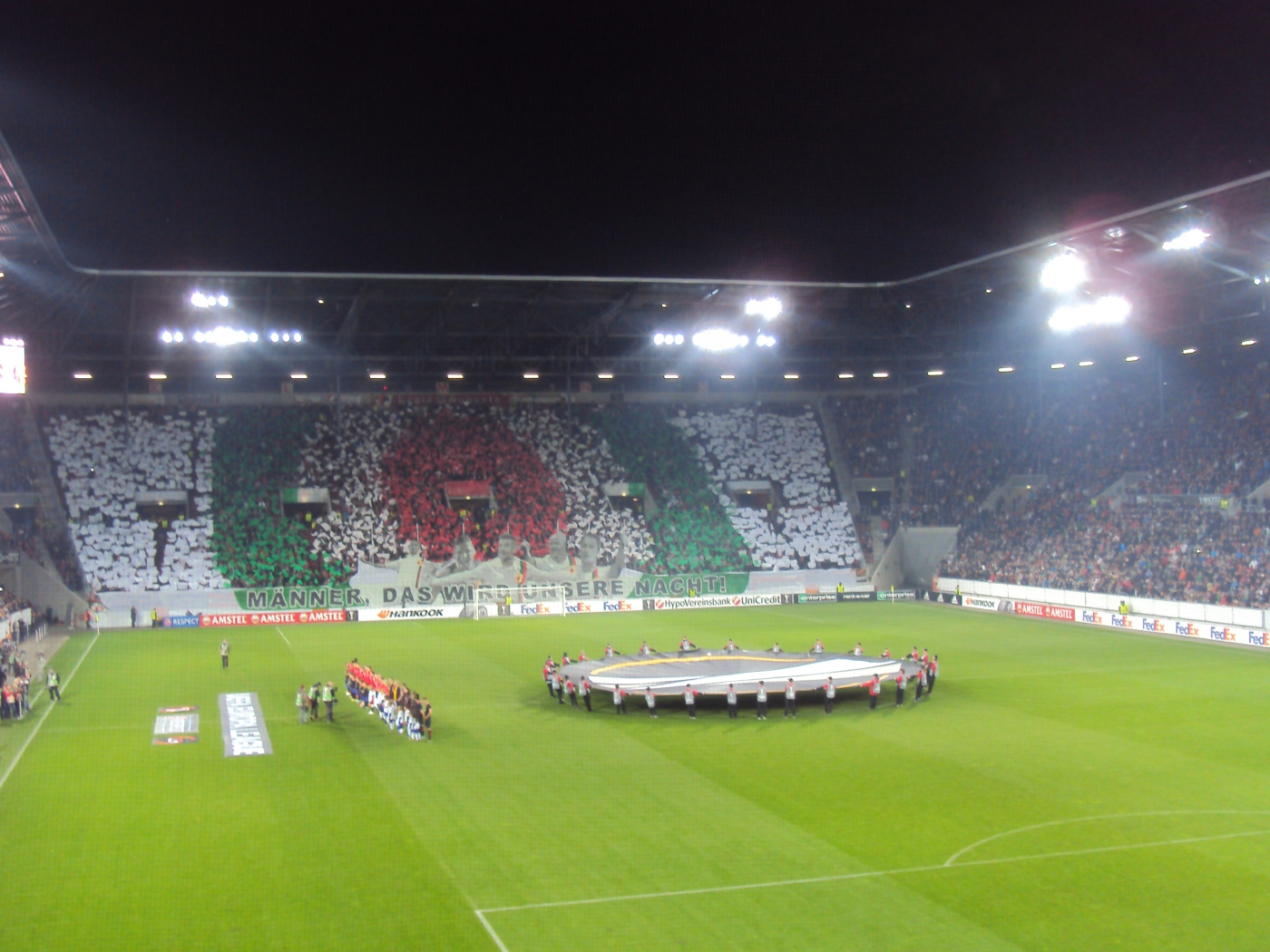
With a capacity of approximately 30,660 spectators for domestic matches, which reduces slightly to 28,345 for international fixtures due to standing room restrictions, the WWK Arena provides an intimate yet vibrant atmosphere for Bundesliga encounters. Beyond club football, the stadium has also hosted significant international events, notably serving as a venue for group stage matches during the 2011 FIFA Women's World Cup, further cementing its place on the international football map.