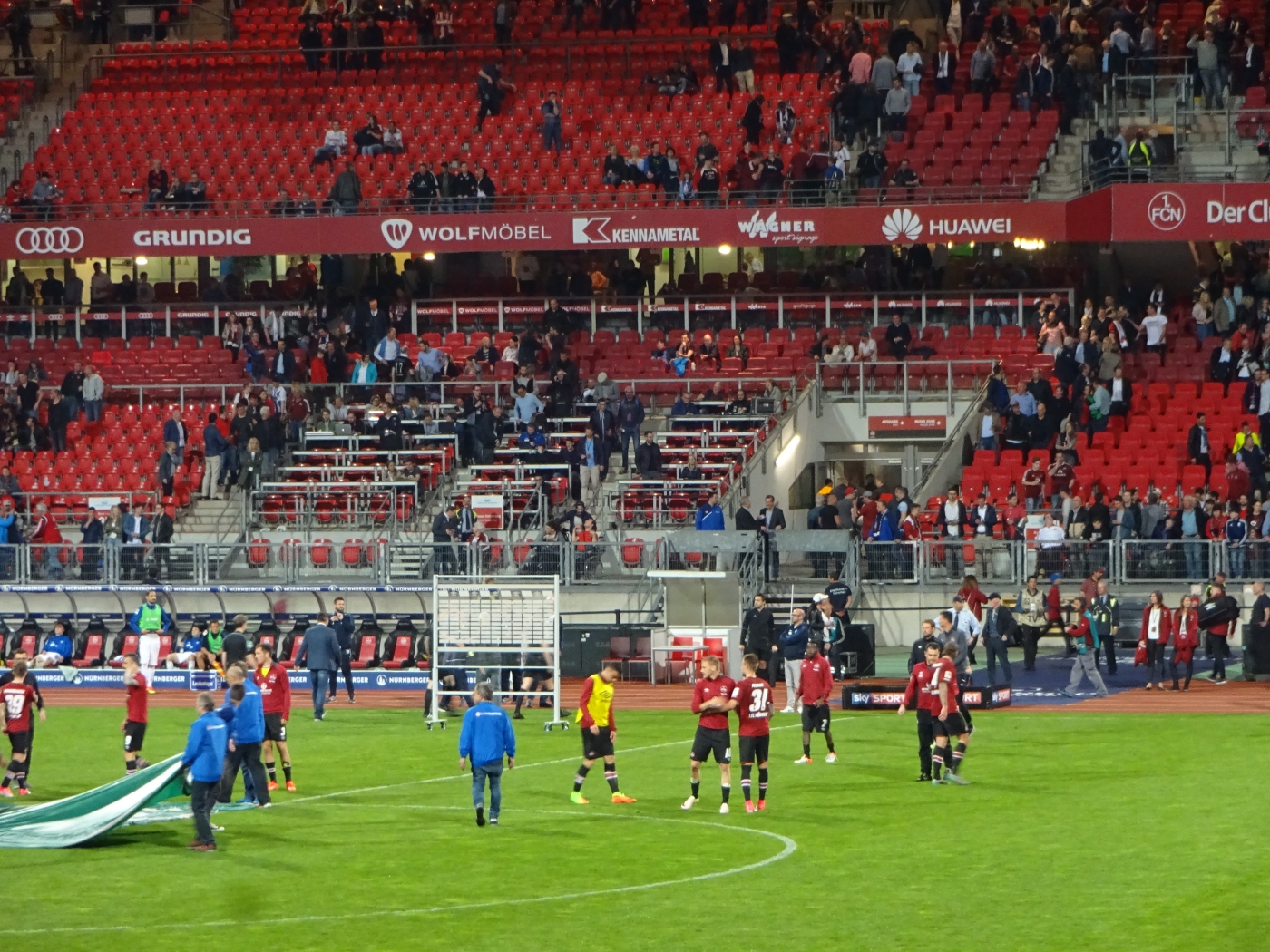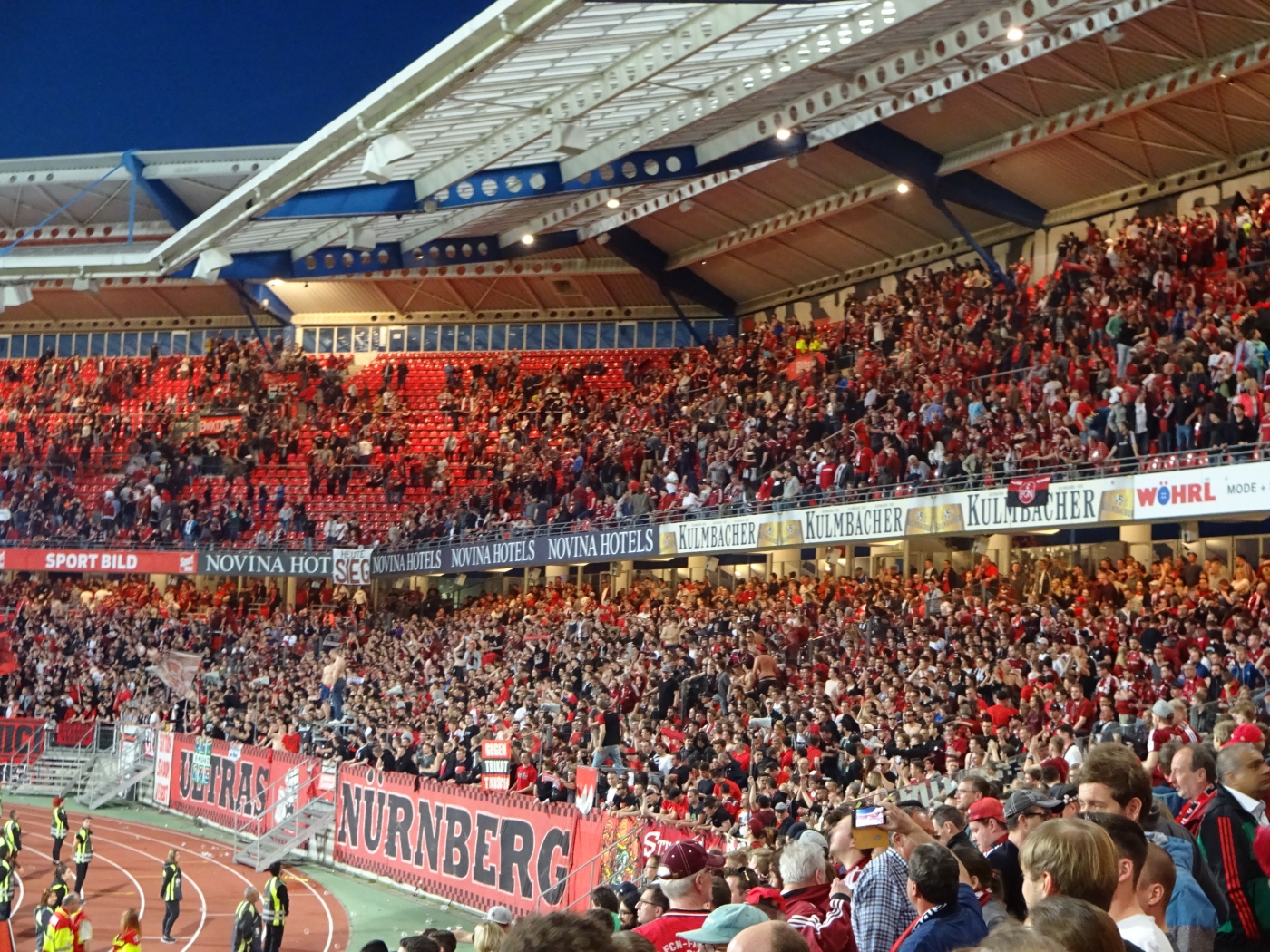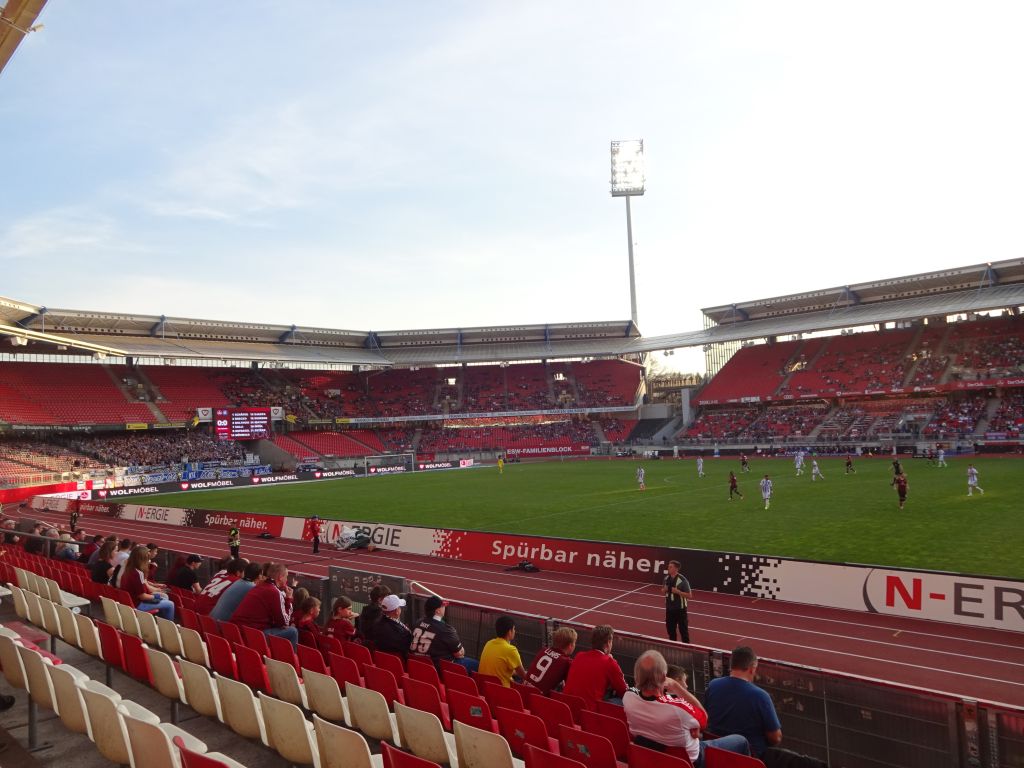
Max-Morlock-Stadion
Stadion Nürnberg
Max-Morlock-Platz 1, Nürnberg, Germany
About the Stadium:
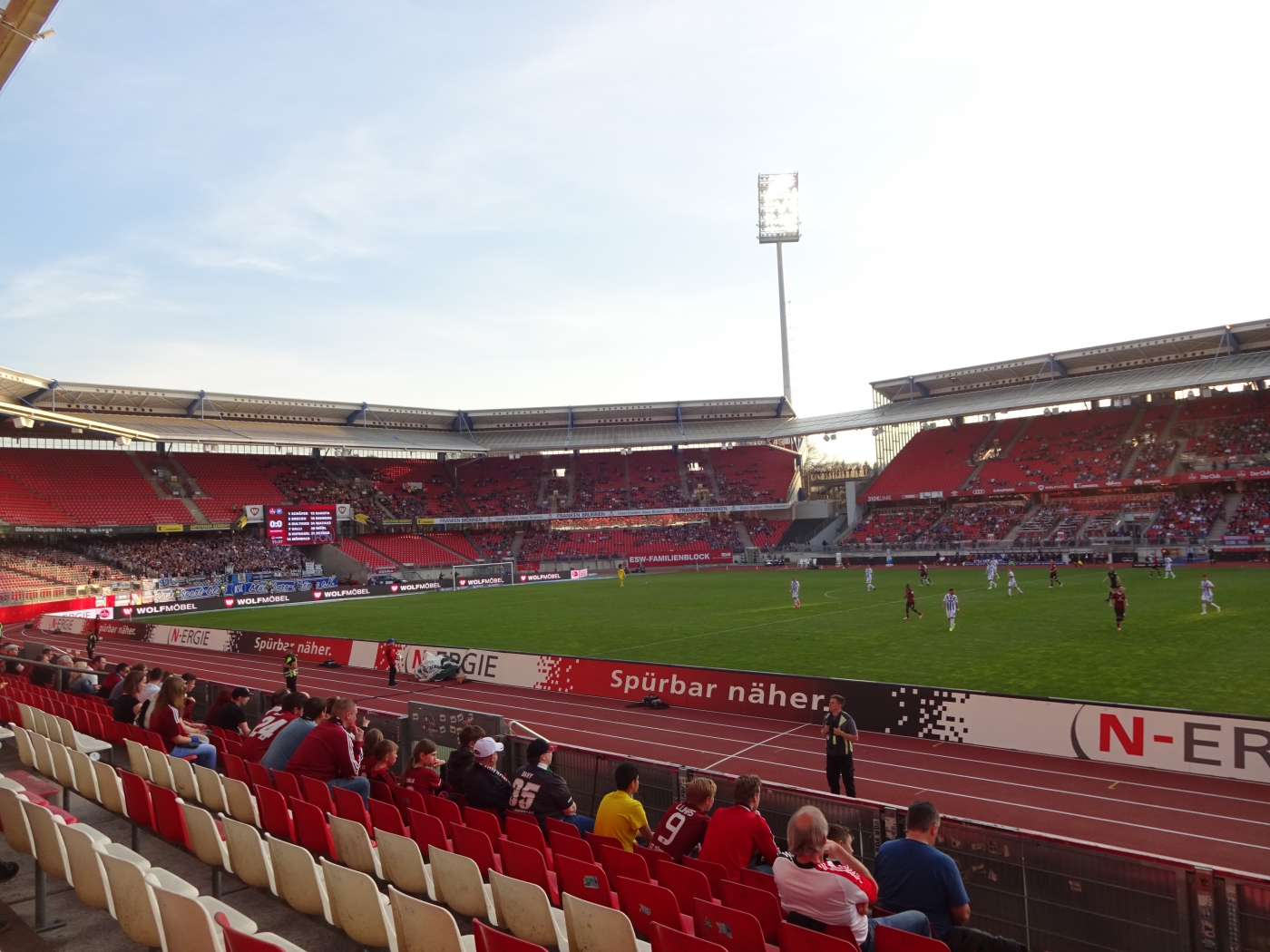
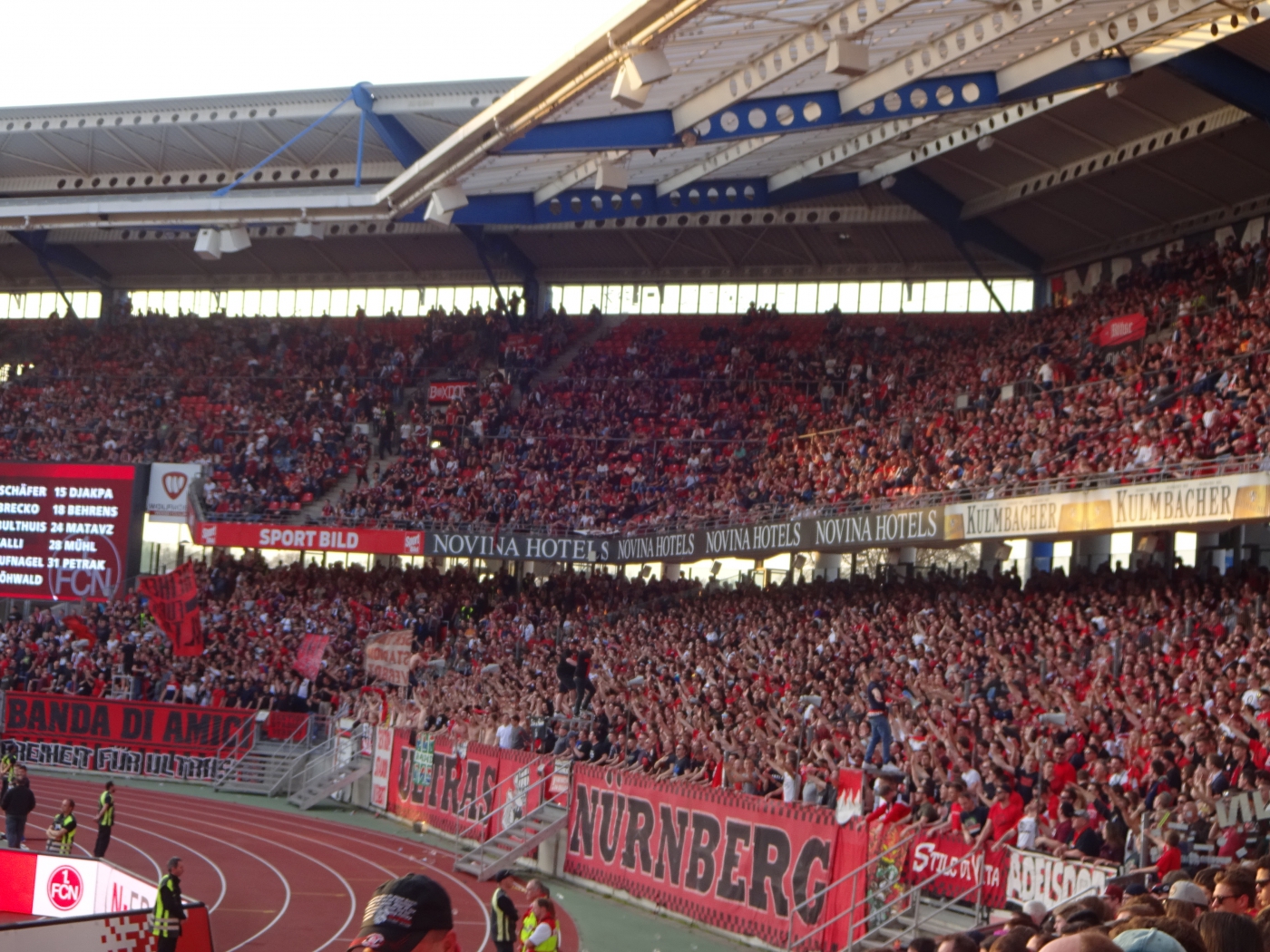
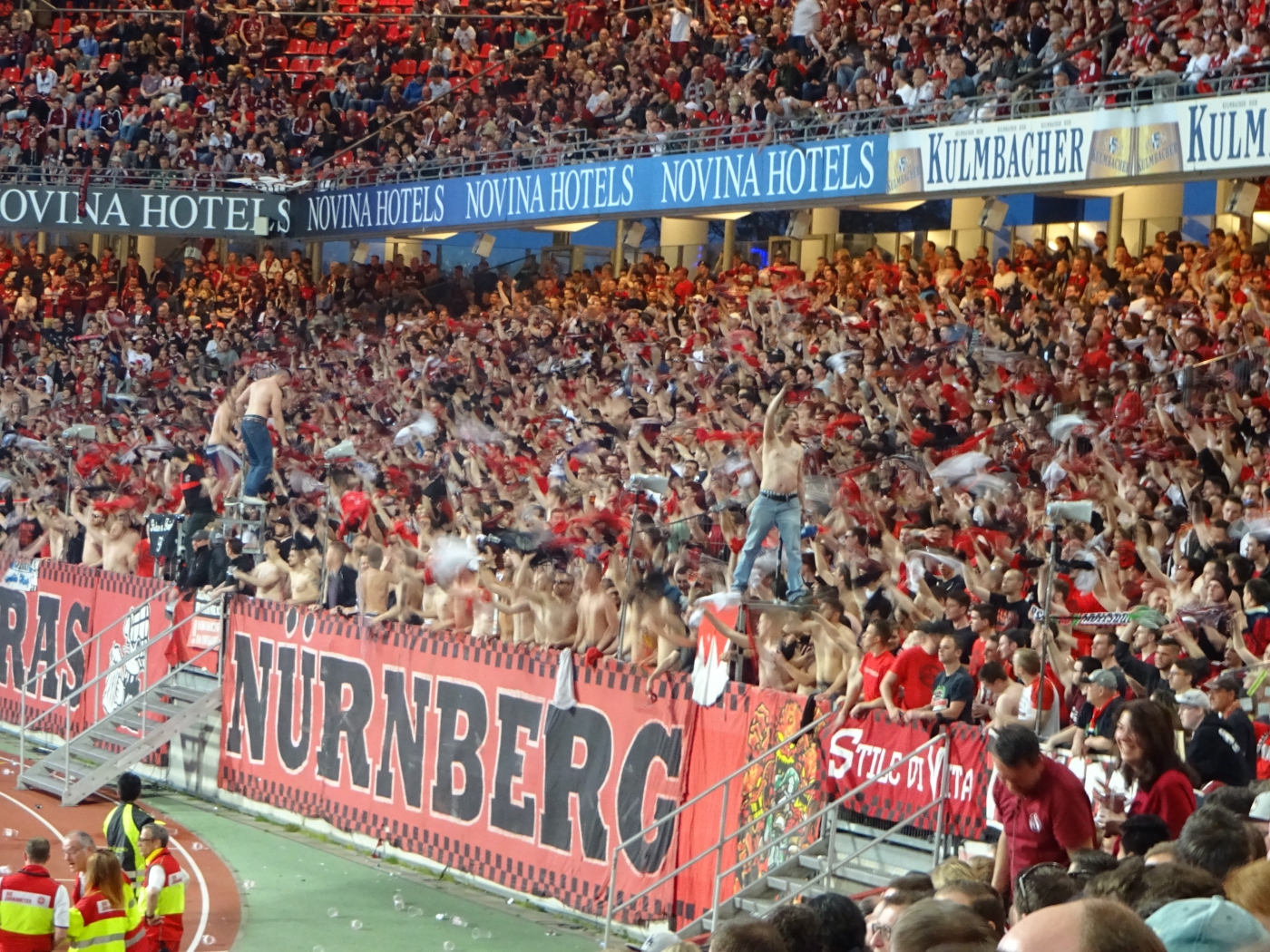
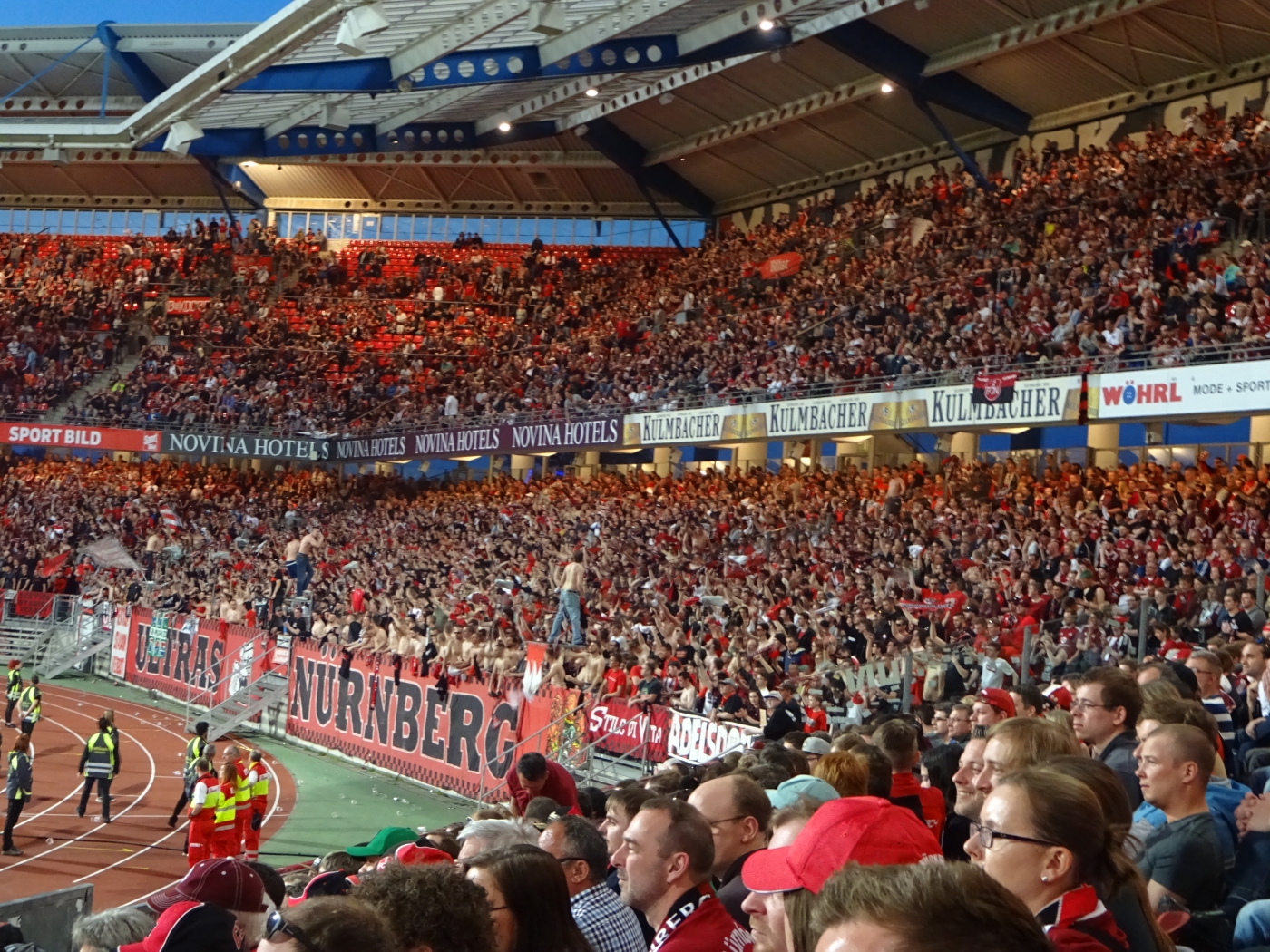
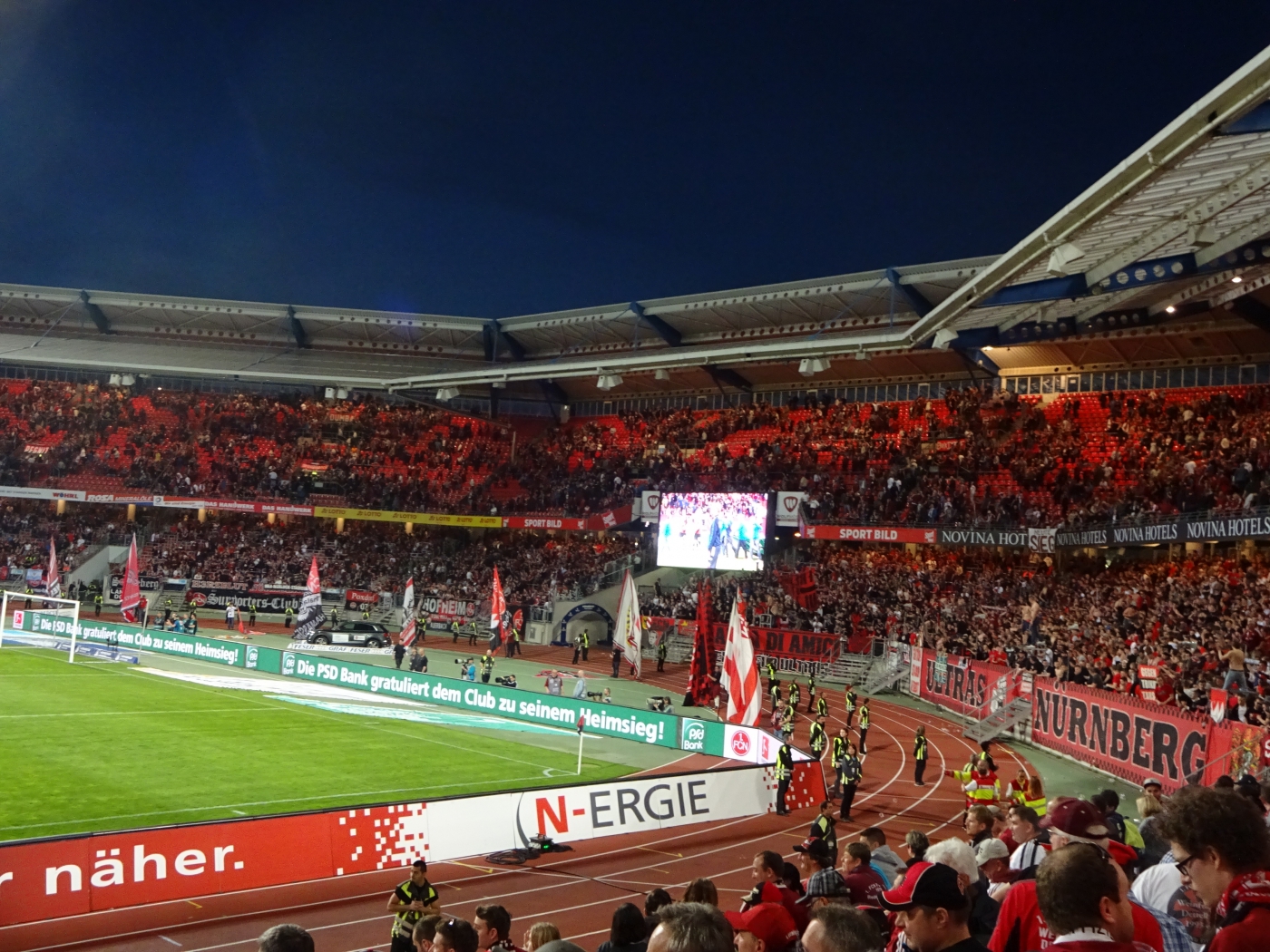
The Max-Morlock-Stadion in Nuremberg, Germany, stands as a venerable monument to German football history. Home to the legendary club 1. FC Nürnberg, this arena has witnessed decades of triumphs, struggles, and the passionate loyalty of its fans. Its very name pays homage to one of the sport's greatest figures, embodying the spirit of local heroism and national sporting achievement.
A Foundation of History
Originally opened in 1928 as the Städtisches Stadion, the venue was initially conceived as a multi-purpose sports facility within the city's larger sports park. Its construction during the Weimar Republic era reflected a growing civic pride and investment in public recreation. The stadium's early years, however, were also overshadowed by its proximity and use during the infamous Nazi Party Rallies on the adjacent Reichsparteitagsgelände, a somber reminder of a darker chapter in German history.
Evolution Through Eras and Names
Over the decades, the stadium underwent numerous renovations and renamings. In 1991, it became the Frankenstadion, a nod to the region of Franconia. Later, commercial naming rights saw it briefly known as the easyCredit-Stadion from 2006 to 2012, and then simply Stadion Nürnberg until 2017. The most significant renaming occurred in 2017, when it was finally christened the Max-Morlock-Stadion. This decision honored Max Morlock, a legendary forward for 1. FC Nürnberg and a vital member of West Germany's 1954 FIFA World Cup-winning squad, the "Miracle of Bern" team. His legacy profoundly shaped the club and national football.
Global Stage for Sporting Excellence
Beyond domestic league action, the stadium has proudly served as a host for major international tournaments. It was one of the venues for the football tournament during the 1972 Summer Olympics in Munich. More recently, it played a prominent role during the 2006 FIFA World Cup, hosting several group stage matches and a round of 16 encounter. With a capacity of approximately 50,000, it remains a vibrant hub for football culture in Southern Germany, continuing its storied journey as a place where history is made on the pitch.