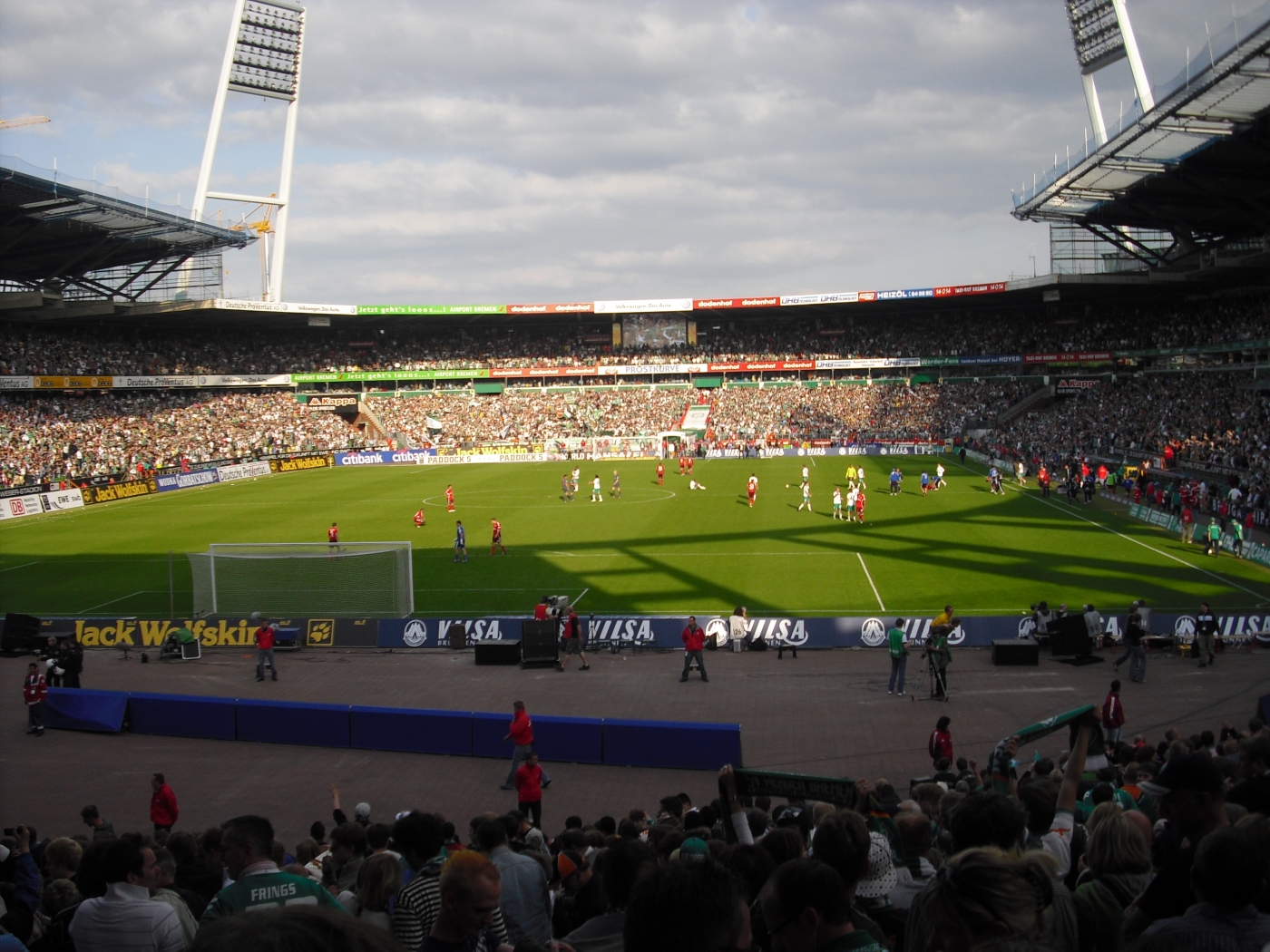
Weserstadion
Franz-Böhmert-Straße 7, Bremen, Germany
About the Stadium:
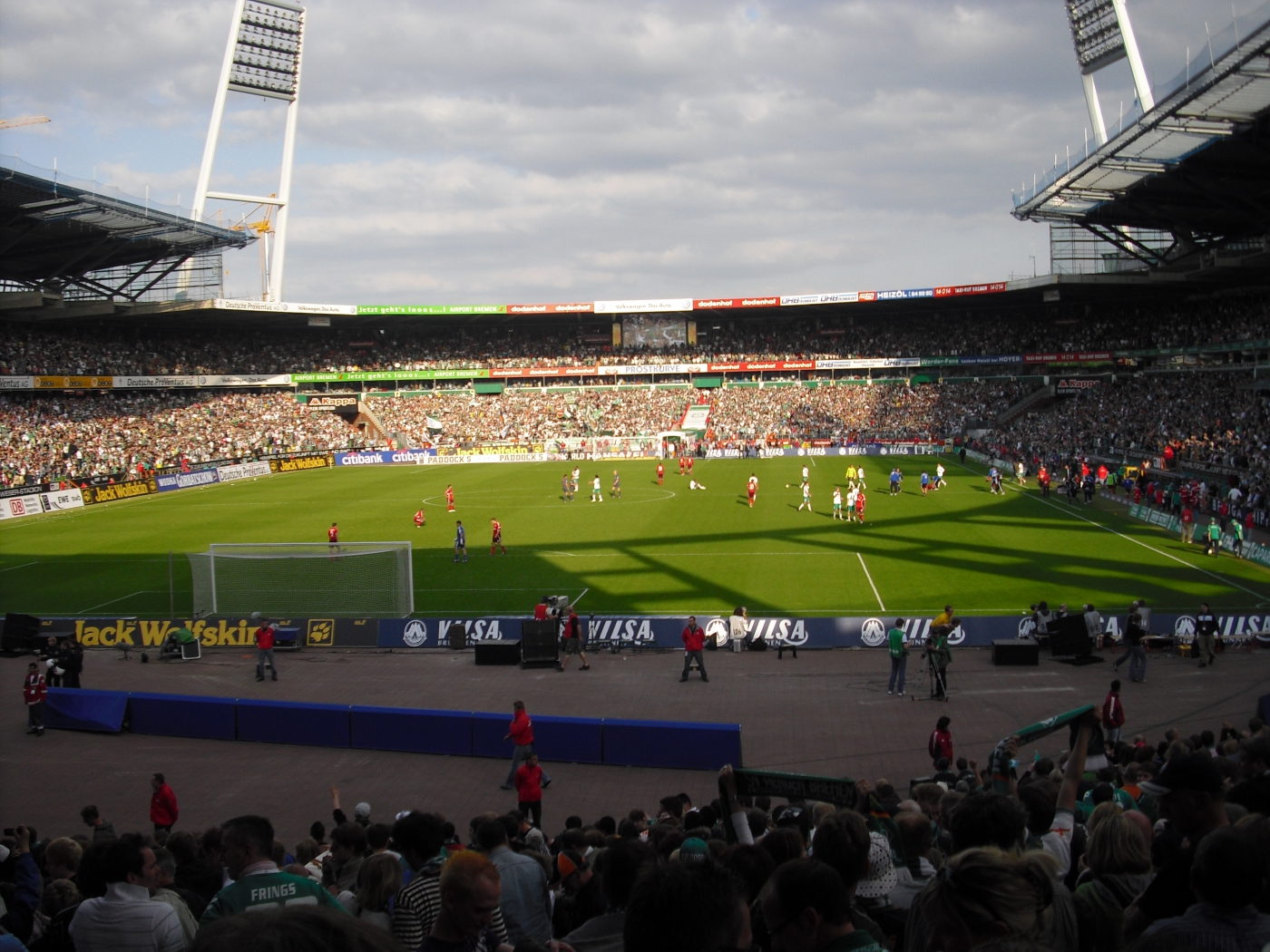
Nestled gracefully on the picturesque banks of the Weser River in the vibrant Hanseatic city of Bremen, Germany, stands the legendary Weserstadion. This iconic venue is more than just a football ground; it is the spiritual home of the renowned German club SV Werder Bremen, a place where generations of fans have witnessed triumphs and shared their passion for the beautiful game. Its unique location, almost floating on the water, makes it one of Europe's most distinctive football arenas, offering breathtaking views and an atmosphere unlike any other.
A Rich History Unfolds
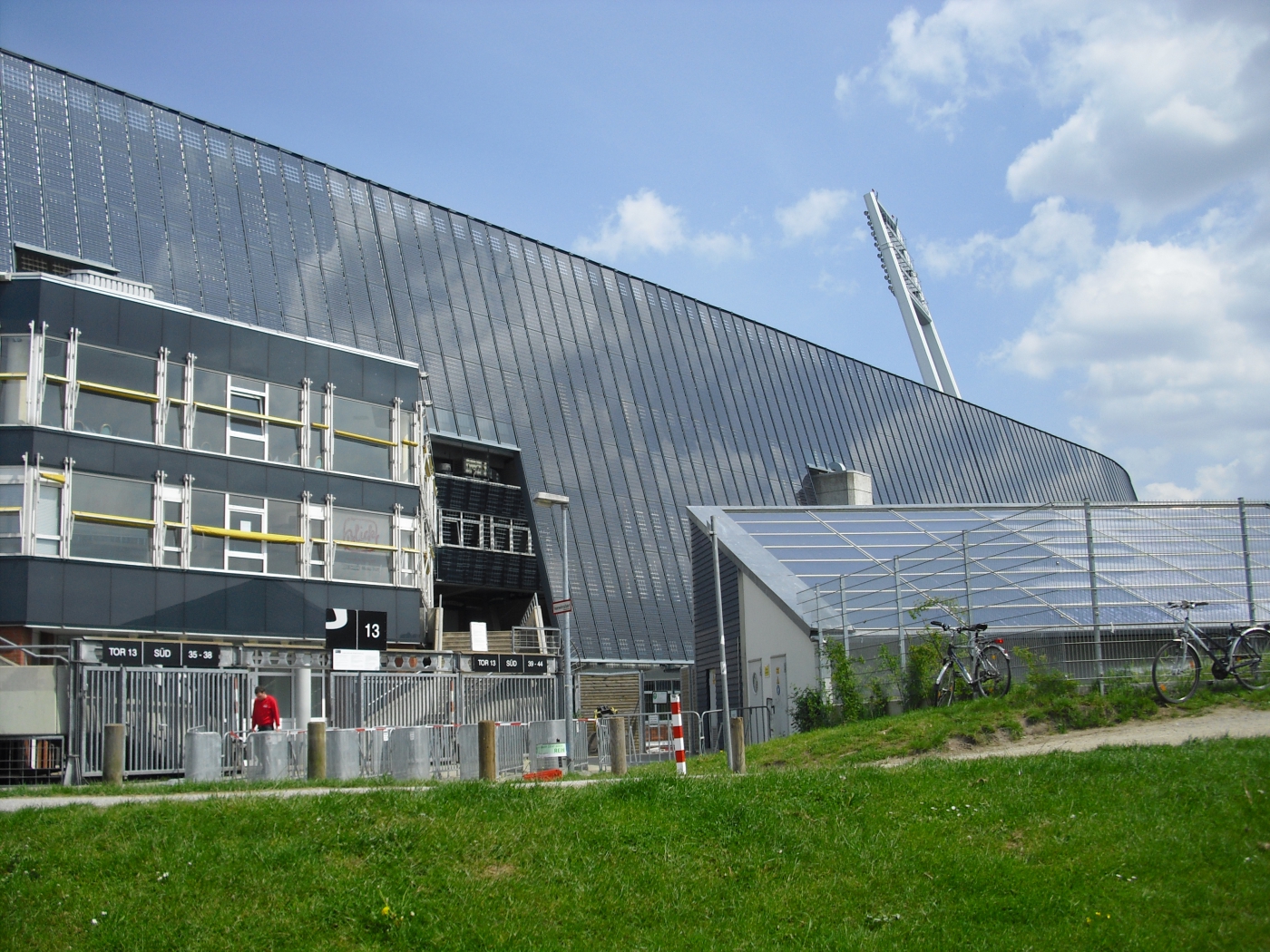
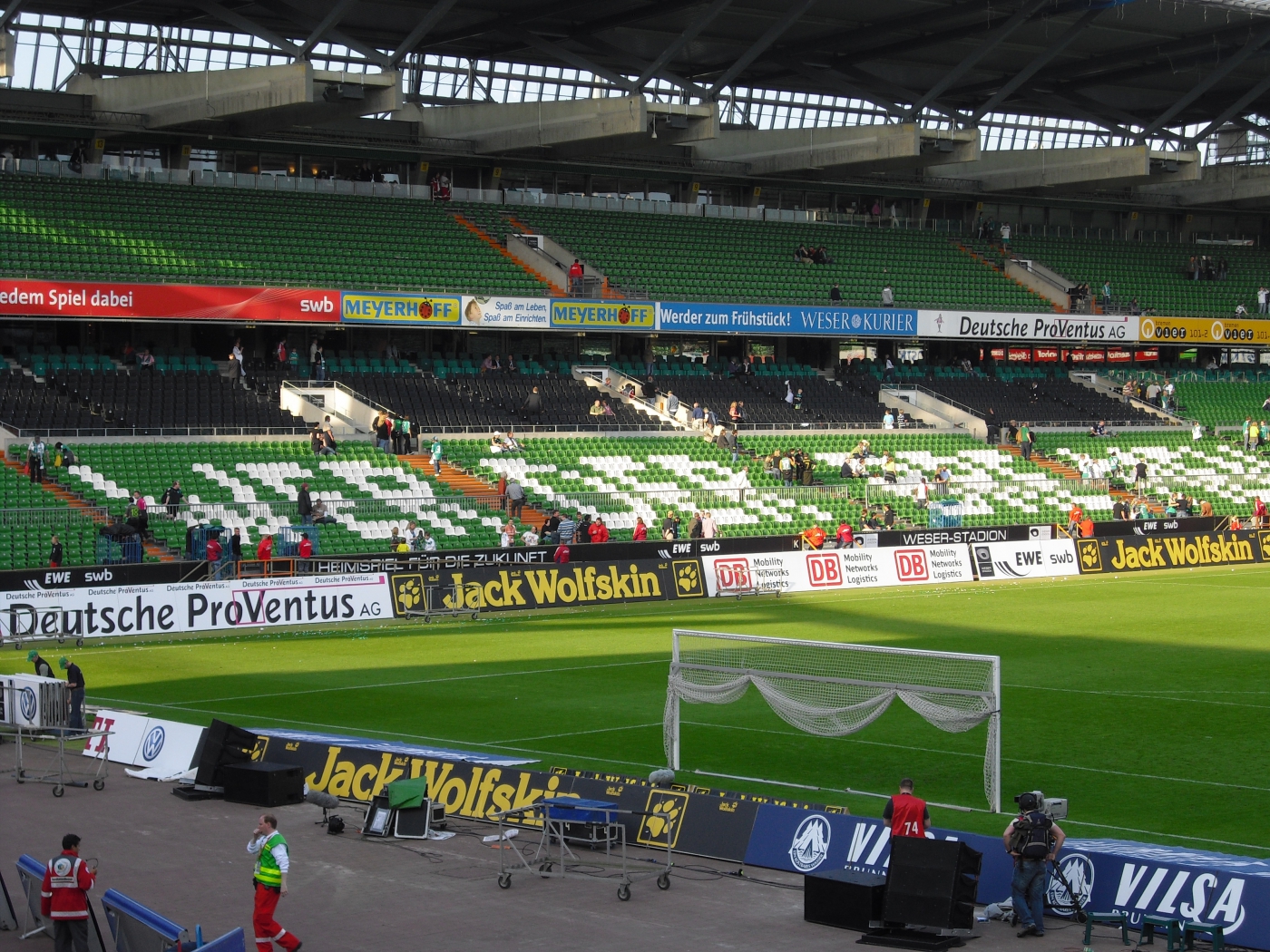
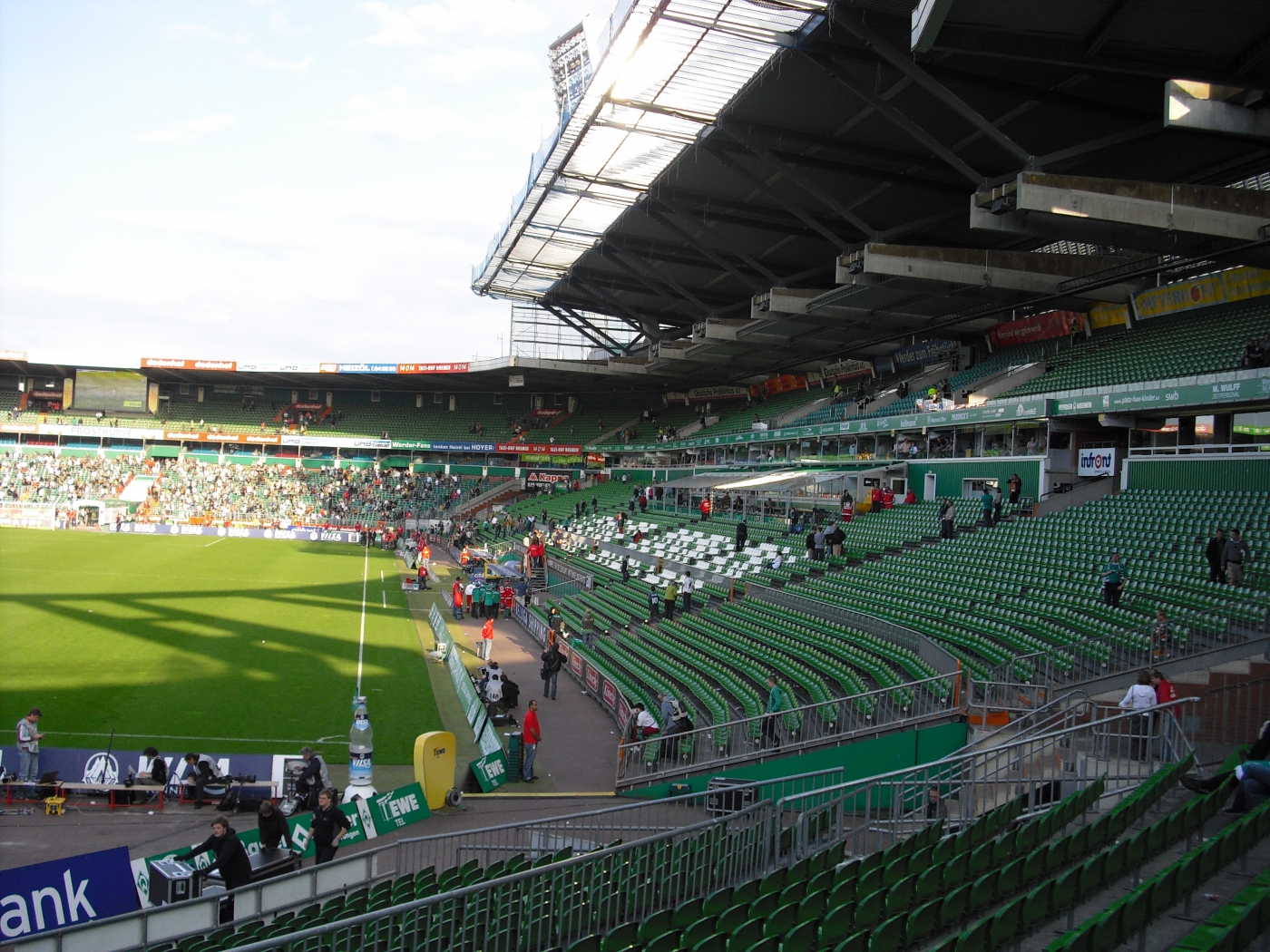
The history of the Weserstadion traces back to 1926, when it first opened its doors as the "ABTS-Kampfbahn" – a multi-sport facility. It officially became the "Weserstadion" in 1930, marking the beginning of its deep-rooted connection with football. Over the decades, it has undergone numerous transformations to keep pace with the demands of modern football. Significant redevelopment projects, particularly between 2008 and 2011, have shaped its current appearance, ensuring it remains a state-of-the-art venue while preserving its unique charm. These extensive modernisations saw the four main stands rebuilt and the integration of a striking solar panel roof, making it a pioneer in sustainable stadium design.
An Iconic Waterfront Venue
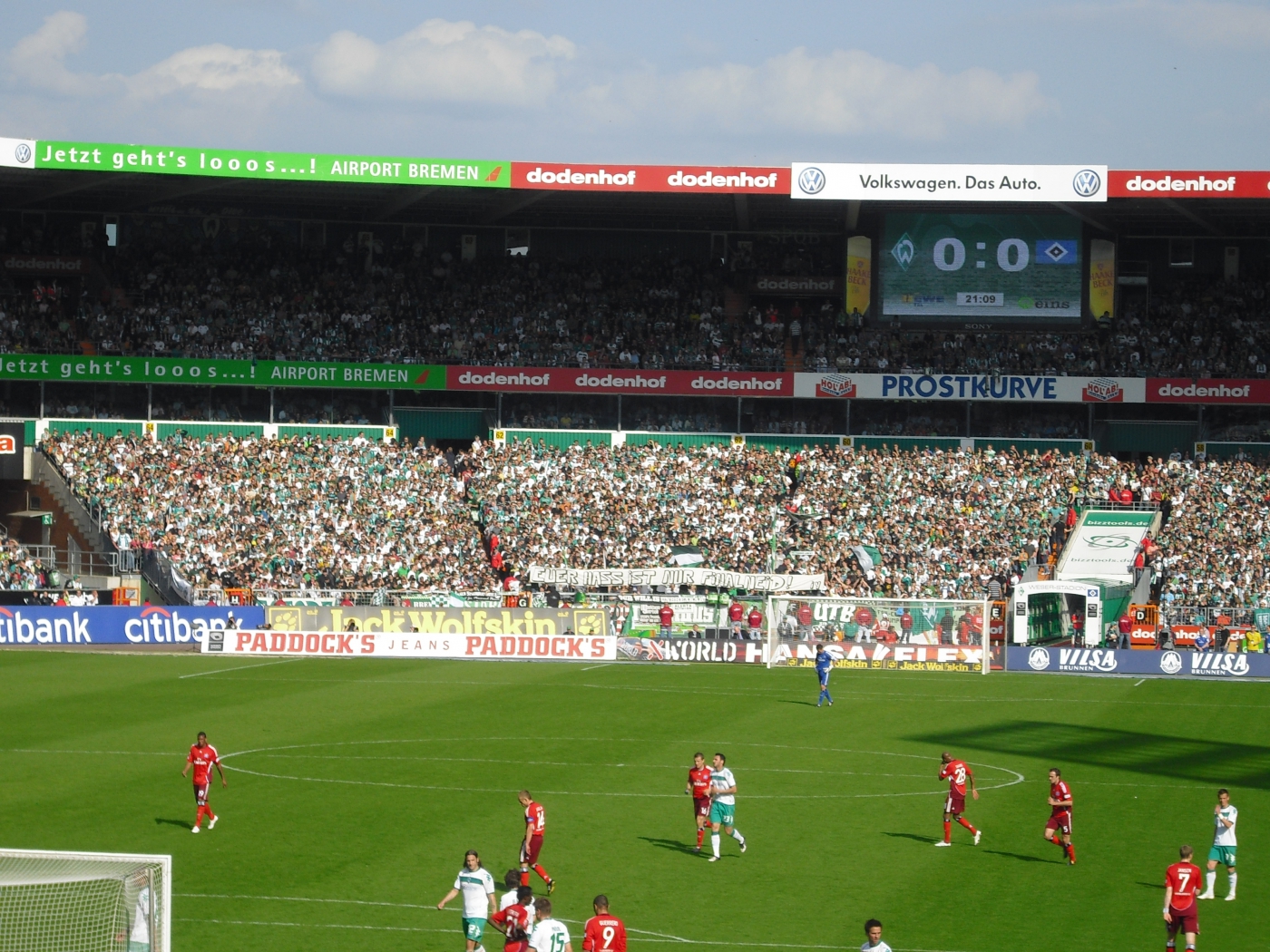
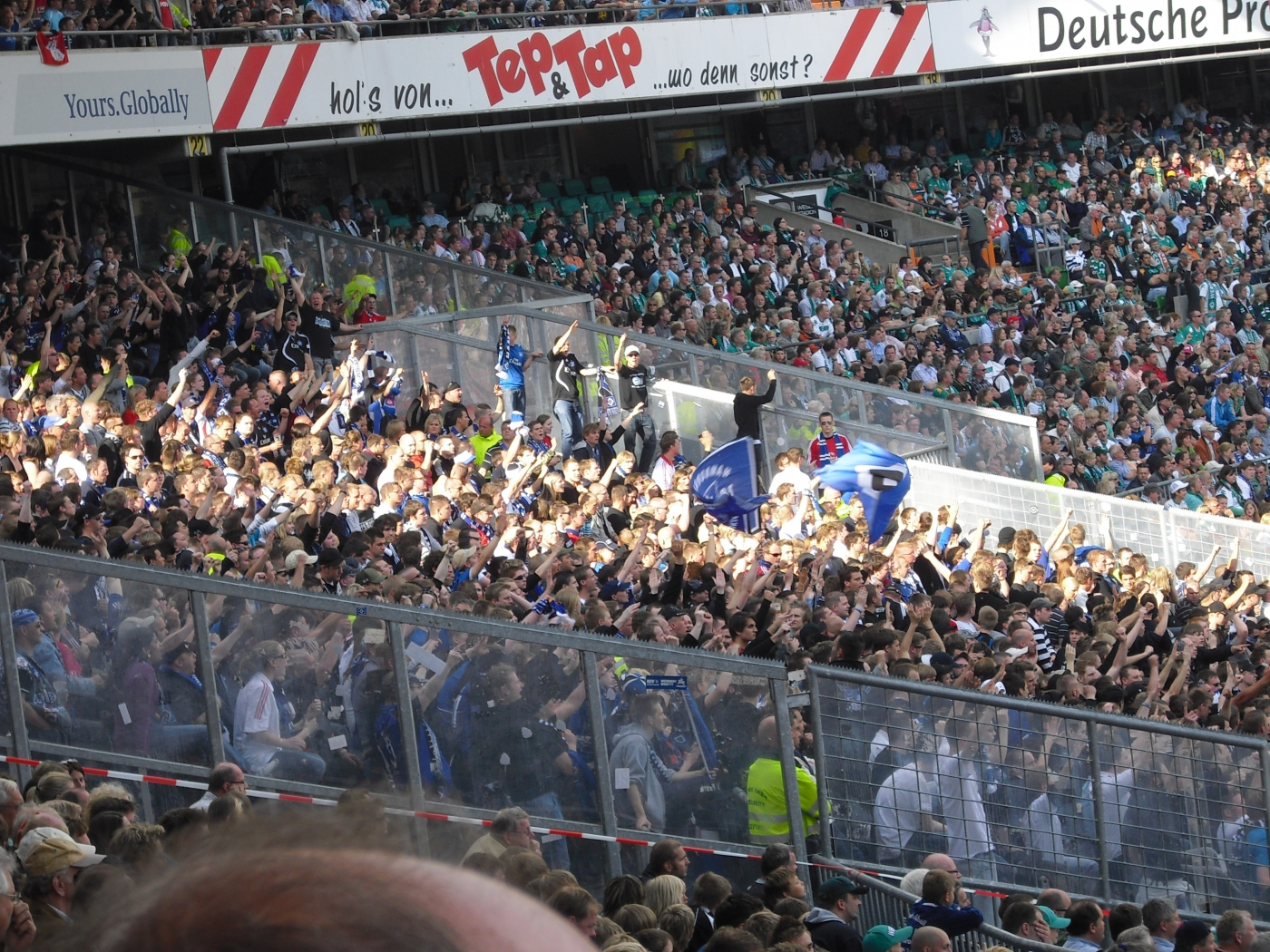
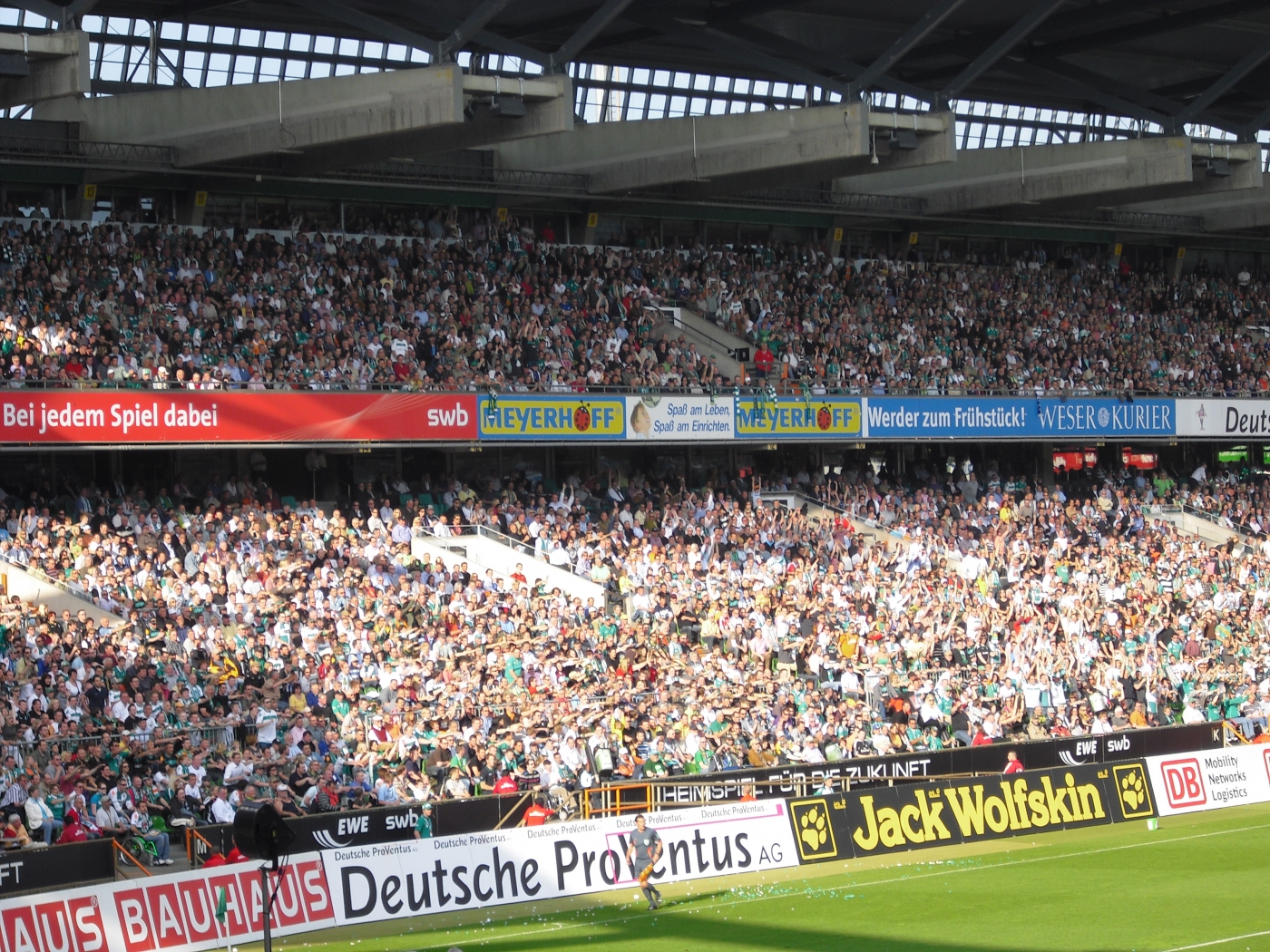
Today, the Weserstadion boasts a capacity of approximately 42,100 spectators for Bundesliga matches, creating an incredibly intense and intimate atmosphere. The stands rise steeply close to the pitch, ensuring that the roar of the "Green-Whites" fans is palpable for every player and opponent. Its architectural design, with its four distinct covered stands and the innovative use of space around the river, sets it apart. The close proximity to the Weser River is not just a visual highlight but also adds to its distinct character, allowing access via ferry on match days – a truly unique experience for supporters.
Beyond its role as the fortress for Werder Bremen, the Weserstadion has occasionally hosted international matches and other major events, solidifying its status as a significant landmark in German football. It remains a vibrant symbol of sporting heritage and a testament to the enduring spirit of football in Bremen.