Stadion am Laubenweg
Laubenweg 60, Fürth, Germany
About the Stadium:
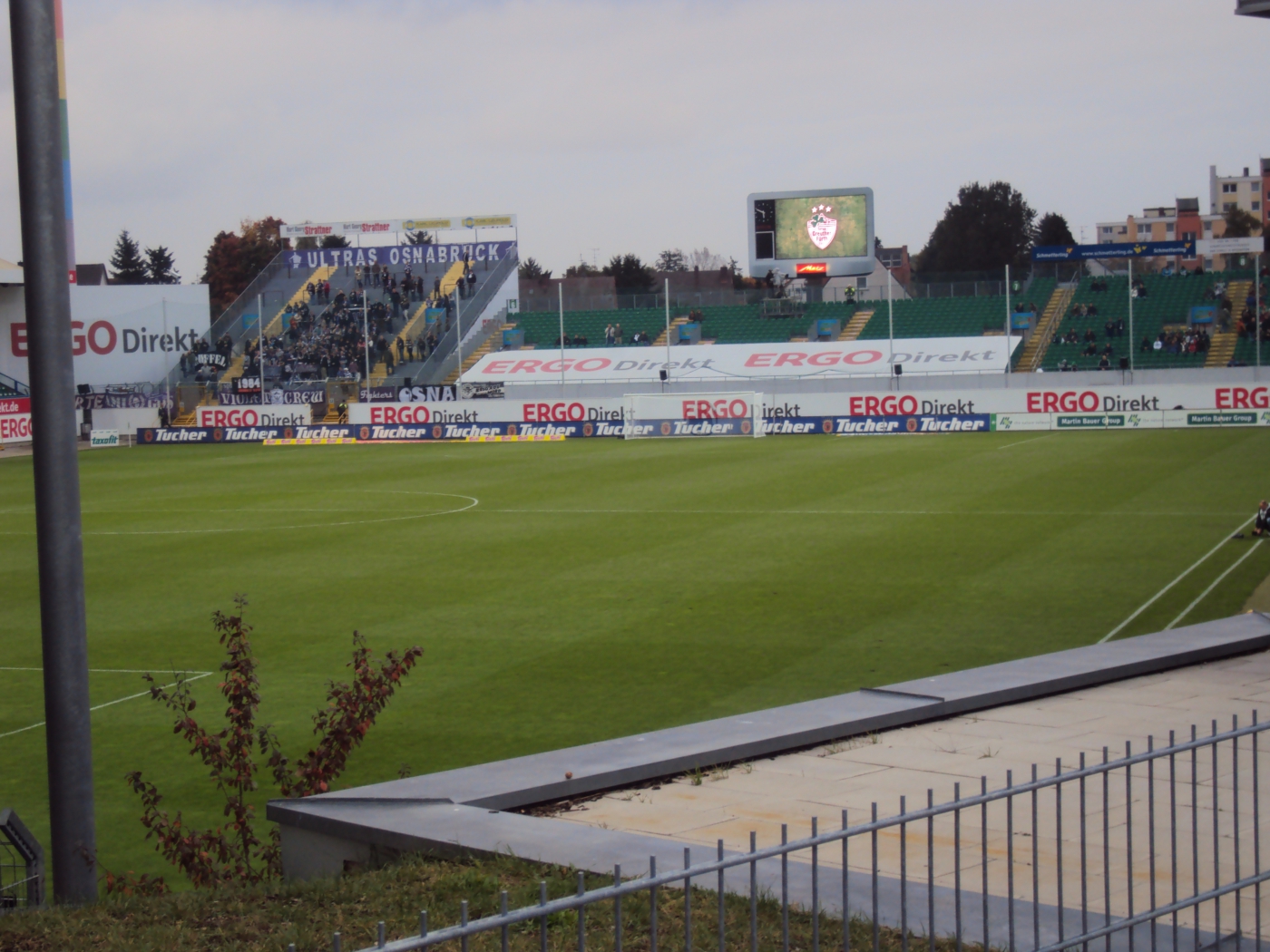
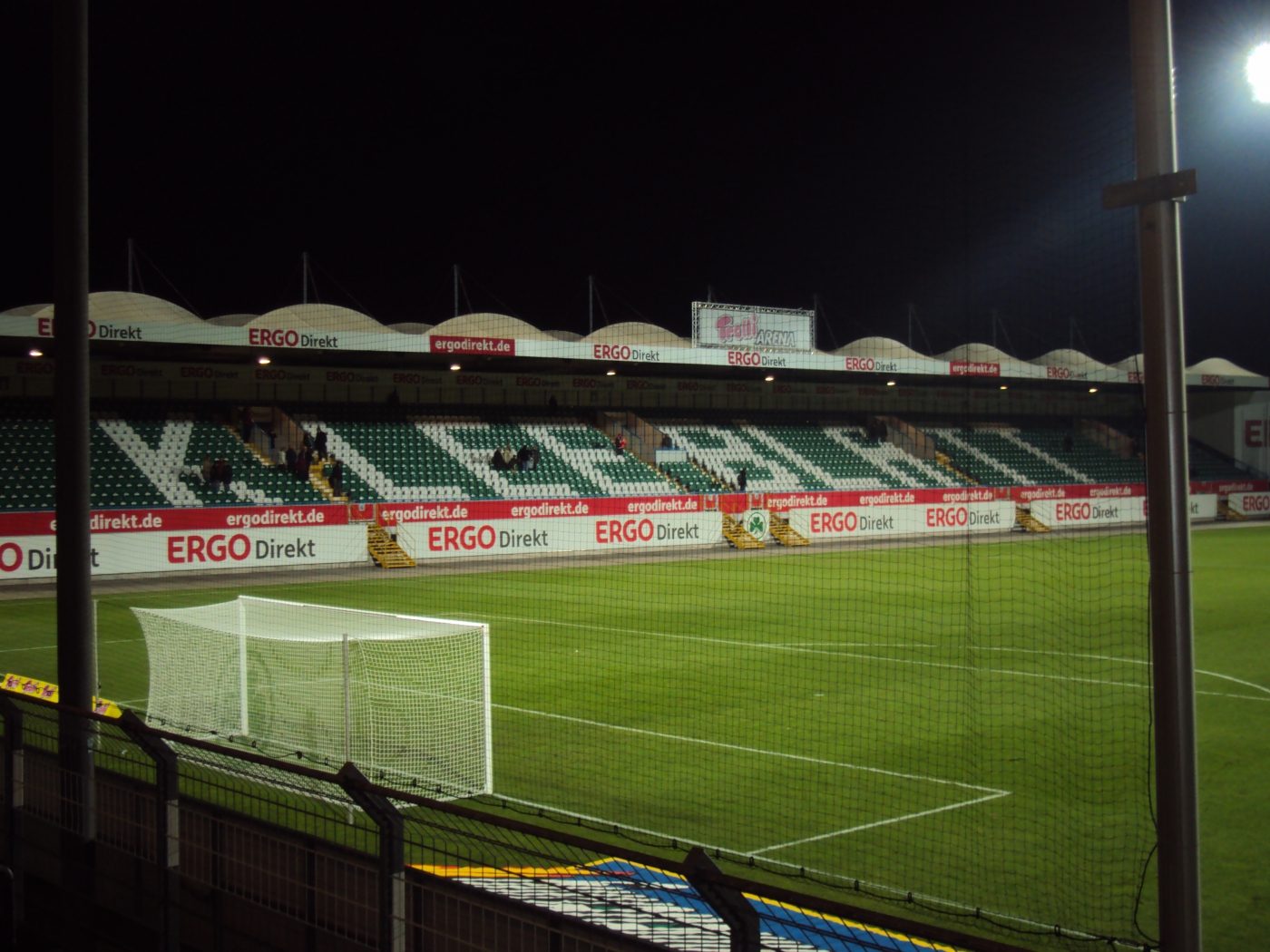
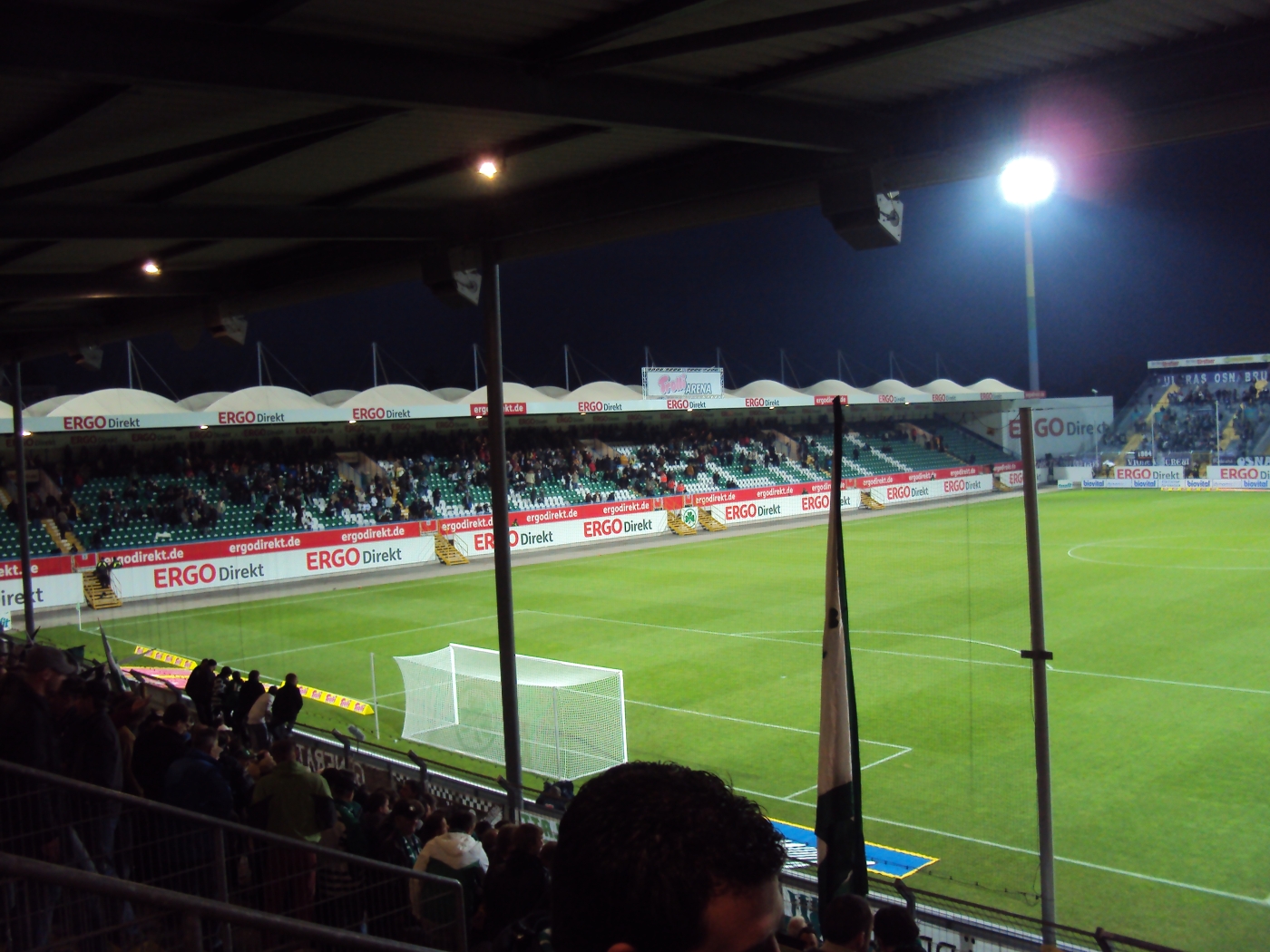
The Stadion am Laubenweg, officially known today as the Sportpark Ronhof | Thomas Sommer, stands as a venerable monument to German football in Fürth. As one of the oldest operational football stadiums in Germany, its history is deeply intertwined with that of its resident club, SpVgg Greuther Fürth, a team with a storied past including multiple German championships.
A Century of Football Heritage
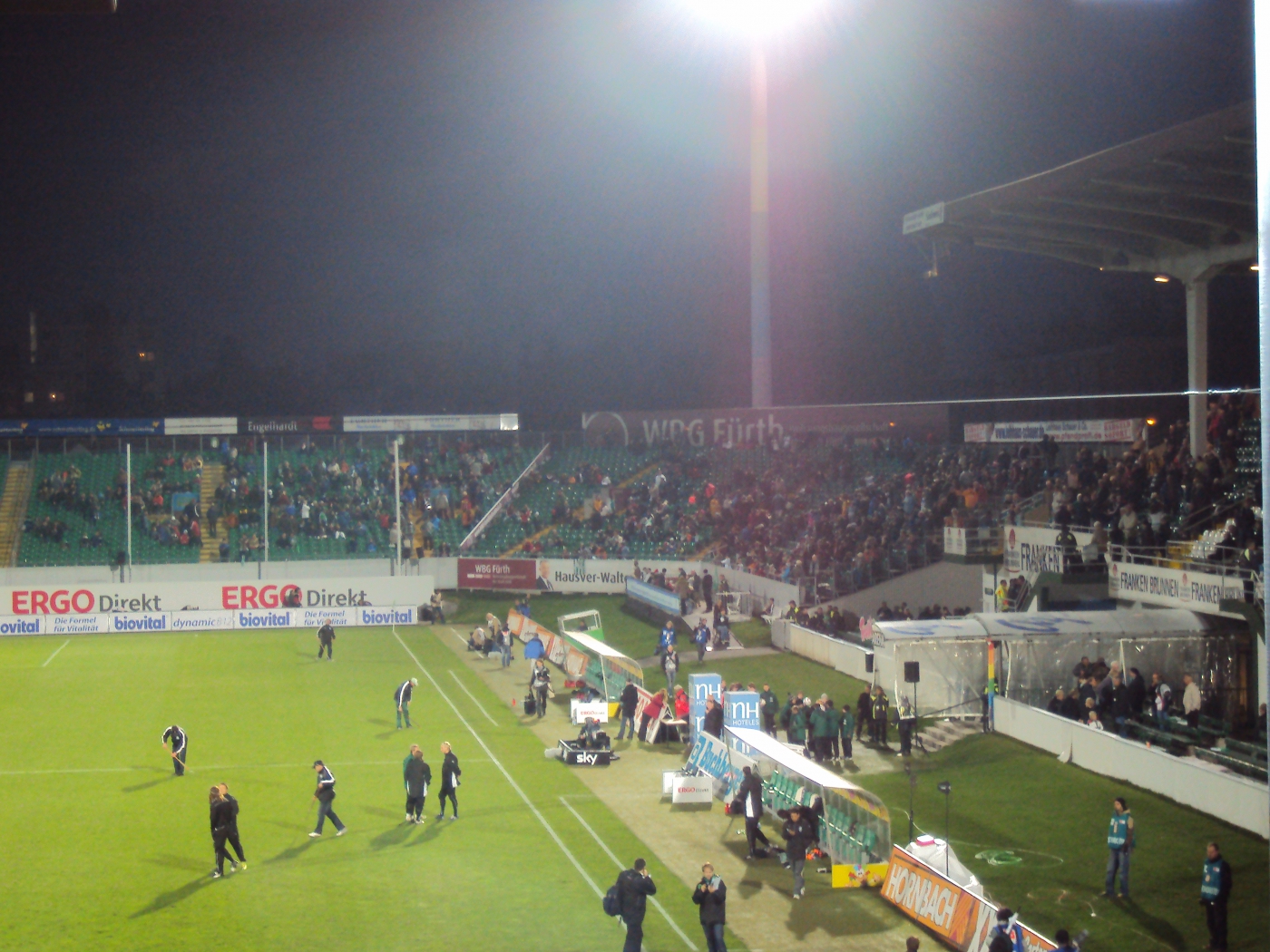
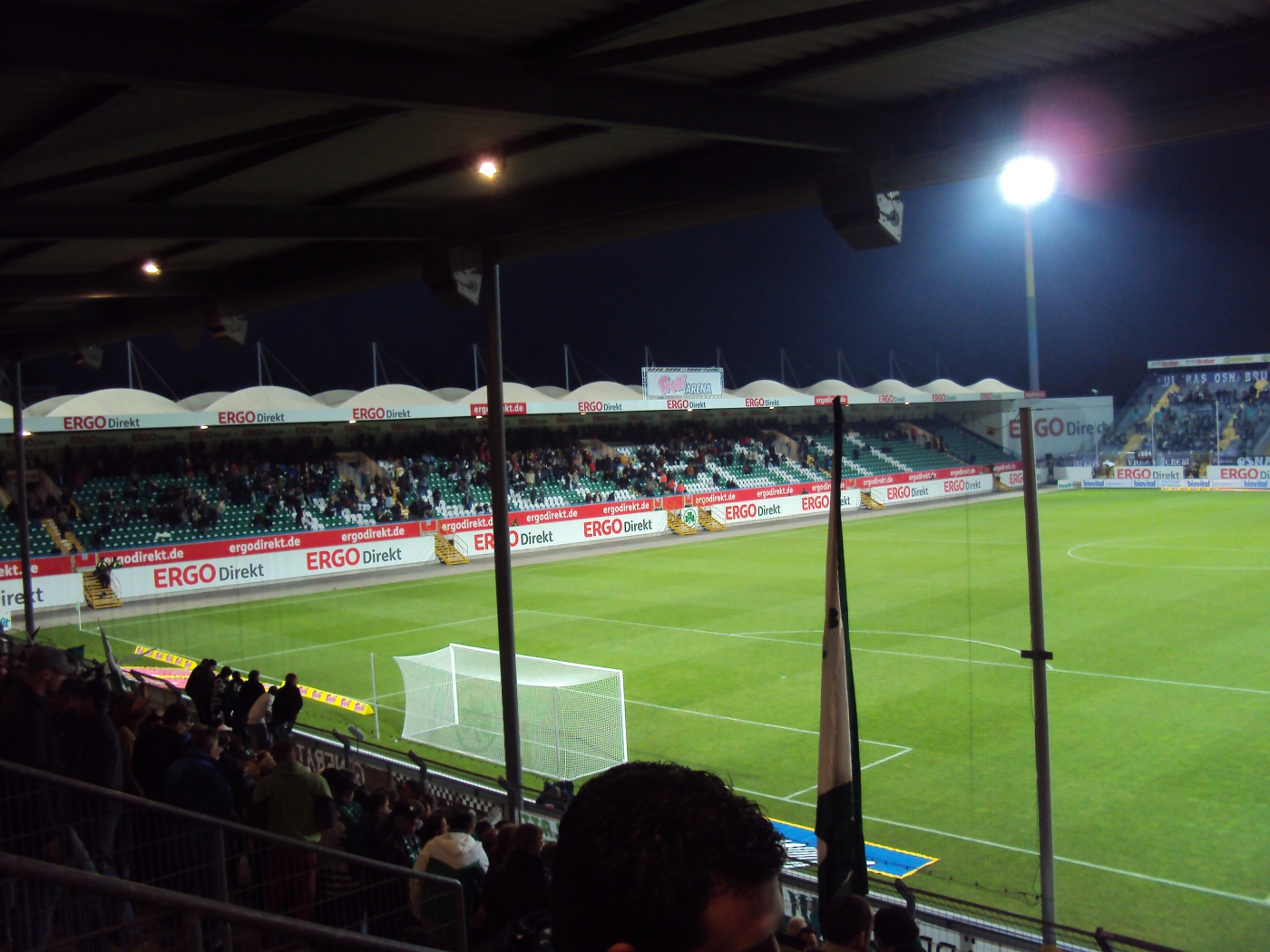
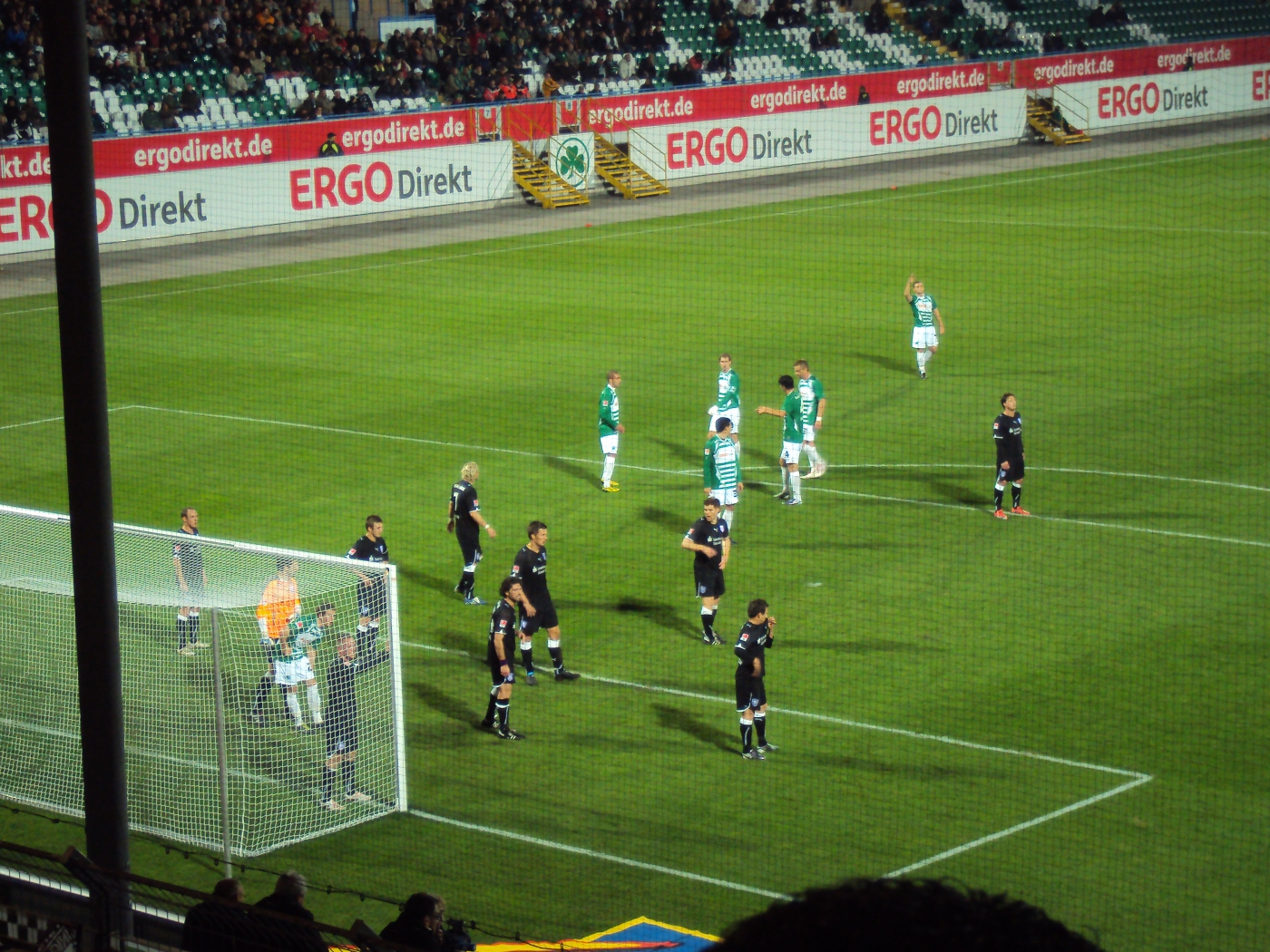
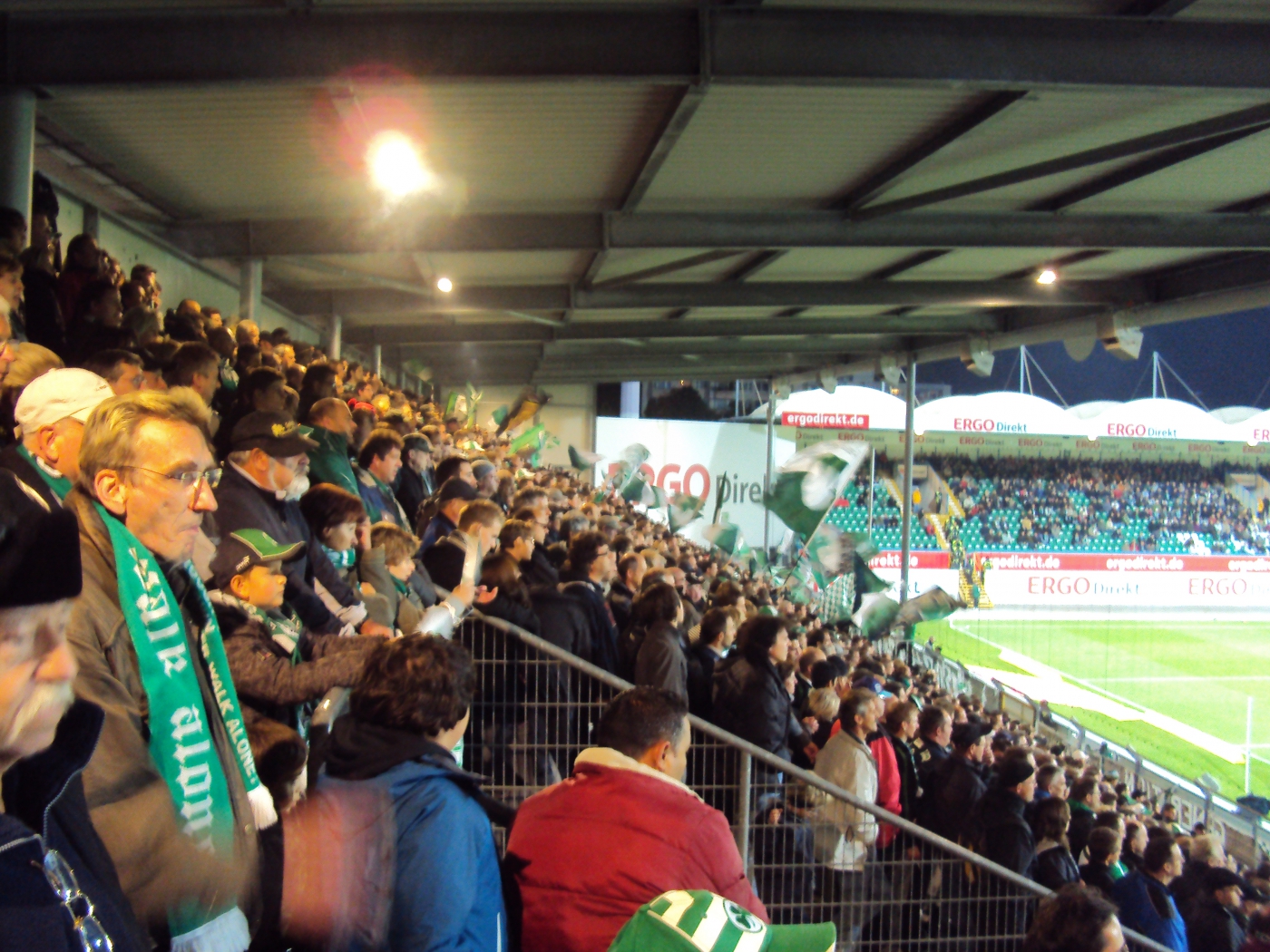
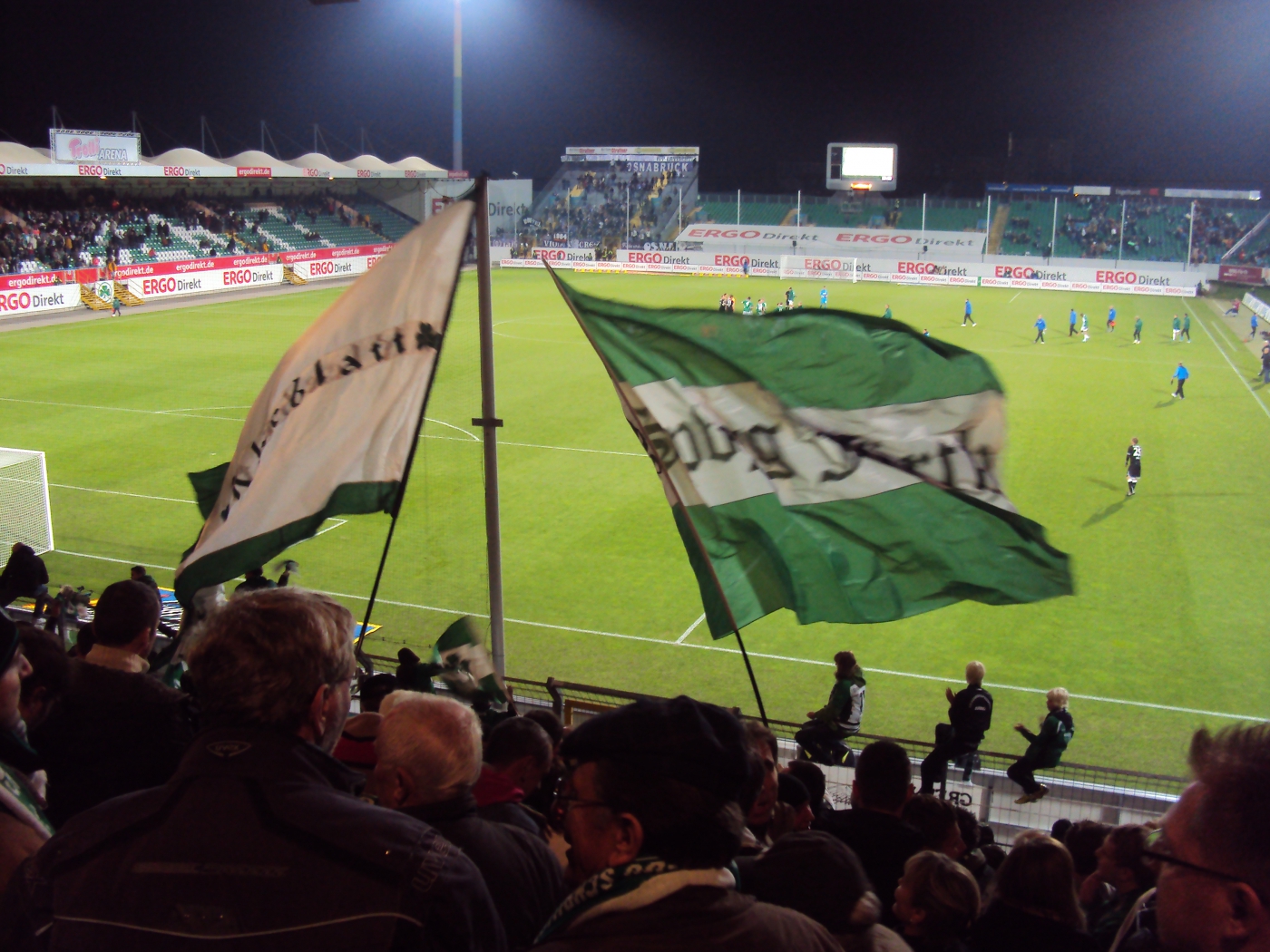
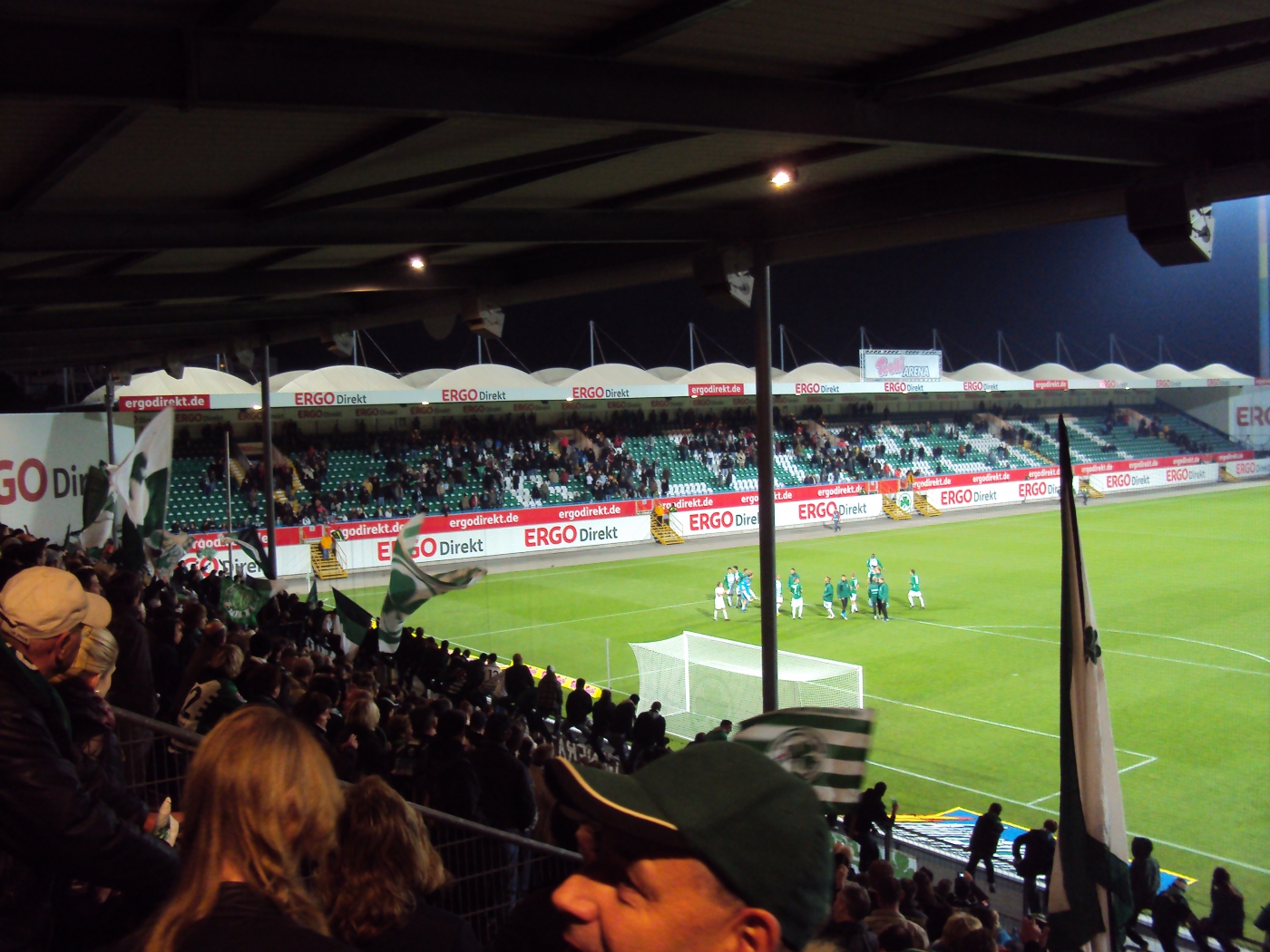
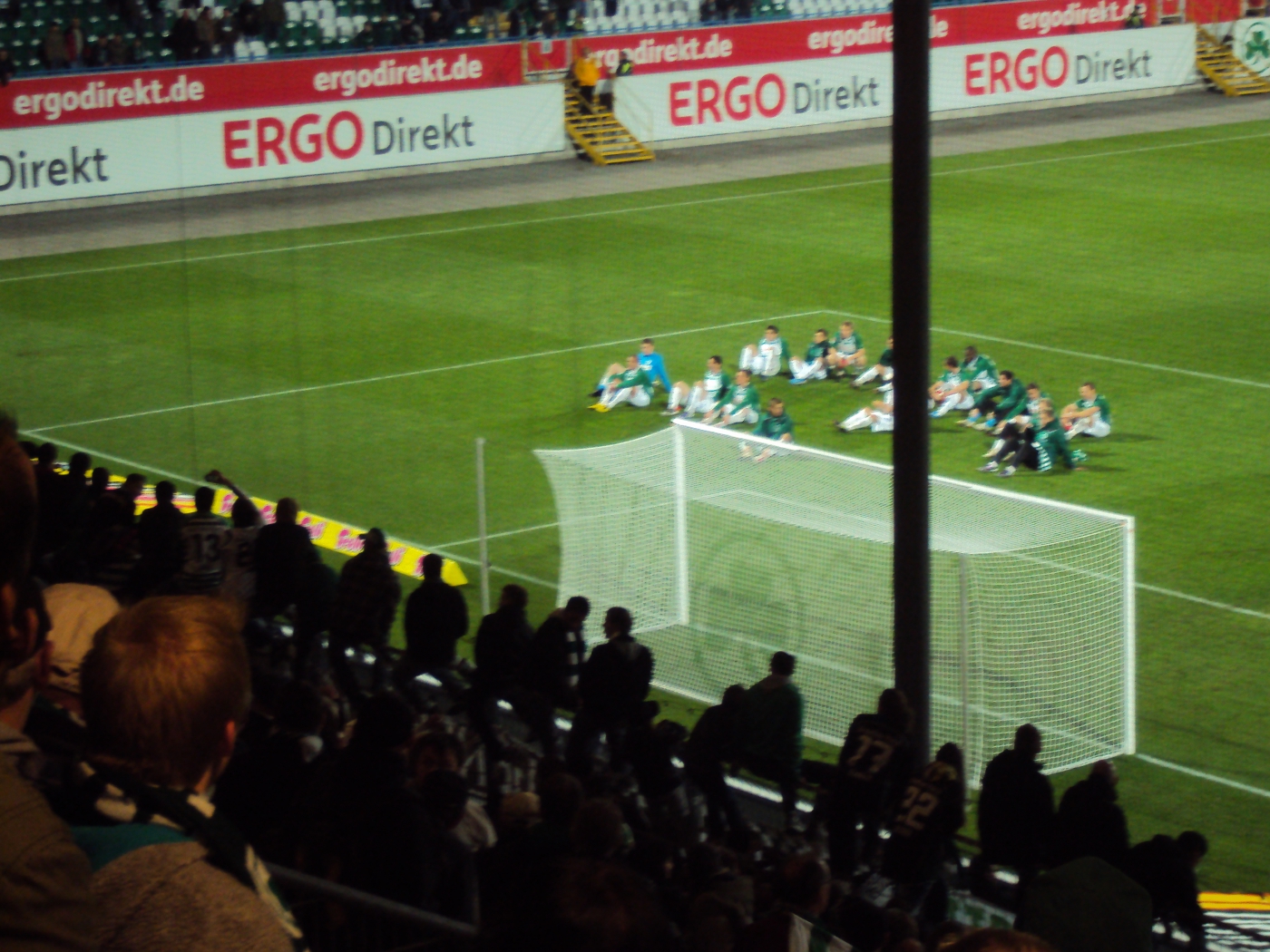
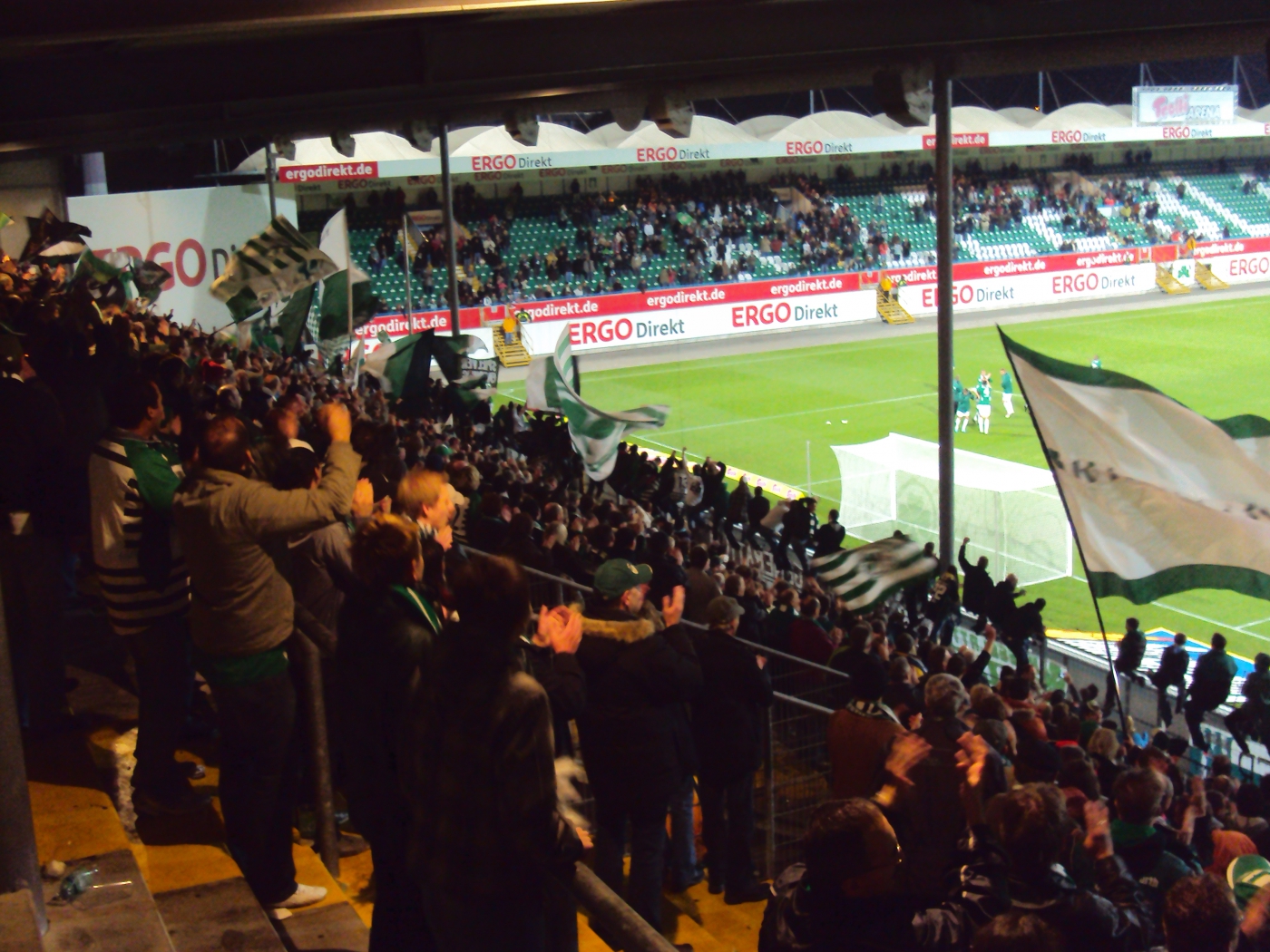
Inaugurated in 1910 under the name Sportplatz an der Frankenstraße, the stadium quickly became the heart of football in Fürth. It witnessed the glory years of SpVgg Fürth (as the club was known then), who clinched German championship titles in 1914, 1926, and 1929. The close proximity of the spectators to the pitch, a hallmark of traditional European stadiums, has always defined its unique atmosphere, fostering an intense connection between the fans and the players.
Evolution and Modernization
While retaining its historic charm, the stadium has undergone significant transformations over the decades to meet contemporary standards. Major renovations in the 1980s and 1990s prepared it for modern football, and further upgrades were essential when SpVgg Greuther Fürth achieved promotion to the Bundesliga. These enhancements included seating capacity adjustments, improvements to spectator facilities, and infrastructure updates, ensuring the venue complied with top-tier league requirements. Today, the stadium offers a capacity of around 16,626, a blend of standing and seating areas.
The Spirit of the Ronhof
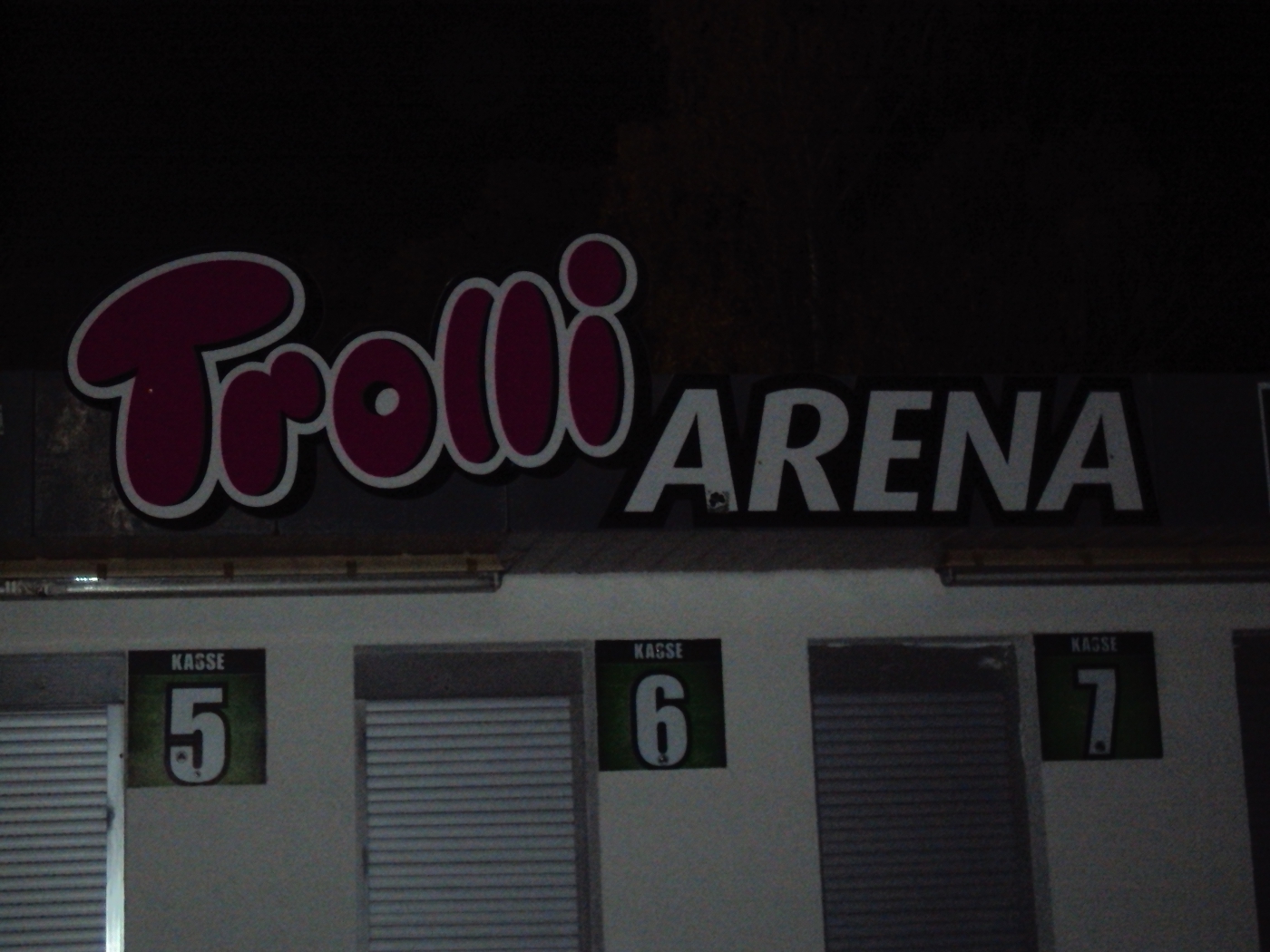
Despite various name changes due to sponsorship agreements, including periods as Playmobil-Stadion and Trolli Arena, the stadium is affectionately known to fans as the "Ronhof." This name reflects its historical location and underscores the deep emotional bond the community shares with its football ground. The Stadion am Laubenweg remains a symbol of resilience and enduring passion for the sport, a place where generations of fans have gathered to celebrate victories and share the inevitable heartbreaks of football. It is not merely a venue but a living piece of German football history, constantly evolving while staying true to its roots.