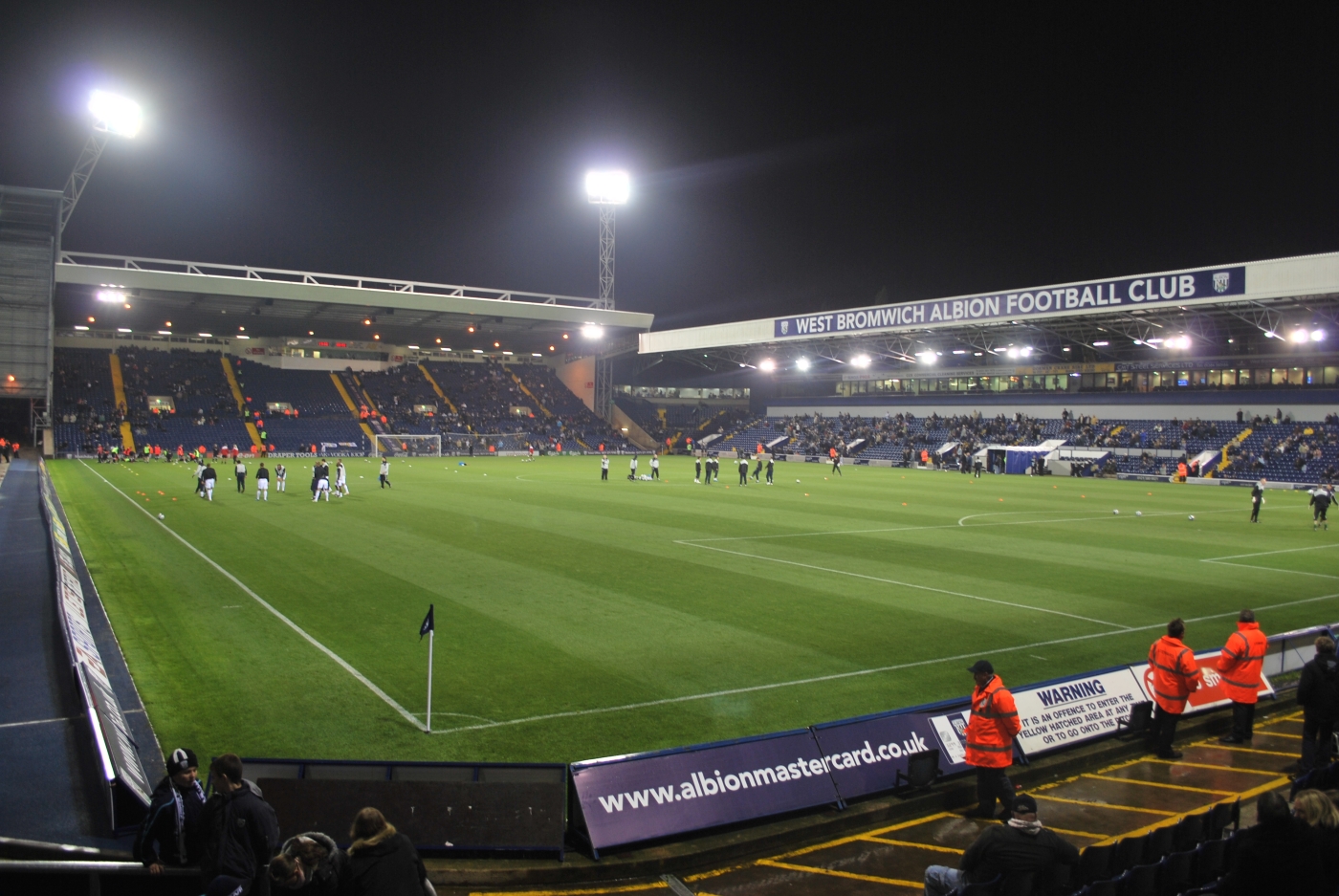
The Hawthorns
Halfords Lane, West Bromwich, England
About the Stadium:
A Historic Home in the Heart of England
Nestled in the heart of the Black Country, The Hawthorns stands as a venerable fortress for West Bromwich Albion Football Club. Opened in 1900, it holds the unique distinction of being the first Football League ground to be built and opened in the 20th century, a testament to its enduring legacy in English football. This iconic stadium, located on the border of West Bromwich and Smethwick, has been the continuous home of the Baggies since its inauguration, witnessing over a century of triumphs, heartbreaks, and the unwavering passion of its loyal supporters. You can learn more about its rich history on the club's official website.
The Name and Early Days
The stadium derives its evocative name from the hawthorn bushes that once covered the area where it was built. Prior to settling at The Hawthorns, West Bromwich Albion had played at several other grounds, notably Stoney Lane. The club's move in 1900 marked a significant step, providing a purpose-built venue capable of accommodating their growing fanbase. Its initial capacity was around 35,000, a substantial increase from their previous homes, showcasing the club's ambition at the turn of the century.
Enduring Legacy and Modernisation
Over the decades, The Hawthorns has undergone various transformations to meet modern safety standards and enhance the spectator experience. One of the most significant changes occurred in the early 1990s following the Taylor Report, which mandated all-seater stadiums for top-tier clubs. This led to the gradual conversion of its terraces, culminating in the stadium we see today. Its current all-seater capacity is just over 26,850, making it a sizable ground that maintains an intimate atmosphere. The four stands – the Birmingham Road End, the Smethwick End, the East Stand, and the West Stand – each contribute to the distinctive character of the stadium.
Record Attendance and Notable Matches
The Hawthorns has seen countless memorable moments. Its record attendance was set on 6 March 1937, when 64,815 spectators crammed in to watch West Bromwich Albion take on local rivals Wolverhampton Wanderers in an FA Cup Sixth Round tie, highlighting the intense local derbies known as the Black Country Derby. The stadium has also hosted international matches and other significant sporting events, cementing its place not just in club history, but in the broader tapestry of English sport. It remains a beacon of football heritage, a place where history is made with every match played.
.JPG)
.JPG)
.JPG)
.JPG)
.JPG)
.JPG)
.JPG)
.JPG)
.JPG)
.JPG)
.JPG)
.JPG)