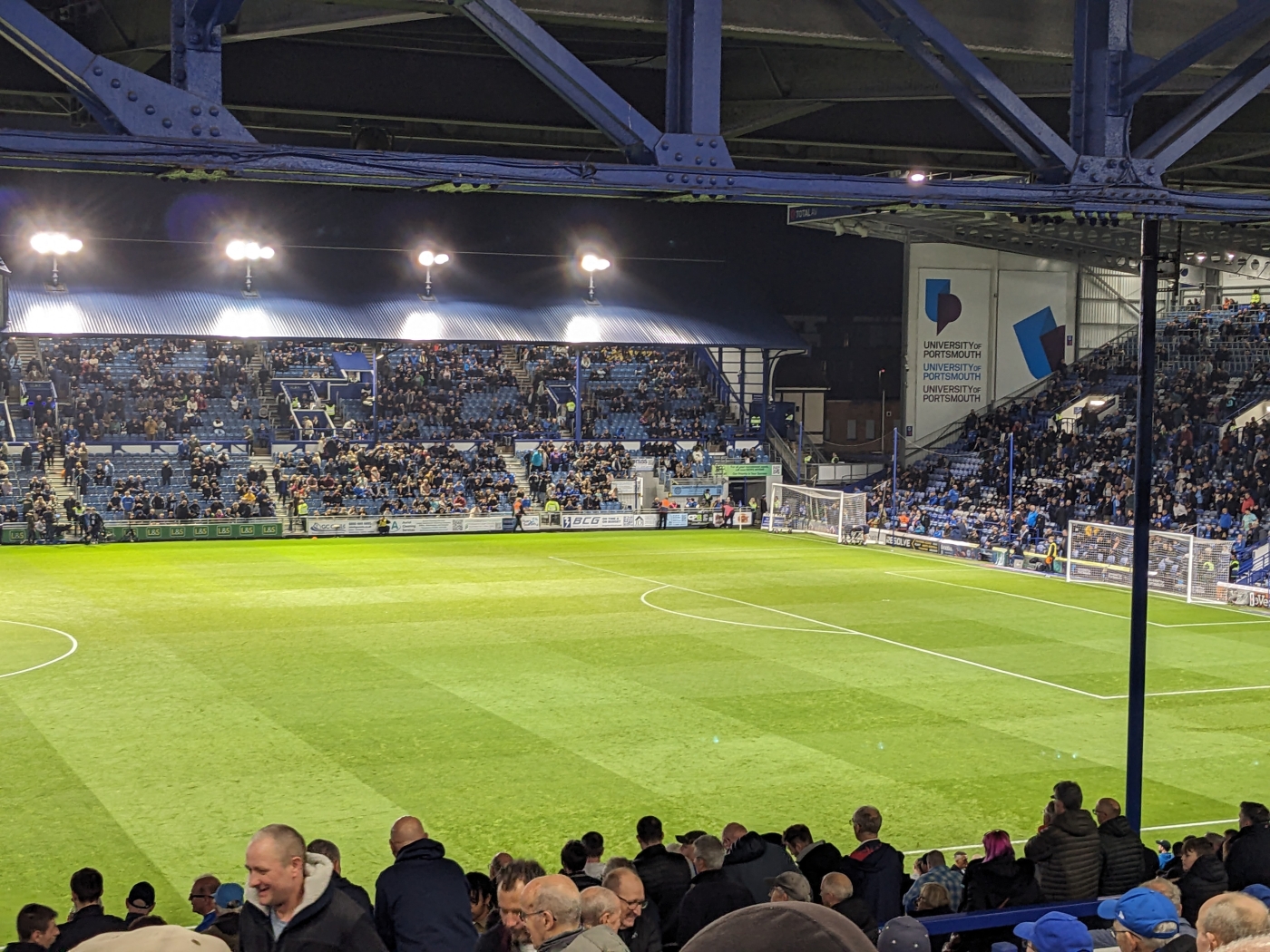
Fratton Park
44 Frogmore Road, Portsmouth, England
About the Stadium:
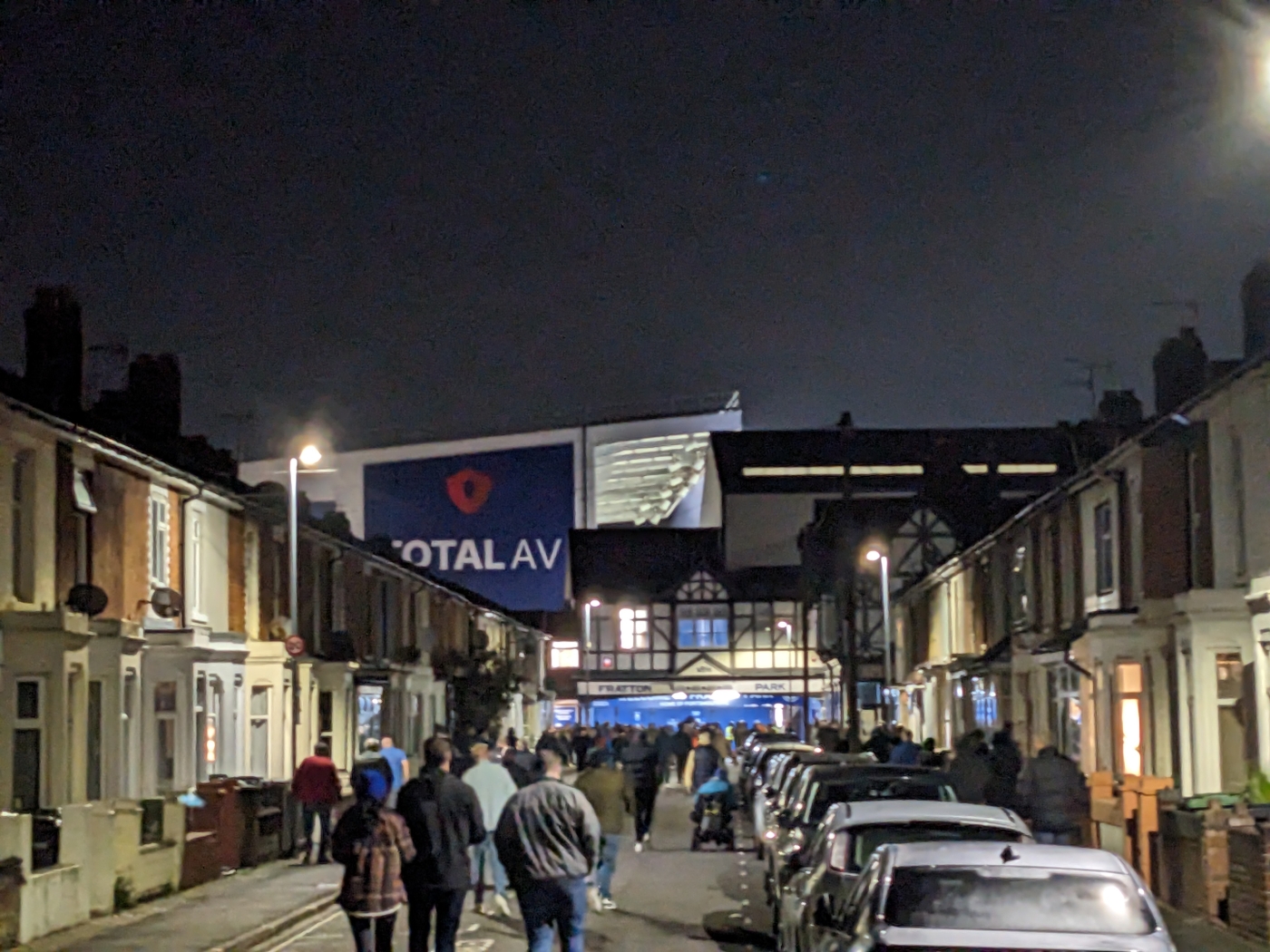
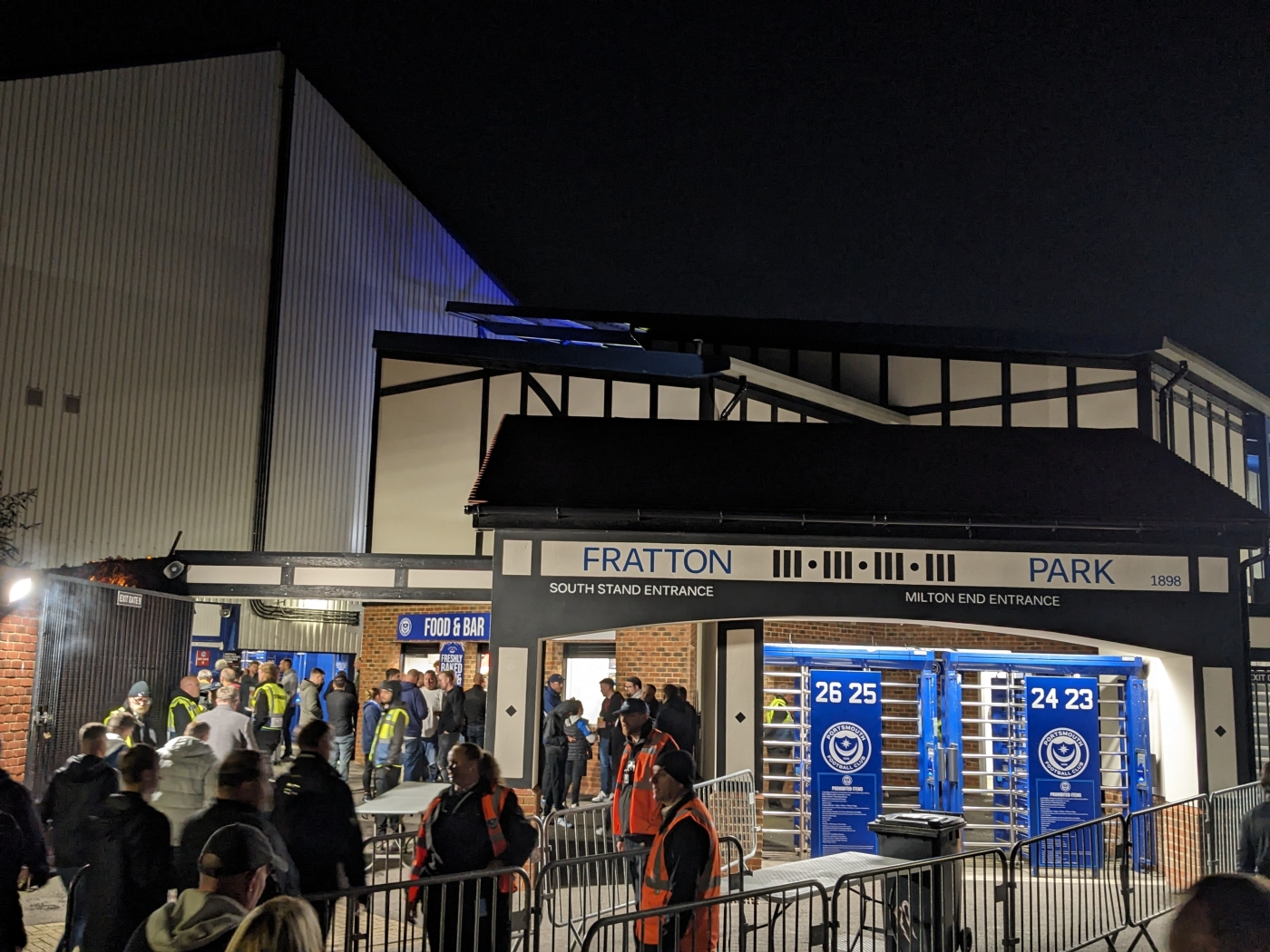
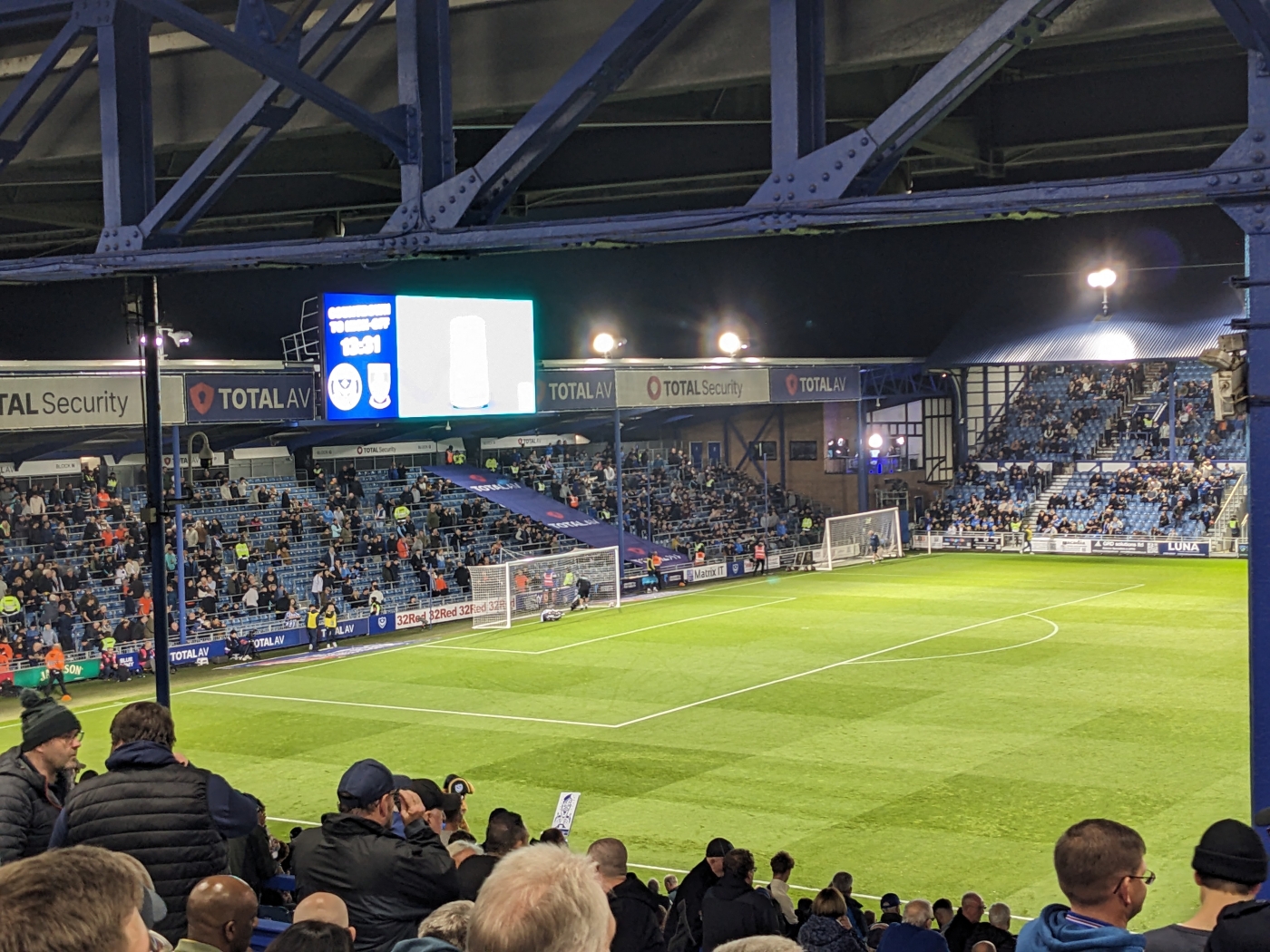
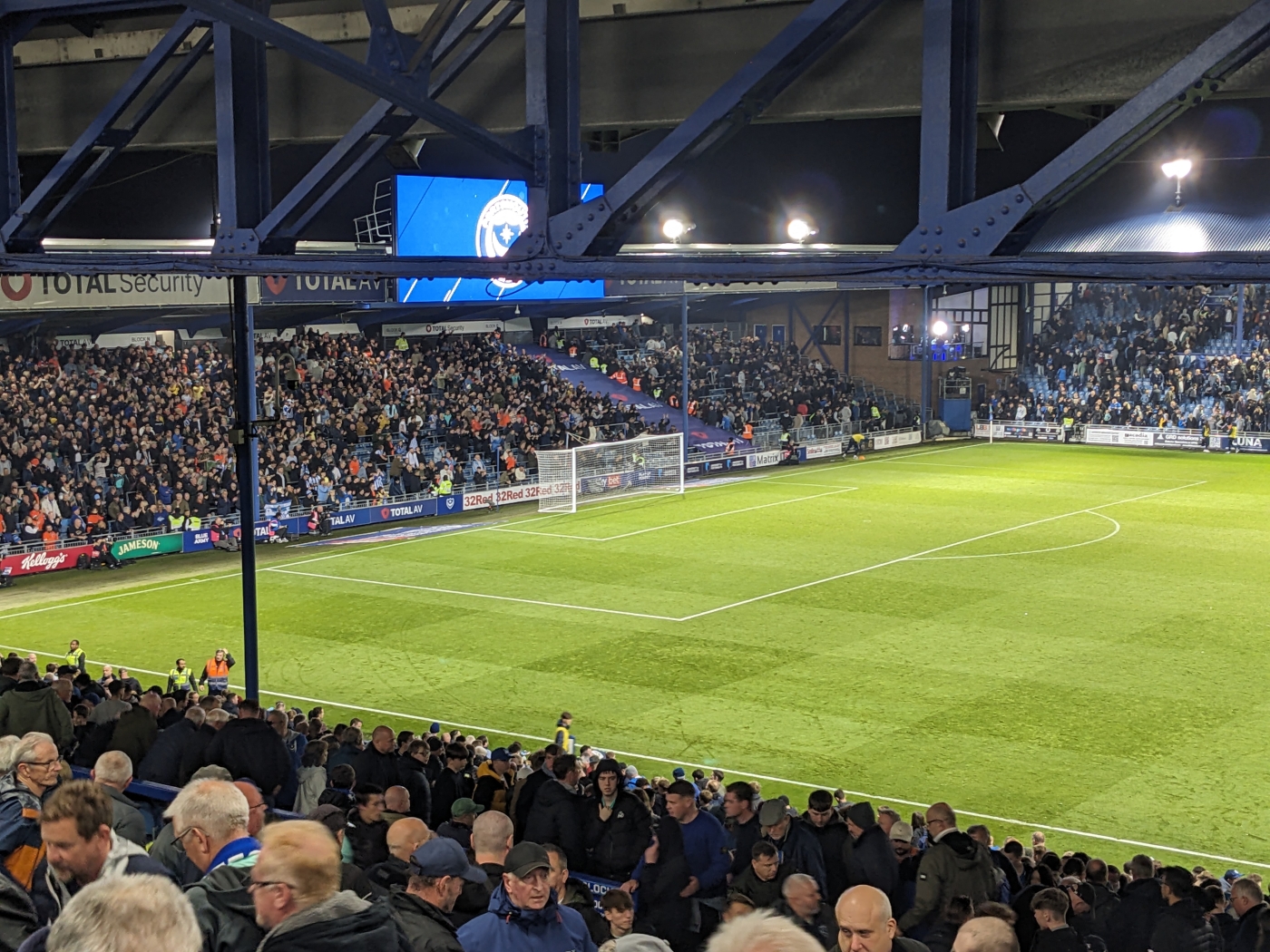
Deep within the vibrant city of Portsmouth, on the historic Portsea Island, stands Fratton Park, the revered home of Portsmouth Football Club. This venerable stadium is not merely a venue for football; it is a repository of local pride and one of the oldest and most atmospheric grounds in English football, its foundations laid over a century ago.
A Foundation of Football Passion
The gates of Fratton Park first swung open in August 1899, just months after the formation of Portsmouth F.C., signifying a rapid ambition to establish a strong presence in the footballing world. The inaugural match was a friendly against Reading, marking the beginning of a long and storied relationship between the club, its ground, and its devoted fanbase. From its earliest days, the stadium quickly became synonymous with the burgeoning identity of the 'Pompey' faithful.
Over the decades, Fratton Park has seen numerous transformations. While the initial layout was established by the club’s first manager, Frank Brettell, significant contributions to its enduring character came from the legendary stadium architect Archibald Leitch. His distinctive design fingerprints, particularly evident in the classic barrel roof of the South Stand, provided much of the ground’s iconic appearance, blending functionality with an aesthetic that became a hallmark of early 20th-century football stadia across the UK.
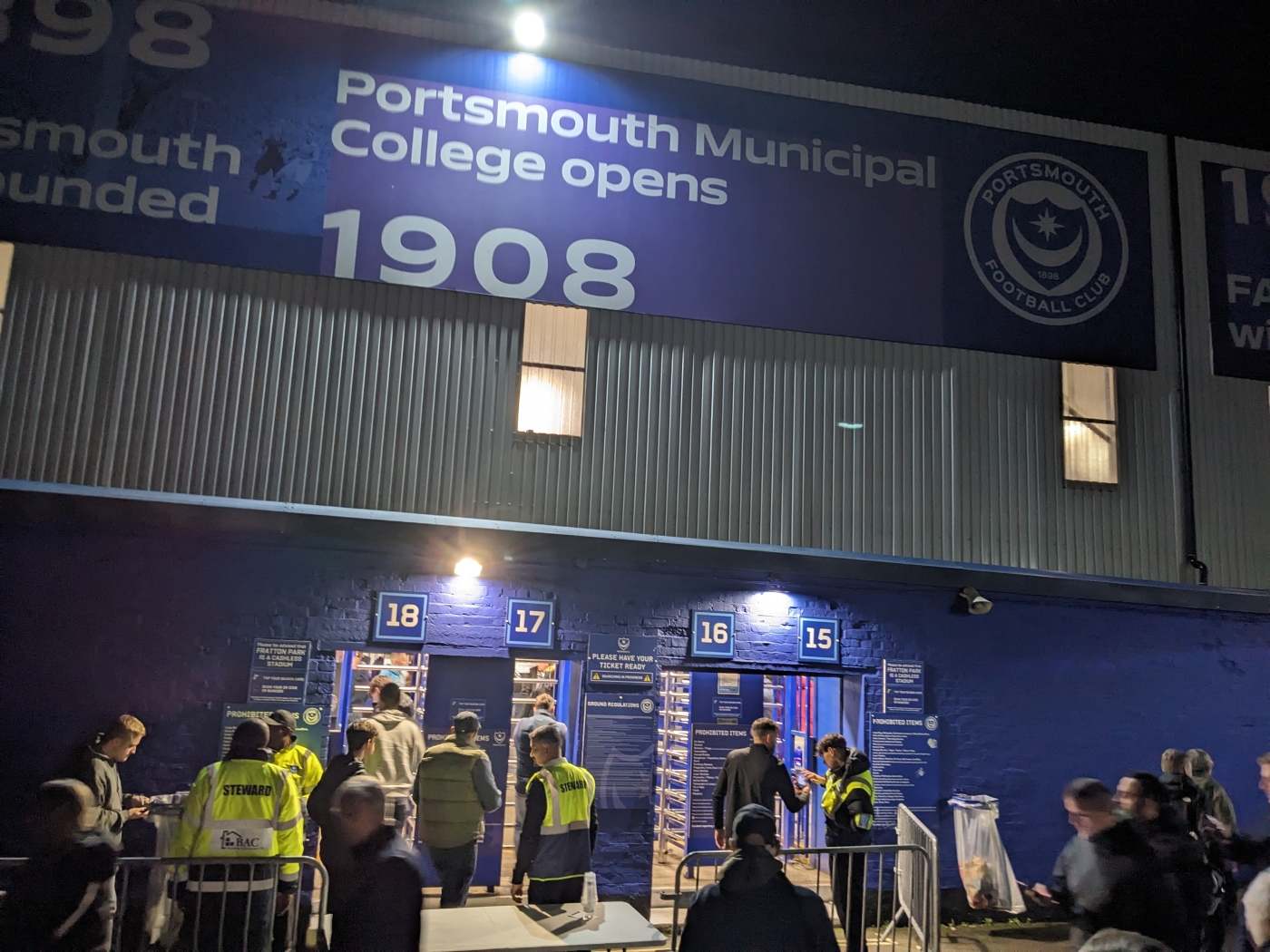
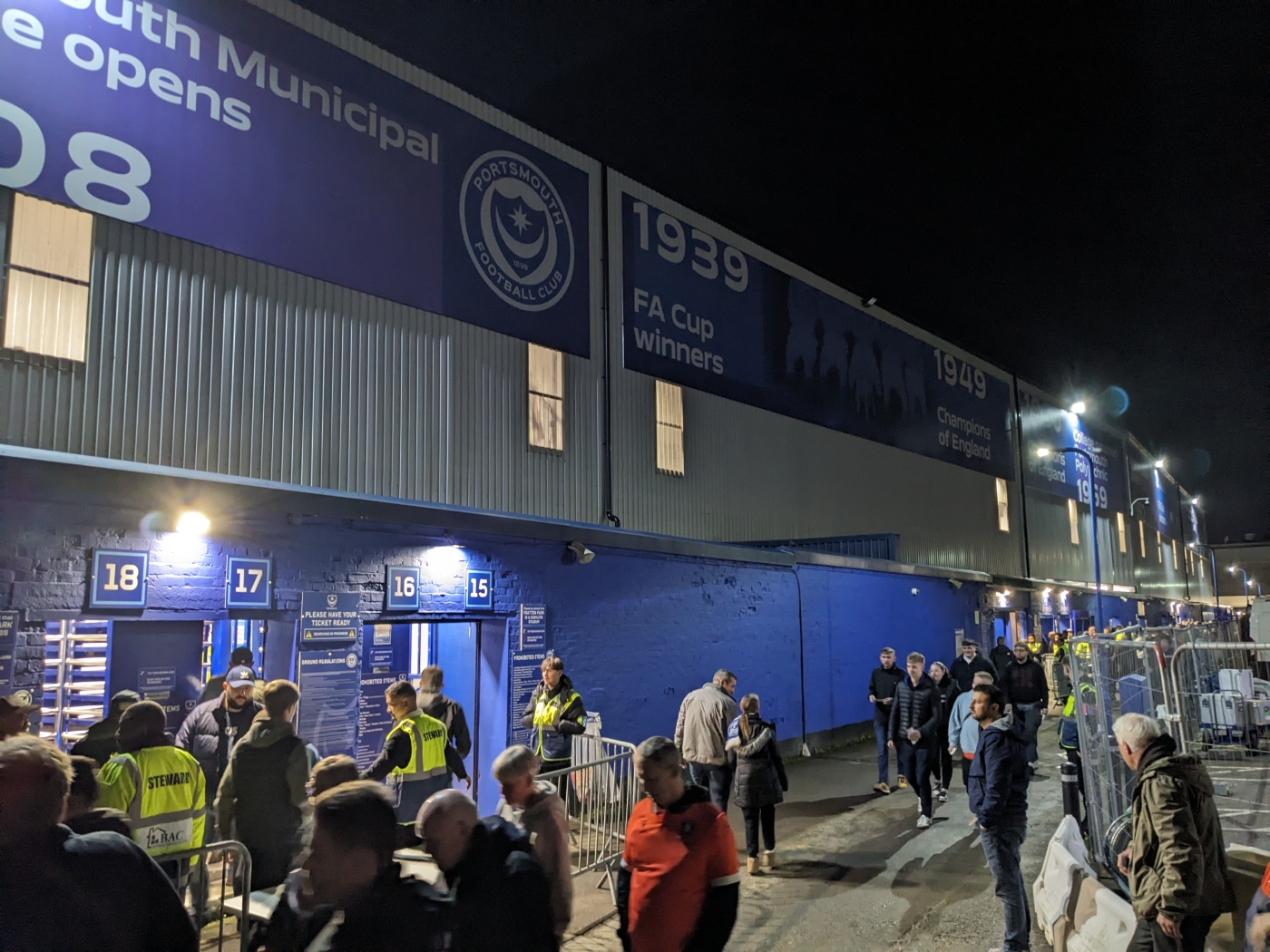
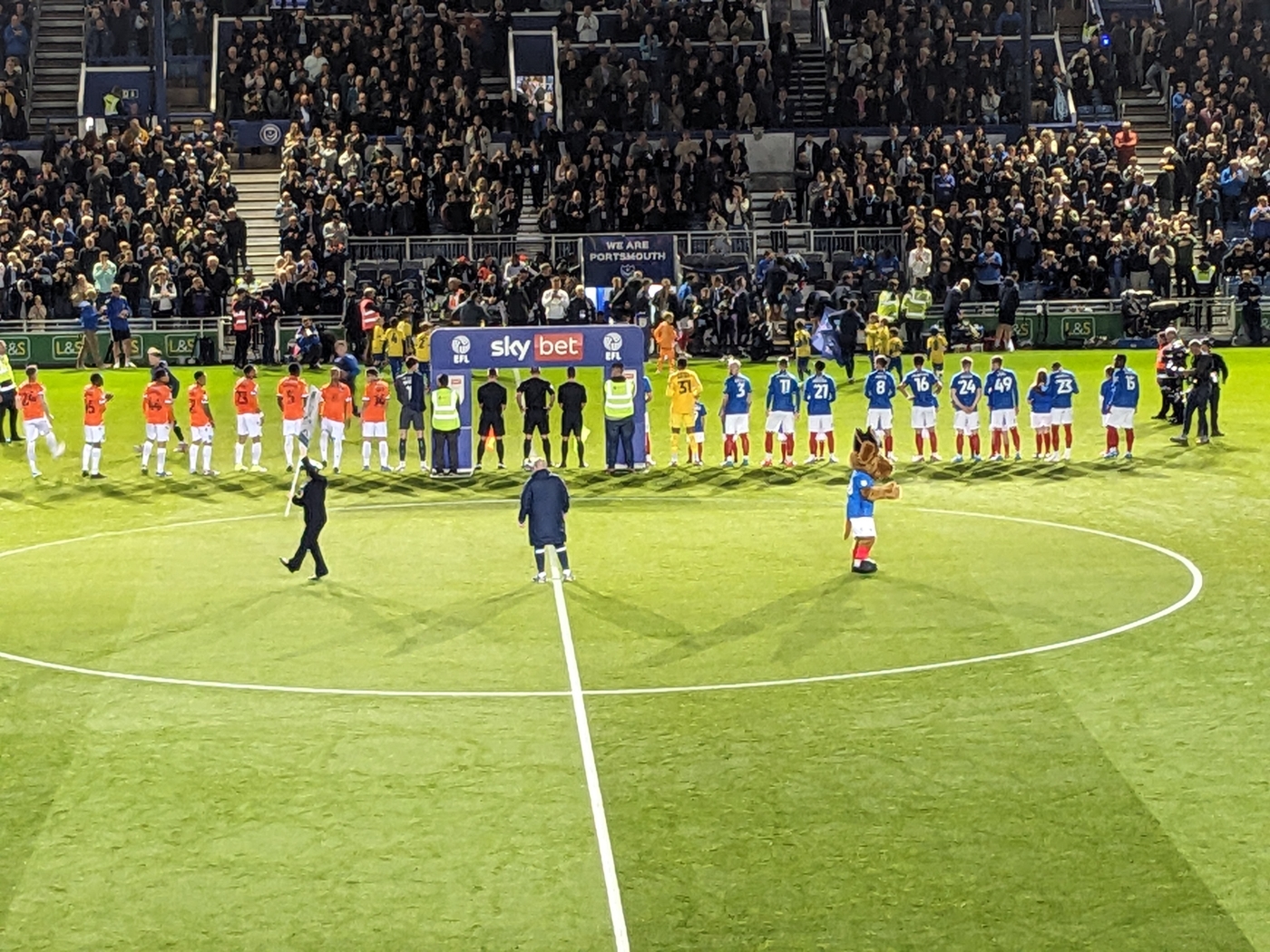
The ground has borne witness to some of Portsmouth's greatest triumphs. Fans recall the glory years of the late 1940s when Portsmouth claimed back-to-back First Division titles in 1949 and 1950, with Fratton Park a fortress where opponents often faltered. The rhythmic chant of the "Pompey Chimes" reverberates around the stands, creating an electric atmosphere that has terrified visiting teams and spurred on countless victories, including the celebrations following their 1939 and 2008 FA Cup successes.
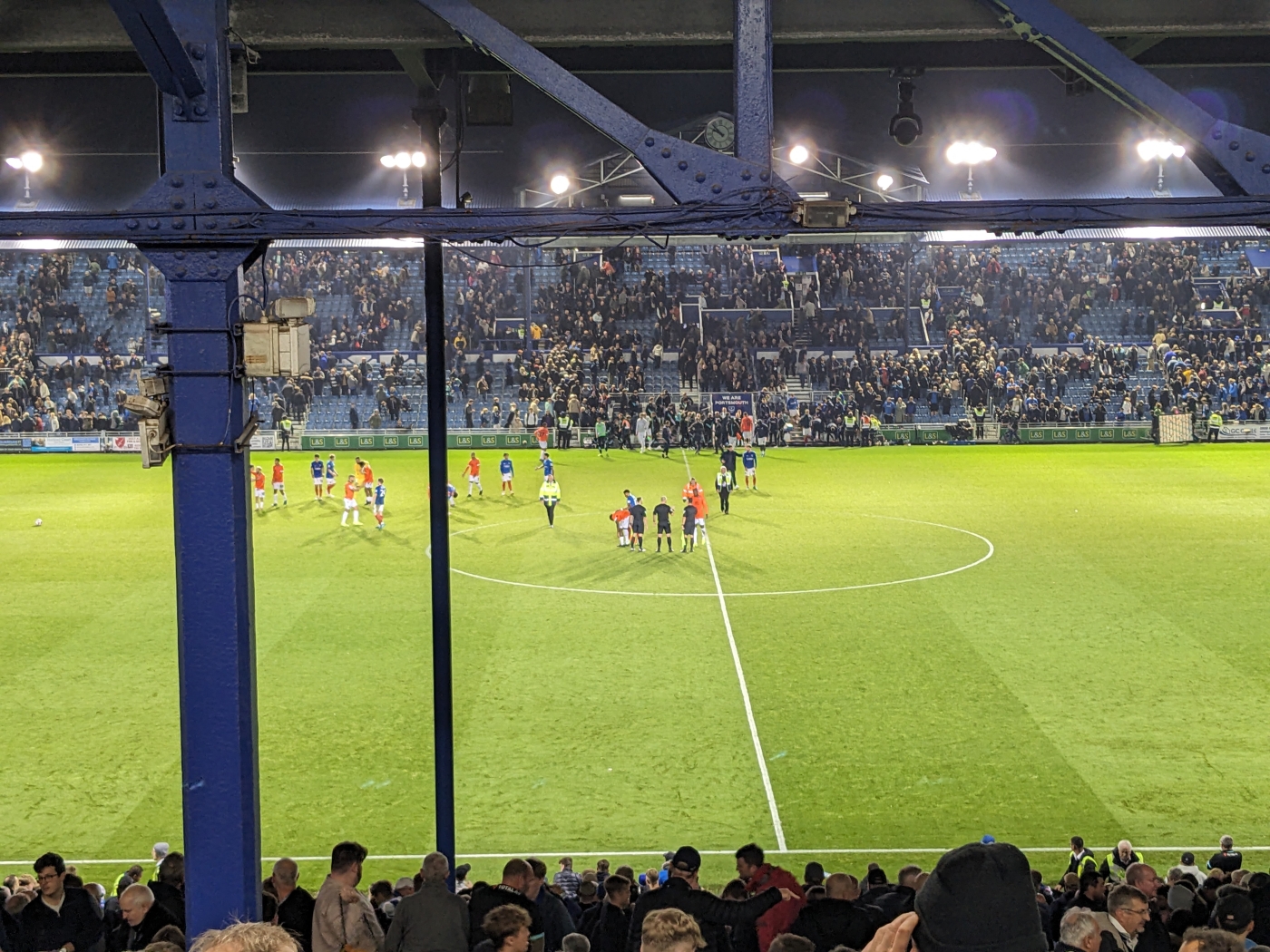
Despite surviving the ravages of World War II and the ebb and flow of footballing fortunes, Fratton Park has retained its unique charm. Modernisation efforts have aimed to preserve its historical integrity while meeting contemporary safety and comfort standards. Today, with a capacity of approximately 19,700, it remains a traditional, intimate venue where fans are close to the action, embodying the spirit of community football that is increasingly rare in the era of new-build, out-of-town arenas. It stands as a testament to continuity and the unwavering passion of its supporters.