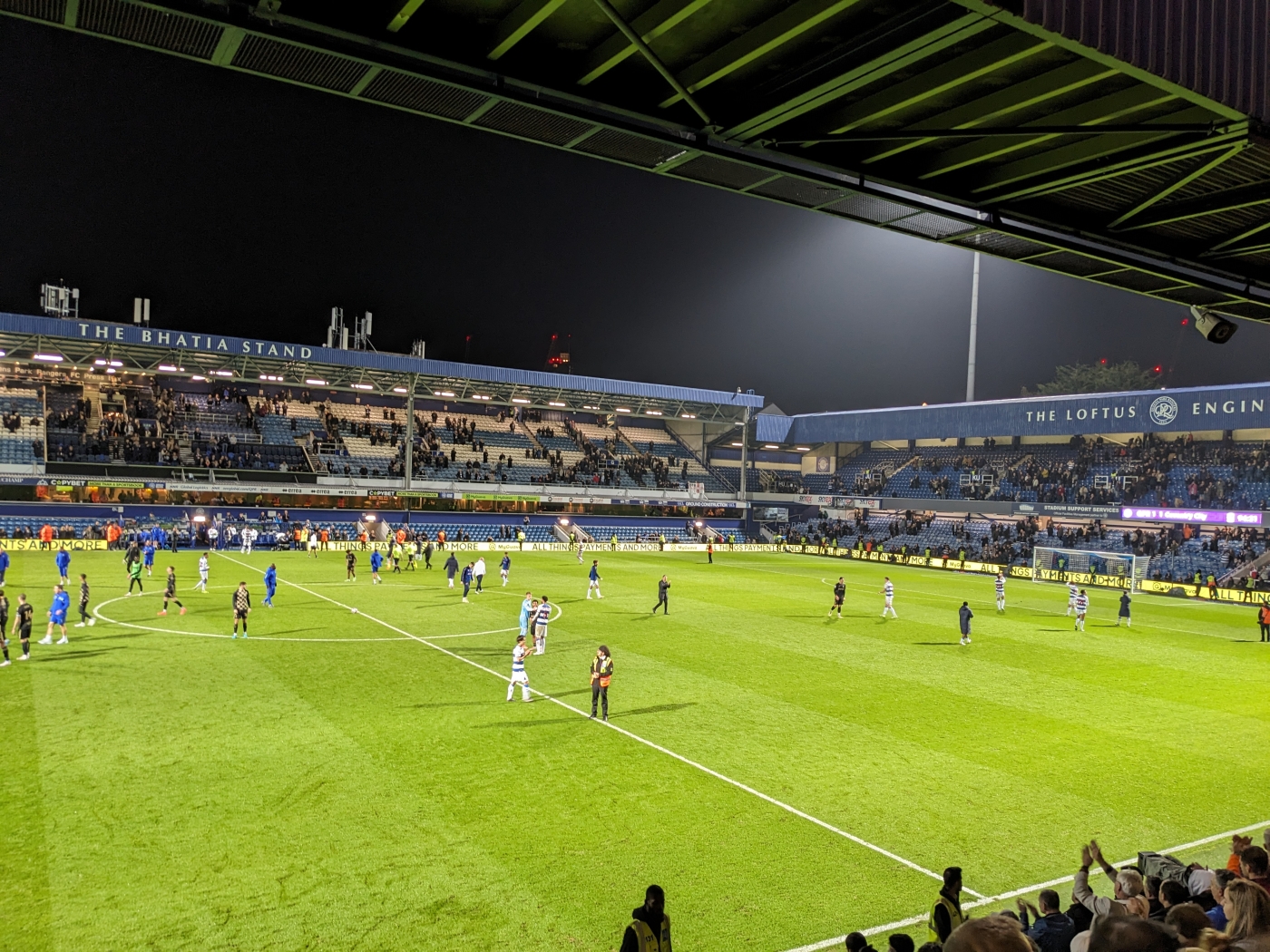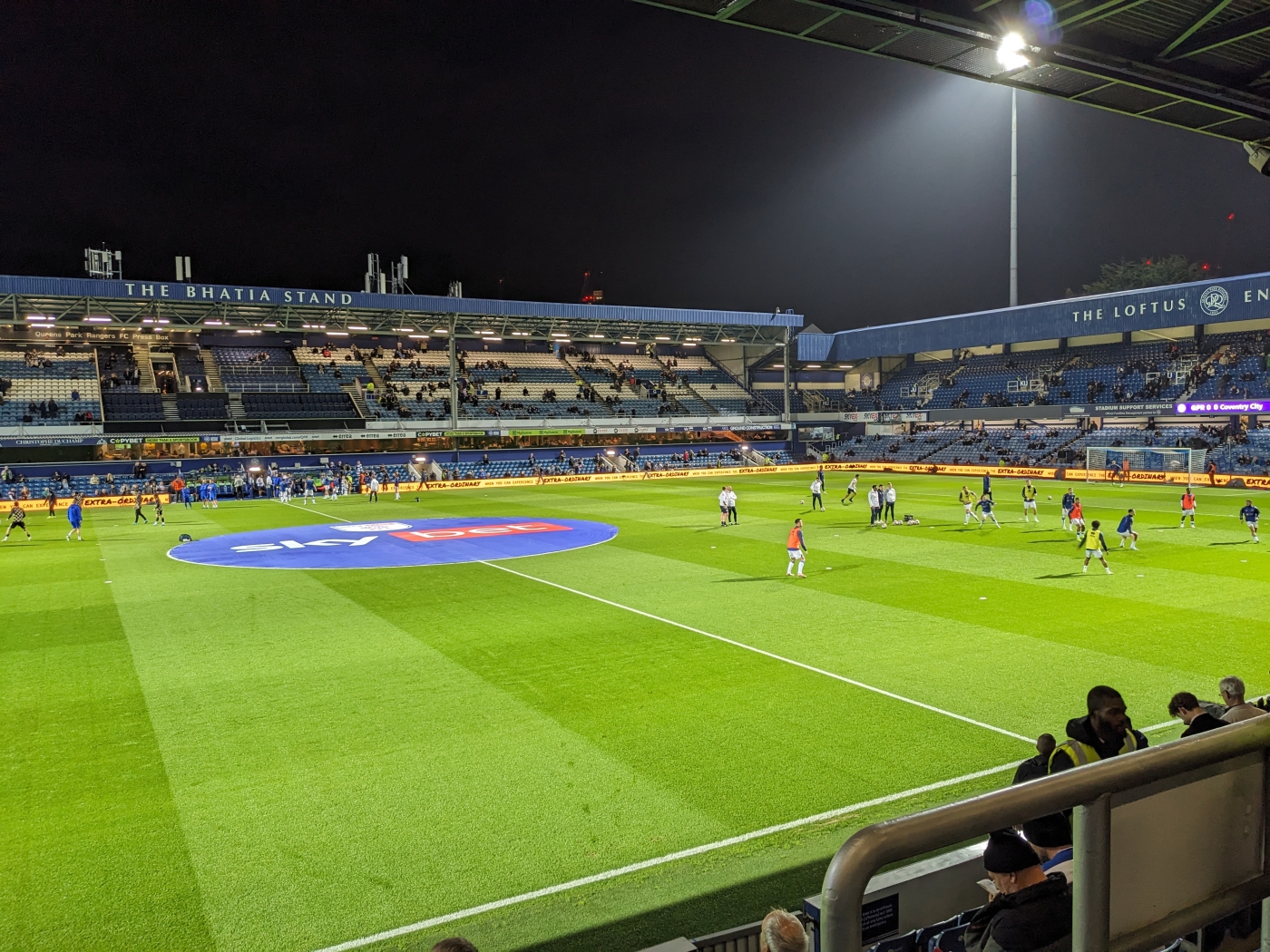
MATRADE Loftus Road Stadium
Loftus Road
South Africa Road, London, England
About the Stadium:
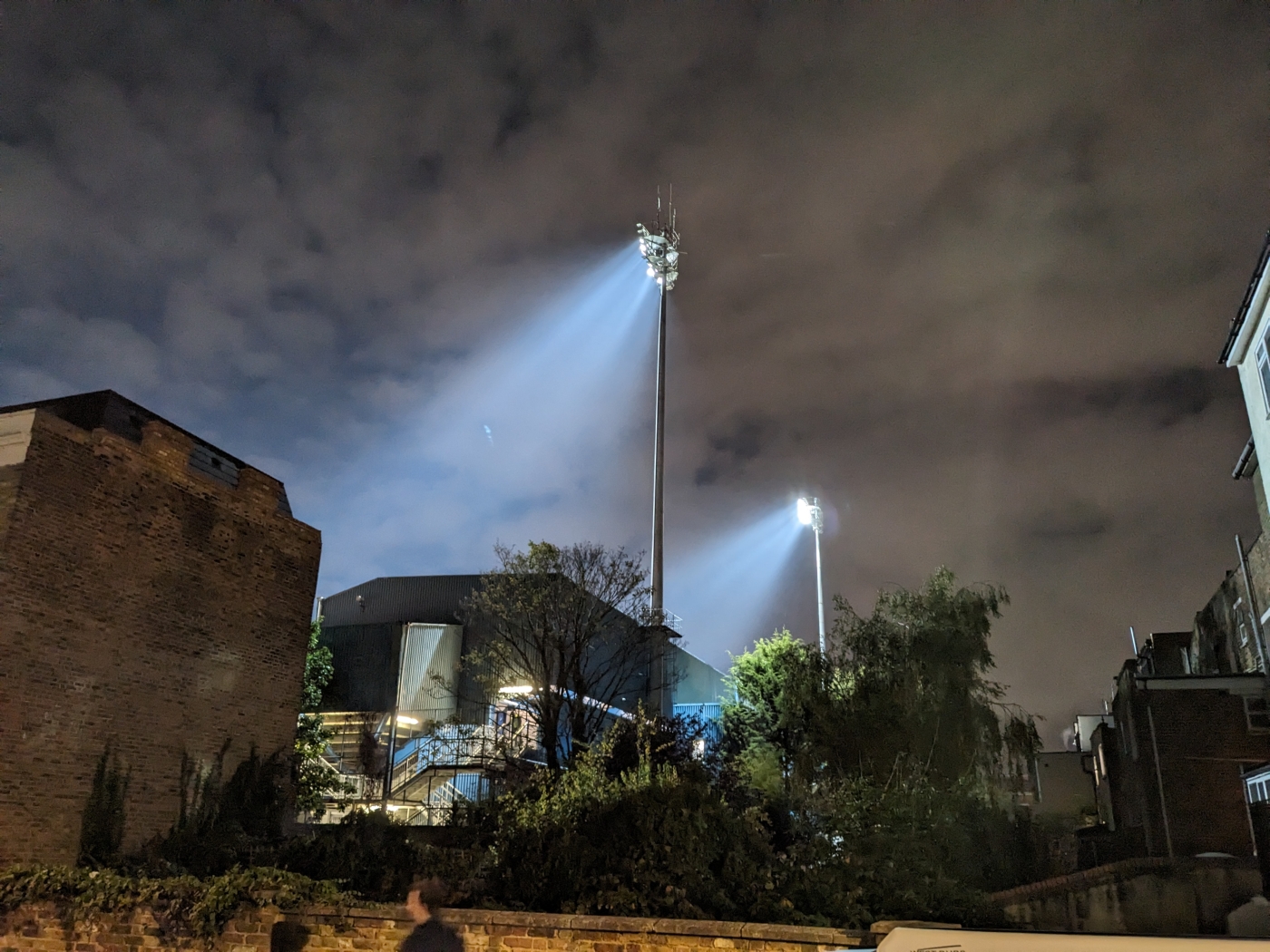
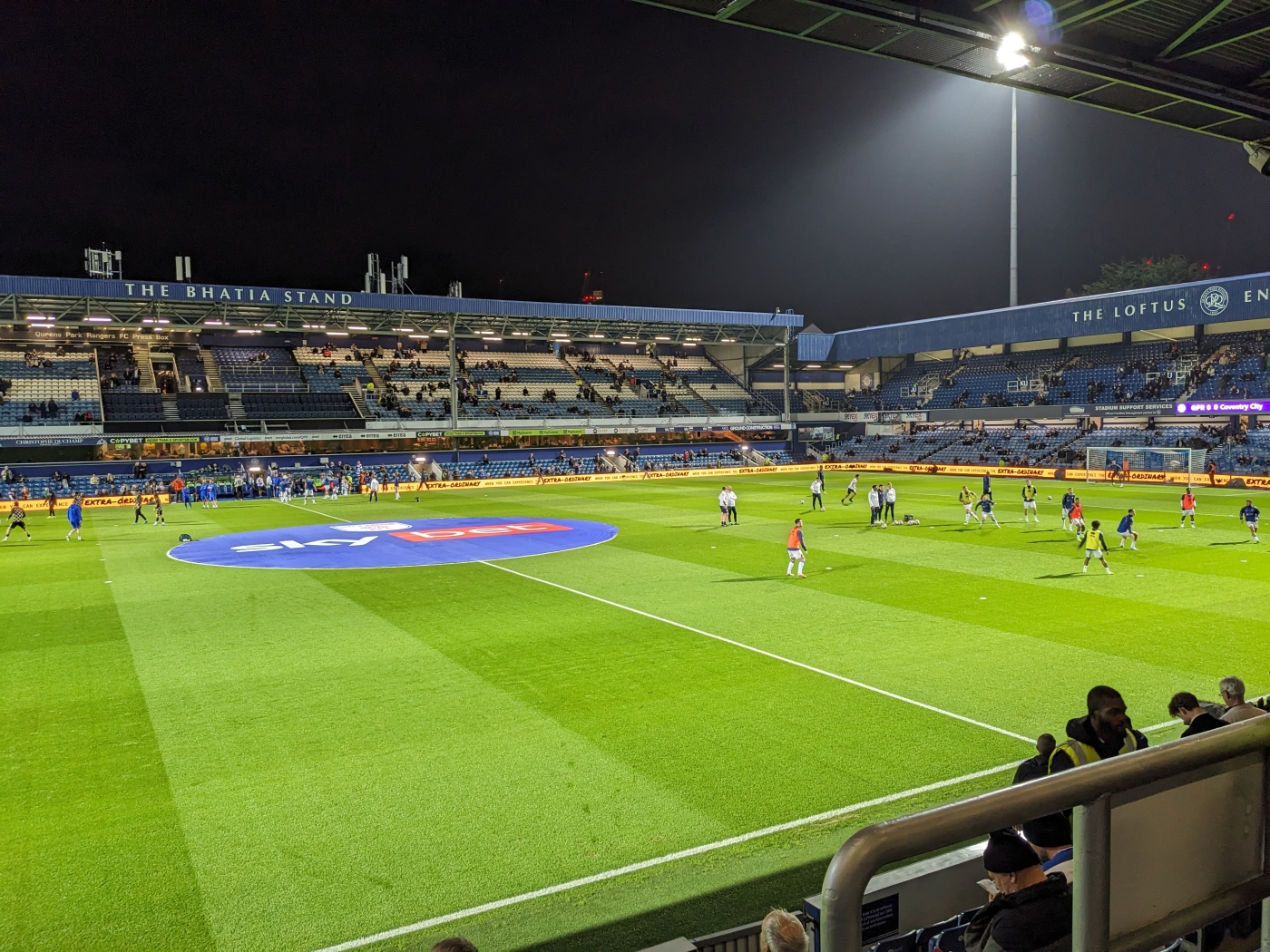
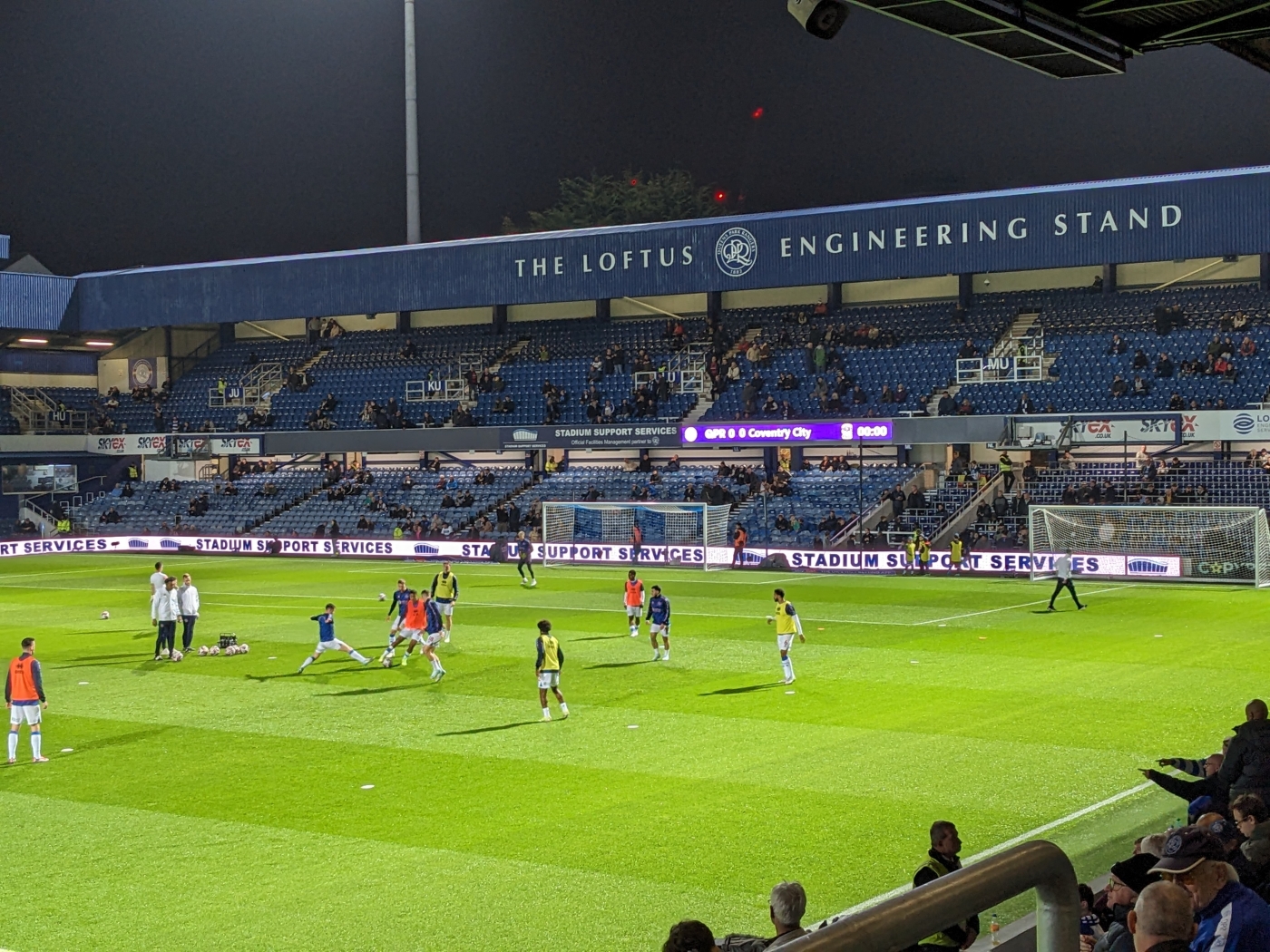
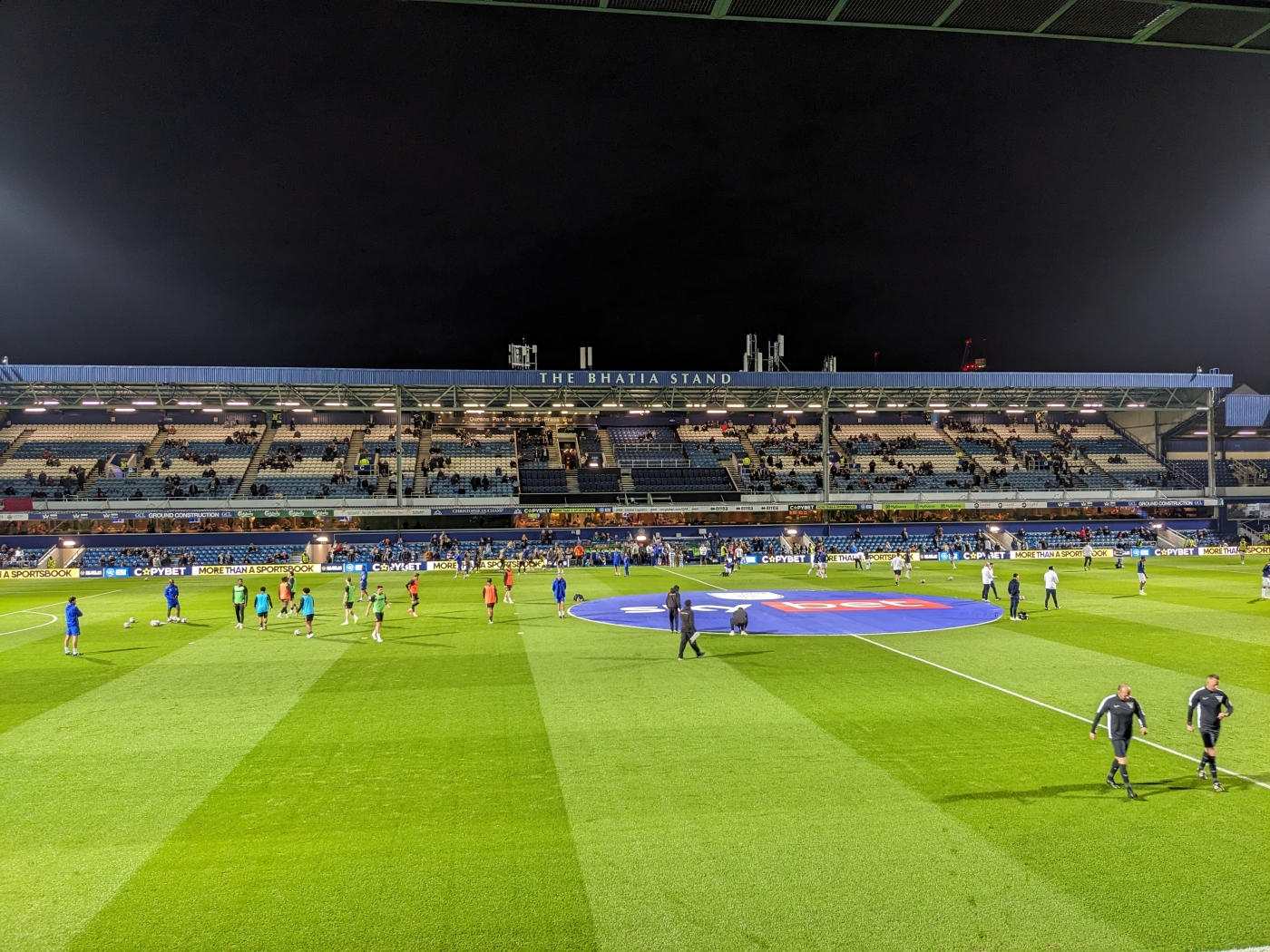
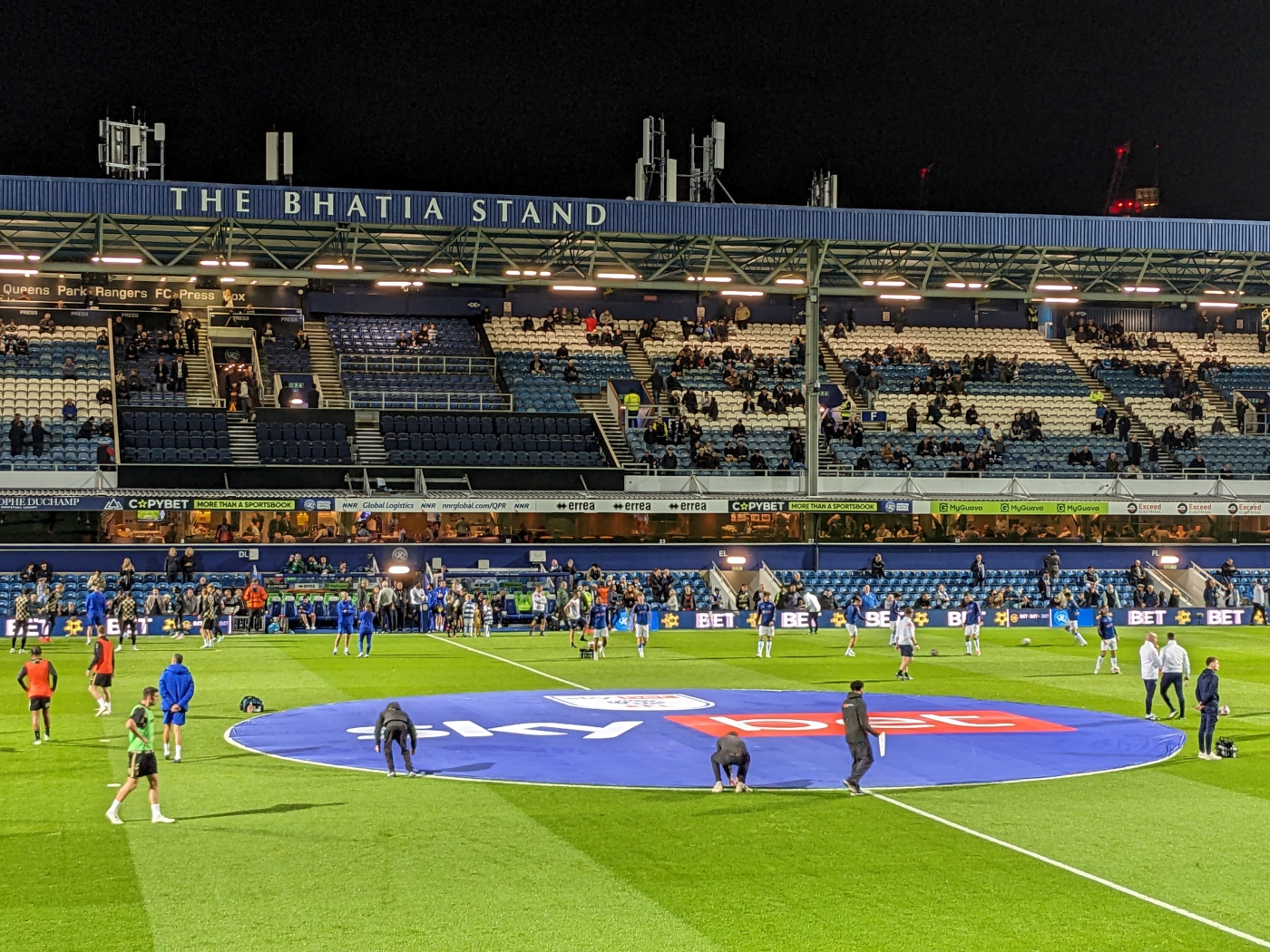
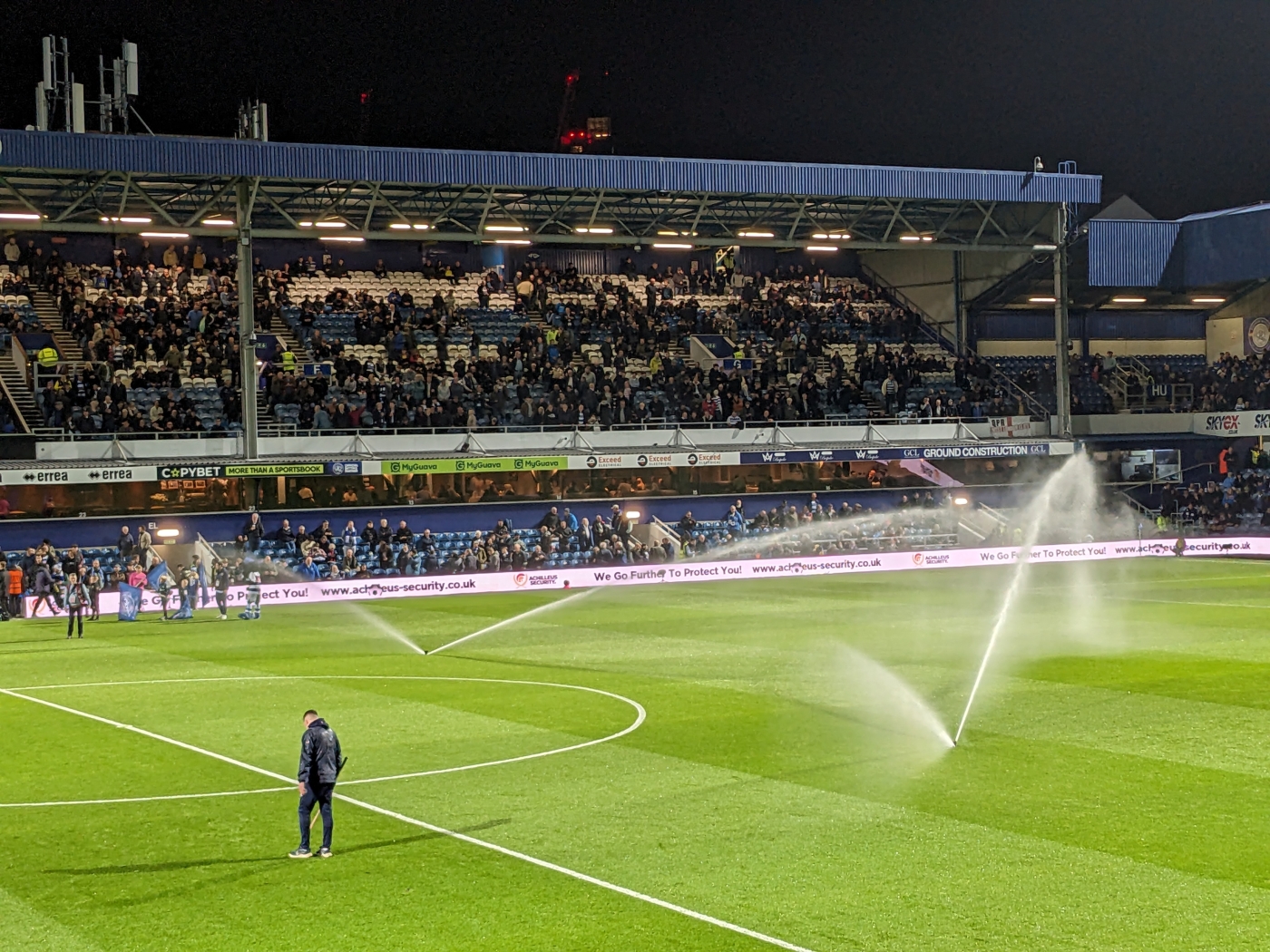
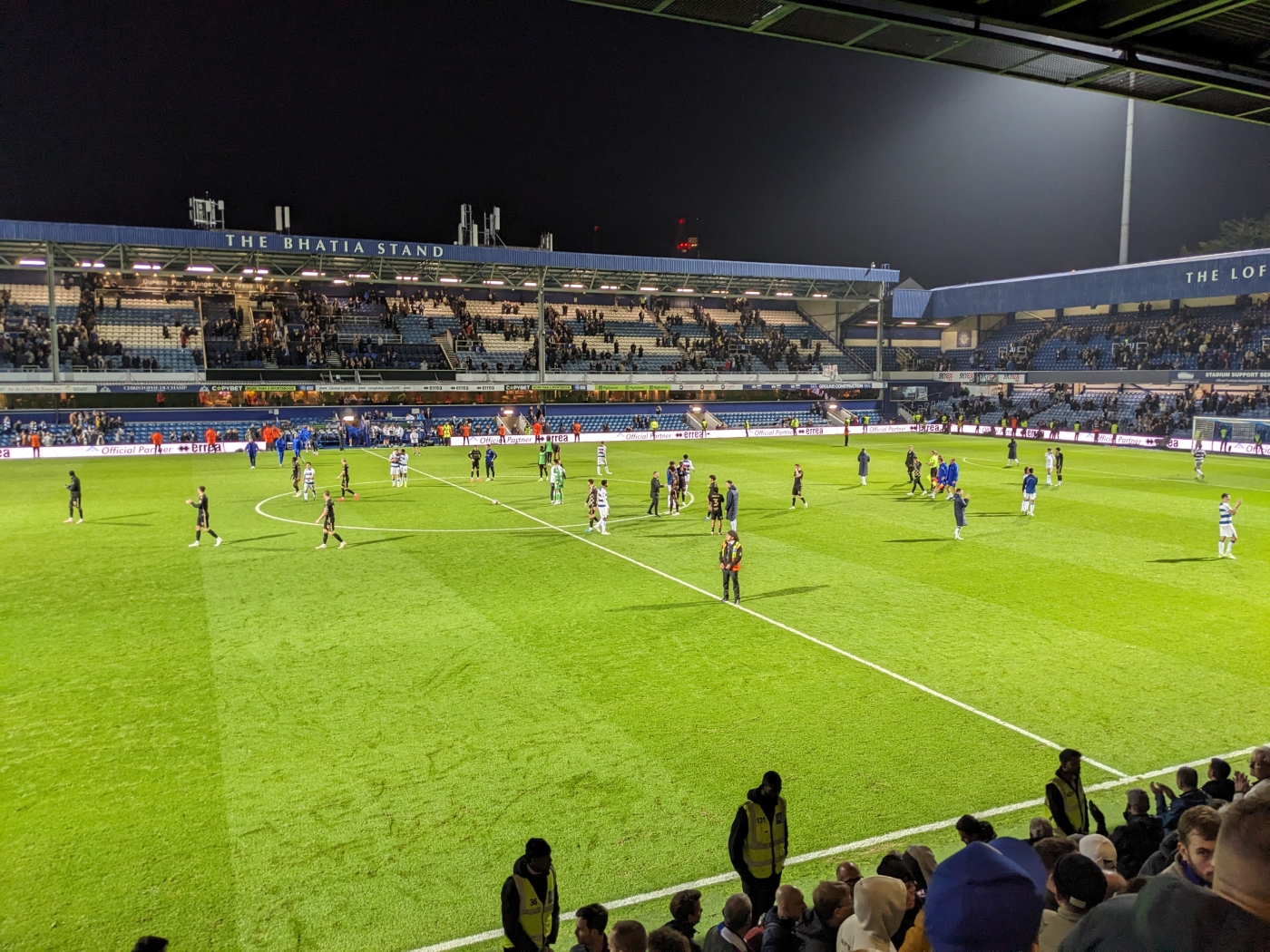
In the vibrant heart of West London lies a football ground steeped in history and character, often simply known as Loftus Road. This compact and beloved stadium serves as the enduring home of Queens Park Rangers Football Club.
A Century of Football Heritage
The stadium first opened its gates in 1904, initially hosting Shepherd's Bush F.C. before their eventual demise. It wasn't until 1917 that Queens Park Rangers, or QPR as they are affectionately known, made Loftus Road their permanent home, embarking on a relationship that has now spanned over a century. It has witnessed the full spectrum of footballing emotions, from elation to agony, all within its tightly packed confines.
Architectural Evolution and Modernisation
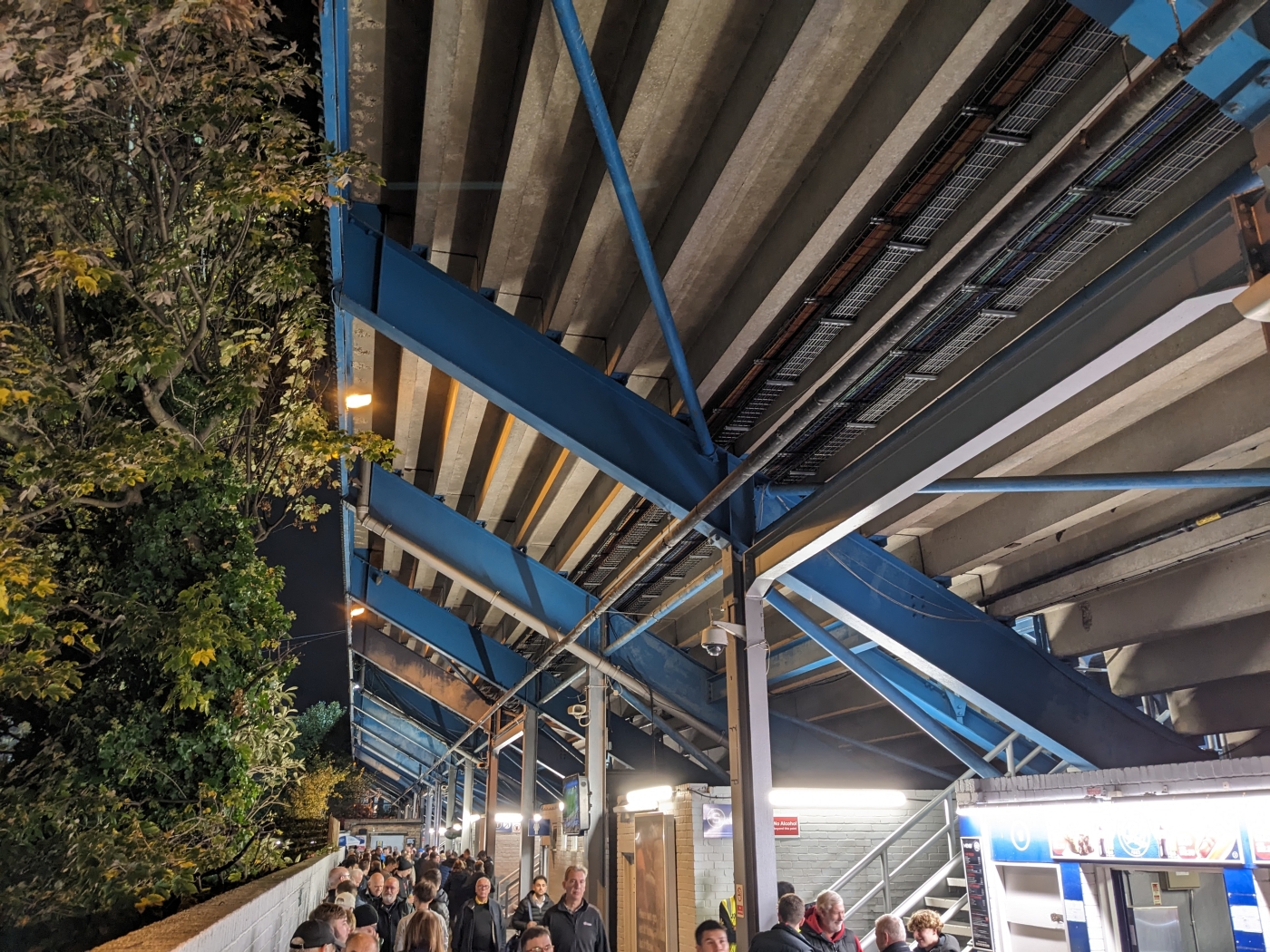
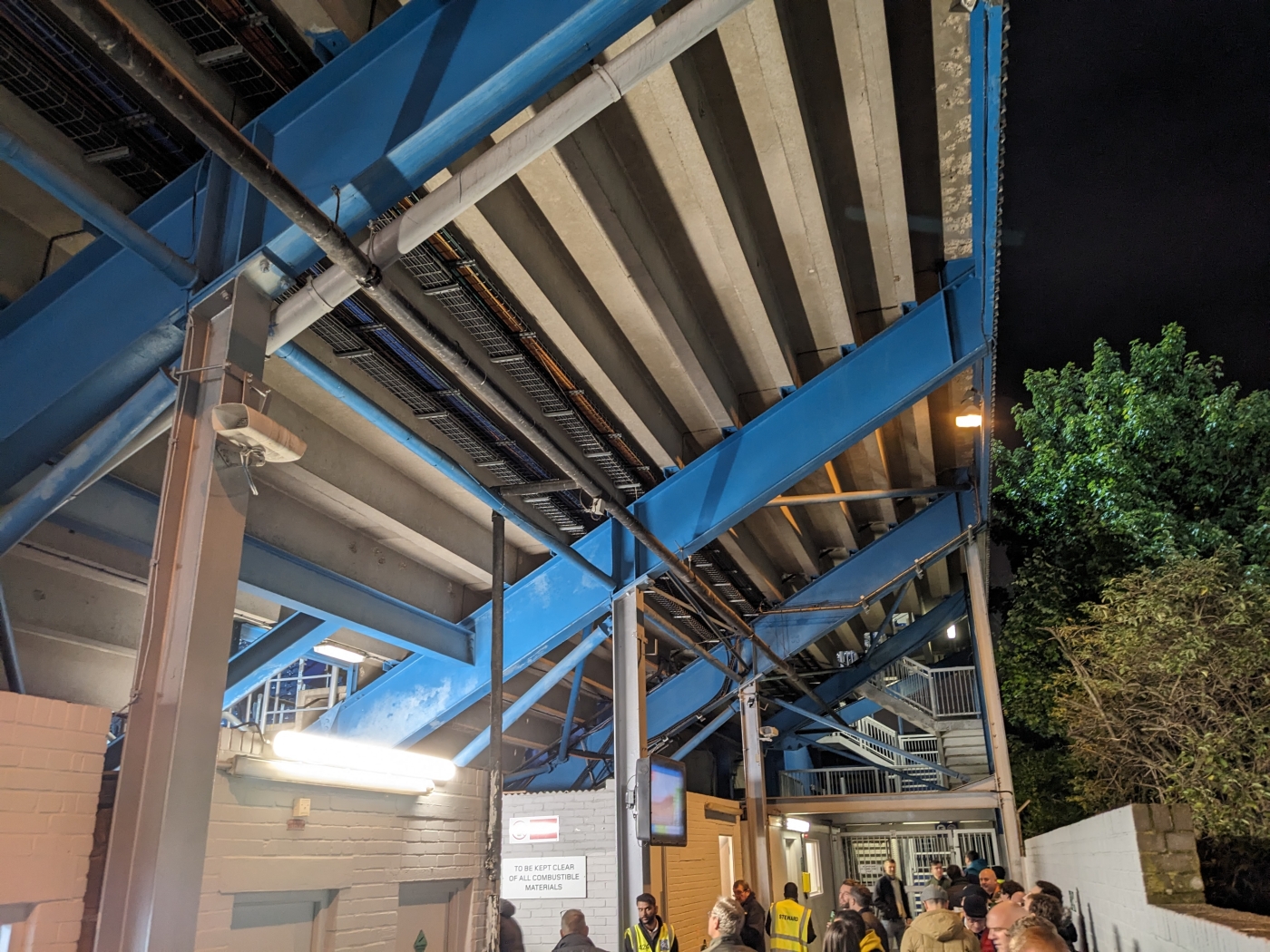
Like many historic grounds, Loftus Road has undergone significant transformations. Original wooden stands gave way to robust structures. A major renovation in the early 1980s installed a new main stand on South Africa Road, modernising the facility. Further changes in the 1990s, following the Taylor Report, saw terraces converted to seated areas, reducing capacity but enhancing safety for its around 18,000 spectators. The stadium also briefly hosted rugby club London Wasps and, for two seasons, fellow London club Fulham F.C., during their Craven Cottage redevelopment.
The Roar of the Rangers
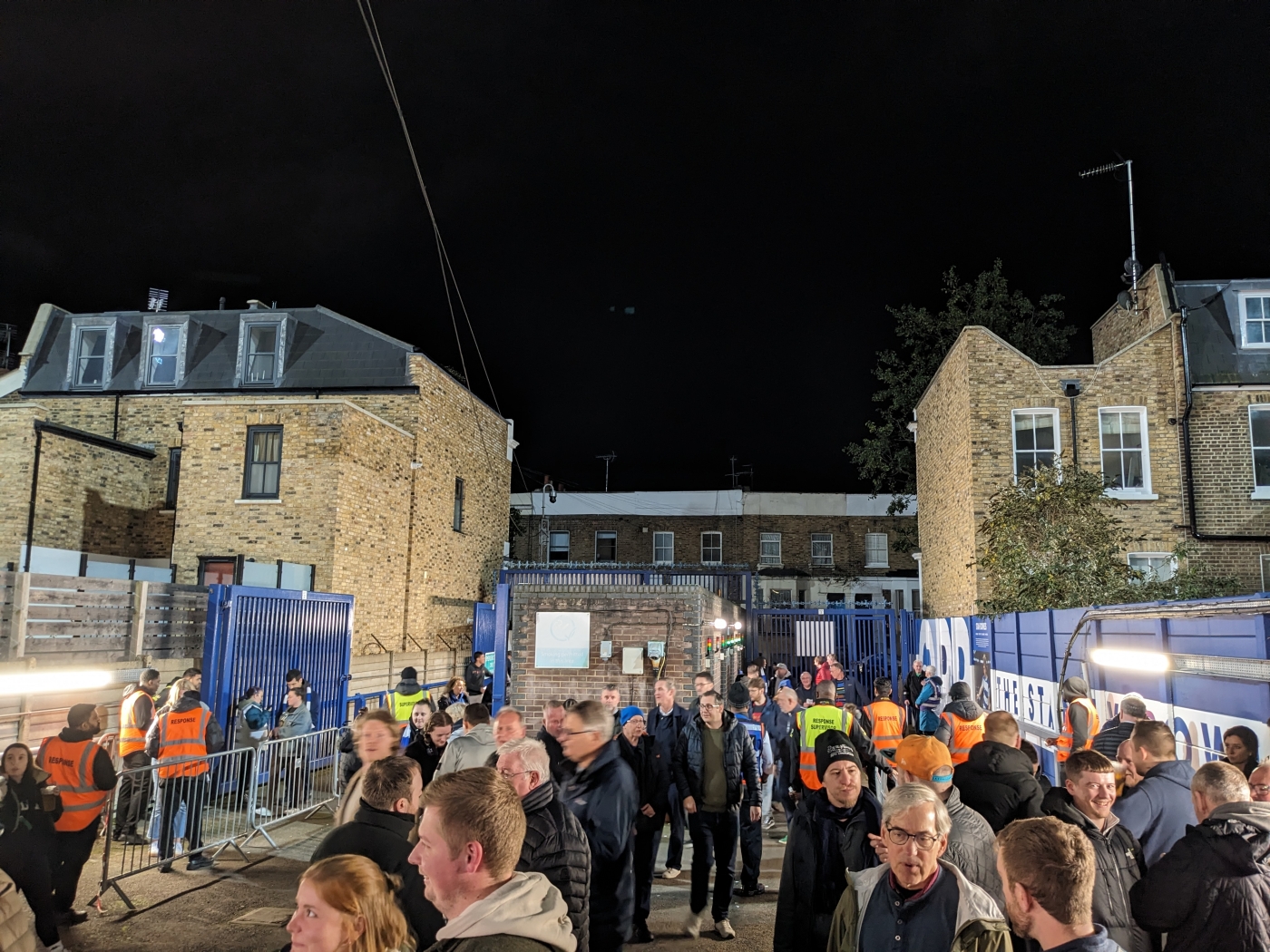
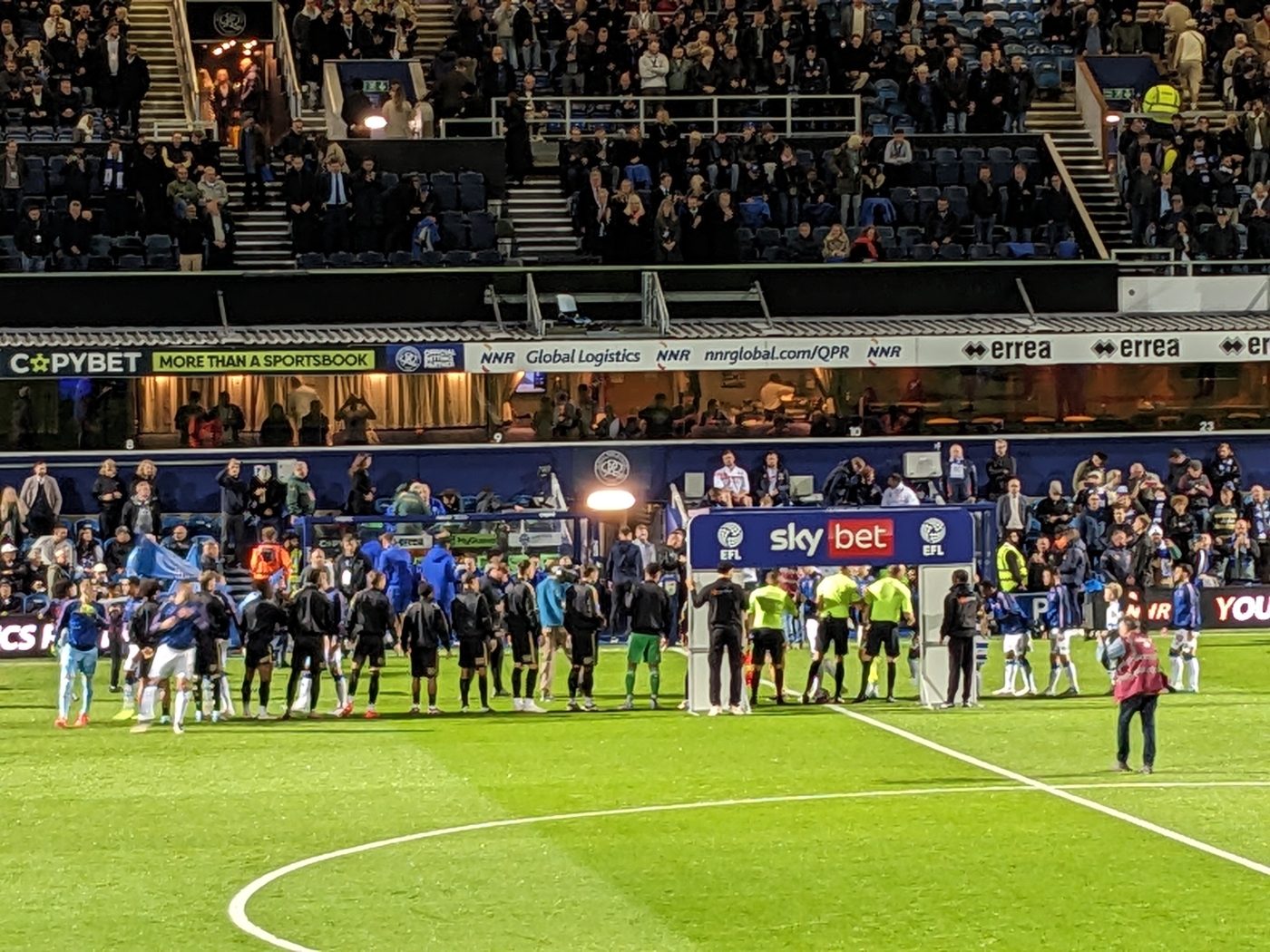
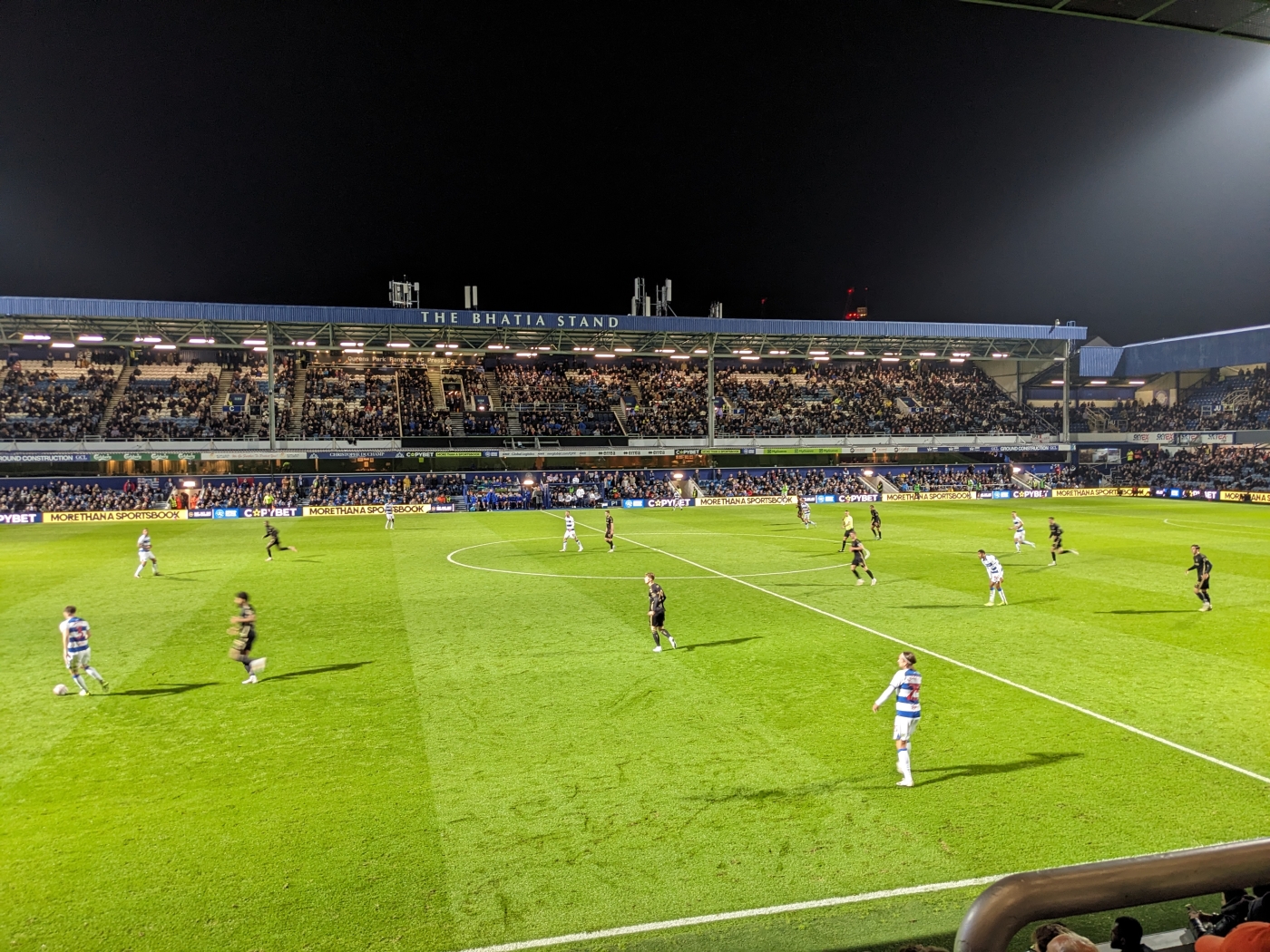
What truly defines Loftus Road is its unique atmosphere. Its compact size and the close proximity of the stands to the pitch create an intense, intimidating environment for visiting teams, especially on a match day when the faithful QPR supporters are in full voice. It's a ground that breathes football, where every shout, tackle, and goal reverberates with a tangible force. Iconic moments, from thrilling cup runs to hard-fought league victories, are etched into its memory, cementing its place as a cherished landmark in English football history. Though discussions about a potential new stadium have surfaced periodically, Loftus Road remains the spiritual home of the Hoops, a testament to its enduring legacy.