Heinz-von-Heiden-Arena
Niedersachsenstadion
Robert-Enke-Straße 3, Hannover, Germany
About the Stadium:
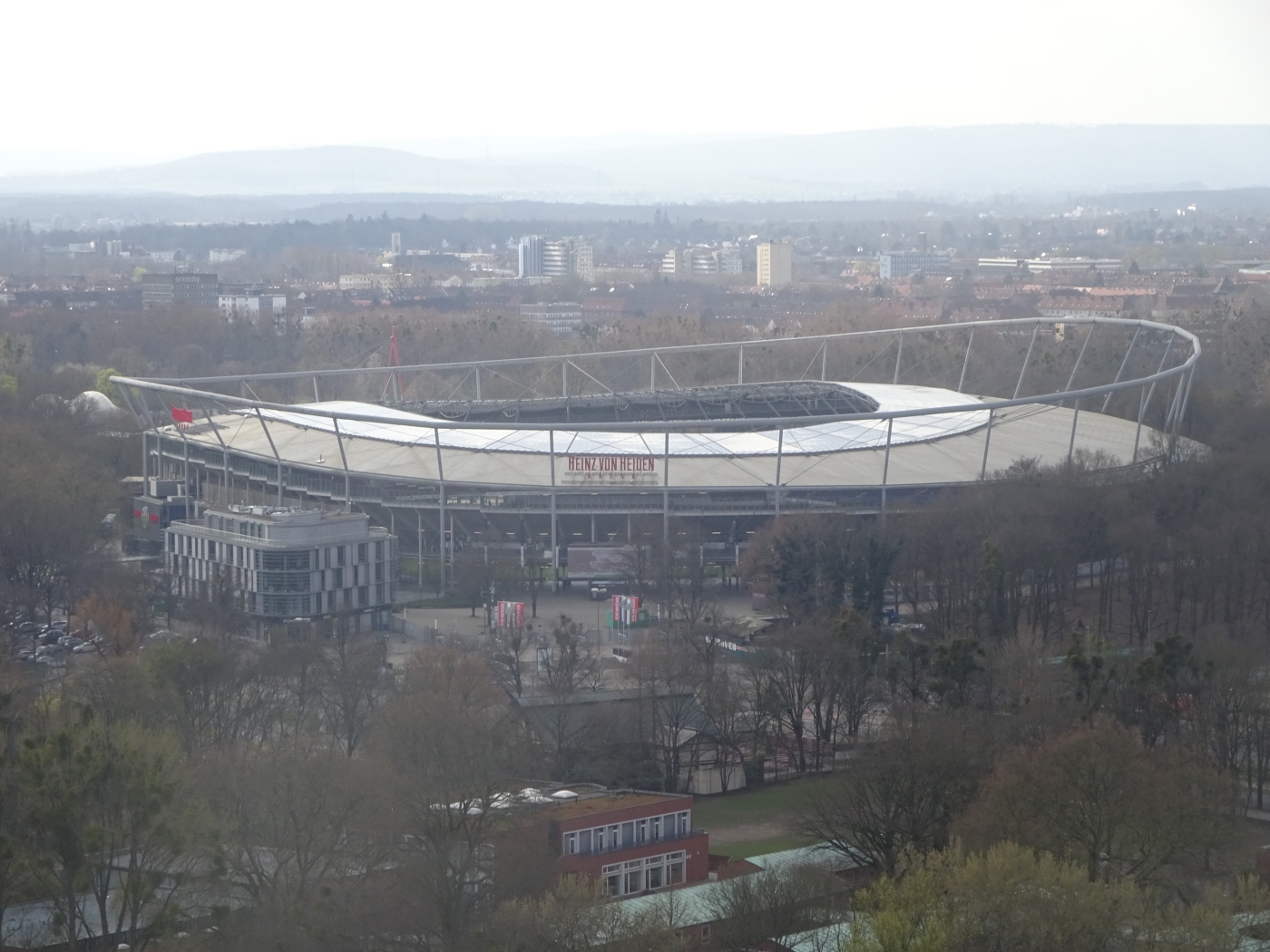
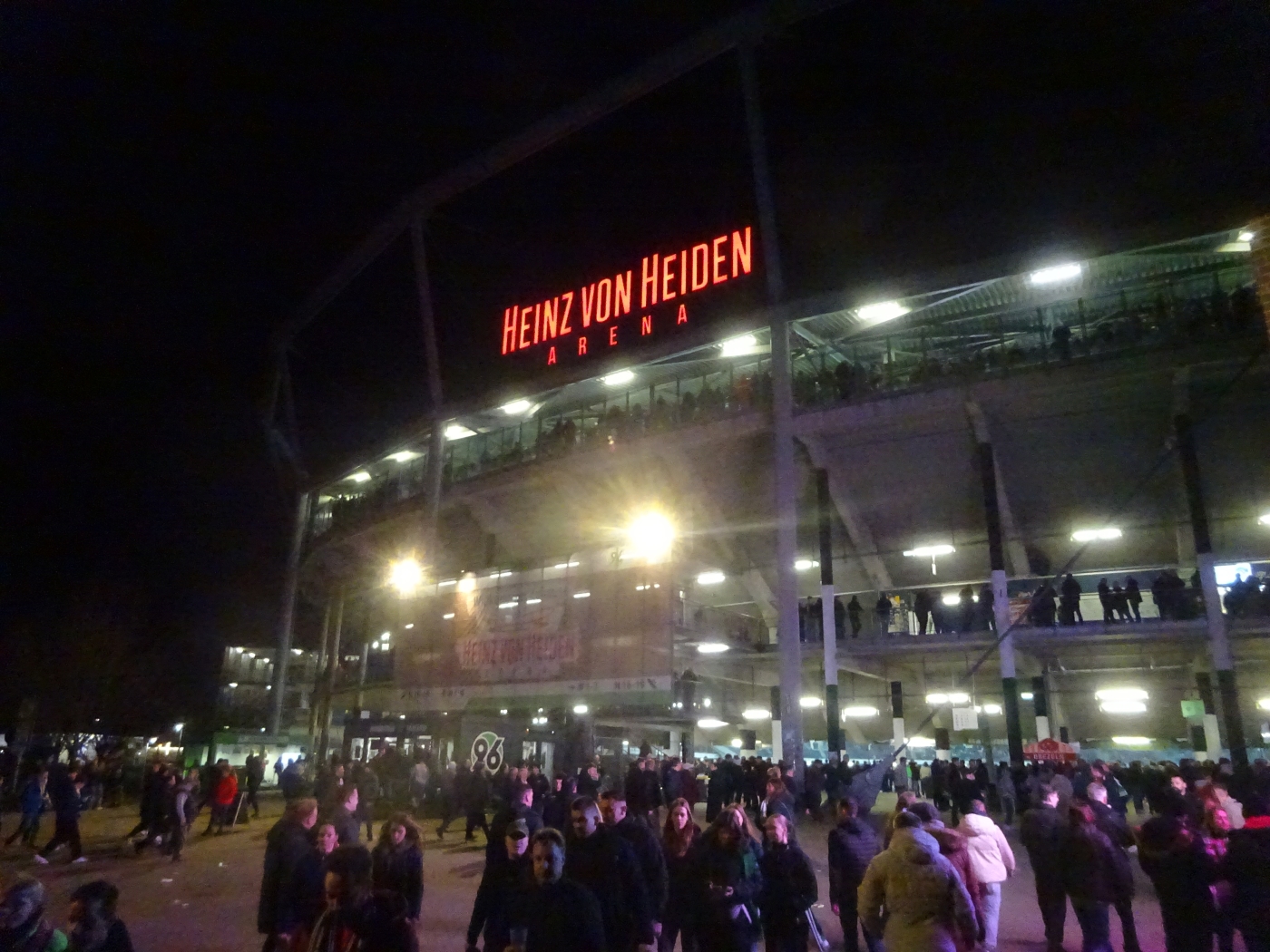
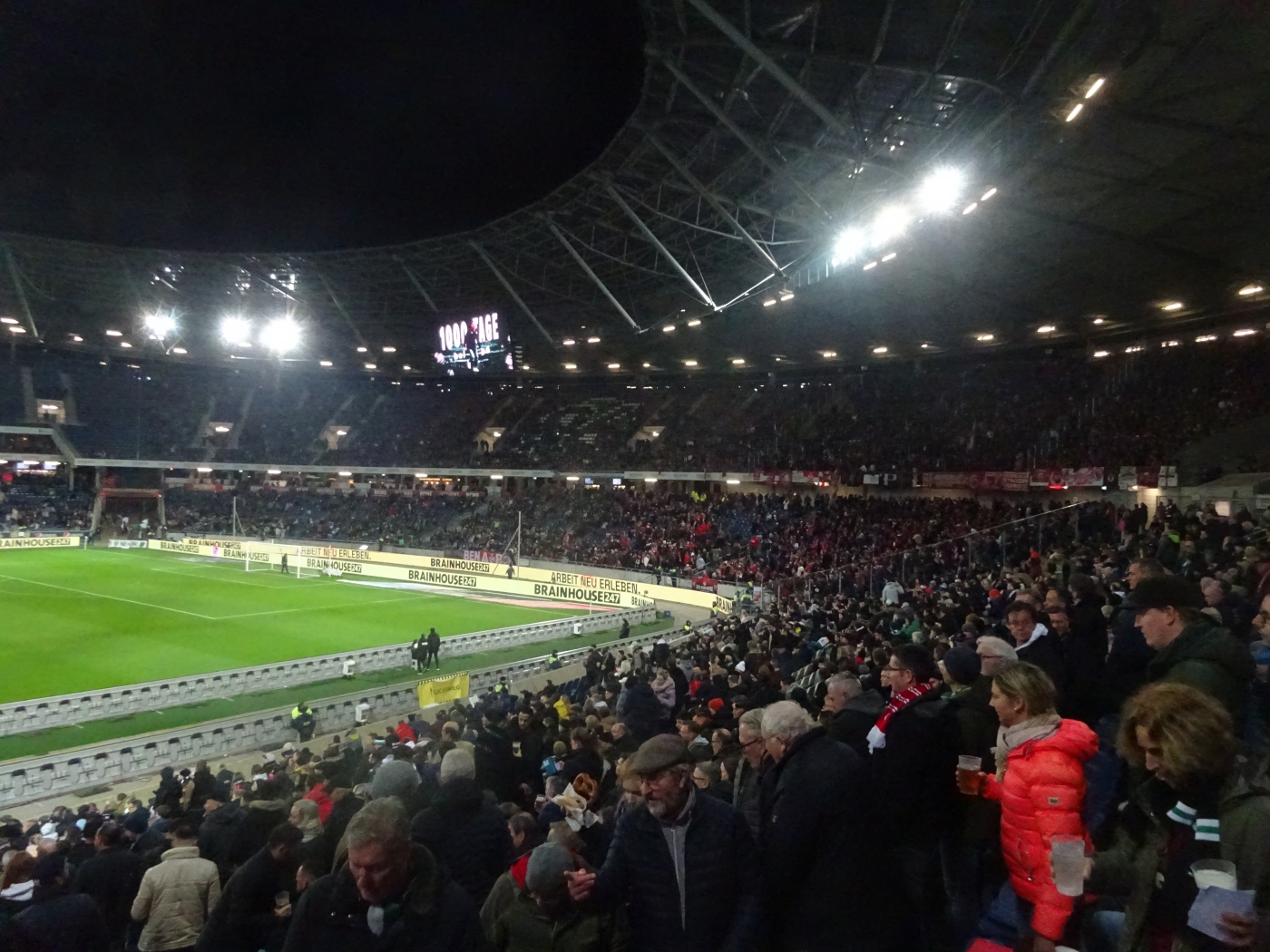
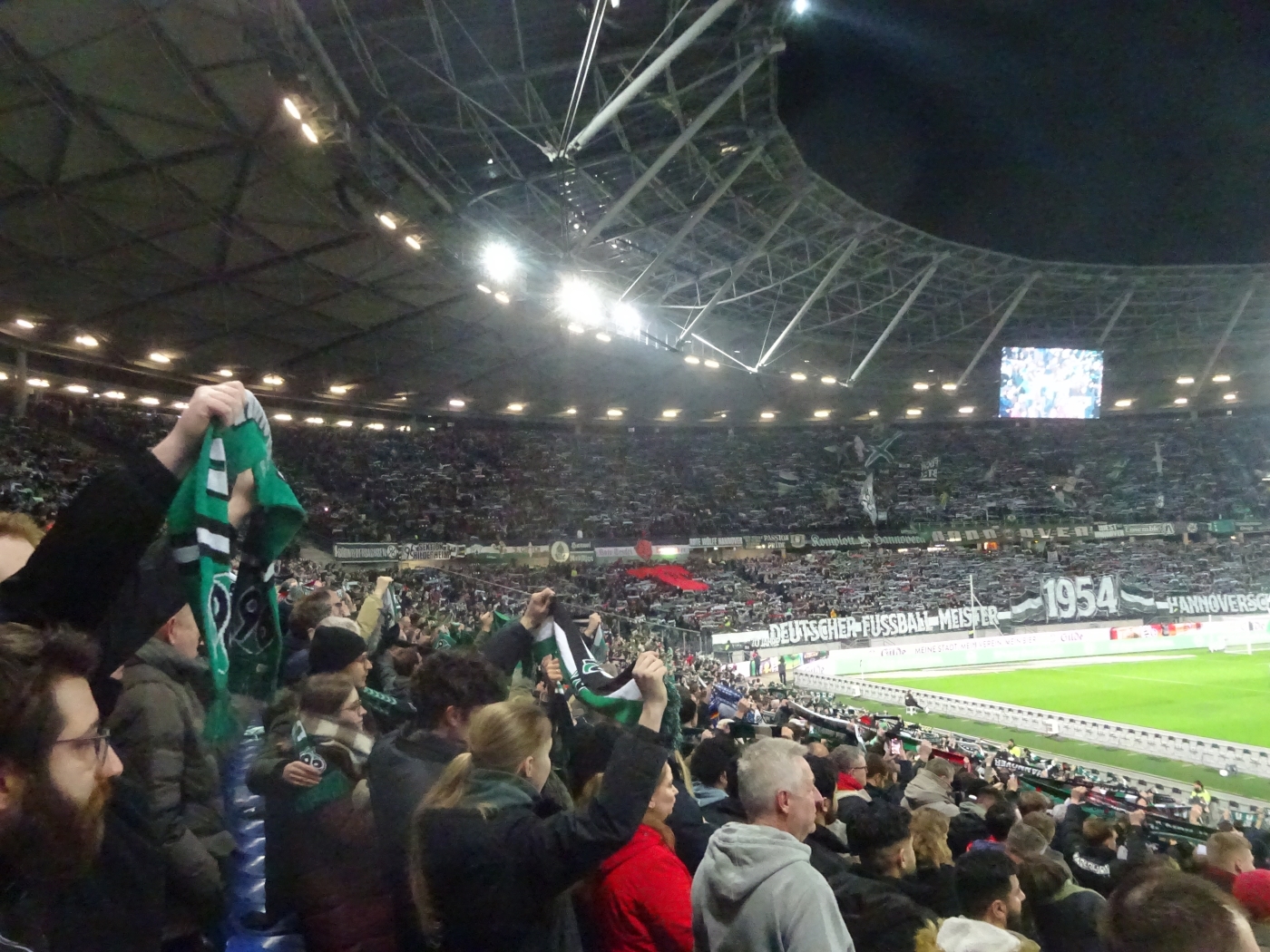
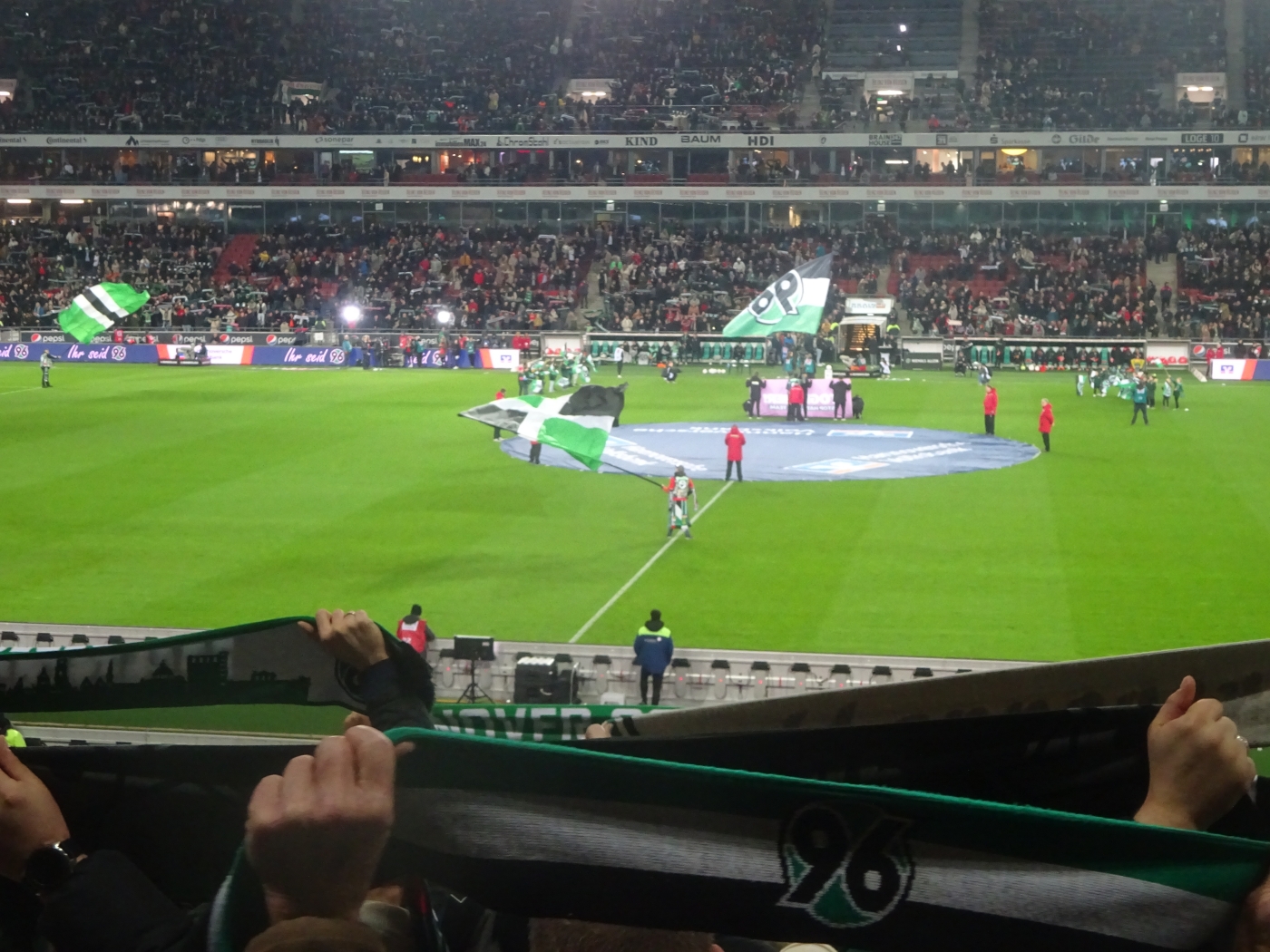
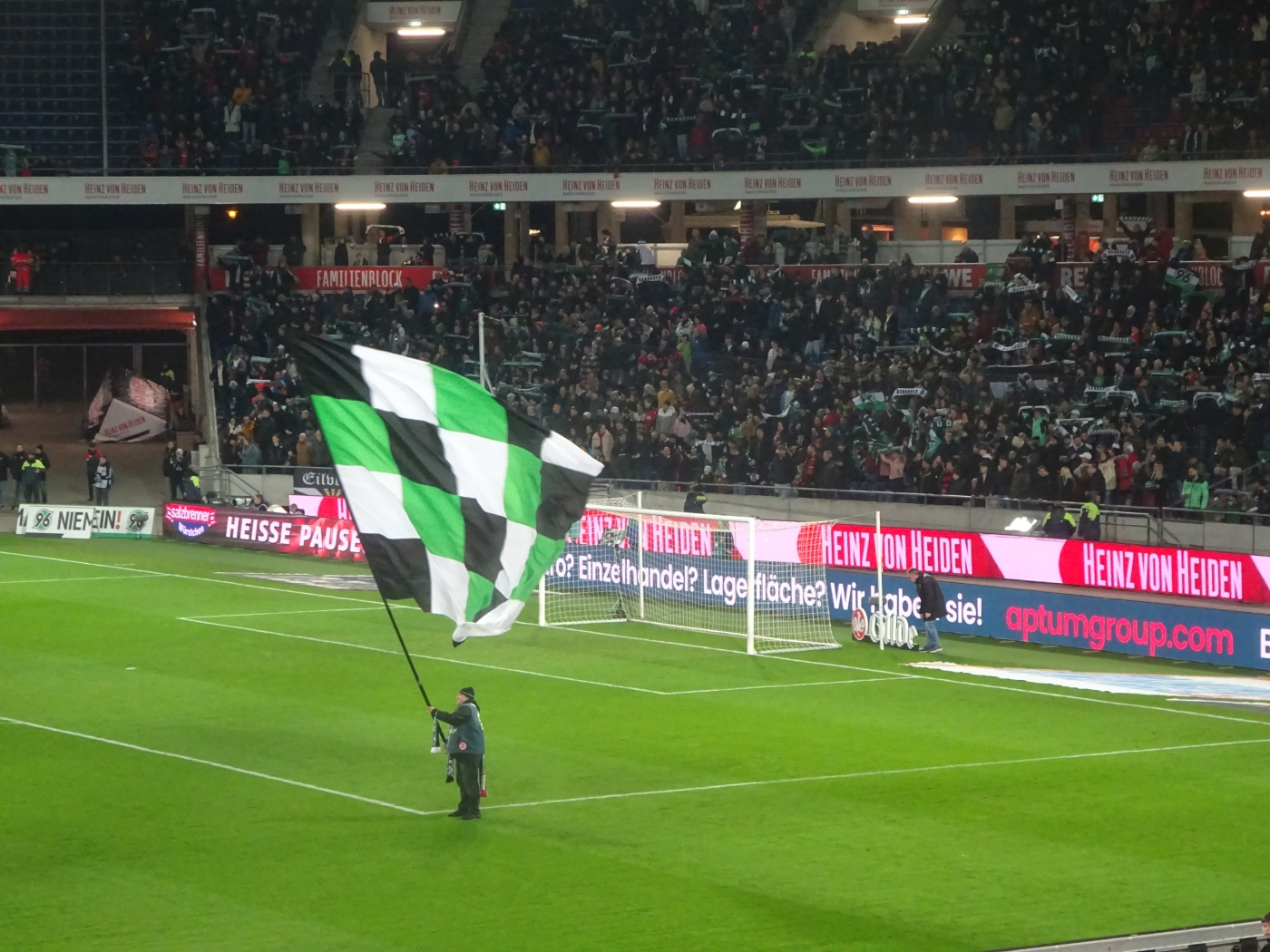
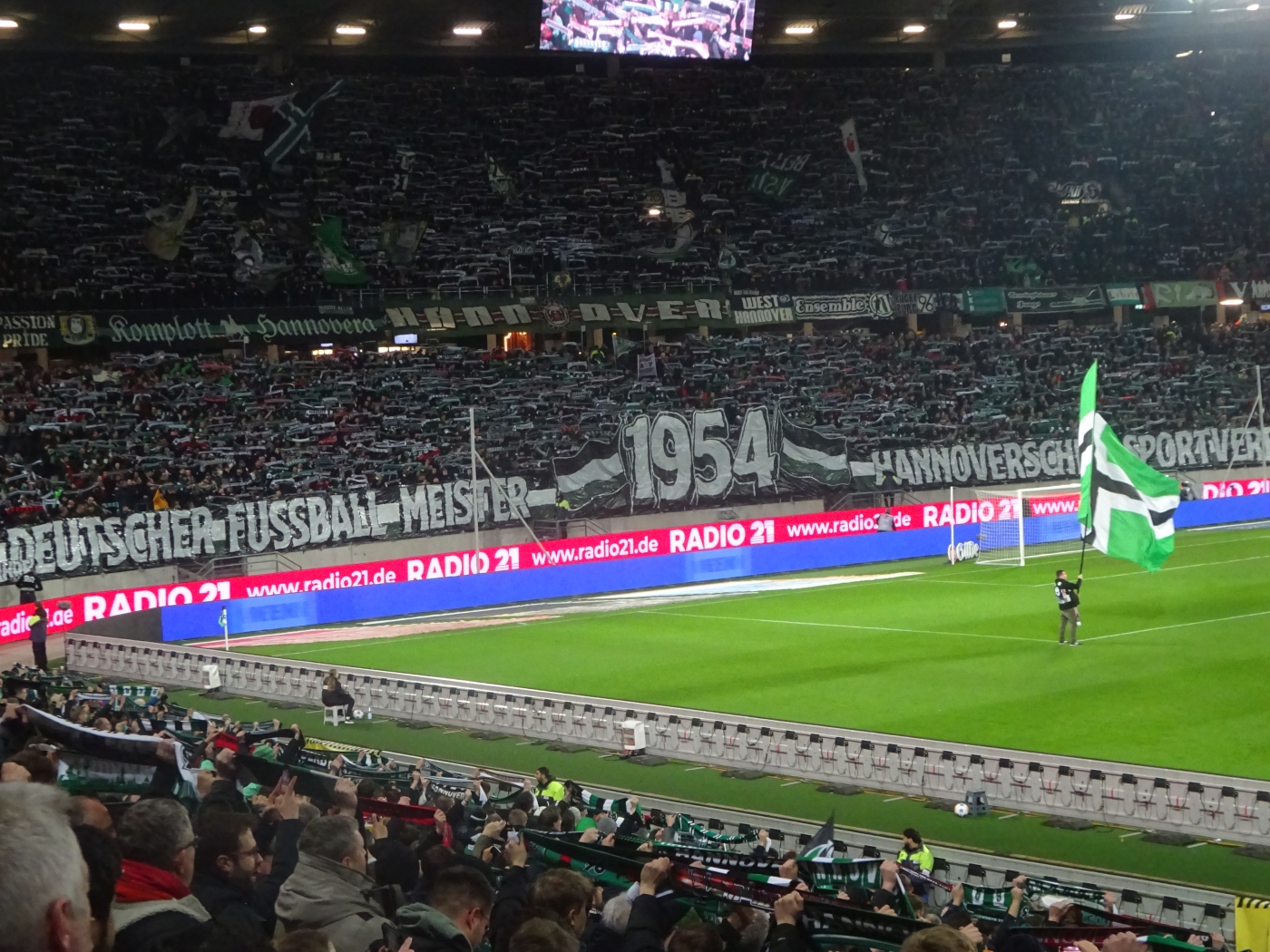
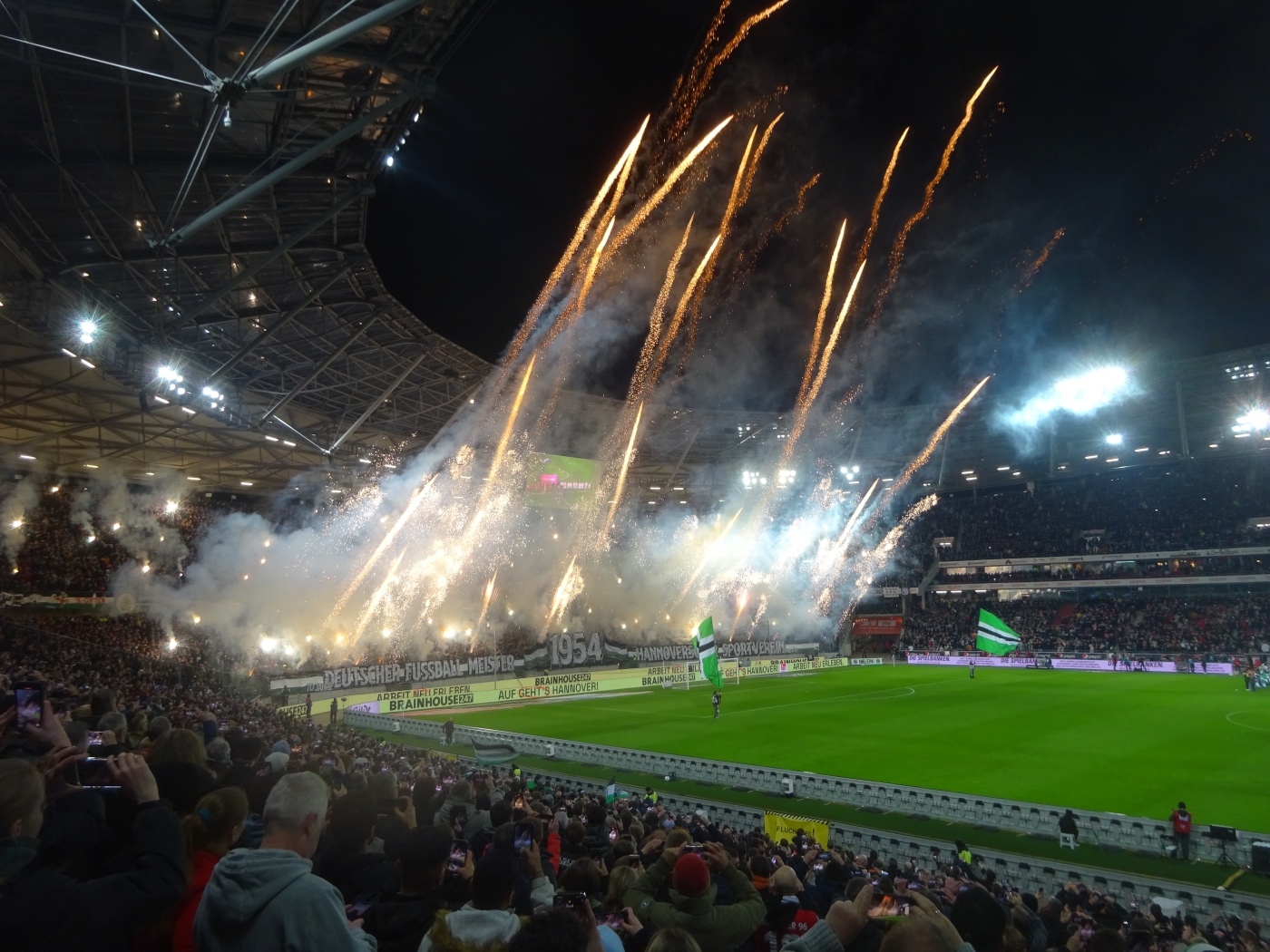
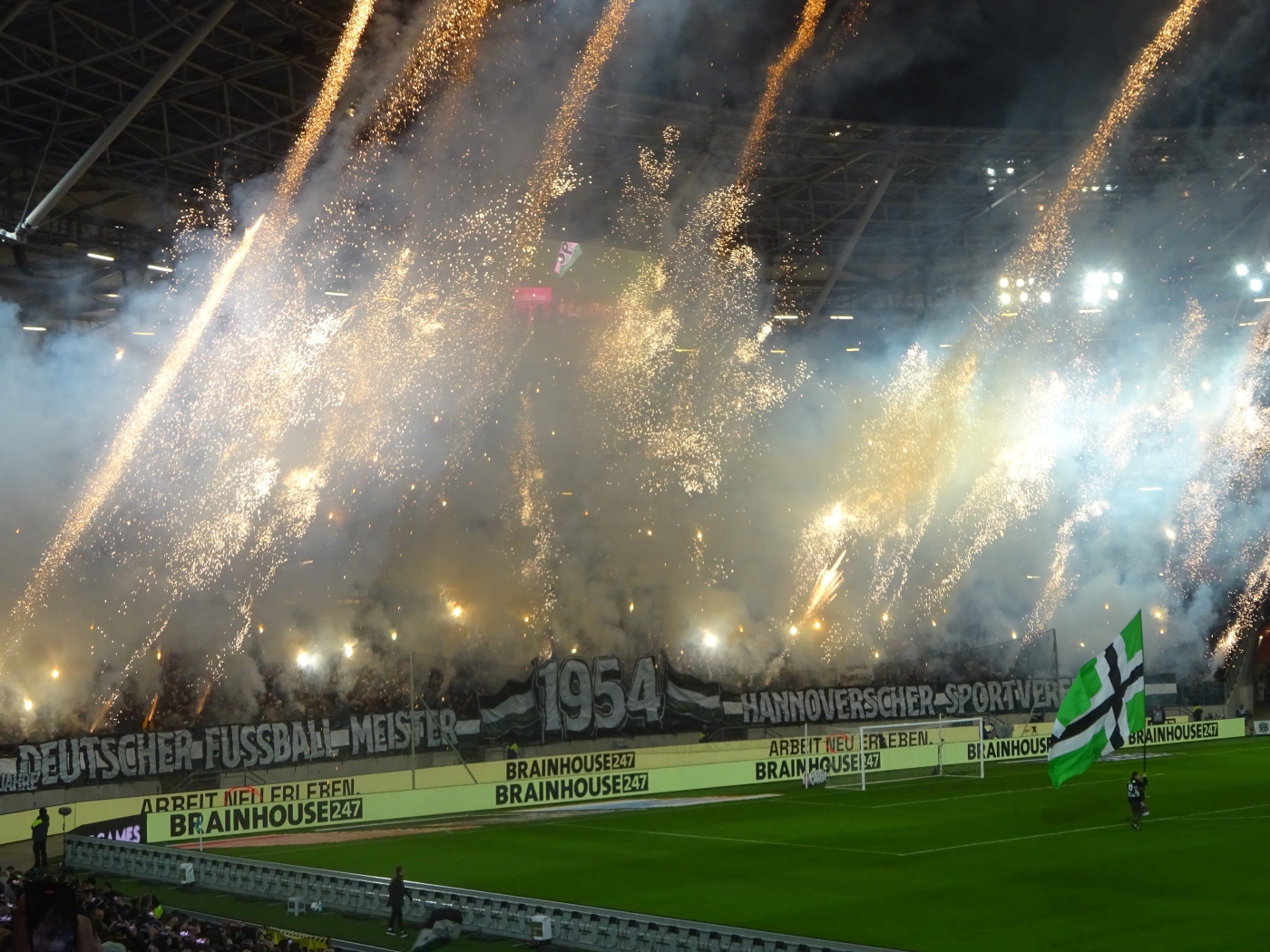
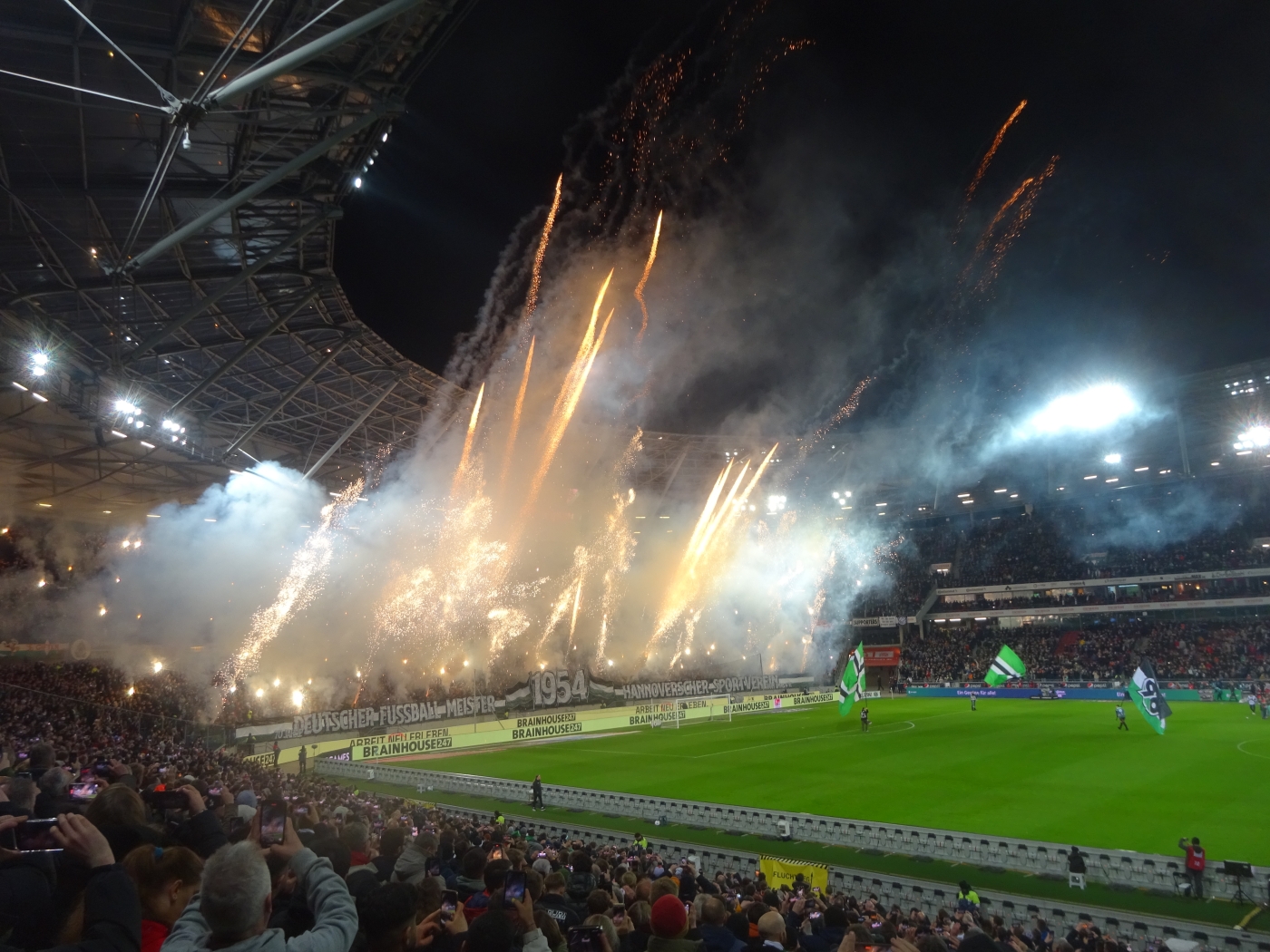
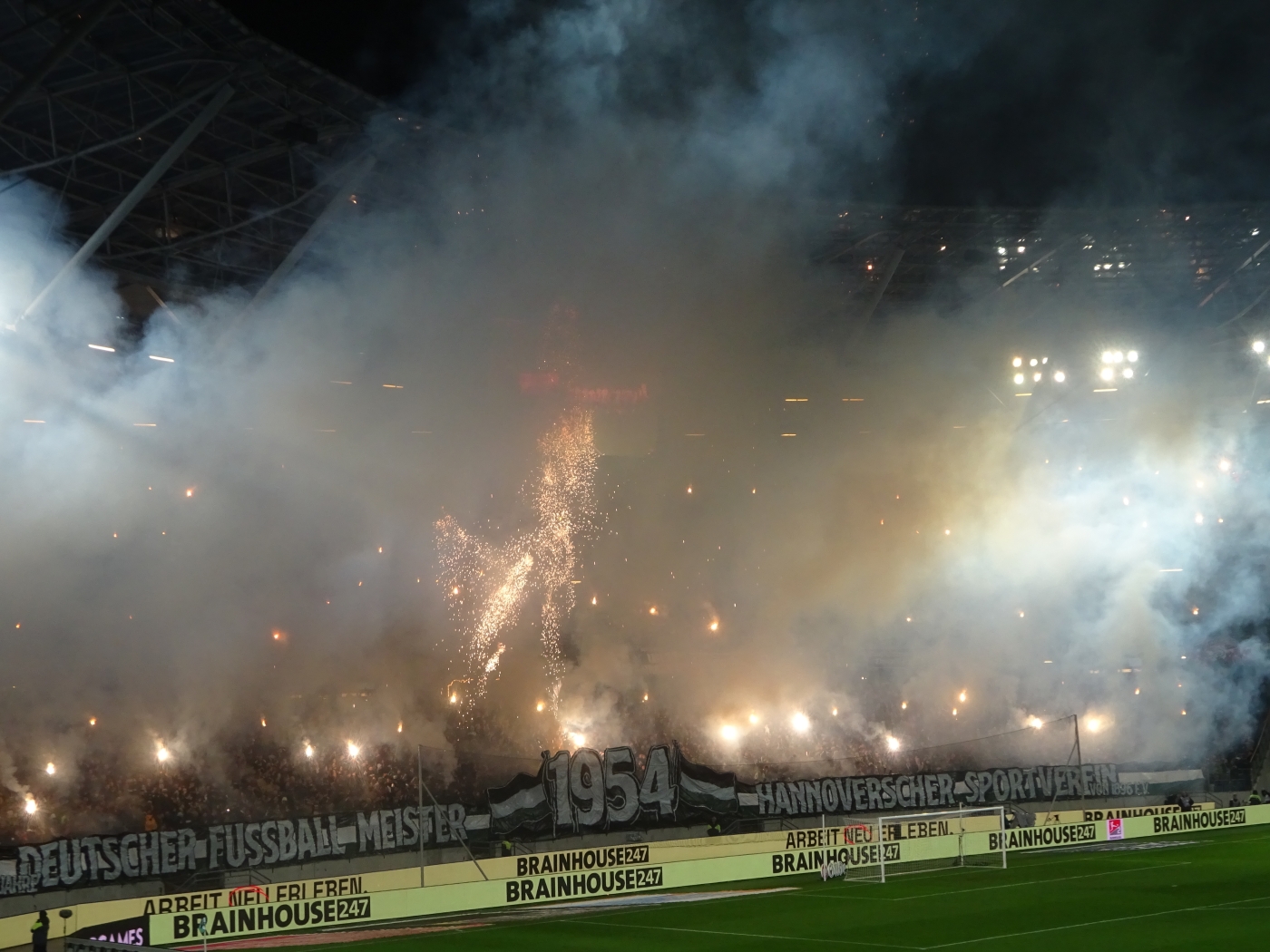
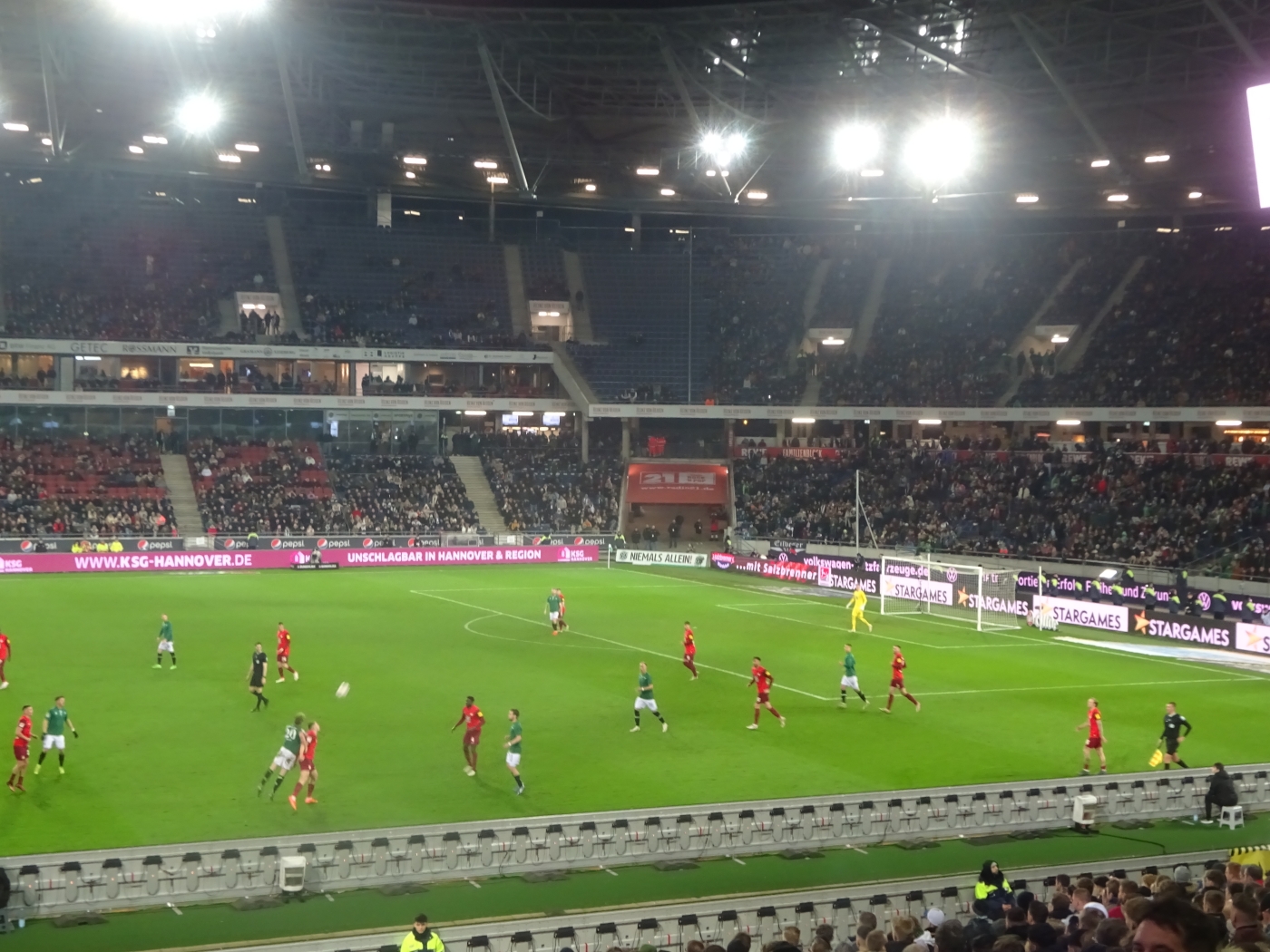
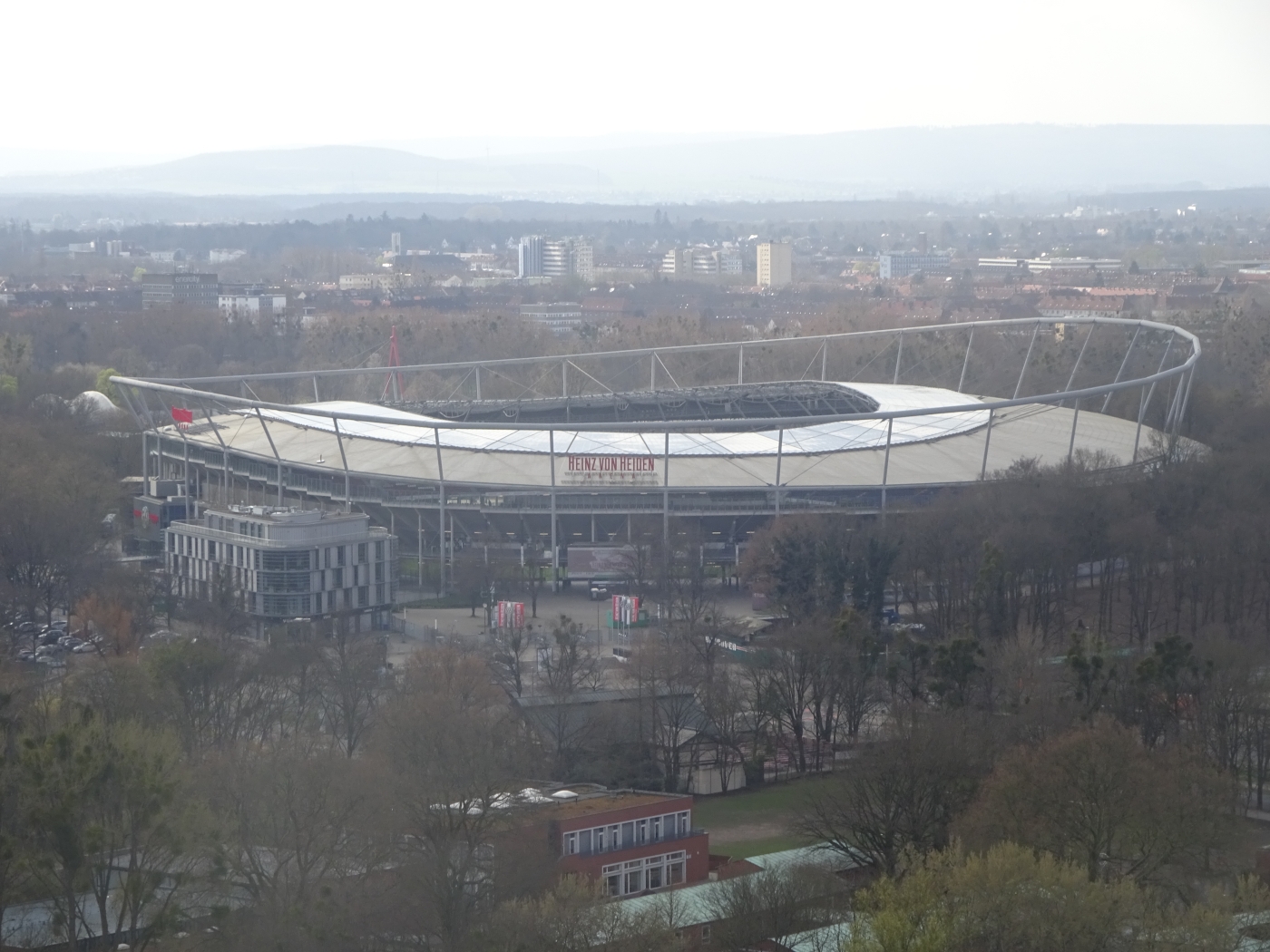
The **Heinz-von-Heiden-Arena** in **Hannover**, Germany, stands as a modern beacon of football, yet its foundations are steeped in a rich history reflecting the city's resilience and passion for the beautiful game. Home to **Hannover 96**, this stadium has witnessed decades of thrilling matches and significant moments, evolving from its post-war origins into the state-of-the-art venue it is today, a true landmark in **Lower Saxony**.
A Legacy Forged in Steel and Stone
Originally known as the **Niedersachsenstadion**, the arena first opened its gates in 1954. Its construction was a remarkable feat, largely utilizing debris from the city's bombed buildings after World War II, a testament to **Hannover**'s spirit of reconstruction. This initial multi-purpose stadium quickly became a symbol of renewal, hosting not just football but also athletics and other events. Over the years, it adapted to the changing demands of professional football, notably undergoing significant renovations for both the 1974 FIFA World Cup and the 2006 FIFA World Cup, where it proudly showcased international football to millions. These global tournaments etched the stadium into the annals of football history, demonstrating its capacity to host world-class events.
Evolution of a Landmark
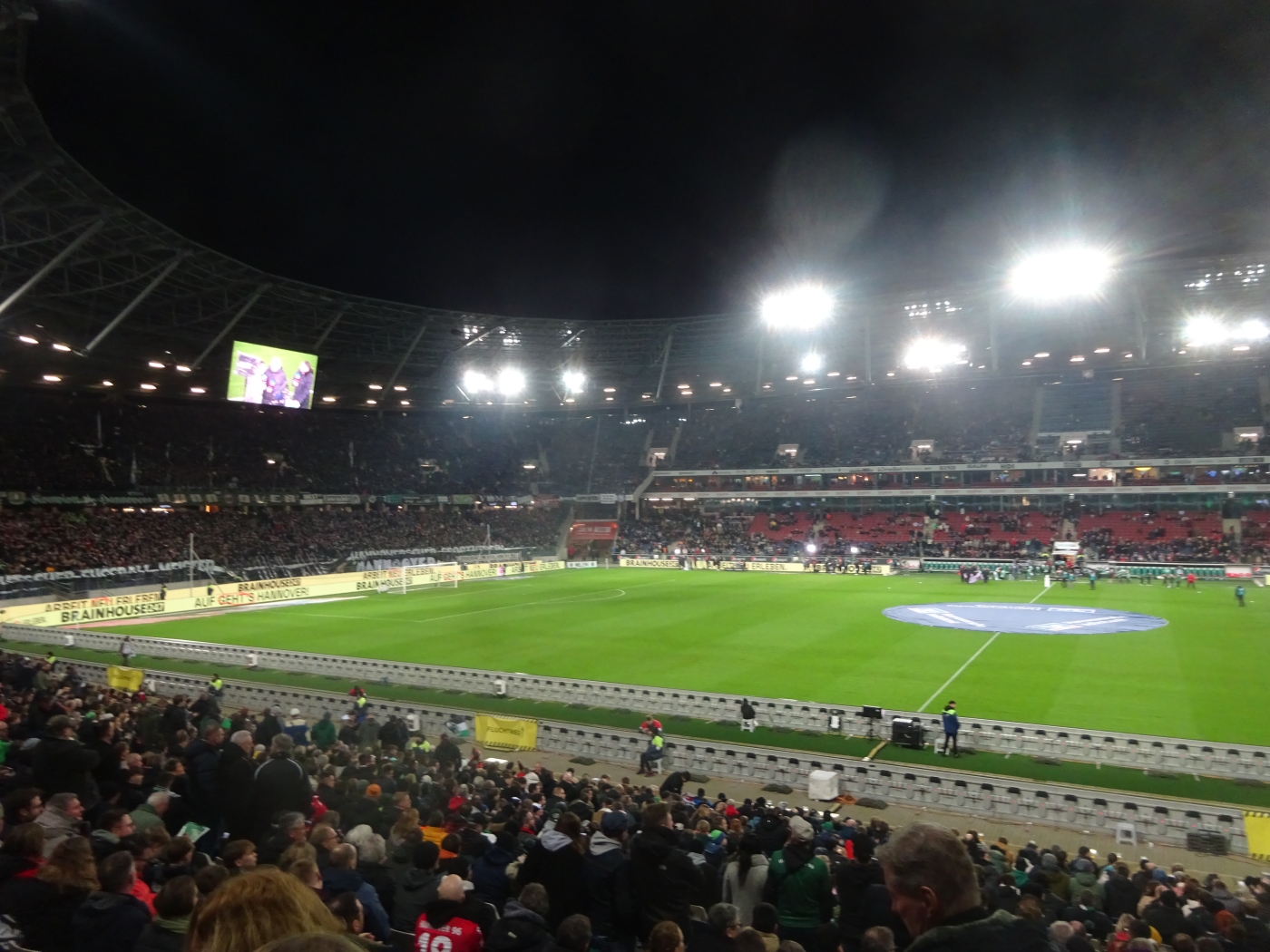
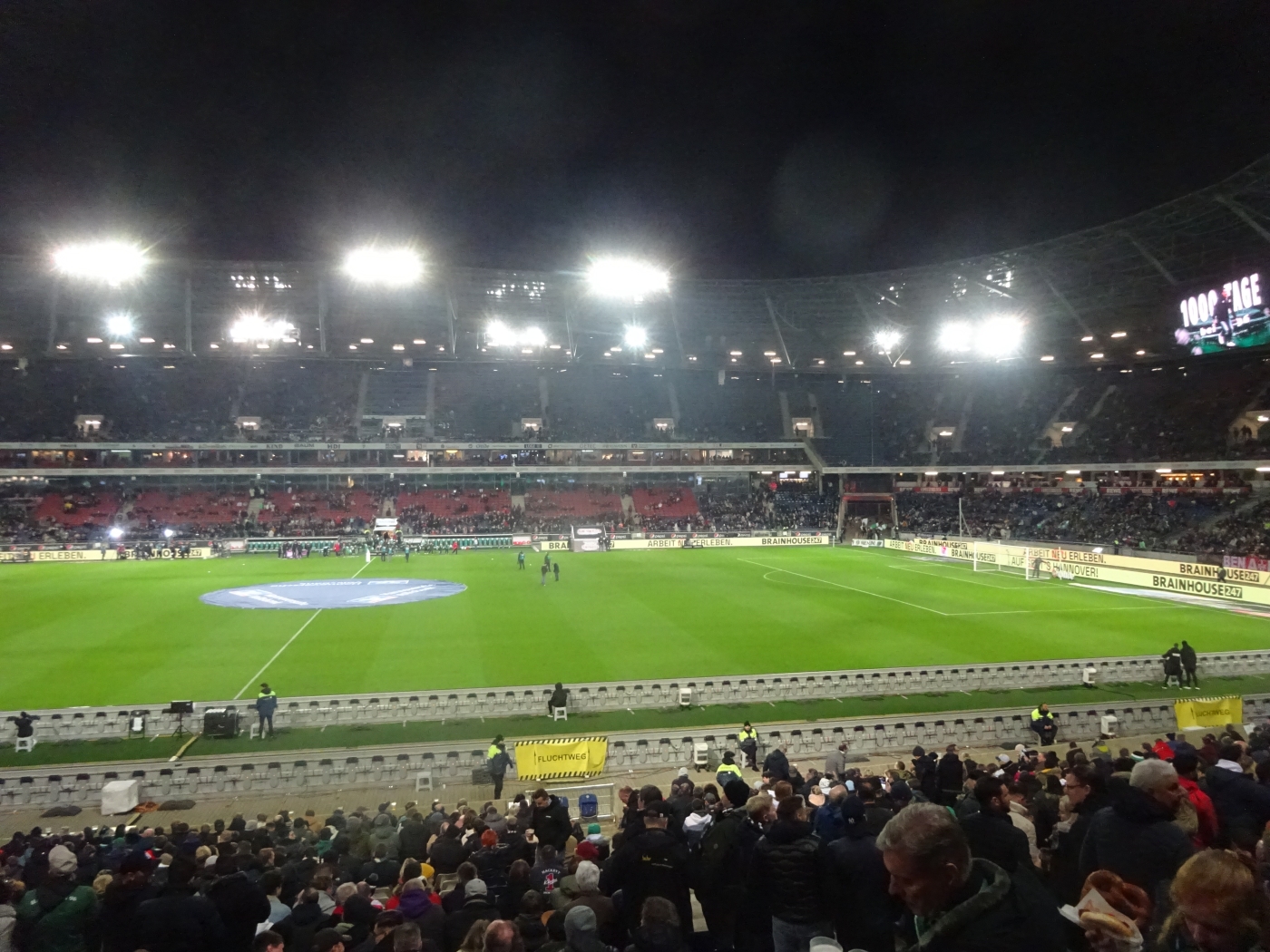
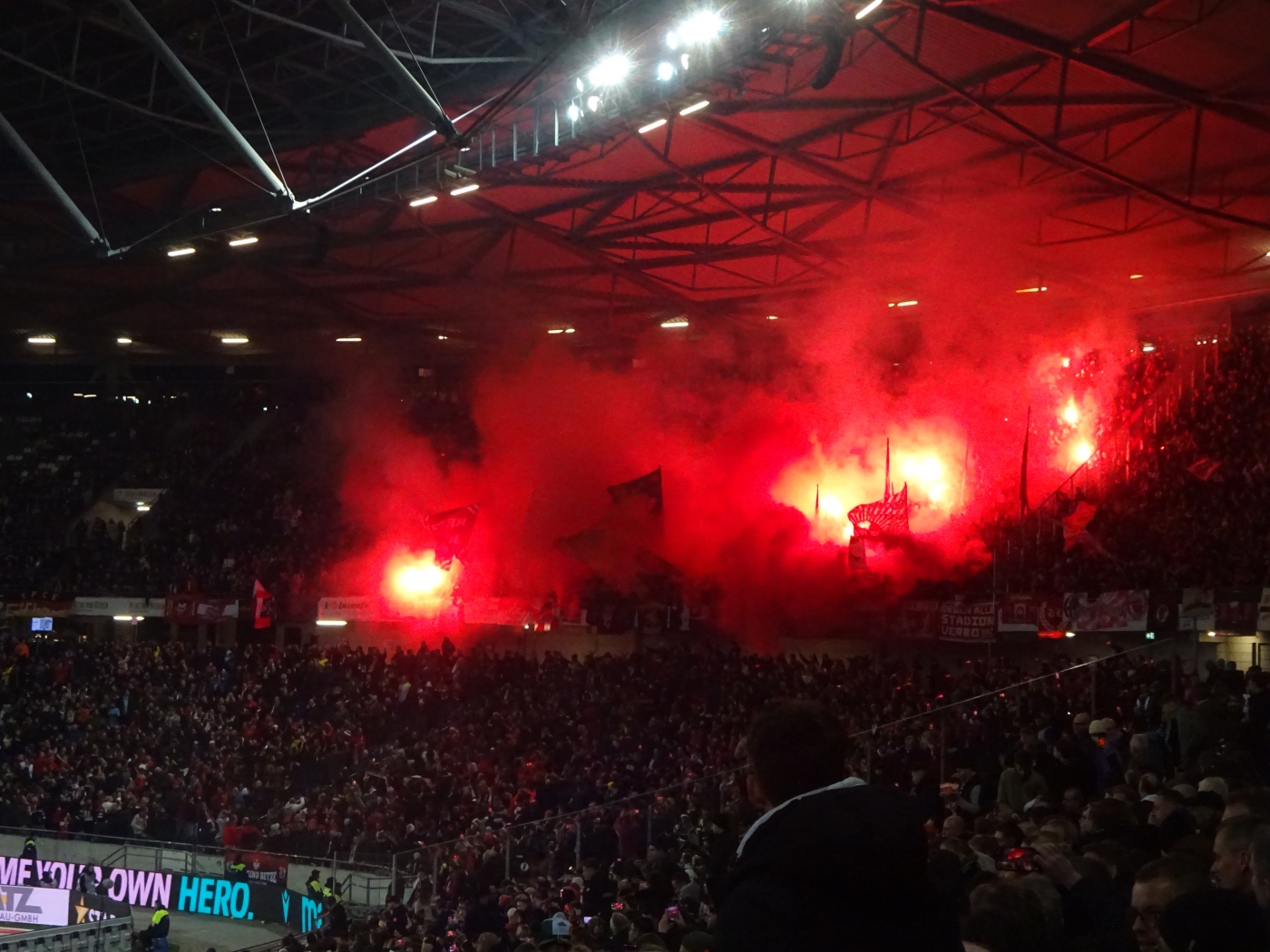
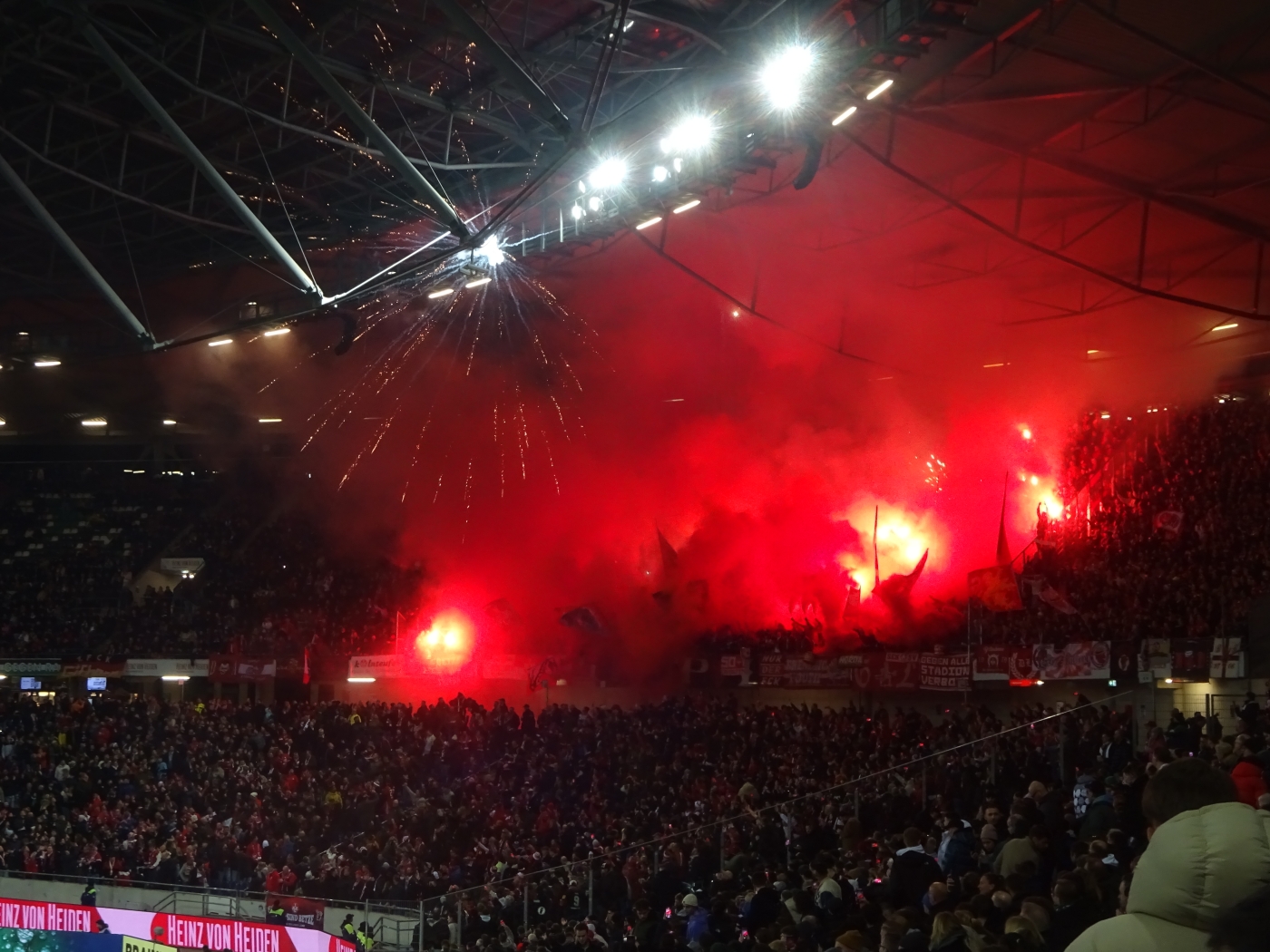
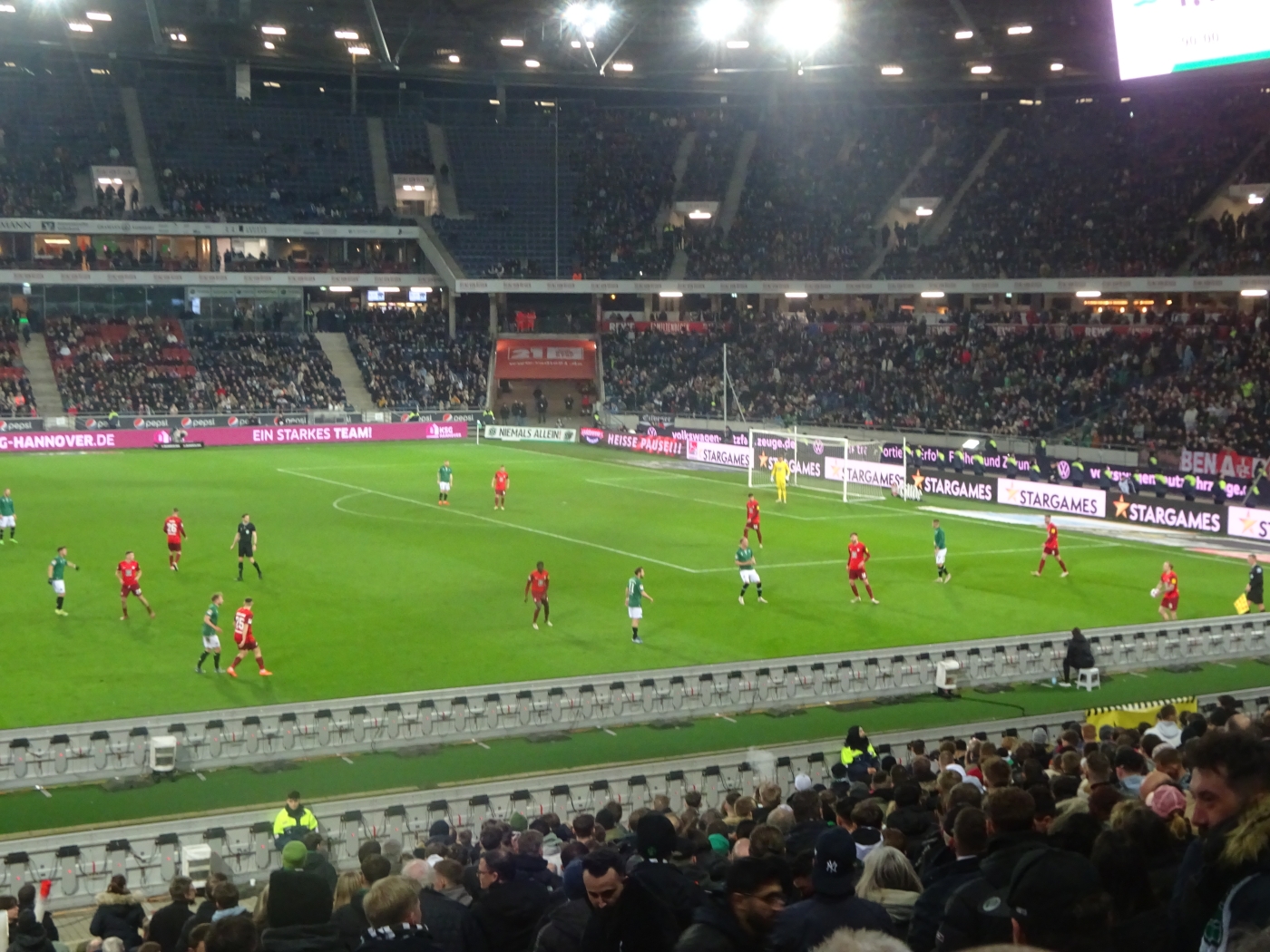
The stadium's identity has shifted through various naming rights agreements, reflecting the modern commercial landscape of sports. From its iconic original name, it transitioned to the **AWD-Arena**, then the **HDI Arena**, before adopting its current moniker, the **Heinz-von-Heiden-Arena**. Despite these changes, its soul remains firmly rooted in **Hannover**'s football culture. With a capacity of approximately 49,000 for domestic matches, it consistently draws passionate crowds, especially for **Hannover 96**'s home games in the **2. Bundesliga**. The stadium’s design, particularly after its significant refurbishment in the early 2000s, offers excellent sightlines and a vibrant atmosphere, characteristic of German football.
Beyond the pitch, the arena stands as a central gathering point for the community, embodying the enduring connection between the city and its beloved football club. Its blend of historical significance and contemporary amenities ensures its place as a vital institution in German football, celebrating both the past and the future of the sport.