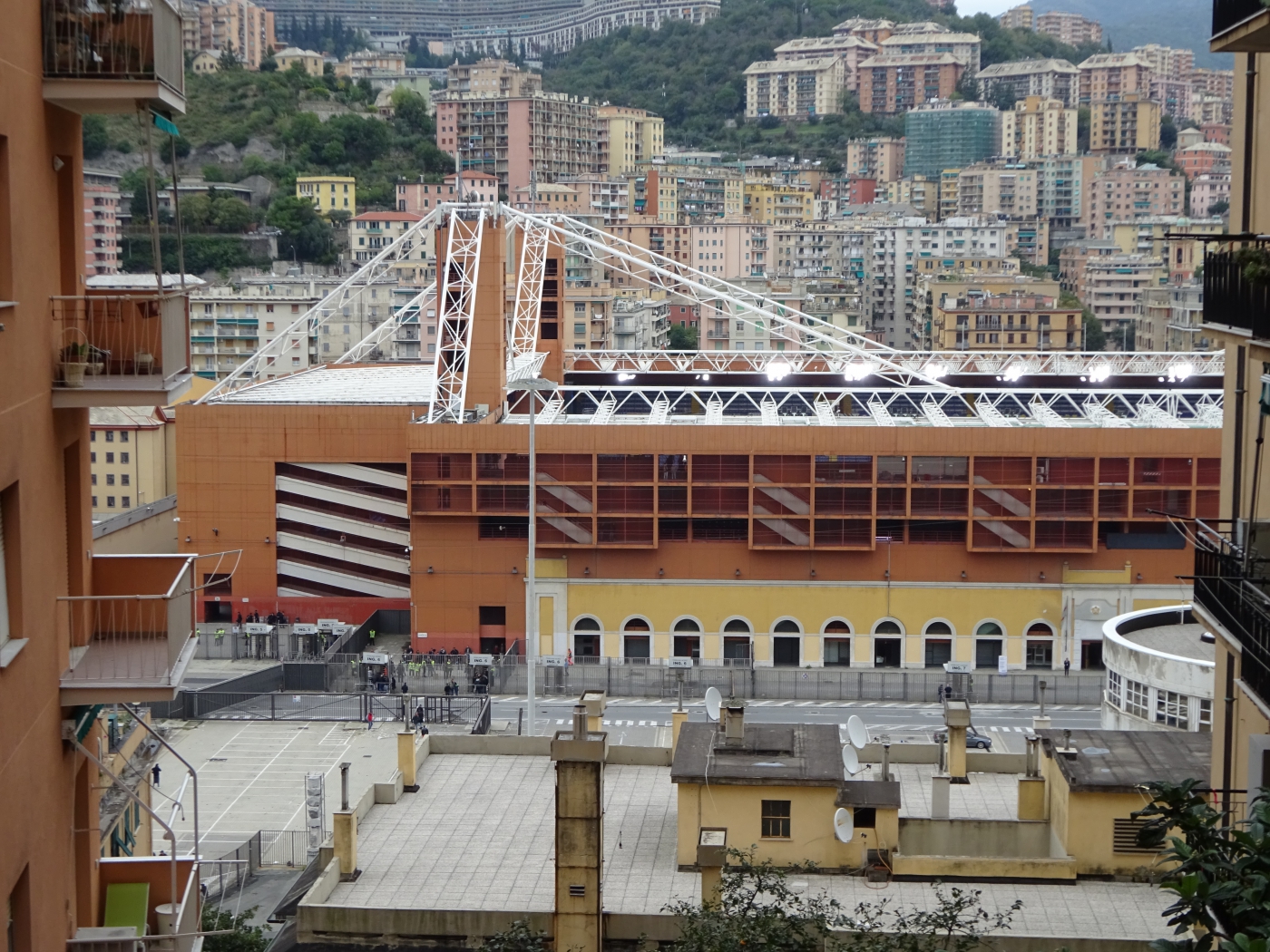
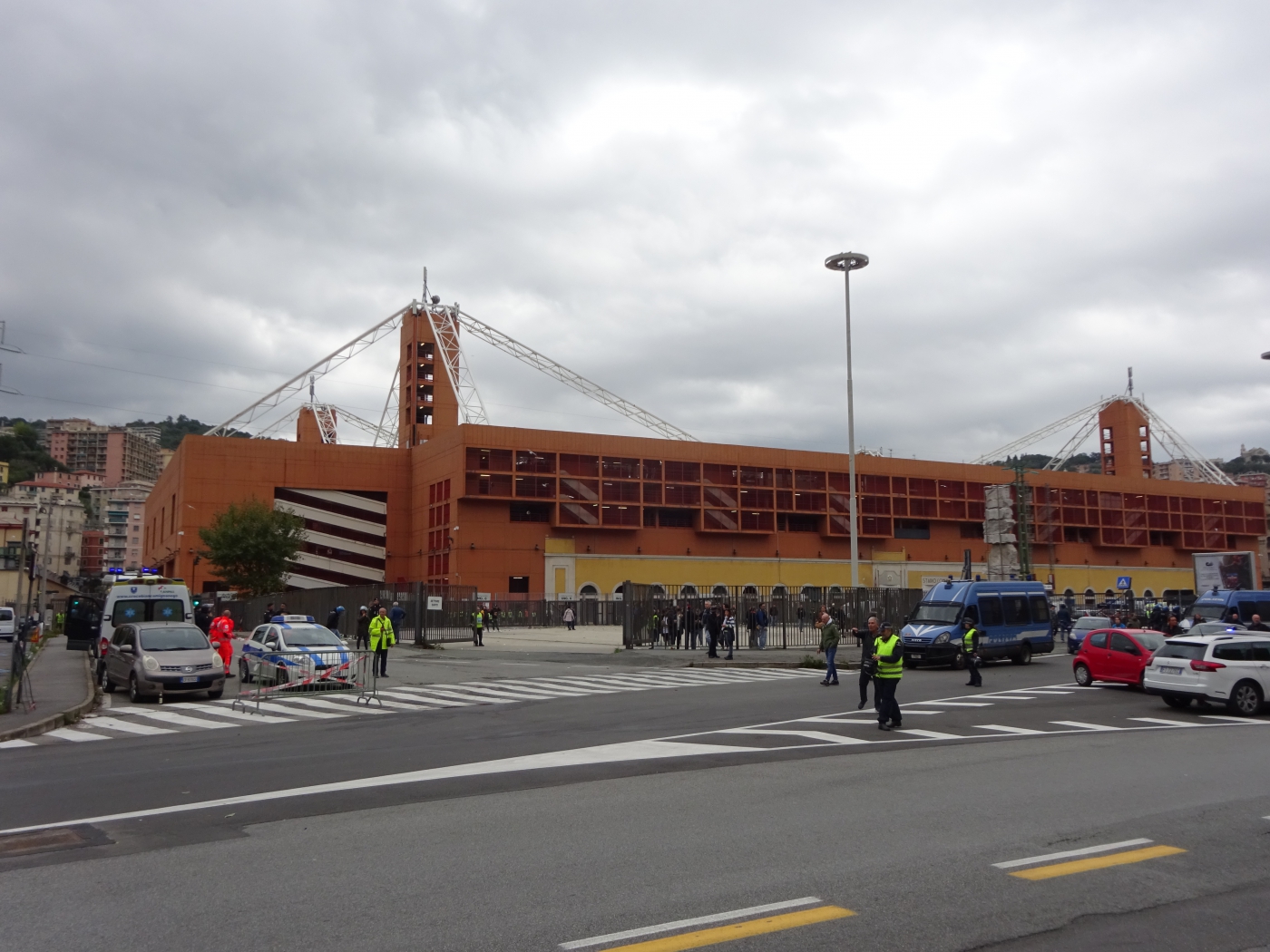
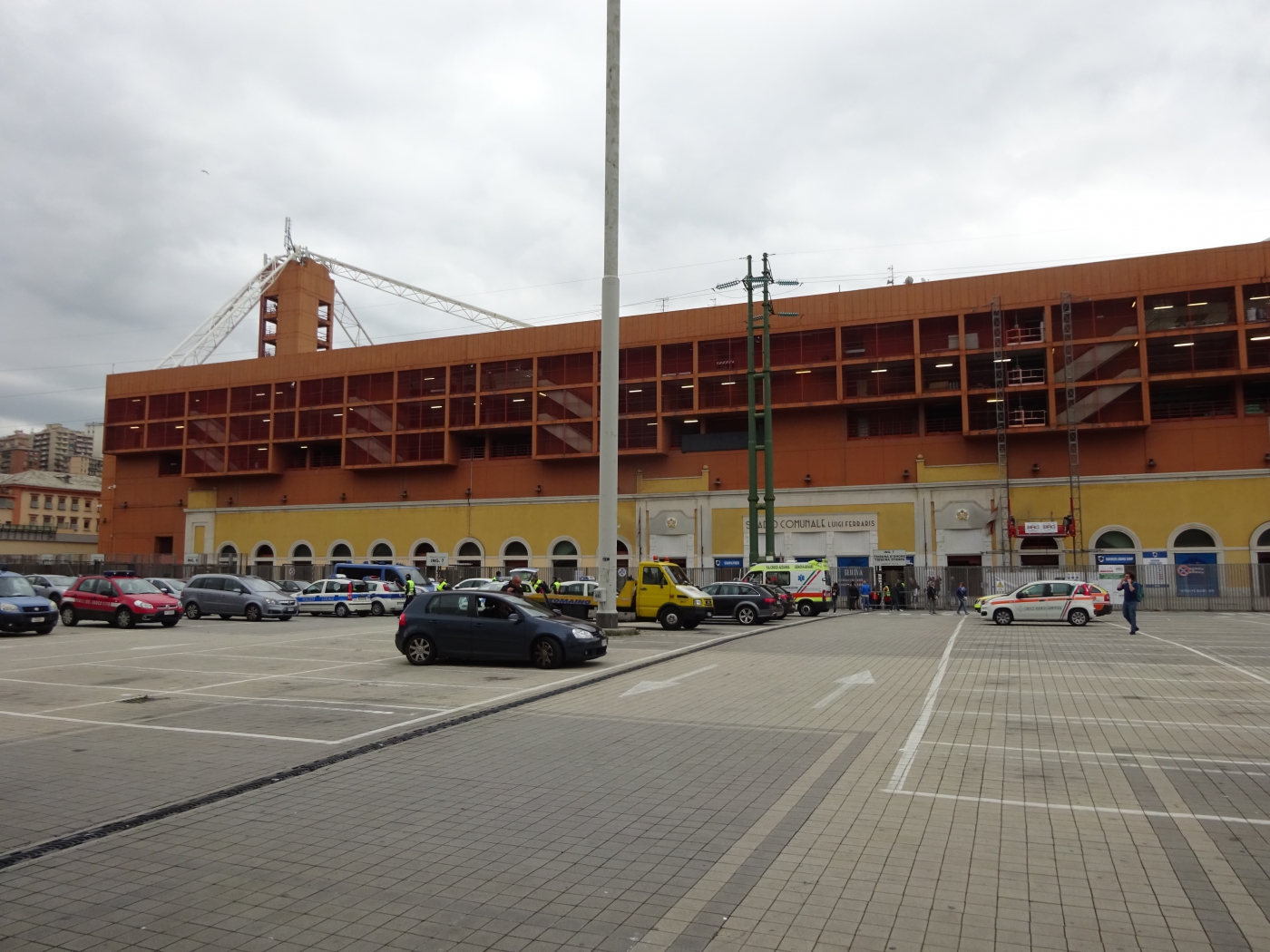
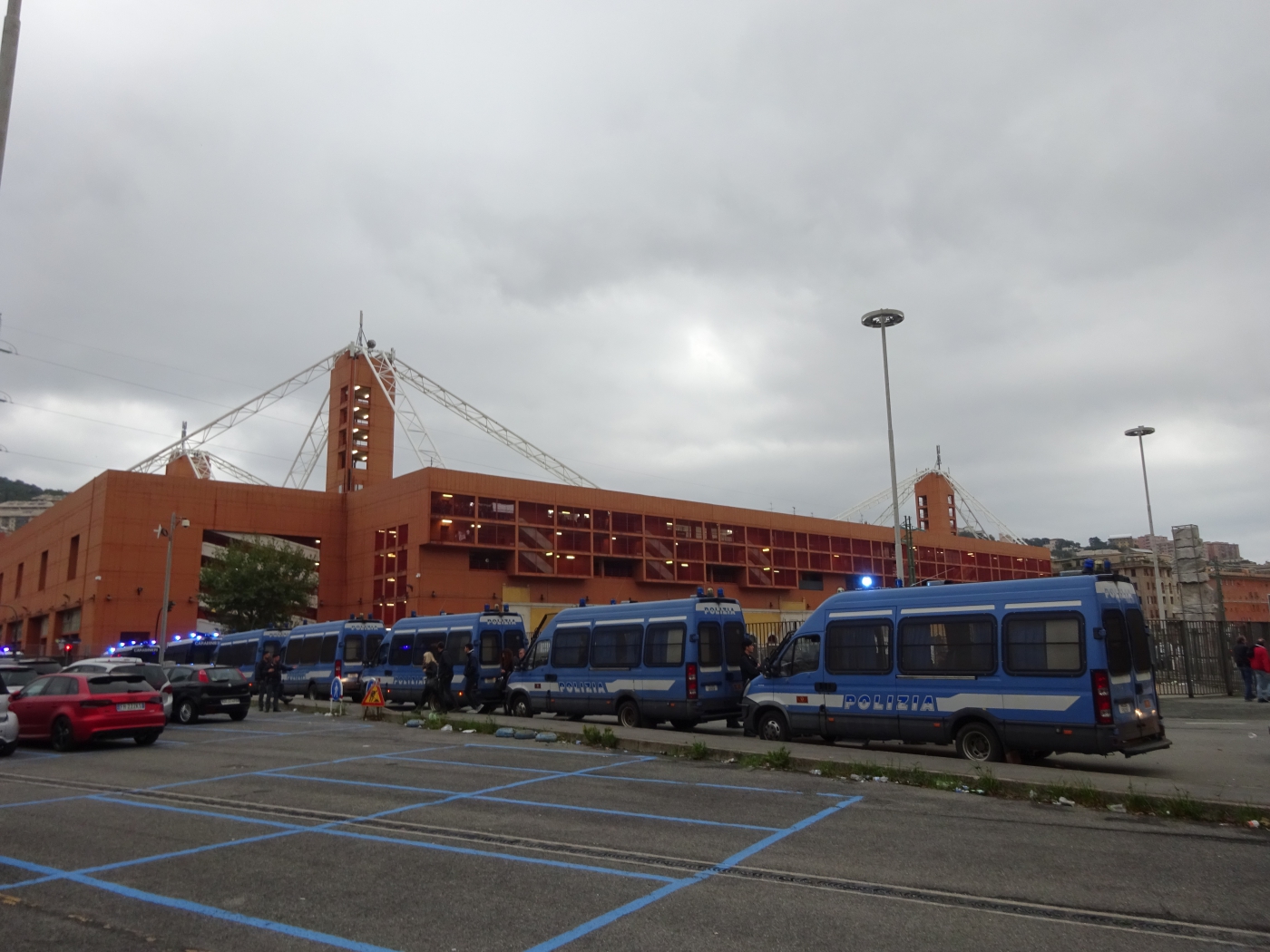
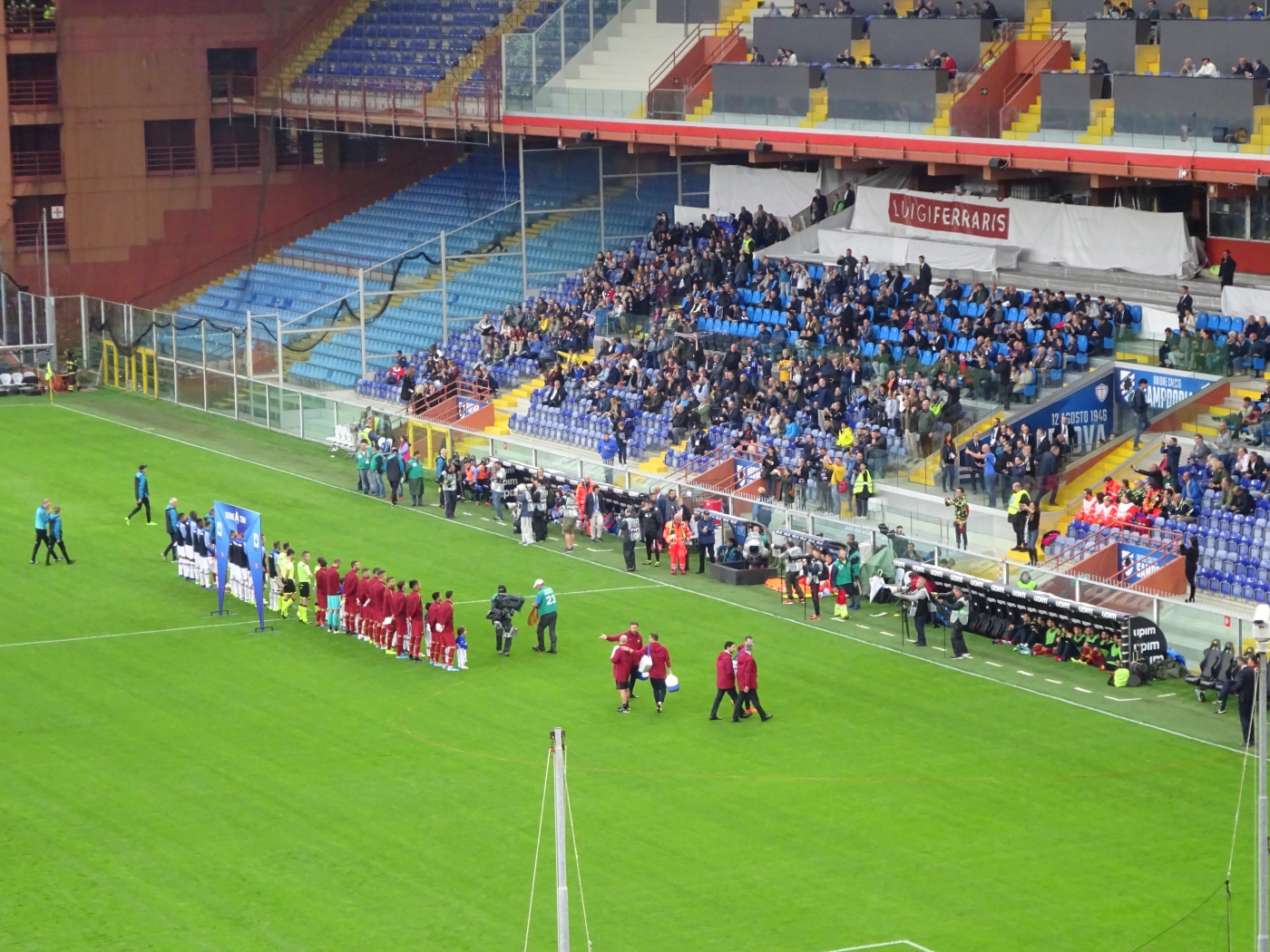
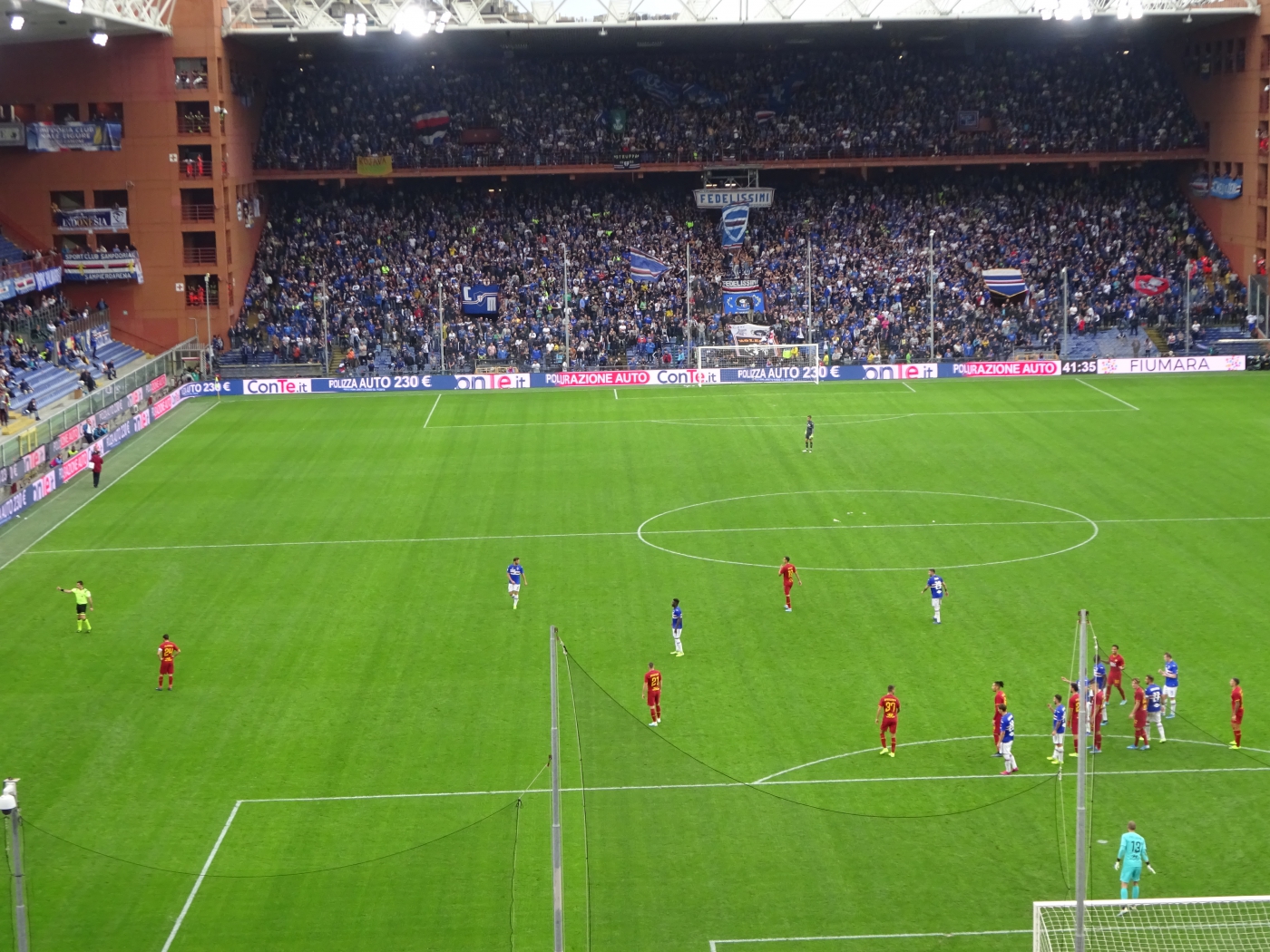
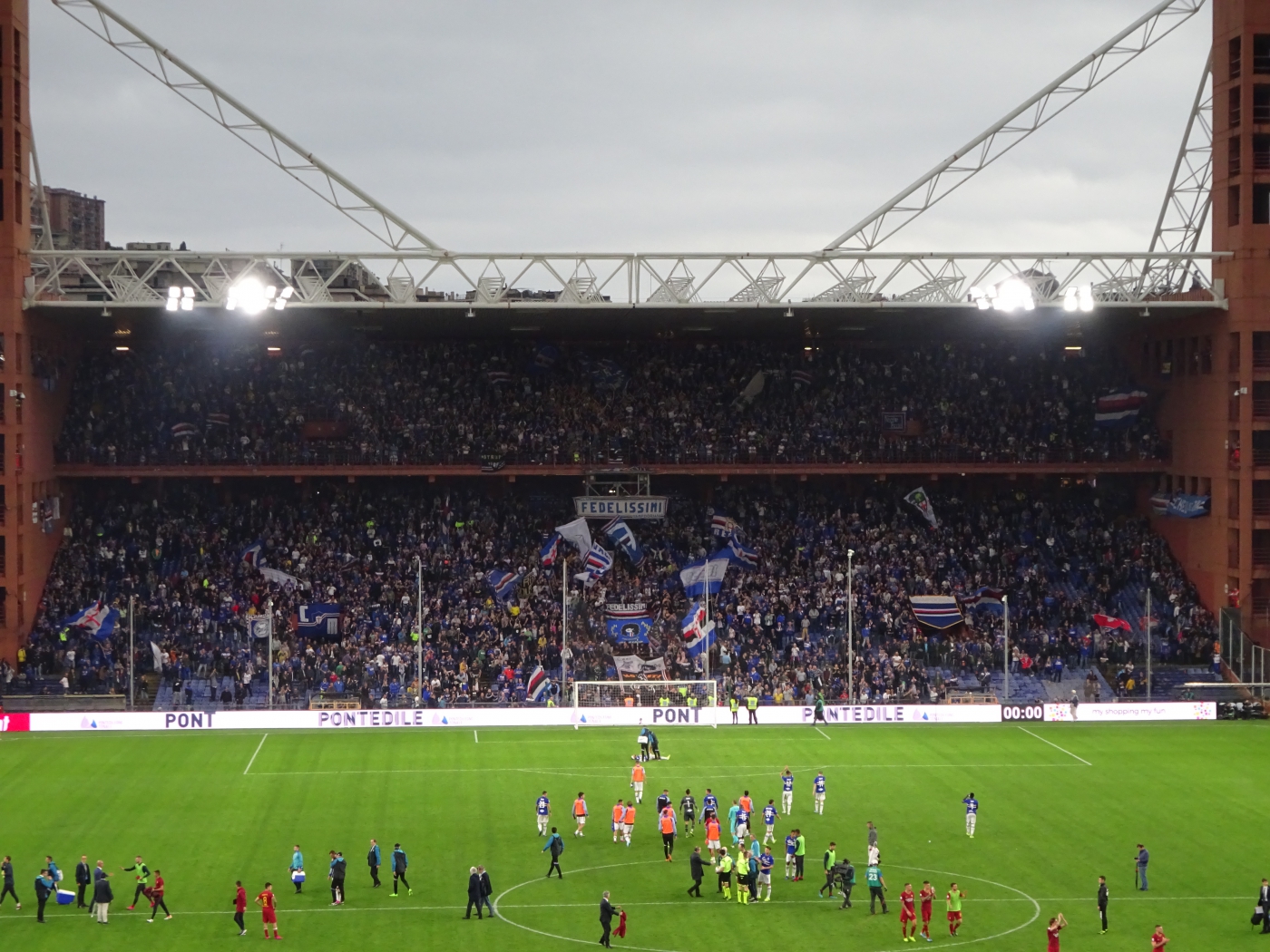
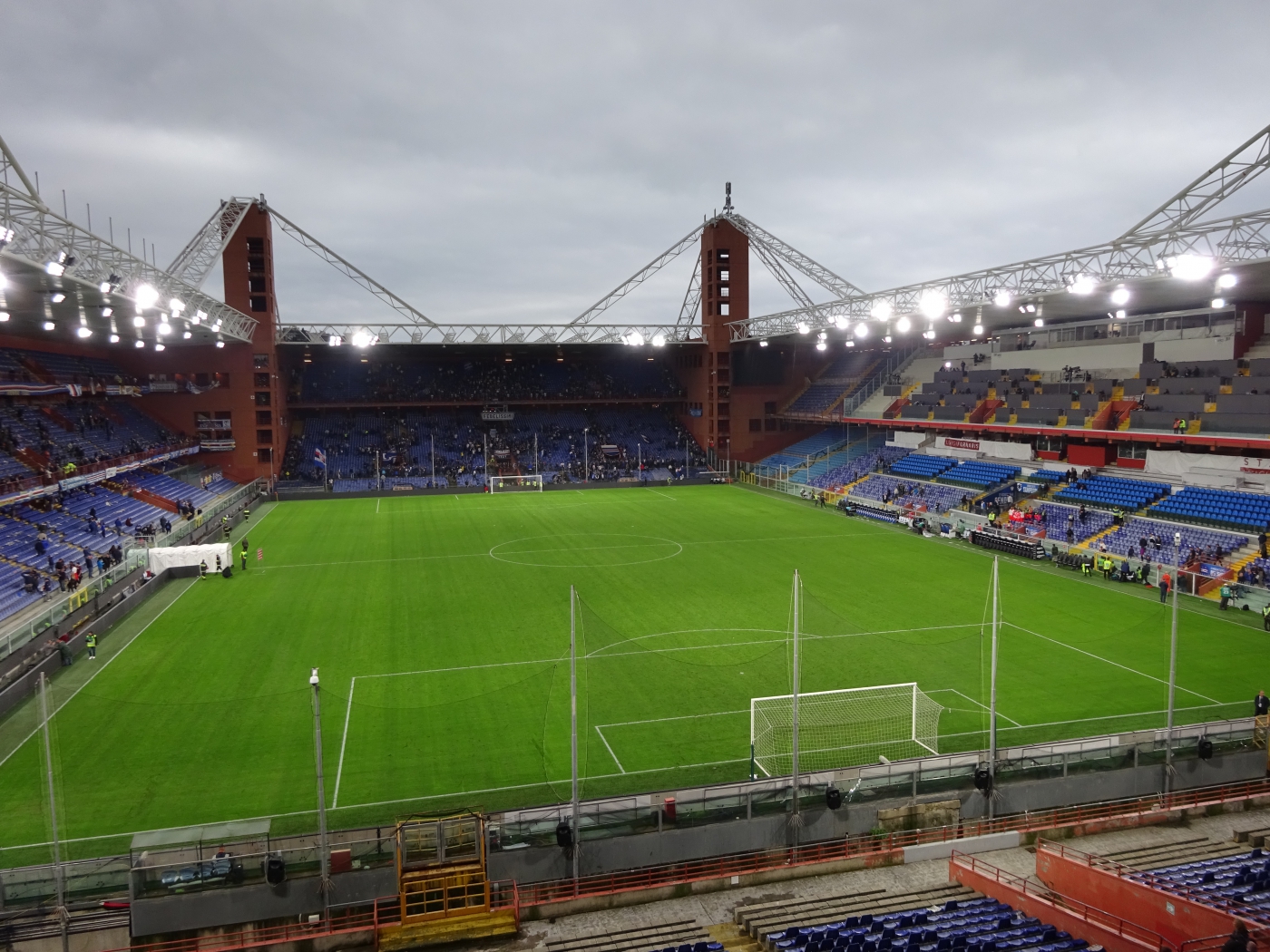
Stadio Luigi Ferraris
Marassi
Via Giovanni de Prà, Genua, Italy
About the Stadium:
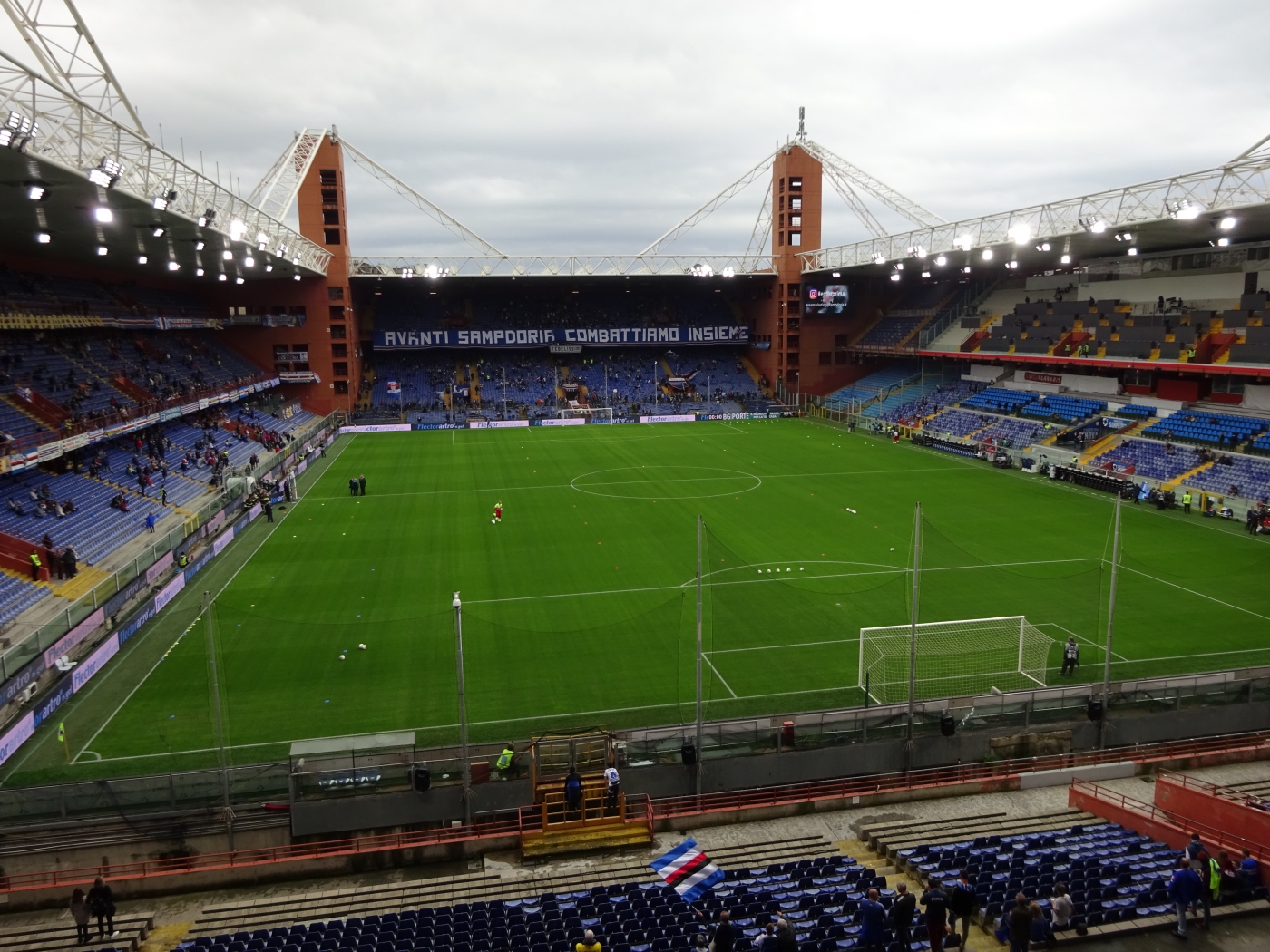
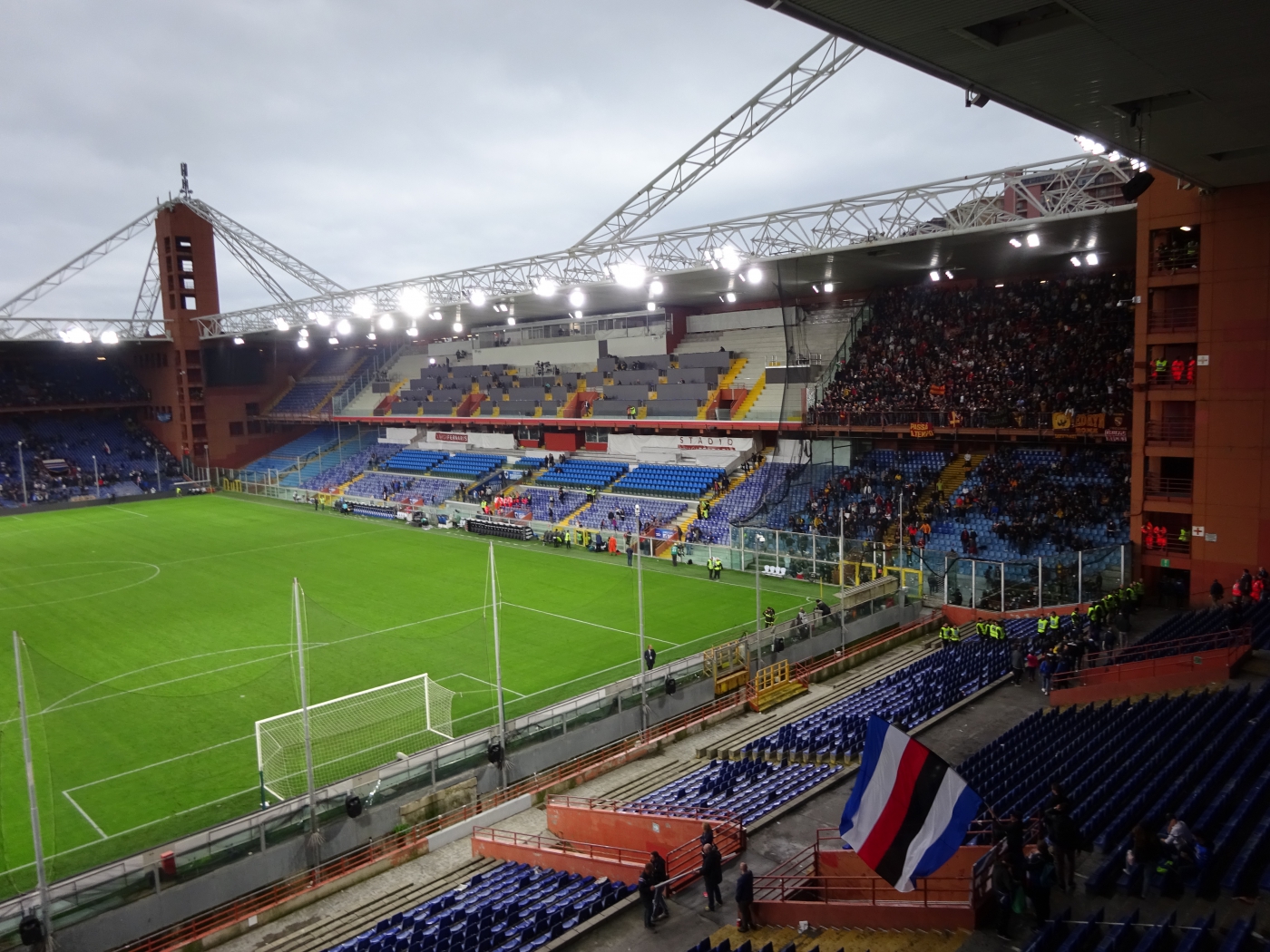
Nestled in the heart of the **Marassi** district of **Genoa**, **Italy**, the **Stadio Luigi Ferraris** stands as a venerable monument to the nation's rich footballing heritage. Known colloquially by locals simply as "Marassi," this iconic venue is unique in **Italian** football, serving as the shared home ground for two fierce rivals: **Genoa CFC** and **UC Sampdoria**. Its long history and distinctive atmosphere make it a truly special place for any football enthusiast.
A Stadium Steeped in History
The stadium first opened its gates on January 22, 1911, making it one of the oldest operational football stadiums in **Italy**. It was initially known as the **Campo Sportivo di Via del Piano**, or more simply, the **Campo Genoa**. In 1933, it was fittingly renamed the **Stadio Luigi Ferraris** in honor of **Luigi Ferraris**, a former captain of **Genoa CFC** who tragically died during World War I. This dedication cemented its place not just as a sporting arena, but as a site of historical remembrance. The original design was primarily for **Genoa CFC** matches and other sporting events, evolving significantly over the decades.
The Home of Genoese Football
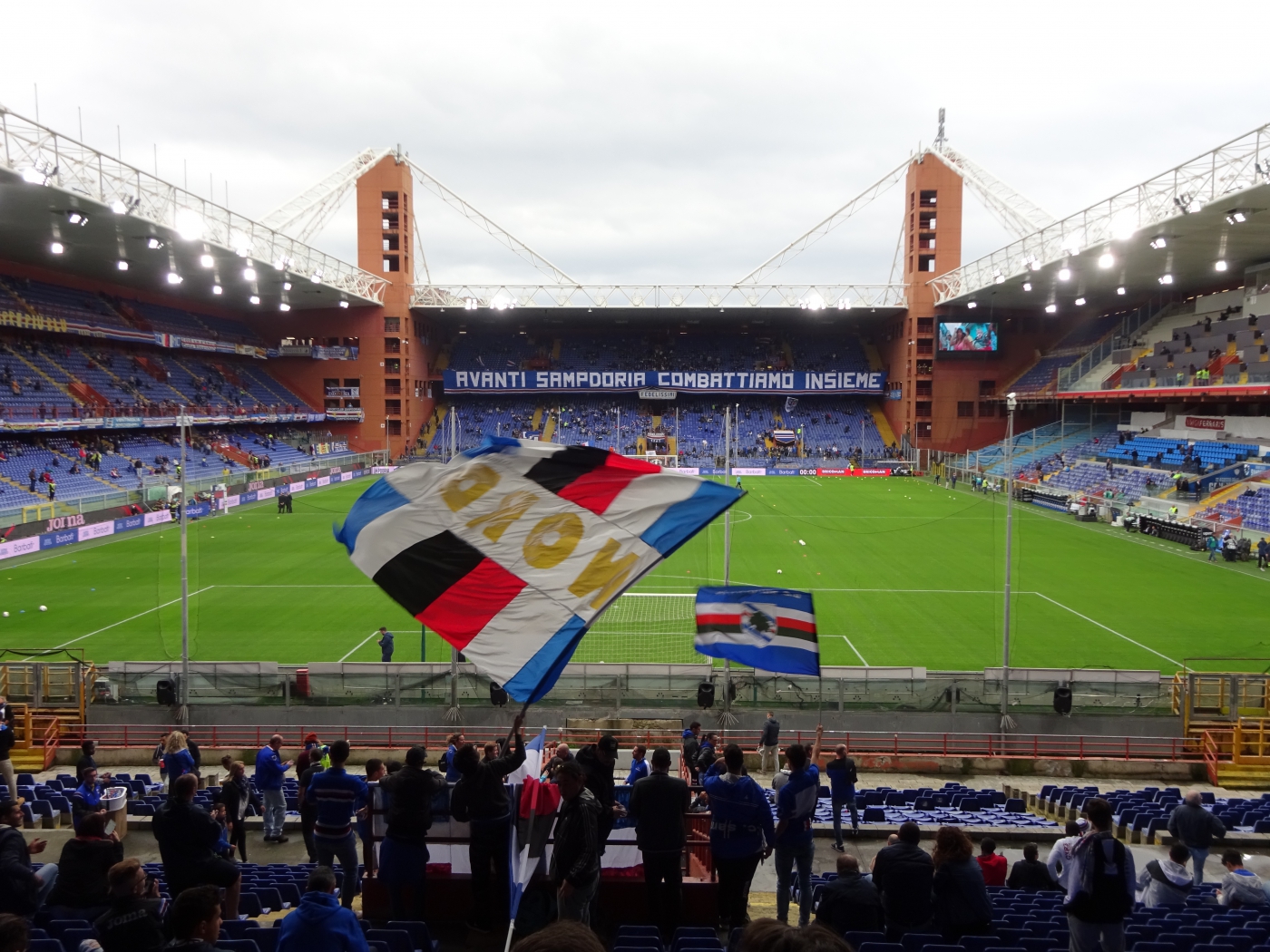
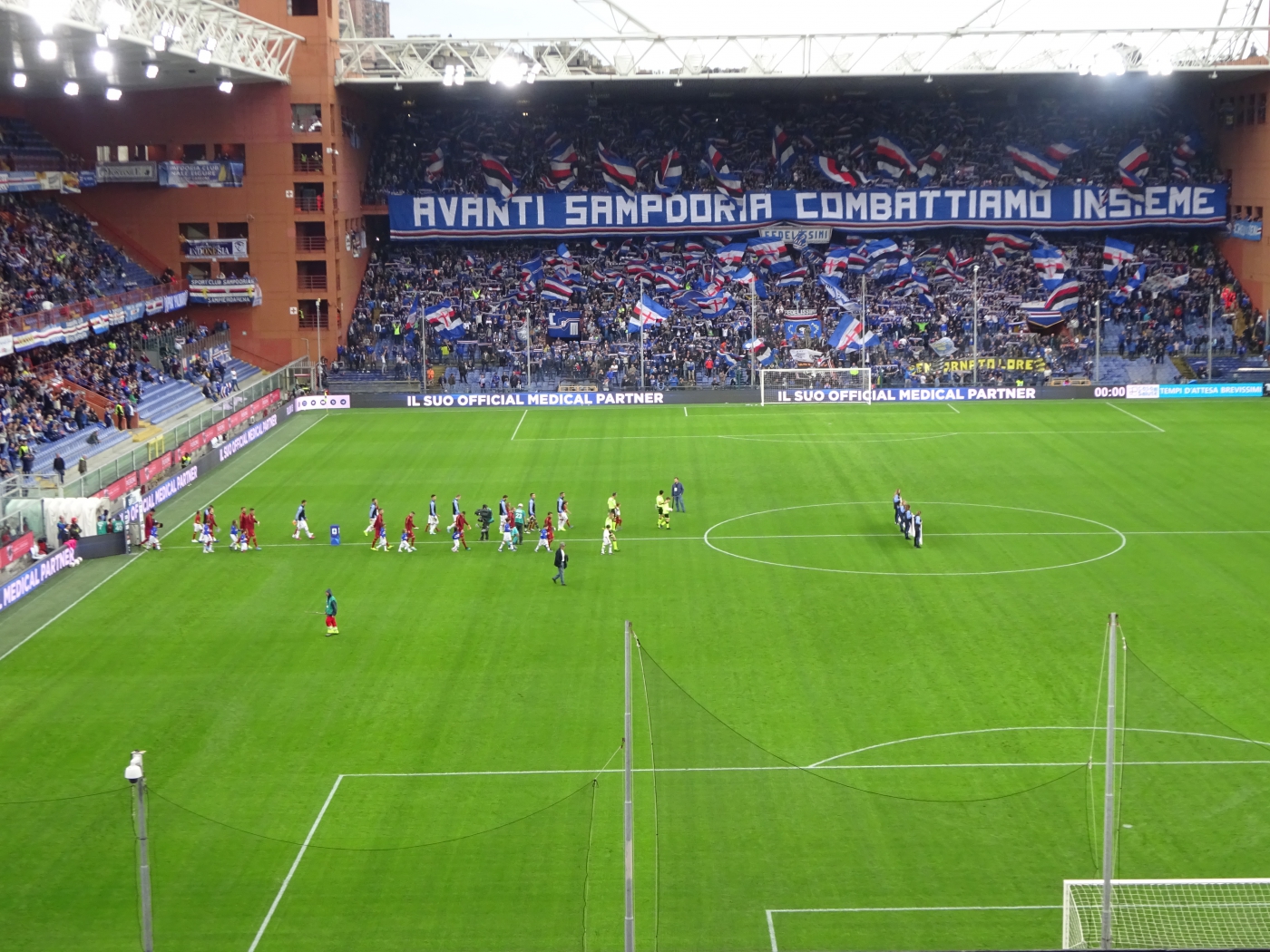
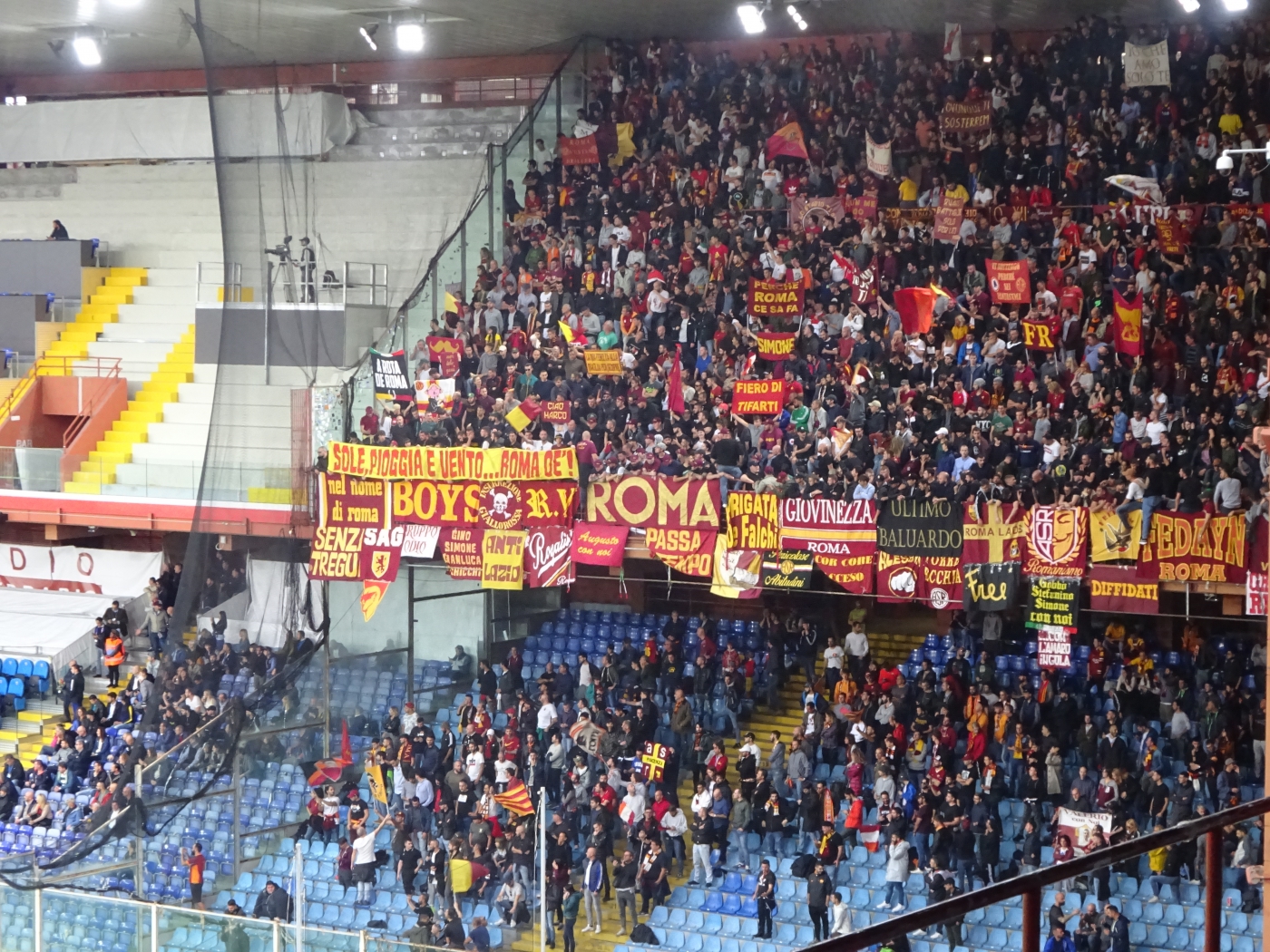
The **Stadio Luigi Ferraris** is the vibrant stage for the Derby della Lanterna, one of **Italy**'s most passionate city derbies, contested between **Genoa CFC** and **UC Sampdoria**. The proximity of the stands to the pitch, a hallmark of many older European grounds, ensures an electric and intimidating atmosphere for opposing teams. With a current capacity of approximately 36,599 spectators, it retains an intimate feel that belies its size, creating an intense spectacle for every match played within its venerable walls.
Architectural Evolution and World Cup Host
The stadium underwent a significant transformation in preparation for the **1934 FIFA World Cup**, where it hosted a single match. However, its most radical modernization came ahead of the **1990 FIFA World Cup**, for which **Italy** was the host nation. Under the vision of architect **Vittorio Gregotti**, the stadium was almost entirely rebuilt. The traditional curved stands were replaced with four distinct, steep, and close-to-the-pitch grandstands, a design that maximizes spectator immersion. During **Italia '90**, the **Stadio Luigi Ferraris** hosted several Group C matches, including fixtures involving **England**, **Scotland**, and **Sweden**, providing a memorable backdrop for international football drama. For more detailed information, you can visit the Stadio Luigi Ferraris Wikipedia page.