The Valley
Floyd Road, London, England
About the Stadium:
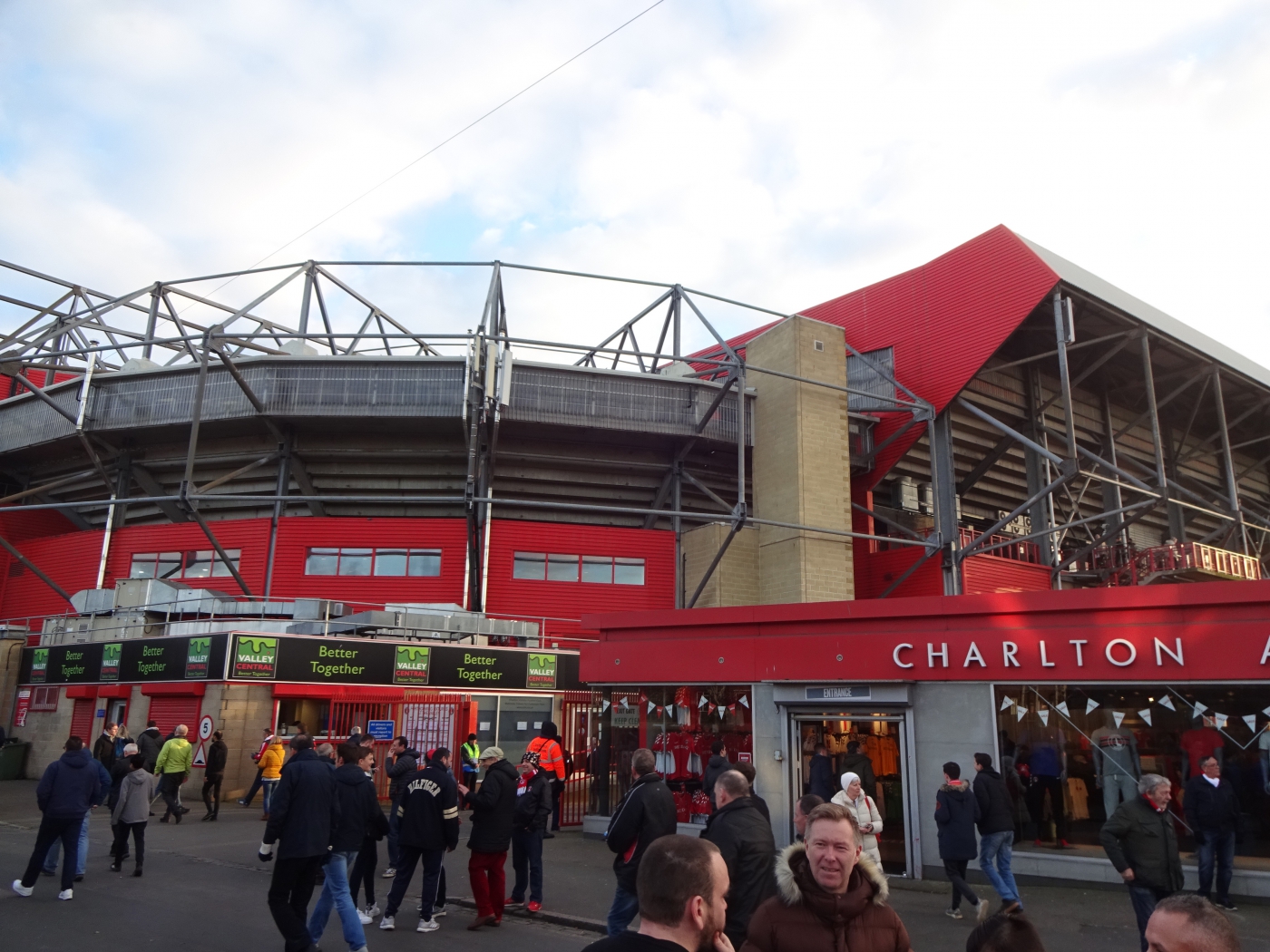
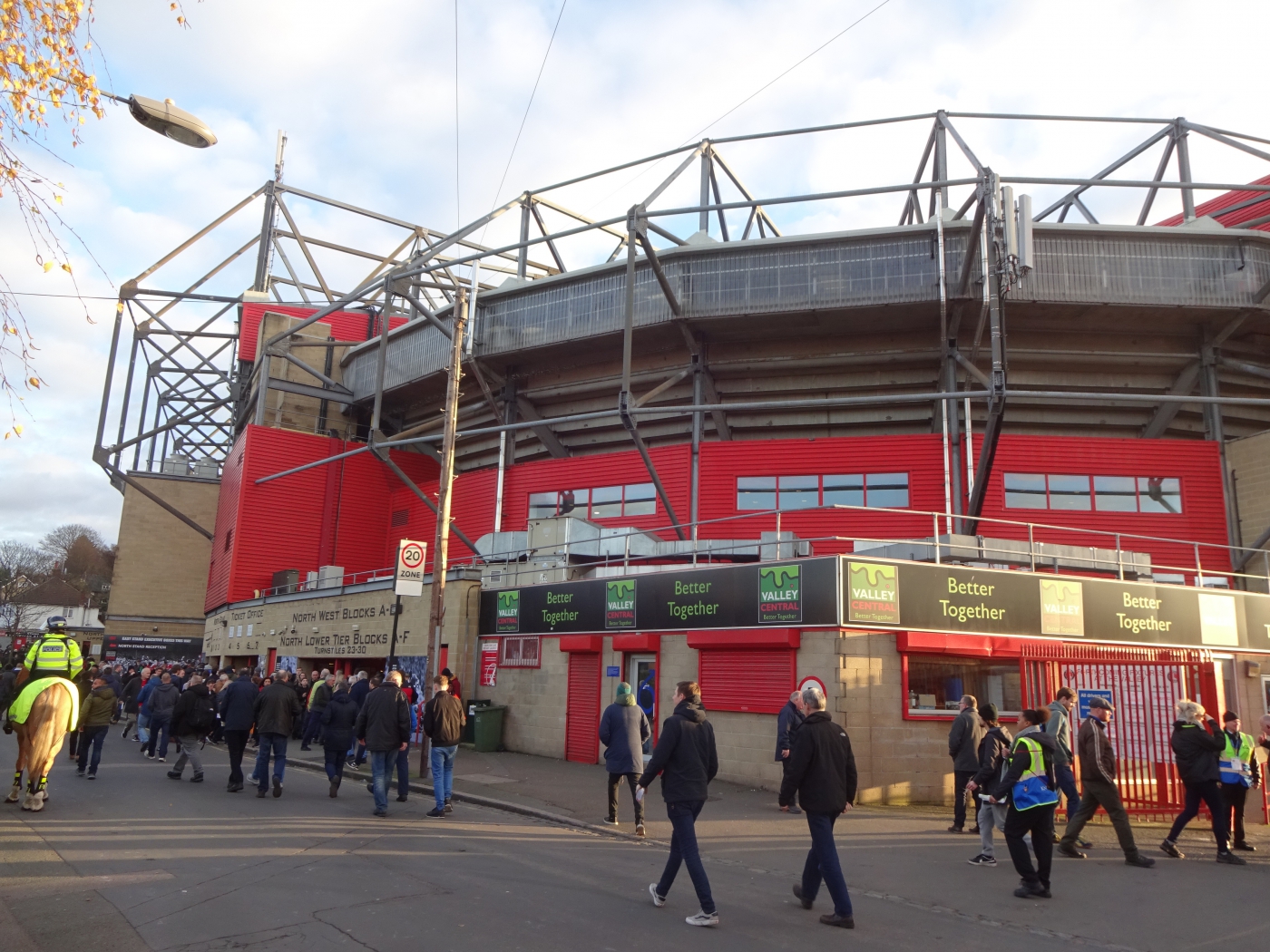
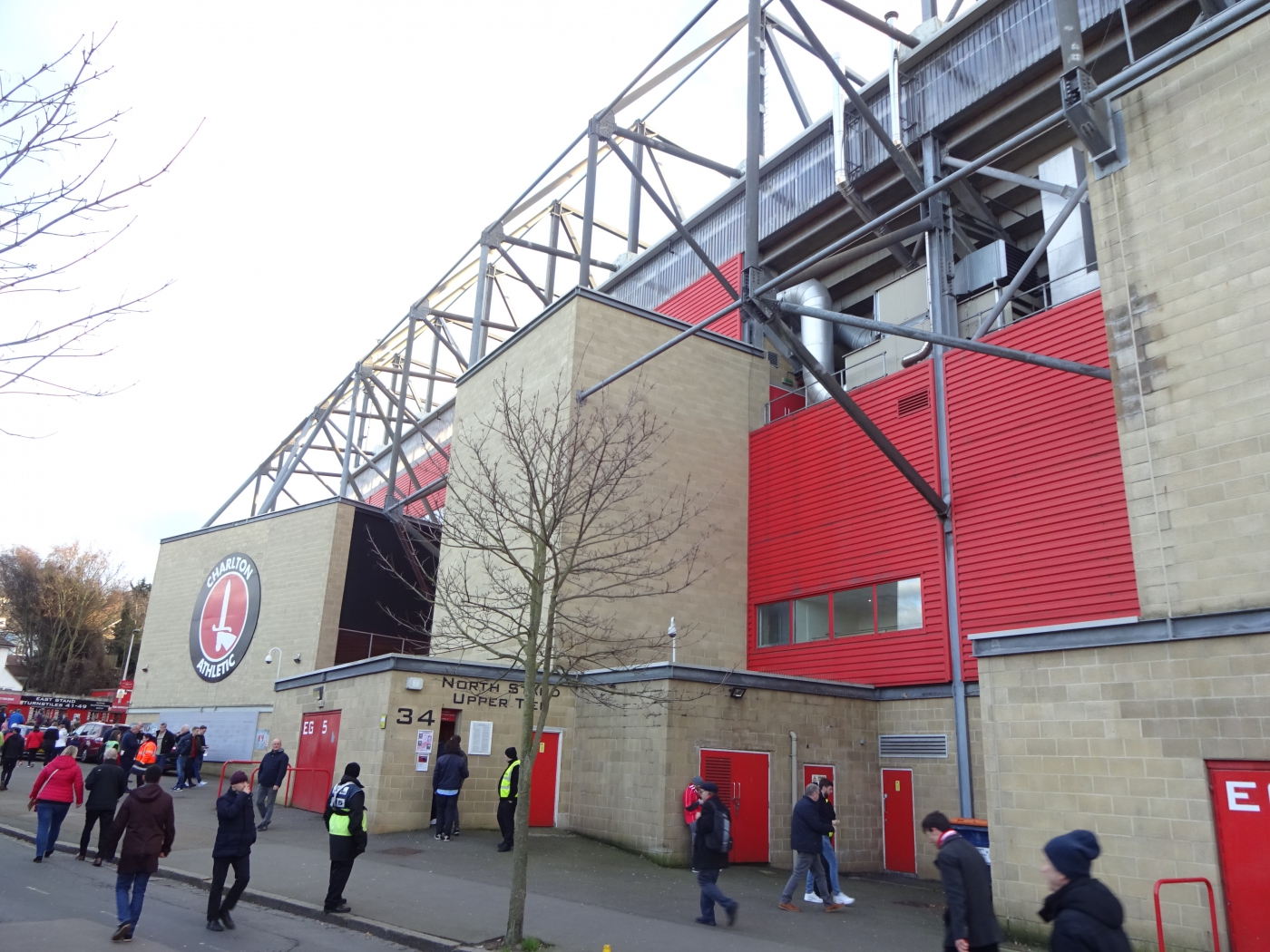
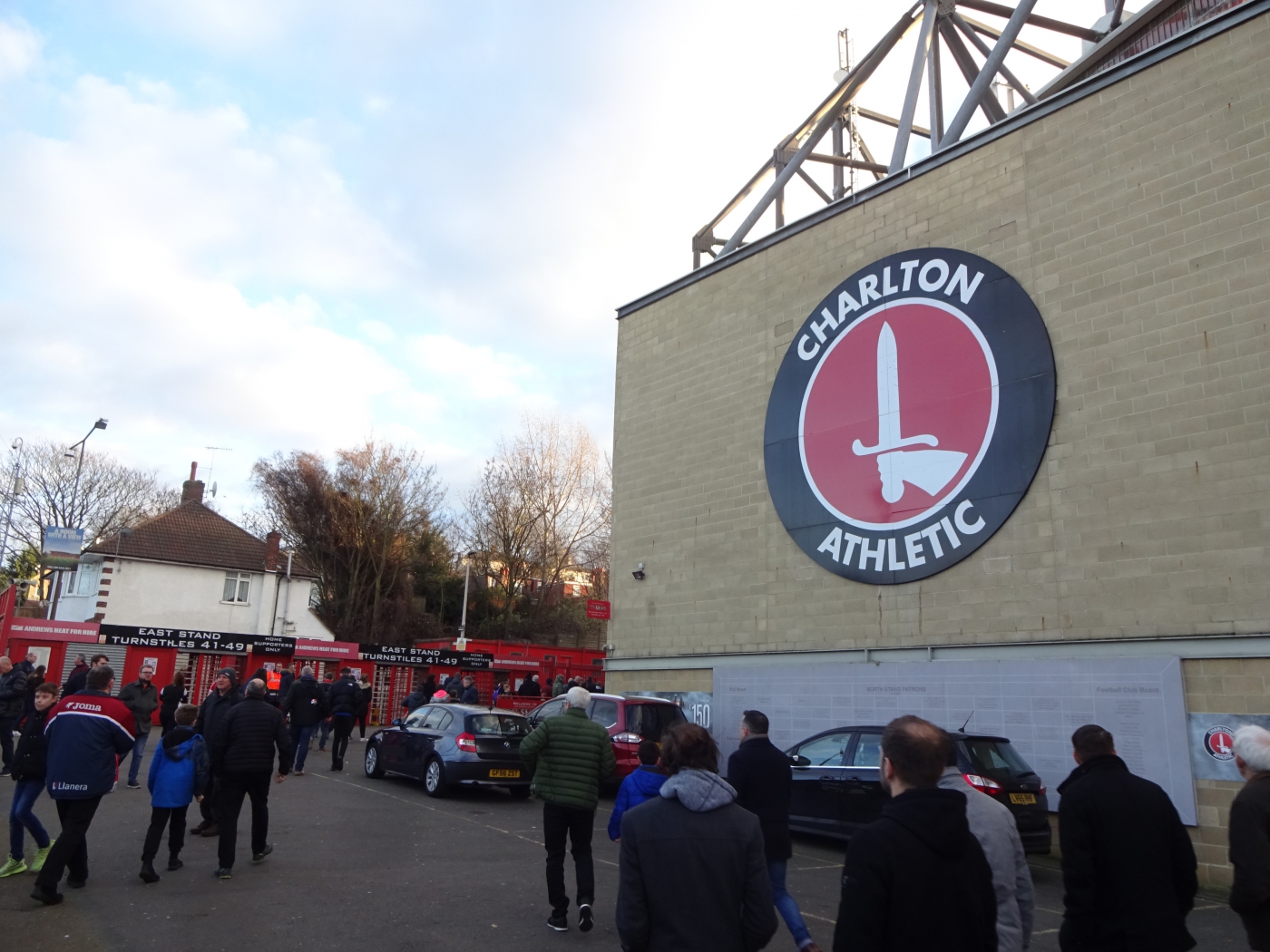
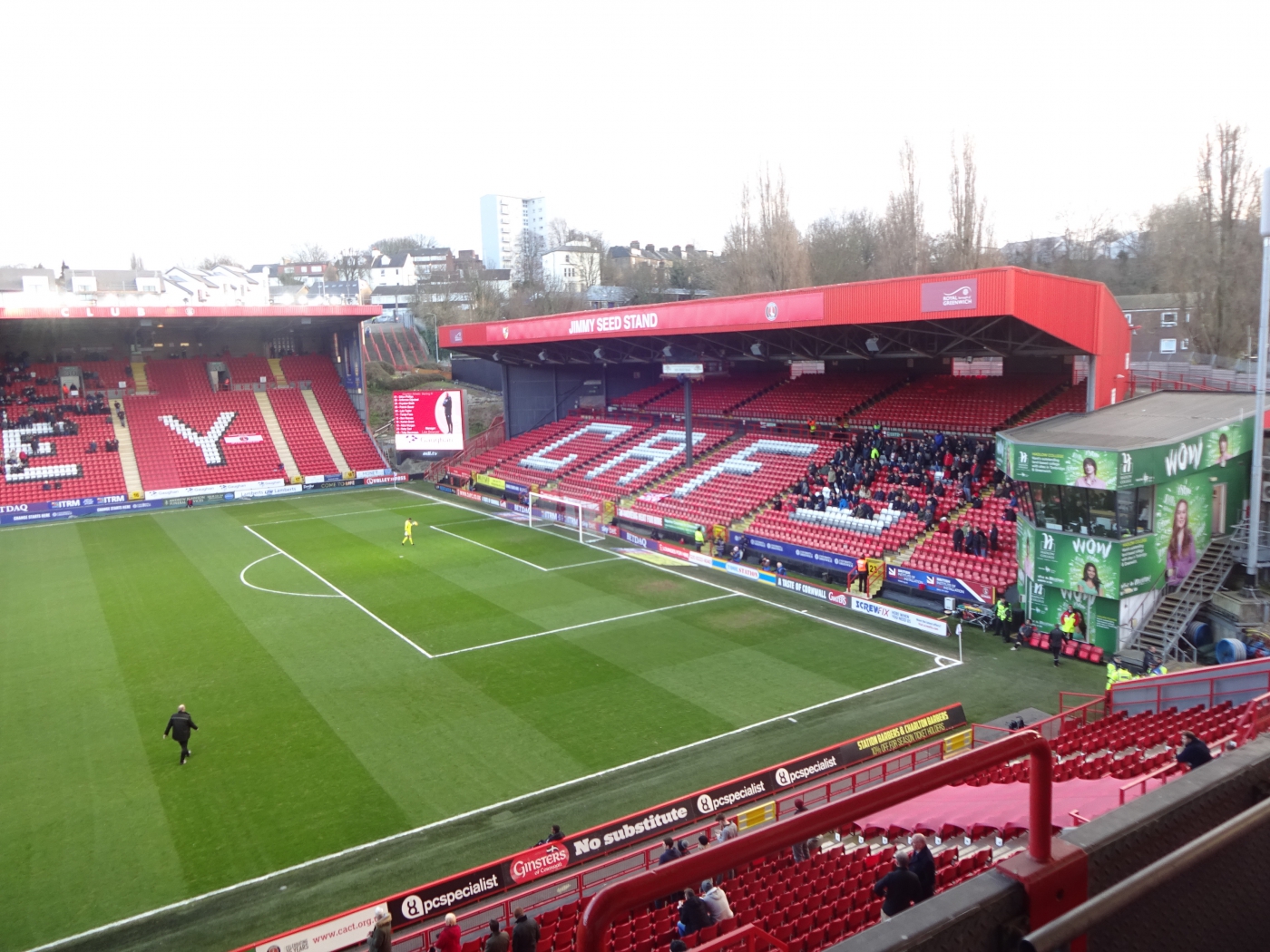
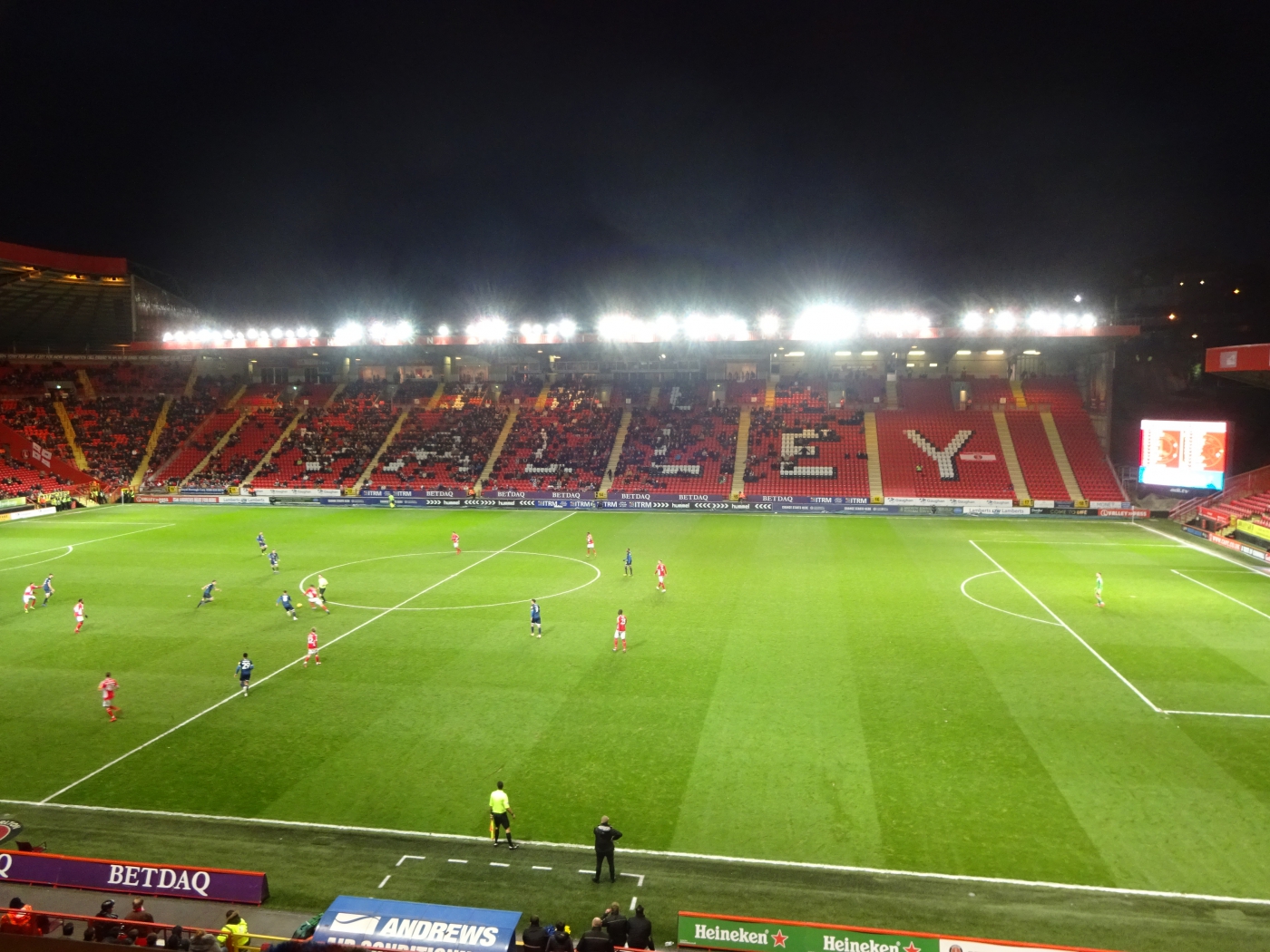
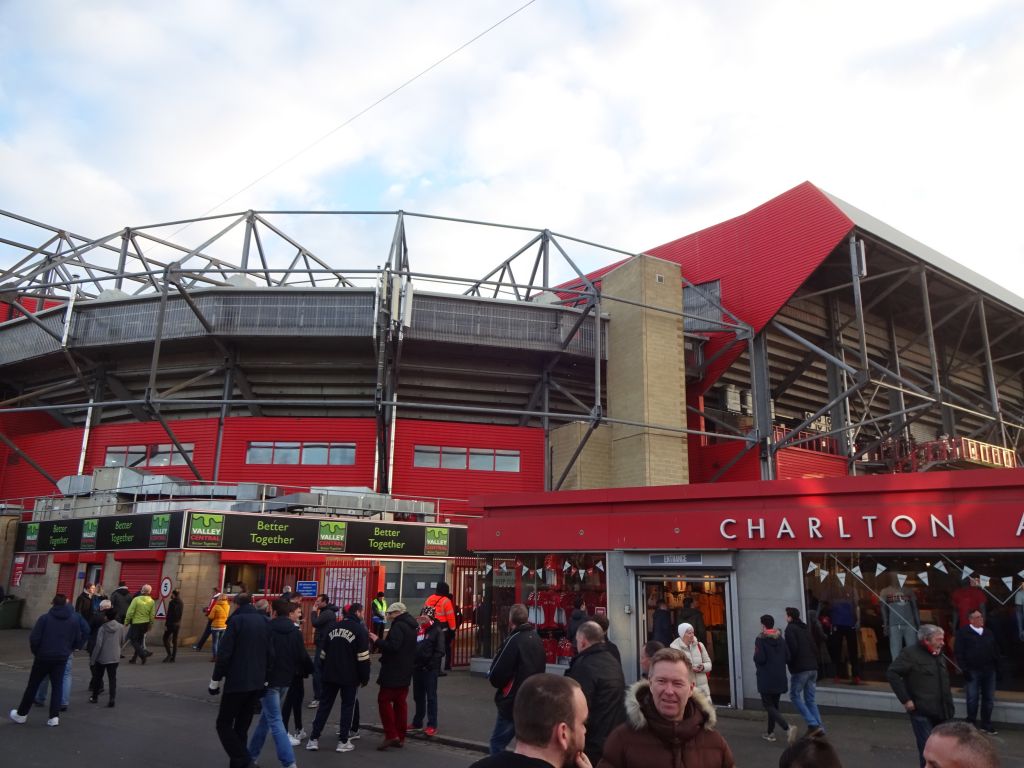
In the heart of South East London lies The Valley, a venerable football ground that has served as the cherished home of Charlton Athletic F.C. since its inception. More than just a stadium, it represents a remarkable testament to fan dedication, resilience, and the enduring spirit of a club that has faced numerous challenges.
A Historic Home in South East London
Originally a disused sandpit, The Valley was transformed into a football ground largely by the sheer hard work and passion of Charlton Athletic supporters. The club first moved to the site in 1919, with the inaugural league match played here in 1920. Its name is derived from the natural valley formed by the surrounding terrain, providing a unique, sunken bowl-like atmosphere that distinguishes it from many modern stadia. This initial grassroots construction effort laid the foundation for a bond between the club and its stadium that few others can match.
Early Days and Grand Ambitions
Throughout the 1930s, The Valley underwent significant development, growing into one of the largest grounds in London. By the late 1930s, it boasted an impressive capacity, attracting substantial crowds, particularly during the club's golden era, which included winning the FA Cup in 1947. These were glory days, with thousands flocking to witness matches and the ground becoming a symbol of sporting ambition within the borough of Greenwich.
Periods of Decline and Resurrection
The darkest chapter in The Valley's history began in the mid-1980s. Following the Bradford City fire disaster in 1985 and subsequent safety regulations, combined with financial difficulties, Charlton Athletic was forced to abandon its historic home. For seven years, from 1985 to 1992, the Addicks played their home games at rival grounds, including Crystal Palace's Selhurst Park and West Ham United's Upton Park. This period sparked an extraordinary "Red, Red Robin" campaign by fans, who tirelessly protested, raised funds, and worked to secure their club's return. This unwavering resolve ultimately led to the club's triumphant homecoming on December 5, 1992, a date etched forever in the club's lore, marking one of English football's most inspiring stories of fan power.
Modern Era and Enduring Spirit
Since its return, The Valley has undergone considerable redevelopment, evolving into a modern, all-seater stadium while retaining its distinct character. With a current capacity of approximately 27,111, it stands as a comfortable and vibrant venue. The stadium has witnessed numerous memorable moments, including Charlton's promotion to the Premier League in 1998 and 2000. Its historical significance and the extraordinary efforts of its supporters make The Valley more than just a place to watch football; it is a monument to community spirit and the enduring belief that a club's true home is where its heart, and its fans, reside. For more detailed information, you can visit the official Charlton Athletic website or explore its history on Wikipedia.