Unió Esportiva Sant Andreu
Barcelona, Spain
About the Club:
Nestled in the vibrant Sant Andreu district of Barcelona, Unió Esportiva Sant Andreu stands as a proud emblem of local football heritage. Far from the global spotlight of the city's giants, this club embodies the authentic spirit of neighborhood football, rooted deeply in its community and history.
A Century of History
The club's origins trace back to 1909 with the formation of Club de Futbol Andreuenc. This early iteration laid the groundwork for what would become a cornerstone of the district's sporting life. A significant milestone occurred in 1925 when Andreuenc merged with other local entities, giving birth to Unió Esportiva Sant Andreu. This consolidation solidified its identity and ambition, setting the stage for decades of competitive football. For more historical details, you can visit UE Sant Andreu's Wikipedia page.
Throughout its existence, UE Sant Andreu has navigated the intricate landscape of Spanish football, primarily competing in the third and fourth tiers. They achieved periods in Segunda División B (now Segunda Federación) and have been a consistent presence in Tercera División (now Tercera Federación), often challenging for promotion and showcasing talent from the region.
The Home Ground: Narcís Sala
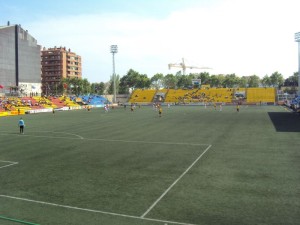
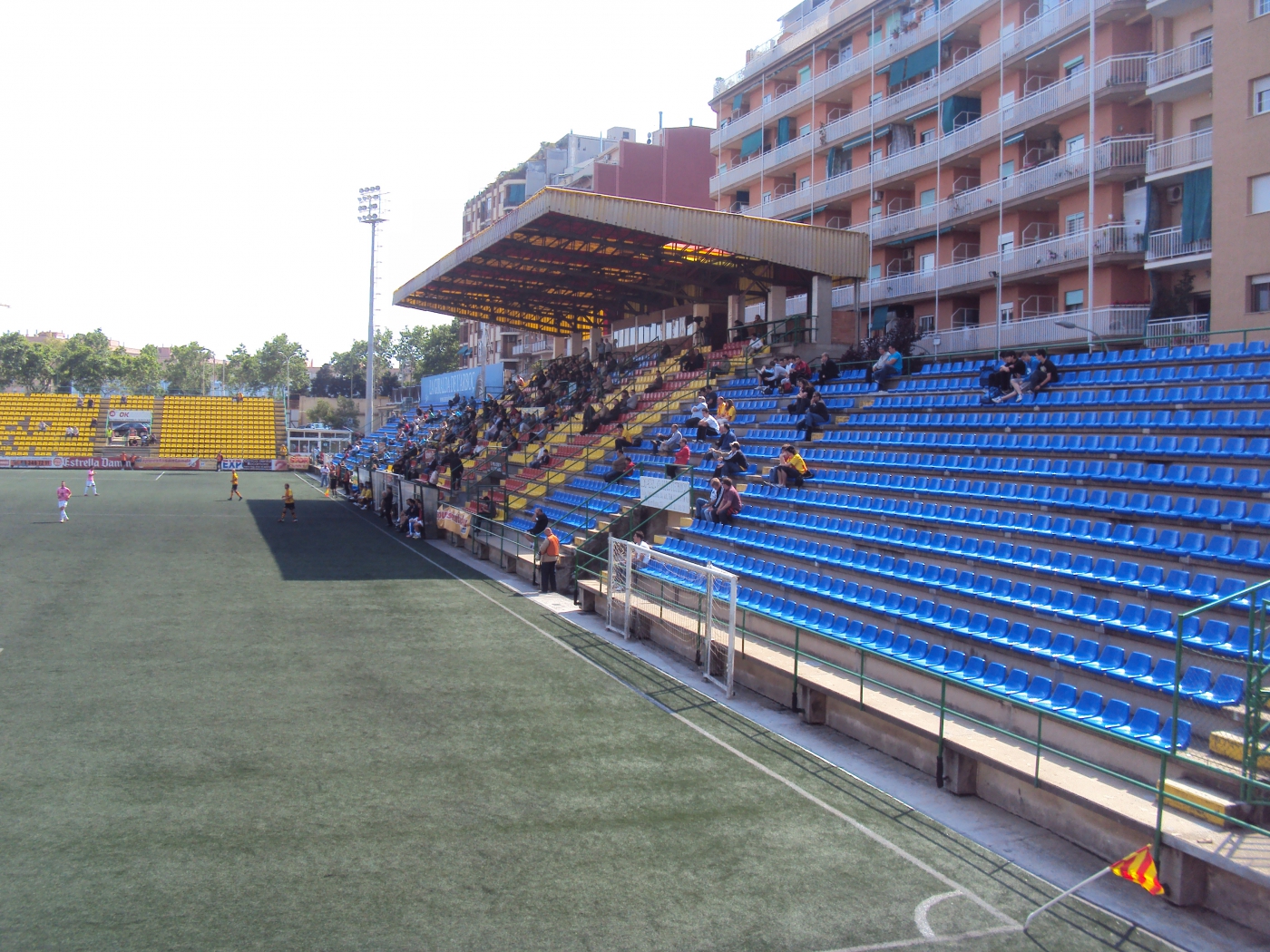
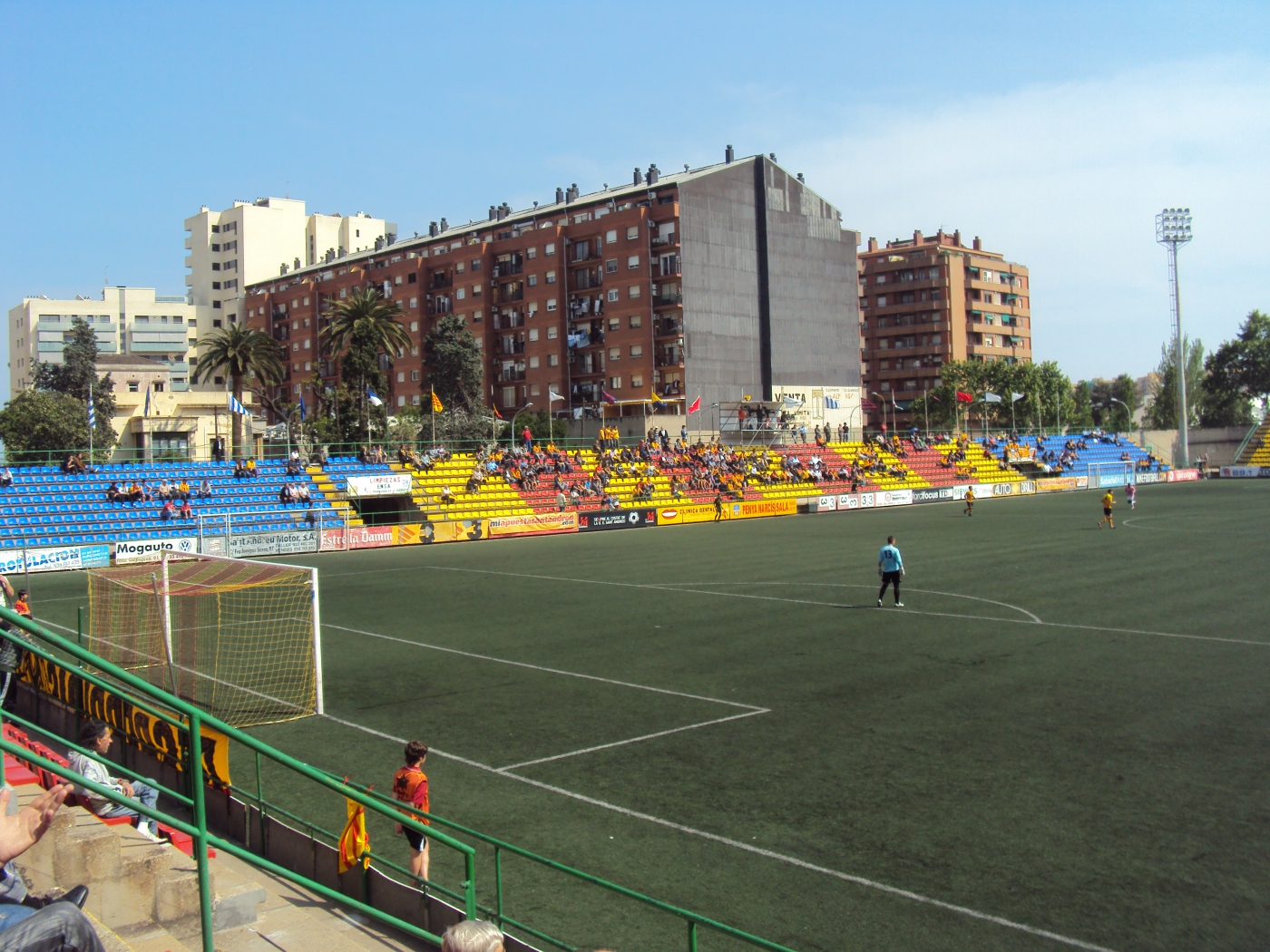
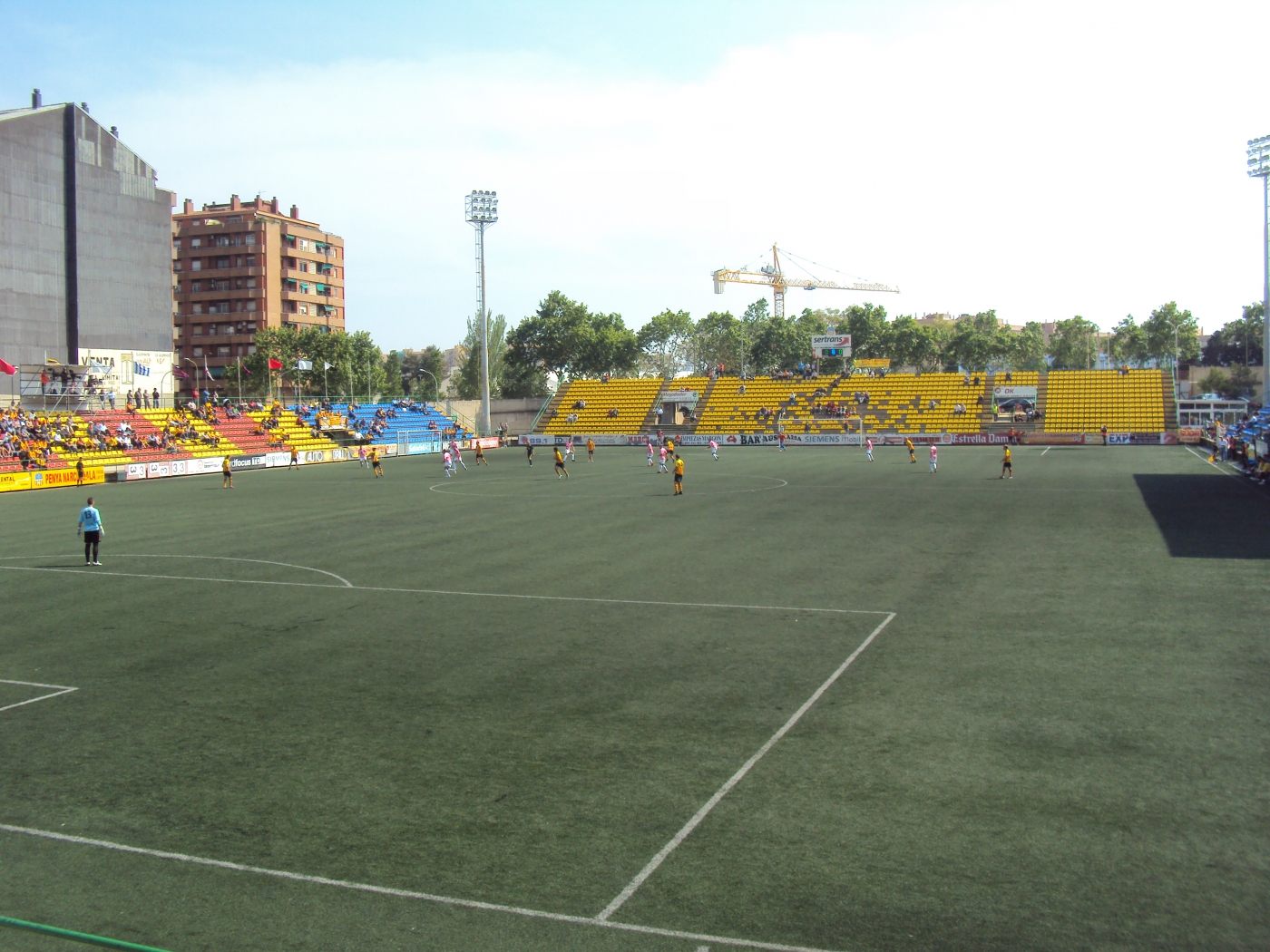
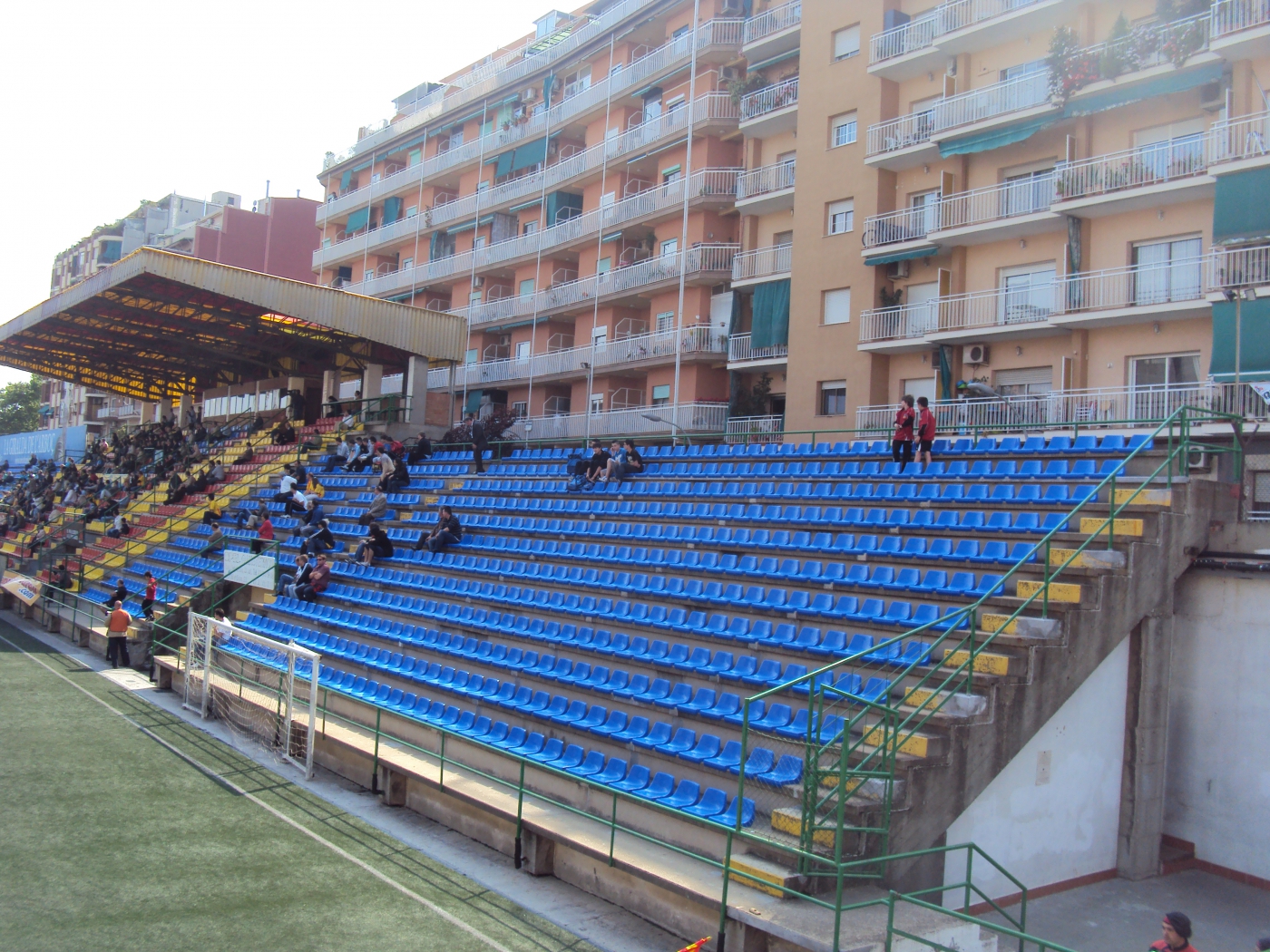
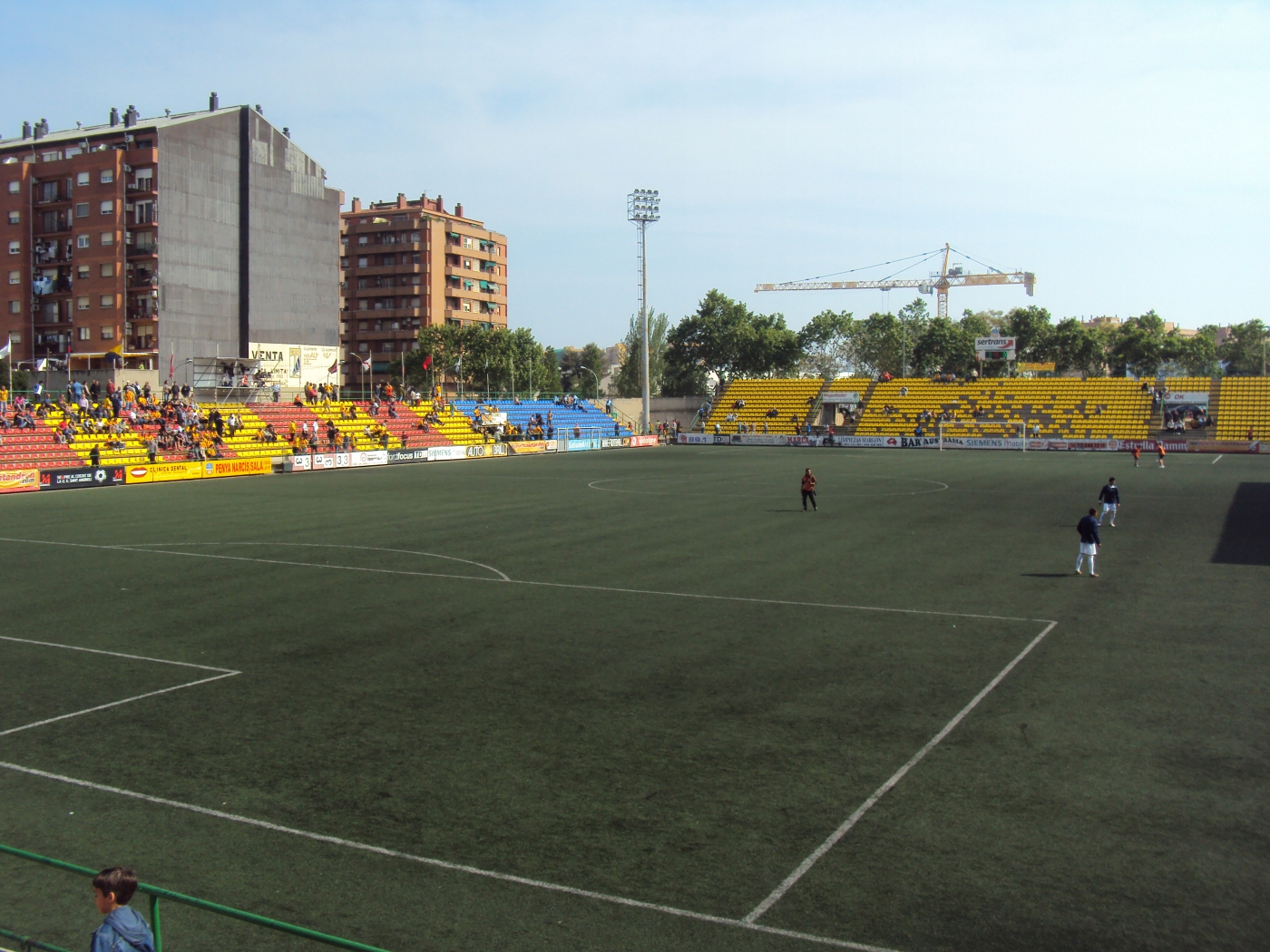
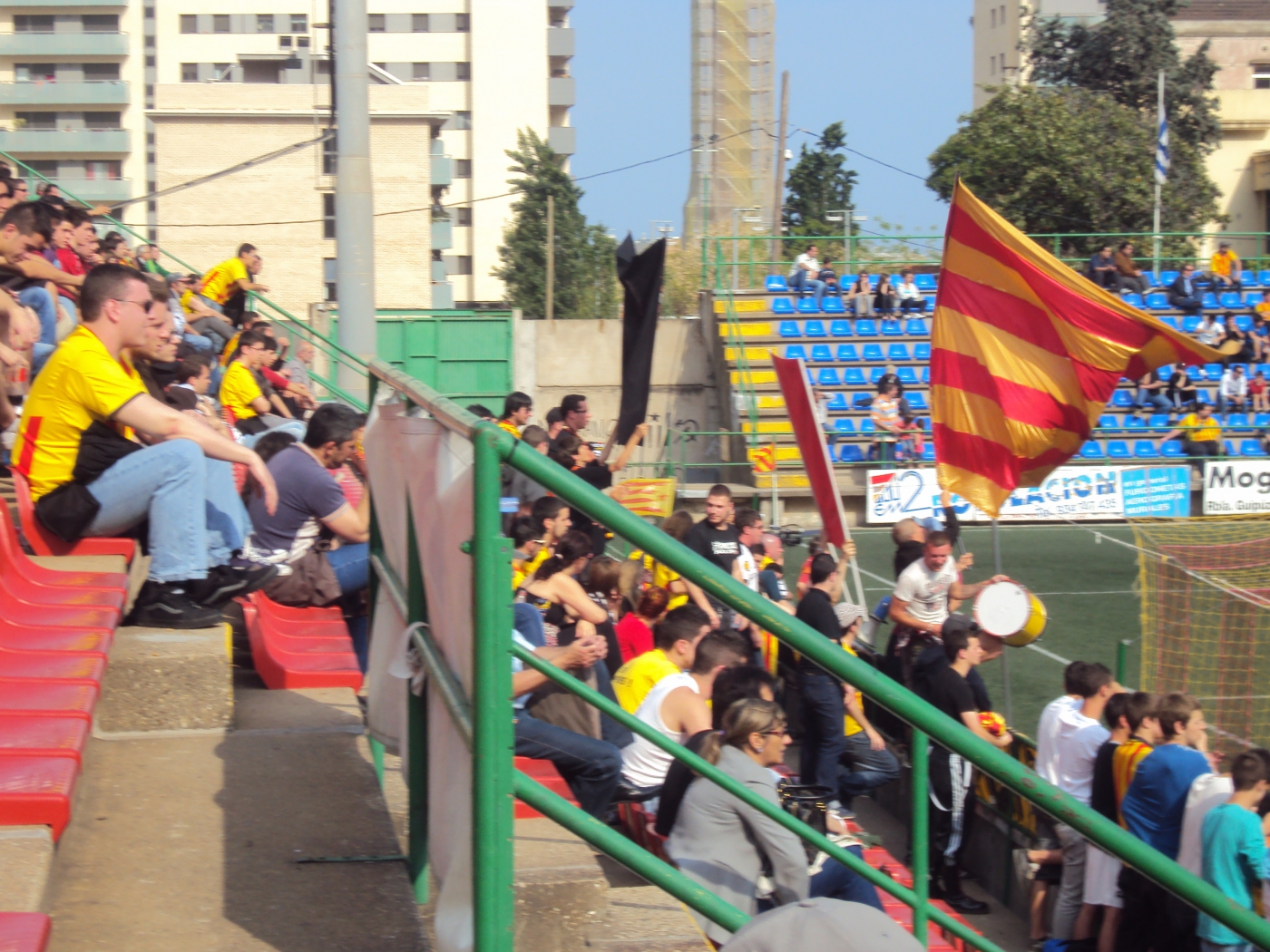
The spiritual home of UE Sant Andreu is the Camp Municipal Narcís Sala. Opened in 1970, this stadium is more than just a playing field; it's a gathering place where generations of fans have witnessed countless battles, victories, and defeats. Its atmosphere, particularly during crucial matches, reflects the passionate support that defines the club. The distinctive red and yellow striped kits, known as the 'quadribarrada,' are a constant source of pride, mirroring the Catalan flag and emphasizing their local identity. You can learn more about their home ground here.
Community and Identity
Unlike the global fan bases of FC Barcelona or RCD Espanyol, UE Sant Andreu thrives on its local support. It's a club where families attend matches together, where players often come from the local area, and where every game resonates with a deep sense of belonging. The club plays a vital social role in the Sant Andreu district, fostering youth development and providing a focal point for community pride. Its enduring presence underscores the rich tapestry of football beyond the elite divisions, celebrating the game at its grassroots in one of Barcelona's most traditional neighborhoods. Discover more about the district at Sant Andreu de Palomar's Wikipedia page.
Links and Social Media:
stadium: