Ajax Amsterdam
Amsterdam, Netherlands
About the Club:
Ajax Amsterdam, synonymous with footballing innovation and excellence, is one of the most revered clubs globally. Hailing from Amsterdam in the Netherlands, the club's rich history is steeped in a philosophy of attacking football and youth development.
Founding and Early Success
Established on March 18, 1900, Amsterdamsche Football Club Ajax quickly ascended through Dutch football. Early years brought domestic titles, laying groundwork for continental dominance. The club adopted the hero Ajax from Greek mythology, embodying strength and bravery. For more, visit Ajax's official history page.
The Era of Total Football
The 1970s marked a revolutionary period under coach Rinus Michels and legendary player Johan Cruyff. This era birthed "Total Football" (Totaalvoetbal), a fluid system with interchangeable players, an unprecedented tactical approach. This propelled Ajax to three consecutive European Cup victories (1971-1973), cementing their elite status.
A Second Golden Generation
After rebuilding, the mid-1990s saw another spectacular rise. Under coach Louis van Gaal, a new generation of academy graduates, including stars like Edwin van der Sar and Clarence Seedorf, conquered Europe. They famously won the UEFA Champions League in 1995, beating AC Milan, showcasing Ajax's commitment to homegrown talent.
The Famed Youth Academy
Central to Ajax's identity is its renowned youth academy, De Toekomst (The Future). A cornerstone of their success, it consistently produces world-class players who embody the club's distinctive style. It's a testament to their long-term vision and nurturing young talent.
Legacy and Future
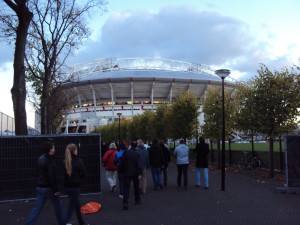
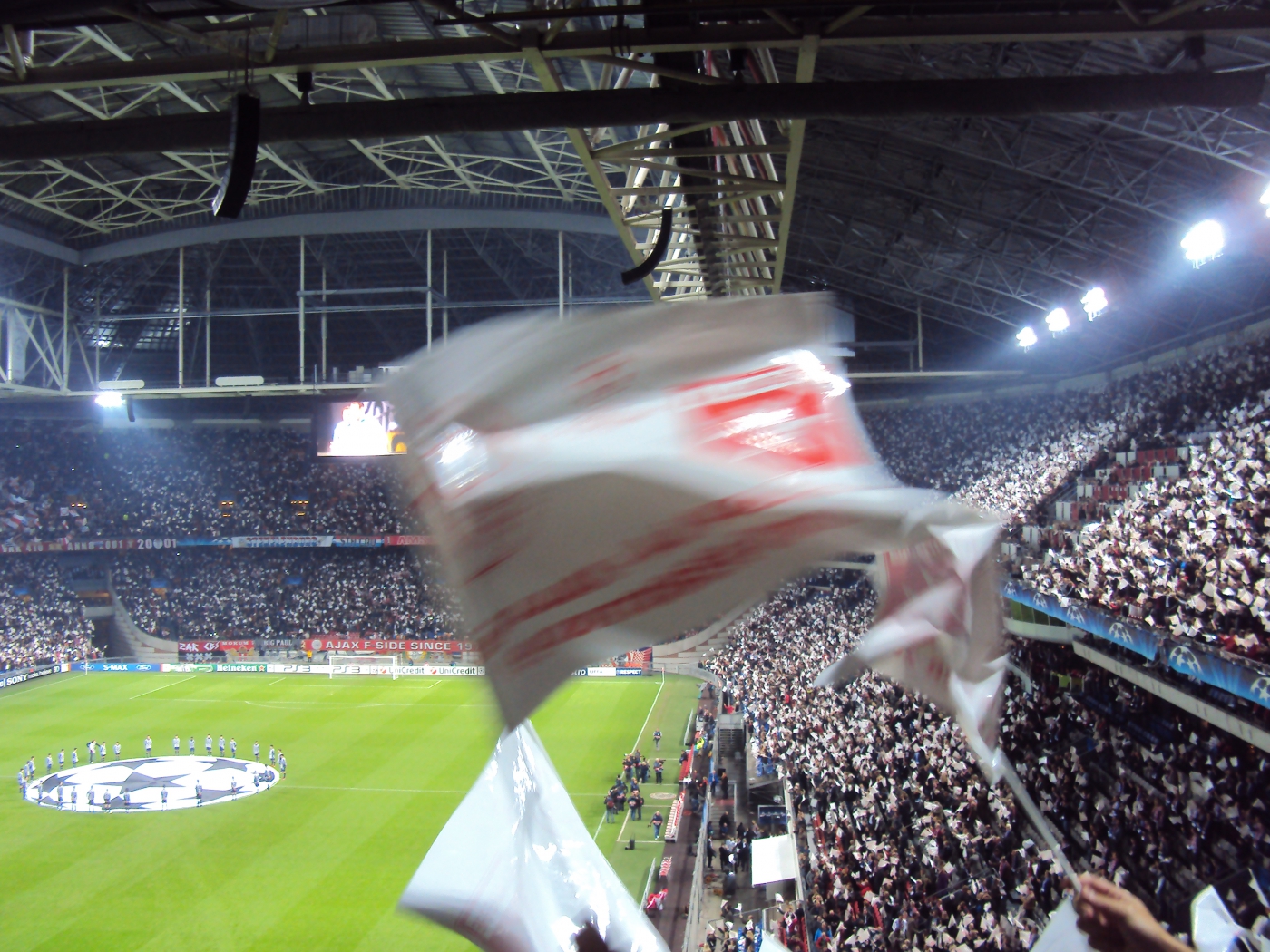
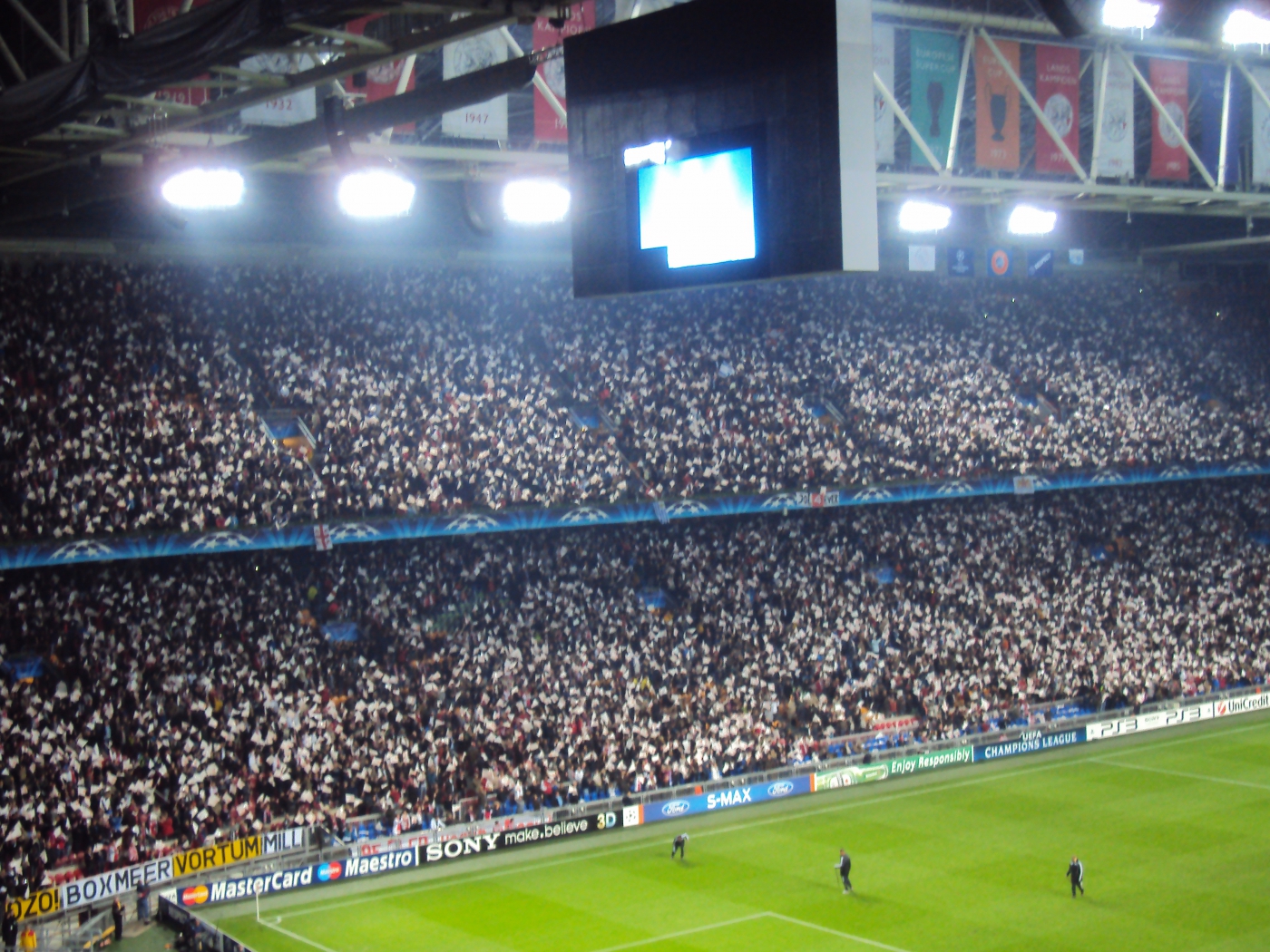
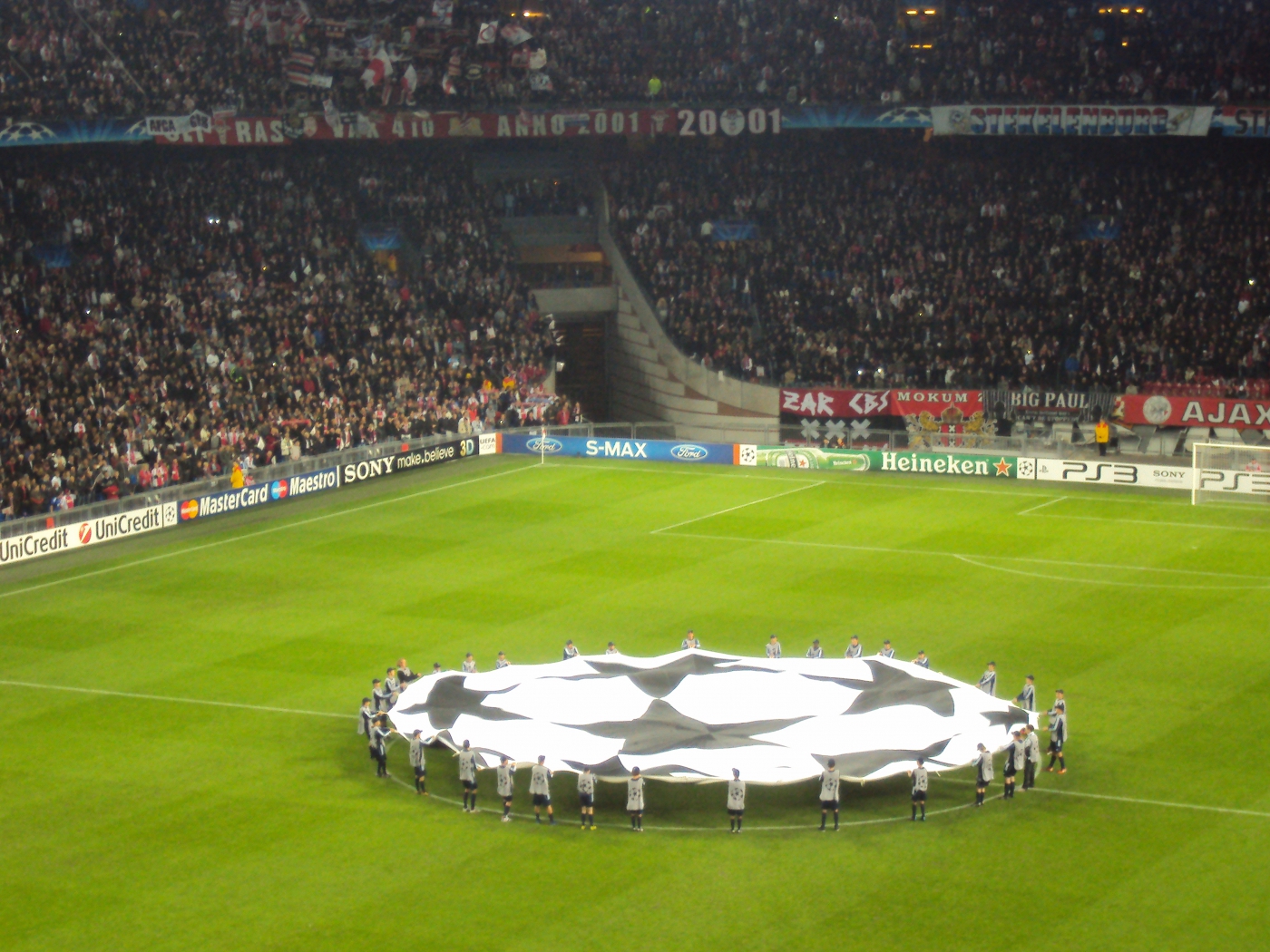
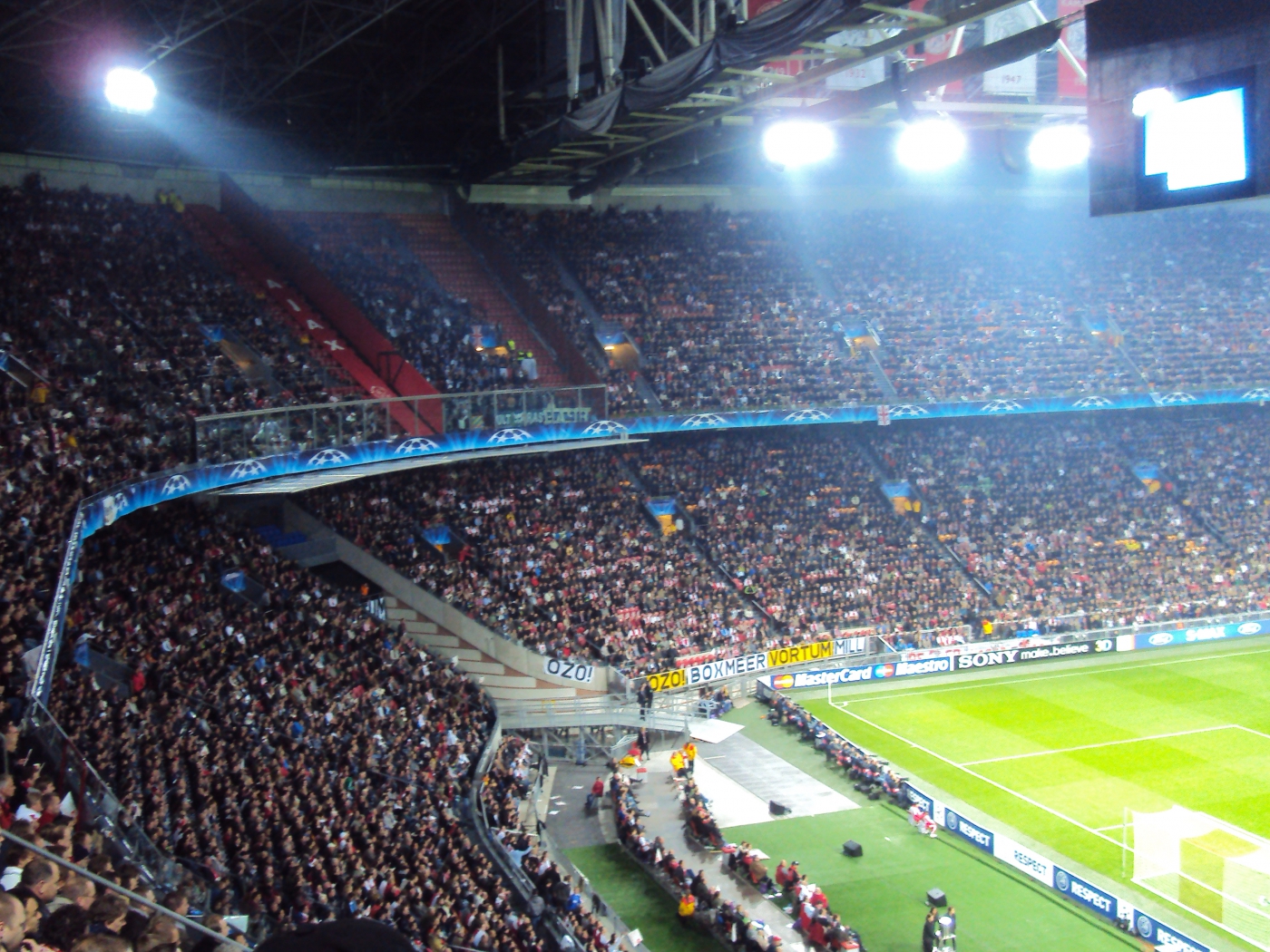
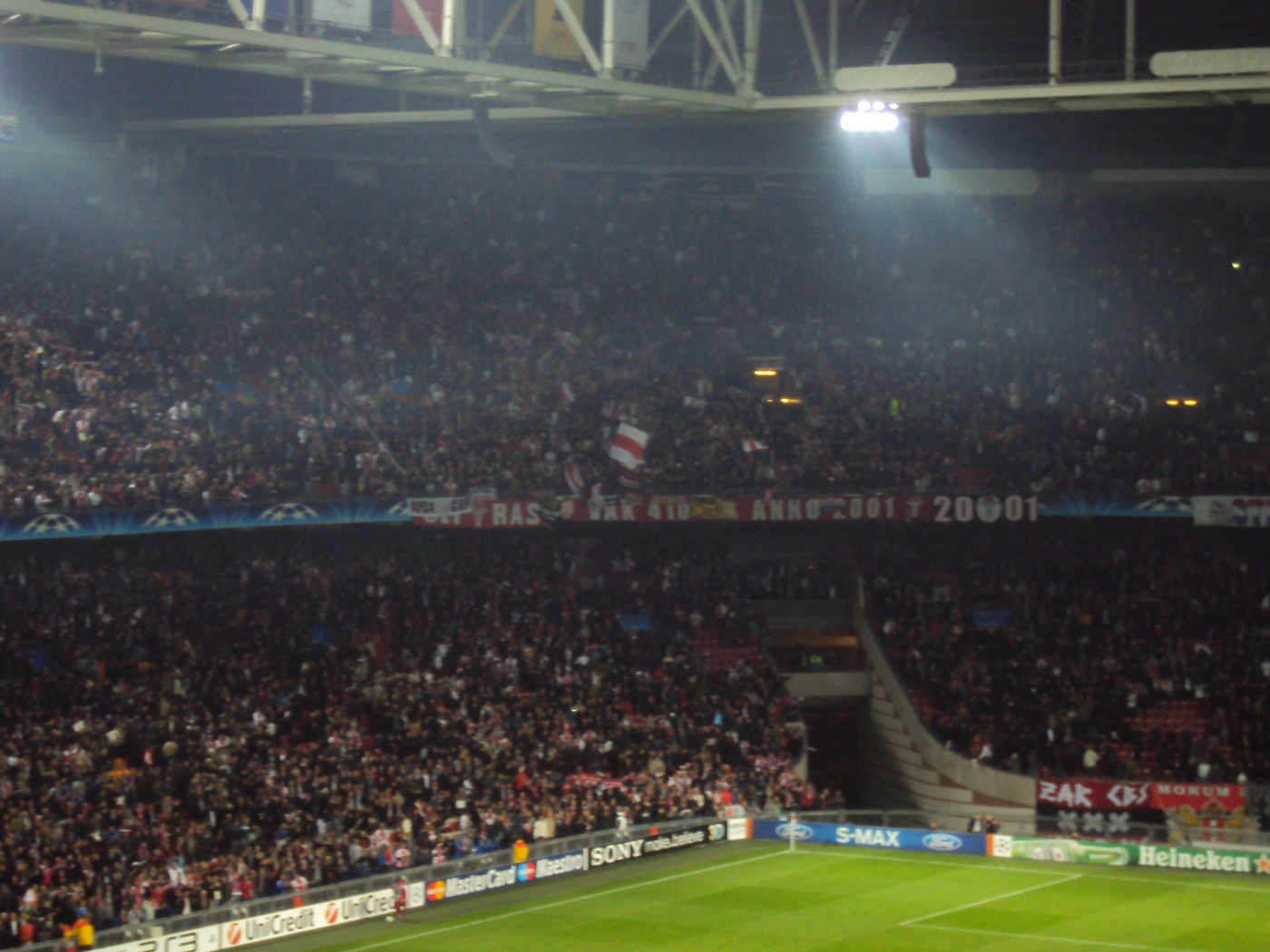
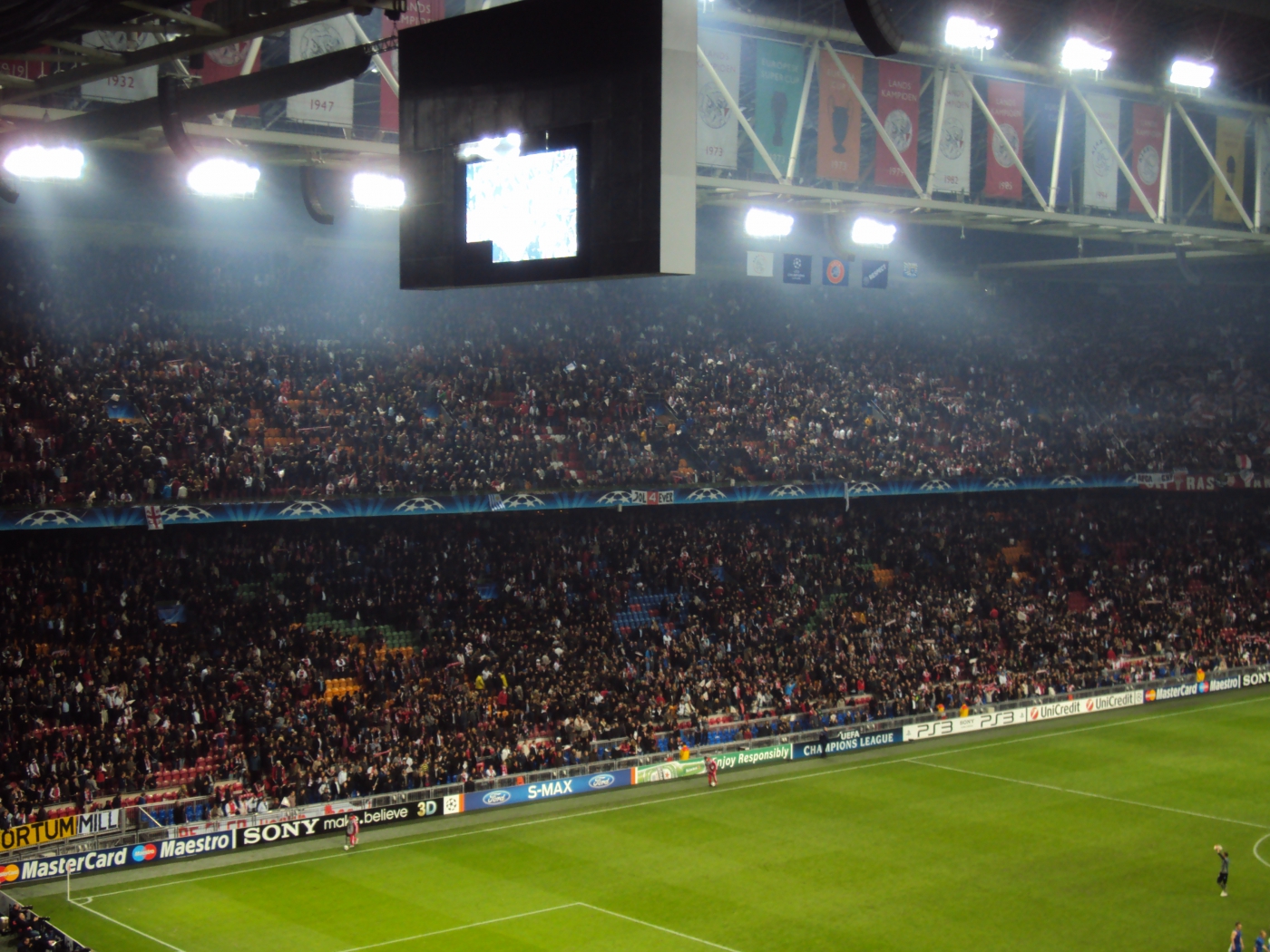
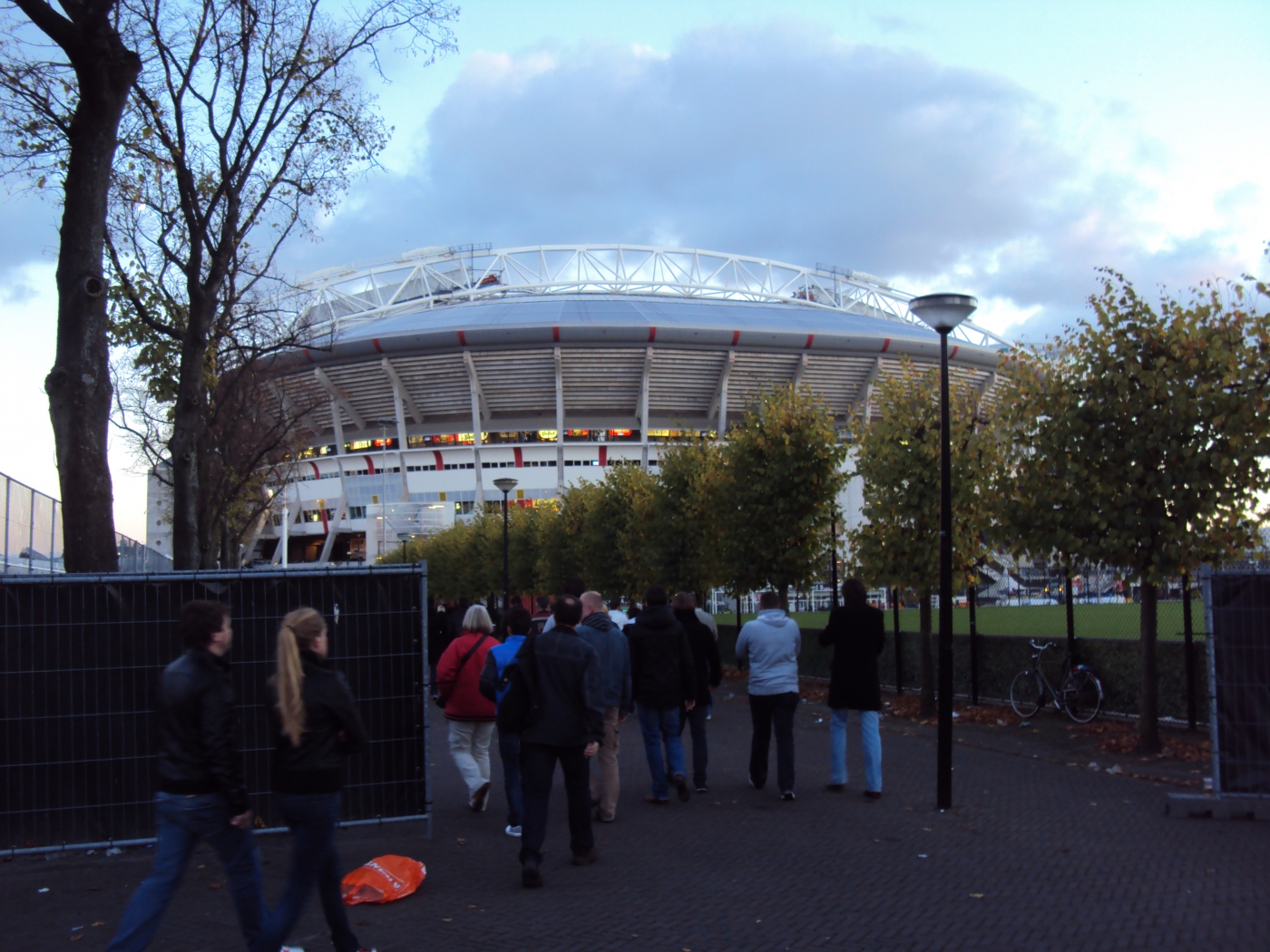
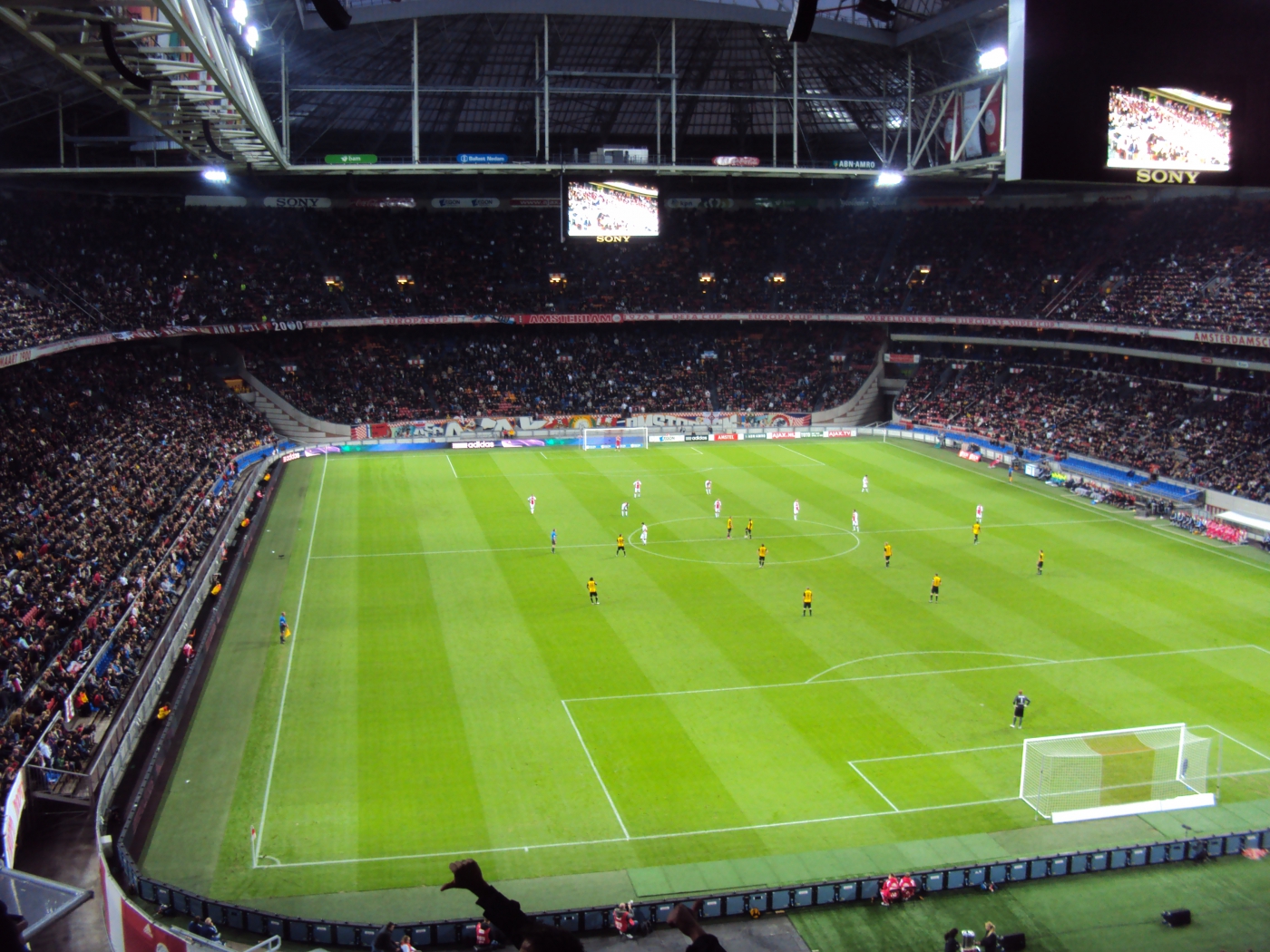
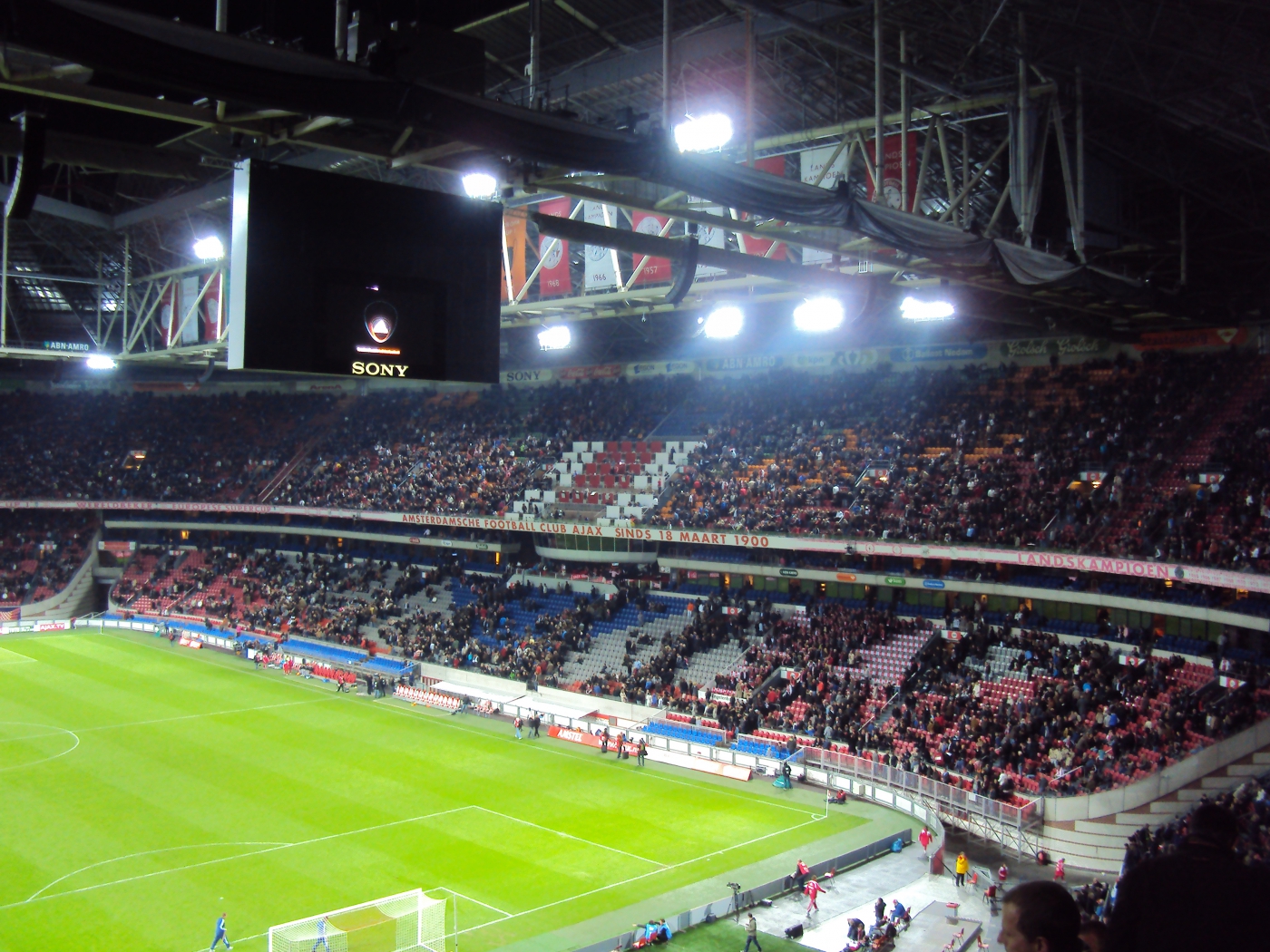
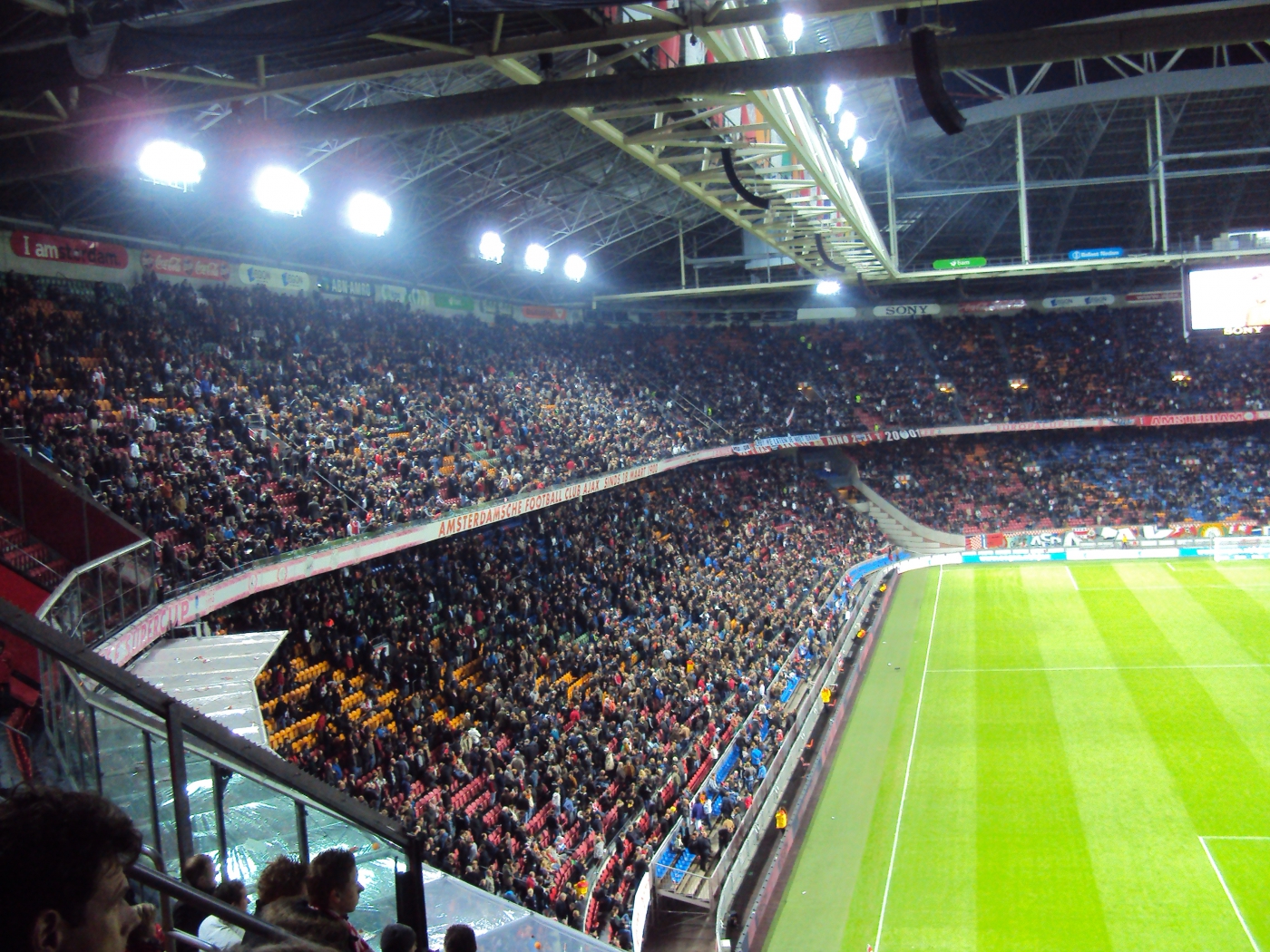
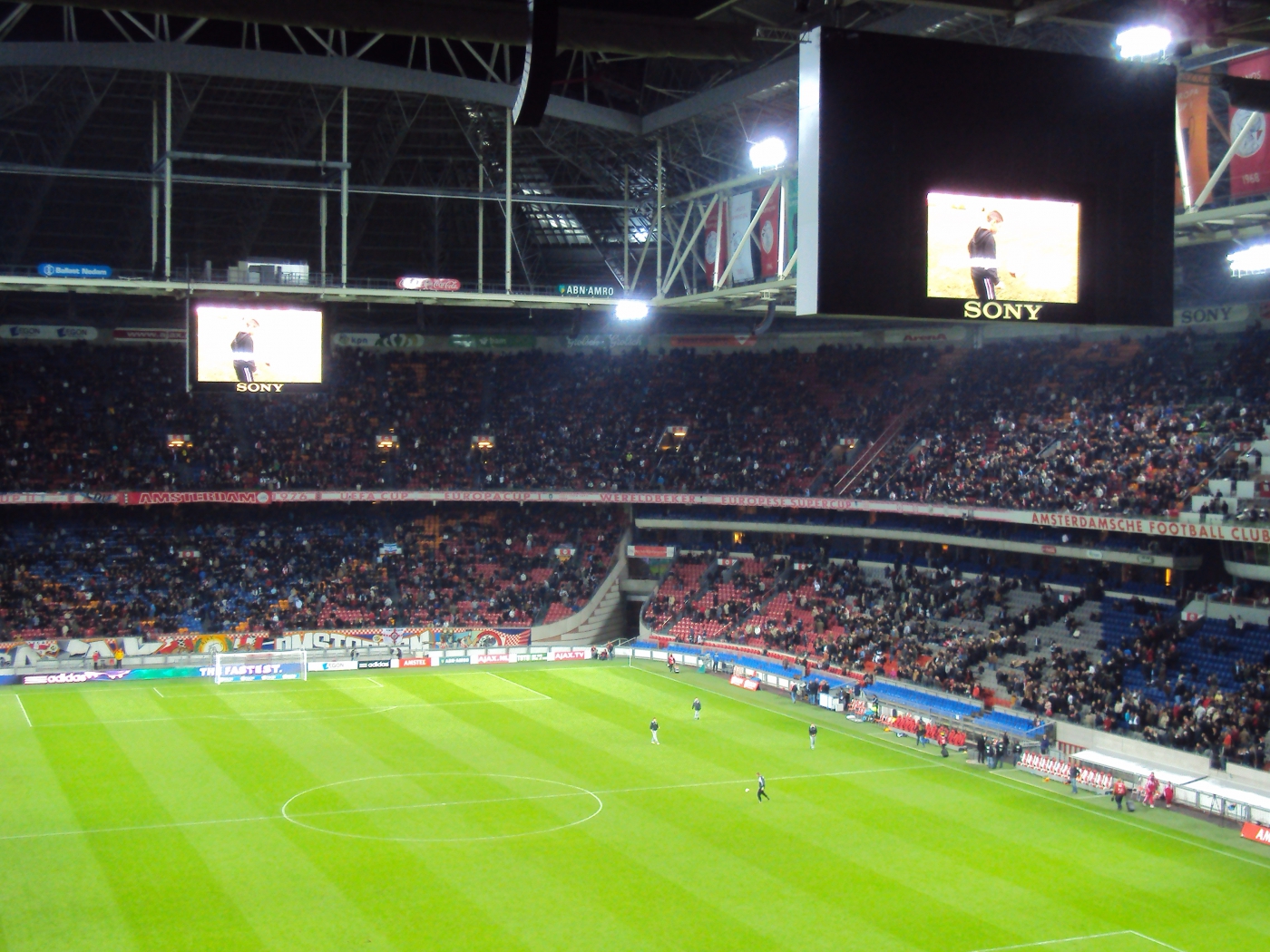
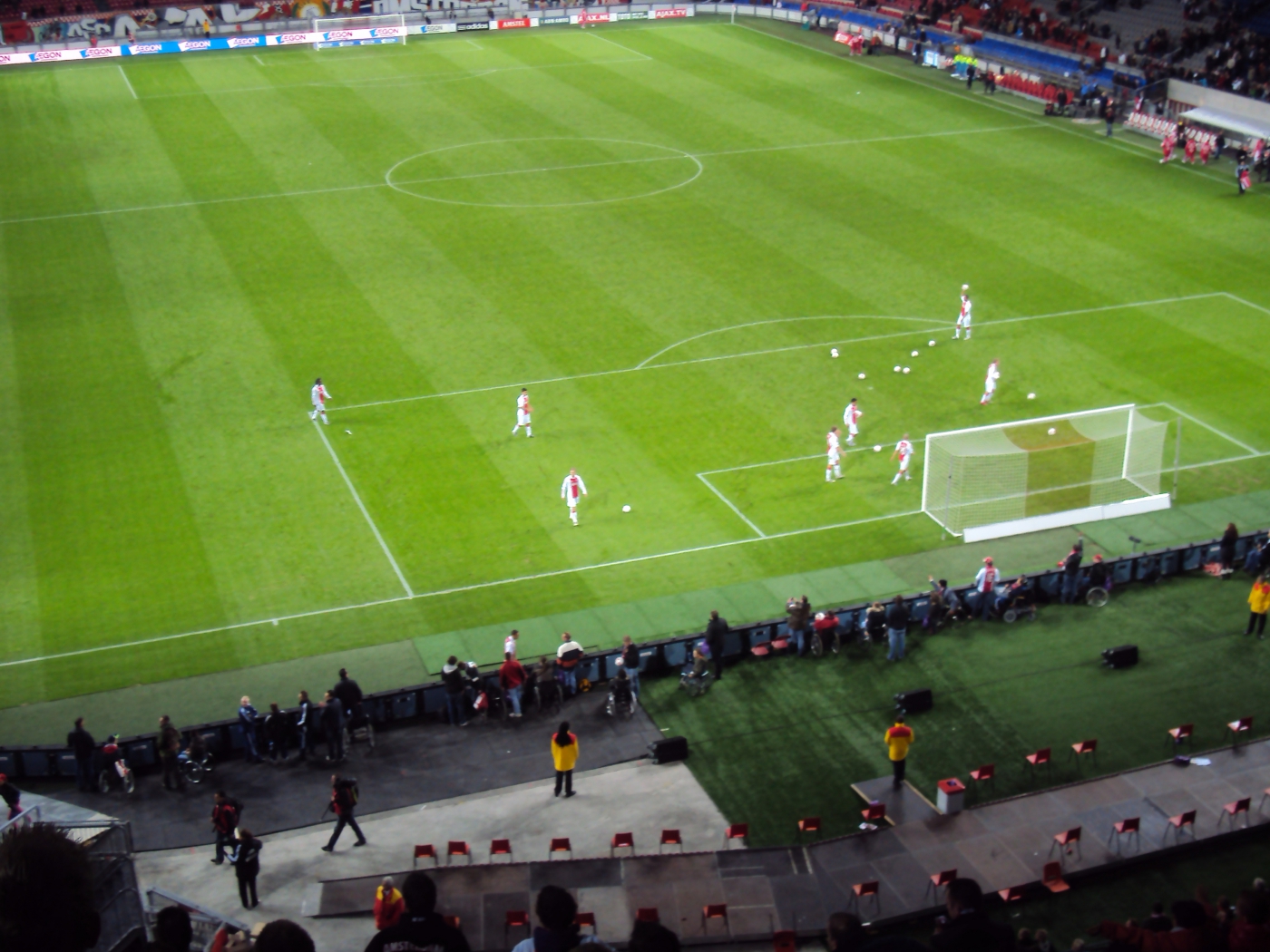
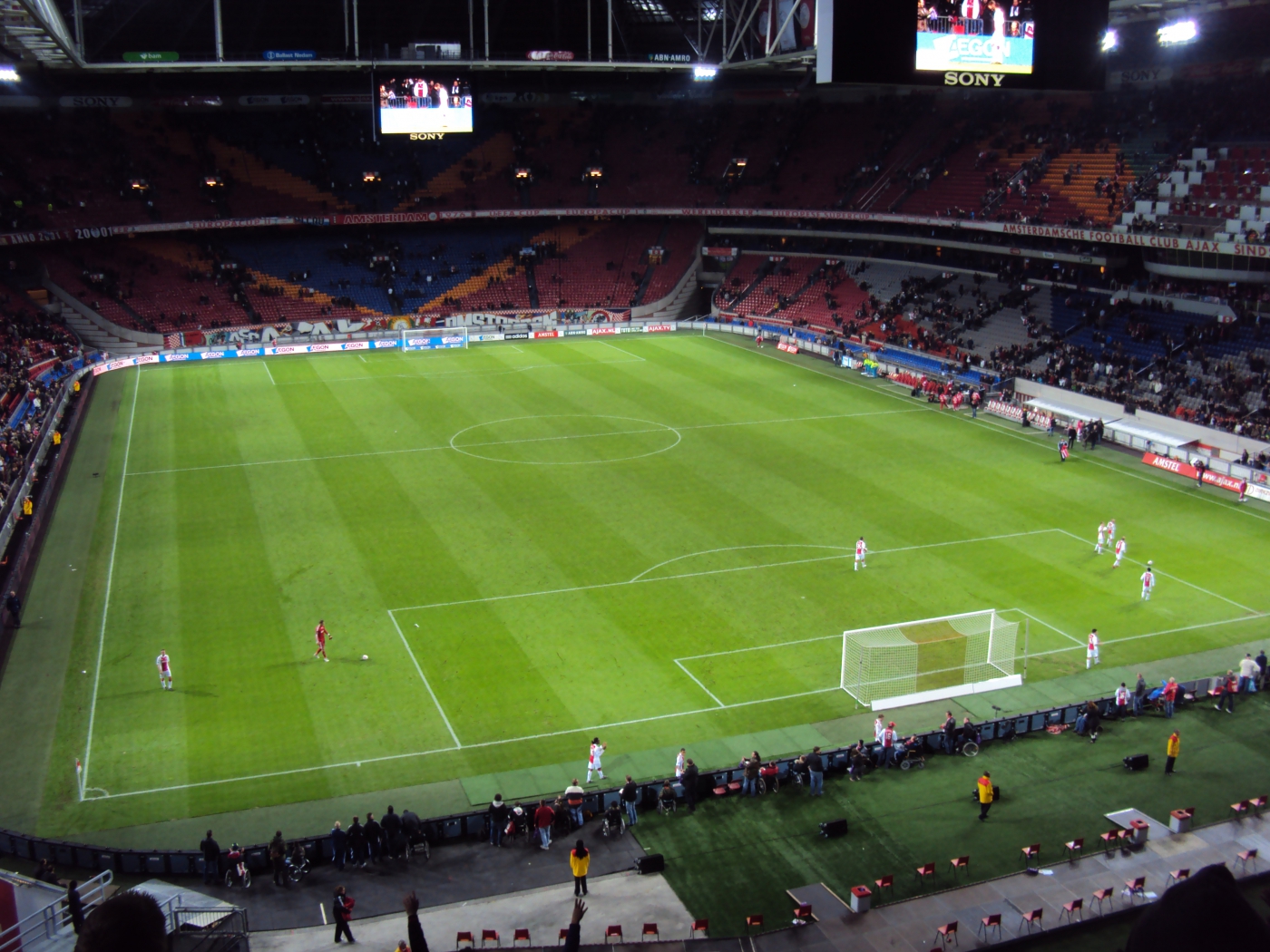
Today, Ajax remains a formidable force in the Eredivisie and a regular competitor in European competitions. Their home, the Johan Cruyff Arena, stands as a monument to their greatest legend. The club's legacy extends beyond trophies, influencing football tactics and player development, inspiring clubs worldwide.
Links and Social Media:
stadium: