Arsenal FC
London, England
About the Club:
The name Arsenal Football Club evokes tradition, elegant football, and a formidable presence in English football. Based in North London, this illustrious club boasts a history spanning over a century, marked by significant triumphs and a style of play captivating fans worldwide.
Origins and Relocation
Founded in 1886 by workers at the Woolwich Arsenal Armament Factory, the club was initially Dial Square, then Royal Arsenal, and finally Woolwich Arsenal. They became the first club in The Football League (1893). A pivotal 1913 move to Highbury, becoming simply Arsenal, ignited the intense North London Derby rivalry with Tottenham Hotspur.
Early Glory and Post-War Resilience
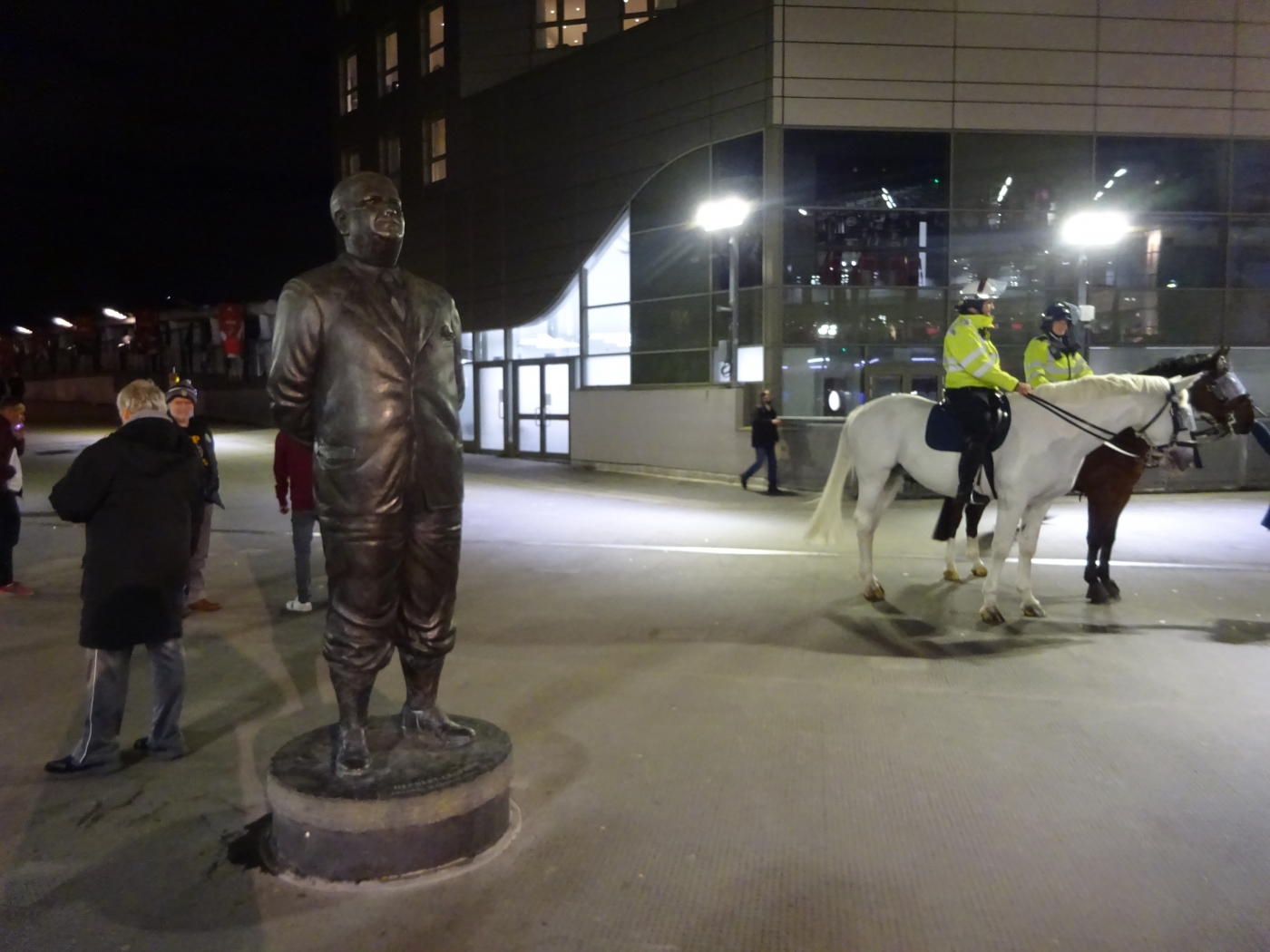
Arsenal's first golden age arrived under manager Herbert Chapman in the 1930s. His revolutionary tactics secured two First Division titles and an FA Cup. Post-war, the club achieved further league titles. The 1970/71 season brought their first double: the First Division and the FA Cup.
The Wenger Era and Invincible Heights
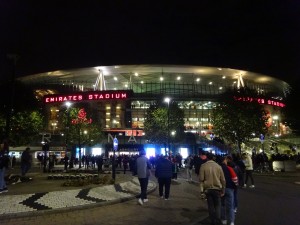
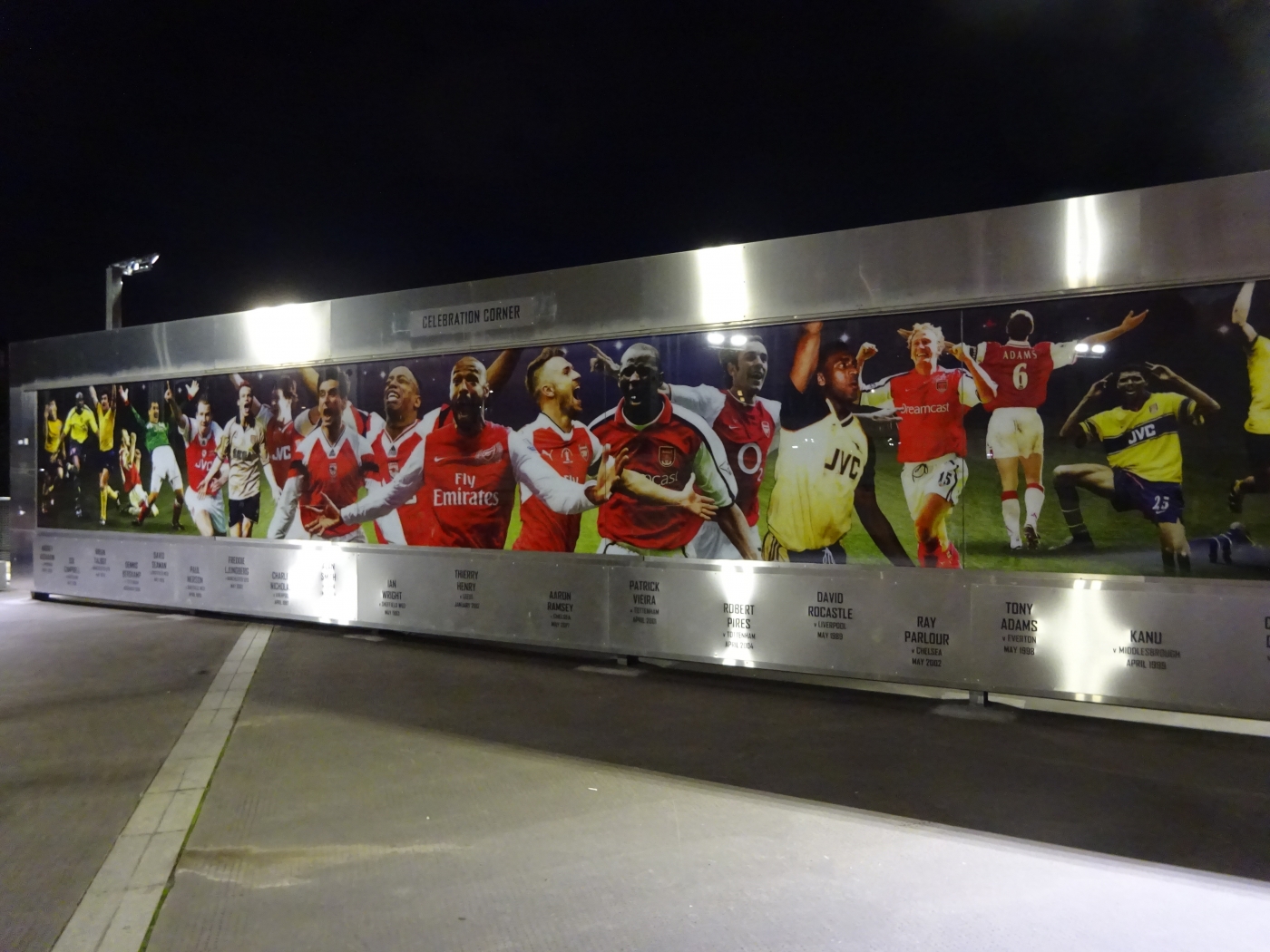
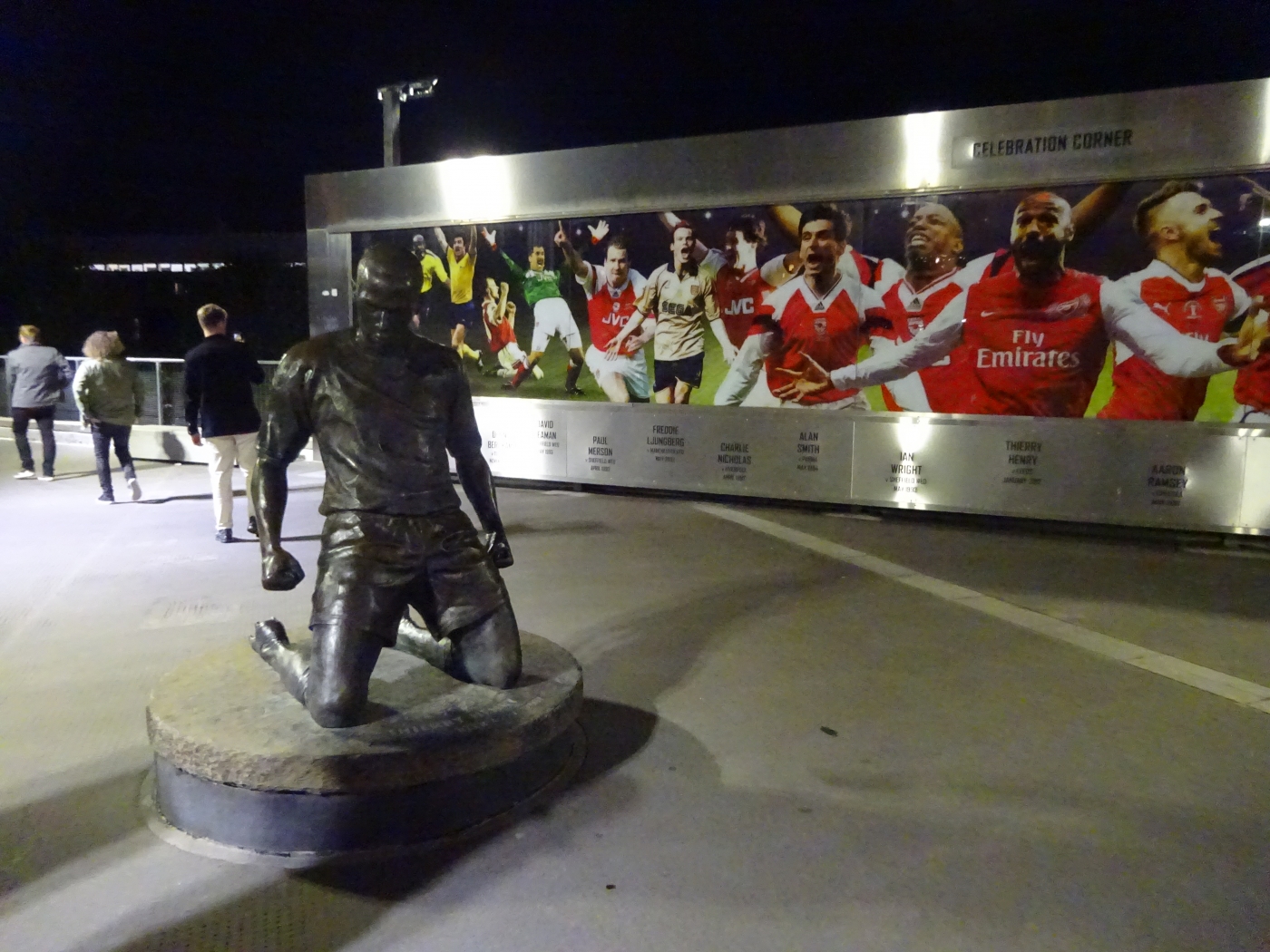
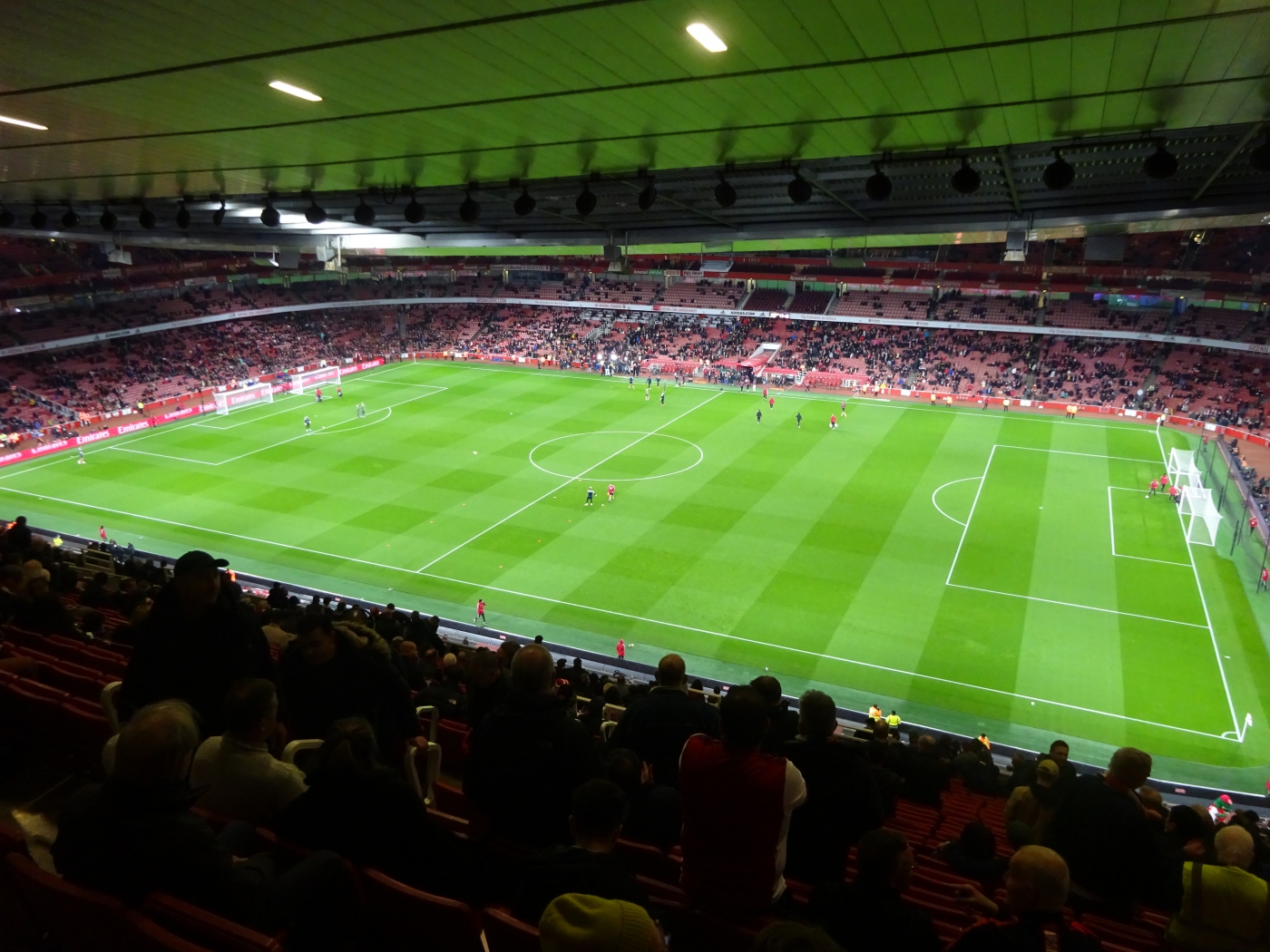
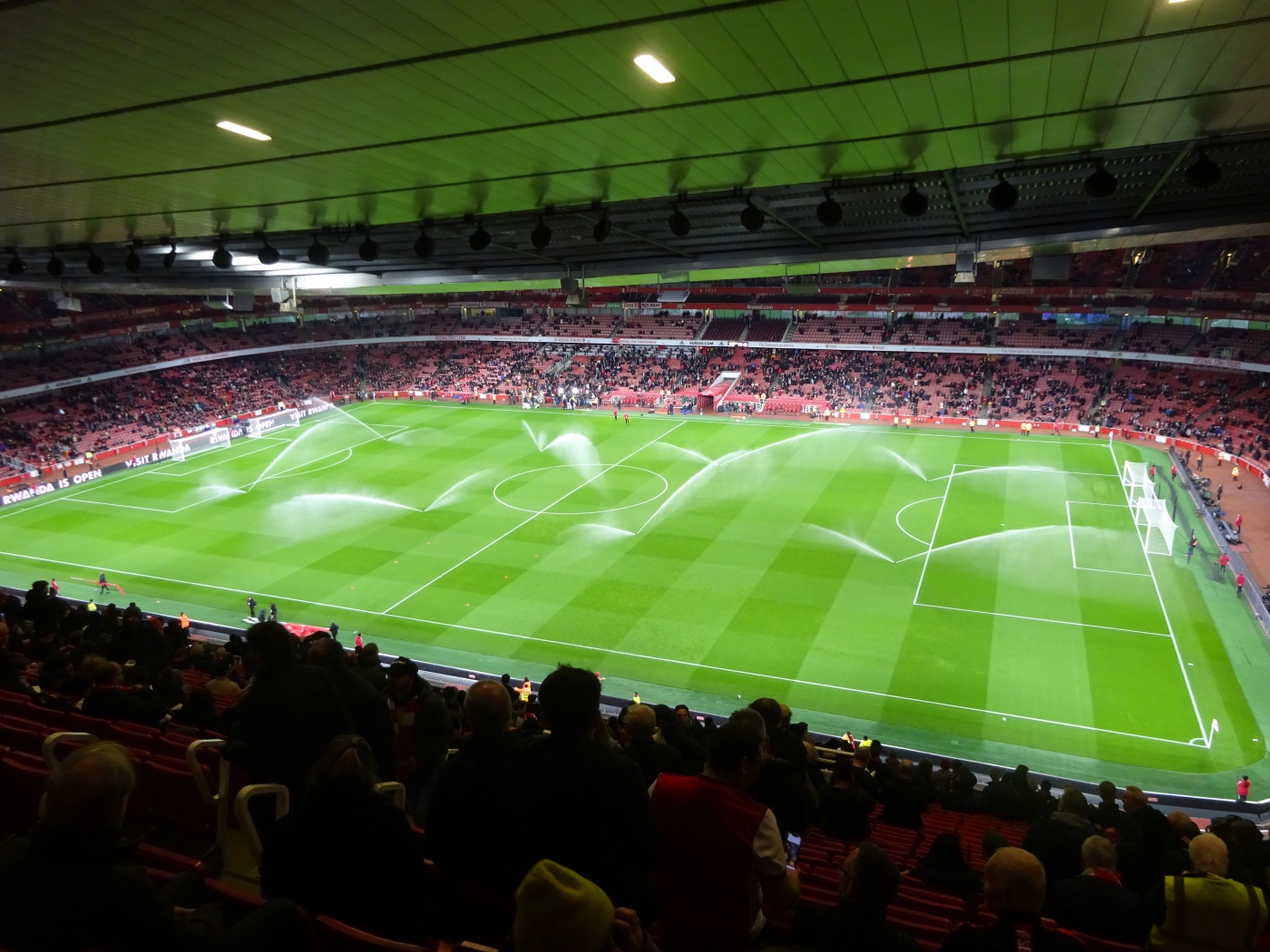
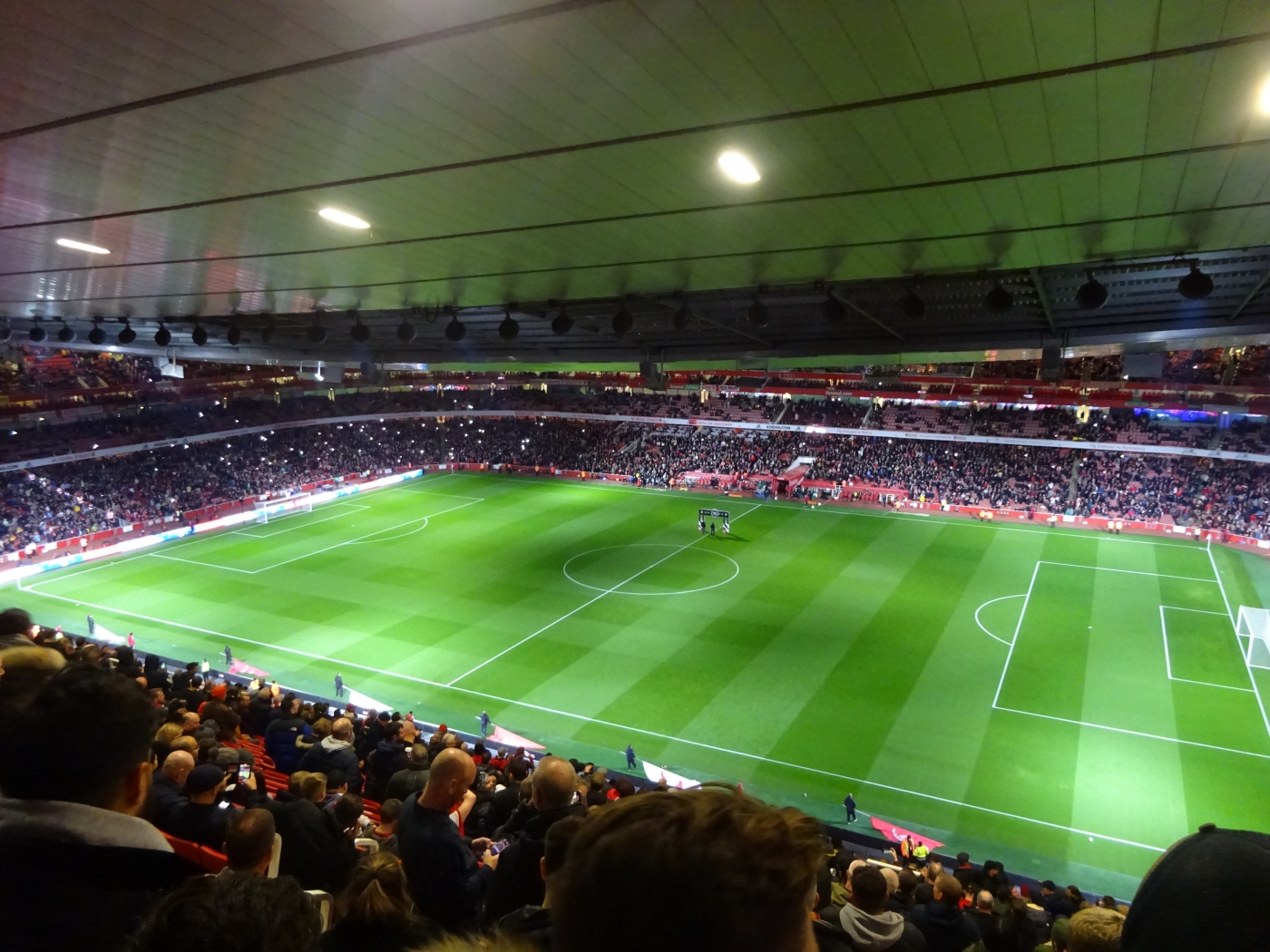
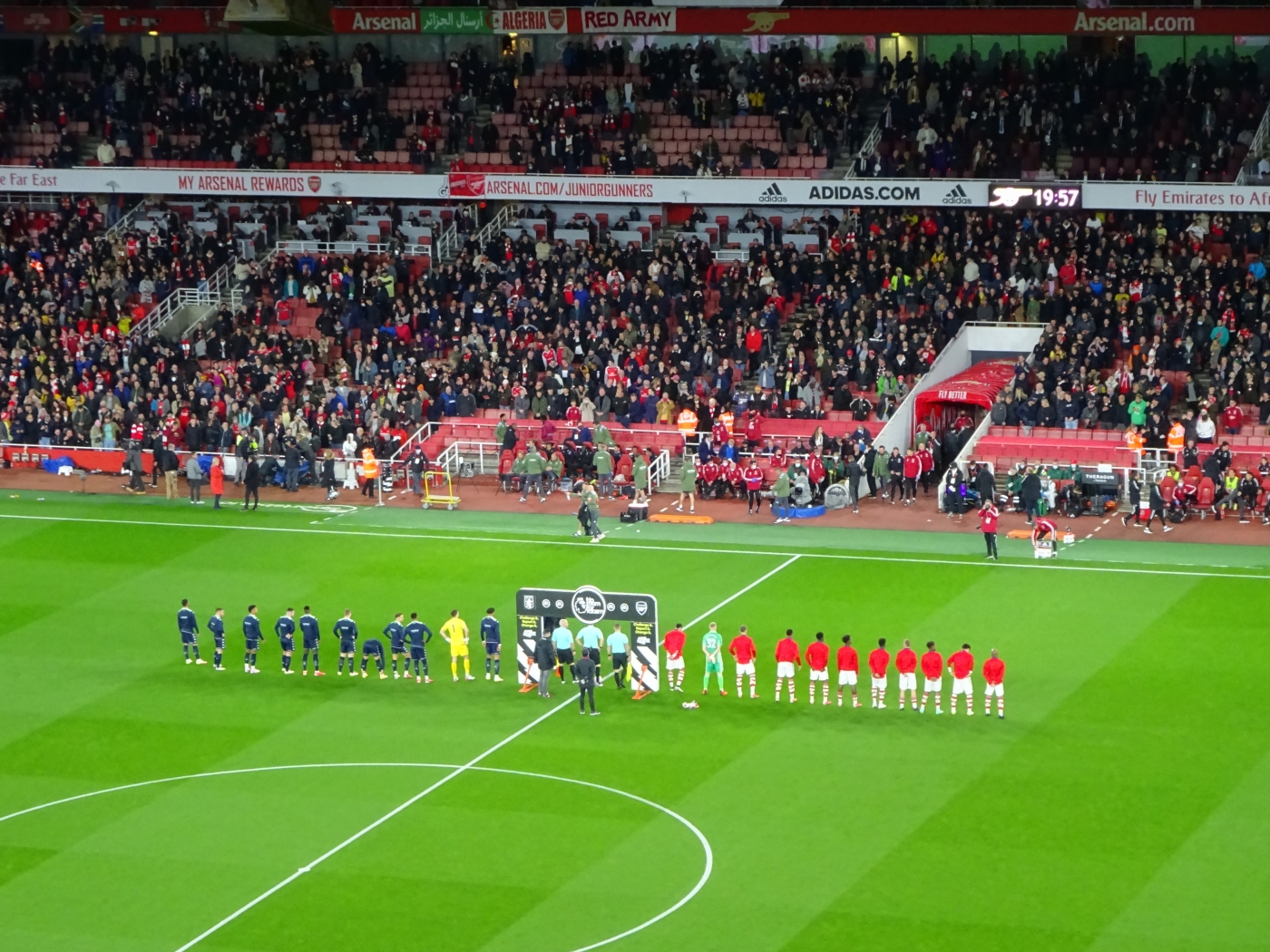
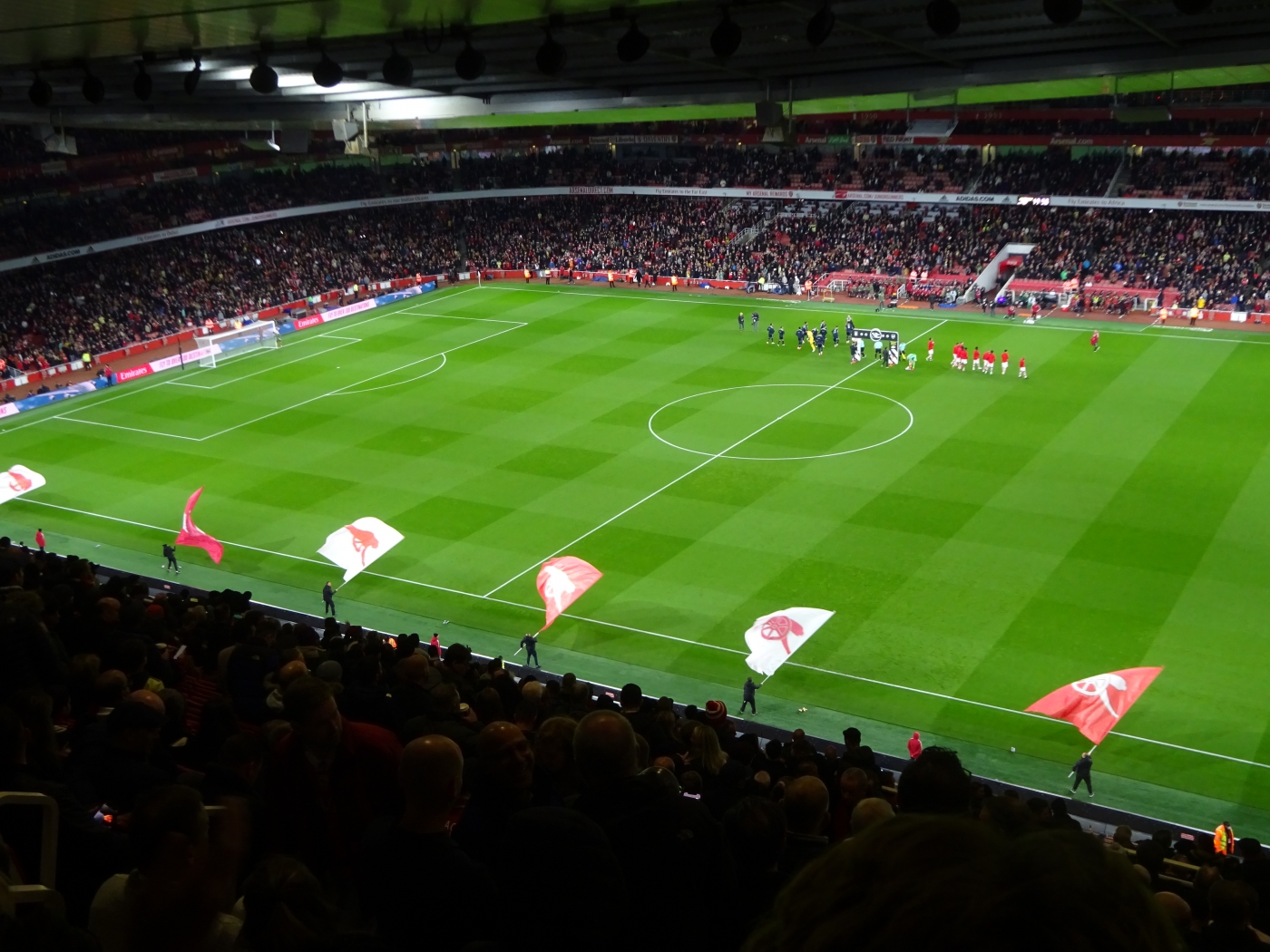
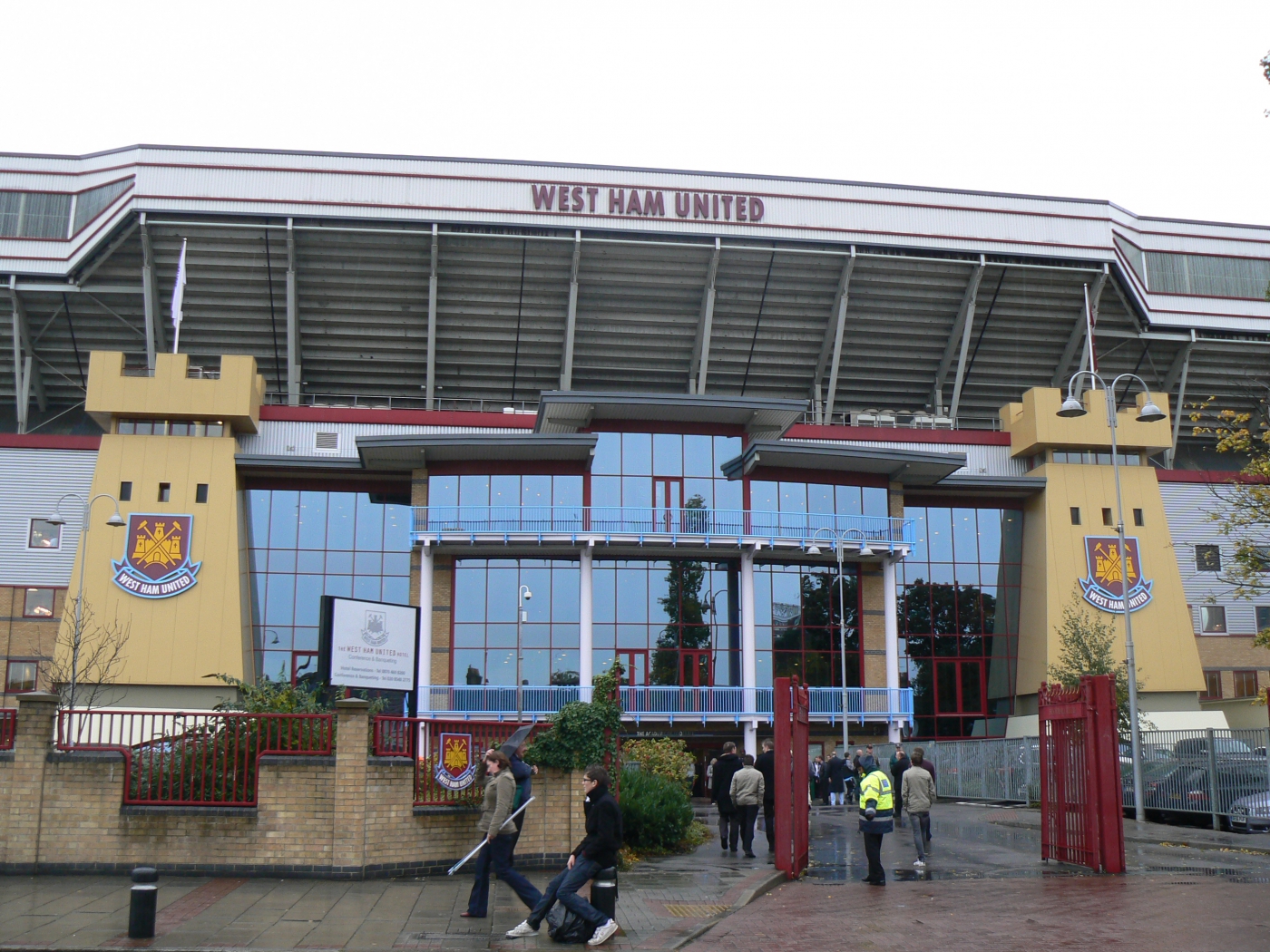
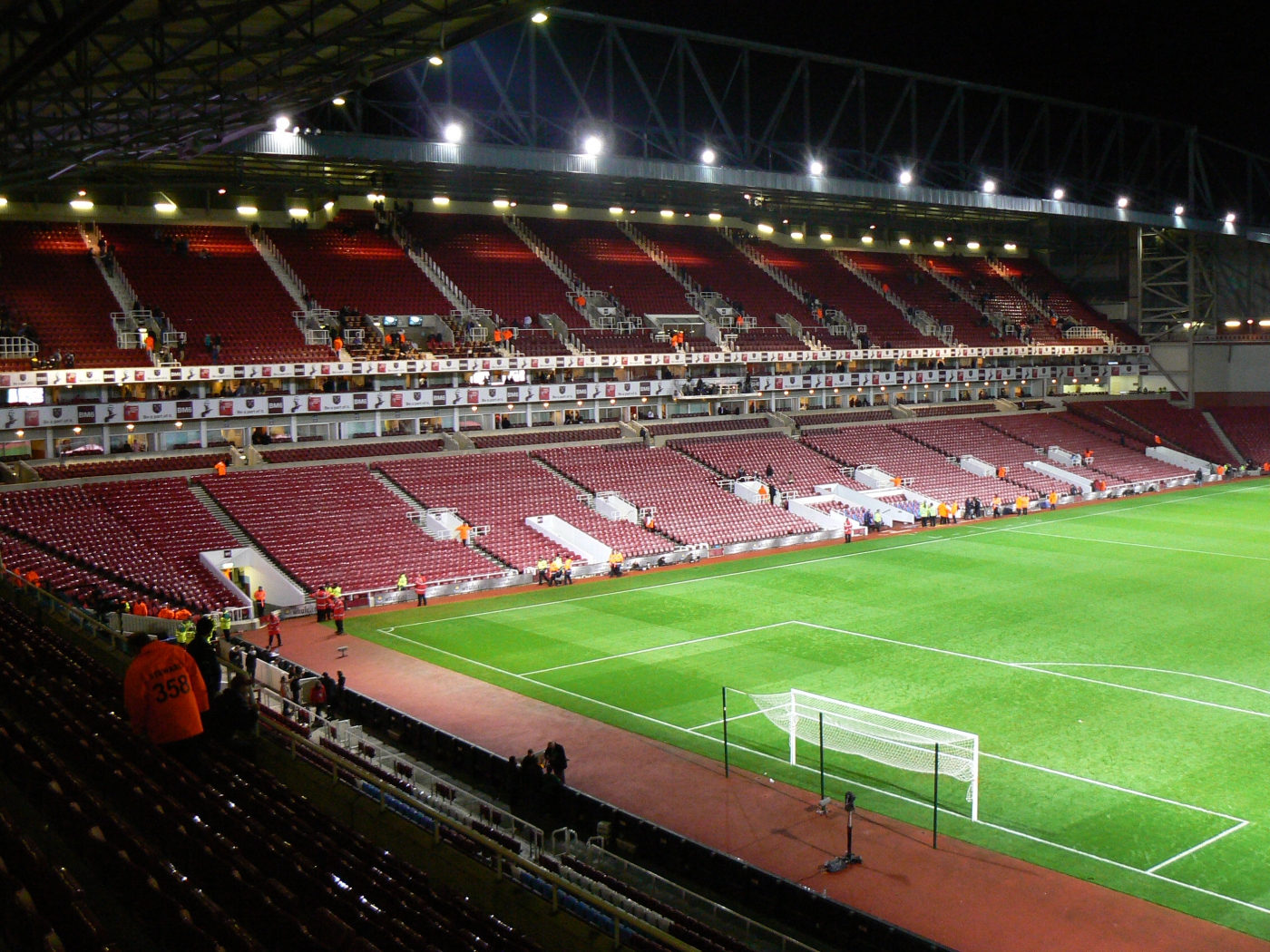
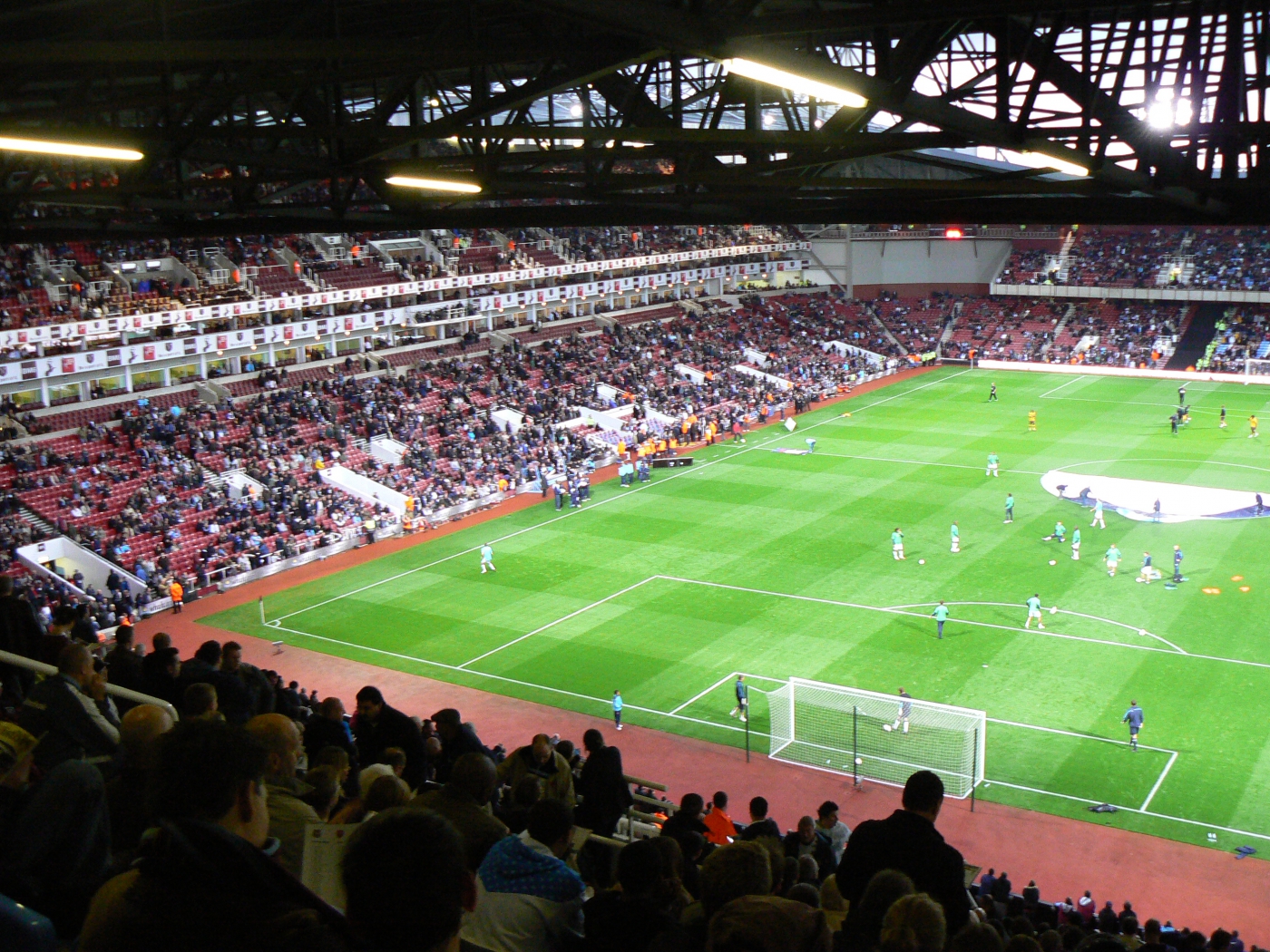
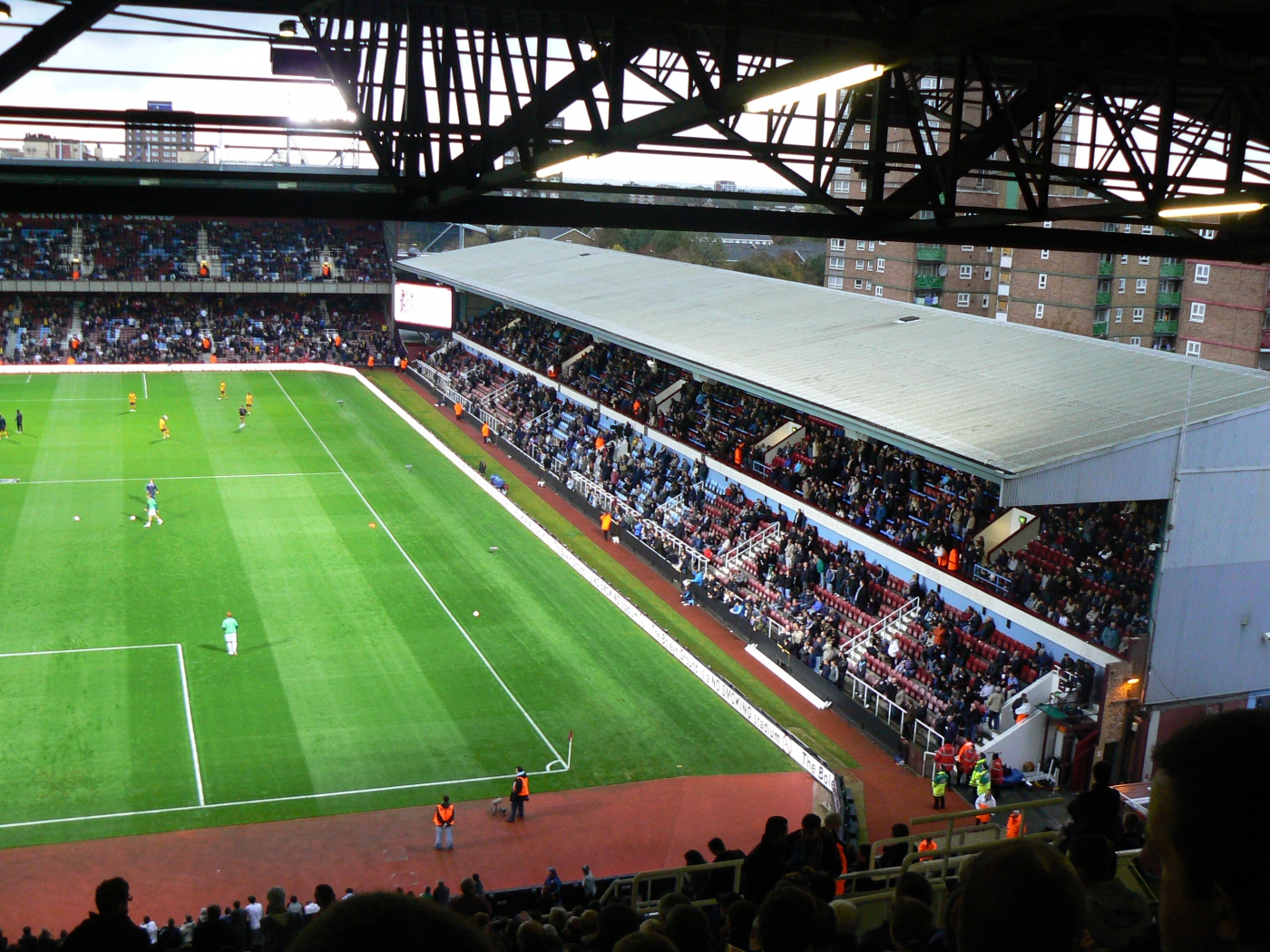
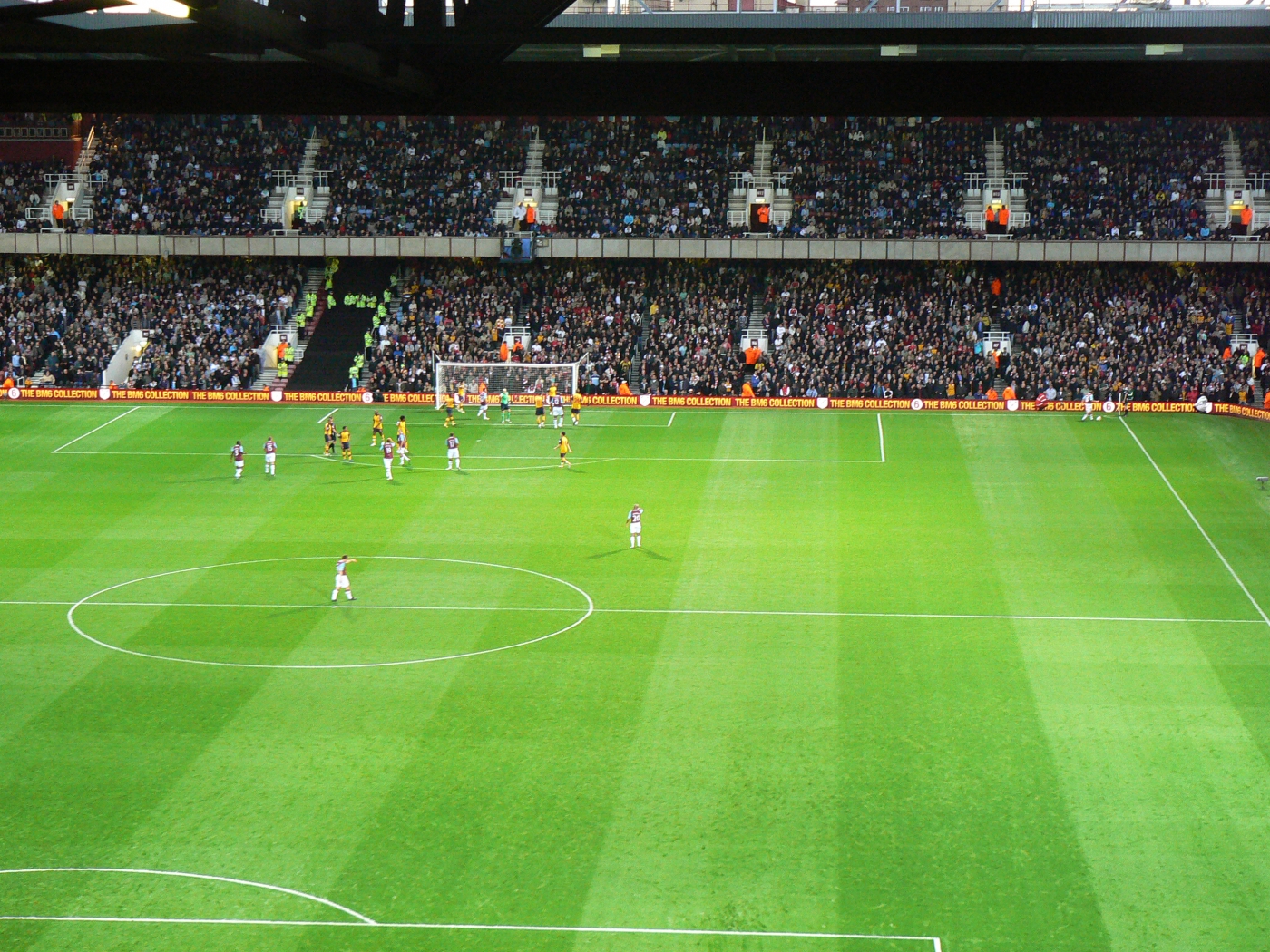
A new era of unprecedented success and attractive football began with manager Arsène Wenger in 1996. For 22 years, Wenger transformed the club with fluid, attacking play. The highlight was the 2003/04 "Invincibles" season, winning the Premier League unbeaten, an unmatched feat. Iconic players like Thierry Henry and Dennis Bergkamp defined this period. In 2006, the club moved from beloved Highbury to the state-of-the-art Emirates Stadium.
A Lasting Legacy
With 13 League titles and a record 14 FA Cups, Arsenal remains one of England's most successful clubs. Their commitment to beautiful football and developing young talent defines their identity. The Gunners, known, strive for glory, blending innovation with tradition.
Links and Social Media:
stadium: