Hutnik Kraków
Krakau, Poland
About the Club:
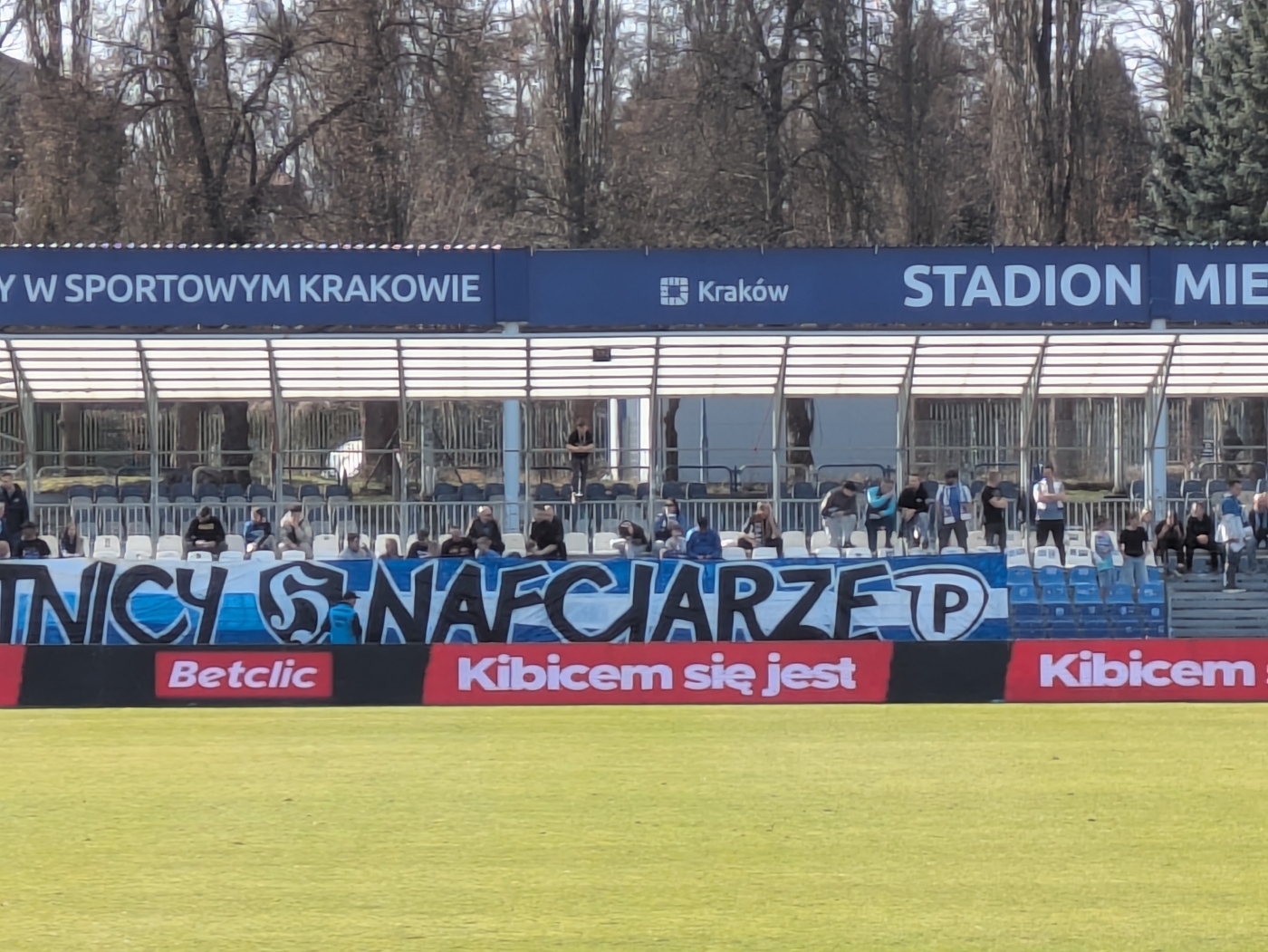
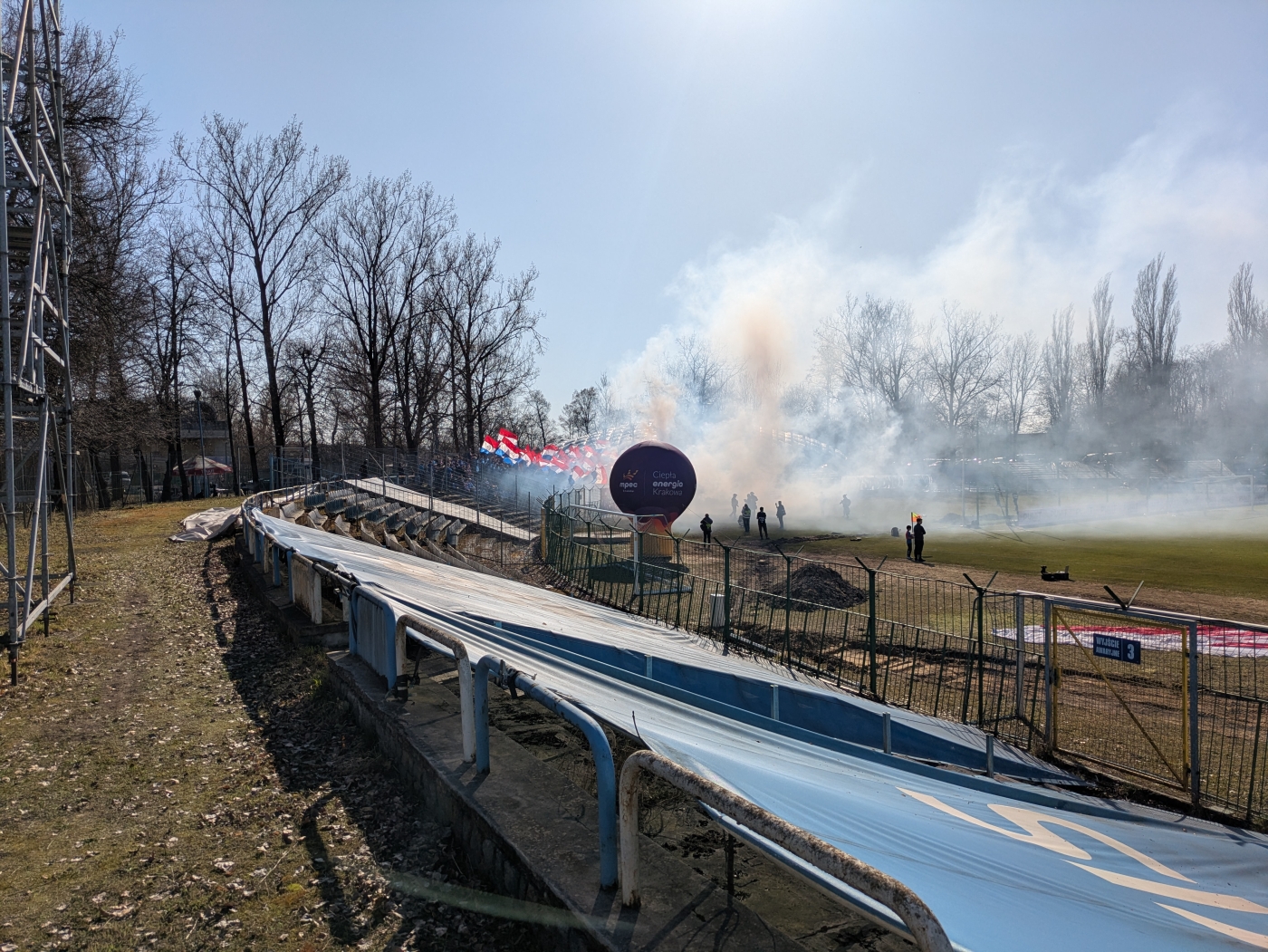
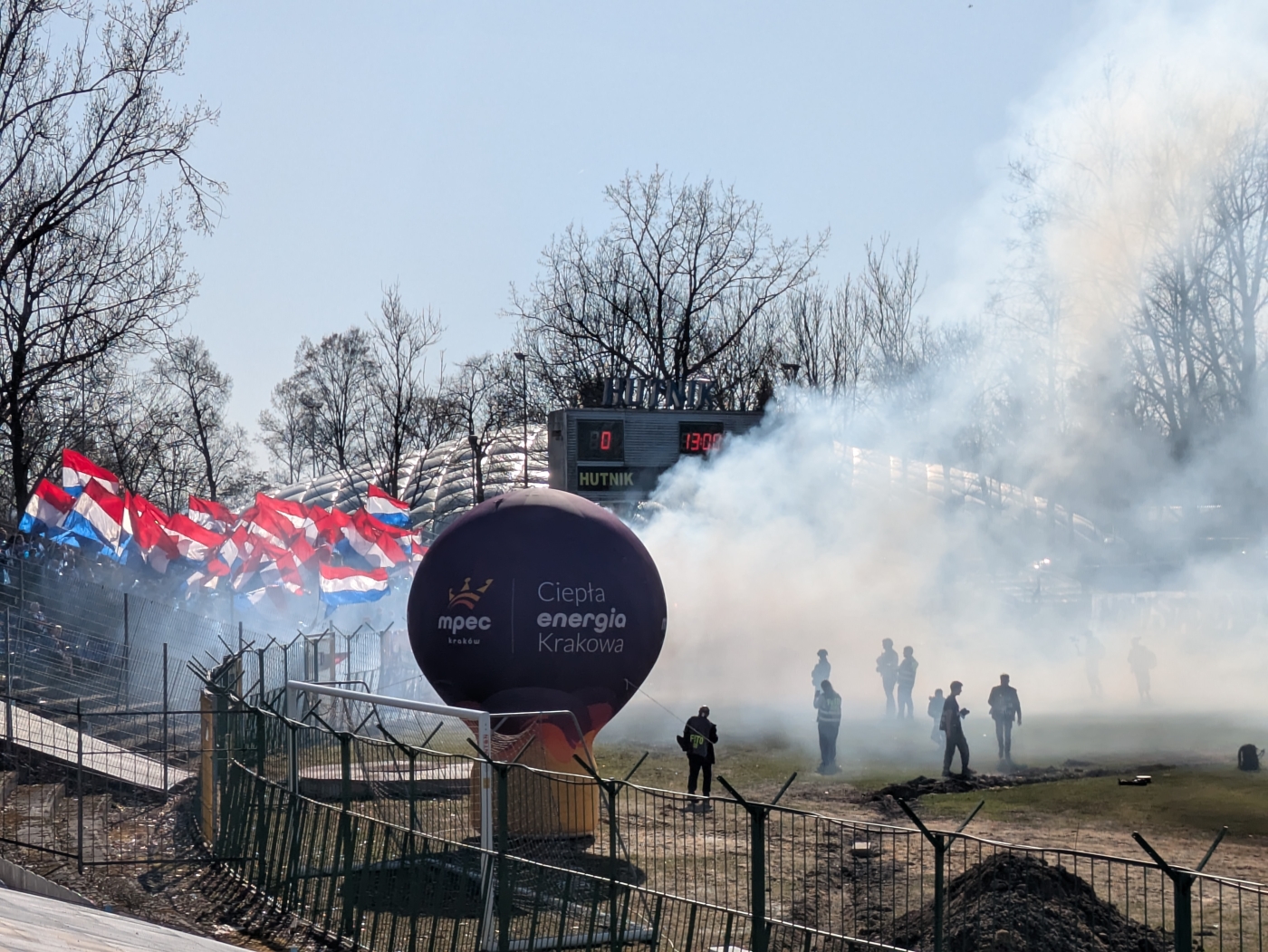
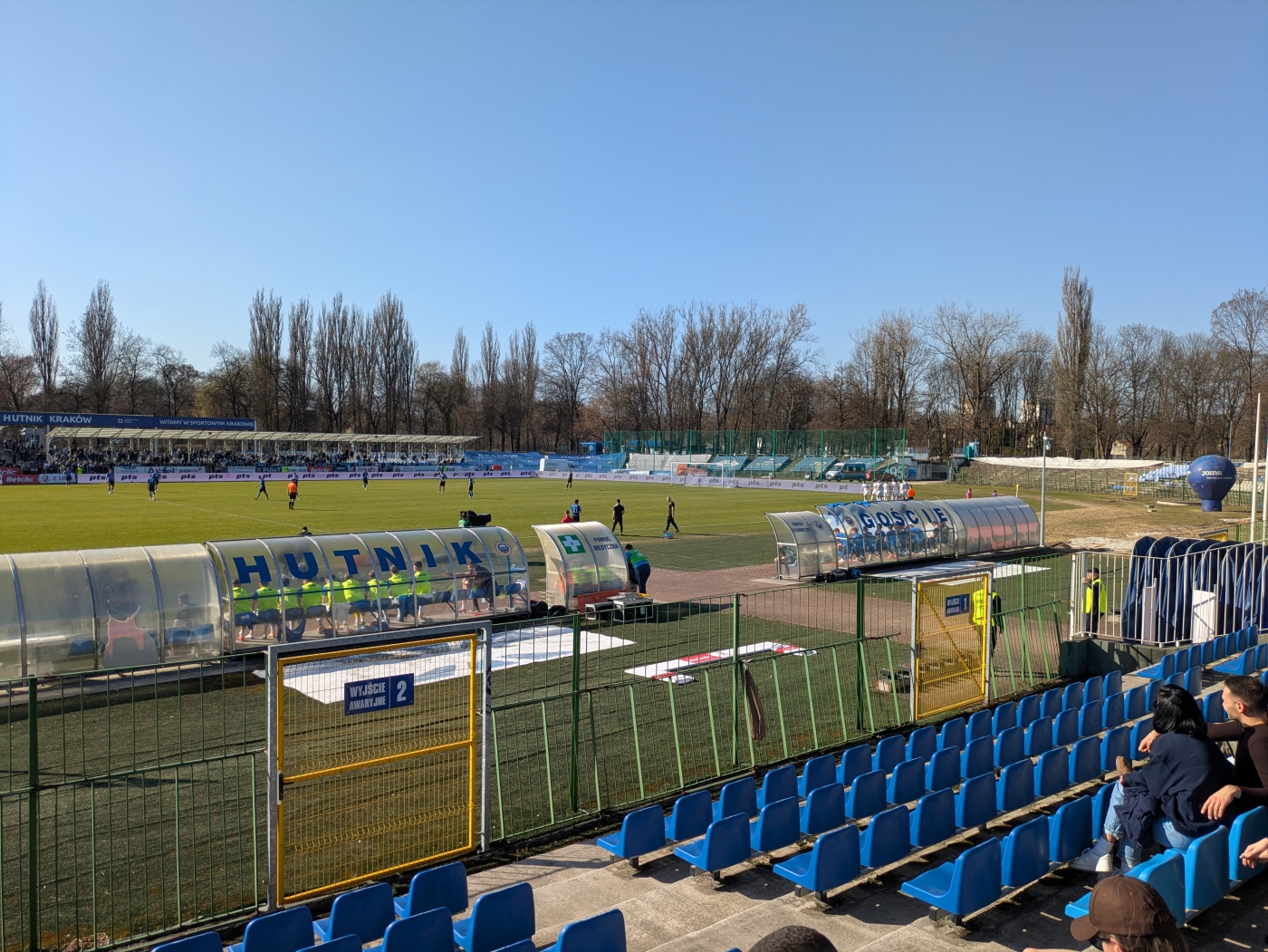
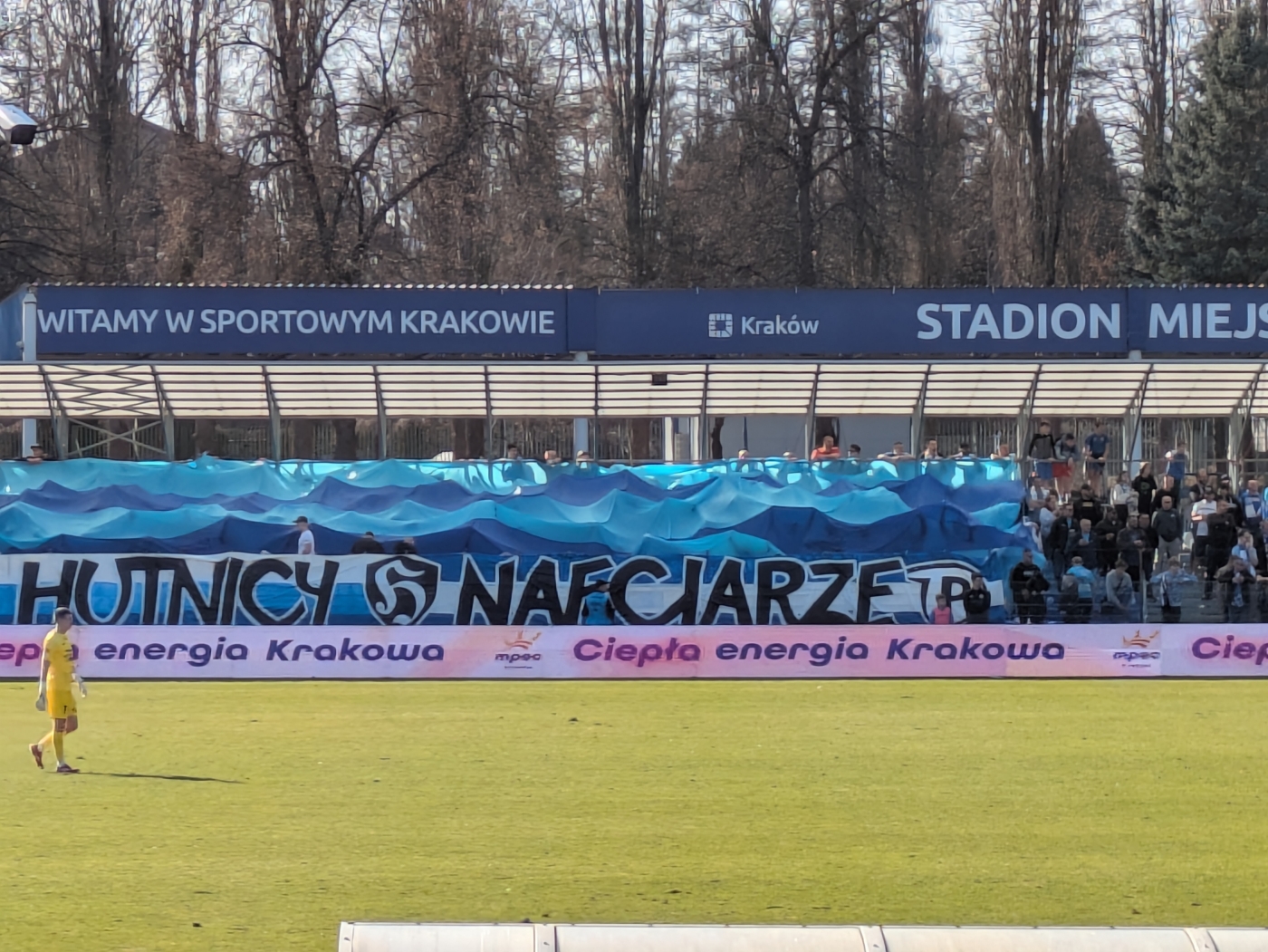
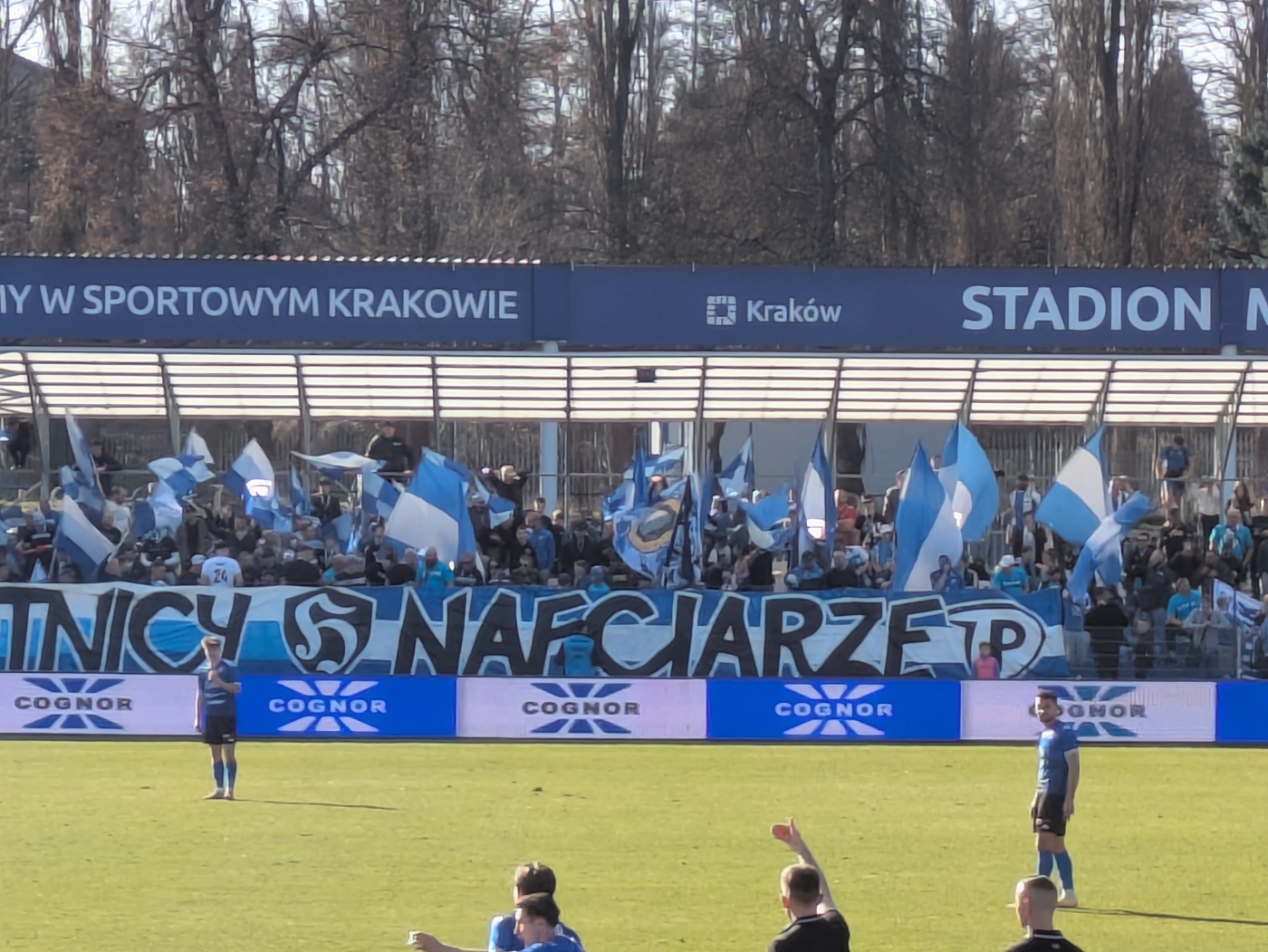
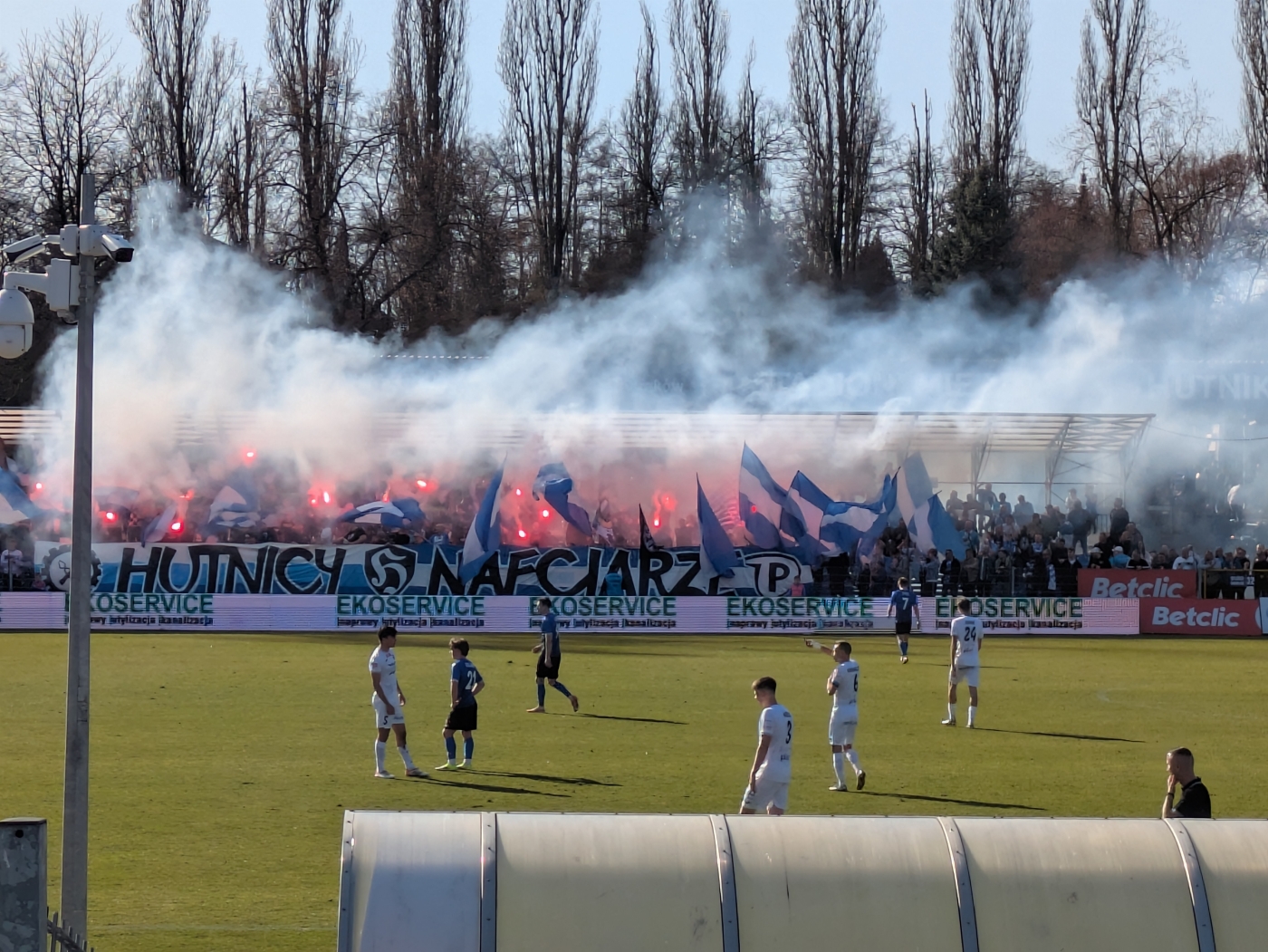
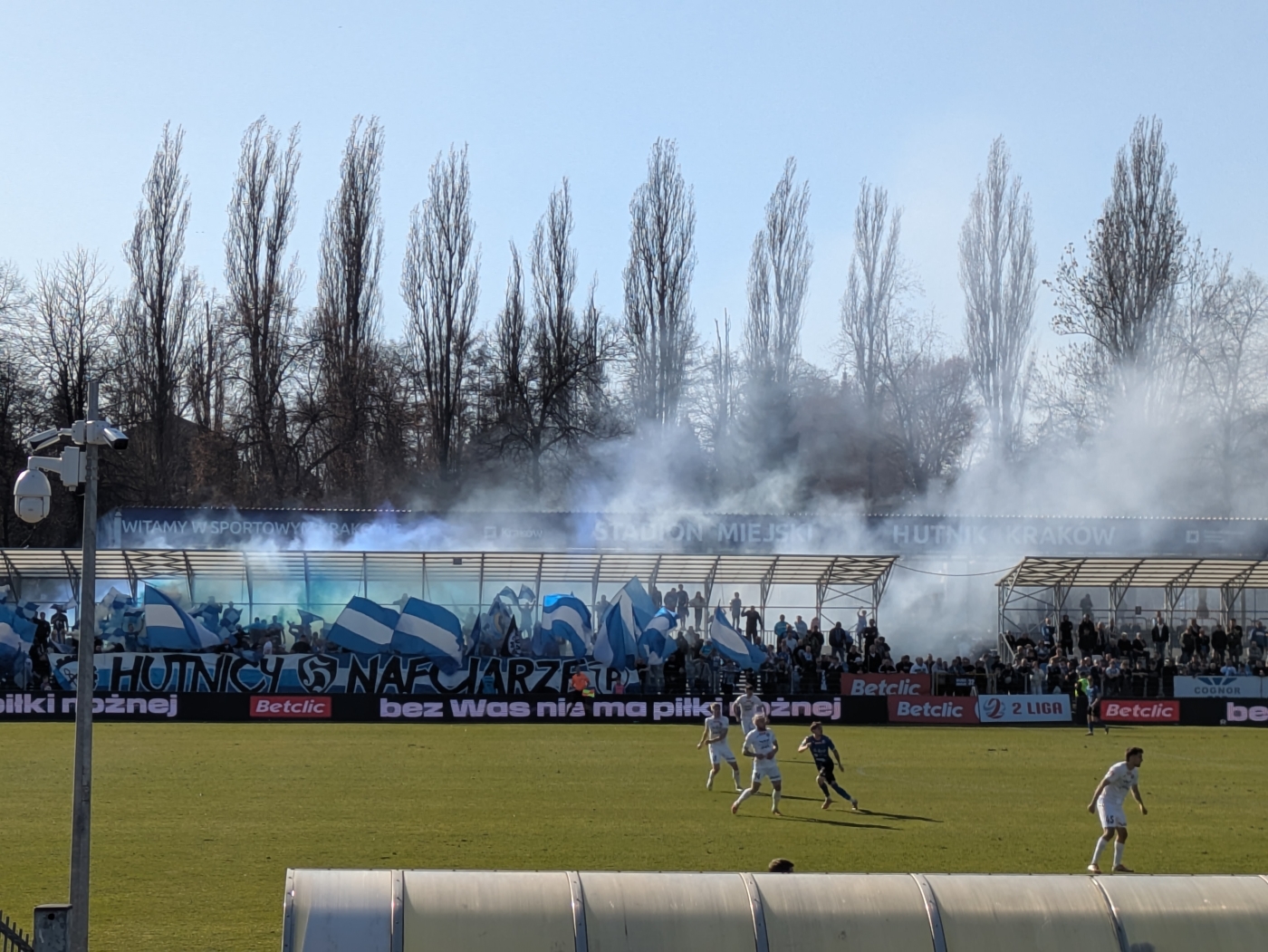
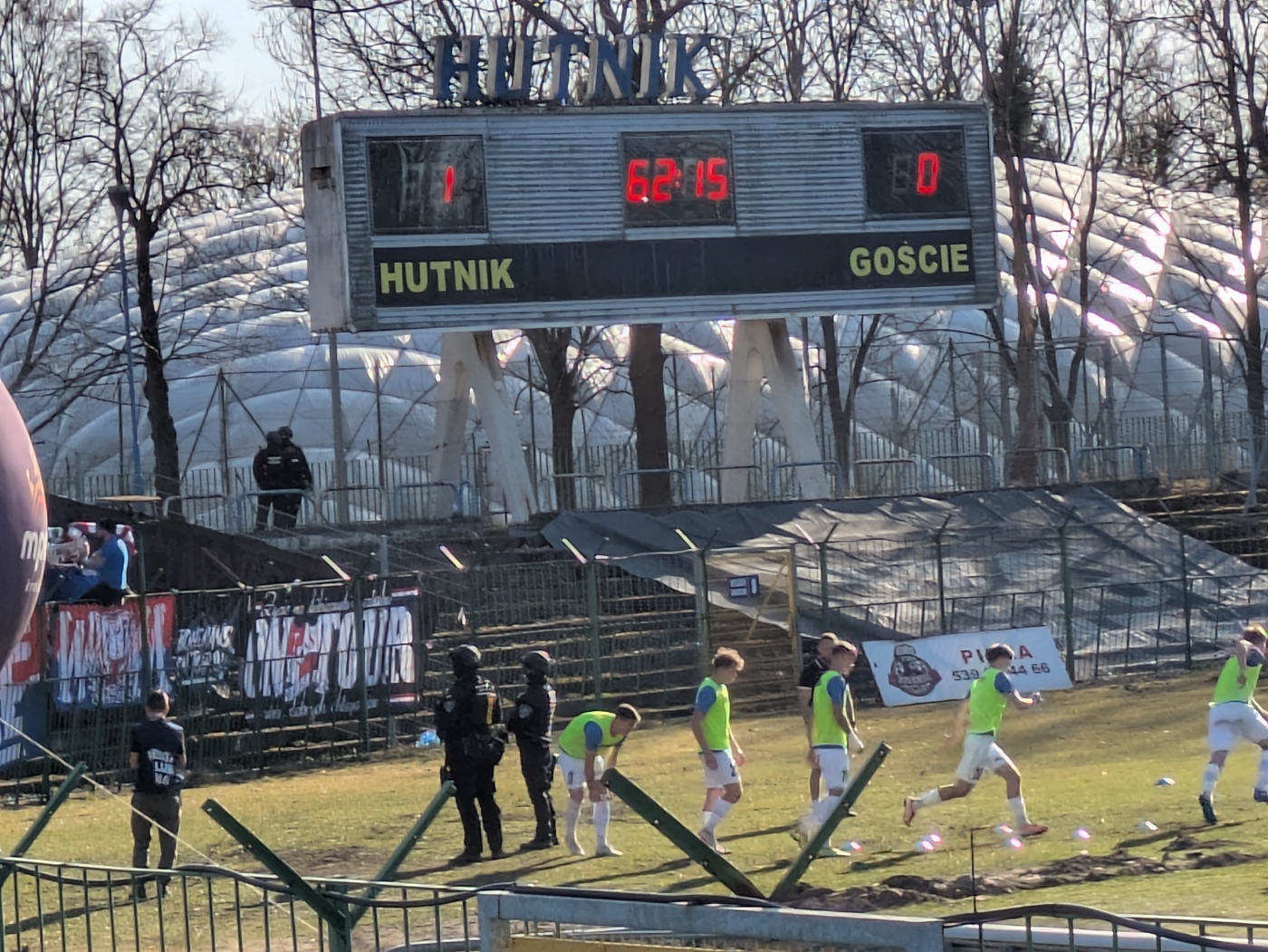
Nestled in the historical city of Kraków, Poland, lies a football club with a rich, albeit sometimes turbulent, history: Hutnik Kraków. Embodying the spirit of its industrial roots, the club has been a significant, if often overlooked, part of the Polish football landscape for decades, particularly known for its commitment to youth development and a resilient fan base.
The Birth in Nowa Huta
Hutnik Kraków was established in 1950, originally under the name Stal Nowa Huta. Its creation was deeply intertwined with the development of Nowa Huta itself – a planned socialist city district built around a massive steelworks, intended to be a model working-class community. The club served as a sporting outlet for the steelworkers, reflecting the era's emphasis on physical culture and collective identity. The name "Hutnik," meaning "metallurgist" or "steelworker," was adopted in 1956, cementing its connection to the local industry and the people who built it.
Golden Era and European Ventures
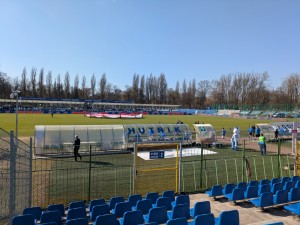
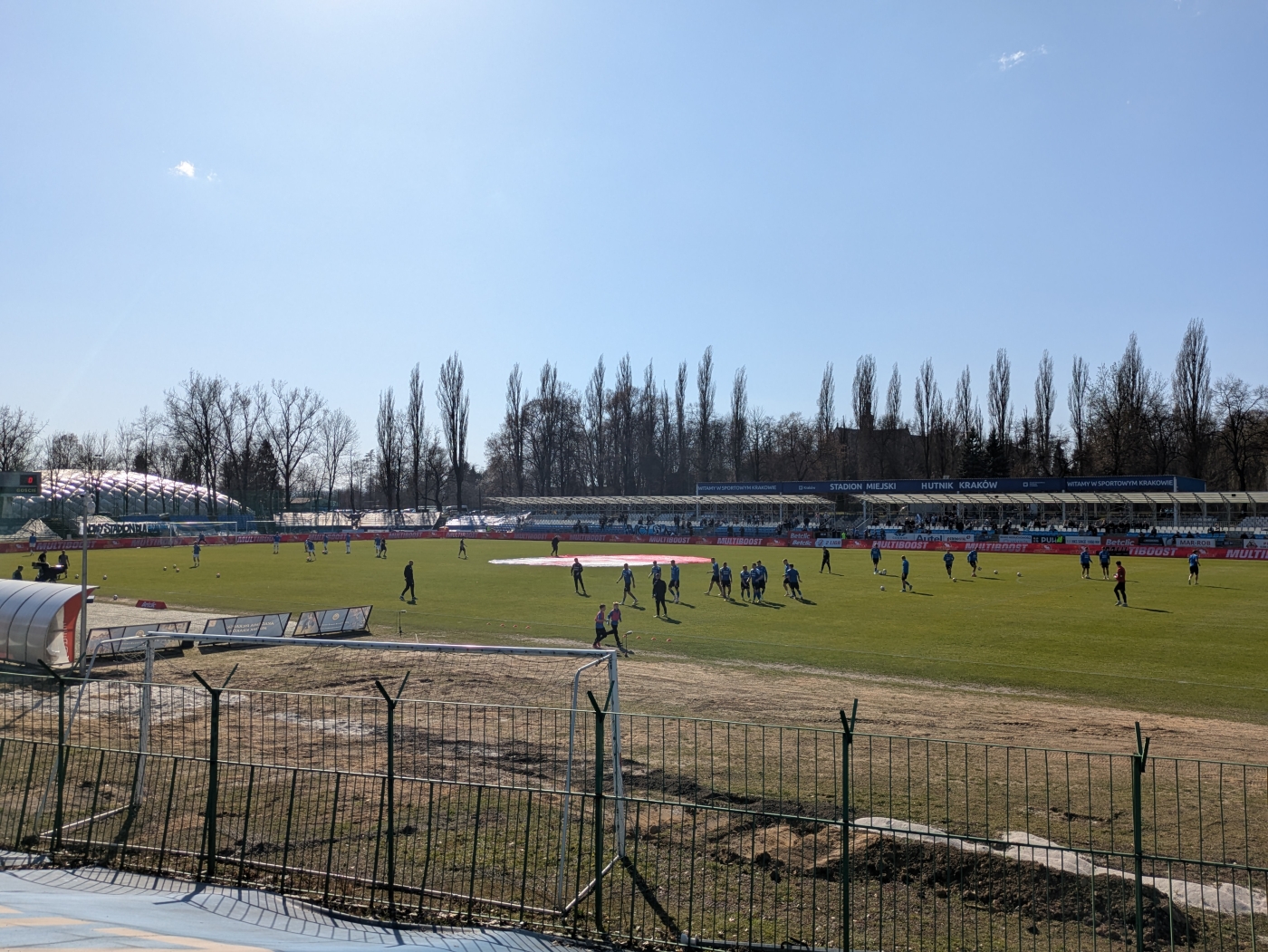
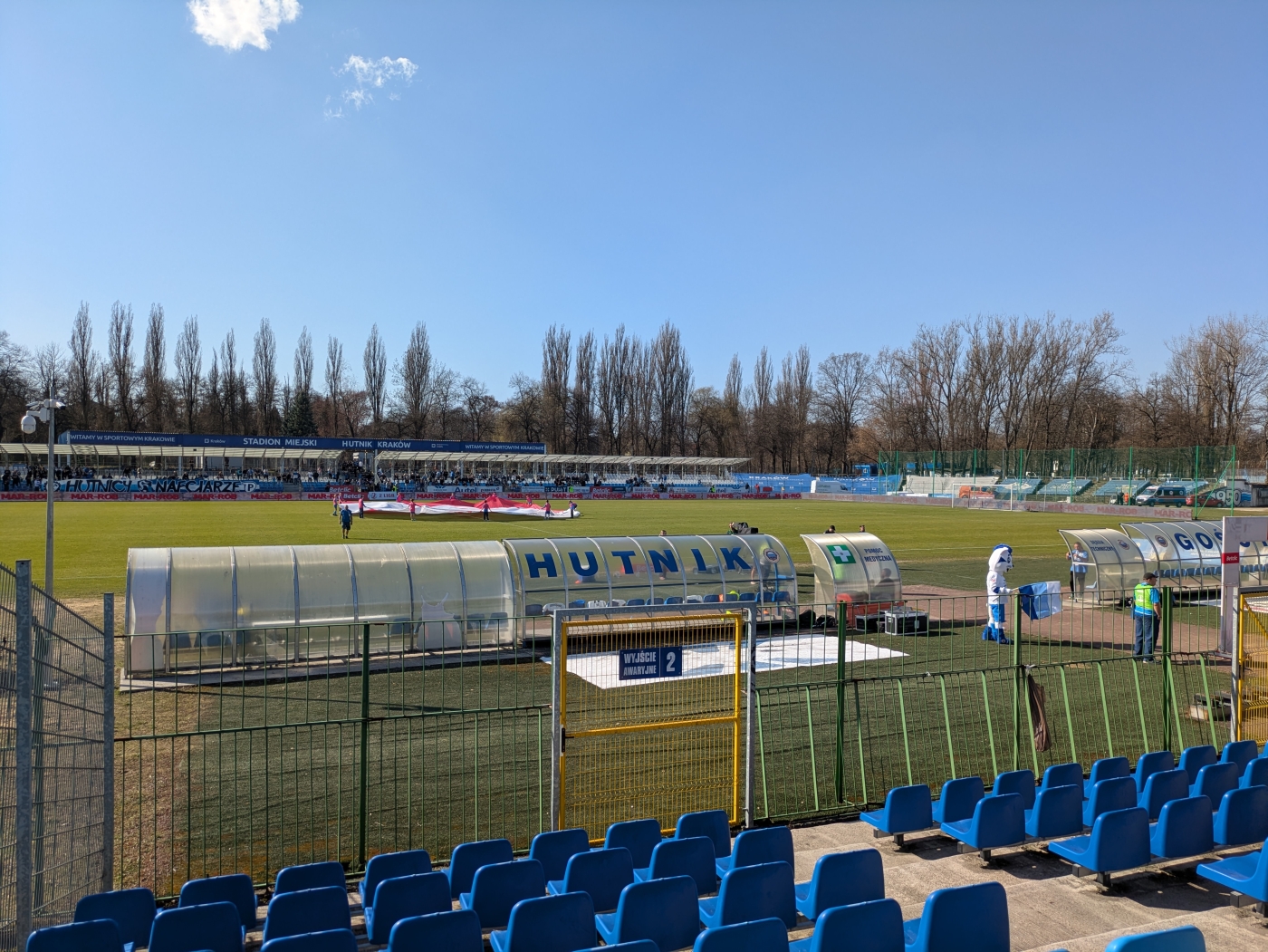
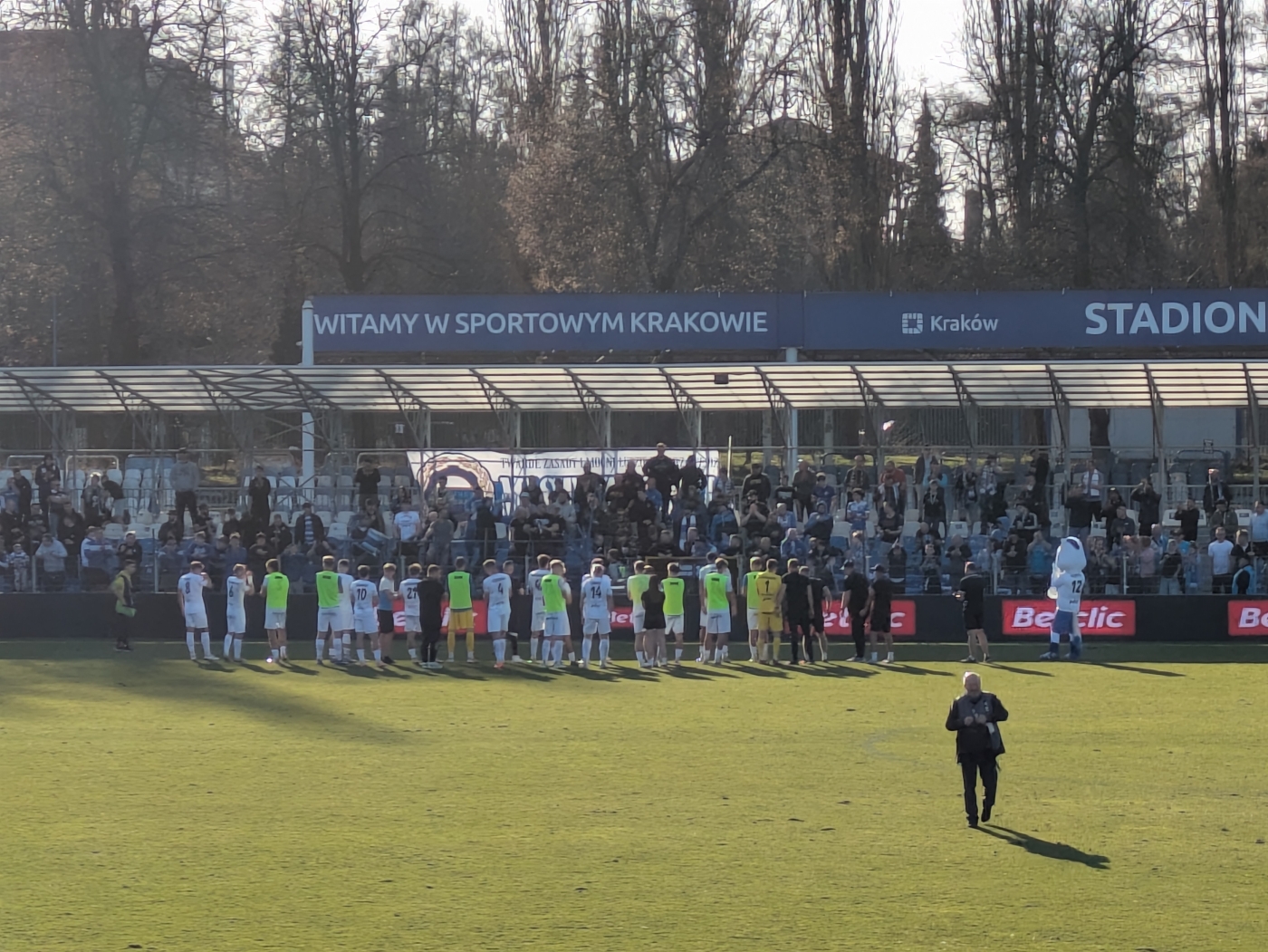
The mid-1990s marked the most glorious period in Hutnik's history. Under the guidance of coaches like Franciszek Smuda, the team achieved its highest-ever league finish, securing an impressive third place in the top-tier Polish league, the Ekstraklasa, during the 1995-96 season. This remarkable accomplishment earned them a spot in the prestigious UEFA Cup (now known as the Europa League) for the 1996-97 season. Though their European journey was brief, they faced a formidable opponent in AS Monaco, featuring stars like Thierry Henry and David Trezeguet, providing unforgettable memories for the fans at Stadion Suche Stawy.
Challenges and Resilience
Following their European adventure, Hutnik faced significant financial struggles, which led to multiple relegations and even a brief period of liquidation and re-establishment under slightly altered names. Despite these setbacks, the club has consistently demonstrated remarkable resilience. Its youth academy has remained a strong point, producing numerous talented players who went on to represent larger clubs and the national team, such as Tomasz Hajto and Marek Zając. Today, Hutnik Kraków continues its journey in the lower tiers of Polish football, driven by the passion of its supporters and the enduring legacy of the Nowa Huta spirit, always striving to climb back towards former glories and celebrate its unique identity.
Links and Social Media:
stadium: