Norwegen
Oslo, Norway
About the Club:
In the vibrant football landscape of **Oslo**, the mention of a club named "**Norway**" doesn't exist within the league system. However, "Norway" profoundly signifies the nation's footballing identity, primarily representing its national teams. Organized by the Norges Fotballforbund (NFF), founded in 1902, these teams embody Norwegian football internationally.
A National Identity on the Pitch
The concept of "**Norway**" in football is through its national men's and women's teams. They draw players from clubs across the nation, including **Oslo**'s Vålerenga IF and Lyn 1896 FK. Their international home ground is often Ullevaal Stadion in **Oslo**, a venue steeped in football history for the national side.
A Golden Era and Beyond
The men's national team, "**Norway**", experienced a "golden generation" in the 1990s. Under Egil "Drillo" Olsen, they qualified for the FIFA World Cups of 1994 and 1998, and the UEFA European Championship in 2000. Noted for disciplined play, they achieved a memorable victory against **Brazil** at the **1998 World Cup**. Stars like Ole Gunnar Solskjær and John Carew emerged, embodying Norwegian football's spirit.
Queens of the Pitch
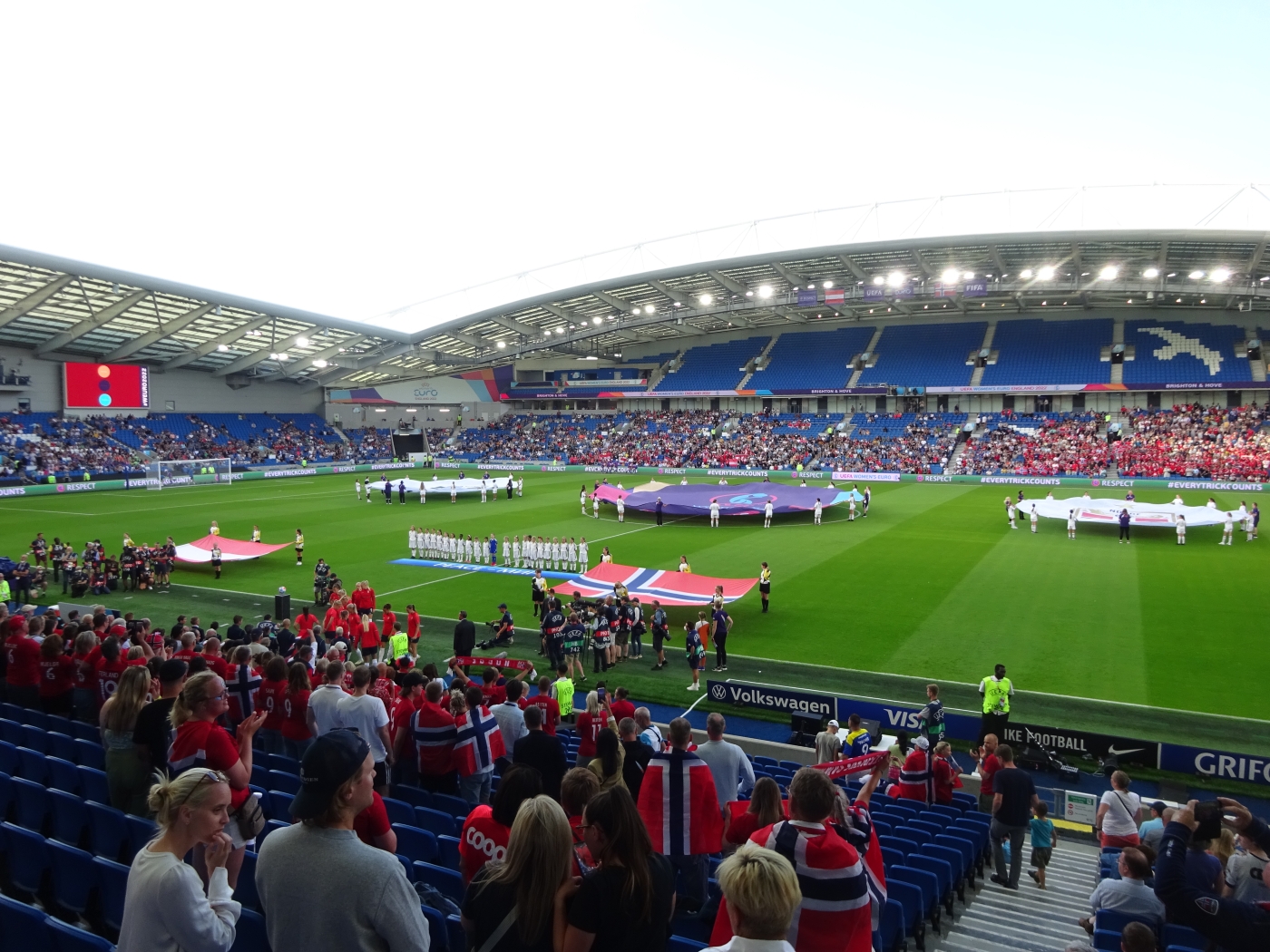
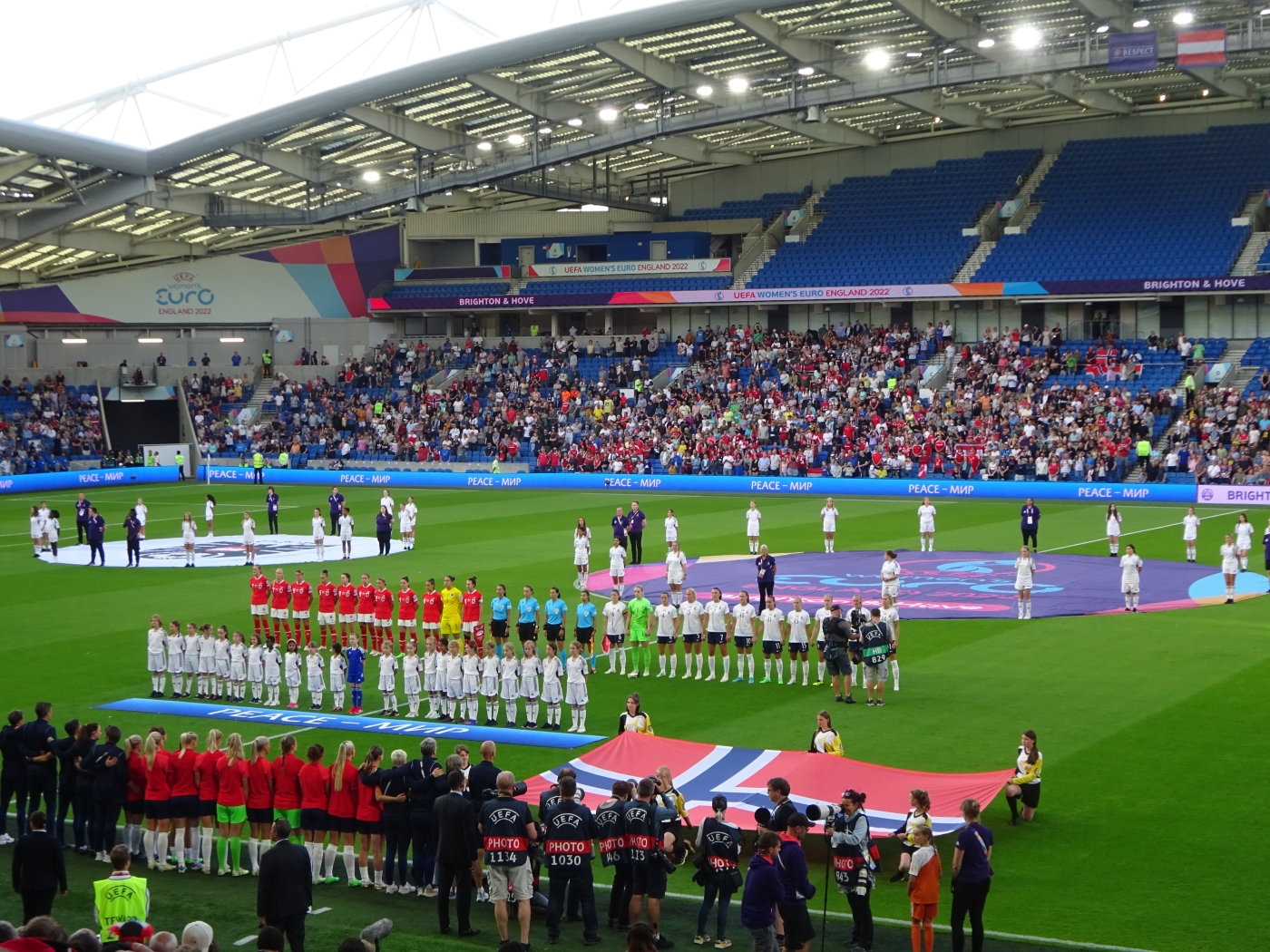
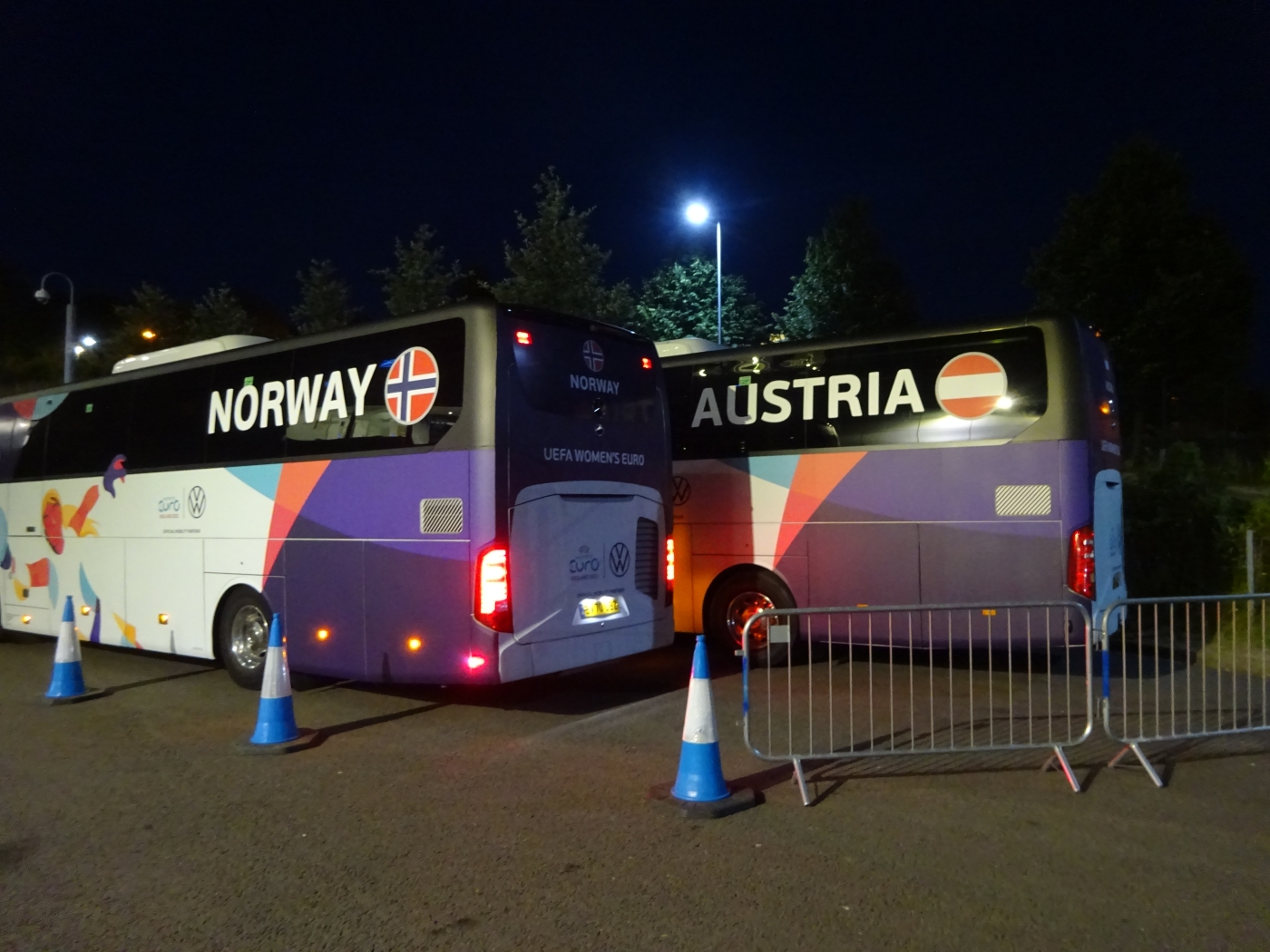
The women's national team, "**Norway**", has been remarkably successful, a dominant force in women's football history. They lifted the FIFA Women's World Cup in 1995 and secured Olympic gold at the 2000 Sydney Games. Multiple UEFA Women's Championship titles highlight their achievements. Legends like Hege Riise and Linda Medalen are synonymous with this success.
Oslo's Enduring Connection
While no club named "**Norway**" exists, Oslo remains the heart of Norwegian football. Beyond hosting the national stadium, its clubs consistently contribute talent to both national teams. Young talents like Martin Ødegaard and Erling Haaland represent the new generation, often playing for "**Norway**" at Ullevaal Stadion. The city fosters talent that ultimately represents the country globally, ensuring the spirit of "**Norway**" in football thrives.