Millwall FC
London, England
About the Club:
Millwall Football Club, hailing from the working-class heartland of South East London, embodies a spirit of unwavering defiance and community pride. Founded in 1885, Millwall's journey from a factory team to a professional club has been marked by passion, controversy, and a unique identity.
A Humble Beginning
The club's origins lie on the Isle of Dogs, among the workers of James Morton's jam factory. Initially known as Millwall Rovers, the club quickly established itself, first playing on the Lord Nelson Ground. Their early days reflected the grit and resilience of their dockworker founders, a trait synonymous with the club today.
The Den: A Fortress of Lions
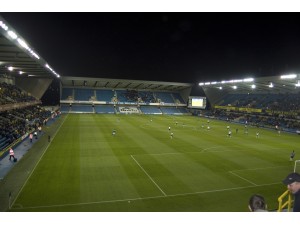
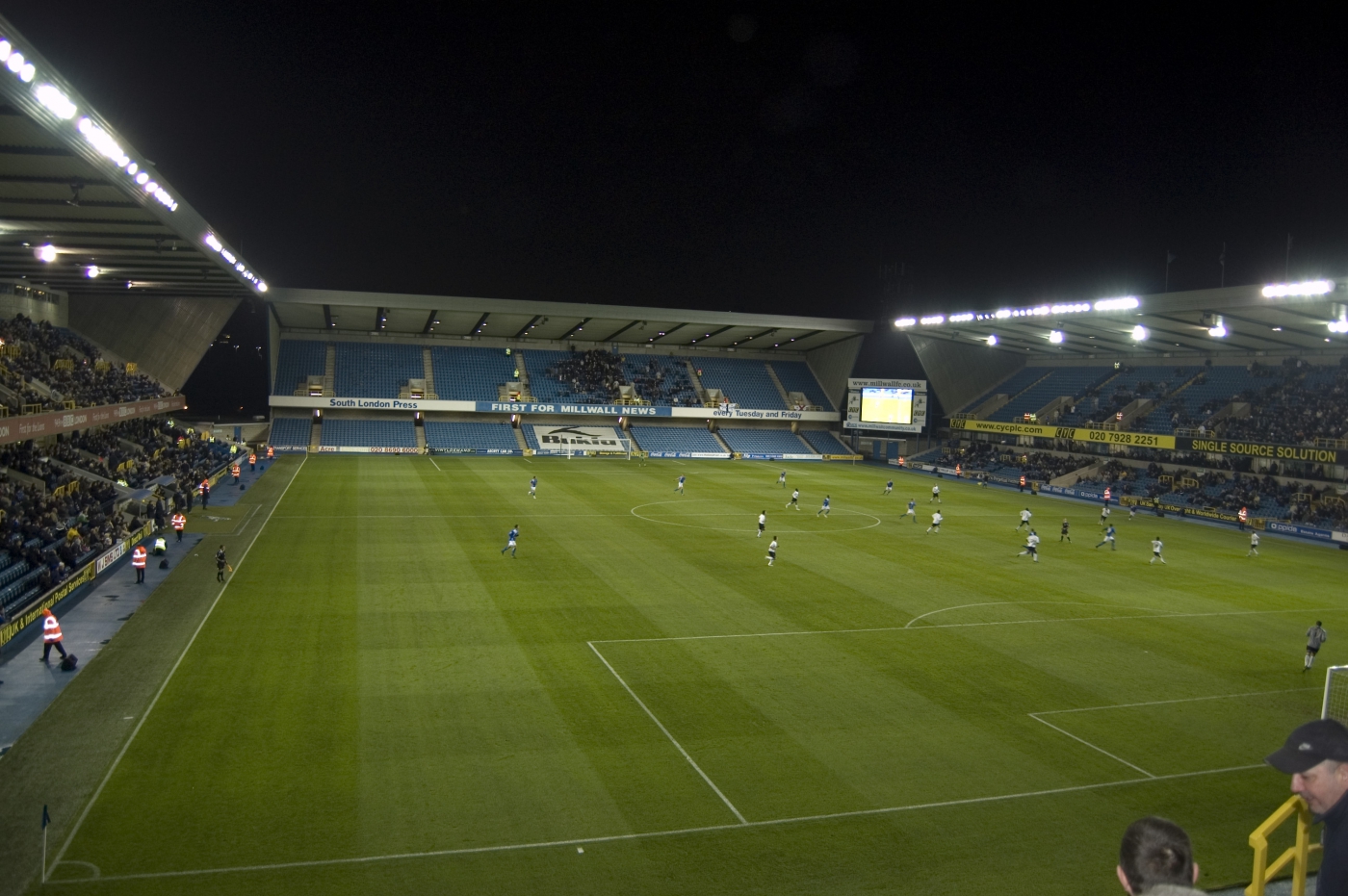
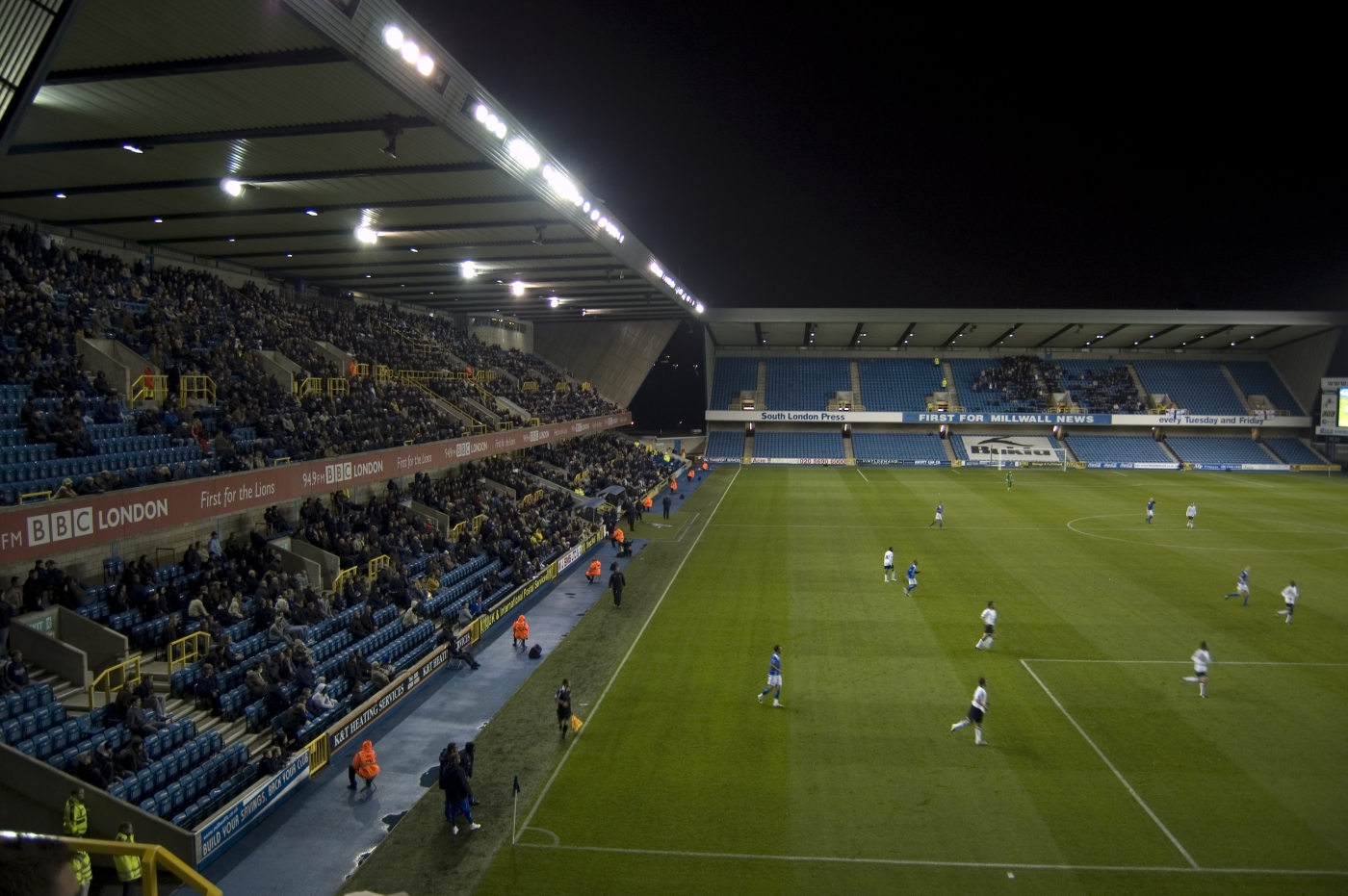
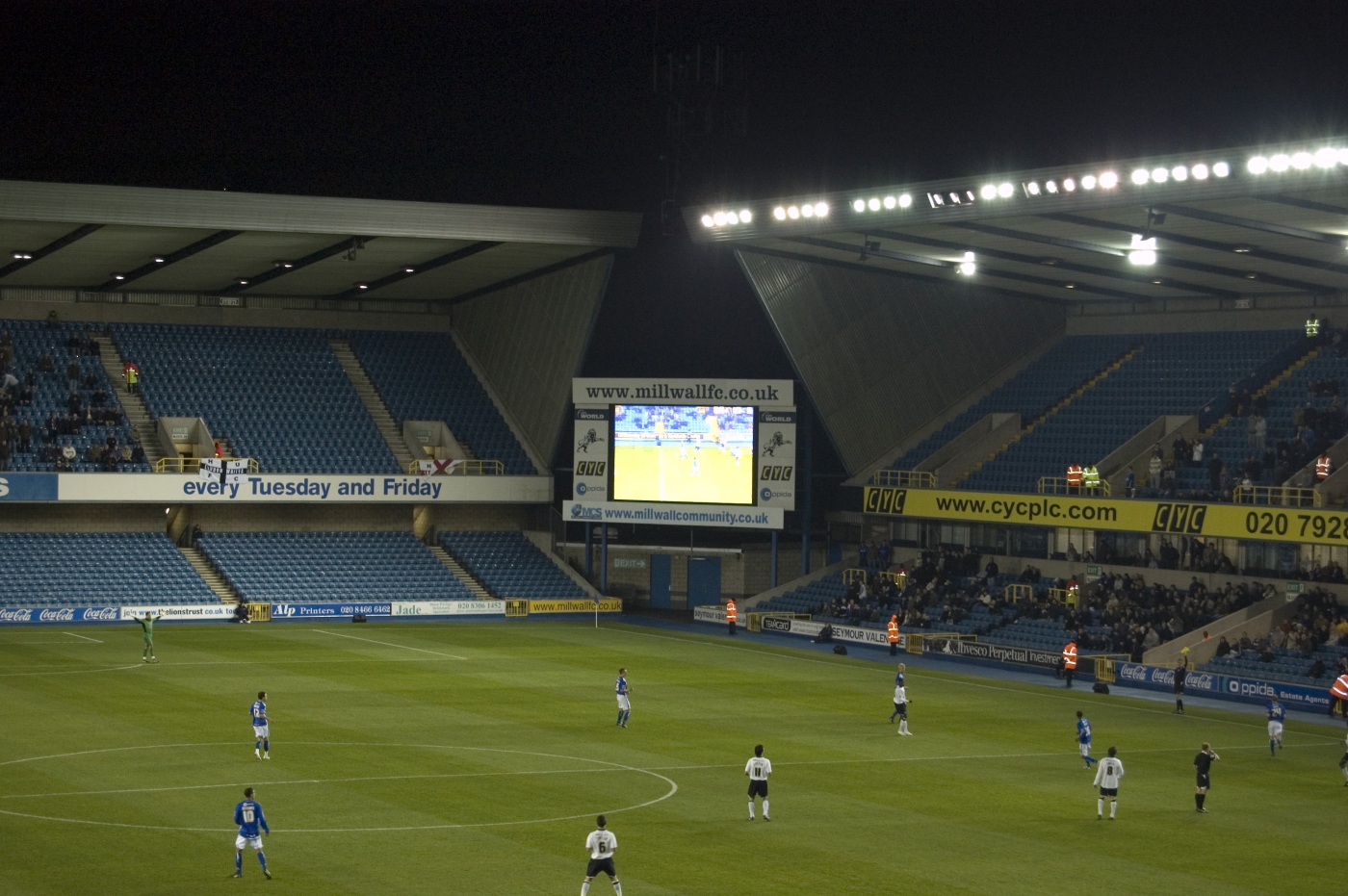
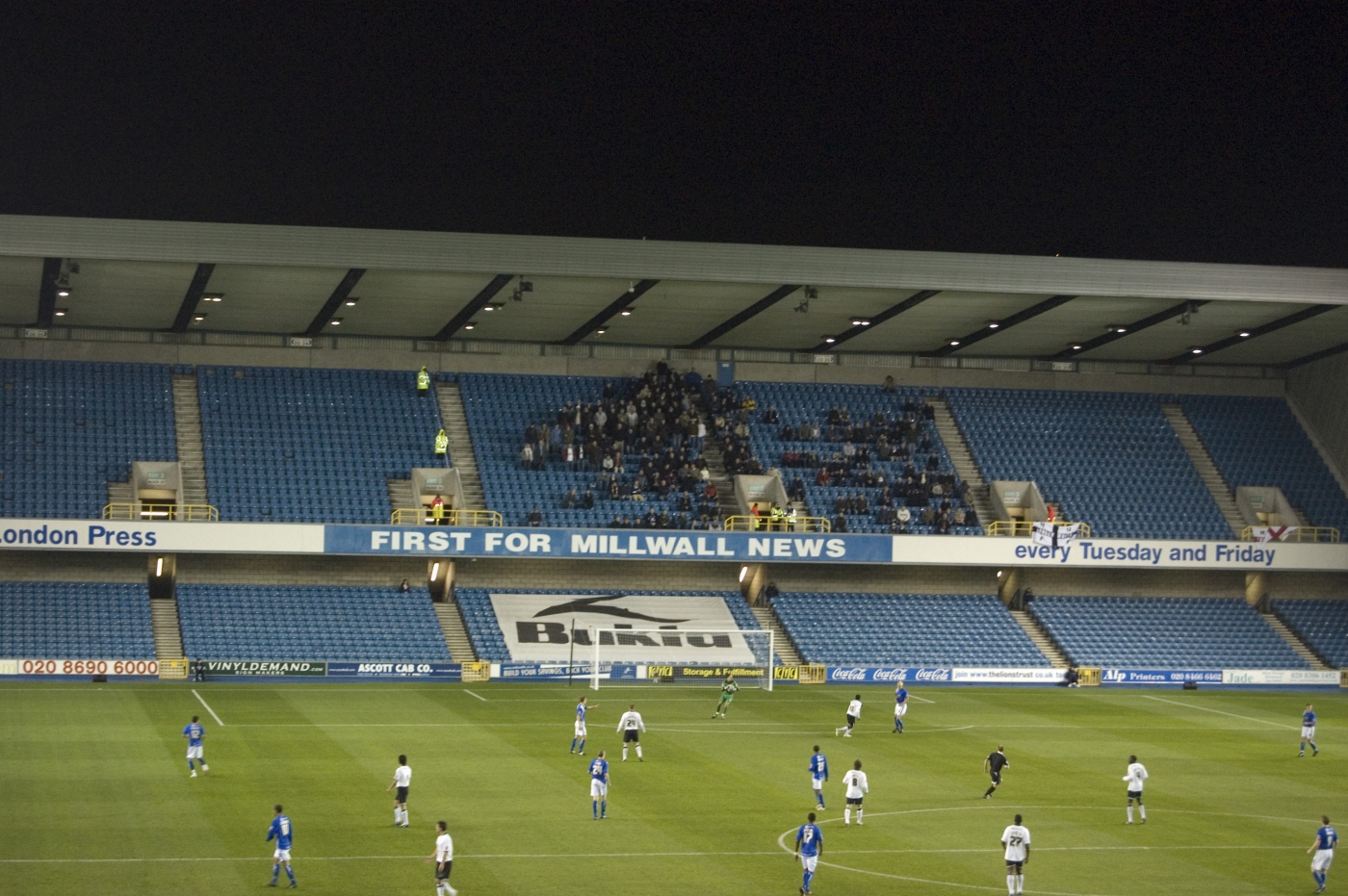
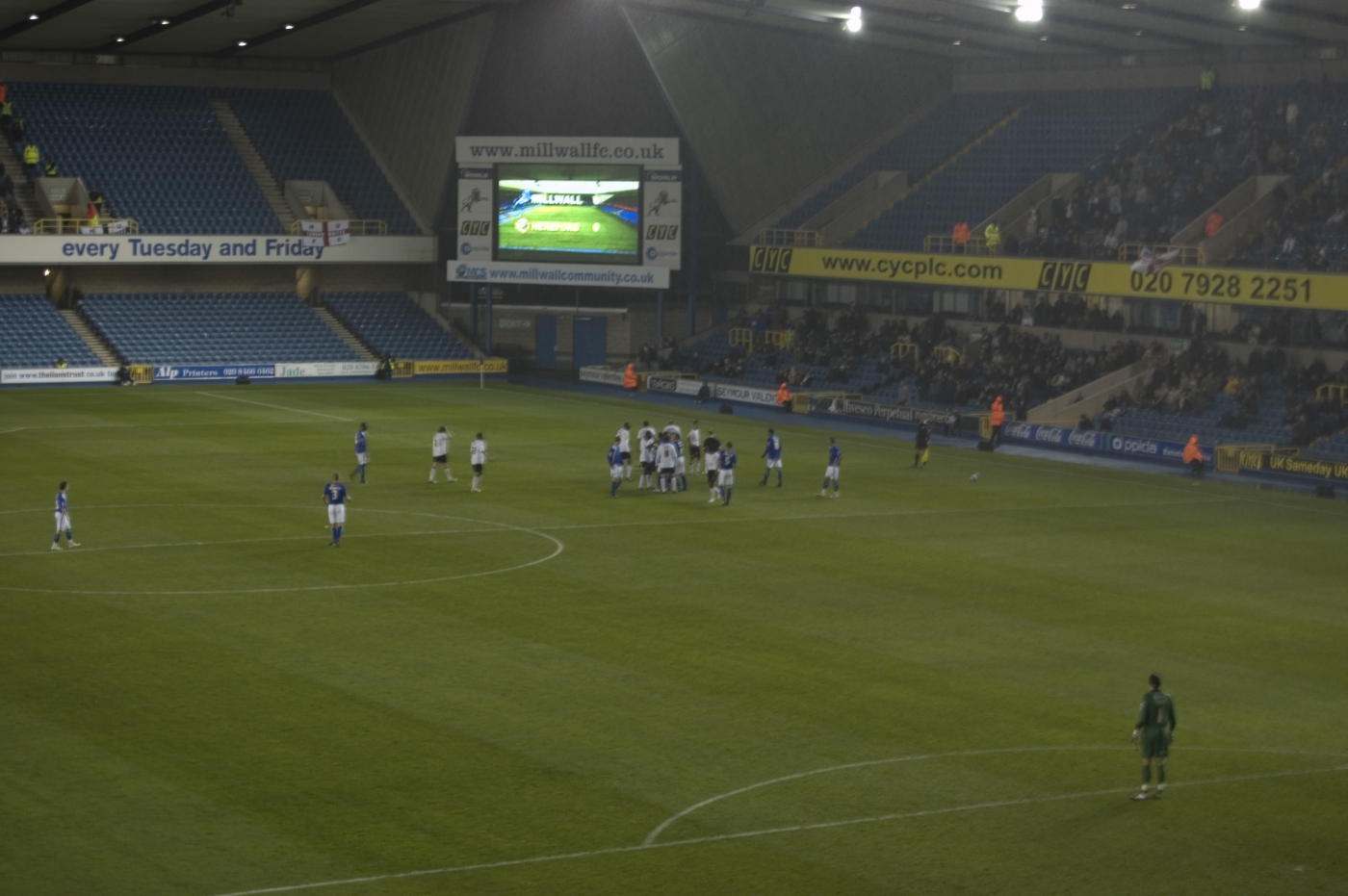
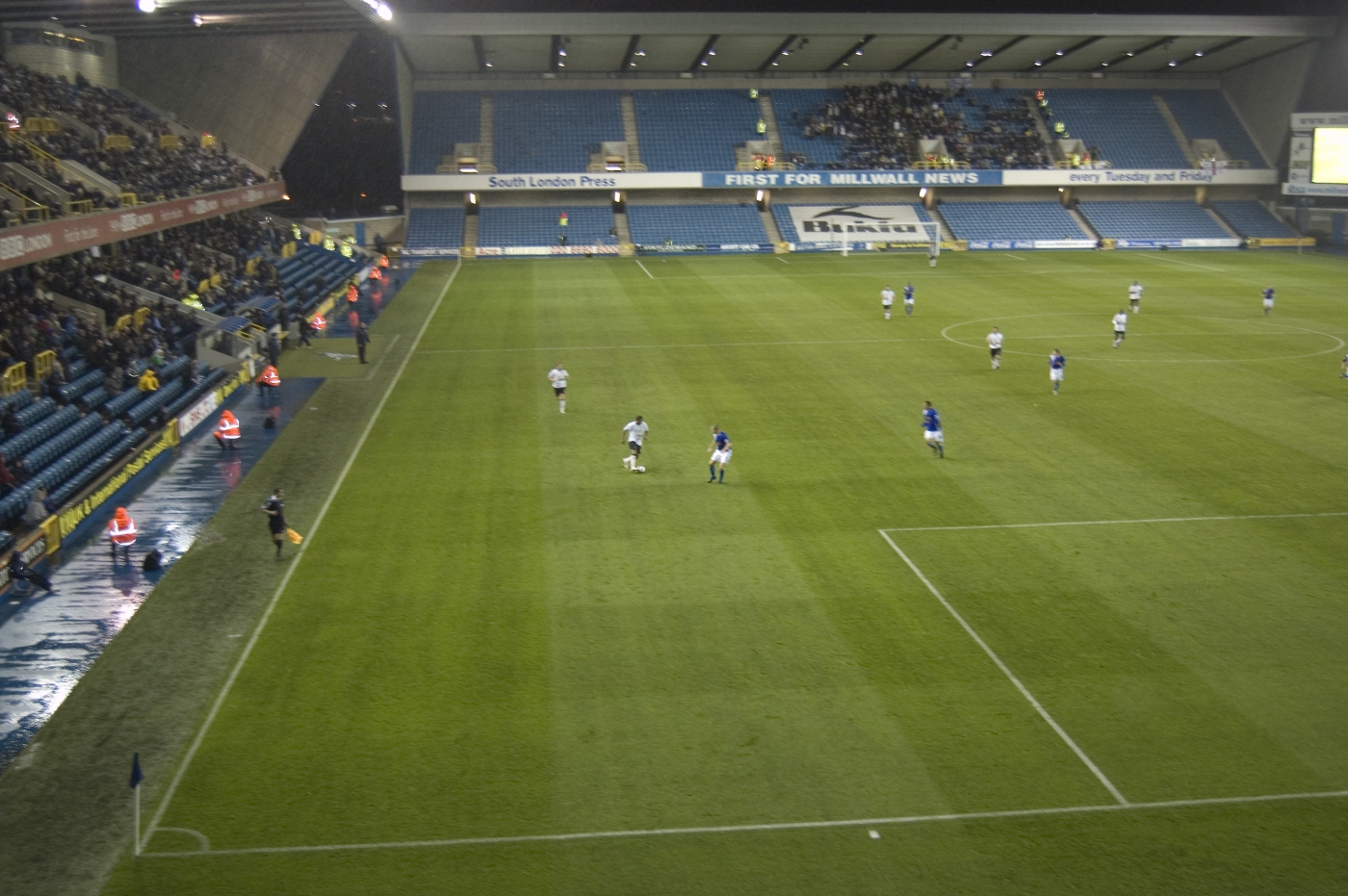
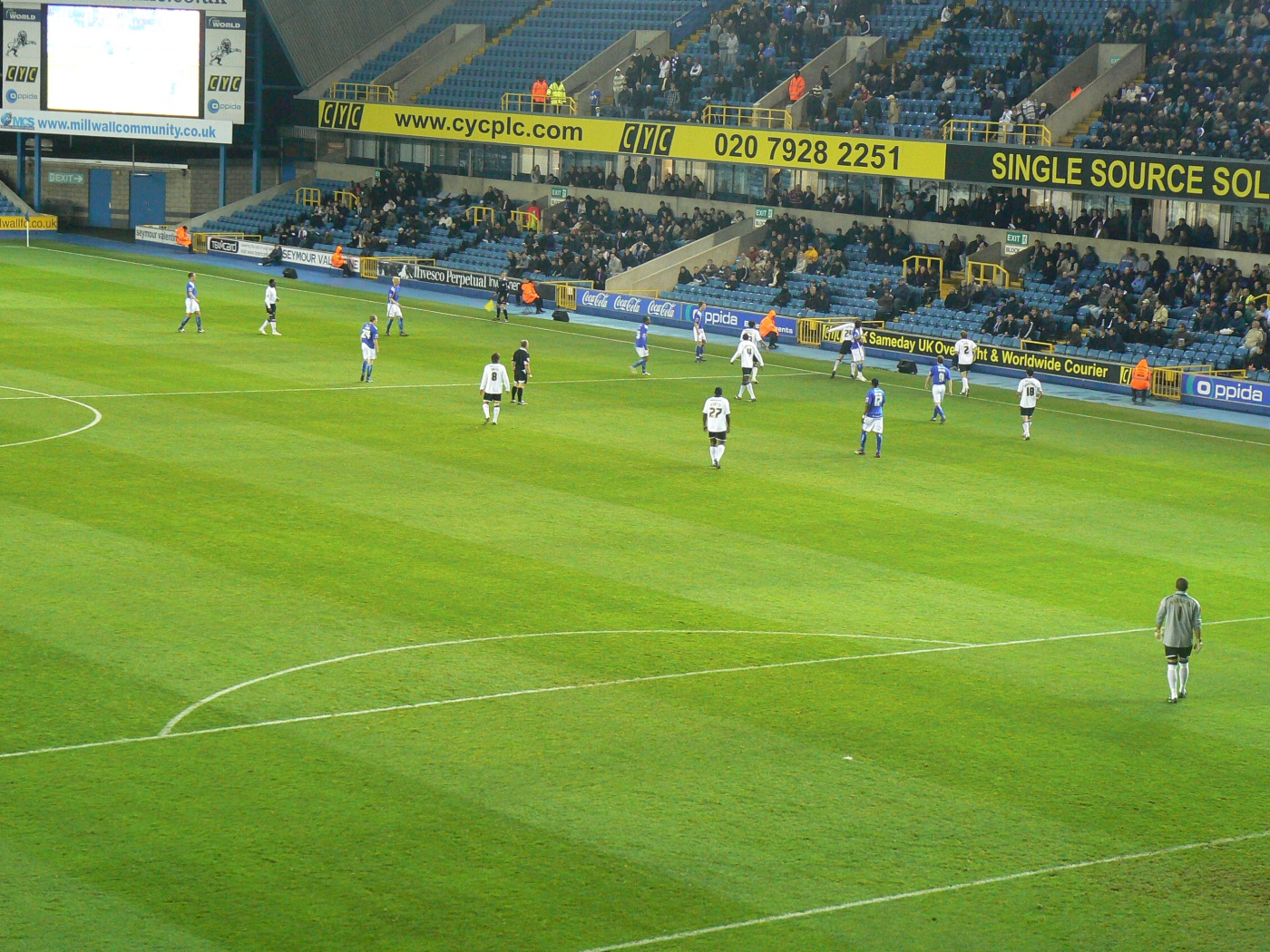
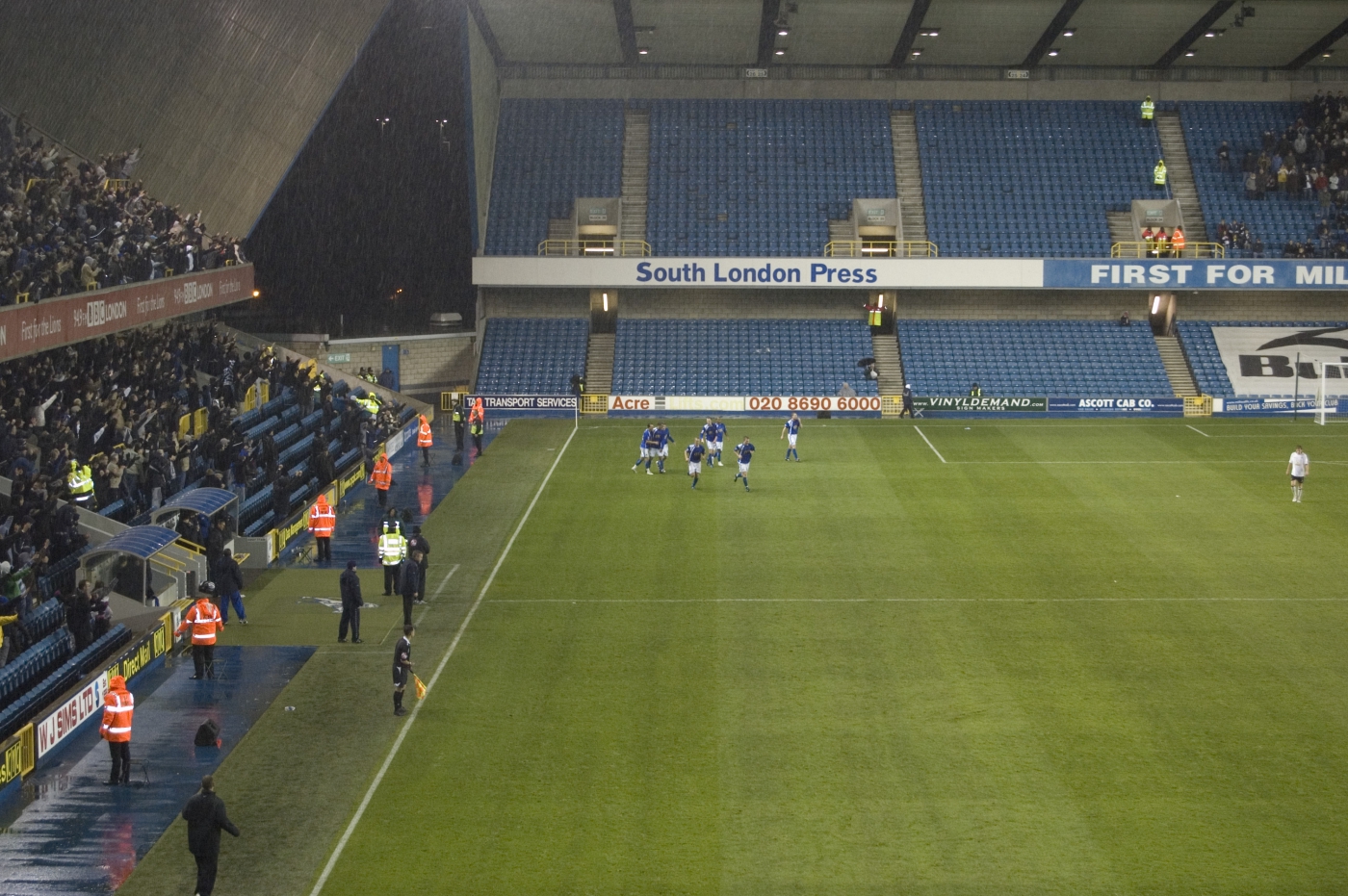
Millwall's spiritual home has always been "The Den." The first stadium opened in 1910, known for its intimidating atmosphere. In 1993, the club moved to its current, modern stadium, The New Den, maintaining that formidable reputation. It's a place where opposing teams often feel the full force of the Millwall faithful.
Rivalries and the Roar of the Crowd
The club's identity is linked to its fierce rivalries, none more famous than the "Dockers Derby" against West Ham United. This historic contest, rooted in shared heritage, is one of English football's most intense matchups. Millwall fans are renowned for their fervent support, encapsulated by their famous chant: "No one likes us, we don't care." This motto reflects their perceived underdog status. Another significant rivalry exists with Leeds United.
Moments of Glory
While major silverware has often eluded them, Millwall has celebrated notable achievements. Their most significant feat was reaching the FA Cup Final in 2004. Under manager Dennis Wise, they lost to a formidable Manchester United side, but their journey to the final remains a proud moment, earning them a spot in the UEFA Cup. They have also enjoyed various promotions and cup runs.
Millwall FC is more than just a football club; it’s a symbol of working-class spirit, resilience, and an unshakeable bond between a team and its community. Its history is rich, its support passionate, and its place in English football truly unique.
Links and Social Media:
stadium: