ACF Fiorentina
Florenz, Italy
About the Club:
Perched amidst the artistic splendor of Florence, ACF Fiorentina, affectionately known as the "Viola" due to their distinctive purple kits, stands as a beacon of Tuscan football. The club embodies a rich tapestry of passion, artistry, and at times, dramatic flair, mirroring the very city it calls home. You can learn more about the club on their official website.
A Merged Beginning
The club's origins trace back to 1926, born from the ambitious merger of two existing Florentine teams, Libertas and CS Firenze. This consolidation was orchestrated with the explicit aim of creating a formidable force capable of challenging the dominant football powers from Northern Italy. From its inception, the Viola quickly established a reputation for aesthetically pleasing football and a fervent fanbase.
Home and Glory Years
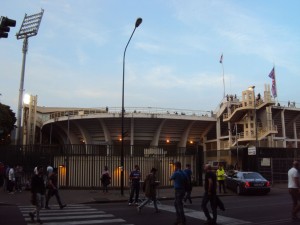
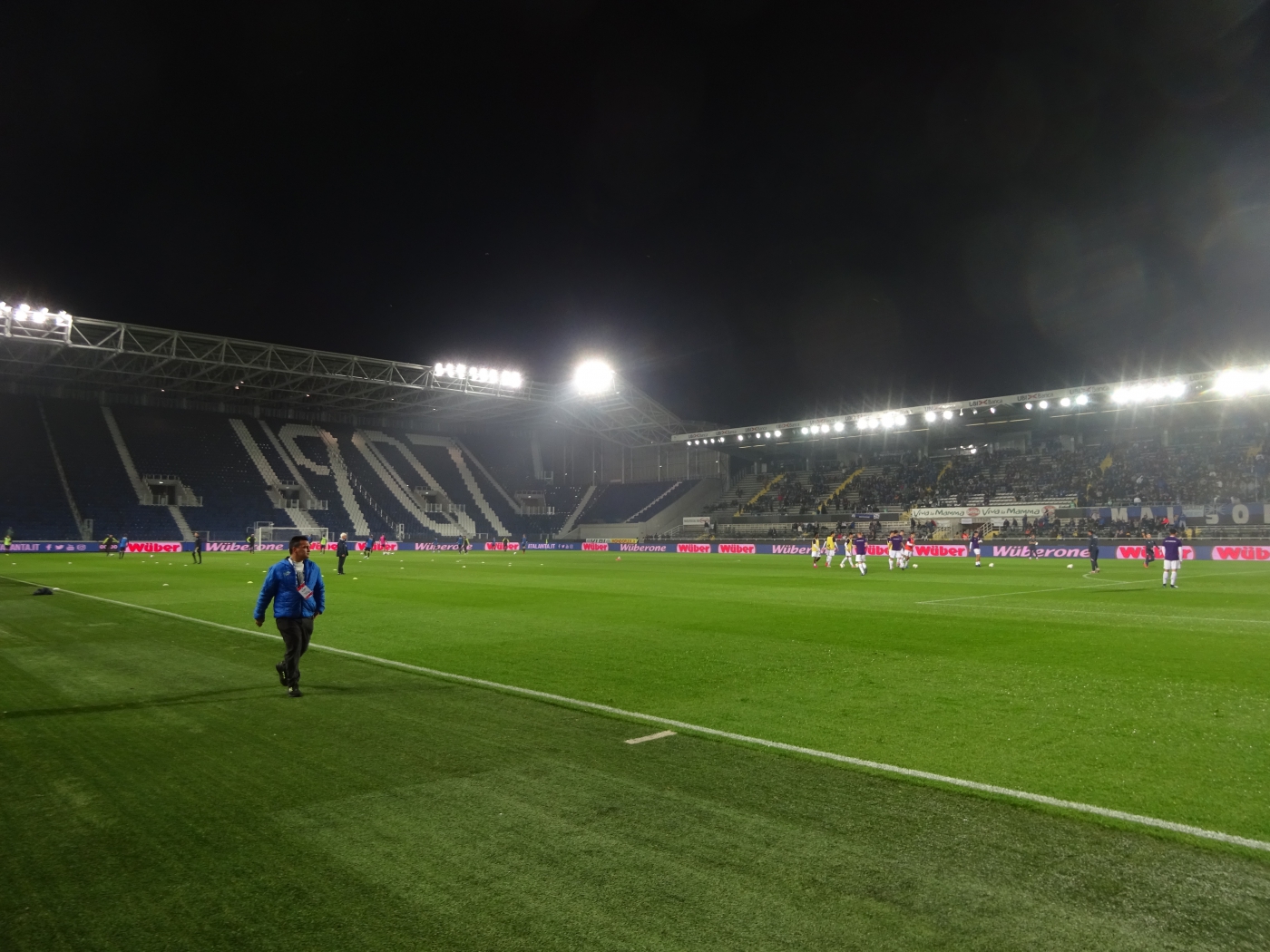
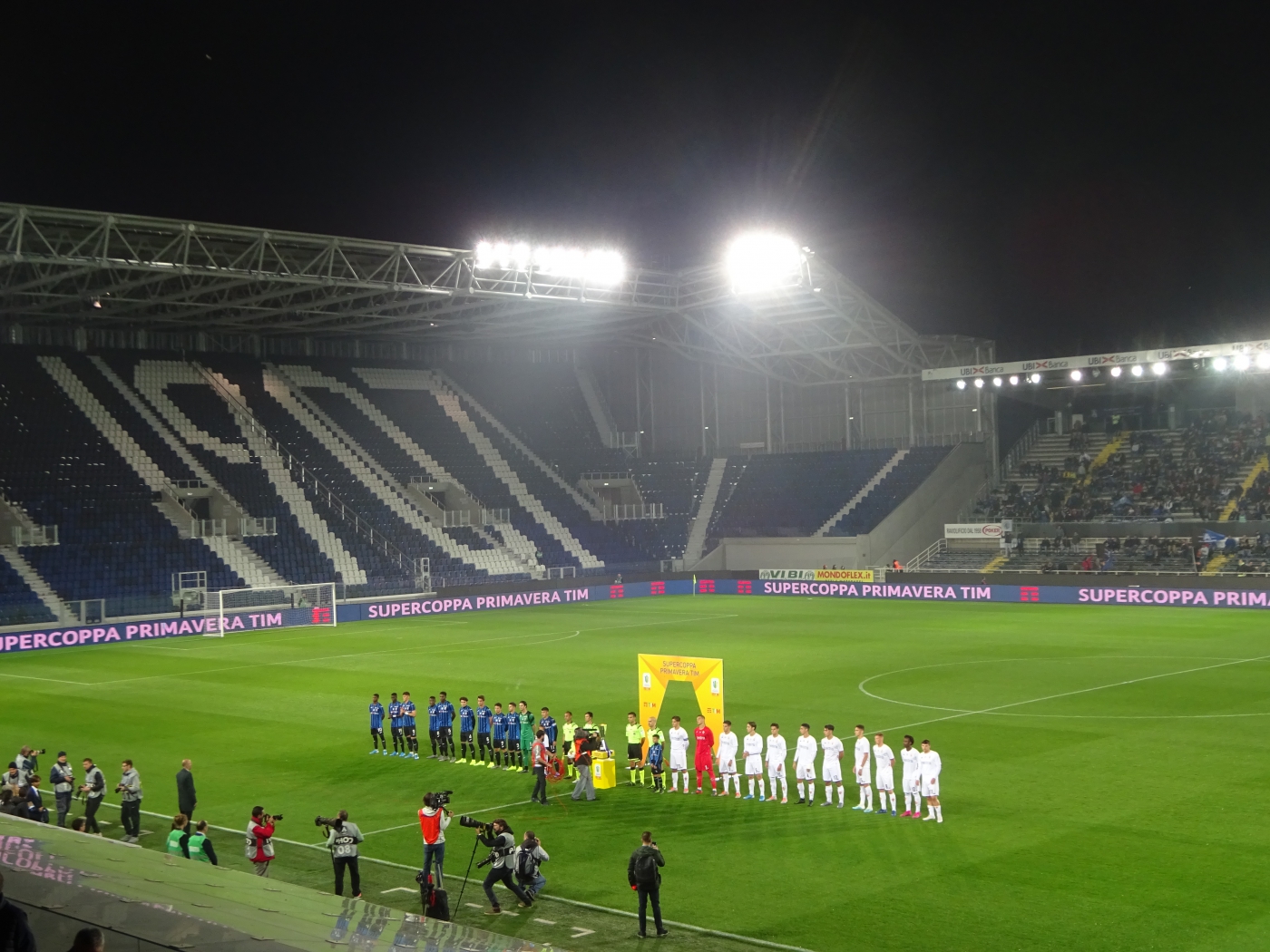
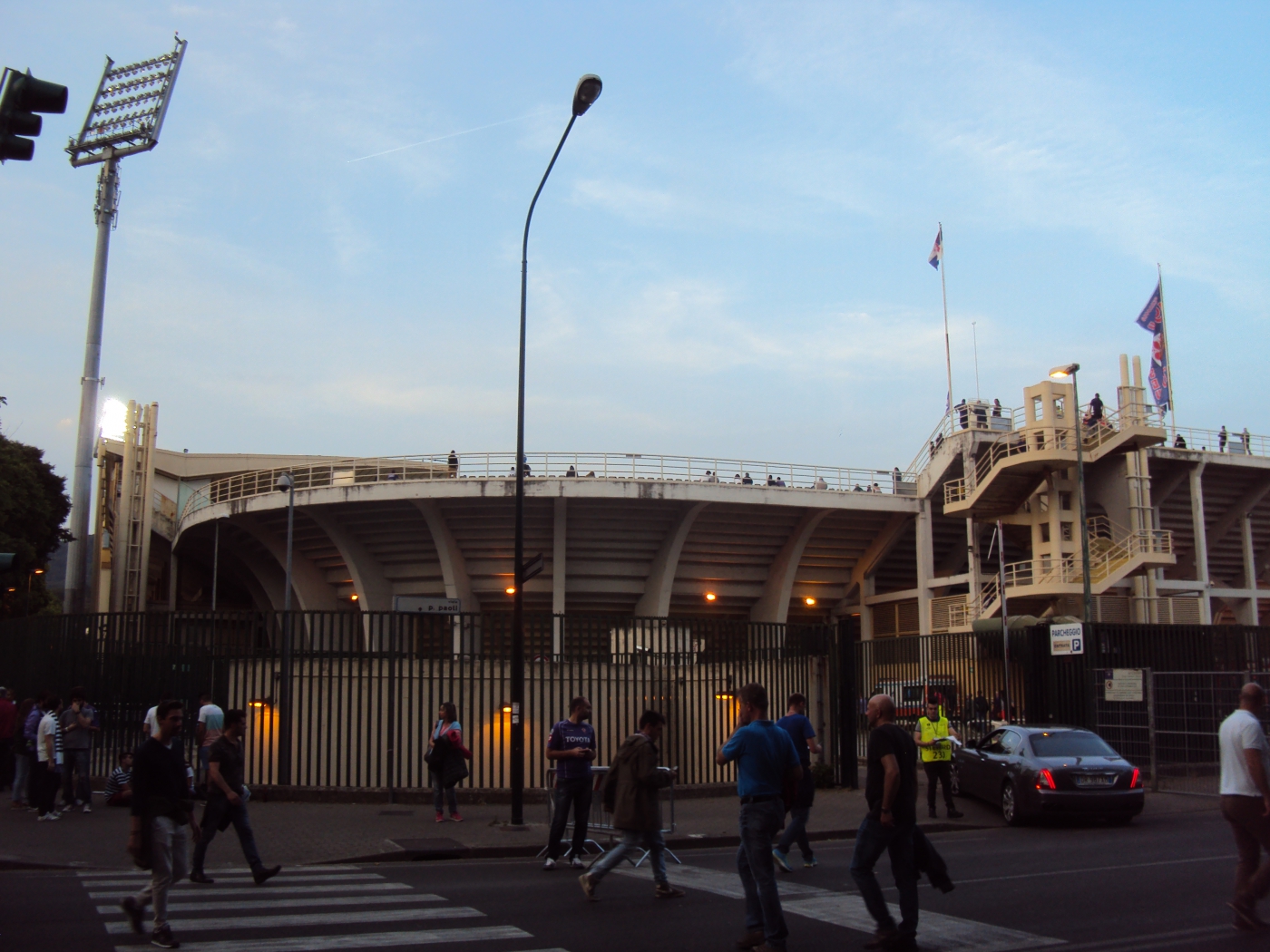
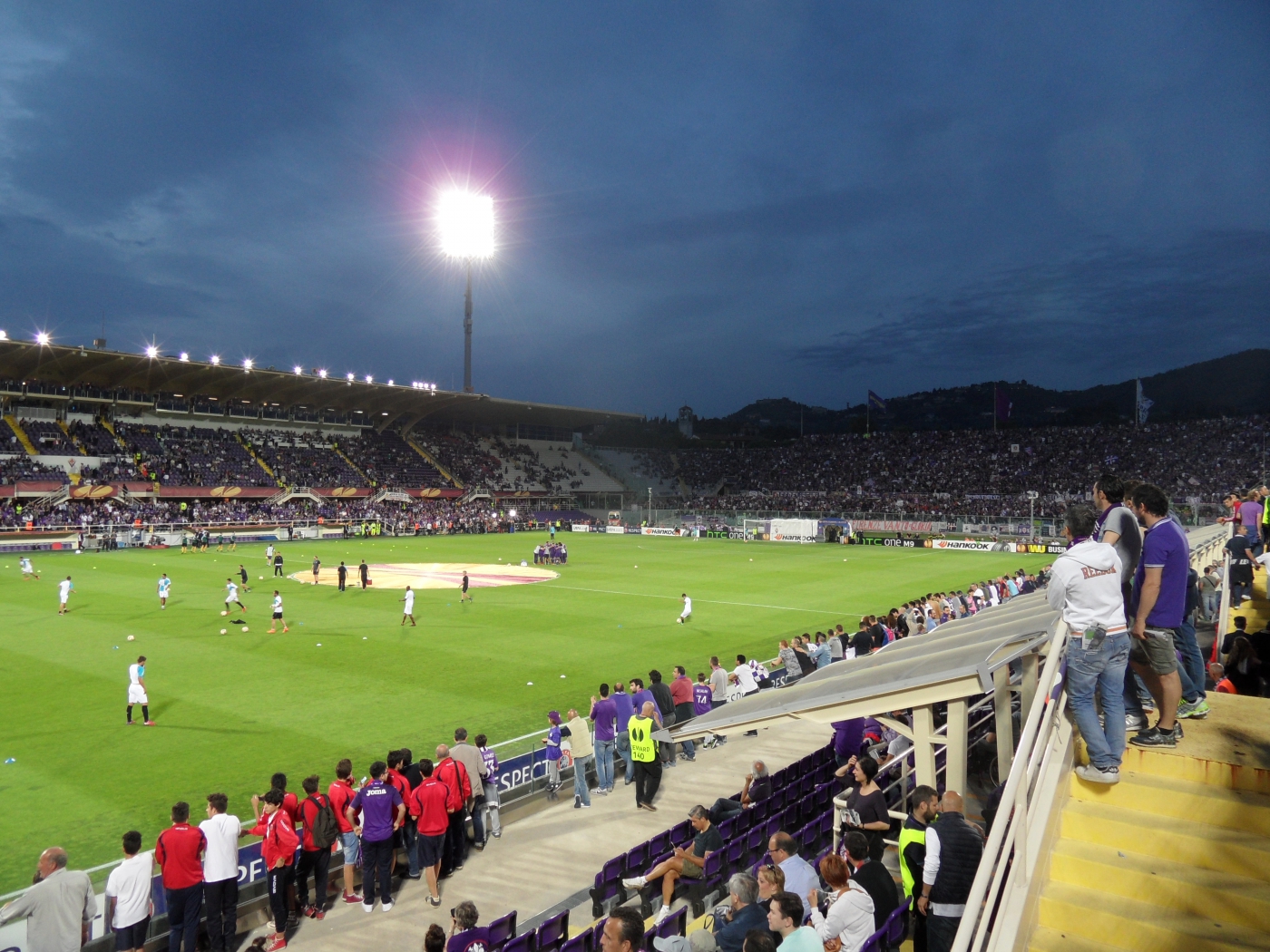
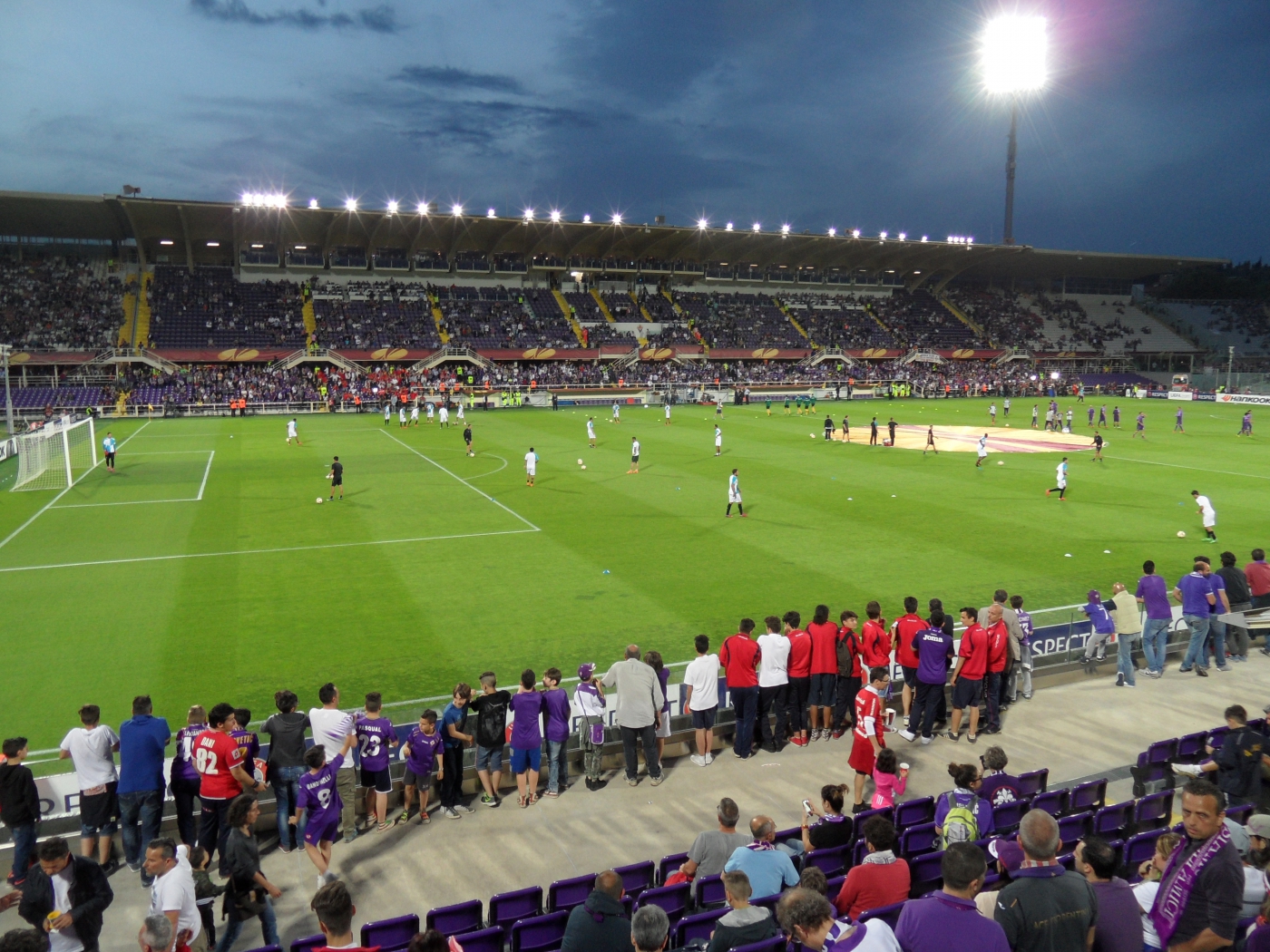
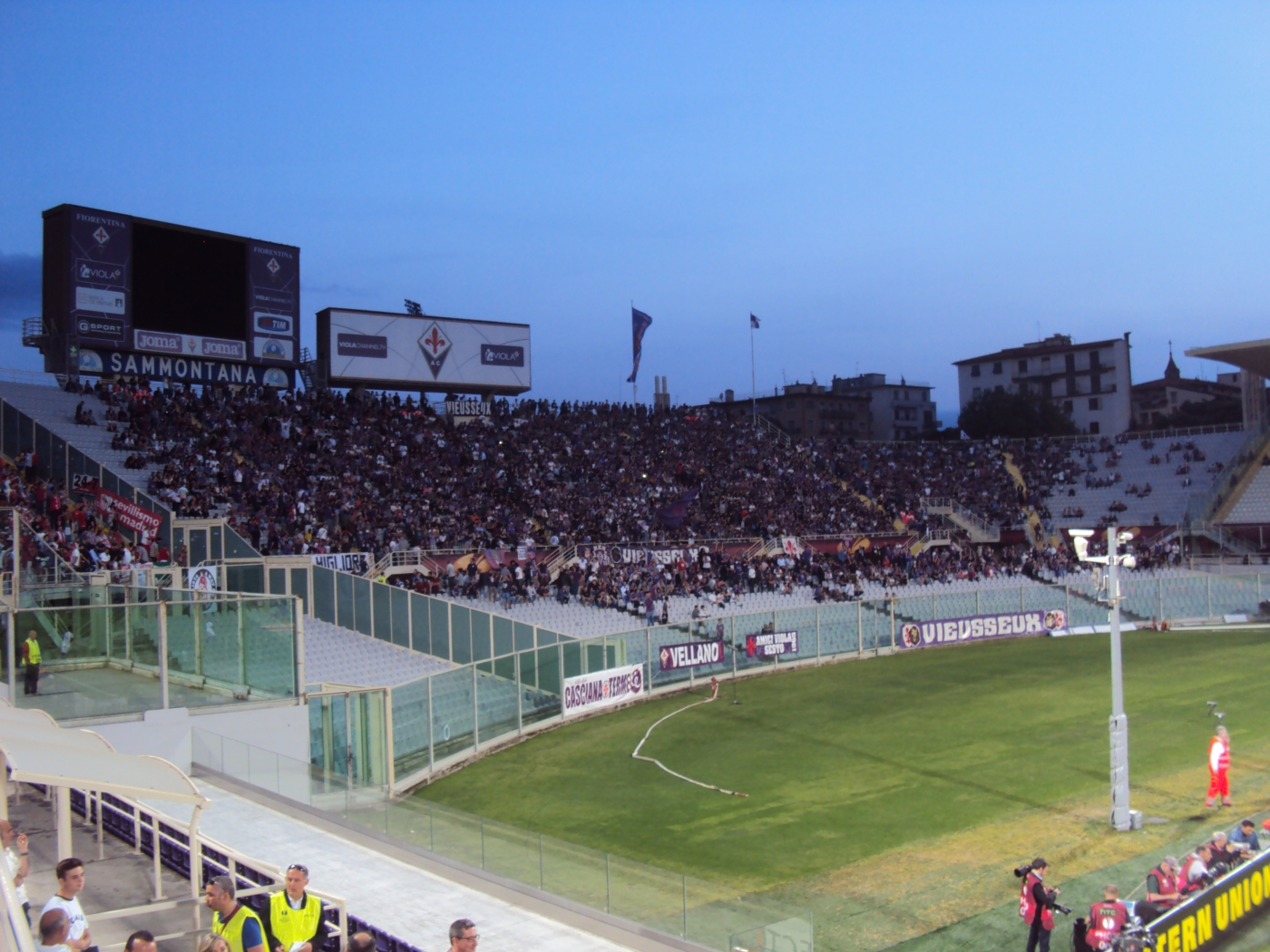
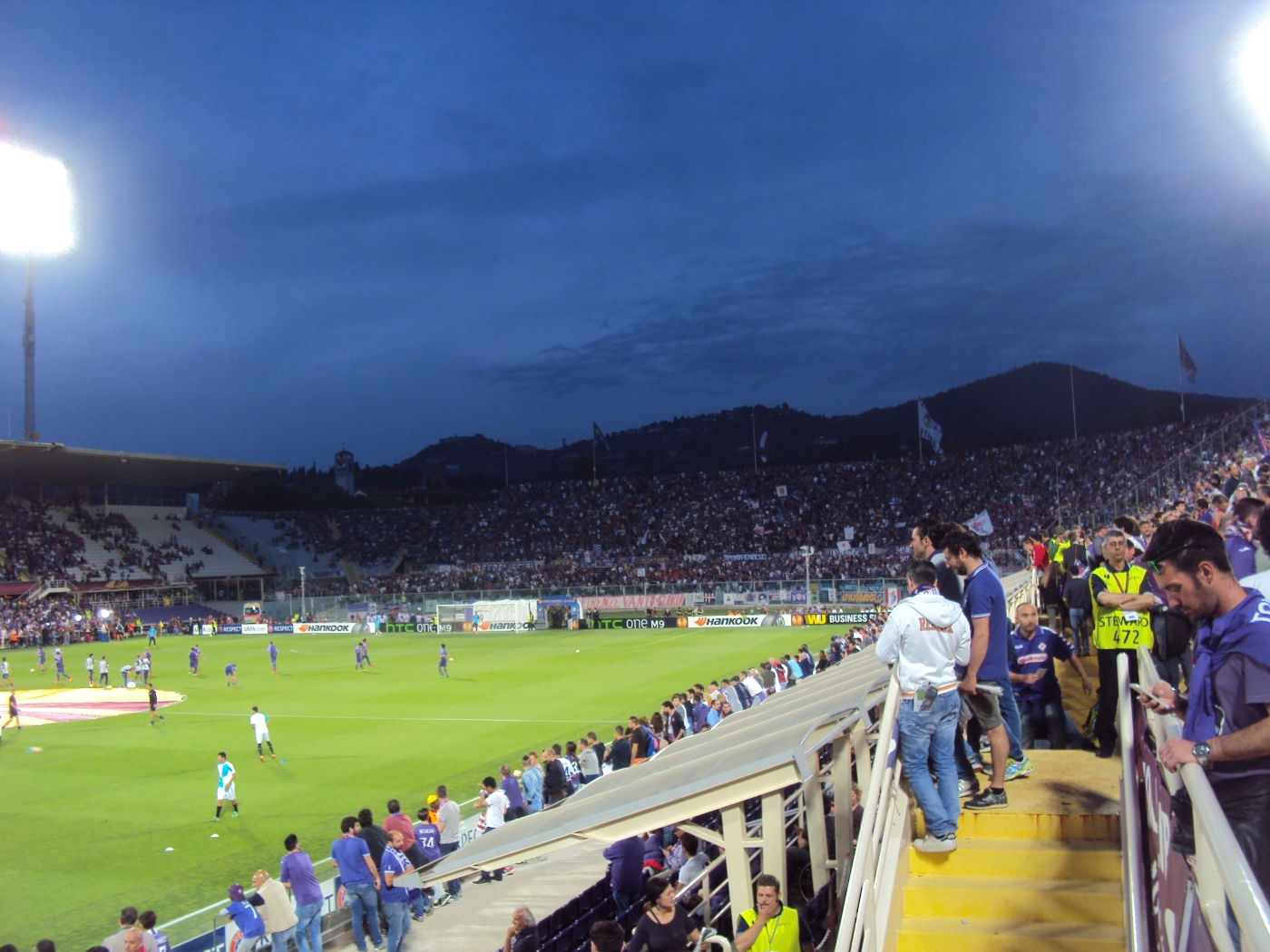
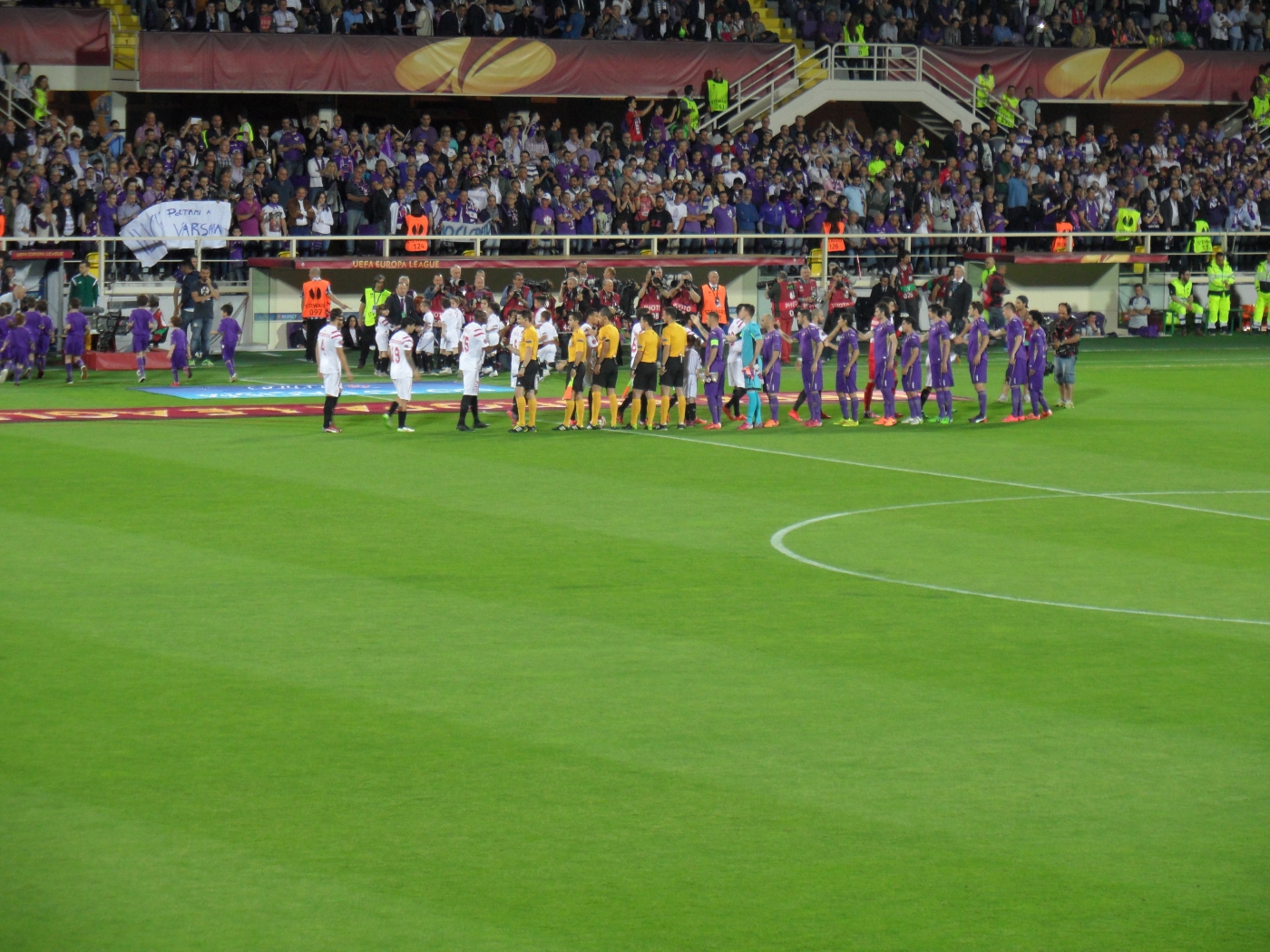
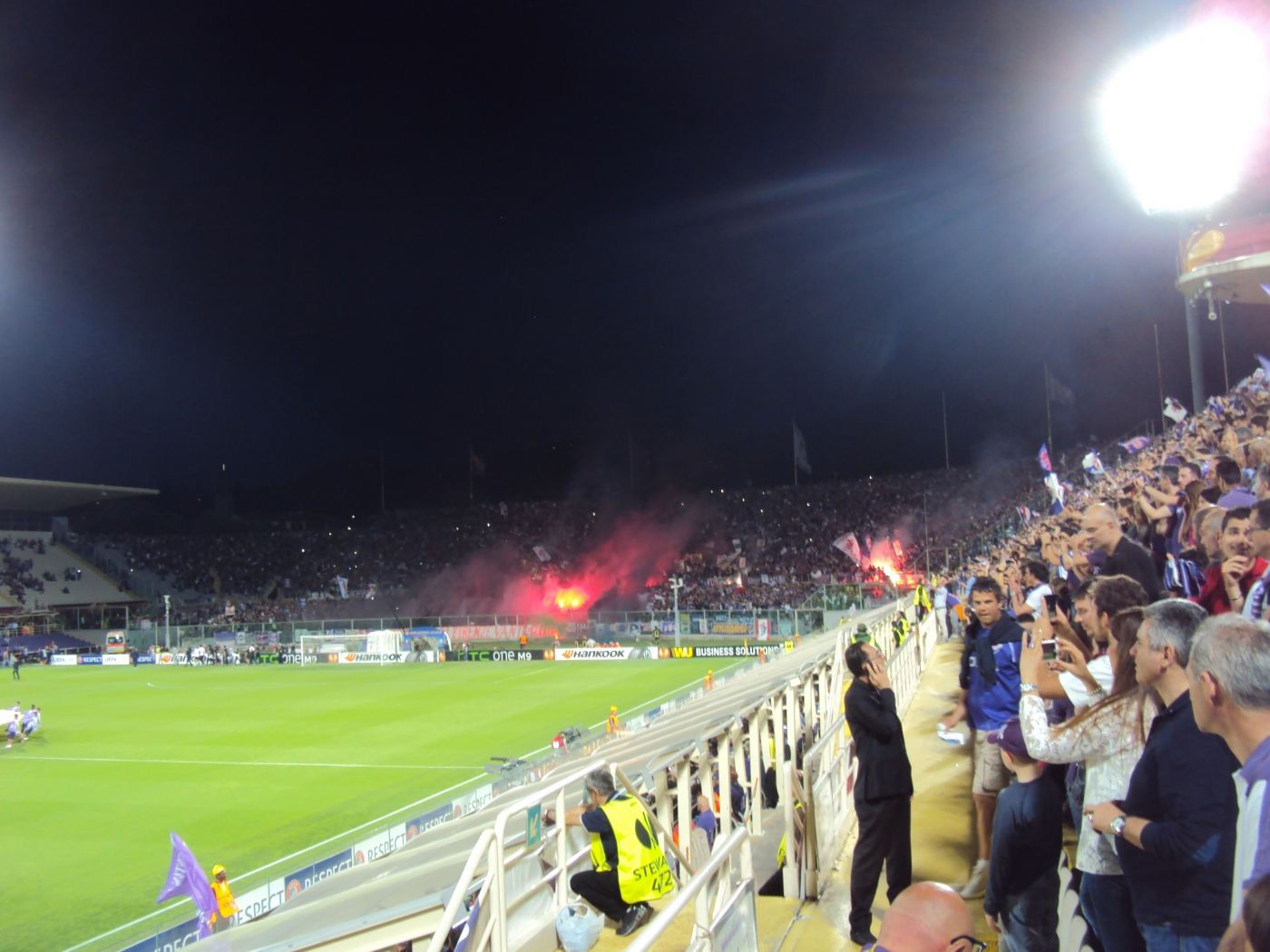
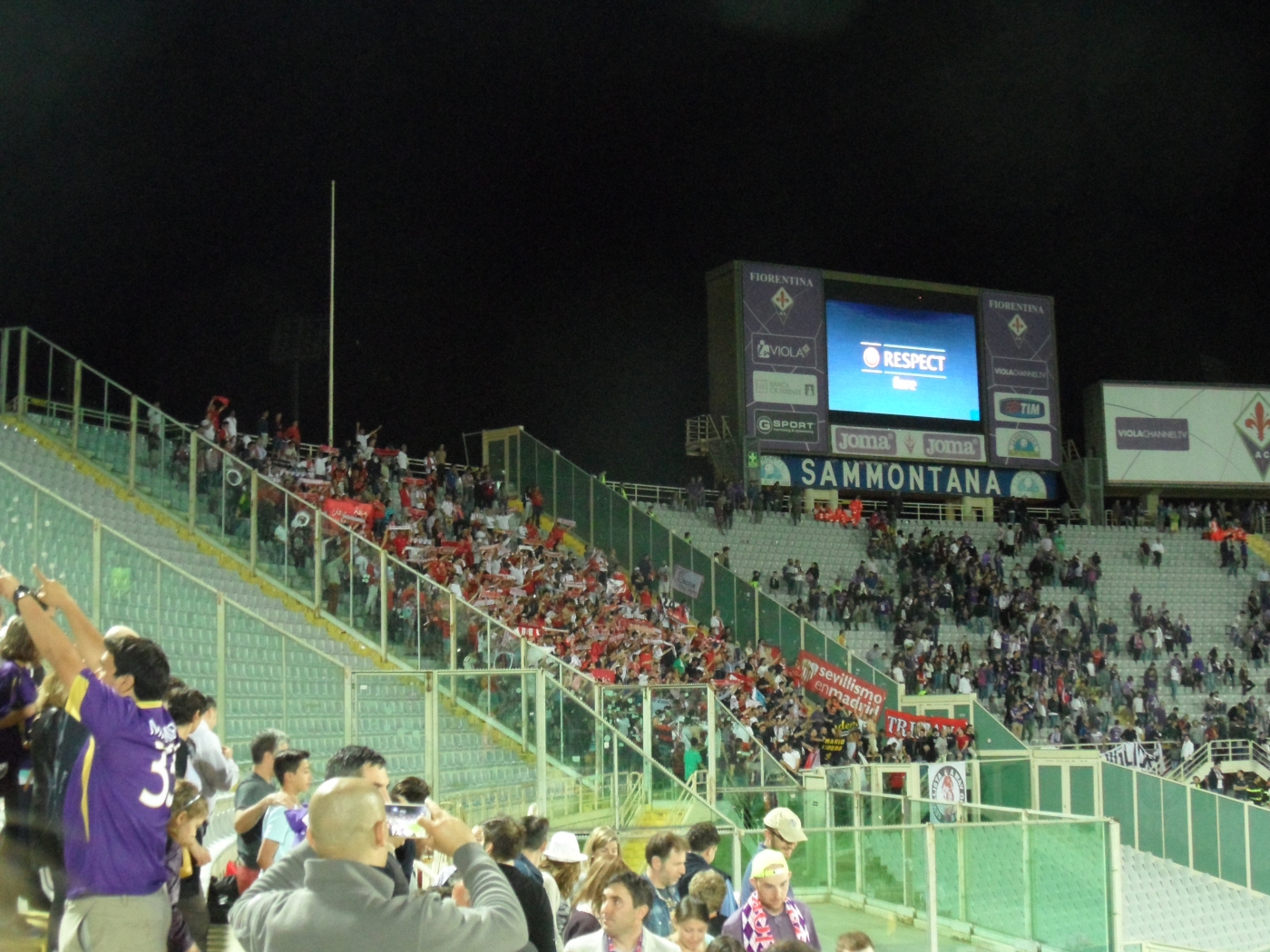
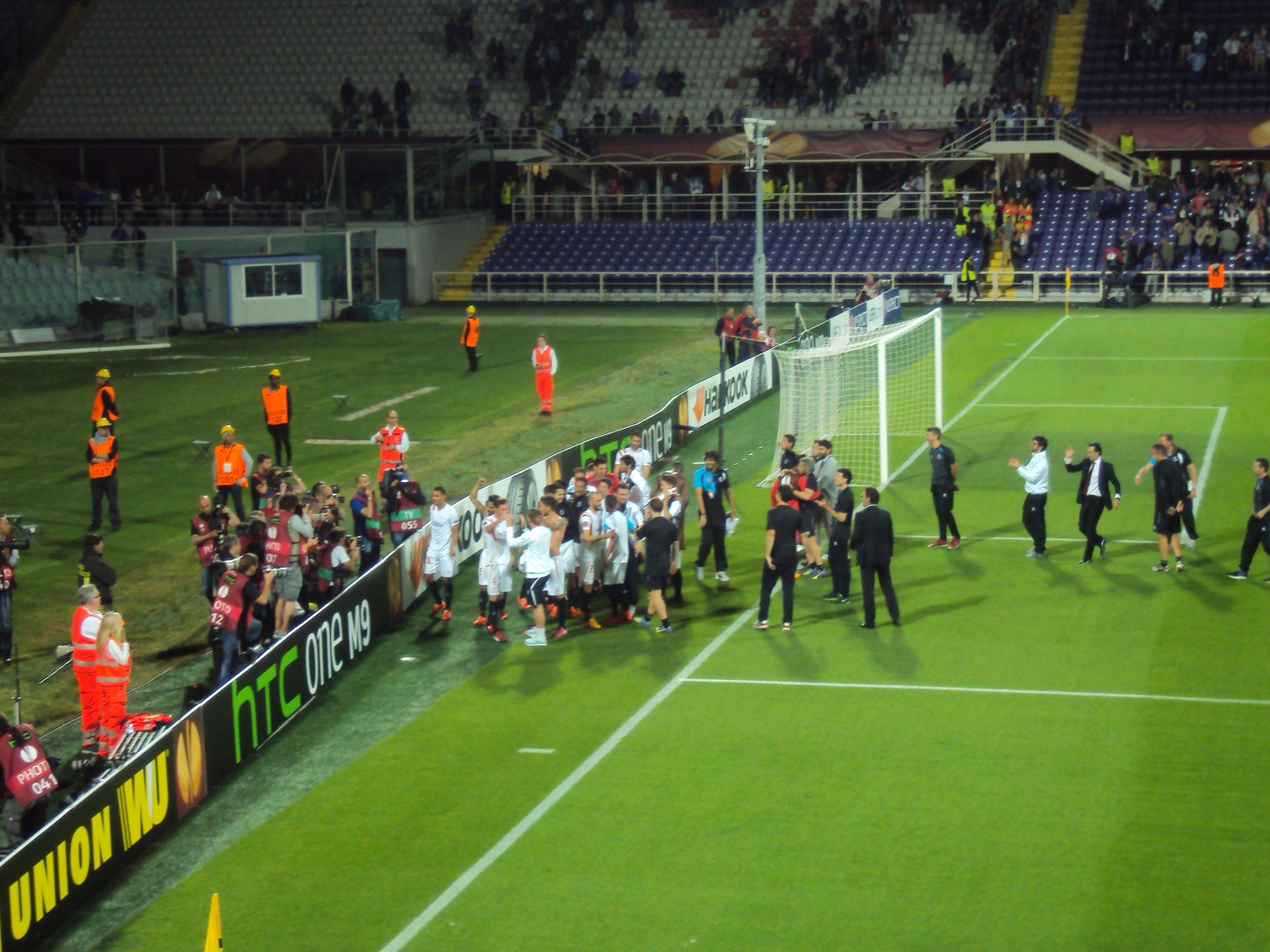
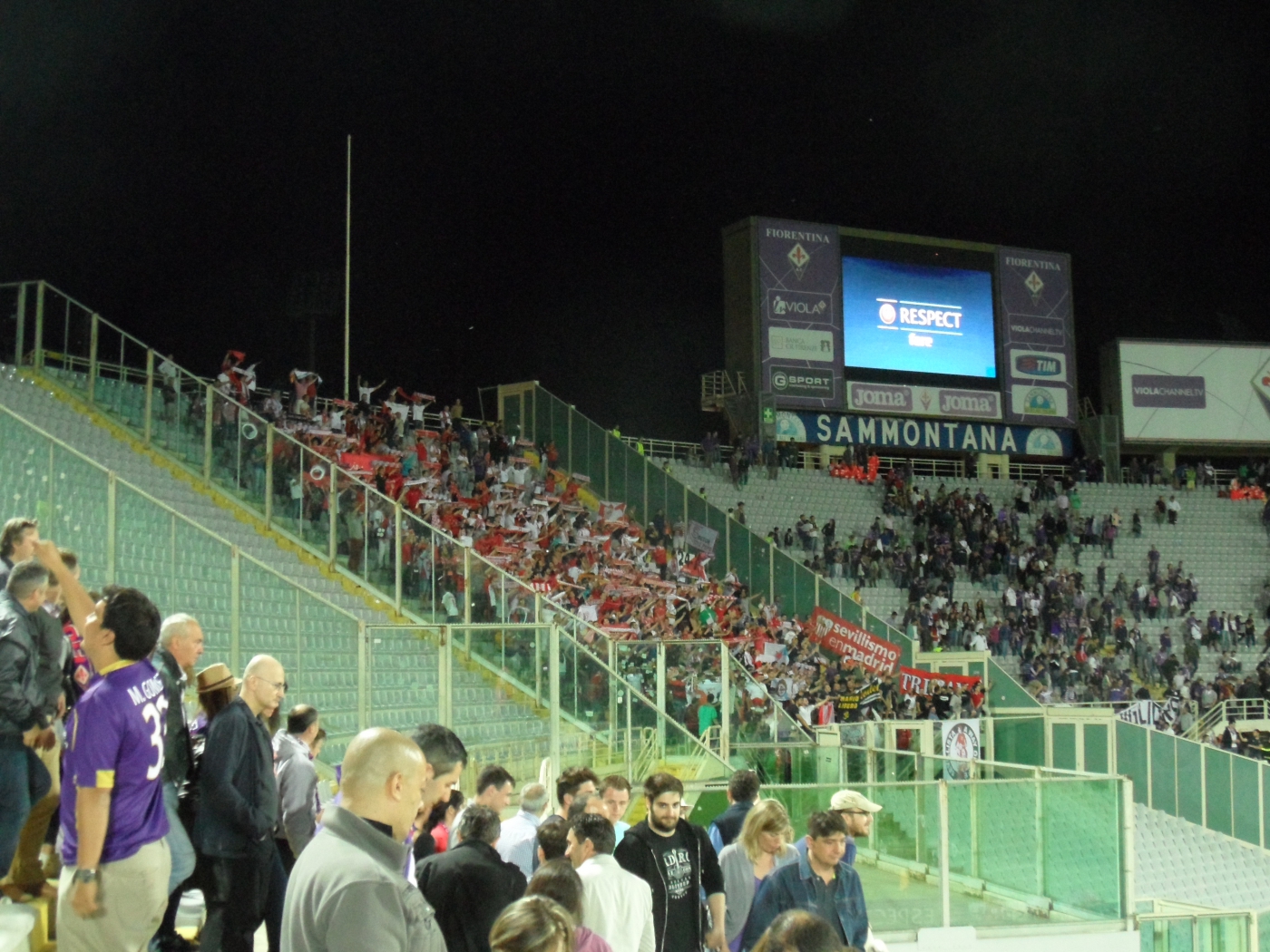
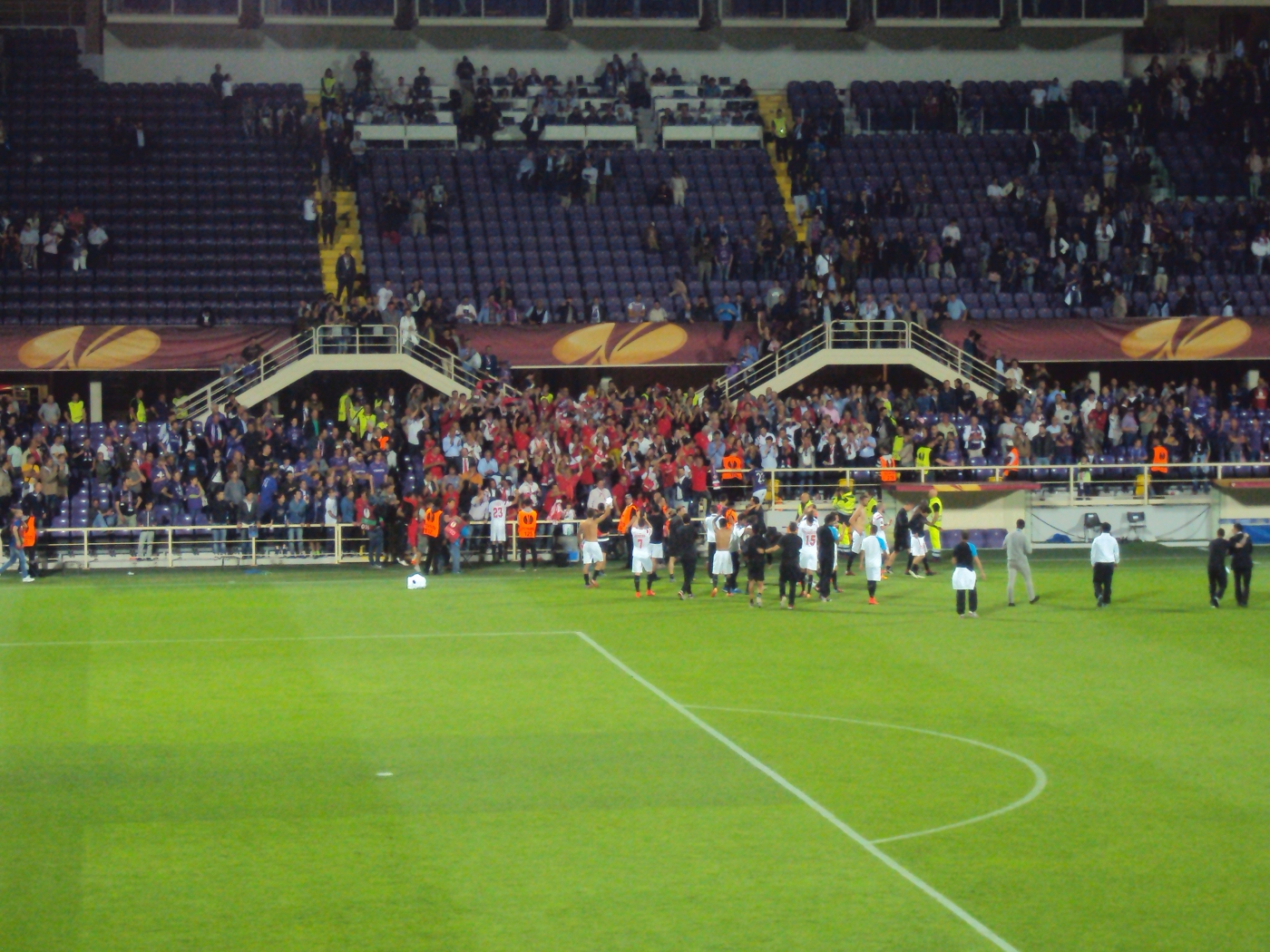
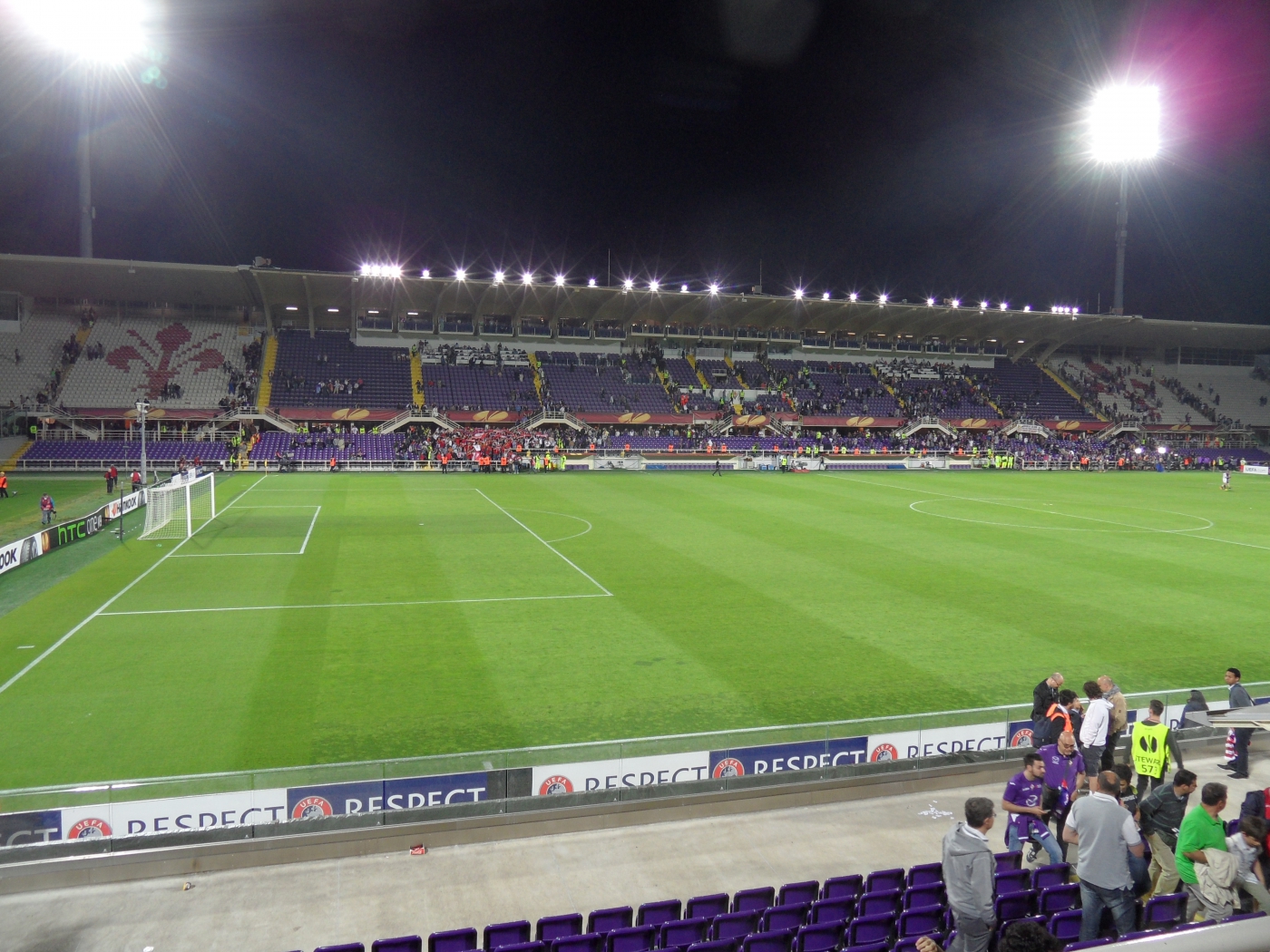
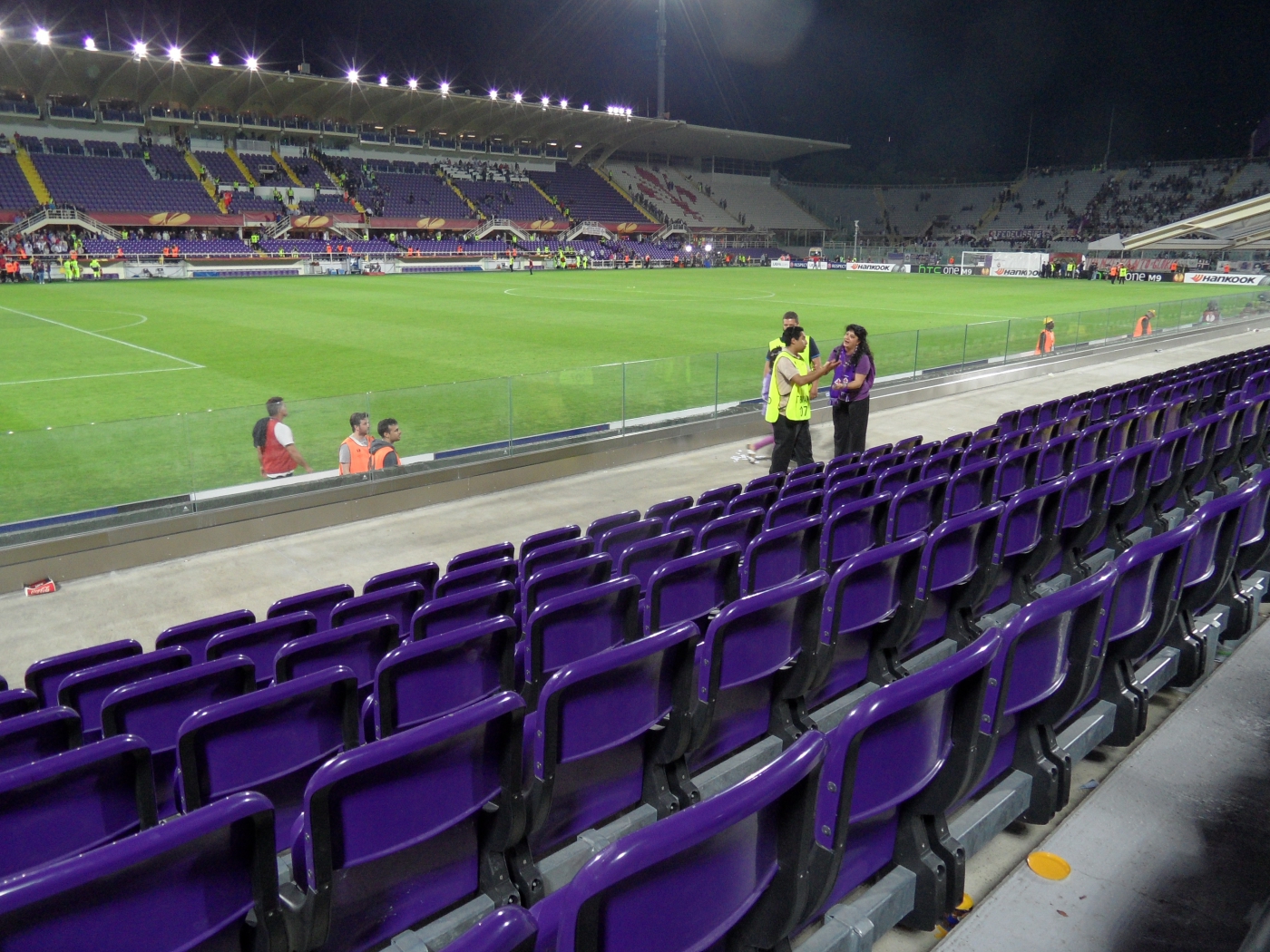
Fiorentina plays its home matches at the historic Stadio Artemio Franchi, an architectural marvel that has witnessed decades of thrilling encounters. The club's golden era truly blossomed in the mid-1950s and 1960s. They proudly claimed their first Serie A title in the 1955-56 season, a monumental achievement that broke the stronghold of the Milanese and Torinese clubs. This triumph was followed by an appearance in the European Cup final in 1957, where they narrowly lost to the mighty Real Madrid. Another glorious Serie A Scudetto followed in the 1968-69 season, solidifying their place among Italy's elite. Furthermore, the Viola boasts an impressive collection of Coppa Italia trophies and lifted the UEFA Cup Winners' Cup in the 1960-61 season, becoming the first Italian team to win a European competition.
Icons and Rivalries
Over the years, the purple shirt has been graced by numerous legends. From early stars like Giuseppe Virgili and the Argentine maestro Miguel Montuori, to more contemporary icons such as the prolific goalscorer Gabriel Batistuta, the dazzling playmaker Roberto Baggio, and the elegant Manuel Rui Costa. Batistuta, in particular, remains an indelible figure, revered for his thunderous shots and unwavering loyalty during challenging times. Fiorentina's passionate support often manifests in intense rivalries, most notably with Juventus, a rivalry ignited and fueled by historical encounters and controversial player transfers like that of Roberto Baggio. Another fierce local derby is against Bologna, known as the "Apennine Derby."
Resilience and Future
Despite periods of financial instability, including a dramatic bankruptcy and rebirth in the early 2000s, Fiorentina has consistently demonstrated remarkable resilience. The club's identity, deeply intertwined with the cultural fabric of Florence, remains vibrant. The distinctive purple kit, chosen by the club's founders, has become an iconic symbol, representing not just a football team but a part of the city's soul. As the Viola continue to compete at the highest levels, their journey remains a captivating saga of beauty, passion, and the enduring spirit of Florentine football.
Links and Social Media:
stadium: